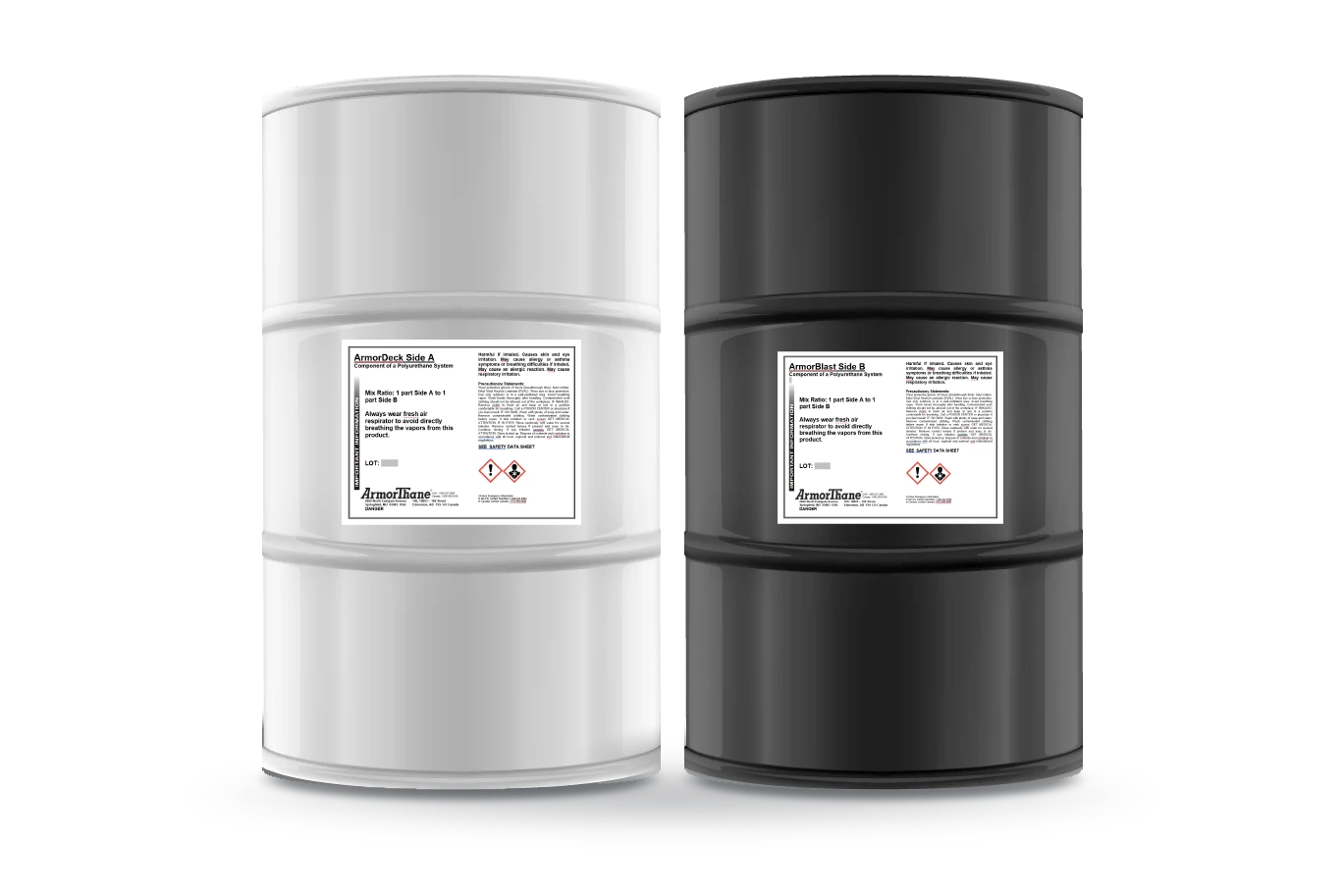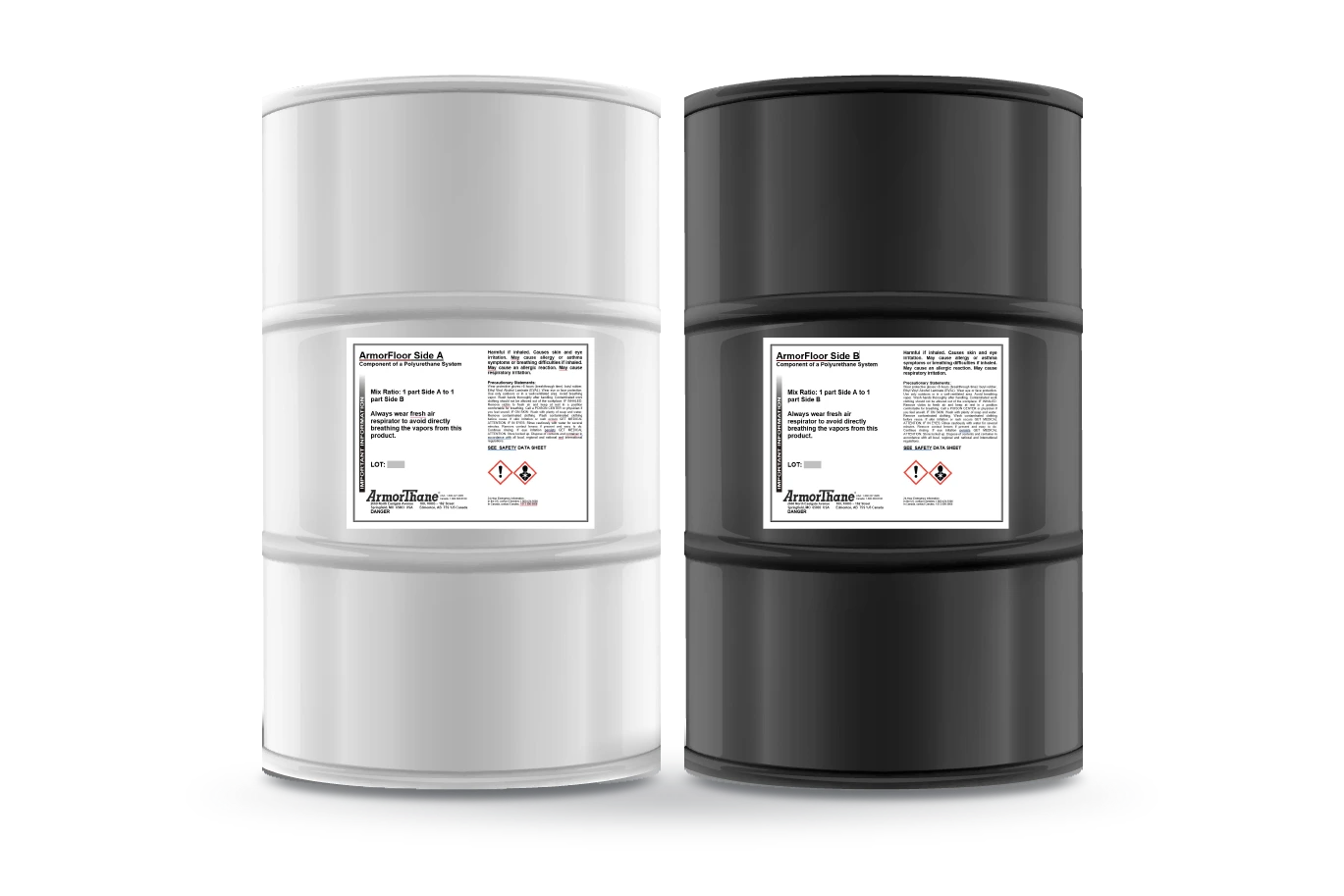

ArmorPA
Showroom gloss that holds its color.
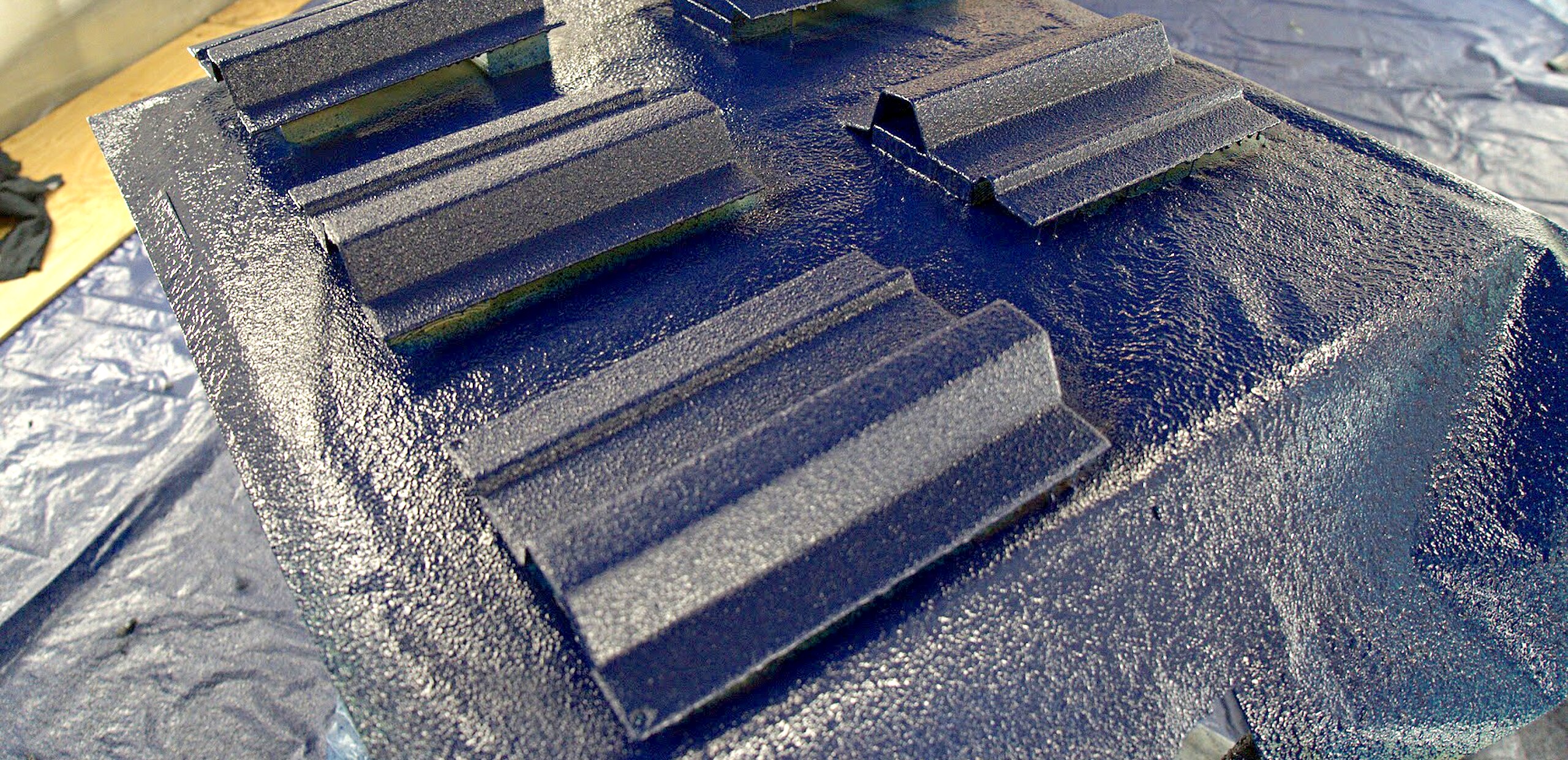
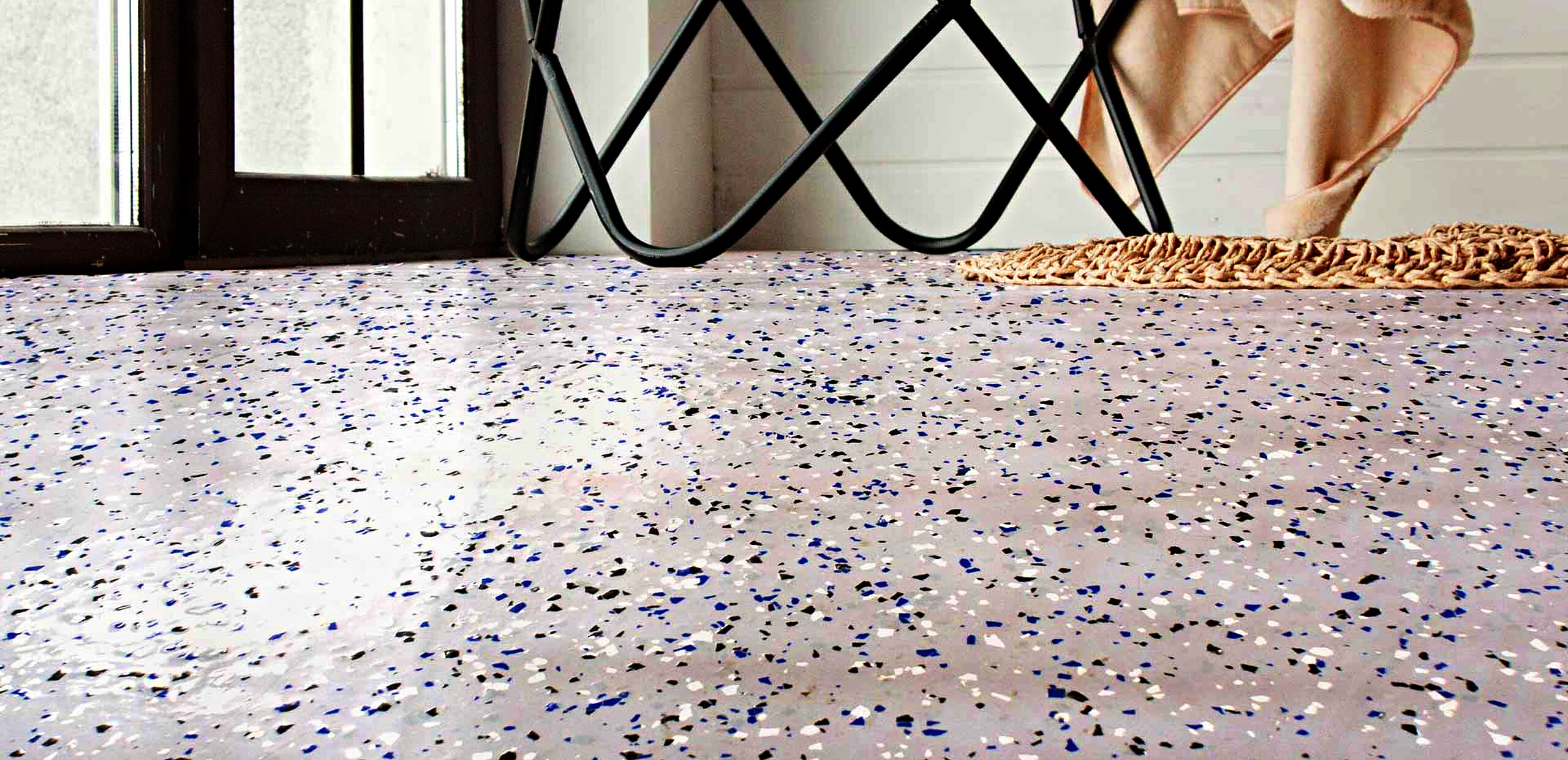
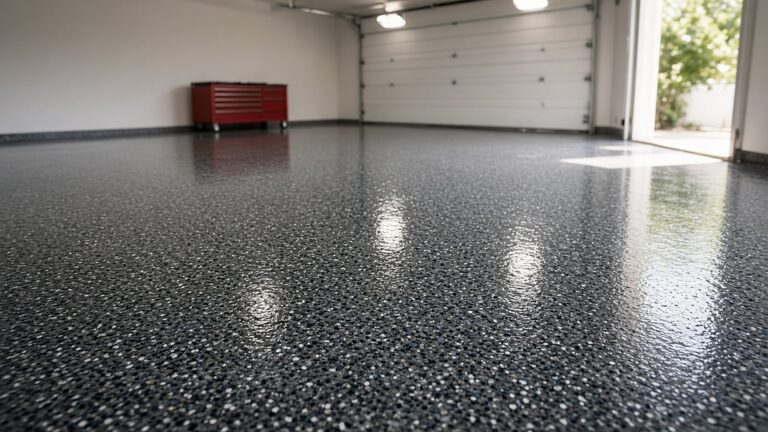
The same polyaspartic as ArmorFloor, sold for everything that is not a floor. Steel, plastic, plywood, plant equipment, barges and platforms — anywhere you want a hard, high-gloss, color-stable topcoat that goes on with a roller or a cup gun instead of a plural-component rig.
- Aliphatic polyaspartic
- Roll, spray or cup gun
- Color stable
- SCAQMD compliant
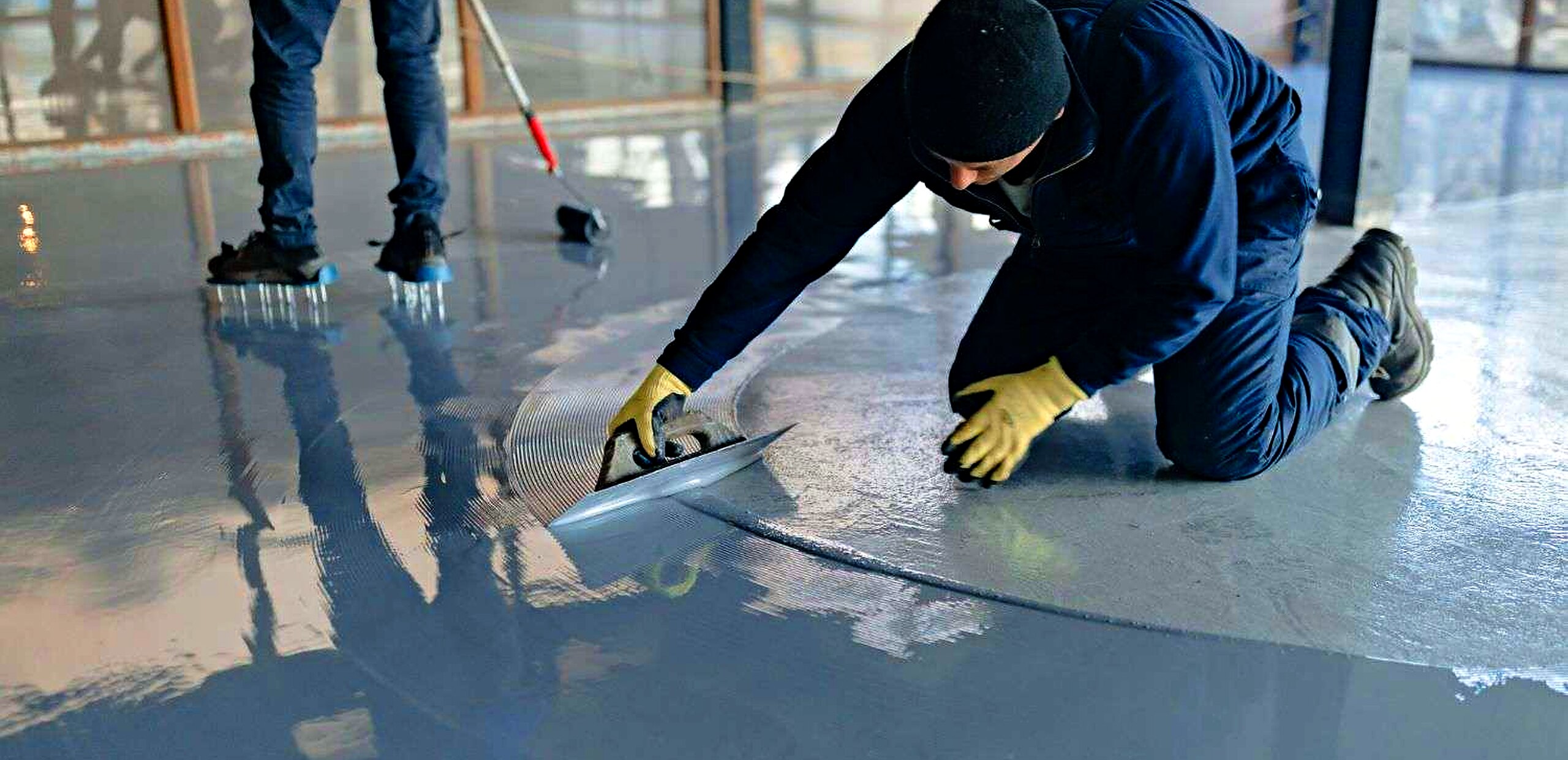
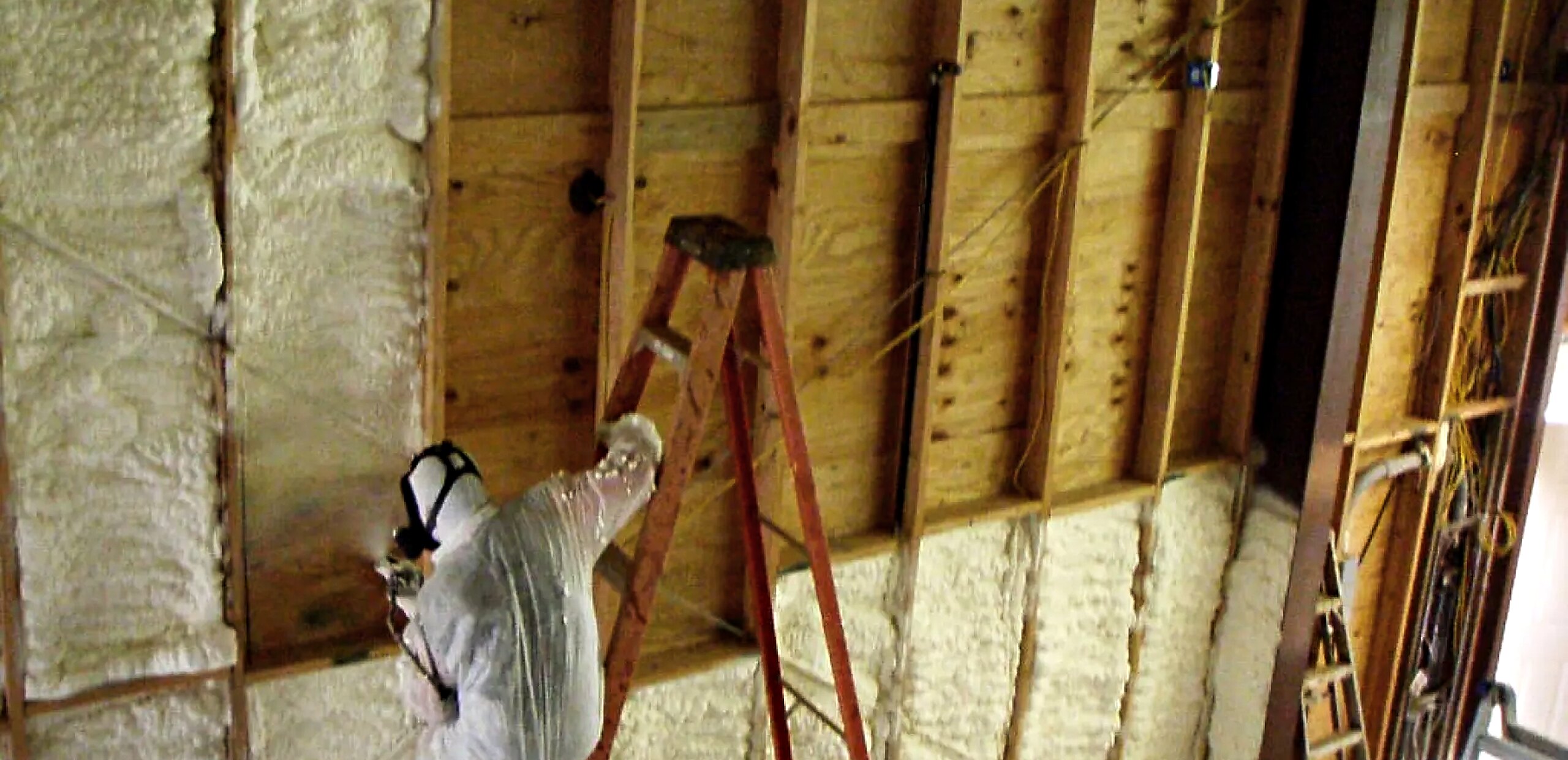
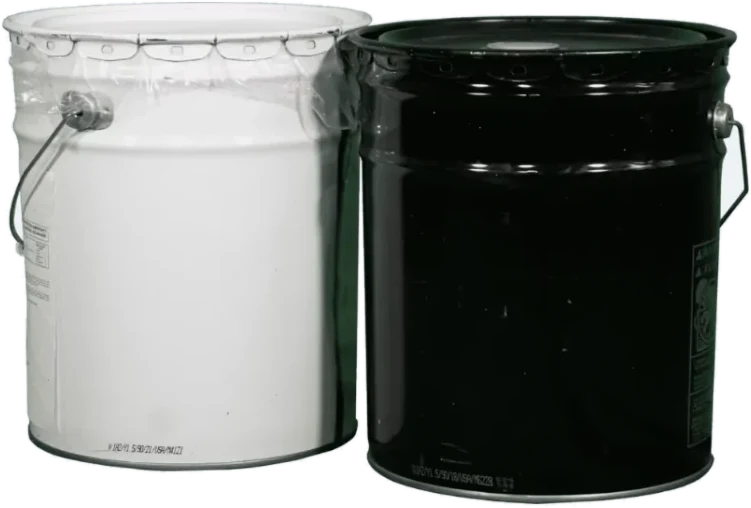
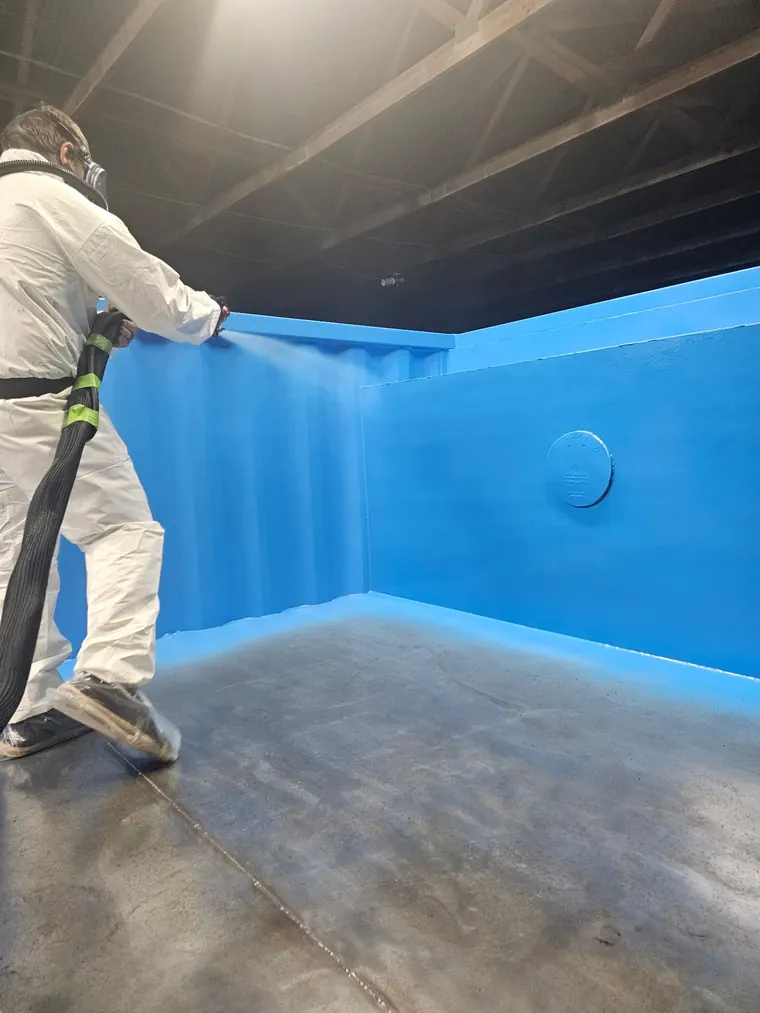
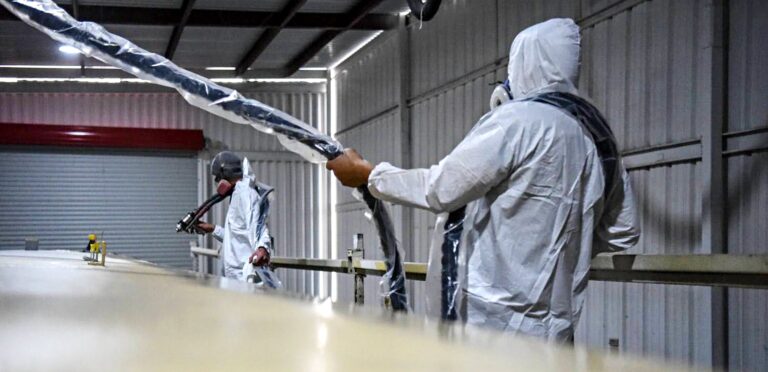
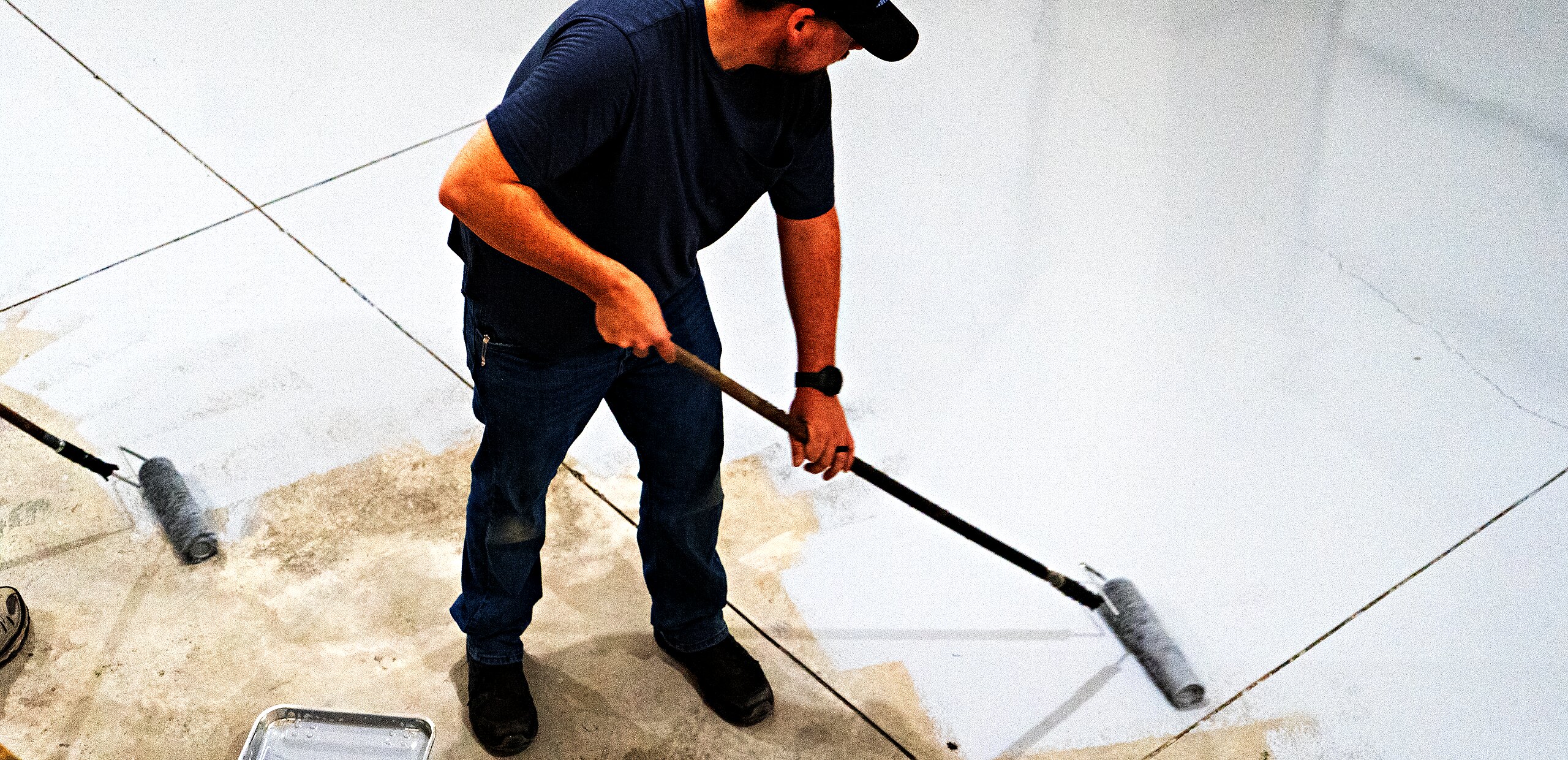
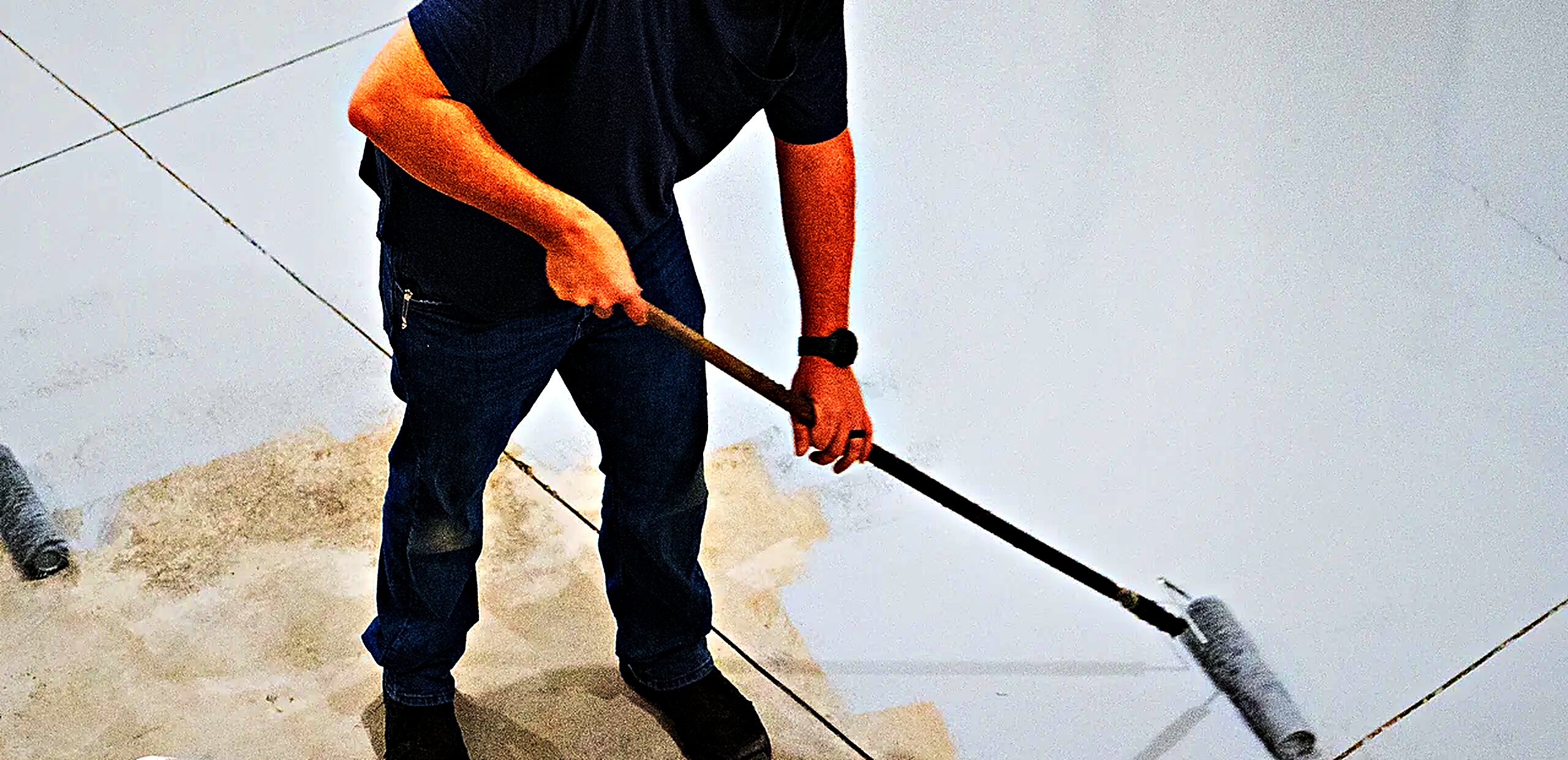
Roller, cup gun or airless sprayer, fourteen mils a coat. A two gallon kit, a mixer and 45 minutes of working time is the whole equipment list.
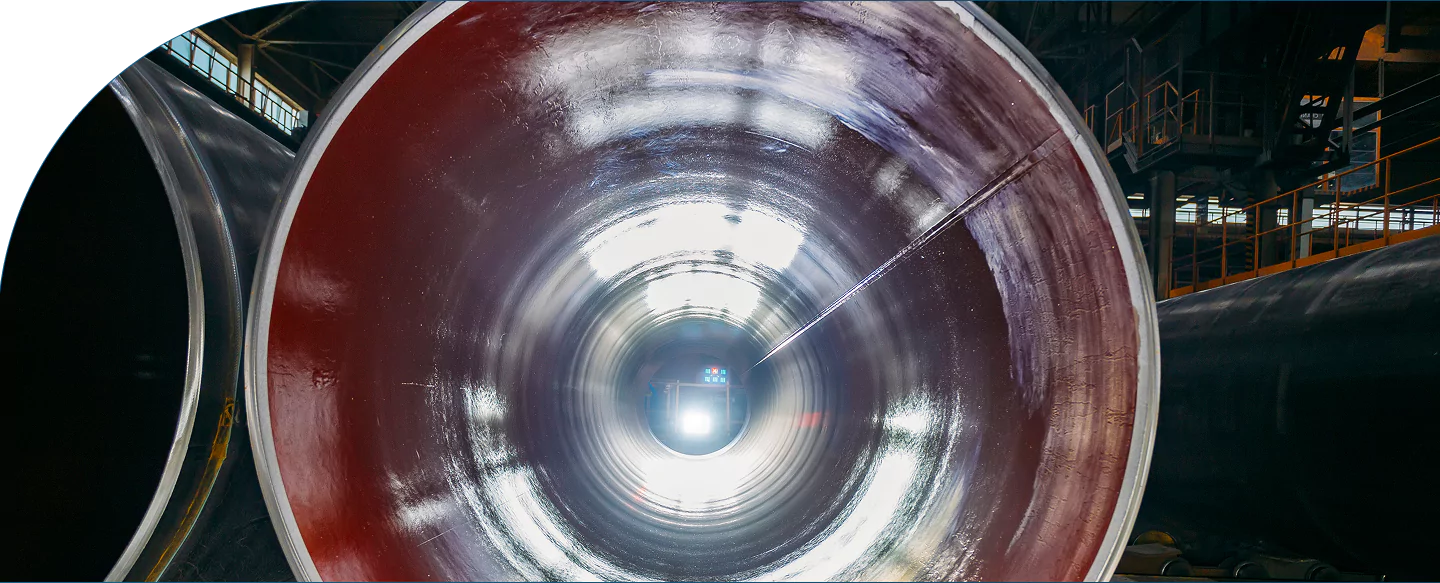
Steel is on the published substrate list alongside concrete, plywood and plastic. As a topcoat it protects the gloss and color of whatever aromatic system is underneath doing the corrosion work.
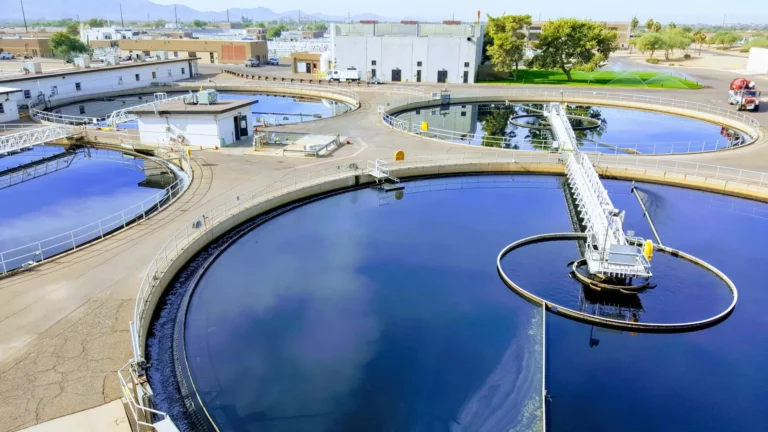
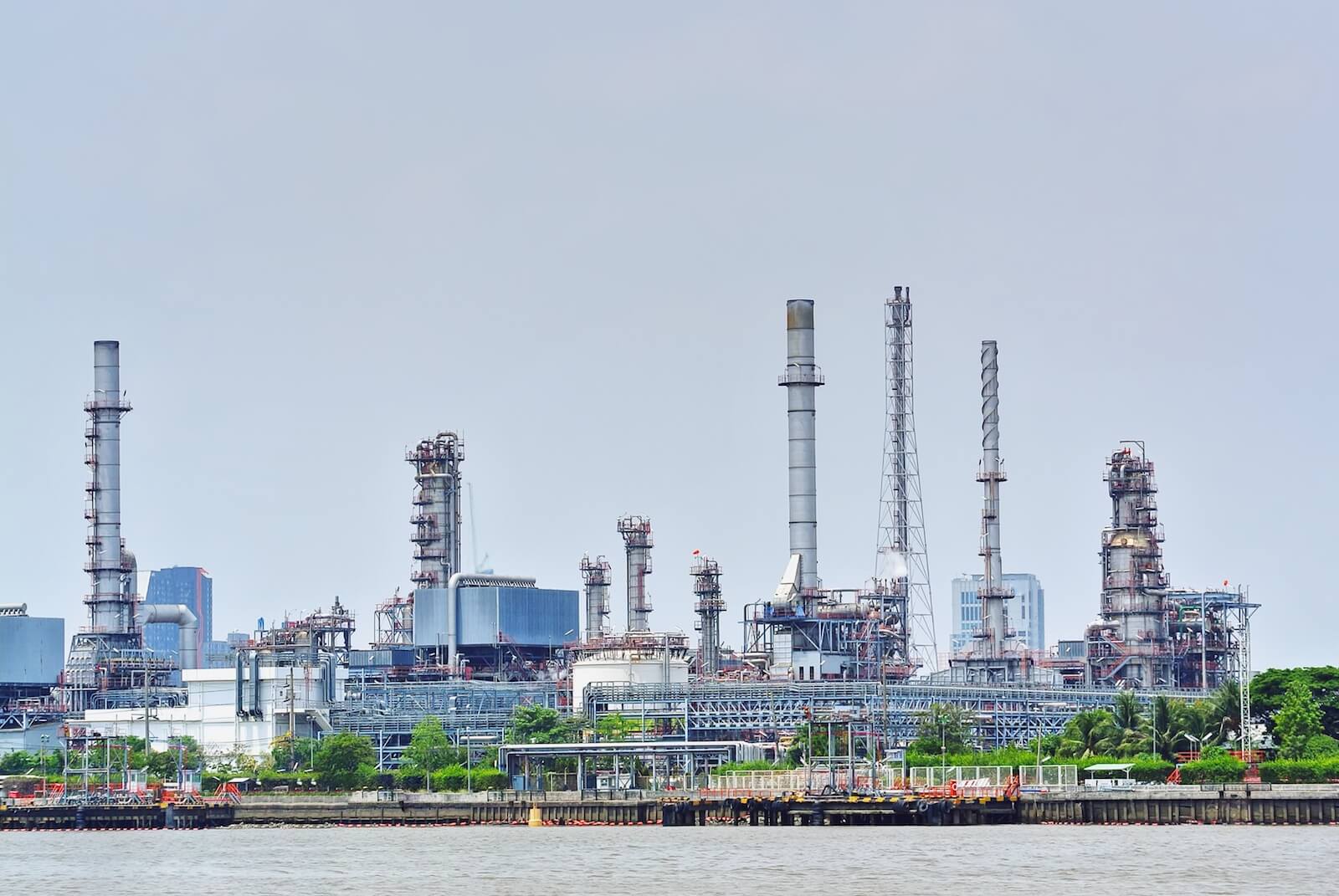
Offshore oil platforms, pipeline barges and chemical plant. This is where aliphatic chemistry pays for itself — an aromatic topcoat in that UV and salt would be flat and yellow inside a season.
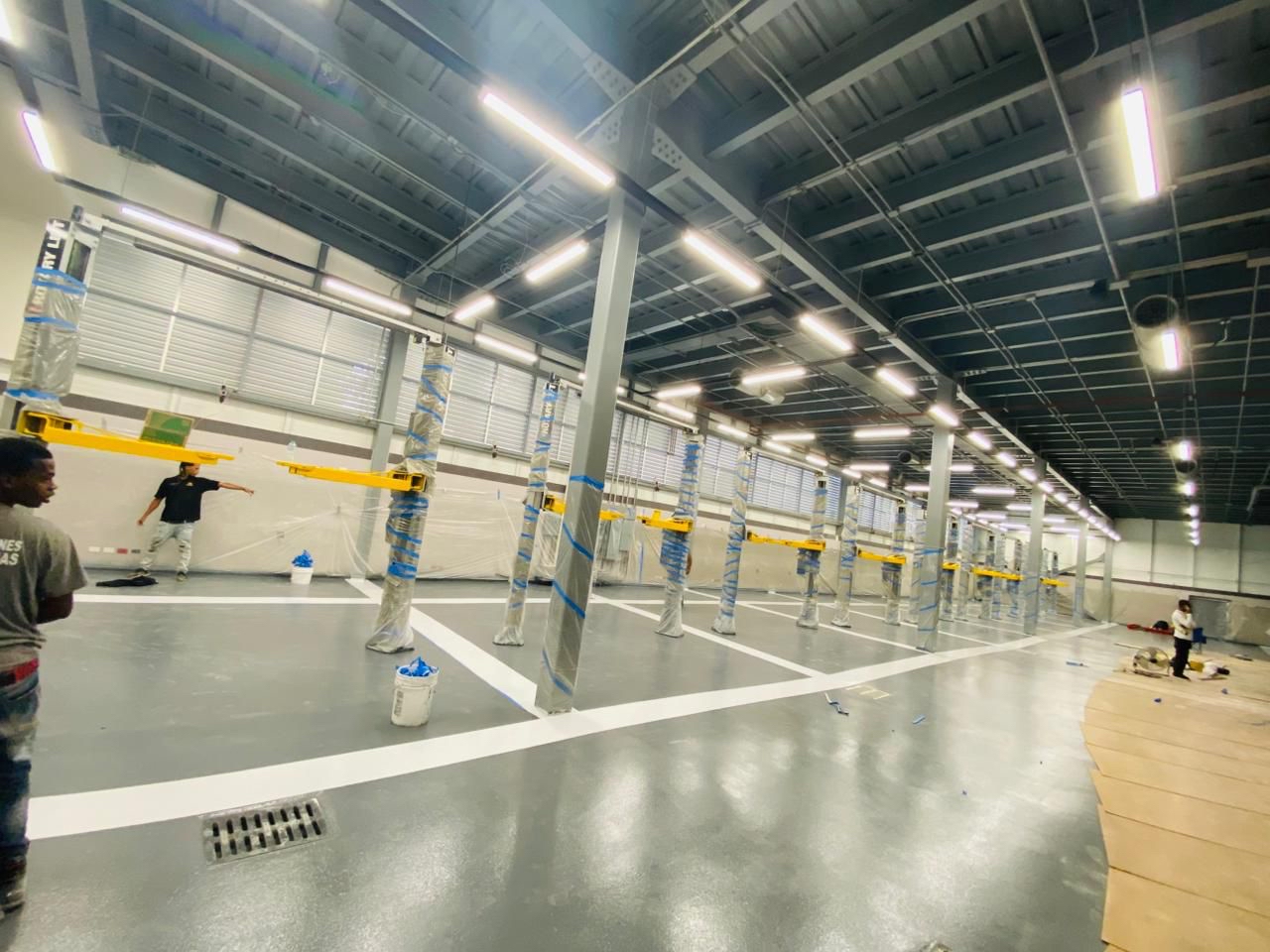
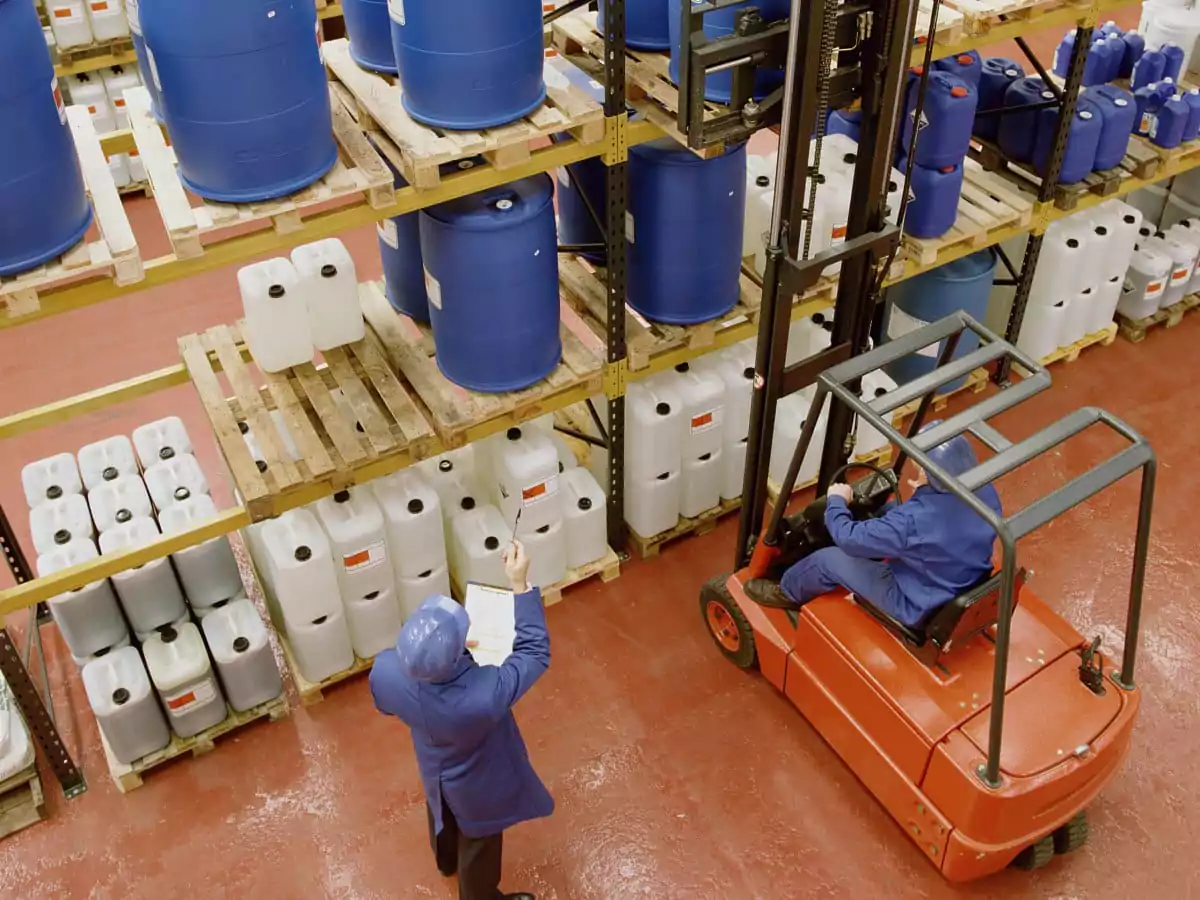
Chemical plants, food processing areas, pulp and paper mills, fertilizer plants and cold storage. High gloss means cleanable; seamless means nothing sits in a joint.
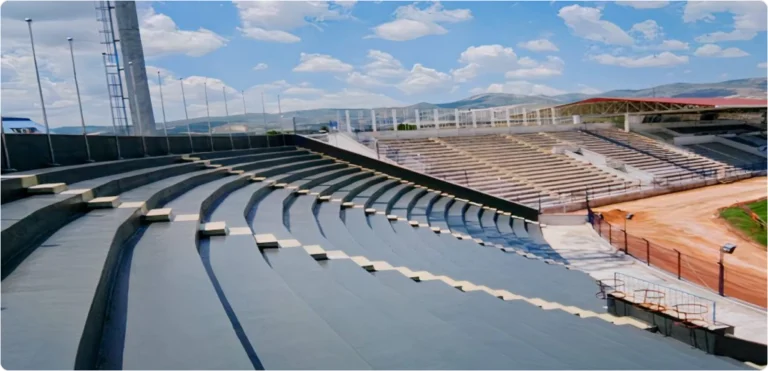
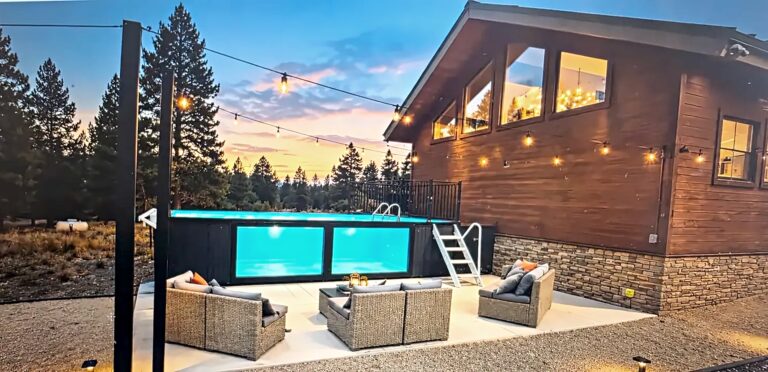
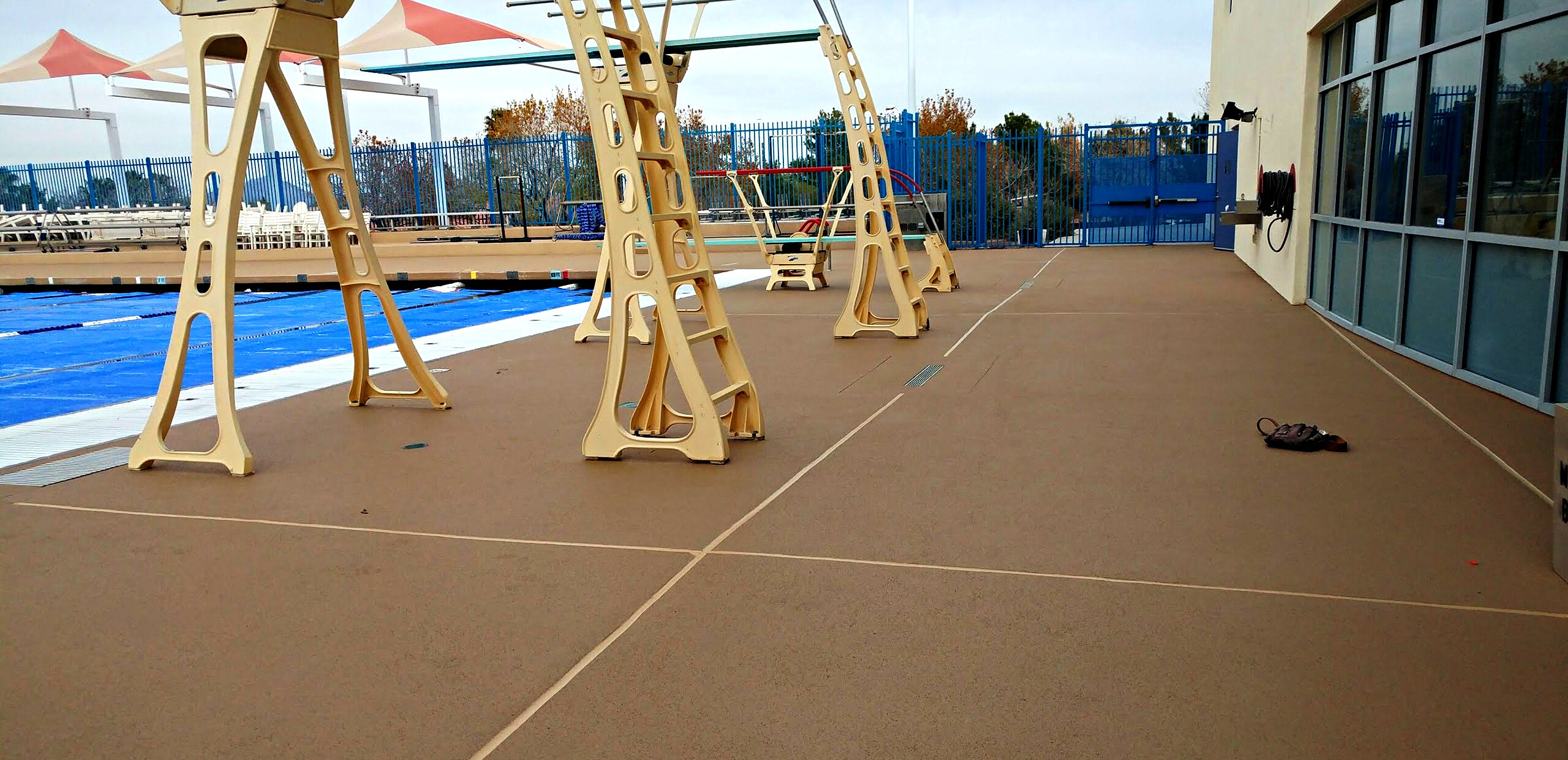
Exposed decks, surrounds and structures. Note the data sheet warning: the finished surface is high gloss and may be slippery when wet, so specify a non-slip additive where that matters.
Same chemistry as ArmorFloor, different job.
ArmorPA is an ArmorThane formulation, part of the ArmorFlooring range. It carries the same published data as ArmorFloor because it is the same aliphatic polyaspartic — the difference is what you point it at. ArmorFloor is how we sell it for slabs; ArmorPA is how we sell it for everything else.
Aliphatic, so the color holds
Aromatic polyureas and polyurethanes yellow, darken and go flat under UV. ArmorPA is aliphatic — UV resistant with superior gloss retention and color stability. That is why it goes on top of those systems rather than beneath them.
Topcoat over aromatic polyurea, polyurethane and epoxy systems
Not just concrete
The published substrate list runs concrete, plywood, steel and plastic. On a plant, a platform or a barge, that means one topcoat across a mix of materials rather than a different product for each.
Concrete, plywood, steel and plastic
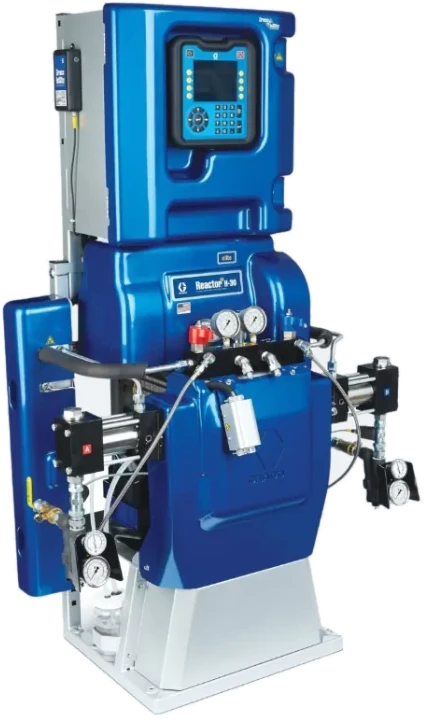
No plural-component rig needed
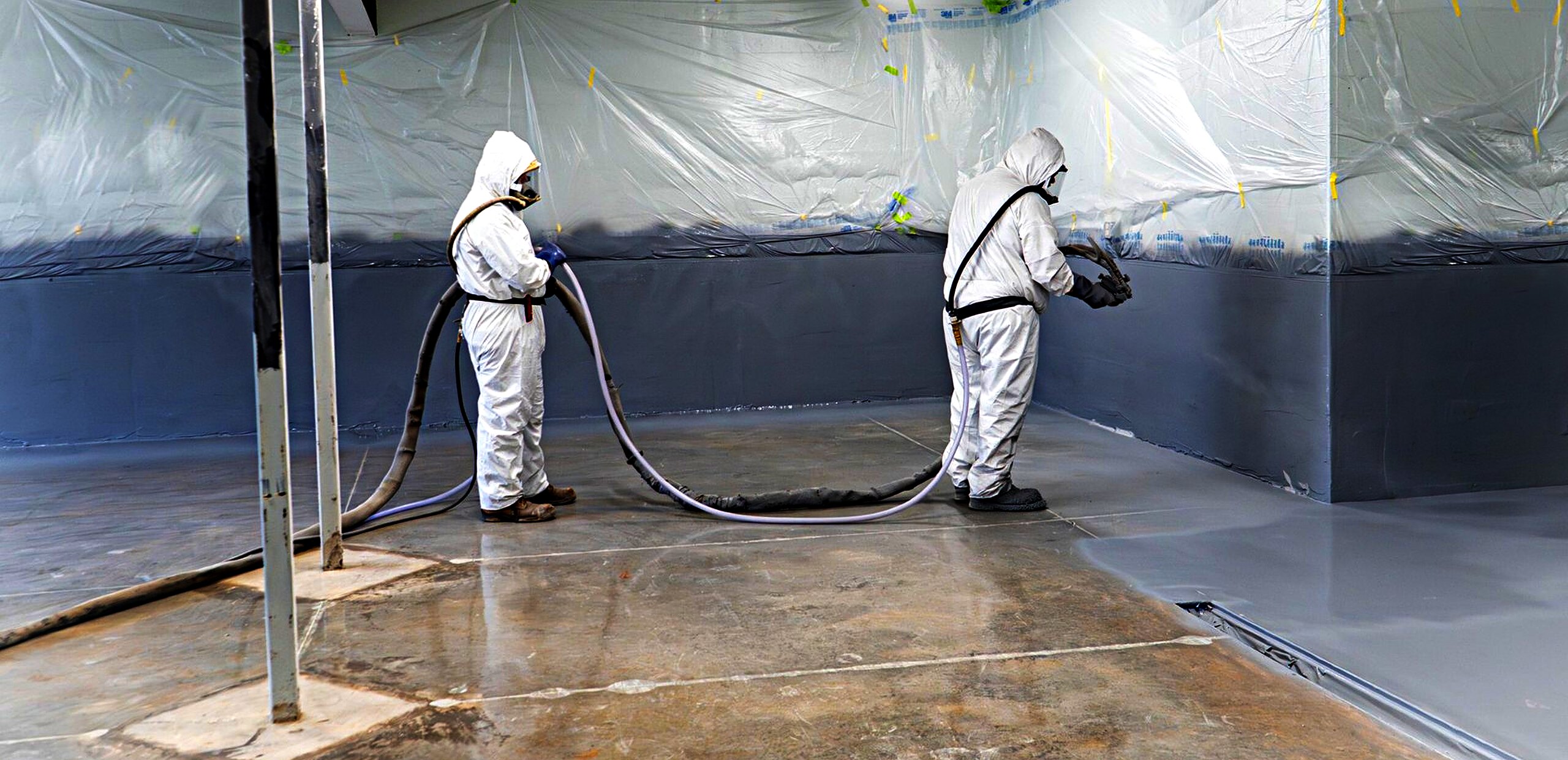
Phenolic resin core roller, airless sprayer or a cup gun under low pressure. Two gallon kits. For work at height, inside a vessel or anywhere a heated hose will not reach, that matters more than any number on the data sheet.
Roller, airless spray or cup gun · 2 gallon kits
Hard and strong for a thin film
About 65 Shore D with 3,500 psi tensile and 400 pli tear at fourteen mils a coat. Elongation is deliberately low at around 50% — this is a wear and weather surface, specified as the top of a system rather than the whole of one.
About 3,500 psi tensile · 65 Shore D · around 50% elongation
Built to a Californian air standard
ArmorPA was formulated for use in Southern California and complies with SCAQMD air quality standards. VOC content is about 100 g/l — low, but not zero, and it contains solvent as well as isocyanates.
SCAQMD compliant · VOC about 0.83 lb/gal (100 g/l)
Backed by the people who make it
Buying ArmorPA means buying the chemistry, the equipment if you want it, the hands-on training that certifies the crew, and technical support for as long as you use it. There are no franchise fees and no royalties on any of it.
$0 franchise fees · hands-on applicator training · support for the life of the business
The jobs ArmorPA is genuinely the right answer for.
Each of these traces back to the published data sheet — the figures below are rounded.
Steel and plant equipment
Steel, plastic and plywood as well as concrete. A single high-gloss topcoat across a plant made of several different materials.
Anywhere UV is the problem
Aliphatic, color stable and UV resistant. It is the layer that stops an aromatic system underneath going yellow and flat.
Offshore platforms and barges
Offshore oil platforms and pipeline barges. Excellent weatherability with superior gloss retention in salt and sun.
Chemical and food plants
Chemical plants, food processing areas, pulp and paper mills and fertilizer plants. High gloss is cleanable; seamless leaves nothing to sit in.
Work a rig cannot reach
Roller, cup gun or airless sprayer from a two gallon kit. Vessels, walls, structures and anywhere a heated hose is impractical.
Jobs that cannot stop for long
Two to four hour cure per coat, light traffic at six hours. Facilities come back into service the same day rather than the same week.
Mixed in two gallon lots, and the clock starts immediately.
ArmorPA is specific about mixing and the data sheet does not leave it to judgement. Mix Part A and Part B individually first, then add B to A while mixing with a Jiffy mixer at medium speed for at least five minutes. Scrape the sides. Do not mix up and down. Do not whip air in, or you get pinhole blisters and a shorter pot life. And do not mix more than you can lay down in 45 minutes.
- Mix each part on its own, then add B to A while mixing
- Jiffy mixer at medium speed, at least five minutes, scraping the sides
- Do not whip air in — pinhole blisters and shortened pot life
- Pot life is 45 to 60 minutes at 75°F; mix only what you can use in 45
- Keep mixing during application to hold a uniform color
What this product must not go on.
ArmorPA publishes an explicit do-not-coat list, and it is worth reading before you quote rather than after. Split slabs, buried membrane, sandwich slabs with insulation, slabs over unvented metal pan, magnesite and lightweight concrete are all excluded. Slabs on grade can be coated, but only after a moisture-vapor transmission test. These are the conditions that produce blistering and delamination later.
- Do not coat: split slabs, buried membrane, sandwich slabs with insulation
- Do not coat: slabs over unvented metal pan, magnesite, lightweight concrete
- Slabs on grade: run a moisture-vapor transmission test first
- Clear can turn opaque and cloudy from moisture, especially outdoors
- The finished surface may be slippery when wet — specify accordingly
Where ArmorPA earns its keep.
The published list covers both substrates and settings — these are the places applicators put it most.
Steel structures and vessels
Steel as a published substrate, topcoated for gloss, color stability and weather over whatever is doing the corrosion protection.
Offshore platforms and barges
Offshore oil platforms and pipeline barges. Excellent weatherability with superior gloss retention in the hardest UV and salt exposure there is.
Chemical and industrial plant
Chemical plants, industrial warehouses, pulp and paper mills and fertilizer plants. Hard, glossy and seamless across mixed substrates.
Cold storage and food processing
Cold storage areas and food processing environments. Cleanable high gloss with a two to four hour cure per coat.
Exposed decks and surrounds
Decks, surrounds and exposed structures where an aromatic topcoat would fade. Specify a non-slip additive where the surface gets wet.
Plywood and plastic
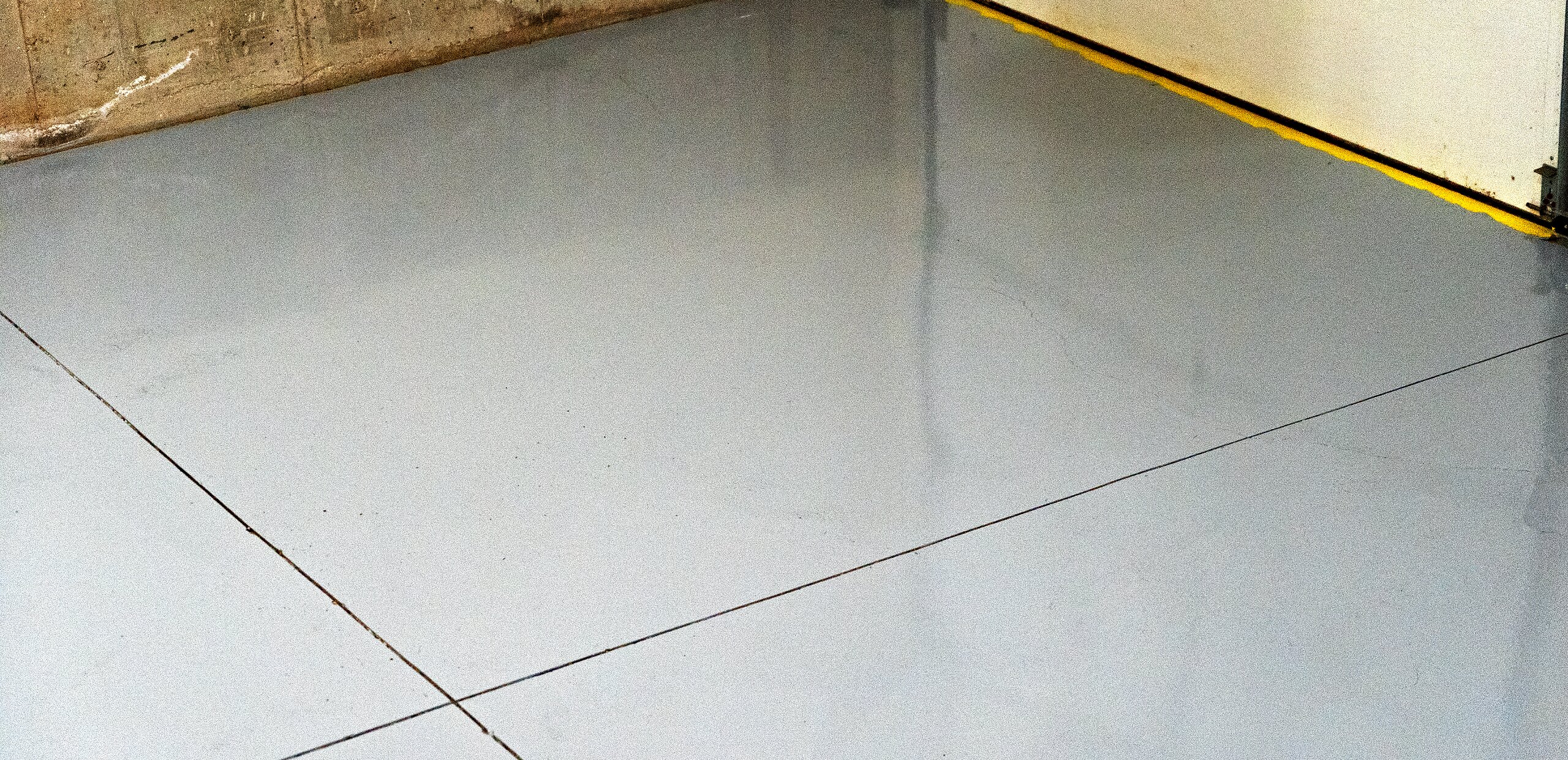
Plywood and plastic as well as concrete and steel. One topcoat system across the mix of materials a real building is made of.
What to expect from the film.
Typical values, rounded so you can size the product up quickly. These are the same published figures as ArmorFloor — it is the same chemistry.
No published property matches that search.
These are typical, rounded values — they are here to give you a feel for the product, not to specify a job. Exact published figures, tolerances and test conditions are on the current ArmorPA technical data sheet; ask us and we will send it. This product contains isocyanates and solvent. ArmorPA is for commercial use only and should only be applied by trained personnel.
How an ArmorPA job actually goes down.
The short version of the data sheet, in the order a crew does it.
- 01
Check the substrate against the exclusion list
Split slabs, buried membrane, sandwich slabs with insulation, slabs over unvented metal pan, magnesite and lightweight concrete must not be coated. A slab on grade can be, but only after a moisture-vapor transmission test. Settle this before you quote.
- 02
Clean the surface
All surfaces must be free of oil, grease, dirt and other contaminants, and they must be dry. A surface that is clean but damp shows up later as a problem, particularly under the clear.
- 03
Mix each part, then combine
Mix Part A and Part B individually first. Then add Part B to Part A while mixing, with a Jiffy mixer at medium speed, for at least five minutes. Scrape the sides. Do not mix up and down, and do not whip air in.
- 04
Mix only what you can lay down
Pot life is 45 to 60 minutes at 75°F. Do not mix material you cannot use within 45 minutes, and keep mixing during application so the color stays uniform.
- 05
Apply at 14 mils a coat
Roller, airless sprayer or cup gun, evenly across the surface — airless gives the best result. Minimum five mils; fourteen is the target per coat. The heavier you go, the longer it takes to cure.
- 06
Let it cure, then clean the kit
Two to four hours per coat at 75°F and 50% humidity. Light traffic at six hours, heavy at 24 to 48. Clean equipment with an environmentally safe solvent immediately after use.
Related Products and Guides
Polyaspartic floor coatings cure quickly and resist UV light, which is why they are popular for garages, shops and commercial floors that need to return to service fast. The background on polyaspartic esters explains the chemistry. For complete systems, start with WC-111 to prime porous concrete, add texturing aggregate or decorative chips for grip and appearance, and see the full ArmorFlooring range. Our guide to shot blasting concrete covers the preparation that makes floor coatings last.
A roll-on system is the easiest way into coatings.
No plural-component rig, no heated hose, no 2,800 psi. A two gallon kit, a mixer and a roller will put a hard, glossy, color-stable surface down — and it sits alongside the sprayed ArmorLine products rather than competing with them. ArmorThane trains you on both.
- Equipment package matched to the work you want to take on
- Hands-on training and applicator certification
- Technical support for the life of the business
- Applicators in more than 50 countries
ArmorPA, answered.
What is the difference between ArmorPA and ArmorFloor?
The application, not the chemistry. They publish identical technical data because they are the same aliphatic polyaspartic. ArmorFloor is how we sell it for floors and slabs; ArmorPA is how we sell it for everything else — steel, plastic, plywood, plant equipment, platforms and barges. If your job is a slab, start on the ArmorFloor page.
Is it a waterproofing membrane on its own?
No — the data sheet describes it as a surface topcoat for waterproofing membrane systems. It is the wear and UV layer that goes over something else. The low elongation, around 50%, is the tell: it is not designed to bridge a moving crack.
Is it zero VOC like the sprayed products?
No. ArmorPA carries about 0.83 lb/gal, which is 100 g/l, and it contains solvent as well as isocyanates. That is low enough to comply with SCAQMD standards in Southern California, which is what it was formulated for, but it is a real difference from the 100% solids sprayed polyureas.
Can I put it over an existing epoxy or polyurea?
Yes — that is one of its main jobs. The feature list specifically calls out topcoating over aromatic polyurea, polyurethane and epoxy, applied between 35 and 130°F. It is the layer that stops those systems yellowing and going flat.
Why does my clear coat look cloudy?
Moisture. The data sheet warns that clear coating may turn opaque and cloudy due to moisture penetration, especially in exterior applications. Surfaces must be dry, clean and free of foreign matter — and outdoors, a pigmented tan or grey is usually the safer specification.
Is it slippery?
It can be. The finished surface is high gloss and the data sheet says it may be slippery when wet. Anywhere that gets wet, specify a non-slip additive and let us help you pick one.
What do we need to know before handling it?
This product contains isocyanates and solvent. Read the Safety Data Sheets for both parts before anyone opens a can — regulations require that every employee be trained on the SDS for the chemicals they work around. Part A is classed as dangerous goods for transport: Paint Related Materials, Class 3, UN 1263, Packing Group III, flammable liquid.
Tell us what you are topcoating.
Describe the substrate, what is on it now, what it has to survive and where you are. An ArmorThane specialist will come back with the right system, what belongs under it, and what a startup actually costs.
- Equipment and kit sizing for your applications
- Hands-on training and applicator certification
- Substrate assessment and moisture testing guidance