
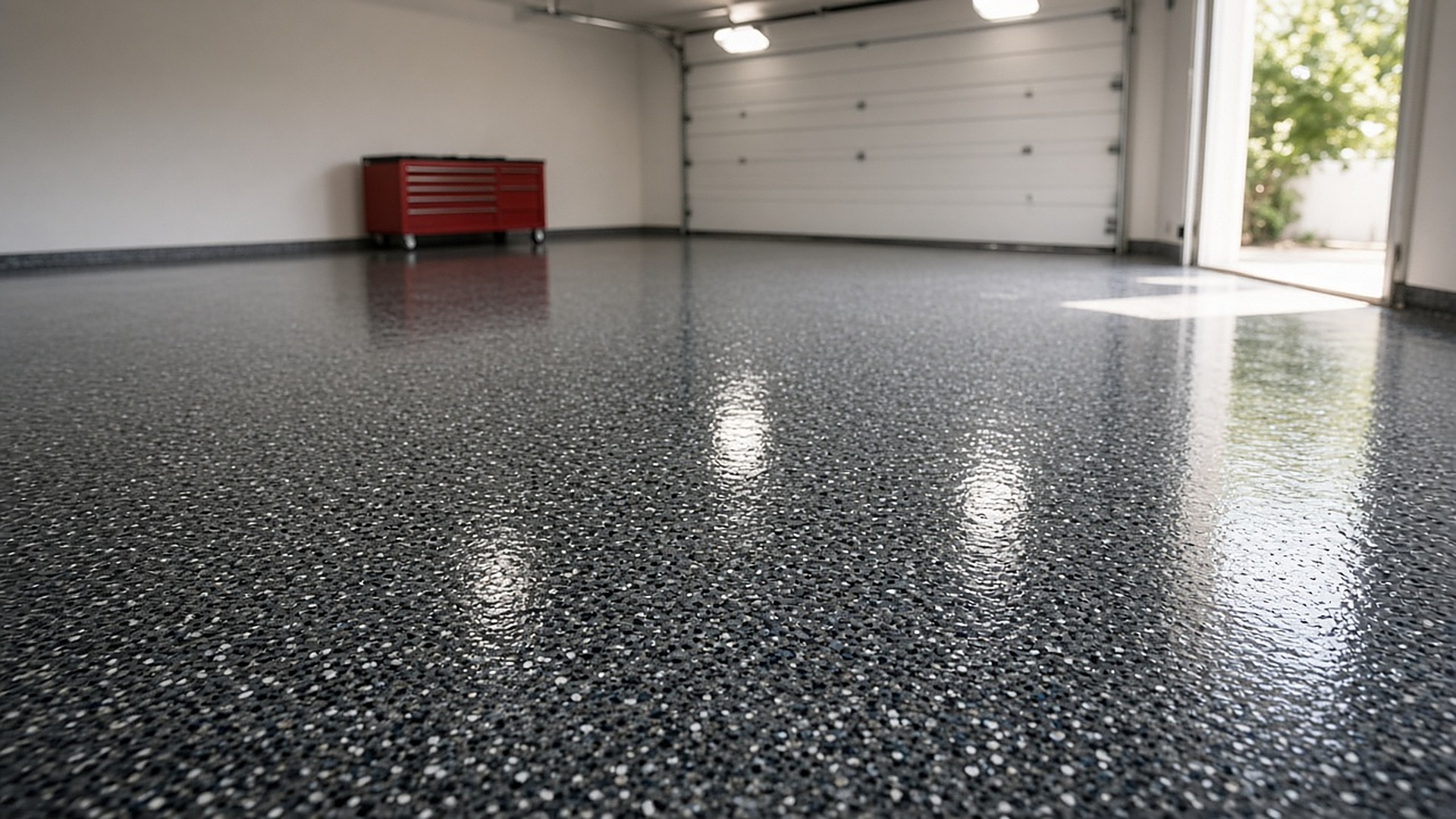
Polyaspartic and polyurea get compared as if they were rival products, and that’s where most of the confusion starts. Polyaspartic is a polyurea. It’s a branch of the same family, built around a different amine so that it behaves differently in the bucket and on the slab. Once you know which branch does which job, the polyaspartic vs polyurea question mostly answers itself.
Here’s the short version. In the floor systems we see most often, polyurea does the heavy lifting underneath, and an aliphatic polyaspartic goes on top where color and gloss matter. There are exceptions, and we’ll get to them. First, the chemistry, because it explains every difference you’ll read about later.
Polyaspartic vs polyurea: same family, different amine
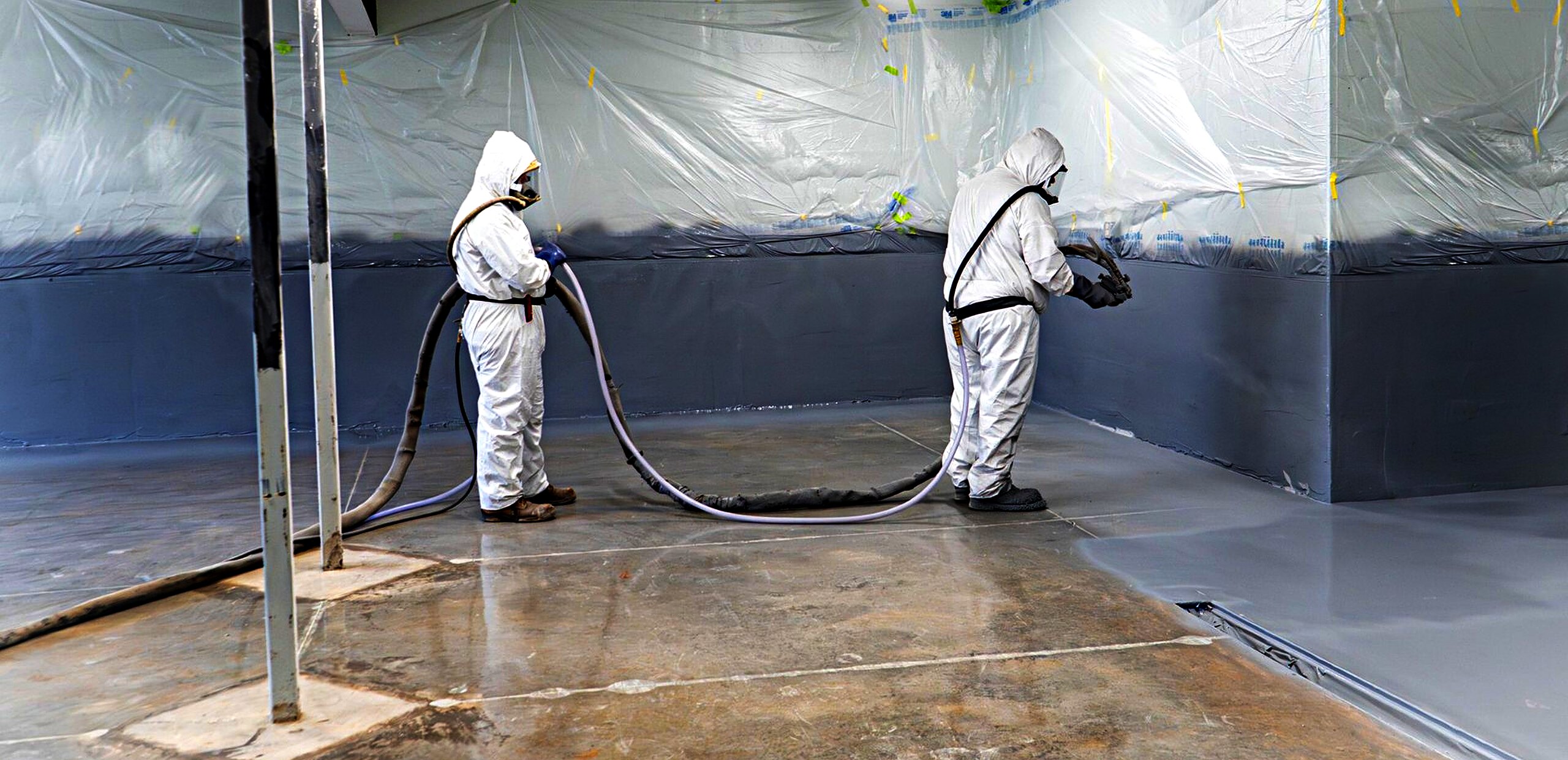
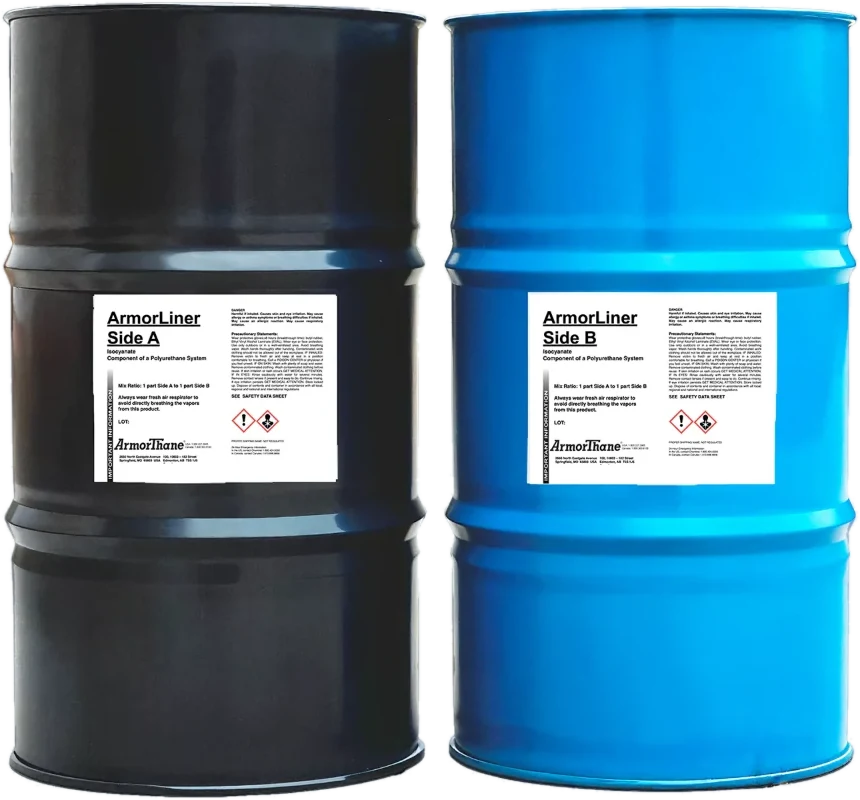
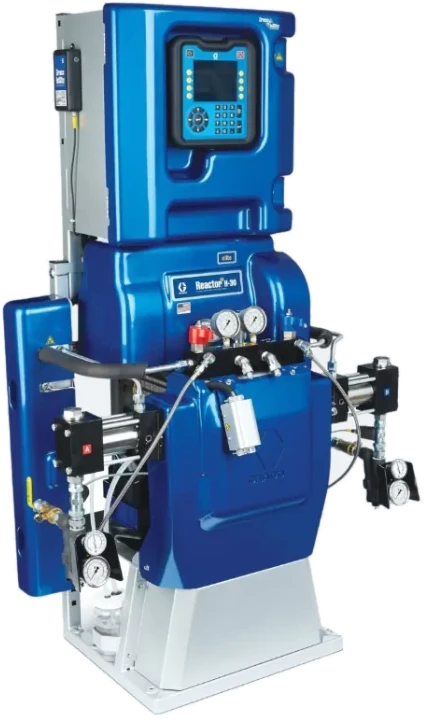
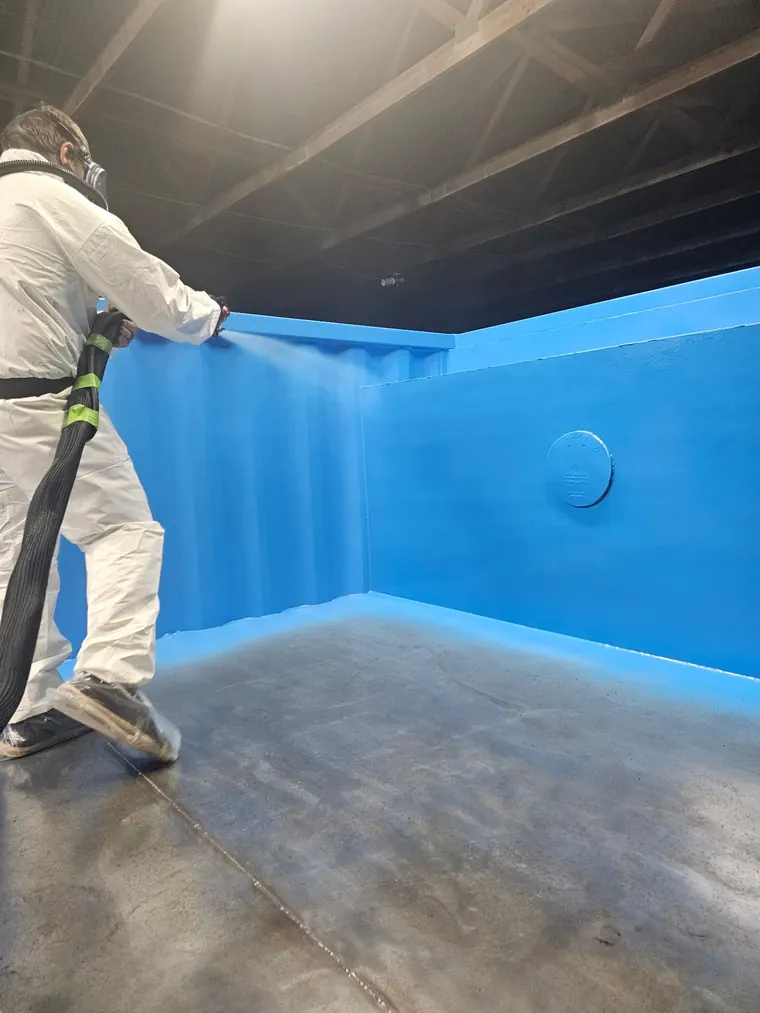
Polyurea forms when an isocyanate meets an amine. The two react so readily that no catalyst is needed. In a spray polyurea, the isocyanate (the A side) and the amine-terminated resin blend (the B side) travel to the gun in separate heated hoses and meet only inside the mixing chamber. ArmorThane’s UltraTech data sheet calls for at least 2,400 psi and a material temperature of 150 to 160°F (65 to 71°C), and the stuff gels in 8 seconds. You can’t mix that in a bucket. You would be holding a solid before you found the roller.
One term needs defining before we go further. Aromatic isocyanates, like the MDI used in most spray polyurea, carry benzene rings in their backbone. Aliphatic isocyanates, like HDI and IPDI, do not. That single difference decides how the finished film behaves in sunlight, and we wrote about aromatic polyurea at length if you want the long version.
Polyaspartic starts somewhere else. Take an amine and react it with diethyl maleate through a Michael addition, and you get an aspartic ester. The reactive nitrogen is now a secondary amine with bulky groups crowding it. Those groups slow its reaction with an isocyanate. Dr. Jeffrey Dormish of Covestro puts the resulting reactivity “between the very fast curing of a polyurea polymer and the slower reaction rate of a typical polyurethane.” Pair the ester with an aliphatic polyisocyanate, commonly an HDI trimer, and you get a urea linkage and a working time measured in minutes instead of seconds.
Chemists still argue over the label. Covestro’s own researchers call polyaspartic an extension of polyurethane chemistry, and the Wicks and Yeske patent that is often cited for it, US 5,243,012 from Miles (Bayer’s U.S. subsidiary at the time), is titled “Polyurea coating compositions having improved pot lives.” The bond that forms is a urea either way. Polyaspartic is polyurea that was taught some patience.
What the data sheets actually say
Marketing pages blur these two together. Data sheets do not. Here are four ArmorThane products measured on the same basis, all taken from the published technical data sheets. We included one aromatic and one aliphatic polyurea so you can see where the polyaspartics fall between them.
| Product | Chemistry | Working window | Touch-dry or cure | Tensile | Elongation | Hardness |
|---|---|---|---|---|---|---|
| UltraTech | Aromatic hybrid polyurea | Gel 8 sec | Tack free 15 sec | 7,200 psi | 800% | 50 Shore D |
| HighLine 410 | Aliphatic polyurea | Pot life 10 to 15 sec | Tack free 60 to 120 sec | 3,300 psi | 220% | 50 Shore D |
| Thin Mil Aliphatic Topcoat | Aliphatic polyaspartic | Gel 60 sec | Tack free 90 sec | 6,160 psi | 10% | 80 Shore D |
| ArmorFloor | Aliphatic polyaspartic | Pot life 45 to 60 min | 2 to 4 hr per coat | 3,500 psi | 50% (clear) | 65 Shore D |
Source: ArmorThane technical data sheets for UltraTech, HighLine 410, Thin Mil Aliphatic Topcoat and ArmorFloor. Values are typical, vary with equipment and conditions, and are not a specification. ArmorPA lists the same properties as ArmorFloor.
Two things jump out. The first is that polyaspartic isn’t automatically the slow one. Thin Mil Aliphatic Topcoat gels in 60 seconds, which tells you it is meant for spray equipment, not a roller. ArmorFloor sits at the other end, with a 45 to 60 minute pot life, and the data sheet allows a phenolic core roller, high-pressure spray or a low-pressure cup gun. So “polyaspartic” tells you the chemistry, not the application method. Ask which product, not which category.
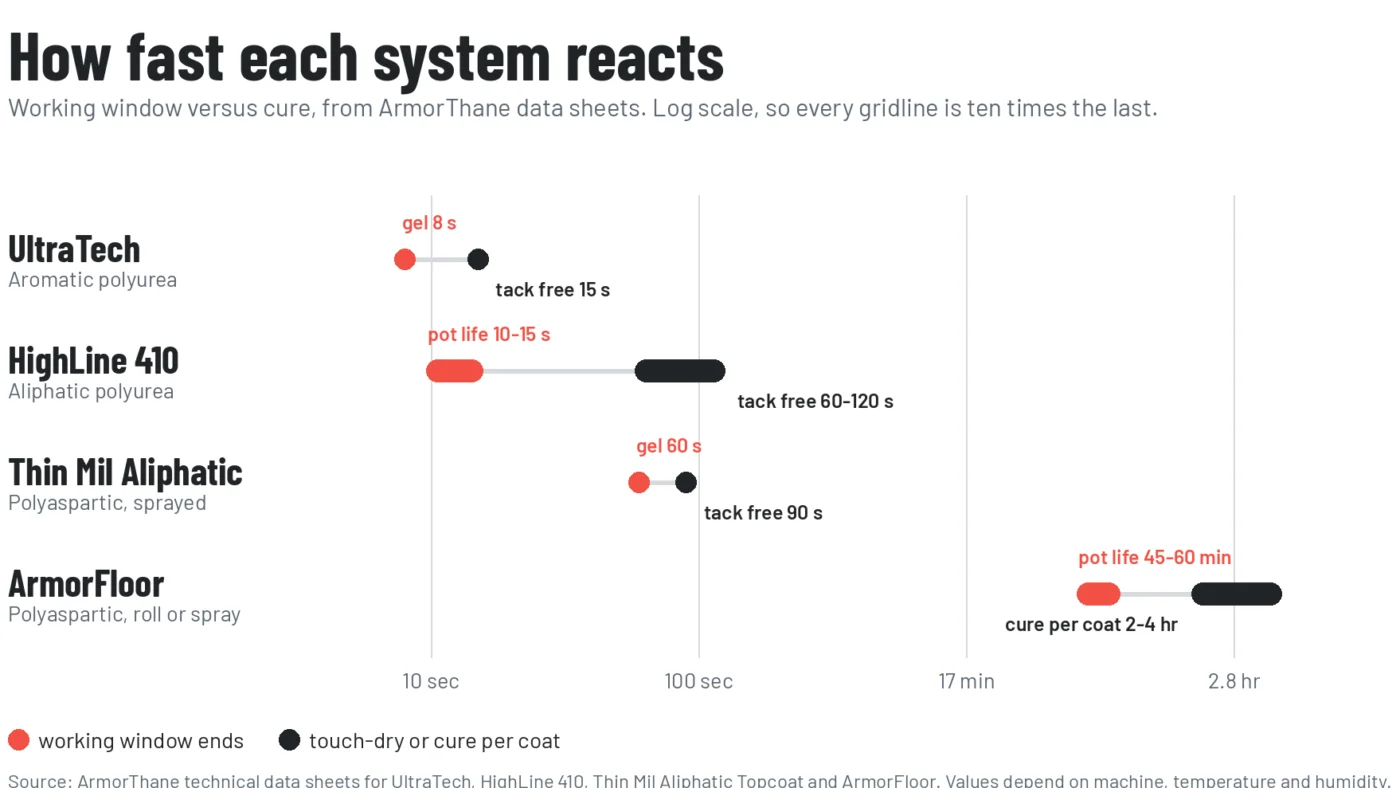
The second is elongation. UltraTech stretches to roughly 800% before it lets go. The aliphatic polyurea gives 220%. The polyaspartics land at 50% and 10%, which makes them hard, thin films that will follow a crack in the slab rather than bridge it. HighLine 410’s data sheet reports a pass on ASTM C836 crack bridging, with a 1.6 mm crack at -13°F (-25°C) over 25 cycles. You won’t find that line on a polyaspartic sheet, and you shouldn’t expect to. ArmorFloor describes itself, in its own data sheet, as a surface topcoat for waterproofing membrane systems. It was built to sit on a membrane. It was never meant to be one.
Sunlight, yellowing, and the part nobody mentions
Aromatic polyurea yellows and darkens in sunlight. The mechanism is well understood: the methylene bridge between the two rings in MDI oxidizes, the molecule picks up a conjugated structure called a quinone imide, and that structure absorbs visible light. The color change is permanent. Mechanical properties often hold up better than the color does, which is a big reason aromatic polyurea has such a long record on tanks and containment work, where nobody is judging it on looks.
Aliphatic isocyanates have no benzene rings, so that chromophore never forms. This is the reason clear and light-colored floors, patios and pool decks get an aliphatic topcoat. We have been recommending the same arrangement for years: an aromatic base for strength and cost, an aliphatic layer on top for UV and color. It is the idea behind our piece on UV resistant coatings, and it applies to floors as much as roofs.
Now the part that rarely makes it onto a spec sheet. Color stability is not the same as crack resistance. A technical paper on UV stabilizers in aliphatic polyurea reported that IPDI-based formulations which stayed perfectly non-yellowing had developed cracks in under 200 hours in a xenon-arc weatherometer, until stabilizers were added. The aromatic comparison coatings in that study changed color but held their mechanical properties better. Good aliphatic topcoats are formulated for this. Still, if a supplier’s sheet brags about color retention and says nothing about film integrity under UV, ask a follow-up question.
For a garage floor with the door closed, UV is a small stress. Open the door every afternoon on a west-facing driveway and the story changes. Think about where the light actually lands before you decide the topcoat is optional.
Moisture, temperature and the pinhole problem
Here’s where polyaspartic surprises people. Its cure rate responds strongly to humidity and heat, so the cure on a muggy July morning is not the cure on a dry March one. Dormish notes that humidity speeds the cure a great deal, and that newer resin generations were designed to cure more consistently across humidity ranges. ArmorFloor’s data sheet is blunt about it: uncured material is very sensitive to heat and moisture, batch sizes and film thickness need care, and you should not mix anything you cannot use within 45 minutes. Whip air into it and you get pinhole blisters (the mixing paddle is not an egg beater). A heavier film also cures slower, so piling it on to save a coat usually costs you time.
Cold is less of a problem than heat. HighLine 410’s data sheet lists applications down to 20°F (-6°C), and a Covestro paper by Ed Squiller says polyaspartics can be applied below 50°F, which stretches the working season for floor crews.
Then there is the slab. The ArmorFloor data sheet says on-grade slabs may be coated provided a moisture-vapor transmission test is done first, and it lists the slabs you must not coat at all: split slabs, buried membrane, sandwich slabs with insulation, slabs over unvented metal pan, magnesite and lightweight concrete. Clear coats can turn cloudy from moisture penetration, particularly outdoors. In practice that means a calcium chloride test (ASTM F1869) or in-situ relative humidity probes (ASTM F2170) before anyone opens a can. Grinding to the profile in ICRI 310.2R for your film thickness is the other half of that conversation, and our pages on concrete moisture testing and concrete floor grinding cover it.
Which one goes where
Calling polyaspartic and polyurea rivals is a bit like asking whether a Chevy or a Silverado is the better truck. They are related, and the right answer depends on the job.
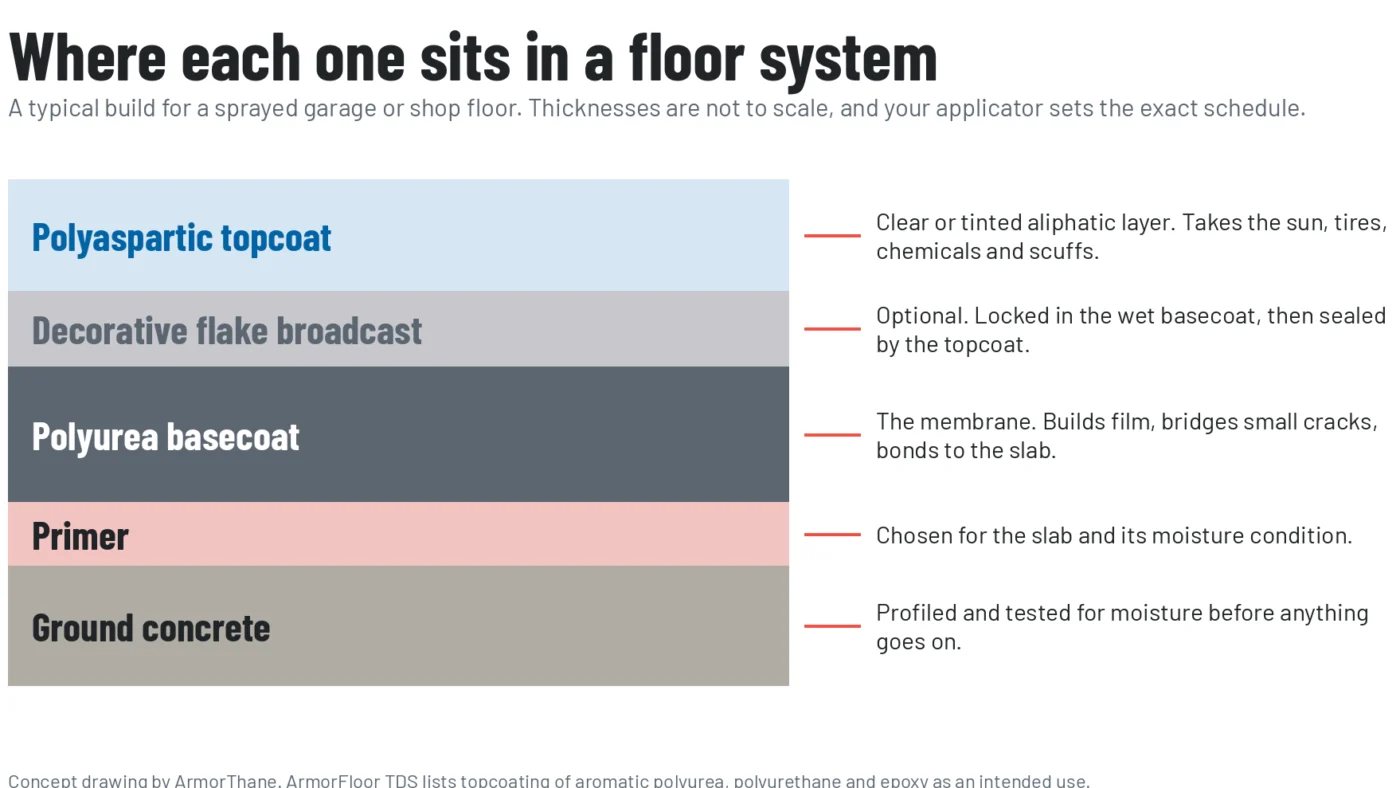
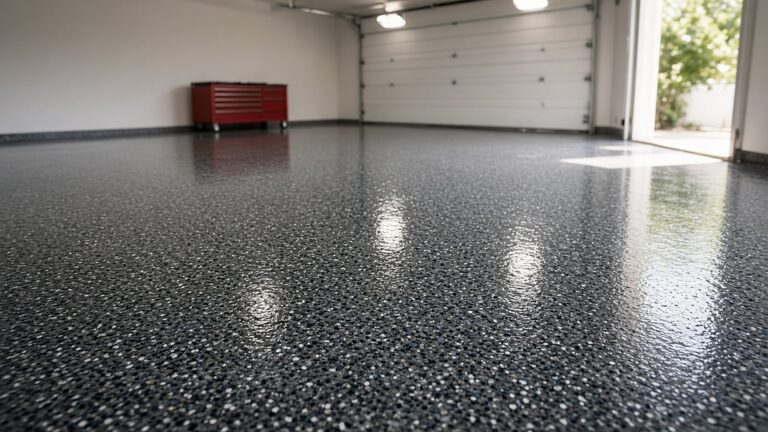
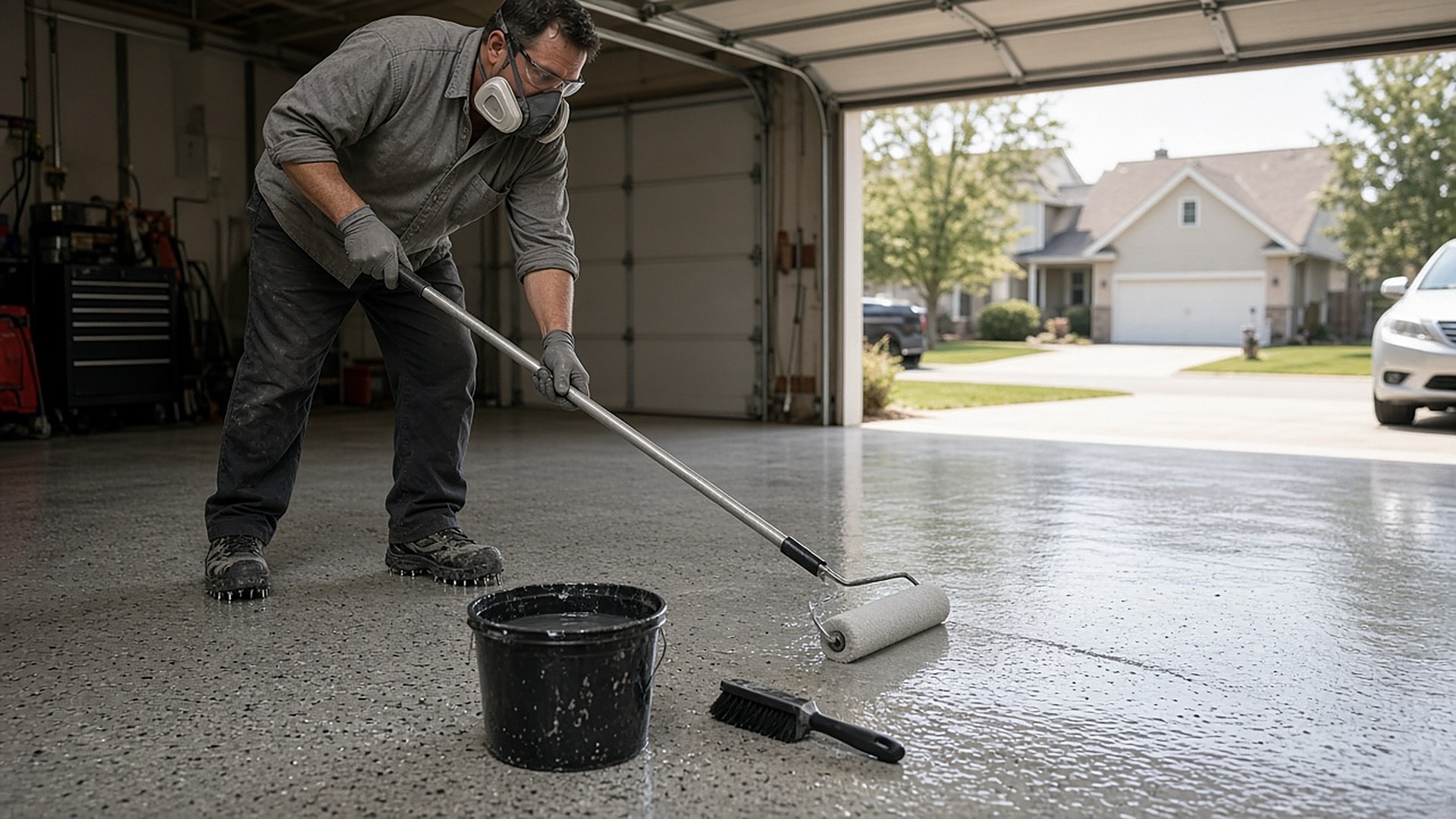
Garage and shop floors. Both, in layers. Plenty of one-day installers run polyaspartic for the basecoat and the topcoat, and Squiller’s paper notes that a basecoat-to-topcoat schedule inside an eight-hour workday is realistic. That works on a sound, dry slab. When the slab has cracks or a moisture history, we would rather see a polyurea membrane underneath and polyaspartic on top. If you are still weighing these against epoxy, our comparison of polyurea vs epoxy floor coatings and the ranking in best garage floor coating go through that decision.
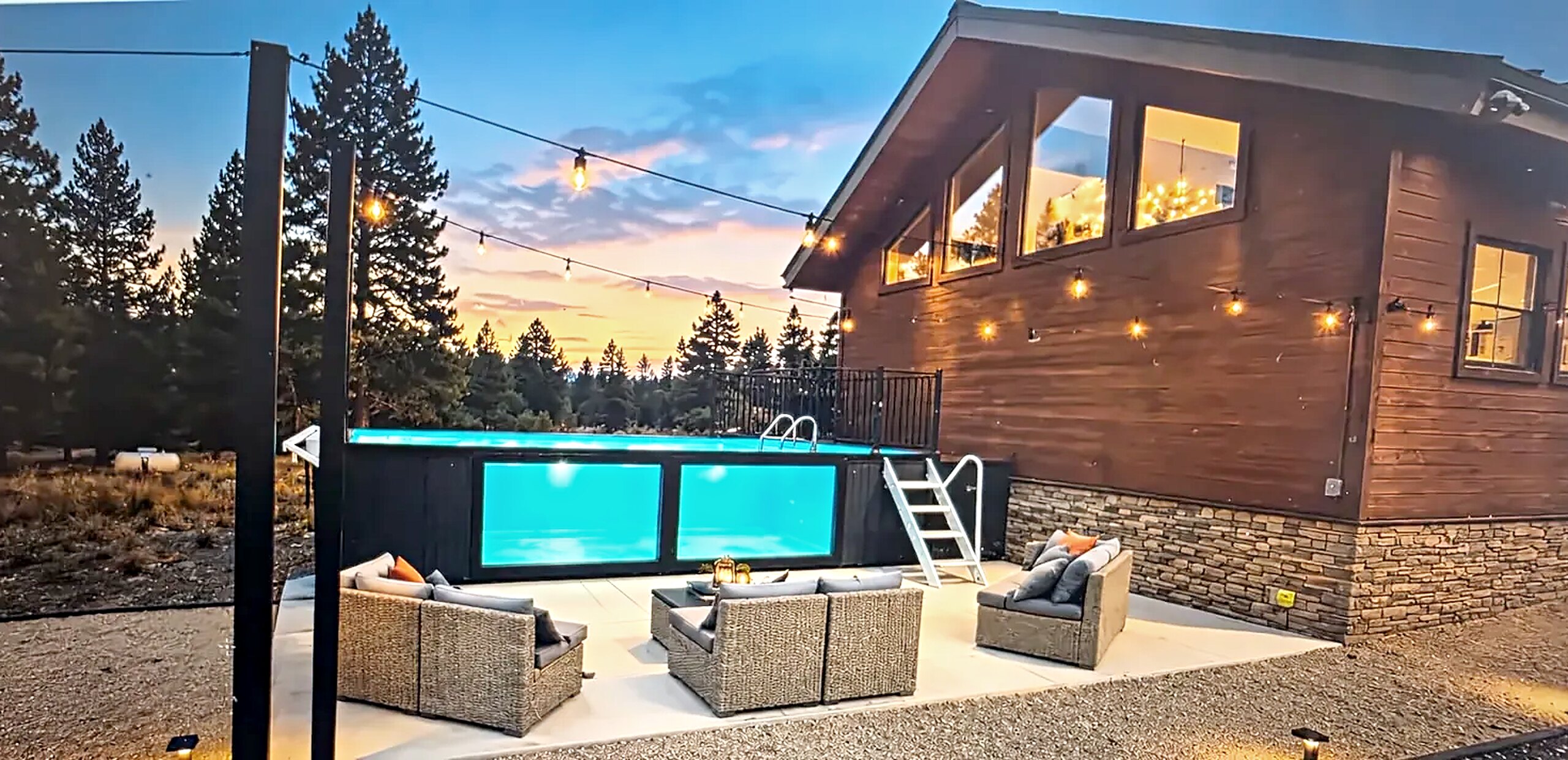
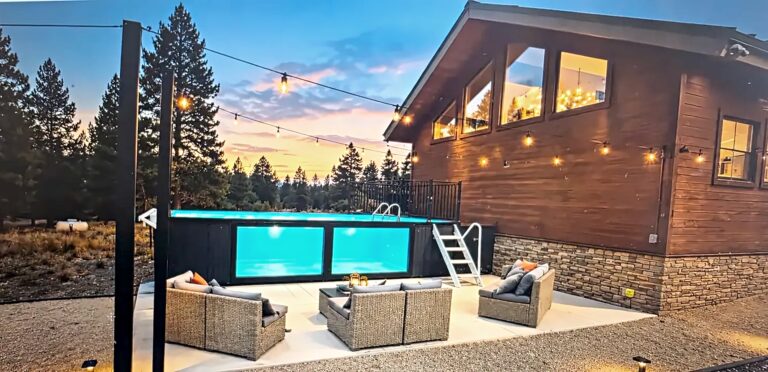
Pool decks and patios. These live in the sun, so the top layer needs to be aliphatic. A polyaspartic over a polyurea or polyurethane base is the usual answer. Our own write-up of a pool makeover with ArmorFloor shows ArmorFloor going onto a backyard pool.
Warehouses and cold storage. The ArmorFloor data sheet lists cold storage areas and chemical plants among its typical uses, over concrete, steel or plywood. Thin Mil Aliphatic Topcoat is a different animal: its sheet states it is for commercial use only, applied by trained personnel, and not for sale to the general public.
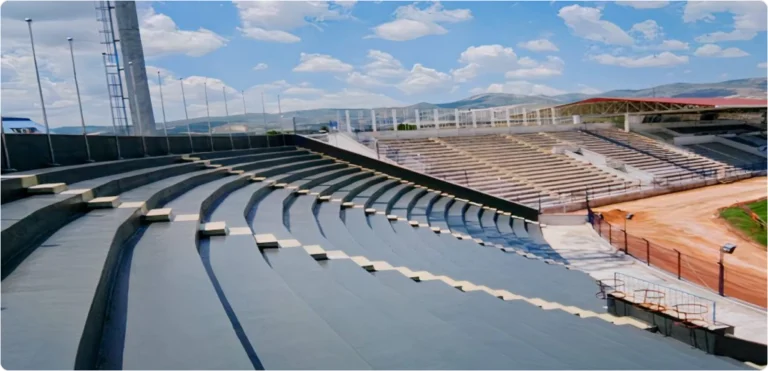
Tanks, containment, bridges and anything that flexes. Polyurea. A hard 10 mil polyaspartic film is not what you want over a structure that moves or needs a thick, crack-bridging membrane. If you want the background on the base chemistry, start with our polyurea guide.
If you apply for a living
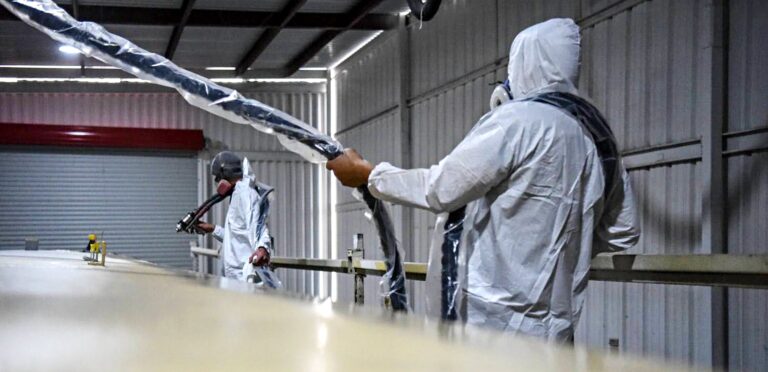
The two products also describe two different equipment decisions. Polyurea means a heated plural-component proportioner and a crew trained to run it. ArmorFloor-style polyaspartic can go down with a roller, a cup gun or an airless sprayer, which is a lower barrier to entry. A lot of floor businesses begin with roll-on work and add a polyurea rig once they want to take on membranes, decks and tanks. Nothing says you have to buy both on day one.
If you are weighing that path, our floor coating business page walks through ArmorFloor polyaspartic and polyurea systems, equipment and training. You can also start with our dealer opportunities page, or call us at (417) 831-5090. We will tell you straight which product fits the slab you are actually looking at.
If you are a homeowner or facility manager, the next step is simpler. Use the dealer search to find a trained applicator near you, and ask which system they would put down and why. A good one will have a clear answer. For the full range of ArmorThane floor products, see ArmorFlooring. Our earlier piece on the advantages of polyaspartic coatings gives the overview. This one goes to the data sheets.
Polyaspartic vs polyurea: common questions
Is polyaspartic a type of polyurea?
Yes. Both are urea-linked polymers made from an isocyanate and an amine. Polyaspartic uses an aspartic ester, a hindered secondary amine, with an aliphatic isocyanate. Spray polyurea uses primary amine resins and is almost always applied through a heated plural-component rig.
Can you put polyaspartic over polyurea?
Yes, and it is the combination we reach for first when color and gloss matter. ArmorFloor’s data sheet lists topcoating aromatic polyurea, polyurethane and epoxy as intended uses. Recoat windows, surface cleanliness and film thickness all matter, so check them against the data sheet or call our Technical Department.
Does polyaspartic yellow?
Aliphatic polyaspartic does not yellow the way aromatic polyurea does, because it lacks the benzene rings that oxidize under UV. Thin Mil Aliphatic Topcoat is described on its data sheet as color stable and UV resistant.
Which one lasts longer?
The honest answer is that slab preparation, moisture, film thickness and sun exposure matter more than the label on the pail. We would not put a number of years on either one without knowing the job.
Sources
- ArmorThane technical data sheets: ArmorFloor, ArmorPA, Thin Mil Aliphatic Topcoat, UltraTech and HighLine 410 (ArmorThane USA Inc., Springfield, MO).
- Dormish, J. F. “Polyaspartic Coatings.” Adhesives & Sealants Industry, March 2016.
- Squiller, E. “Curing What Ails Concrete Floors with Polyaspartic Technology.” PCI Magazine, September 2016.
- Wicks, D. A. and Yeske, P. E. “Polyurea coating compositions having improved pot lives.” US Patent 5,243,012, assigned to Miles Inc., 1993.
- “Aliphatic TPUs for light-stable applications.” Free Online Library, on the MDI quinone imide yellowing mechanism.
- “The Use of UV Stabilizers in Aliphatic Polyurea Coatings.” Technical paper on crack resistance of IPDI-based aliphatic polyurea.
- “Polyaspartic Coatings.” ASM Handbook, Volume 5B.
- ASTM F1869 and ASTM F2170 (moisture testing of concrete slabs); ICRI Guideline 310.2R (concrete surface preparation).