
Skip to content
Shot Blasting Concrete

Shot Blasting Concrete: Profile, Shot Size and Production

How a shot blaster opens up a slab for polyurea and epoxy, which shot and CSP to aim for, and how long the floor will take.
Military vehicles in a coating facility

Start a protective coatings business

Spray protective coatings for a living.

ArmorThane sets you up to do this work, and you own the business. We make the chemistry, build the rigs, train you hands-on and answer the phone when a job gets difficult. You pay no franchise fee and no royalties. It has been that way since 1989.
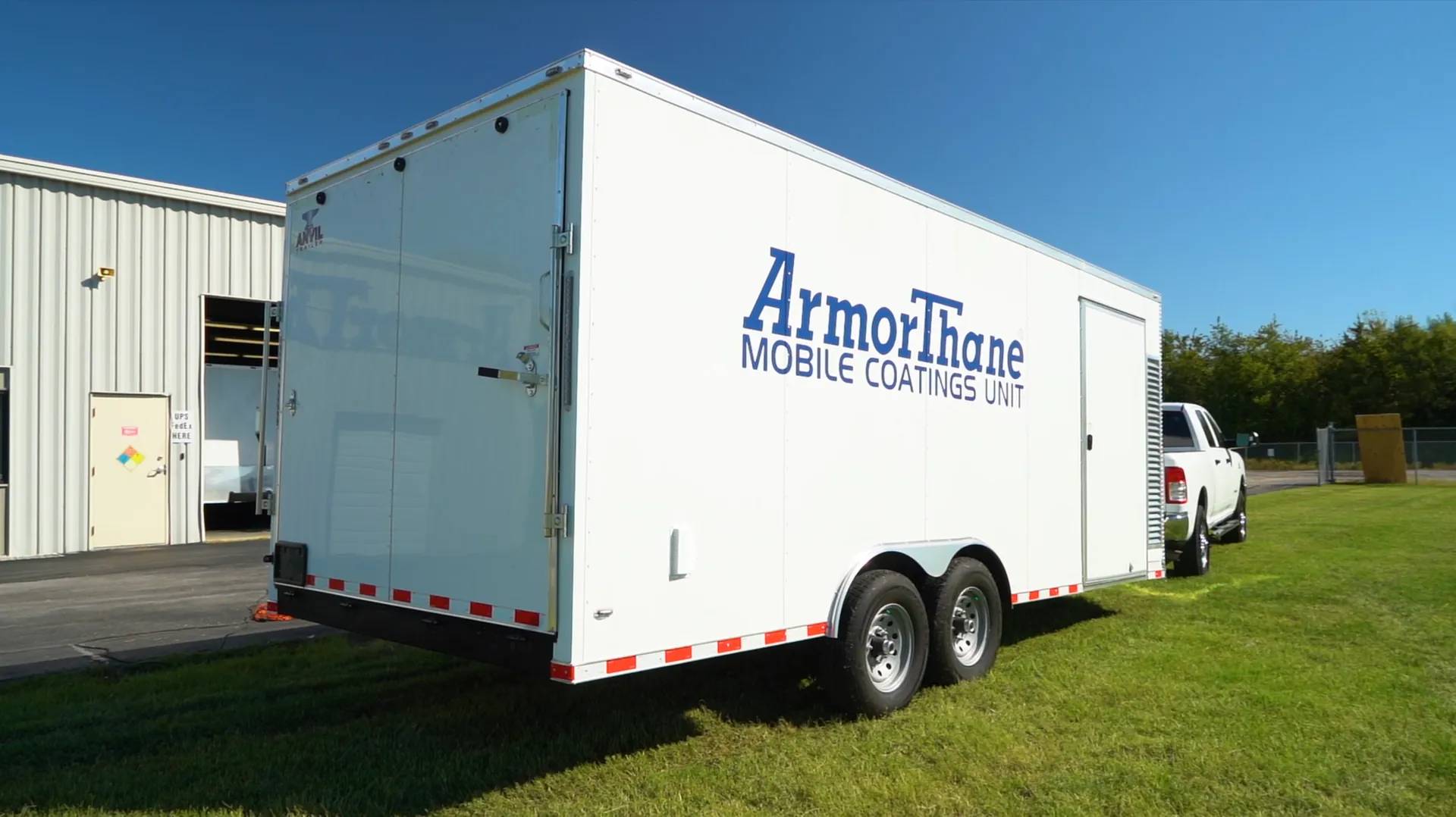
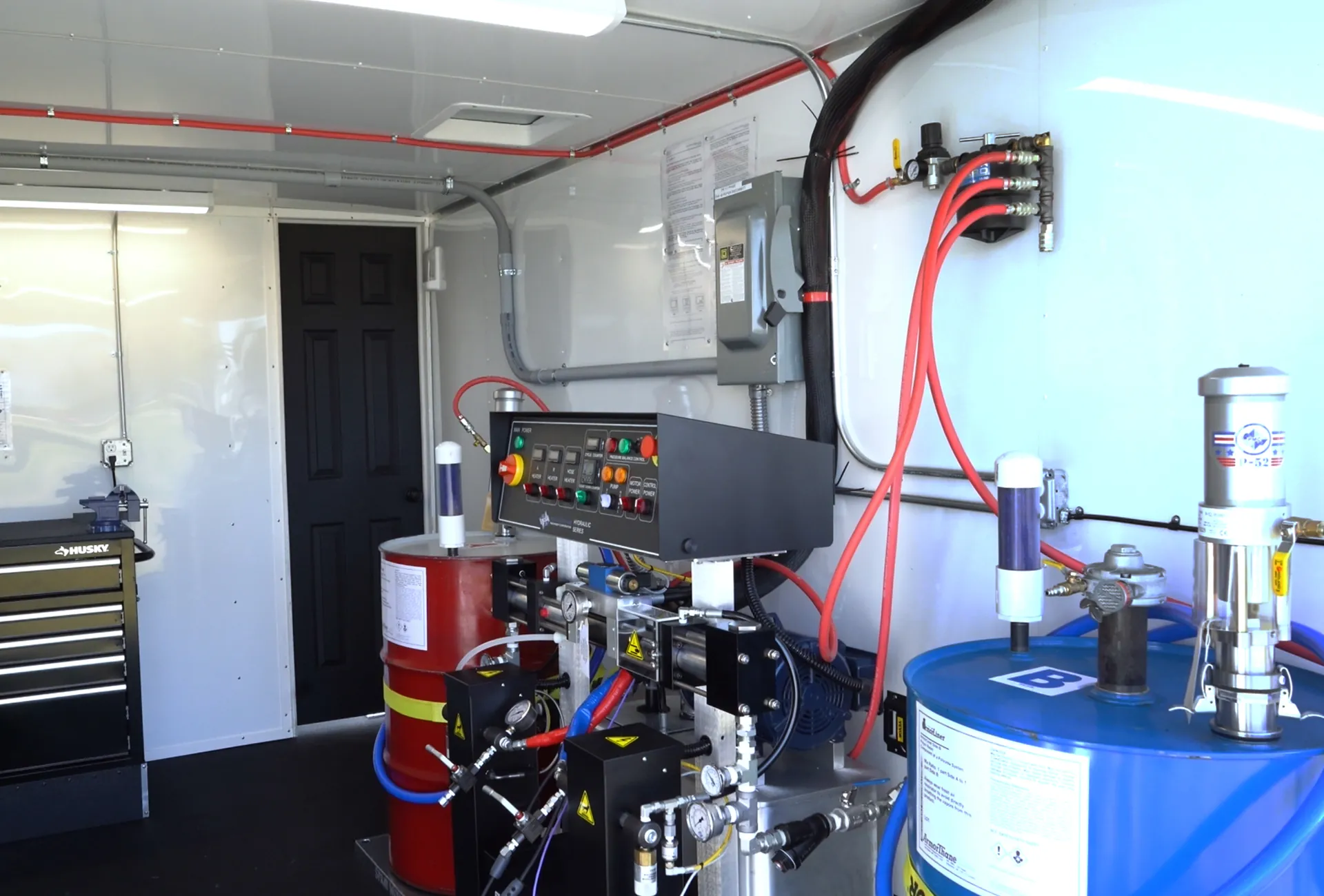
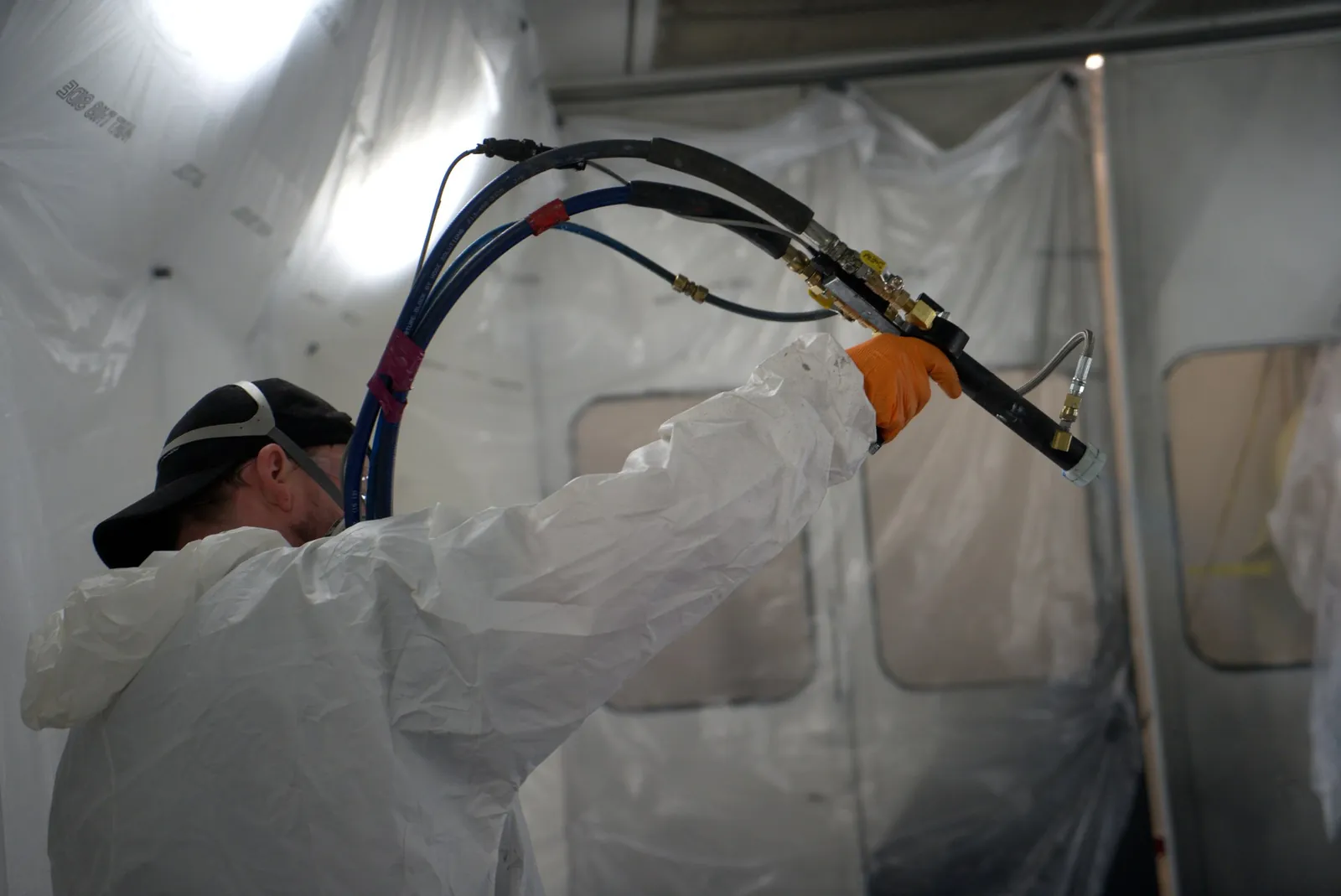
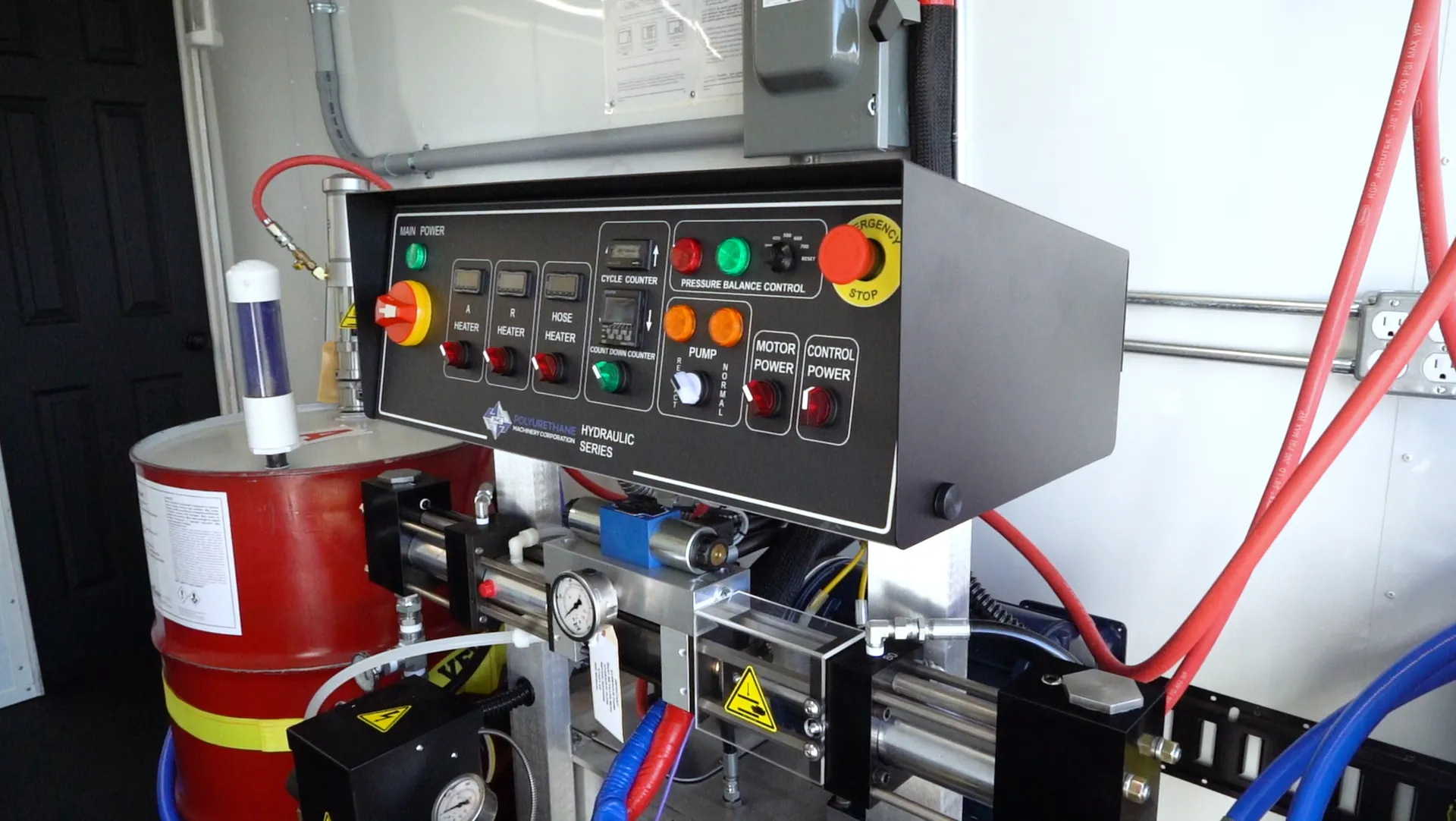
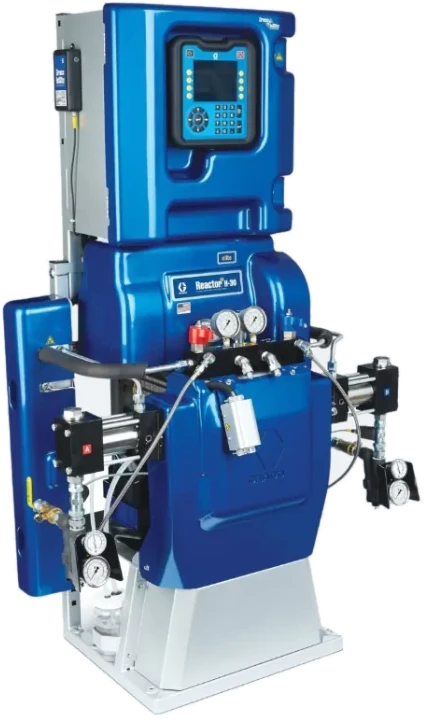
ArmorThane Mobile Coatings Unit trailer hitched to a pickup outside the plant Proportioner, A and B material drums and transfer pumps inside the spray rig Applicator in a protective suit holding a plural-component spray gun in a spray booth Proportioner control panel with heater, pressure balance and cycle counter controls

What comes with itProportioners, guns and complete spray rigs. We build them.

$0
franchise fees or royalties
35+
years in business
50+
countries with applicators
24/7
technical support
CSP 3–5
Light to medium shotblast on the ICRI scale
ICRI 310.2R chips
11–16
Mils of profile depth at CSP 3 to 5
Measured per ASTM D8271
7,000
Sq ft per hour, top rating for a walk-behind blaster
Manufacturer "up to" figure
50 µg/m³
OSHA limit for respirable silica, 8-hour average
29 CFR 1926.1153

Shot blasting concrete is the fastest way we know to turn a dusty, sealed or slick slab into something a coating can grab. The machine throws small steel balls at the floor, chips off the weak top skin and vacuums up the mess in the same pass. What it leaves behind is a clean, open texture you can feel with your palm, and that texture is what keeps a polyurea or high-build epoxy floor stuck down.

Quick answer

Shot blasting concrete means running a machine that fires steel shot at the slab from a spinning wheel, knocking off laitance, curing compound and thin coatings while a dust collector captures the debris and the shot is recycled. It leaves an ICRI CSP 3 to 5 profile, about 11 to 16 mils deep, which suits polyurea, self-leveling and high-build systems. Walk-behind units are rated from roughly 350 to 7,000 sq ft per hour.

The machine

How shot blasting concrete actually works

A shot blaster looks like a heavy push mower with a vacuum hose on its back. Inside is a closed loop: the same shot gets thrown, recovered, cleaned and thrown again hundreds of times before it wears down to dust. Four things happen every second the machine is moving.

  1. The wheel throws the shot

    An electric motor spins a bladed wheel in a sealed housing. Shot drops into the center and leaves through a control cage in a tight, hard-hitting pattern. Blast widths run from about 4 inches on edge units to more than 30 inches on the big machines.

  2. Impact fractures the surface

    Each pellet hits the slab and breaks off laitance, curing compound, old sealer and loose paste. Travel speed is the depth control. Walk slower and it cuts deeper; walk faster and it only cleans.

  3. A separator saves the good shot

    The shot rebounds up a tunnel into an air wash that pulls the concrete dust and broken fines out and sends reusable shot back to the hopper.

  4. The dust collector takes the rest

    A separate collector on a hose pulls the dust away and traps it in filters. The floor behind the machine is profiled and close to broom clean, ready for a magnet sweep and a vacuum.

Where it strugglesShot bounces off rubbery membranes and thick elastomeric coatings, so a polyurea or spray-on rubber liner will not come off this way. Sticky mastic and carpet glue clump the shot and foul the separator. Scrape or grind those layers first, then blast. Under thin floor paints, overlapping passes can also show through as stripes, which installers call tiger stripes or corn rows.
Shot and profile

Steel shot size and the CSP it leaves

The International Concrete Repair Institute grades concrete roughness with ten rubber chips, CSP 1 through CSP 10. Light shotblast is chip 3 and medium shotblast is chip 5. Researchers who measured the chips with a depth micrometer under ASTM D8271 found about 11 mils of profile at CSP 3, 15 at CSP 4 and 16 at CSP 5. Bigger shot and slower travel push you up the scale.

Shot sizeNominal diameter (in)Typical use on concreteUsual result
S-2300.023Light cleaning of interior slabsVery little texture
S-2800.028Light profile for sealers and thin coatingsCSP 2–3
S-3300.033Taking off a thin urethane or sealerCSP 3
S-3900.039Thin coatings off, medium texture for polyureaCSP 4–5
S-4600.046Epoxy and adhesive residue removalCSP 5–6
S-5500.055Heavy coatings, deep texture for overlaysCSP 6–8
The size number is roughly the diameter in ten-thousandths of an inch. Results shift with concrete hardness, travel speed and how much shot is in the machine. Tap a column heading to sort.

So which number does your coating want? The ICRI chart ties profile to film build. Thin films sit on a fine profile; thick systems need more tooth.

CSP 1–2

Sealers and thin films

Up to about 10 mils. A grinder usually does this better than a blaster, because blast stripes would show.

CSP 2–3

High-build coatings

About 10 to 40 mils, like most epoxy and polyaspartic floor systems. Light shotblast or an aggressive grind.

CSP 3–6

Self-leveling and heavy films

About 50 mils to 1/8 inch. Most spray polyurea floor and containment linings land here, and shot blasting is the go-to.

CSP 5–9

Polymer overlays

1/8 to 1/4 inch toppings. Medium shotblast at minimum; the high end takes scarifying or heavy abrasive blasting.

The coating data sheet always names its own CSP, and it beats any chart. For what goes on next, see our concrete primer guide and the ArmorPrime primers.

Estimator

How long will the blasting take?

Machine brochures quote the best case: light profile, fresh shot, a long open run with no columns. Real floors have turns, hose moves, shot top-ups and slower passes for deeper profile. Pick a machine class, set the job, and the estimator knocks the rated speed down to something you can schedule around.

Production math

Shot blast time and shot estimator

Real progress = rated rate × job factor × field efficiency. Rated rates are manufacturer "up to" figures (Blastrac 1-8DM 350 or 450 sq ft/hr, 2-20DT 450 m²/hr or about 4,800 sq ft, 2-30DS up to 7,000). Job factors of 1.0, 0.6 and 0.35 and shot wear of 15, 35 and 60 g/m² (inside Blastrac's published 10–80 g/m² range) are our planning assumptions. Confirm them on a test strip.

—
Sq ft per hour, realistic
—
Blasting hours
—
Lb of shot worn out
—
Sq ft of edges to grind

Planning the whole floor? Our commercial floor coating guide covers system choice, and surface preparation for coatings covers steel and weather limits too.

Choosing a method

Shot blasting vs grinding and acid etching

We get asked this every week. The honest answer depends on the coating thickness and the size of the room, and on a lot of jobs the crew uses both machines.

Shot blasting

Fast, open, textured

CSP 3 to 5 and up, with the dust contained in a closed loop. Best on big open slabs and under thick systems. Weak spots: stripes under thin films, edges it cannot reach, and rubbery coatings it bounces off.

Diamond grinding

Flat, smooth, controlled

CSP 1 to 3, sometimes 4. Takes down high spots and lips at joints, leaves no stripes and works closer to walls. Slower per square foot on wide open floors, and it can polish hard concrete shut if the diamonds are wrong.

Acid etching

Cheap, and it shows

CSP 1 at best. It does not remove laitance evenly, leaves salts that need neutralizing and rinsing, and soaks the slab right before you want it dry. We would not put polyurea over an etched floor.

A common combination on warehouse and industrial floors: shot blast the field, run an edge grinder along the walls and around racking anchors, then grind any joint lips flat. If there is old paint or a thick coating on the slab, start with our guide to removing paint from concrete. White crust that keeps coming back after blasting is usually moisture carrying salts, covered in our efflorescence guide.

On the job

Shot blasting tips from the floor

Most bad blast jobs come down to rushing the first hour. Set the machine up on a test strip, match the result to a CSP chip, and only then start production.

  • Test strip first: blast 10 feet at two travel speeds, compare both to the chips, and lock in the speed that hits the spec.
  • Keep moving: stopping with the wheel engaged digs a divot. Overlap passes slightly and keep the pace steady so the profile stays even.
  • Sweep with a magnet: stray shot left on the floor rusts under the coating and bleeds through as orange spots.
  • Edges by hand: walls, columns, drains and door thresholds get a cup wheel on a shrouded grinder hooked to a vacuum.
  • Joints and cracks open up: blasting exposes every crack. Repair them after prep, not before; see concrete crack repair.
  • Dry surface only: wet dust packs the separator and the filters. Let a washed or damp slab dry before blasting.
Silica is not optionalConcrete dust carries respirable crystalline silica. OSHA's construction standard caps exposure at 50 µg/m³ over an 8-hour shift, with an action level of 25. Keep filters cleaned, check hose connections, and base respirator choice on an exposure assessment, not on how the air looks.

Once the slab is profiled, coat it soon. A freshly blasted floor is open and thirsty; it will soak up forklift drips, footprints and dust if it sits for a week. Vacuum, check moisture, prime, and get the system on. For coatings that suit a blasted slab, look at ArmorFlooring systems and our epoxy floor coating comparison.

Prep and coating, one crew

Blasted to spec, coated to last.

A certified ArmorThane applicator can quote the shot blasting and the polyurea or polyaspartic system together, with the CSP and film thickness written into the job.

Contractors: become an ArmorThane applicator

FAQ

Shot blasting questions

What is shot blasting concrete?

Shot blasting concrete is a mechanical prep method. A machine throws steel shot at the slab from a spinning wheel, breaking off laitance, sealers and thin coatings, then recovers the shot and sends the dust to a collector. It leaves a clean, textured profile for coatings and overlays.

Is shot blasting better than grinding?

Neither wins every job. Shot blasting is faster on large open floors and leaves a deeper CSP 3 to 5 profile for thick systems. Grinding gives a flatter CSP 1 to 3 finish, works closer to walls and avoids stripes under thin coatings. Many crews use both.

Do you need to shot blast before epoxy or polyurea?

You need a mechanical profile, and the data sheet names how much. High-build epoxy usually wants CSP 2 to 3, and thick polyurea or self-leveling systems often want CSP 3 or more. Shot blasting is the most common way to get there; grinding can work at the low end.

How deep does shot blasting cut into concrete?

A light to medium pass leaves roughly 11 to 16 mils of profile, measured peak to valley. Slower travel and bigger shot go deeper, but for removing a quarter inch or more of concrete, scarifying or milling is the faster tool.

Can you shot blast wet or damp concrete?

Not well. Damp dust cakes in the separator and dust collector filters, and wet shot clumps. Blast a dry surface, and if the slab was washed, give it time to dry first. Test moisture again before coating either way.

Does shot blasting make a lot of dust?

Very little escapes when the machine and dust collector are sealed and maintained, because the dust travels straight down the hose. Worn seals, a full collector or a loose hose change that fast, and the dust contains silica, so keep the system tight.

AT
Written by the ArmorThane technical team. We have manufactured polyurea, polyurethane and polyaspartic coatings and plural component spray equipment in Springfield, Missouri since 1989. Production rates and shot sizes here are typical; follow the blaster manufacturer's manual and the coating data sheet for the profile it requires.

Sources

  1. KTA-Tator, Let's Talk Measuring Concrete Surface Profile (ICRI 310.2R chips, ASTM D7682 and D8271 depths). kta.com/measuring-concrete-surface-profile
  2. TCC Materials, Concrete Surface Preparation Profiles (CSP by coating thickness, after ICRI). tccmaterials.com/ConcreteSurfaceProfiles.pdf
  3. Concrete Network, Shotblasters buyer's guide. concretenetwork.com/surface-preparation-buyers-guide/shotblasters
  4. Blastrac 2-20DT shot blaster specifications. airport-technology.com/products/2-20dt
  5. OSHA, 29 CFR 1926.1153 Respirable Crystalline Silica. osha.gov/laws-regs/regulations/standardnumber/1926/1926.1153

Blast it right, coat it once.

A certified ArmorThane applicator profiles the slab to the CSP the coating calls for, then sprays it. Contractors can add prep and polyurea with our equipment and training, with no franchise fee and no royalties.

United States 417-831-5090 · Canada 780-444-6200
Cover of the ArmorThane brochure: Military-Grade Polyurea Coatings for Blast Mitigation
Brochure

Military-Grade Polyurea Coatings for Blast Mitigation

Flip through the whole brochure right here, or open it full screen on Issuu to share it.

Become an applicator

Start your coatings business with ArmorThane.

Tell us what you want to spray and where you are. An ArmorThane specialist will walk you through the equipment, chemicals, training and startup cost for the work you want to do.

  • Equipment package matched to your applications
  • Hands-on training and applicator certification
  • Technical support once you are spraying
Step 1 of 3

We want to help you find the best ArmorThane applicator for your protective coating project. Please either fill out the request form below or call us toll free at 417-831-5090, any time Monday-Friday, 8:00 a.m. to 5:00 p.m. Central Standard Time.

Need a slab prepped and coated? One crew can do both.

Tell us about the floor and what is on it now. We will match you with a certified ArmorThane applicator who blasts to the profile the coating needs, then sprays it.

  • Square footage and access
  • Existing sealer, paint or coating
  • Traffic: foot, forklift or vehicles
  • Slab age, indoor or outdoor
Become an applicator

Start your coatings business

Choose “becoming an Applicator / Dealer” and add your details. Our team will call you to talk through markets, equipment and budget.

1Choice
2Contact Information
3Location

Rather talk now? (417) 831-5090 · About the opportunity