Roof waterproofing: The complete guide [2026]
The Complete Guide to Roof Waterproofing Methods, Costs, and High-Performance Polyurea Coatings
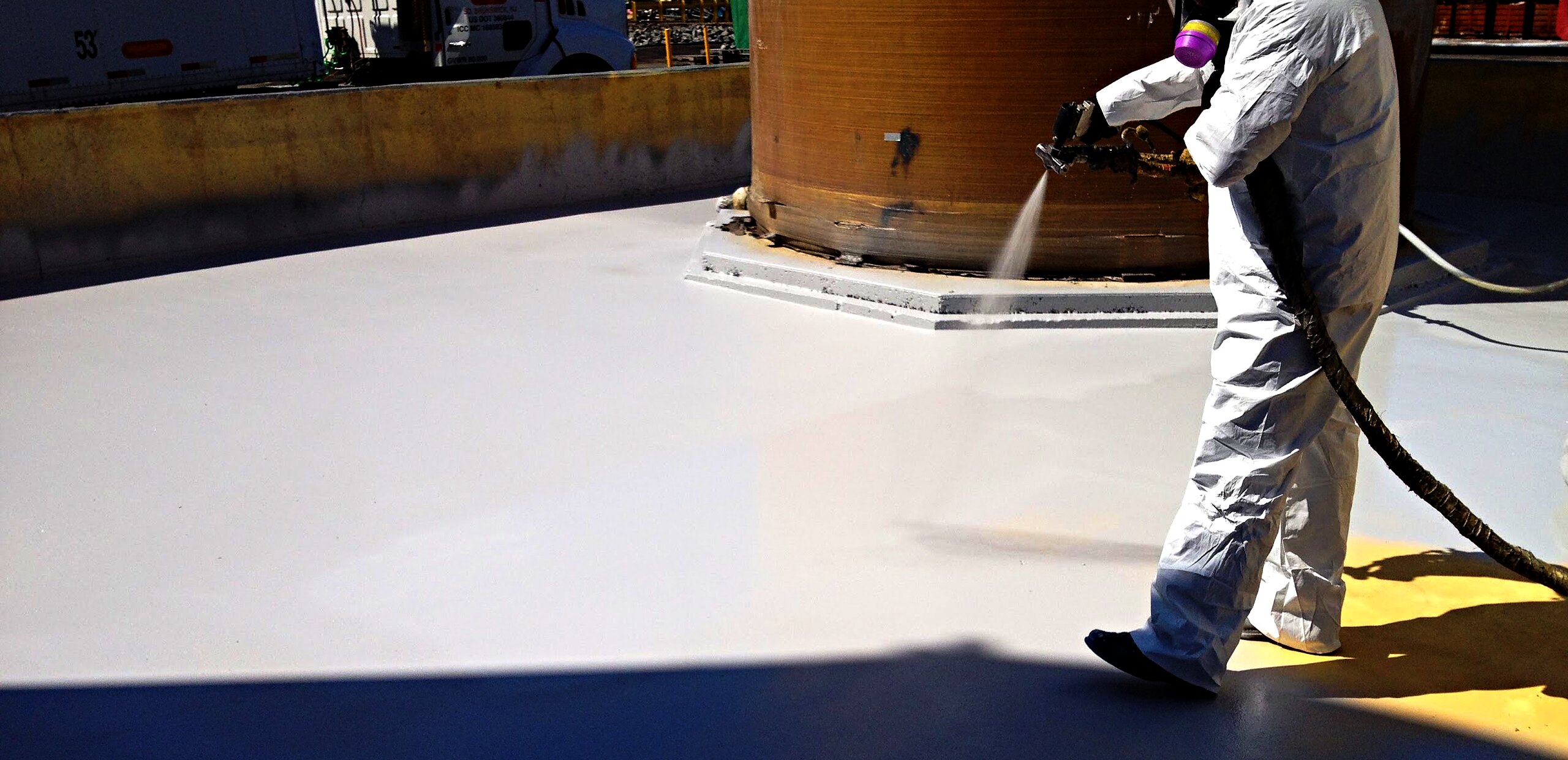
Spray roofs for a living.
ArmorThane is the one-stop shop for applicators. We make the chemistry, build the equipment, train you hands-on and back you with technical support, with no franchise fees and no royalties. Applicators have come first here since 1989.
- $0franchise fees or royalties
- 35+years in business
- 50+countries with applicators
- 24/7technical support
Table of contents
- 1. What Is Roof Waterproofing?
- 2. Signs Your Roof Needs Waterproofing
- 3. Types of Roof Waterproofing
- 4. How to Waterproof a Roof
- 5. Waterproofing by Roof Type
- 6. 7 Common Causes of Roof Damage
- 7. Cost, Lifespan & Warranty
- 8. Maintenance Requirements
- 9. Why Polyurea Is the Best
- 10. FAQ: Frequently Asked Questions
What is roof waterproofing?
Roof waterproofing is the process of applying a protective barrier to a roofing surface to prevent water intrusion, moisture damage, and structural deterioration. Whether you own a commercial building with a flat roof, a residential home with a metal roof, or a concrete roof on an industrial facility, proper waterproofing is essential for long-term protection against leaks, mold growth, and costly structural repairs. There are many types of roof waterproofing systems available today, including silicone roof coatings, acrylic roof coatings, elastomeric coatings, EPDM rubber membranes, TPO membranes, PVC roofing membranes, modified bitumen, cementitious waterproofing, and liquid-applied membranes like polyurea. Reflective coatings can also cut cooling costs, as the U.S. Department of Energy explains in its consumer guide to cool roofs.
Each method offers different levels of UV resistance, tensile strength, elongation percentage, and overall lifespan depending on the roof type and climate. Among all available technologies, polyurea waterproofing stands out as the highest-performance liquid-applied membrane system. With rapid cure times, exceptional durability, and a seamless monolithic barrier, polyurea delivers superior protection for both new construction and roof repair projects. This comprehensive guide covers everything you need to know about roof waterproofing — from comparing different methods and understanding costs to step-by-step application processes — and explains why polyurea is the best long-term investment for your roof.
Executive summary
What You Need to Know About Roof Waterproofing in 2026
Roof waterproofing protects your building from water intrusion, structural damage, and costly repairs. This guide compares every major method — polyurea, silicone, acrylic, EPDM, TPO, PVC, and modified bitumen — across cost, lifespan, performance, and maintenance. Polyurea consistently outperforms all alternatives with 25–30 year lifespans, 300%+ elongation, and the lowest lifetime cost per square foot.
25-30
Year Lifespan
300%+
Elongation
6,000
PSI Tensile
Zero
VOC Emissions
Signs your roof needs waterproofing
Knowing the warning signs early can save you thousands in structural repairs. If you notice any of the following, your roof needs professional waterproofing attention:
Water Stains
Interior ceiling stains or discoloration after rainfall
Cracking & Peeling
Blistering, cracking, or peeling on the existing membrane
Energy Bill Spikes
Unexplained increases indicating lost insulation value
Ponding Water
Water remaining 48+ hours after rain on flat roofs
Mold & Mildew
Visible mold growth indicating trapped moisture
Rust & Corrosion
Metal flashing deterioration and corrosion on fasteners
A proactive approach to roof waterproofing can extend your roof’s life by 15–25 years.
40%
of commercial roof failures are caused by delayed waterproofing
$12B+
spent annually in the US on roof leak damage repairs
15-25
years of extended roof life with proactive waterproofing
Types of roof waterproofing: A complete comparison
Roof Waterproofing Methods Compared
| Method | Lifespan | Cost/sq ft | UV Resistance | Flexibility | Application | Best For |
|---|---|---|---|---|---|---|
| Polyurea | 20–30+ yrs | $5–$12 | Excellent | Excellent (300%+) | Spray | All roof types, commercial, high-traffic |
| Silicone Coating | 10–15 yrs | $2–$4 | Excellent | Moderate | Spray/Roll | Flat roofs with ponding water |
| Acrylic Coating | 5–10 yrs | $1.50–$3 | Good | Low | Roll/Brush | Budget projects, mild climates |
| EPDM Membrane | 15–25 yrs | $3.50–$6 | Moderate | Good | Sheet | Large flat commercial roofs |
| TPO Membrane | 15–25 yrs | $5–$10 | Good | Moderate | Heat-Welded | Energy-efficient commercial |
| PVC Membrane | 20–30 yrs | $4–$7 | Excellent | Good | Heat-Welded | Chemical exposure, restaurants |
| Modified Bitumen | 10–20 yrs | $3–$6 | Low–Moderate | Low | Torch/Peel | Multi-layer flat roof systems |
| Cementitious | 10–20 yrs | $3–$6 | Low | Low (rigid) | Brush/Roll | Concrete roofs, parking decks |
Cost analysis
Roof Waterproofing Cost Per Square Foot
*Costs include materials and professional installation. Polyurea’s higher upfront cost is offset by 25–30 year lifespan with zero recoating.
Durability
Expected Lifespan (Years)
25-year ROI
Total Cost of Ownership
$2,000Polyurea /yr
$3,125
Acrylic /yr
Ready to Protect Your Roof with the Best Waterproofing Solution?
Get a free polyurea roof assessment from ArmorThane’s expert team 35+ years of coating experience.
How to waterproof a roof: Step-by-step process
Step 1: Professional Roof Inspection
Professional Roof Inspection A certified inspector evaluates the roof deck, membrane condition, flashing, drainage, and structural integrity. Thermal imaging may be used to detect trapped moisture.
Step 2: Surface Preparation
Remove all debris, dirt, and failing membrane material. Repair structural damage, replace rotted decking, and ensure proper drainage slope (minimum 1/4″ per foot).
Step 3: Primer Application
Apply the appropriate primer for your substrate type (concrete, metal, wood) to ensure maximum adhesion of the waterproofing membrane.
Step 4: Membrane Application
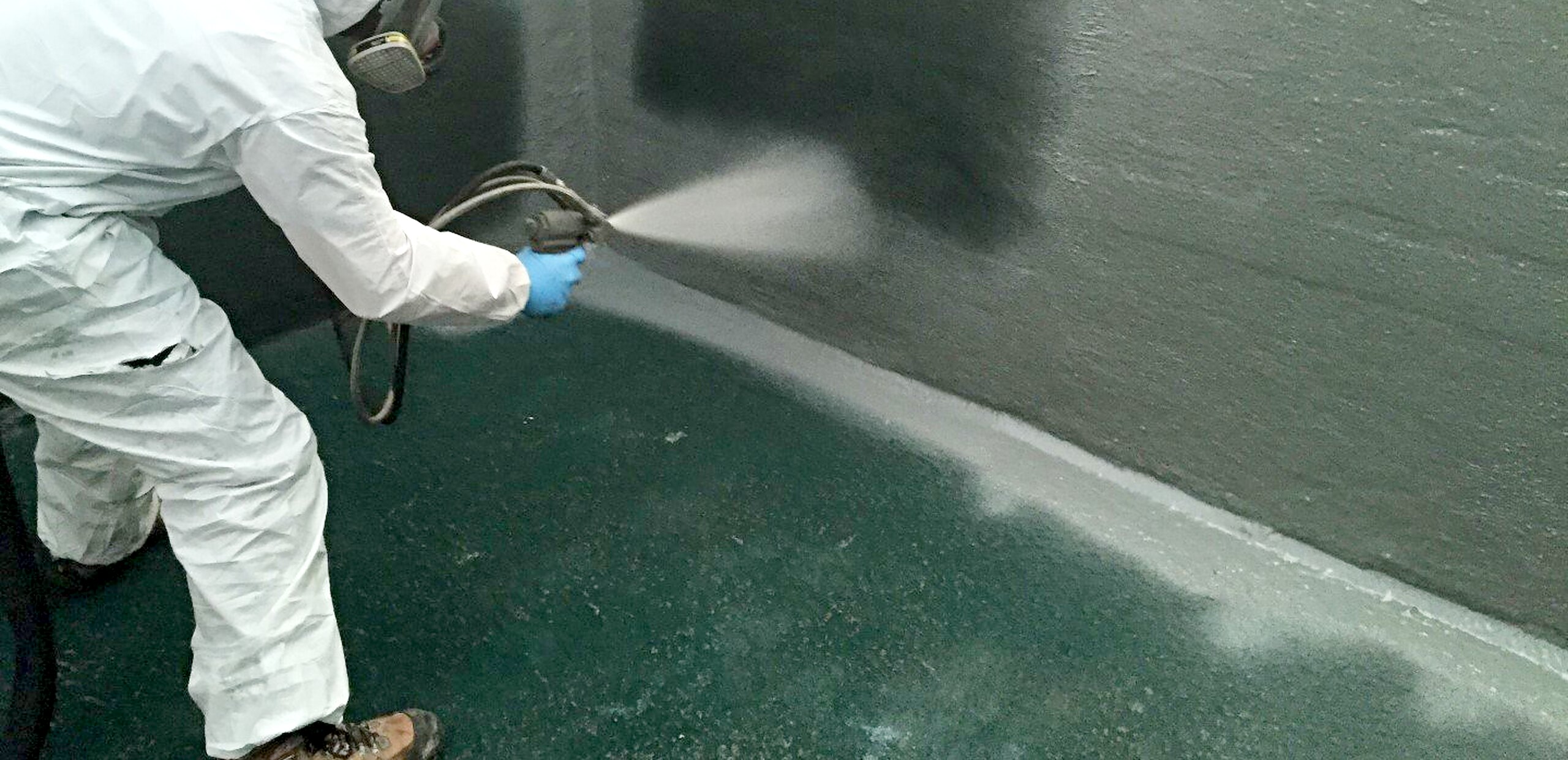
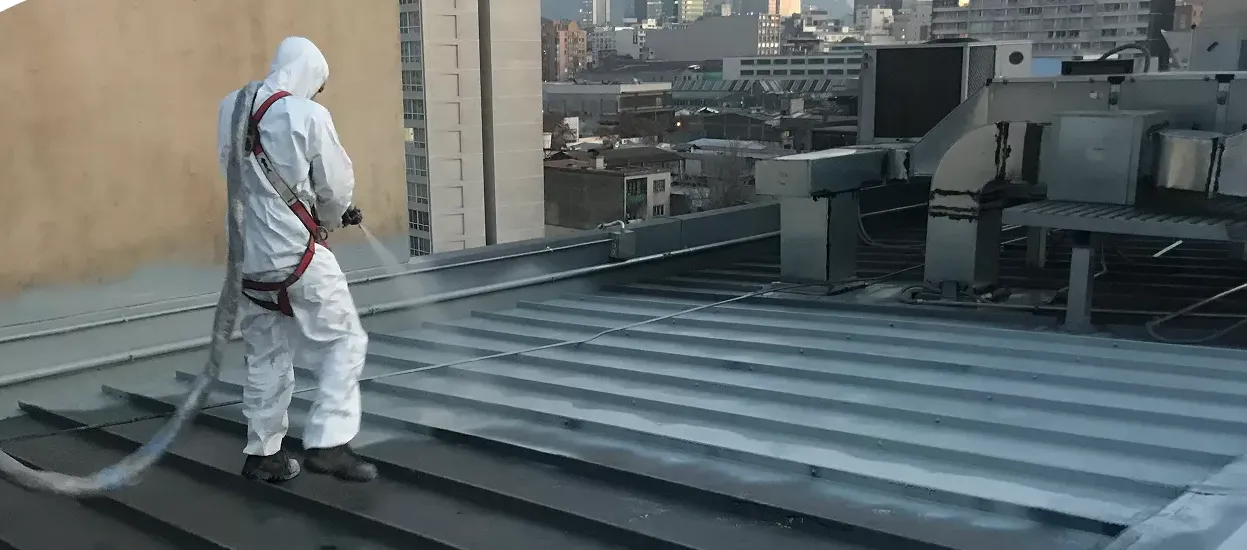
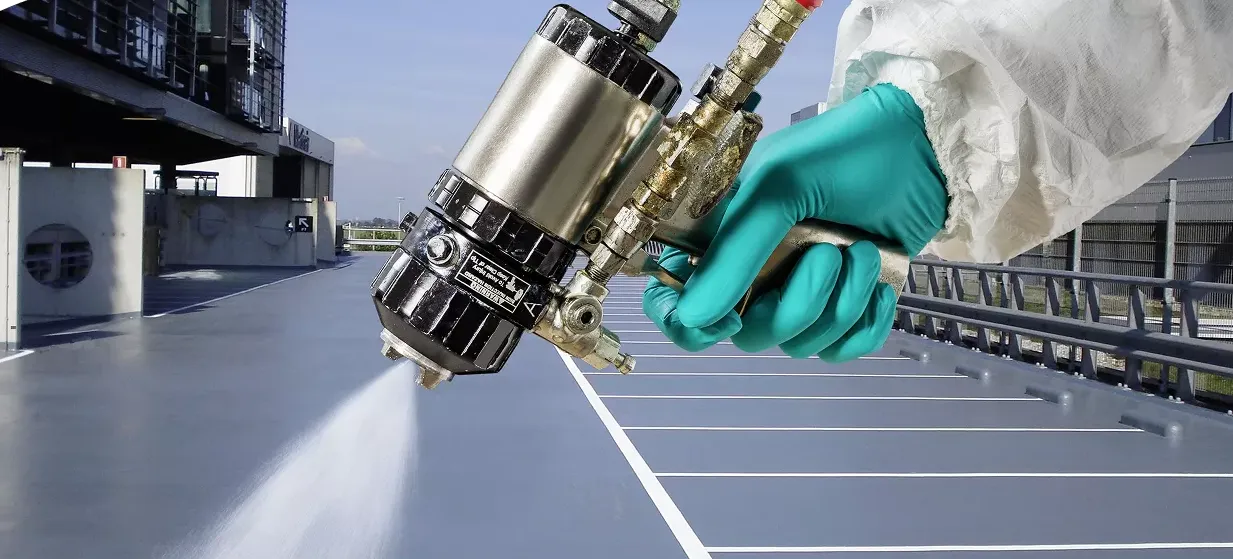
Apply the chosen waterproofing system. For polyurea, this means spray-applying at 60–100 mils thickness in a single pass, creating a seamless monolithic barrier that cures in seconds.
Step 5: Detail Work & Flashing
Waterproof all penetrations, seams, drains, parapets, and flashing details. These transition points are where 90% of leaks originate.
Step 6: Quality Inspection & Testing
Perform adhesion pull tests (ASTM D4541), thickness measurements (ASTM D7091), and flood testing to verify complete waterproof integrity.
Flat Roofs
The most vulnerable to ponding water. Best options: polyurea spray coatings (seamless, fast-cure), EPDM rubber membranes, or TPO single-ply. Polyurea excels here due to its ability to bridge cracks and self-level.
Metal Roofs
Require coatings with high elongation to handle thermal expansion/contraction cycles. Silicone and polyurea are top choices. Rust inhibitive primers are essential before coating.
Concrete Roofs
Naturally porous and susceptible to moisture absorption. Cementitious waterproofing, crystalline systems, or polyurea provide excellent protection. Surface prep is critical for adhesion.
Commercial Roofs
Large surface areas with heavy HVAC equipment, foot traffic, and complex penetrations. Spray-applied polyurea offers the fastest application time with minimal business disruption.
Detail Work & Flashing
Residential Roofs
Shingle, tile, and standing seam roofs benefit from elastomeric or silicone coatings for UV protection and energy savings. Cool-roof reflective coatings can reduce attic temperatures by up to 30%.
The 7 most common causes of roof damage
Preventing leaky roofs is about more than solid construction. Even the strongest roofs — whether metal roofs, concrete roofs, flat roofs, or commercial roofing systems — are susceptible to damage and degradation over time. Understanding these common causes of roof damage helps building owners know when roof waterproofing is needed and which waterproofing method will provide the best protection:
Foot traffic and equipment movement
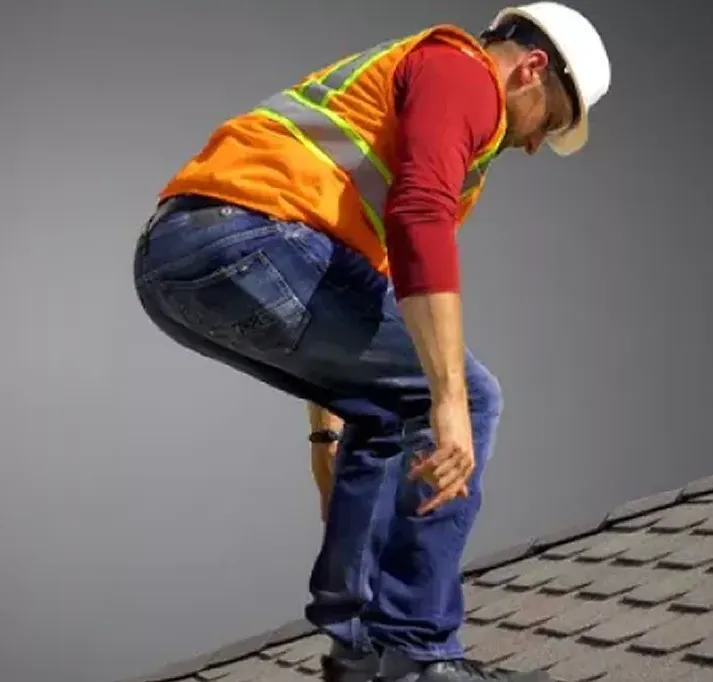
Step-by-step, foot traffic slowly but surely wears down roofing materials. Likewise, shifting heavy equipment across roofs poses an even greater risk of damage. Polyurea coatings can help resist the wear and tear of constant abrasion, making roofs as durable as the sidewalk below.
Incompatible HVAC equipment
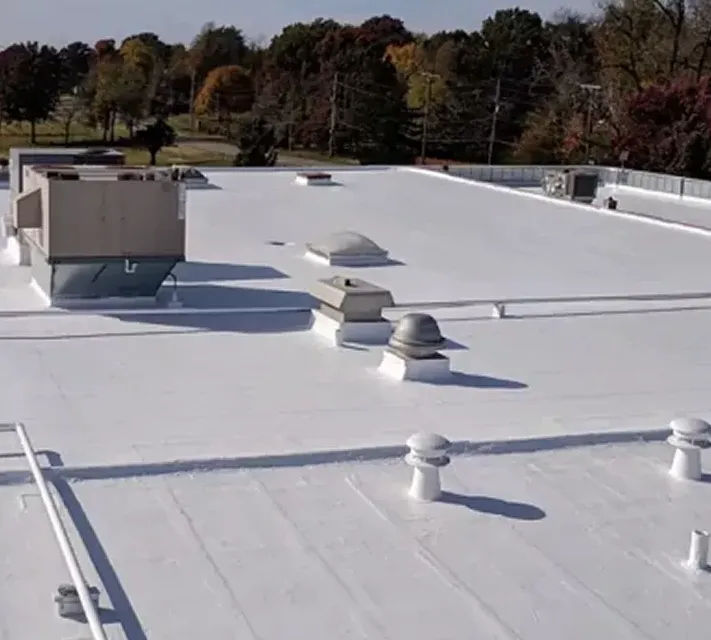
When new HVAC equipment doesn’t quite match the previous system, roofs may be modified to accommodate the new dimensions. This may create or expose vulnerable points in the roof where water damage can be quick and dramatic. Polyurea roof waterproofing can help seal any gaps or reinforce weak points, ensuring any changes are made without solving one problem only to create another.
Rusting, cracking, and peeling
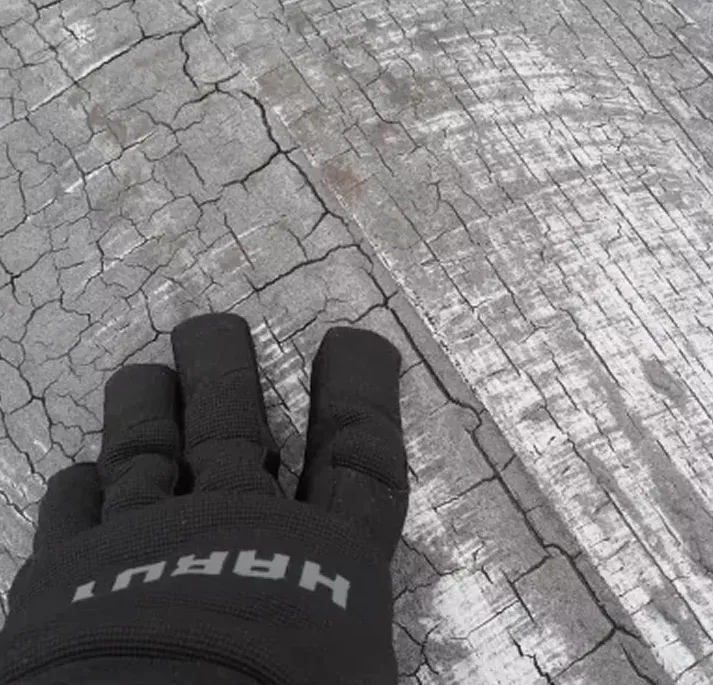
Whether it’s record rainfall, constant maintenance, chemical spills, or anything in between, roofs on buildings everywhere in the world take a beating. This can lead to rusting, cracking, peeling, or other types of damage and decay that risk the structural integrity of roofs and the buildings they protect. Polyurea is among the strongest and most highly resistant protective coatings, and can be used to impart this durability to roofing materials to see longer lasting and better performing roofs.
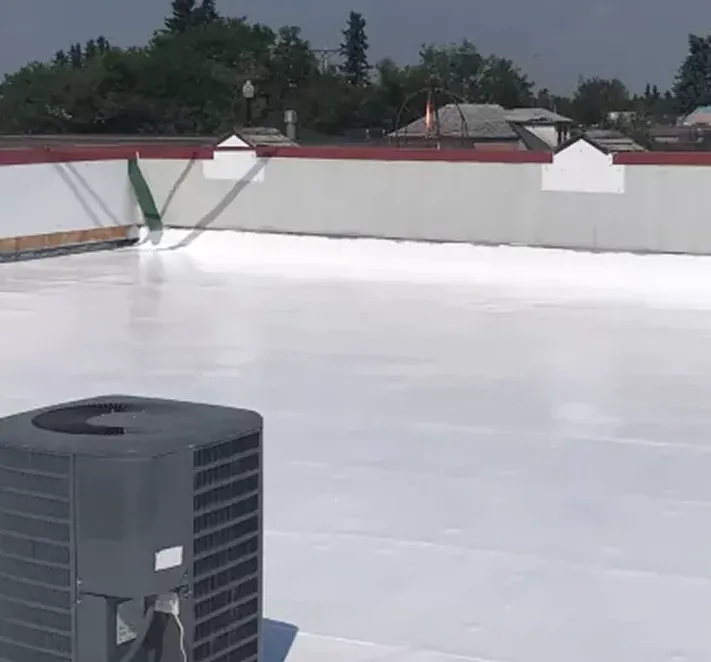
HVAC Vibrations
While you may never hear a peep while on the inside of a building, HVAC systems – especially large commercial equipment – can vibrate with great intensity. This vibration risks damaging roofs and causing quite the disturbance. Polyurea coatings can help reduce the vibration from HVAC equipment for safer, quieter buildings.
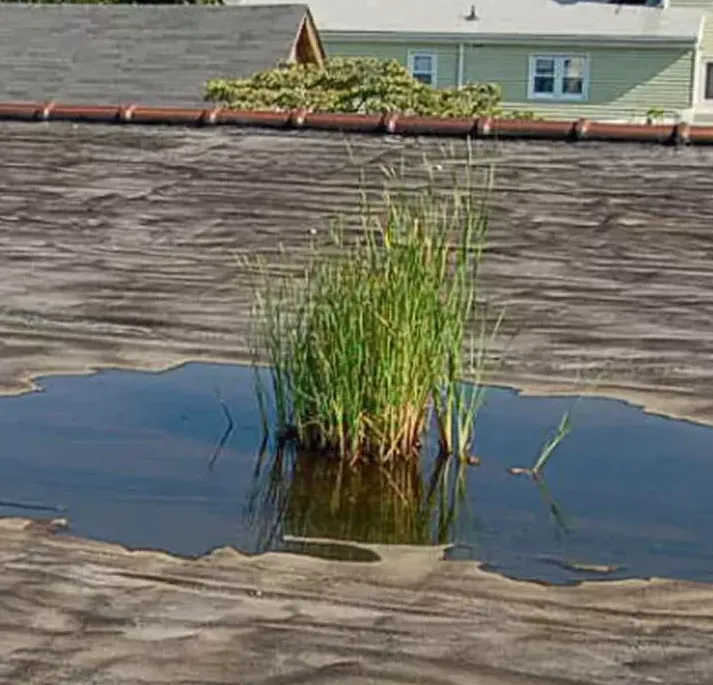
Ponding and vegetation
While it may be surprising to some, ponding and vegetation is more common on roofs than you might think. On flat roofs, these installations introduce another, high-risk source of water that can seep into roofs to cause significant damage. Polyurea roof waterproofing can be used to create a waterproof and watertight seal to ensure that water features don’t turn into water nightmares.
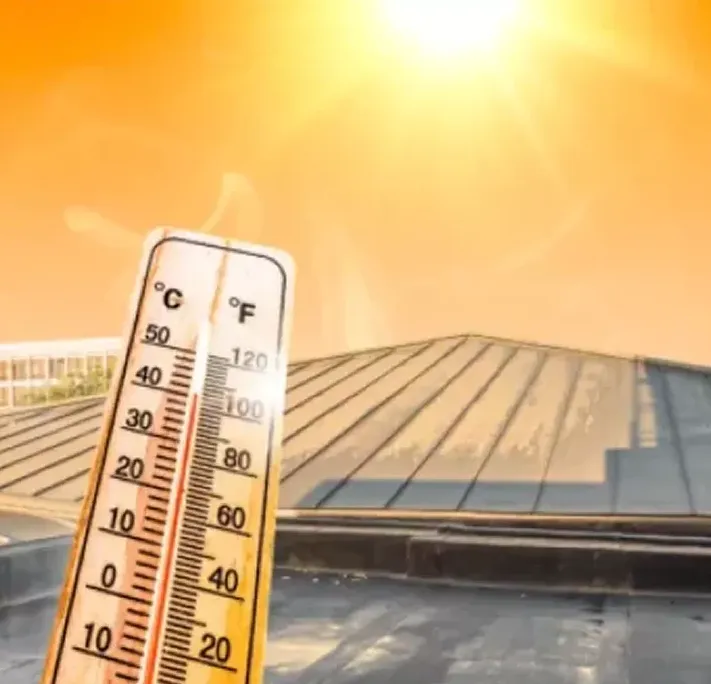
Extreme temperatures
Extreme temperatures, whether from the scorching sun or punishing frost, can cause irreparable damage to roofing materials. Especially when temperatures fluctuate between extremes, roofing materials can expand and contract to see them crack and peel, or even entirely lose their form and function. Polyurea coatings are highly flexible, and can adapt to changing temperatures and insulate roofs from even the most extreme temperature fluctuations.
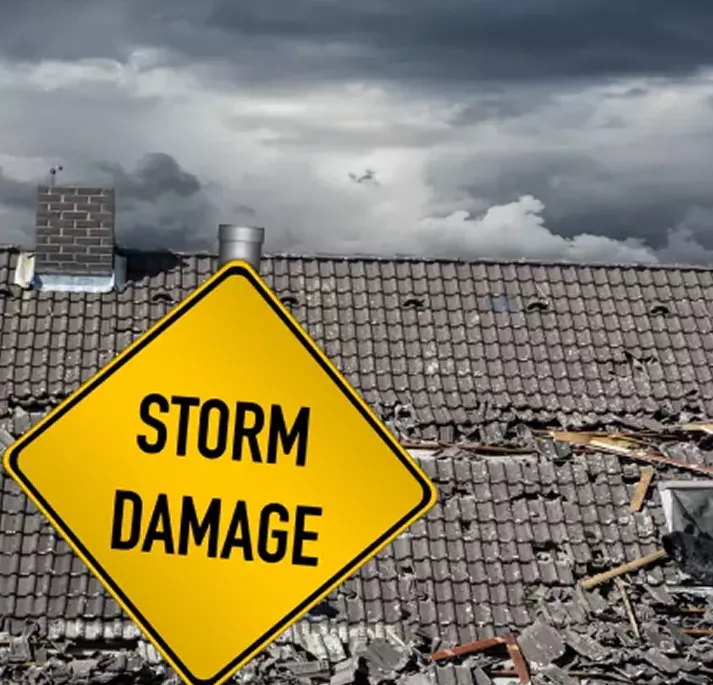
Storm damage
Fallen trees, golf ball sized hail, fastball-speed winds – you name it! Violent storms can cause serious damage to any structure, and must be built to withstand the conditions specific to their unique environment. Polyurea roof waterproofing can be used to keep roofs safe and dry, protected from strong physical impacts and even the wettest conditions.
Roof waterproofing cost, lifespan & warranty
Understanding the true cost of roof waterproofing requires looking beyond the initial price per square foot. The total cost of ownership includes material cost, labor, maintenance frequency, and expected lifespan.
Polyurea
$5–$12
/sq ft installed annual cost over 25 yrs
Silicone
$2.50–$4.50
/sq ft installed
$2,500
annual cost over 15 yrs
Acrylic
$1.50–$3
/sq ft installed annual cost over 8 yrs
- The Bottom Line on ROI
A $50,000 polyurea roof coating over 25 years costs roughly $2,000/year. A $25,000 acrylic coating lasting 8 years costs $3,125/year — plus recoating labor every cycle. Polyurea delivers 35–60% lower lifetime cost. ArmorThane offers industry-leading material warranties backed by 35+ years of polyurea manufacturing
expertise.
Want to Know What Roof Waterproofing Will Cost for Your Building?
Our team will provide a detailed, no-obligation quote tailored to your roof type, size, and condition. Discover why polyurea delivers the lowest lifetime cost.
Roof waterproofing maintenance requirements
Every waterproofing system requires ongoing maintenance. The key difference is how much and how often.
- ★ POLYUREA
Annual visual inspection and debris removal. No recoating needed for 25–30 years. Spot repairs are simple and bond seamlessly to existing coating.
- Silicone
Annual inspection. May attract dirt buildup. Recoat every 15–20 years.
- Acrylic
Recoating every 5–8 years. Regular cleaning required. Not suitable for ponding water.
- EPDM / TPO / PVC
Semi-annual seam inspections. Seam failures are the #1 failure point. Re-seaming every 10–15 years.
- Modified Bitumen
Annual blistering and cracking checks. Recoat with reflective coating every 5–7 years for UV protection.
Why polyurea is the best roof waterproofing solution
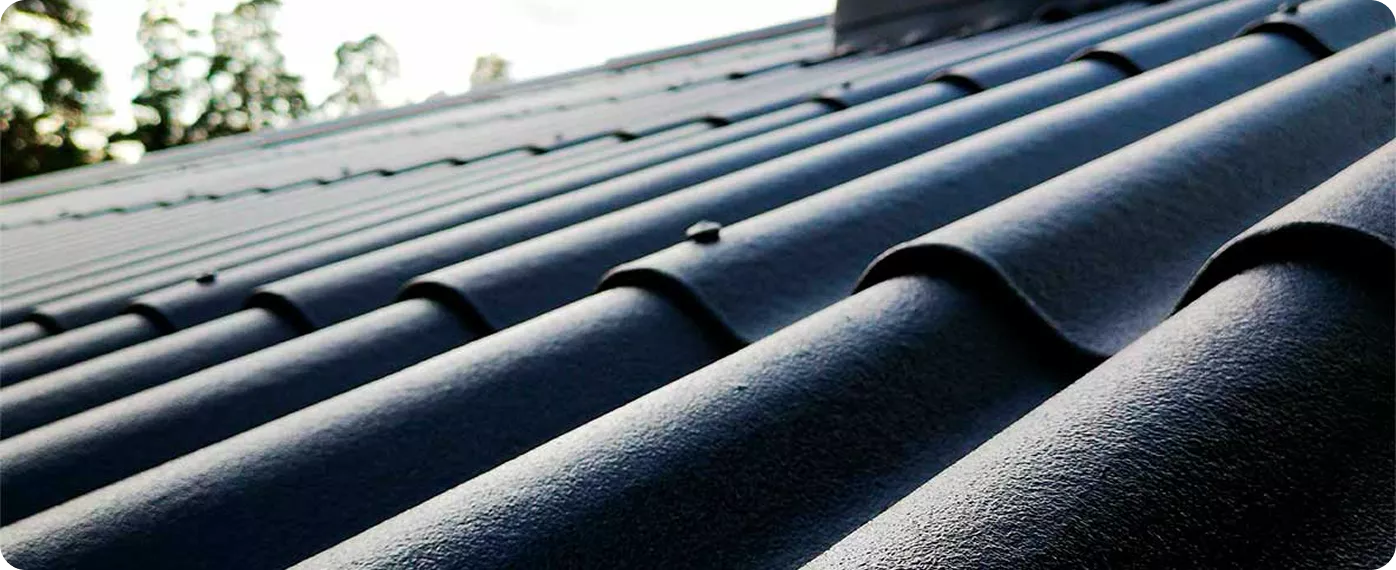
After comparing all available roof waterproofing methods from silicone roof coatings and acrylic coatings to EPDM rubber membranes, TPO, PVC, modified bitumen, and cementitious systems polyurea consistently delivers the best combination of performance, durability, and value. Here is why polyurea is the best waterproofing for a roof.
Unmatched physical properties: Polyurea achieves tensile strength of 2,000–6,000 psi up to 10x stronger than silicone coatings and 15x stronger than acrylic coatings. With elongation percentages exceeding 300%, polyurea bridges cracks and accommodates thermal expansion on metal roofs, concrete roofs, and commercial roofing systems without splitting or delaminating.
Rapid cure and return-to-service: Unlike coatings that take hours or days to cure, polyurea sets in seconds and can bear foot traffic within minutes.
This means minimal disruption to commercial operations and the ability to complete roof waterproofing projects in a single day even on large commercial roofs.
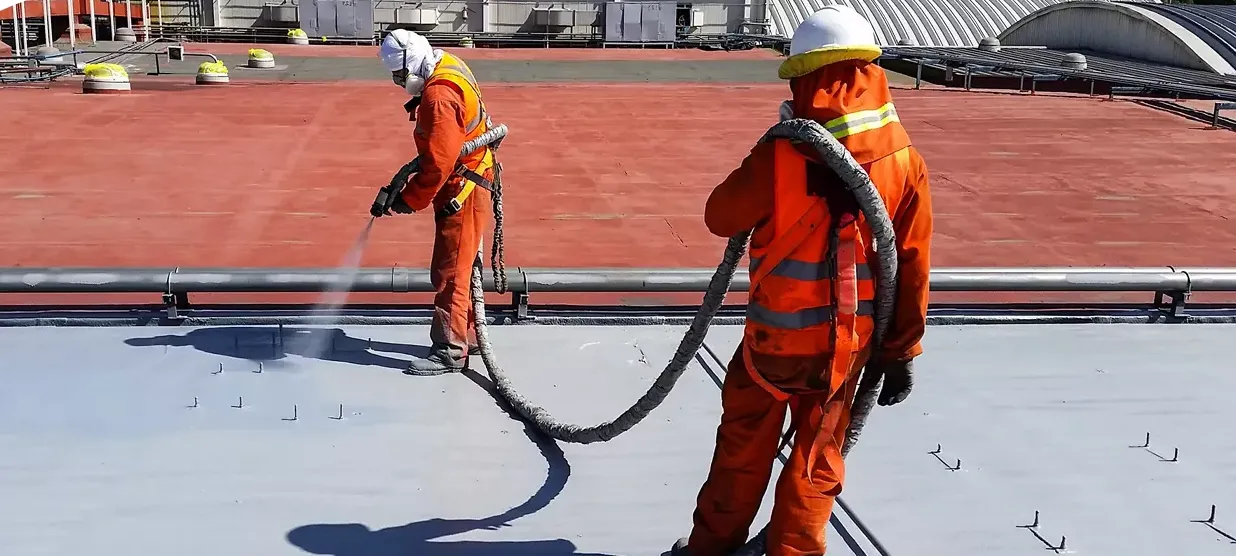
Seamless monolithic membrane: Polyurea is spray-applied to create a continuous, seamless barrier with zero seams, joints, or overlaps where leaks can develop. This eliminates the primary failure point of sheet membrane systems like EPDM, TPO, and PVC, which rely on seams that can fail over time. 100% solids, zero VOCs: Made of 100% solids with zero volatile organic compounds (VOC-free), polyurea is safer for applicators and building occupants and more sustainable than solvent-based alternatives.
It produces no harmful fumes during application and meets the strictest environmental regulations.
Superior chemical and UV resistance: Polyurea resists degradation from UV exposure, chemical spills, standing water, and extreme temperatures. It does not chalk, crack, or peel like acrylic and elastomeric coatings. This UV resistance and chemical resistance translate to decades of maintenance-free performance.
Longest lifespan, lowest lifecycle cost: With a service life exceeding 20–30 years and minimal maintenance requirements, polyurea delivers the best return on investment among all roof waterproofing options.
While the initial cost per square foot is higher than budget alternatives, the elimination of recoating cycles and the prevention of costly roof replacements make polyurea the most cost-effective choice over the full life of your roof.
Versatile roof type compatibility: Polyurea adheres to virtually every roof substrate metal roofs, concrete roofs, flat roofs, wood decking, SPF (spray polyurethane foam), and existing single-ply membranes. A single polyurea system can waterproof an entire building regardless of the mixed substrates present.
For roof repair and protection, polyurea is the ultimate solution. To avoid costly repairs and protect roofs for years to come, choose polyurea for your next roof waterproofing project.
Industry Standards & References: ArmorThane polyurea coatings are tested per ASTM D4541 (adhesion testing), ASTM D412 (tensile strength and elongation), and ASTM D7091 (coating thickness measurement). All application procedures follow OSHA roofing safety standards. Polyurea formulations comply with EPA VOC regulations with zero volatile organic compound emissions. Roof waterproofing installations should comply with applicable International Building Code (IBC) requirements.
Roof waterproofing FAQ: Frequently asked questions
Which Is the Best Waterproofing for a Roof?
The best waterproofing for a roof depends on your specific needs, but polyurea consistently outperforms all alternatives. When comparing silicone roof coatings, acrylic roof coatings, elastomeric coatings, EPDM rubber membranes, TPO membranes, PVC roofing membranes, modified bitumen, and cementitious waterproofing, polyurea delivers the highest tensile strength (2,000–6,000 psi), the greatest elongation (300%+), the fastest cure time (seconds vs. hours), and the longest lifespan (20–30+ years). For flat roofs prone to ponding water, polyurea and silicone coatings are the best options, but polyurea offers far superior durability and abrasion resistance. For metal roofs that expand and contract with temperature, polyurea's flexibility is unmatched. For commercial roofs requiring minimal downtime, polyurea's rapid cure makes it the clear winner.
How Much Does Roof Waterproofing Cost?
Roof waterproofing costs range from $1.50 to $12.00 per square foot depending on the system chosen. Acrylic coatings cost $1.50–$3.00/sq ft, silicone coatings $2.00–$4.00/sq ft, elastomeric coatings $2.00–$3.50/sq ft, EPDM membranes $4.00–$8.00/sq ft, TPO and PVC membranes $5.00–$10.00/sq ft, and polyurea coatings $5.00–$12.00/sq ft. While polyurea has a higher initial cost per square foot, it is often the most cost-effective option when you calculate the total cost of ownership over 20–30 years, since it requires no recoating, minimal maintenance, and outlasts cheaper alternatives by 2–3x. A proper ROI analysis that includes avoided roof replacement costs, reduced maintenance expenses, and energy savings from cool roof reflectivity typically shows polyurea delivering the best return on investment.
How Long Does Roof Waterproofing Last?
The lifespan of roof waterproofing depends on the system type. Acrylic coatings last 5–10 years. Silicone coatings last 10–15 years. Elastomeric coatings last 8–12 years. EPDM membranes last 20–30 years. TPO membranes last 15–25 years. PVC membranes last 20–30 years. Modified bitumen lasts 15–20 years. Polyurea waterproofing lasts 20–30+ years with minimal maintenance, making it the longest-lasting liquid-applied waterproofing option available. Factors that affect lifespan include proper surface preparation, correct mil thickness during application, UV exposure, ponding water, foot traffic, and chemical exposure. Proper installation by a trained professional applicator is the single most important factor in achieving maximum service life from any waterproofing system.
What Is the Best Way to Waterproof Your Roof?
The best way to waterproof your roof involves six key steps: (1) thorough inspection to identify all damage, moisture, and problem areas; (2) complete surface preparation including cleaning, repairing cracks and damaged areas, and removing loose material; (3) primer application matched to your substrate type with proper dry time before coating; (4) membrane application at the correct mil thickness using appropriate spray equipment or roller application; (5) reinforcement of all penetrations, flashings, and edge details with fabric and additional coating; and (6) final inspection with dry film thickness measurement to verify proper coverage. For the highest-performance result, polyurea spray-applied by a trained professional using plural-component equipment delivers the most durable, seamless, and long-lasting waterproofing membrane.
What Is the 25% Rule in Roofing?
The 25% rule in roofing states that if more than 25% of a roof's total surface area requires repair, it is generally more cost-effective and often code-required to perform a full reroof or complete waterproofing system rather than individual spot repairs. Many building codes and insurance policies reference this threshold. The rationale is that once damage exceeds a quarter of the roof area, the remaining surface is likely nearing the end of its useful life and patchwork repairs become a poor investment. For building owners approaching this threshold, applying a polyurea waterproofing membrane over the entire roof is often the most practical solution — it creates a completely new waterproofing layer at a fraction of the cost of full roof replacement, extends the roof's life by 20–30 years, and satisfies code requirements for comprehensive roof restoration.
What Are the Different Types of Roof Waterproofing?
The main types of roof waterproofing include liquid-applied systems (polyurea coatings, silicone roof coatings, acrylic roof coatings, and elastomeric coatings), sheet membrane systems (EPDM rubber membranes, TPO membranes, PVC roofing membranes, and modified bitumen), cementitious waterproofing, bituminous membranes (rubberized asphalt), and specialized systems like green roof waterproofing. Liquid-applied membranes like polyurea are the most versatile because they conform to any roof shape, create a seamless barrier, and can be applied to any substrate including metal roofs, concrete roofs, and existing single-ply membranes. Sheet membranes offer proven performance but have seams that can fail. Cementitious systems are best for concrete substrates. The right choice depends on your roof type, budget, performance requirements, and whether you are waterproofing new construction or restoring an existing roof.
What Maintenance Does a Waterproofed Roof Require?
Maintenance requirements vary by waterproofing system. Polyurea-coated roofs require the least maintenance — typically just annual cleaning with a pressure washer and visual inspection of detail areas. No recoating is needed within the 20–30 year service life. Silicone coatings require periodic cleaning due to dirt pickup and may need primer treatment before recoating. Acrylic coatings require the most maintenance, including recoating every 5–10 years and prompt repair of water-damaged areas. Sheet membranes (EPDM, TPO, PVC) require annual seam inspection and immediate repair of any punctures. All waterproofing systems benefit from twice-yearly inspections (spring and fall), keeping drains and gutters clear of debris, removing ponding water sources, and promptly addressing any mechanical damage from foot traffic or equipment.
Is Polyurea Roof Waterproofing Safe?
Polyurea roof waterproofing is designed to create safer, more comfortable structures that resist water damage and keep buildings dry. The cured polyurea membrane is completely inert and poses no health or safety risks to building occupants. Made of 100% solids with zero VOCs (volatile organic compounds), polyurea does not off-gas harmful chemicals after application. During the application process, trained applicators wear personal protective equipment including respirators and protective clothing, as the uncured components can cause irritation. Once applied and cured — which happens within seconds — the polyurea coating is safe, non-toxic, and FDA-compliant for incidental contact applications. Compared to solvent-based coatings that emit harmful VOCs during application and curing, polyurea is the safest and most environmentally responsible waterproofing option available.
Request a quote or become a professional applicator
With over 35 years of experience serving as the world’s one-stop-shop for everything polyurea and polyurethane, ArmorThane is ready to be your partner in the coatings industry. We formulate, manufacture, distribute, and apply our range of polyurea products and services for our global network of customers and professional applicators, and offer a suite of specialty products perfect for your next waterproofing project. To start your own coatings business and begin applying your own polyurea waterproofing, we also offer startup packages with everything you need, built with more than 70 years of combined coatings expertise. We’ll provide personalized on-site training, our high-quality polyurea formulations, performance spray equipment, and lifetime support, all with only one initial investment. No franchise fees, no licensing deals, and nothing else to restrict your business’s growth and development. If you’re interested in learning more about how ArmorThane can be your partner in the coatings industry, contact us today!!