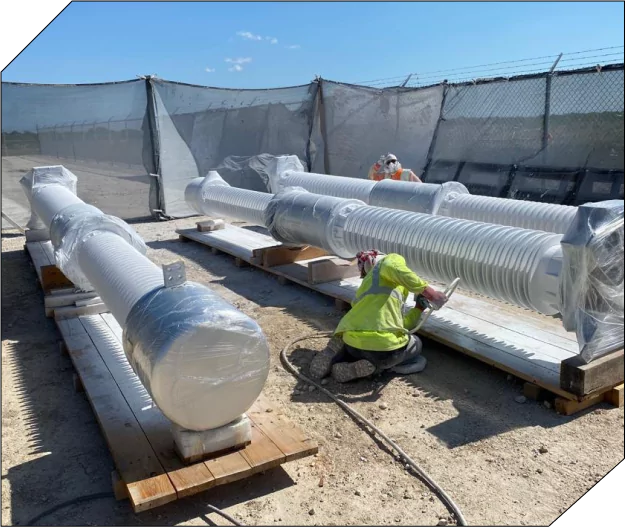
Industrial Coatings for Plants, Floors & Equipment
Polyurea, epoxy, polyurethane and polyaspartic systems compared for industrial facilities: what each chemistry is good at, where it fails, and how to specify a coating that survives your process.
Line containment for a living.
ArmorThane is the one-stop shop for applicators. We make the chemistry, build the equipment, train you hands-on and back you with technical support, with no franchise fees and no royalties. Applicators have come first here since 1989.
- $0franchise fees or royalties
- 35+years in business
- 50+countries with applicators
- 24/7technical support
Industrial coatings do a job, not a look. They keep steel from corroding, keep concrete from dissolving under chemicals, keep floors from wearing through, keep tanks from leaking and keep equipment running between shutdowns. The right one depends on what the surface faces every day: chemicals, abrasion, impact, immersion, heat, UV and how long you can afford to be shut down. This page compares the main industrial coating chemistries and shows where spray polyurea earns its place.
For most industrial work there is no single best coating. Epoxies give excellent adhesion and chemical resistance but are rigid and slow to cure. Polyurethanes and polyaspartics give UV-stable, tough topcoats. Spray polyurea gives a thick, seamless, flexible membrane that cures in seconds and returns to service in hours, which makes it the go-to for linings, secondary containment, impact and abrasion areas and jobs with tight shutdown windows. Many industrial specs combine them: epoxy or zinc primer, polyurea body coat, aliphatic topcoat.
What industrial coatings actually do
Industrial coatings are grouped by the job they perform rather than the chemistry. Most facilities need several of these at once, and the same plant may use four different systems in four areas.
Corrosion protection
Barrier and sacrificial systems for structural steel, piping, tanks and equipment. See corrosion protection coatings.
Linings and containment
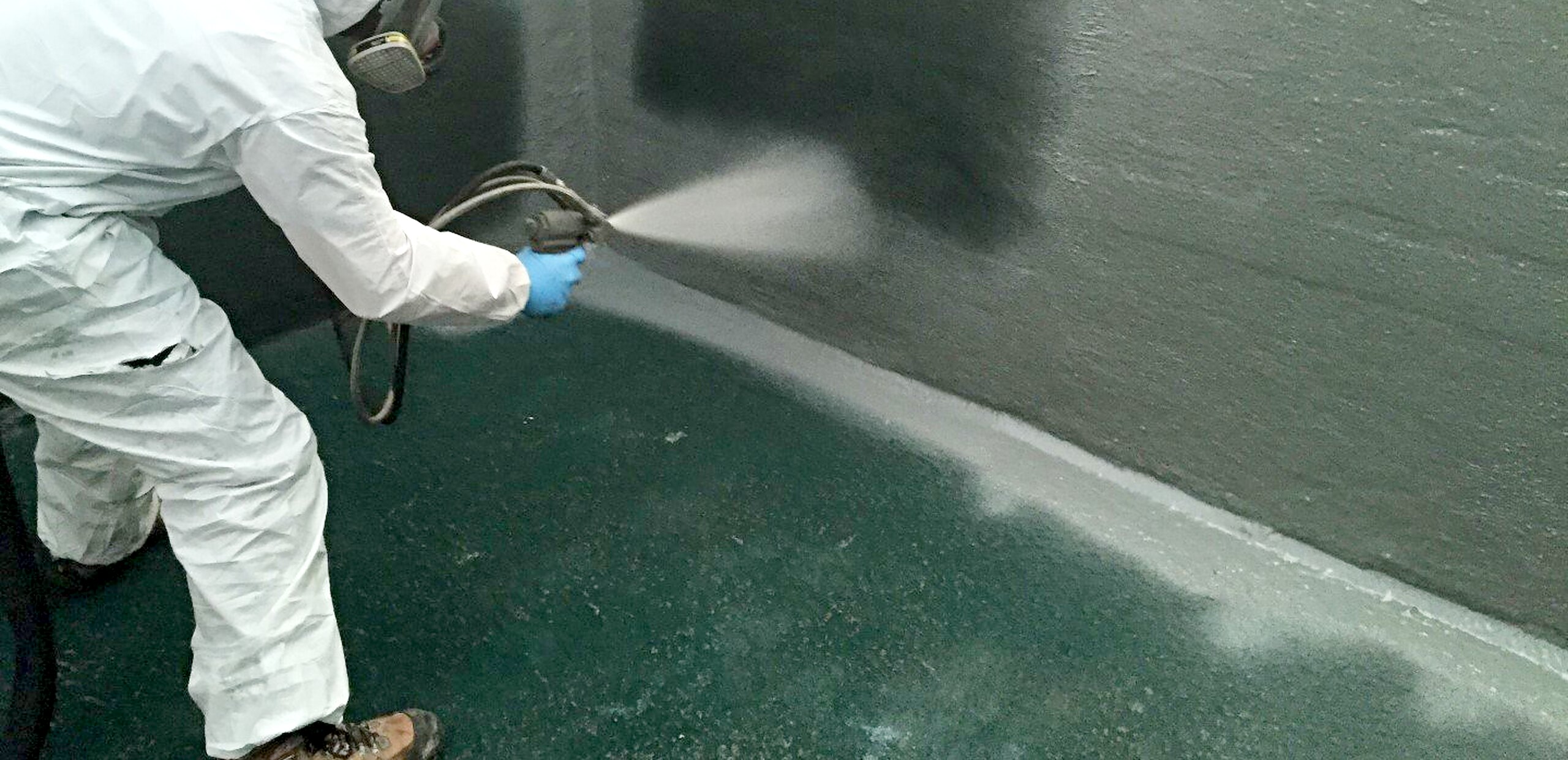
Tank linings, sumps, trenches and bund walls that hold chemicals, fuel or wastewater. See secondary containment.
Abrasion and impact
Chutes, hoppers, truck bodies, loading docks and floors where thin coatings chip and wear through.
Industrial flooring
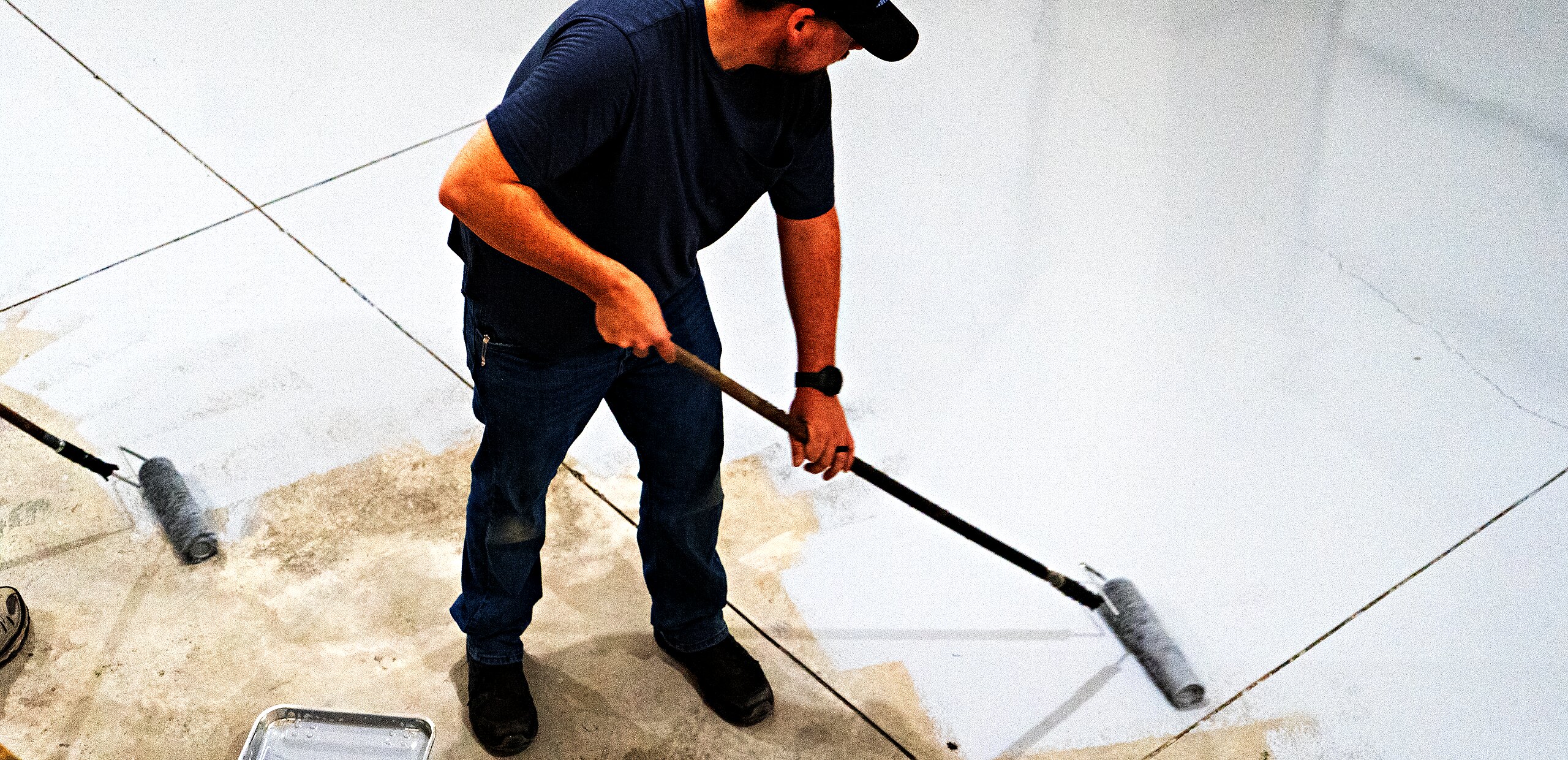
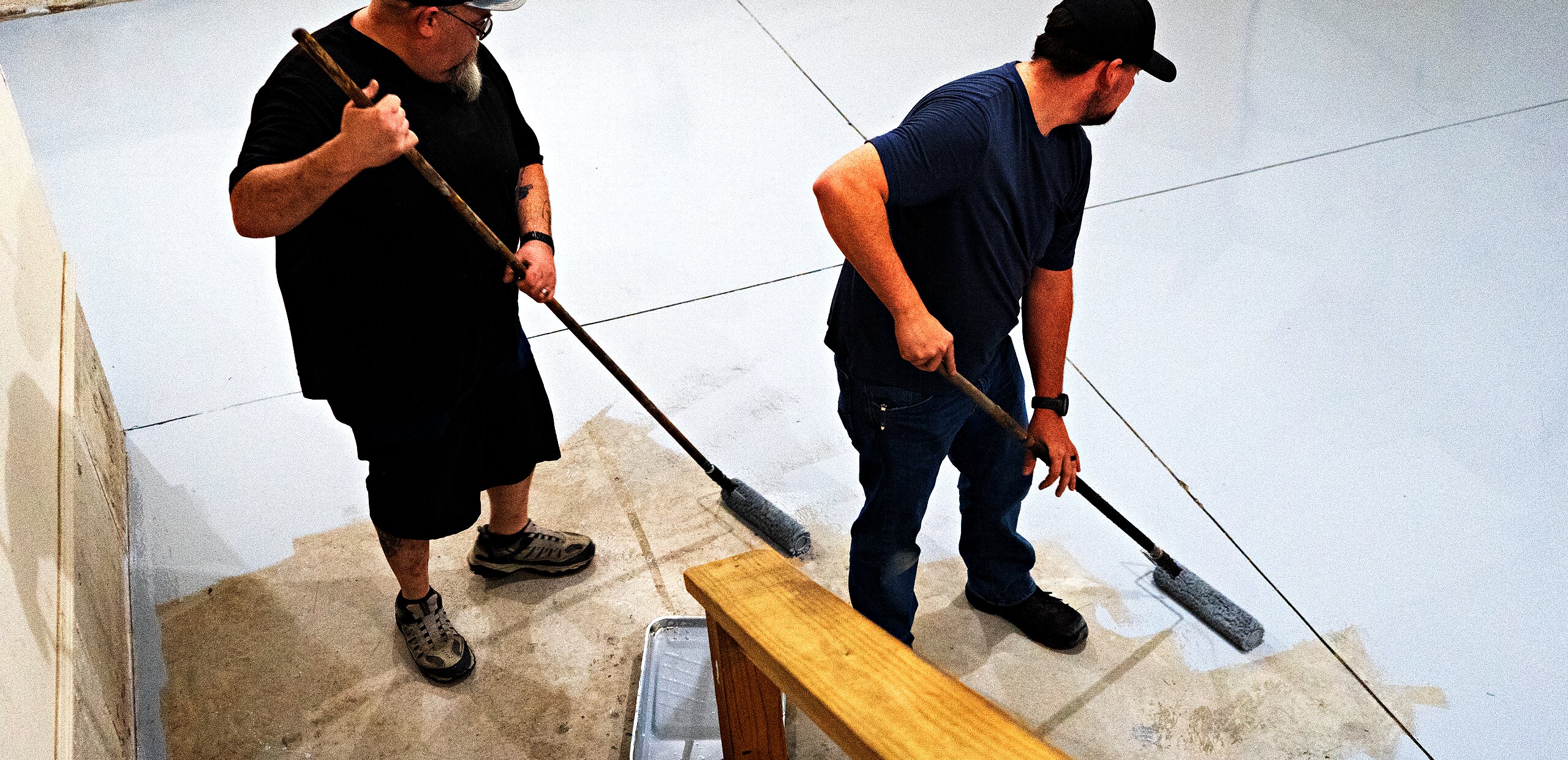
Forklift traffic, hot tire pickup, chemical spills and thermal shock. See industrial flooring.
Safety and marking
Non-slip surfaces, line striping, color coding and high-visibility finishes.
Industrial coating chemistries compared
Values are typical ranges; the product data sheet always governs.
| Chemistry | Strengths | Weaknesses | Typical film | Return to service | Common uses |
|---|---|---|---|---|---|
| Epoxy | Strong adhesion, broad chemical resistance, low cost per mil | Rigid, can crack with movement; slow cure; chalks and yellows in sunlight | 4–20 mils per coat; thicker for mortars | About 1–7 days | Primers, floors, tank linings, intermediate coats |
| Novolac epoxy | Higher acid, solvent and temperature resistance | Brittle, needs careful application | 10–20+ mils | Days | Severe chemical containment, acid areas |
| Polyurethane | Tough, abrasion resistant, UV-stable (aliphatic), good gloss | Moisture sensitive during cure, thinner films | 2–5 mils topcoat | Hours to a day | Topcoats on steel and floors |
| Polyaspartic | Fast cure, UV-stable, clear or pigmented, good abrasion | Short pot life, needs skilled crews | 5–15 mils per coat | Hours | Floors, fast-turn topcoats, equipment |
| Spray polyurea | Thick seamless film in one visit, high elongation, impact and abrasion resistance, cures in seconds | Needs plural-component equipment; aromatic grades darken in sun; temperature limits | 20–125+ mils in multiple passes | Minutes to walk on; hours to service | Linings, containment, truck and trailer, roofs, wear areas |
| Polyurea hybrid | Lower cost than pure polyurea, fast set | More sensitive to moisture and temperature; lower chemical resistance than pure polyurea | 20–125+ mils | Minutes to hours | Secondary containment, liners, budget-driven work |
| Zinc-rich | Galvanic protection of steel | Needs a topcoat in most exposures | 2–4 mils | Hours | Primer for structural steel |
Industrial coatings by industry
Containment, tanks, pipe
Secondary containment, tank linings, pipe coatings and splash zones. See pipeline coatings.
Concrete under acid attack
Wet wells, clarifiers, manholes and lift stations. See wastewater coatings.
Abrasion and impact
Chutes, hoppers, screens, haul truck beds and conveyor components.
Floors and equipment
Production floors, chemical storage rooms, loading docks and machine bases.
Check certifications first
Food-contact and potable water use require products certified for that service, such as NSF/ANSI/CAN 61 for drinking water. Not every grade qualifies.
How to specify an industrial coating
Define the exposure
List every chemical, concentration and temperature, plus abrasion, impact, immersion, UV and cleaning methods the surface will see.
Pick the substrate prep
Steel: cleaning standard and profile (often SSPC-SP 10 near-white for linings). Concrete: mechanical prep to an open surface profile and moisture testing. See surface preparation.
Choose the system, not just the coat
Primer, body coat and topcoat must be compatible and specified together, with minimum and maximum film thickness for each.
Plan the shutdown
Fast-cure systems can save days of downtime. Put the return-to-service time in the spec.
Write the testing in
Dry film thickness, holiday testing for linings, adhesion pull-off tests and a written closeout report.
Use certified applicators
Plural-component systems are only as good as the crew and the rig. Ask for training records and recent references.
Spray it yourself
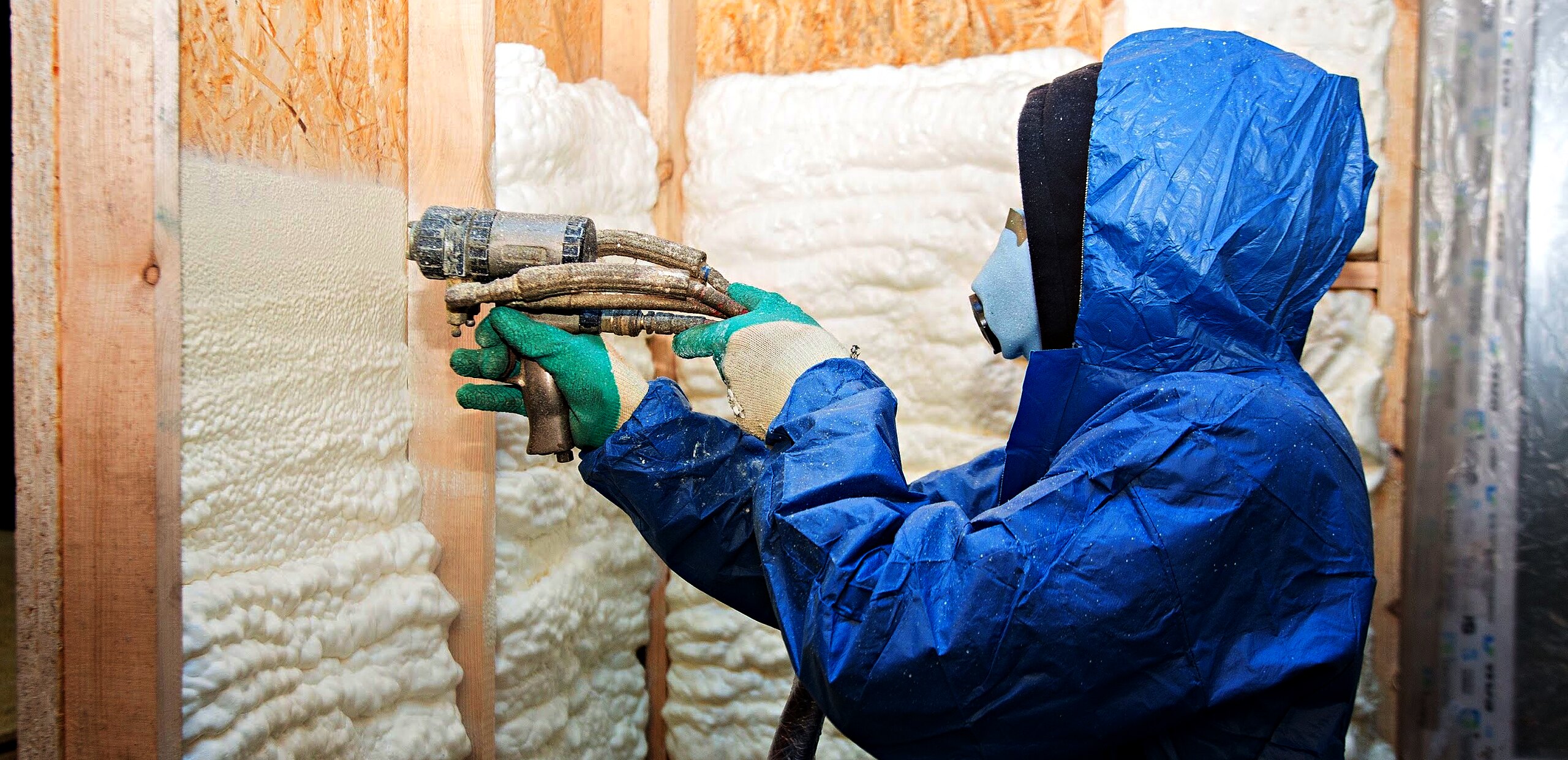
Many plants, fabricators and contractors bring polyurea in-house so they can coat on their own schedule. ArmorThane builds plural-component spray equipment and complete mobile spray rigs, and trains crews to apply our coatings. See how polyurea is applied in our polyurea spray guide.
Proportioners and guns
Heated, high-pressure plural-component proportioners for polyurea and spray foam, plus low-pressure systems for some hybrids.
Hands-on certification
Surface prep, equipment setup, spray technique, safety and quality control.
Material and tech support
Product data, specifications and troubleshooting from the people who make the coating.
Less downtime, longer service life.
Tell us what your floors, tanks, steel or equipment face and a certified ArmorThane applicator will recommend and quote a system.
Contractors: become an ArmorThane applicator
Industrial coatings questions
What is the most durable industrial coating?
There is no single winner. For thick, seamless, impact and abrasion resistant protection, spray polyurea is among the toughest. For aggressive acids and solvents, novolac epoxies often outperform. Durability comes from matching the chemistry to the exposure and preparing the surface properly.
Is polyurea better than epoxy for industrial use?
Polyurea cures in seconds, builds thick in one visit and stays flexible, so it handles impact, movement and fast shutdowns better. Epoxy bonds very well, costs less per mil and resists many chemicals. Many industrial systems use an epoxy primer under a polyurea body coat to get both.
How long do industrial coatings last?
Well-specified systems on properly prepared surfaces commonly last 10 to 25 years or more before major maintenance. ISO 12944 uses durability classes from low (up to 7 years) to very high (more than 25 years) for steel.
Can industrial coatings be applied in cold weather?
Spray polyurea can be applied at much lower temperatures than most epoxies because it cures by fast chemical reaction, but the substrate must still be above the dew point and within the product data sheet limits.
What surface preparation do industrial coatings need?
Steel is usually abrasive blasted to a specified cleanliness and profile. Concrete is mechanically prepared by shot blasting or grinding, cleaned and moisture tested. Prep is the single biggest factor in coating life.
Do you sell industrial coating equipment?
Yes. ArmorThane manufactures plural-component spray equipment and complete mobile spray rigs, and trains crews to apply our coatings.
Sources
Coat it once. Run it longer.
Facilities get a certified ArmorThane applicator for floors, linings, containment and equipment. Contractors and plants can add polyurea capability with our equipment and training, with no franchise fee and no royalties.
Start your coatings business with ArmorThane.
Tell us what you want to spray and where you are. An ArmorThane specialist will walk you through the equipment, chemicals, training and startup cost for the work you want to do.
- Equipment package matched to your applications
- Hands-on training and applicator certification
- Technical support once you are spraying
Floors, tanks, steel or equipment? Get the right system.
Tell us the surface, the size and what it is exposed to. We will connect you with a certified applicator who can inspect and quote the work.
- Surface type and square footage
- Chemicals, abrasion, heat or immersion
- Current coating and condition
- Shutdown window available

More in Industrial & infrastructure
Guides & resourcesPolyurea Coating Near Me
Guides & resourcesAntimicrobial Coatings
Guides & resourcesAutomotive Manufacturing Coatings
Floors & concreteCar Parks & Parking Garage Coatings
WaterproofingConcrete Fountain Rehabilitation
RoofingConcrete Tank Waterproofing
Guides & resourcesElectrical Coatings
Floors & concreteFoam Concrete Lifting