Tank Lining: Coatings for Steel & Concrete Tanks
How tank linings work, which lining fits water, fuel, chemical and wastewater tanks, what prep and testing a lining needs, and when spray polyurea is the right choice.
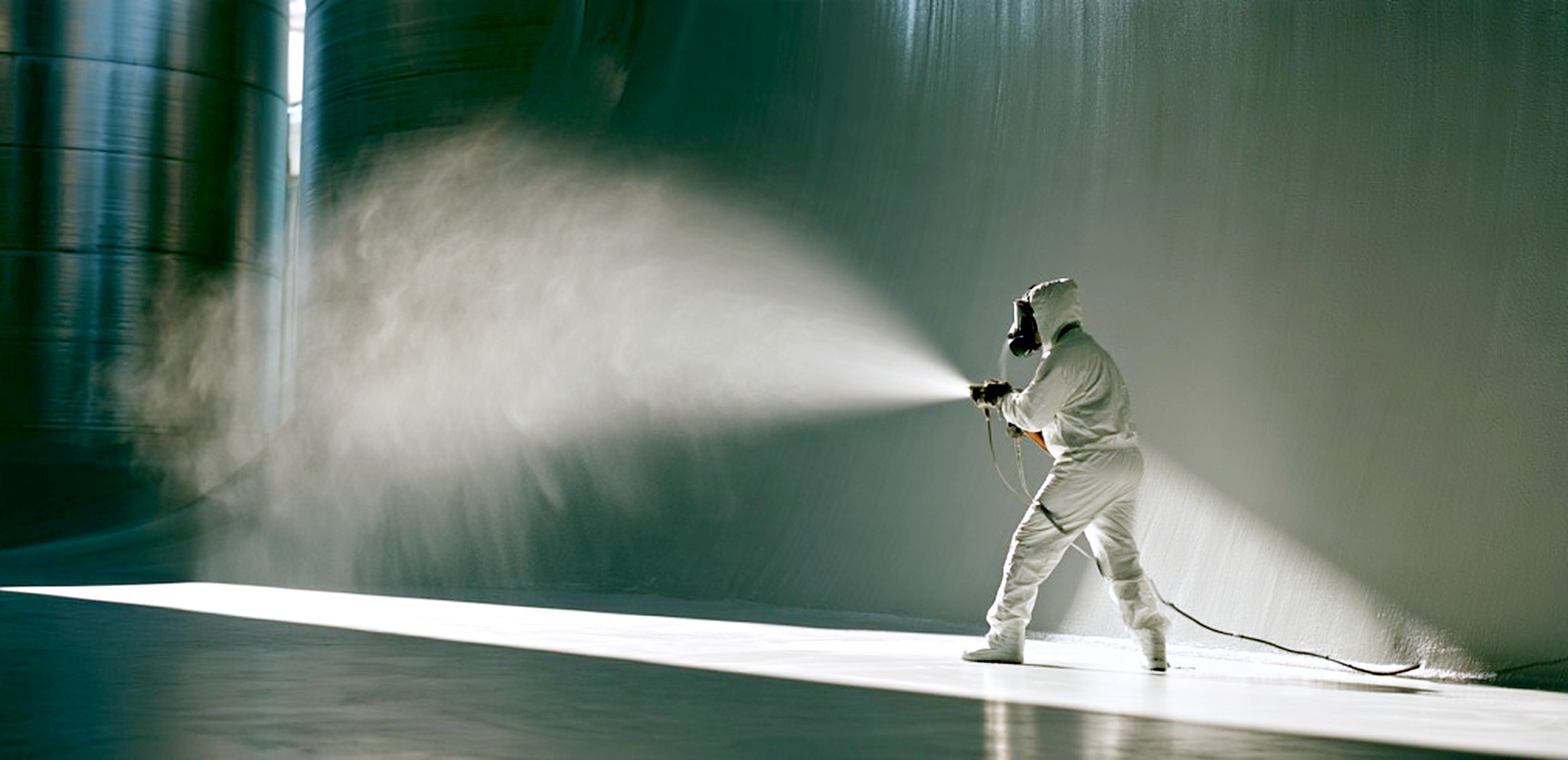
Line tanks for a living.
ArmorThane is the one-stop shop for applicators. We make the chemistry, build the equipment, train you hands-on and back you with technical support, with no franchise fees and no royalties. Applicators have come first here since 1989.
- $0franchise fees or royalties
- 35+years in business
- 50+countries with applicators
- 24/7technical support
A tank lining has one job: keep what is inside the tank away from the tank, and keep the tank from leaking. When a lining fails, steel pits through from the inside or concrete is eaten away, and you usually find out late. We make spray polyurea and the equipment that applies it, and our applicators line water, fuel, chemical, agricultural and wastewater tanks every week. This guide covers how to choose a tank lining, how it should be installed, and what to demand in testing.
Tank lining is a coating or membrane applied to the inside of a tank to stop corrosion, chemical attack and leaks. Thin-film epoxies suit many water and fuel tanks; thick-film systems such as spray polyurea, glass-flake epoxy or rubber suit abrasion, movement, chemical attack and older, pitted tanks. Any lining is only as good as its prep (usually near-white blast on steel), film thickness and holiday testing. Potable water tanks must use NSF/ANSI/CAN 61 certified products.
Why tanks need linings
Bare steel tanks corrode wherever water collects, and water collects in fuel tanks, chemical tanks and water tanks alike: in the bottom, at the water line and in the vapor space under the roof. Concrete tanks crack, leak and lose surface to acids, and in wastewater service hydrogen sulfide turns into sulfuric acid that attacks the concrete above the liquid line.
Internal corrosion
Pitting at the floor and the water line, plus condensation corrosion in the vapor space and roof.
Leaks and acid attack
Shrinkage cracks, cold joints and acid attack on the concrete surface and rebar.
Contamination
Rust and coating debris in fuel, chemicals or water, and taste and odor problems in potable systems.
Tank lining types compared
| Lining | Typical thickness | Strengths | Limits | Typical tanks |
|---|---|---|---|---|
| Thin-film epoxy | Up to 20 mils | Proven, economical, good chemical resistance | Brittle; needs sound steel; slower cure | Fuel and water tanks in good condition |
| Thick-film epoxy / glass-flake | 20–60 mils | Low permeability, bridges minor pitting | Rigid; long cure before service | Crude and product tank bottoms, chemical tanks |
| Spray polyurea | 40–125+ mils | Seamless, flexible, impact and abrasion resistant, fast return to service | Needs plural-component rig and skilled crew; check temperature and chemical charts | Water, wastewater, agricultural, secondary containment, many chemical and fuel tanks |
| Polyurea hybrid | 40–125+ mils | Lower cost, fast set | Less chemical resistance than pure polyurea | Non-critical water and agricultural tanks |
| Rubber lining | 1/8–1/4 in. sheet | Excellent for abrasive slurries and some acids | Labor-intensive seams; heat limits | Mining slurry, acid storage |
| FRP lining | 60–250 mils | Structural reinforcement for damaged tanks | Labor-intensive, rigid | Old steel tanks needing structural repair |
Choosing a lining by tank type
Potable water tanks
Only NSF/ANSI/CAN 61 certified lining products, applied to the certified thickness and cure. See water tank coating.
Fuel and petroleum tanks
Fuel-resistant linings on tank bottoms and lower shells; follow API 652 for aboveground storage tank bottoms. See fuel tank liner.
Chemical storage tanks
Match the lining to the chemical, concentration and temperature using the manufacturer chemical resistance chart.
Wet wells and treatment tanks
Polyurea over prepared concrete stops acid attack and infiltration. See wastewater coatings.
Manure, fertilizer and water tanks
Abrasion and chemical resistant, fast-cure linings that return tanks to service quickly.
Concrete tanks and vaults
Flexible linings that bridge shrinkage cracks. See concrete tank waterproofing.
The tank lining process, step by step
Inspect and clean out
Drain, ventilate and clean the tank under confined-space procedures. Inspect for pitting, cracks and structural damage.
Repair
Weld or fill deep pits on steel; route and fill cracks and repair spalls on concrete.
Surface preparation
Abrasive blast steel to the specified standard, usually SSPC-SP 10 near-white, with the specified anchor profile. Mechanically prepare concrete to sound, open, dry substrate. See surface preparation.
Control the climate
Dehumidify and heat as needed so steel stays at least 5°F above the dew point from blast to coating.
Prime and stripe coat
Apply the specified primer, then brush stripe coats at welds, edges and penetrations.
Spray the lining
Apply the lining in multiple passes to the specified thickness, including floor-to-wall transitions and nozzles.
Test and document
Measure film thickness, holiday test 100% of the lining, check adhesion on test areas and record cure before return to service.
Why polyurea for tank lining
Spray polyurea gels in seconds, so an applicator can build a thick lining on walls and roofs without sags, in one shift, and most tanks can go back in service within hours to a day, depending on the product and the service. The film stays flexible, so it tolerates thermal cycling, settlement and minor substrate movement that crack rigid linings.
- Seamless: no laps or seams where leaks start.
- Thick in one visit: 40 mils and up in multiple passes, which also bridges minor surface defects.
- Fast return to service: less downtime and fewer days paying for confined-space crews.
- Tough: resists impact from agitators, debris and cleaning equipment.
Stop leaks and corrosion from the inside.
A certified ArmorThane applicator can inspect your tank, recommend a lining for what it holds, and spray it with full holiday testing.
Contractors: become an ArmorThane applicator
Tank lining questions
What is tank lining?
Tank lining is a coating or membrane applied to the interior of a tank to protect it from corrosion, chemical attack and leaks, and to protect the stored product from contamination.
What is the best lining for a steel tank?
It depends on what the tank holds and its condition. Thin-film epoxy suits many water and fuel tanks in good condition. Thick-film systems such as spray polyurea or glass-flake epoxy suit pitted tanks, abrasion, movement and many chemical services.
How long does a tank lining last?
A correctly specified and installed lining commonly lasts 10 to 20 years or more. Life depends on prep, film thickness, the stored product, temperature and how the tank is cleaned and maintained.
Can polyurea be used in potable water tanks?
Only polyurea products certified to NSF/ANSI/CAN 61 for drinking water contact, applied and cured as the certification requires. Ask for the certification listing before work starts.
How long is a tank out of service for lining?
Prep usually takes the most time. Spray polyurea itself cures fast enough that many tanks return to service within hours to a few days, compared with longer cure times for many epoxies.
Do tank linings need holiday testing?
Yes. A single pinhole can concentrate corrosion. Linings should be holiday tested over 100% of the surface, with defects repaired and retested.
Sources
Line it once. Keep it in service.
Owners get a certified ArmorThane applicator for water, fuel, chemical, agricultural and wastewater tanks. Contractors can add tank lining with our equipment and training, with no franchise fee and no royalties.
Leaking, corroding or due for a new lining? Get it quoted.
Tell us the tank type, size and what it holds. We will connect you with a certified applicator who can inspect and quote the lining.
- Tank type: steel, concrete or other
- Diameter and height, or volume
- What the tank stores, and temperature
- Current lining and condition