Agricultural coatings
Polyurea and polyurethane agricultural coatings that add years to high-priced farm equipment, grain storage and barn concrete.
Coat farms and ranches for a living.
ArmorThane is the one-stop shop for applicators. We make the chemistry, build the equipment, train you hands-on and back you with technical support, with no franchise fees and no royalties. Applicators have come first here since 1989.
- $0franchise fees or royalties
- 35+years in business
- 50+countries with applicators
- 24/7technical support
- Agricultural coatings are monolithic, not sacrificial. Sprayed polyurea and polyurethane cure into a seamless membrane that bonds to steel and concrete and flexes with the substrate instead of chipping like enamel or cracking like epoxy.
- Farm assets fail at edges, welds and fastener lines first — exactly where brush and roller films are thinnest. A sprayed 40–125 mil build seals those details in a single application.
- Chemistry beats color. Ammonia from manure, UAN and urea fertilizer salts, silage acids, hydraulic oil and high-pressure wash-down are what actually destroy agricultural equipment and storage.
- Downtime is the hidden cost. Polyurea sets tack-free in seconds and returns tractors, bins, trailers and barn floors to service the same day rather than losing a week to cure schedules.
- Preparation drives service life more than product choice. An abrasive-blasted steel profile, CSP 3 concrete texture and verified moisture readings matter more than any single spec sheet number.
What’s Inside This Guide
- Why agricultural assets fail
- Polyurea vs. epoxy vs. enamel vs. galvanizing
- Where agricultural coatings belong
- Surface prep and application
- What agricultural coatings cost
- Coverage & budget estimator
- Pre-coating checklist
- Agricultural coatings FAQ
Cutting edge of agricultural,
Equipment coating technology
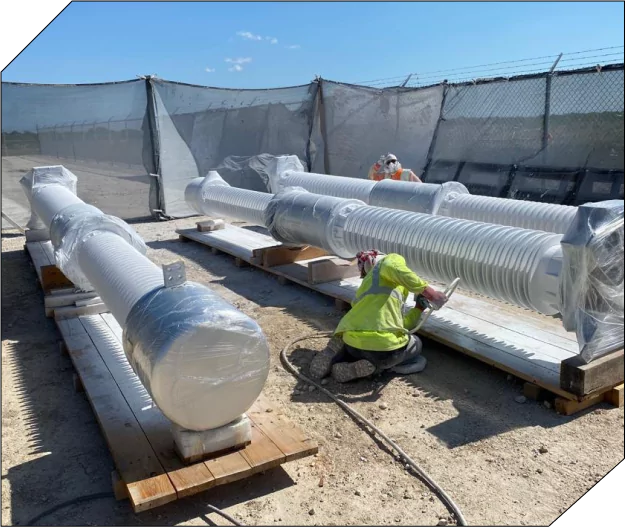
The elements and moisture attack metal and concrete year-round, but the right agricultural coatings protect nearly any surface on the operation — and the investment behind it. ArmorThane sprays polyurea, polyurethane and foam systems onto equipment, grain storage, barn concrete and containment so those assets stop corroding, stop leaking and stay in production.
The cost of agricultural equipment is high, but it is an investment every farm needs to operate effectively. In a working agricultural context, machinery is used and abused around cattle, crops, fertilizer and wash-down, so every high-value surface deserves an agricultural protective coating rather than a thin film that chips off after one season. Whether you hire a certified applicator or run your own spray equipment, protecting farming equipment is cheaper than replacing it.
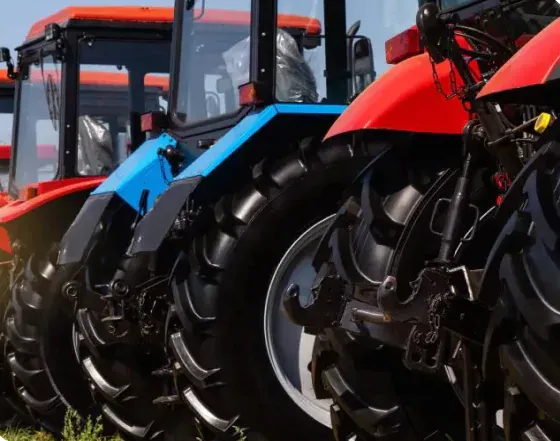
Protective coatings for your farm equipment
No matter where the farm is located, the weather will take its toll on the equipment. Agricultural machinery is merciless to the elements, including wind, rain, snow, temperature changes, filth, and sand. Chemical exposure and ugly equipment stains are additional problems. By extending the lifespan and productivity of your equipment with an agricultural protective coating, you may save money by keeping it out of the shop and working in the fields.
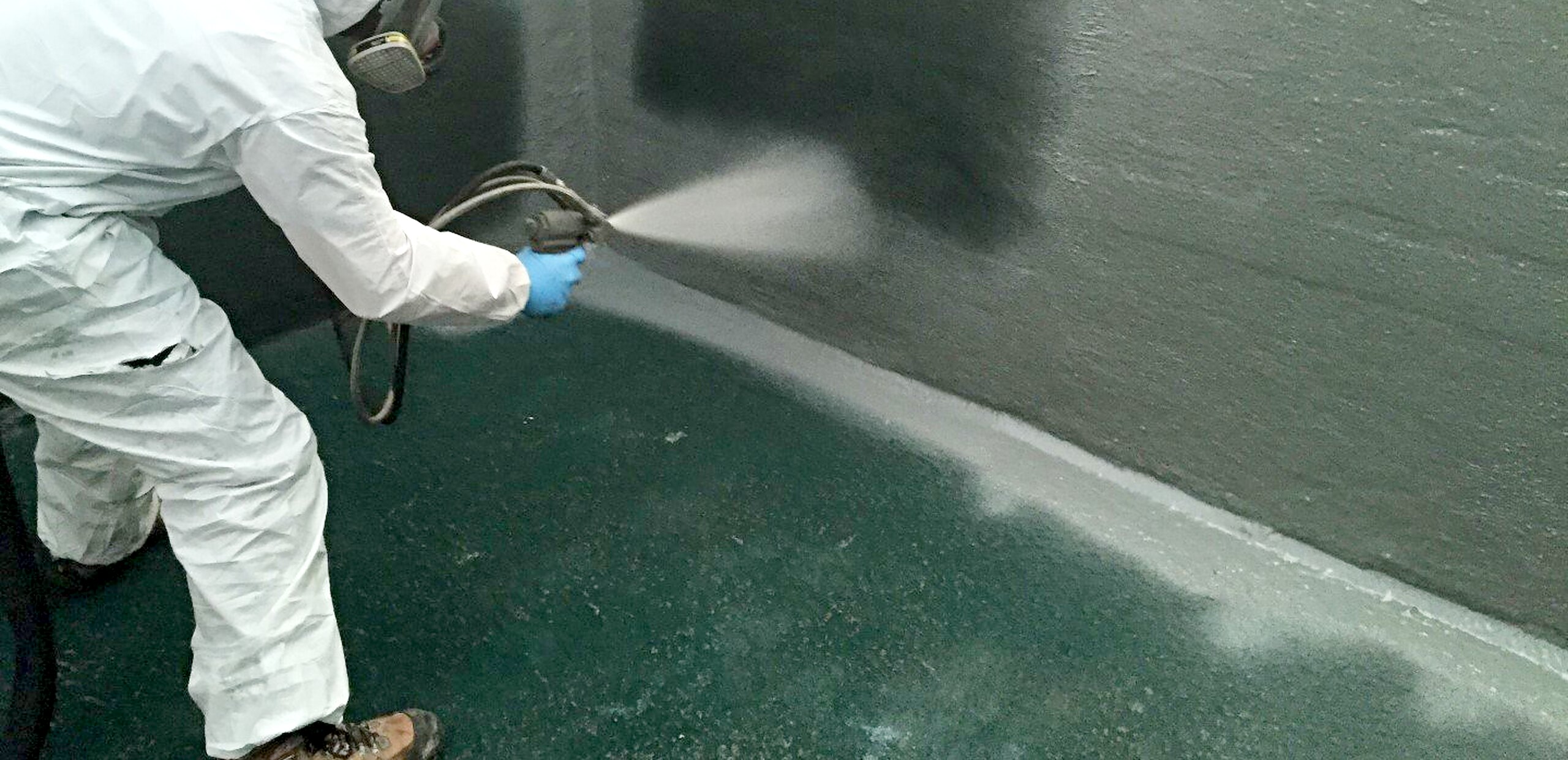
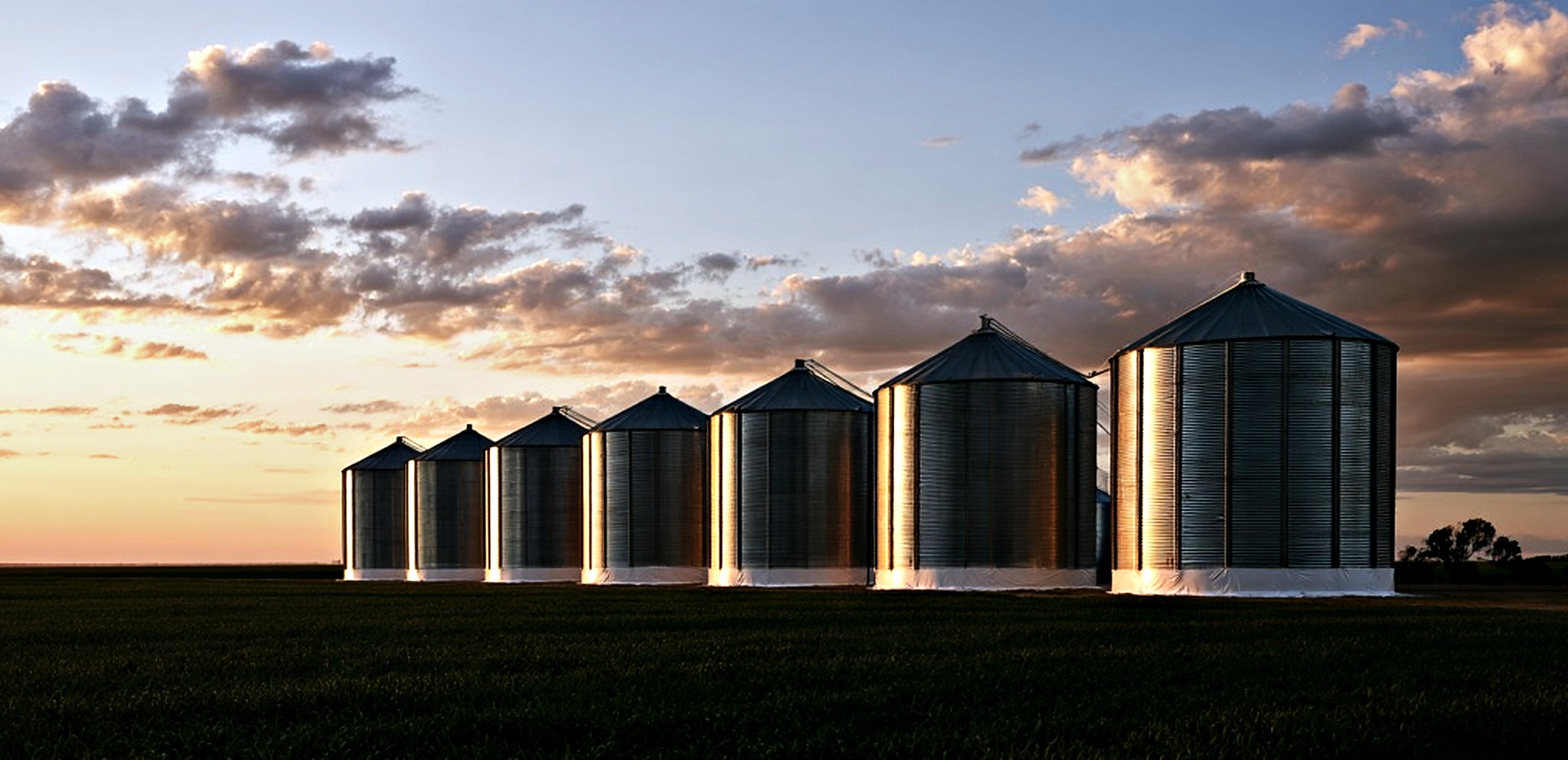
Agricultural coatings earn their keep in the details: sealed sheet laps on a bin, coved edges at a parlor drain, a stripe coat on every weld and bolt head, and a film thick enough to survive grain flow or a loader bucket. That is why ArmorThane specifies sprayed elastomers by exposure rather than by asset — the same chemistry that stops condensation corrosion on grain bins also handles ammonia and acid attack on barn and parlor concrete.
- Dent, scratch and crack resistance
- Waterproofing
- Chemical resistance
- Corrosion and rust proofing
- Reduced slipping and skidding
- Temperature extreme endurance
- Ease of cleaning and maintenance
- Energy savings
This is the most straightforward type, something so basic you might not even think of it as equipment. These are racks, shelves, and storage bins to store your material between receiving it and shipping it. They are often designed to utilize vertical space so the warehouse can maintain more items.
Material handling


Equipment coatings
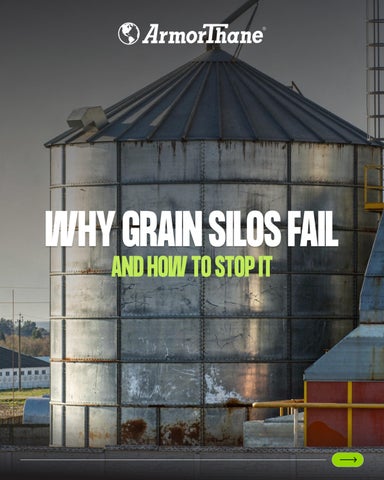
If there’s a lot of material altogether, you’re probably using bulk material handling equipment. This is the storing, transportation, and control of materials in loose bulk form. Examples would be silos and large cylinders that can hold stuff like grain. Examples include stackers and reclaimers, hoppers, grain elevators, bucket elevators, conveyor belts, dump trucks, screw conveyors and rotary car dumpers.
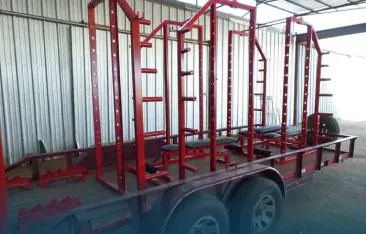
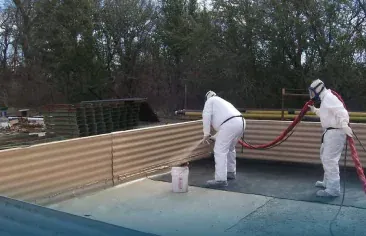

- Truck Bed Liners
- All Types of Trailers
- Tractors
- Brush Hogs, Ploughs,
- Tillers and Harvesters
- Balers and Mower Decks
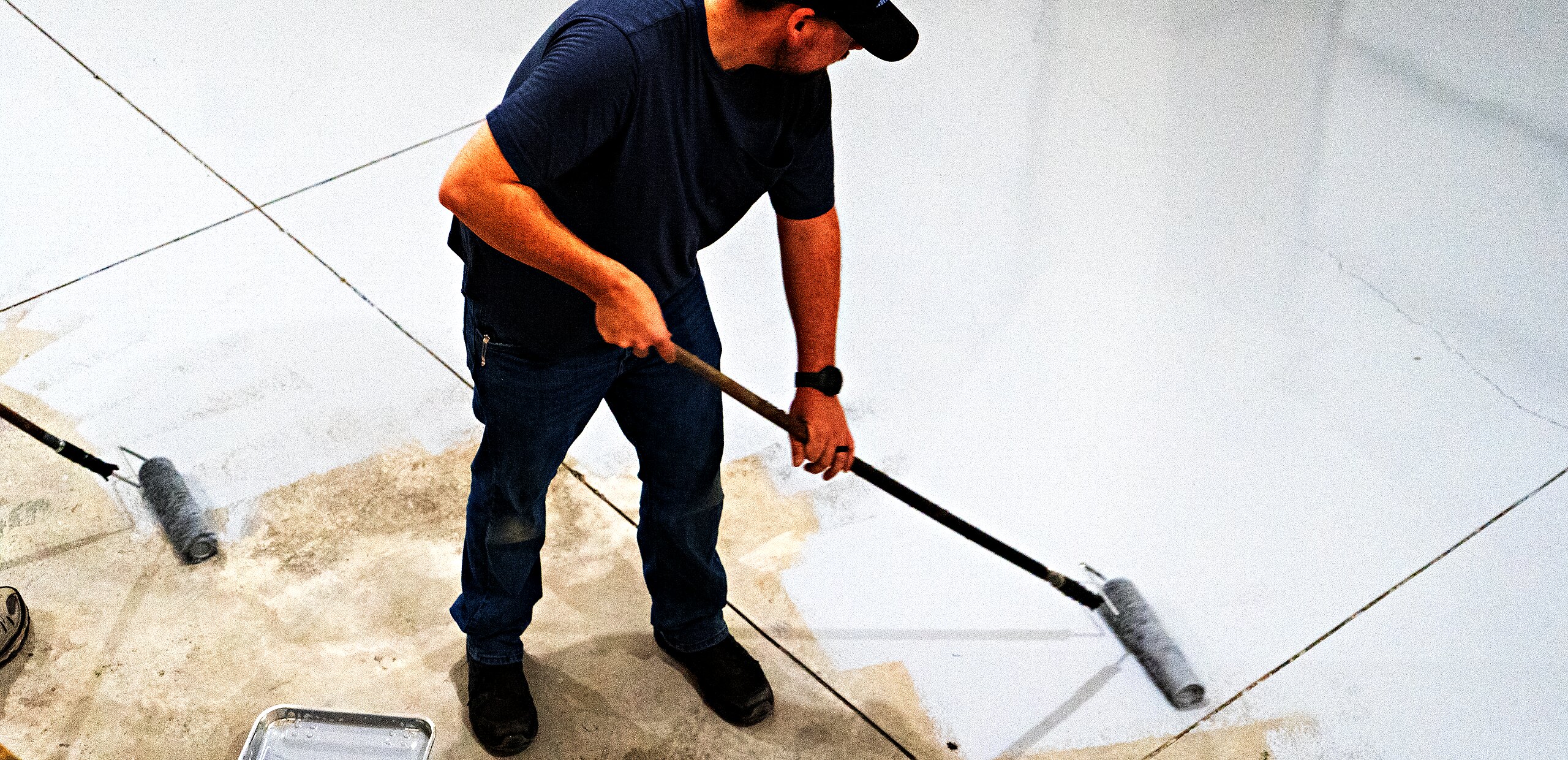
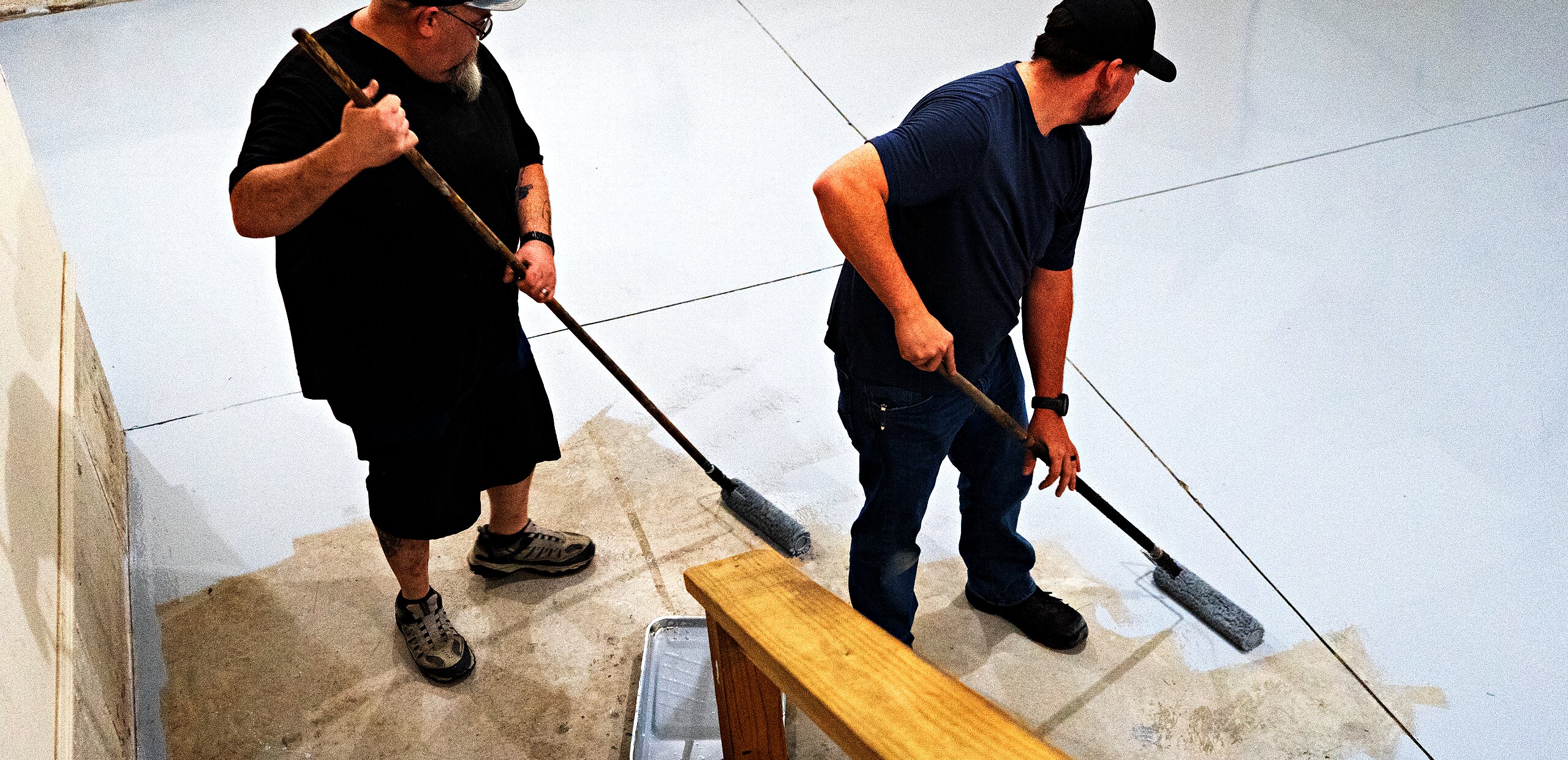
- Barn Floors
- Garage Floors
- Animal Habitats
- Concrete Trenches
- Retaining Walls
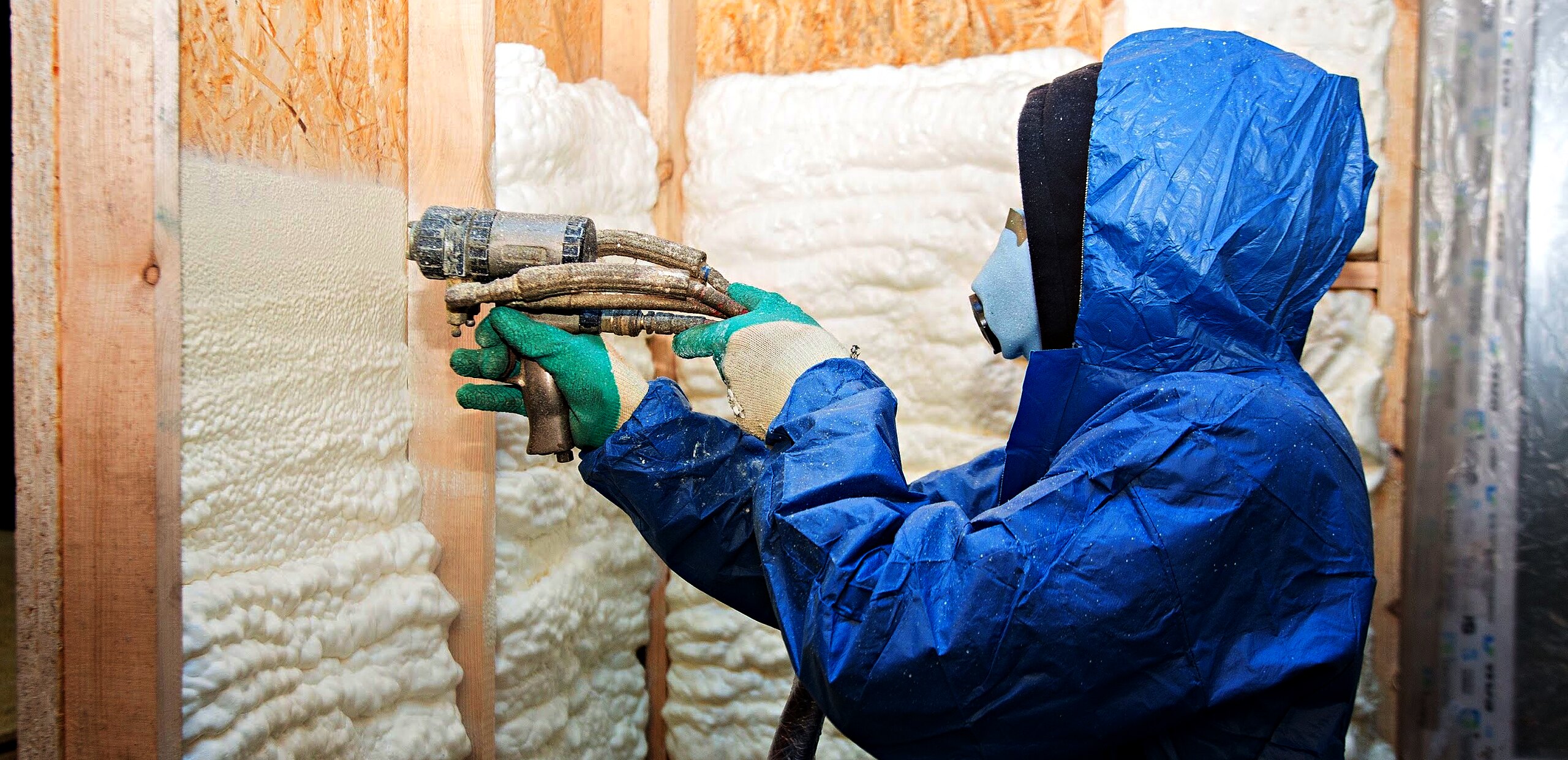
- Home Insulation
- Barn Insulation
- Office Insulation
Agricultural Coatings: Frequently Asked Questions
For most working farm assets, a sprayed polyurea or polyurea/polyurethane hybrid at 80 to 125 mils is the best all-around agricultural coating. It resists impact and abrasion, tolerates ammonia and fertilizer salts, flexes with vibrating frames, and returns the machine to service the same day. Where color retention matters, an aliphatic UV-stable topcoat is added over the elastomer.
On properly blasted steel with verified film thickness, a sprayed elastomeric system commonly delivers 15 to 20-plus years of service, and often outlives the asset. Life drops sharply when prep is compromised, when the coating is applied below dew point, or when the film is built too thin in flow paths and at edges.
Not over active rust or a failing film. Loose product, scale and contamination must be removed mechanically, and any tightly adhered existing coating has to pass an adhesion test and be profiled before overcoating. Spraying a high-strength elastomer over weak paint simply transfers the failure to the old layer.
Many polyurea and polyurethane systems cure to an inert, seamless film that is easy to sanitize, which is why they are used in parlors, feed rooms and habitats. Direct food or feed contact is a separate question that depends on the specific product and its documentation, so always request the applicable data for the exact system before specifying interior grain-contact surfaces.
Planning ranges typically run from the low single digits per square foot for thin exterior builds up to double digits for heavy containment thicknesses, with surface condition and access driving most of the spread. Use the estimator above for a budgeting figure, then get a walk-through for a firm quote.
Fast-set polyurea can be applied in cold ambient conditions with heated plural-component equipment, which is a major advantage for shoulder-season and post-harvest scheduling. The controlling limit is not air temperature but substrate temperature relative to dew point, and the substrate must be dry and frost-free.
Epoxy is rigid and will telegraph and crack at moving joints and slab movement, while polyurea bridges hairline cracks and tolerates thermal cycling and wash-down. For agricultural floors that see acid, ammonia, hoof traffic and daily washing, an elastomeric system over profiled concrete is the more durable choice.
Plural-component polyurea requires heated high-pressure proportioning equipment, PPE and trained technique because the material gels in seconds. Operations with enough recurring square footage often bring it in-house with matched equipment and training; everyone else is better served by a certified applicator.
Get an Agricultural Coatings Assessment
Tell us the asset, the exposure and the shutdown window. We will specify the system, the film build and the prep standard — and connect you with a certified applicator in your area.
Start your coatings business with ArmorThane.
Tell us what you want to spray and where you are. An ArmorThane specialist will walk you through the equipment, chemicals, training and startup cost for the work you want to do.
- Equipment package matched to your applications
- Hands-on training and applicator certification
- Technical support once you are spraying
More to read on agricultural coatings
Short reads from ArmorThane on Issuu. Tap one to open it right here.