Polyurea Ballistic Protection
Military-grade spray elastomer technology for impact-resistant composite materials. Polyurea is not armor on its own, but it makes armor systems, vehicles and protective structures work better by absorbing energy, holding fragments together and protecting the material underneath from damage and corrosion.
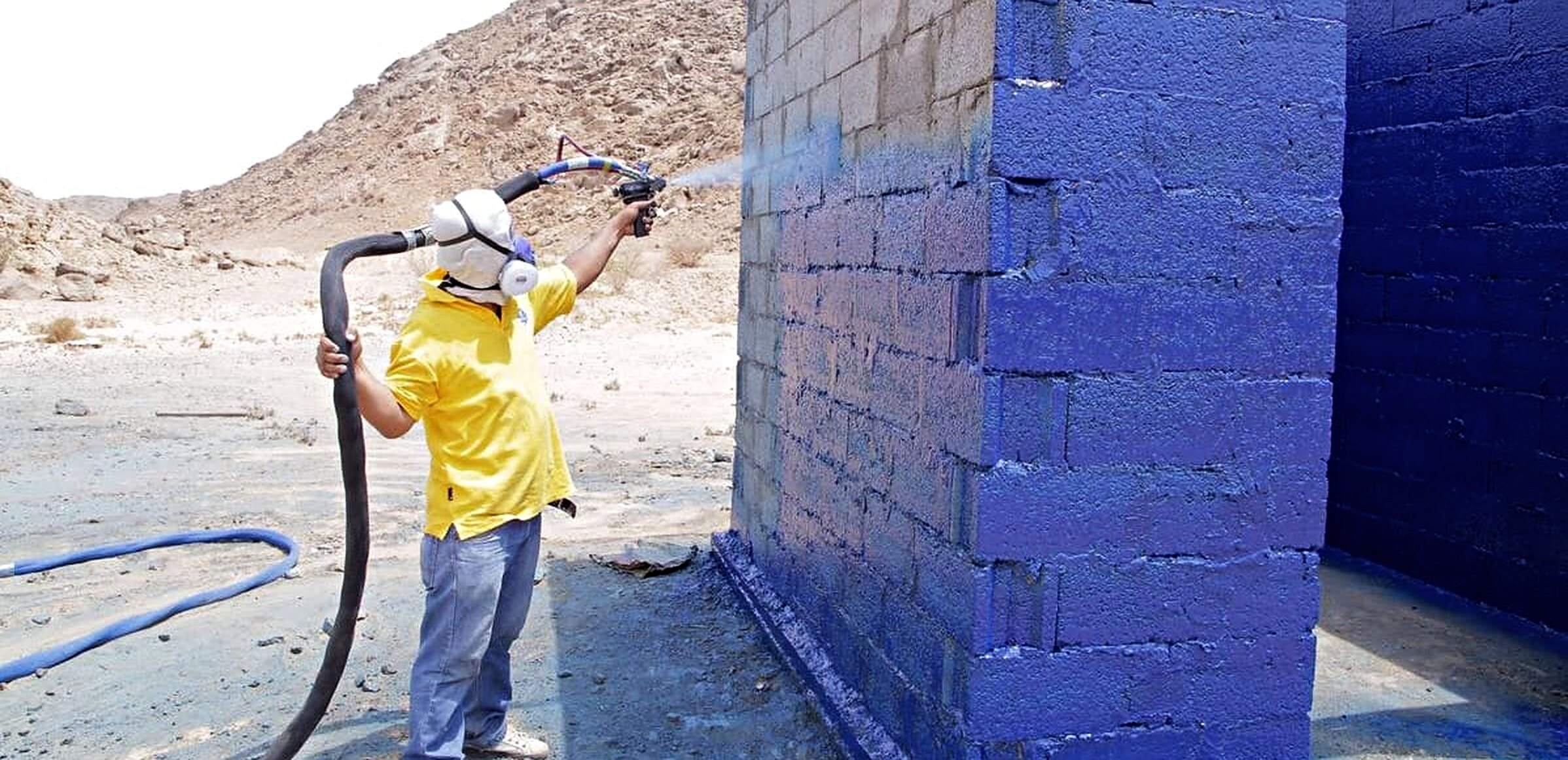
Start a protective coatings business
Spray protective coatings for a living.
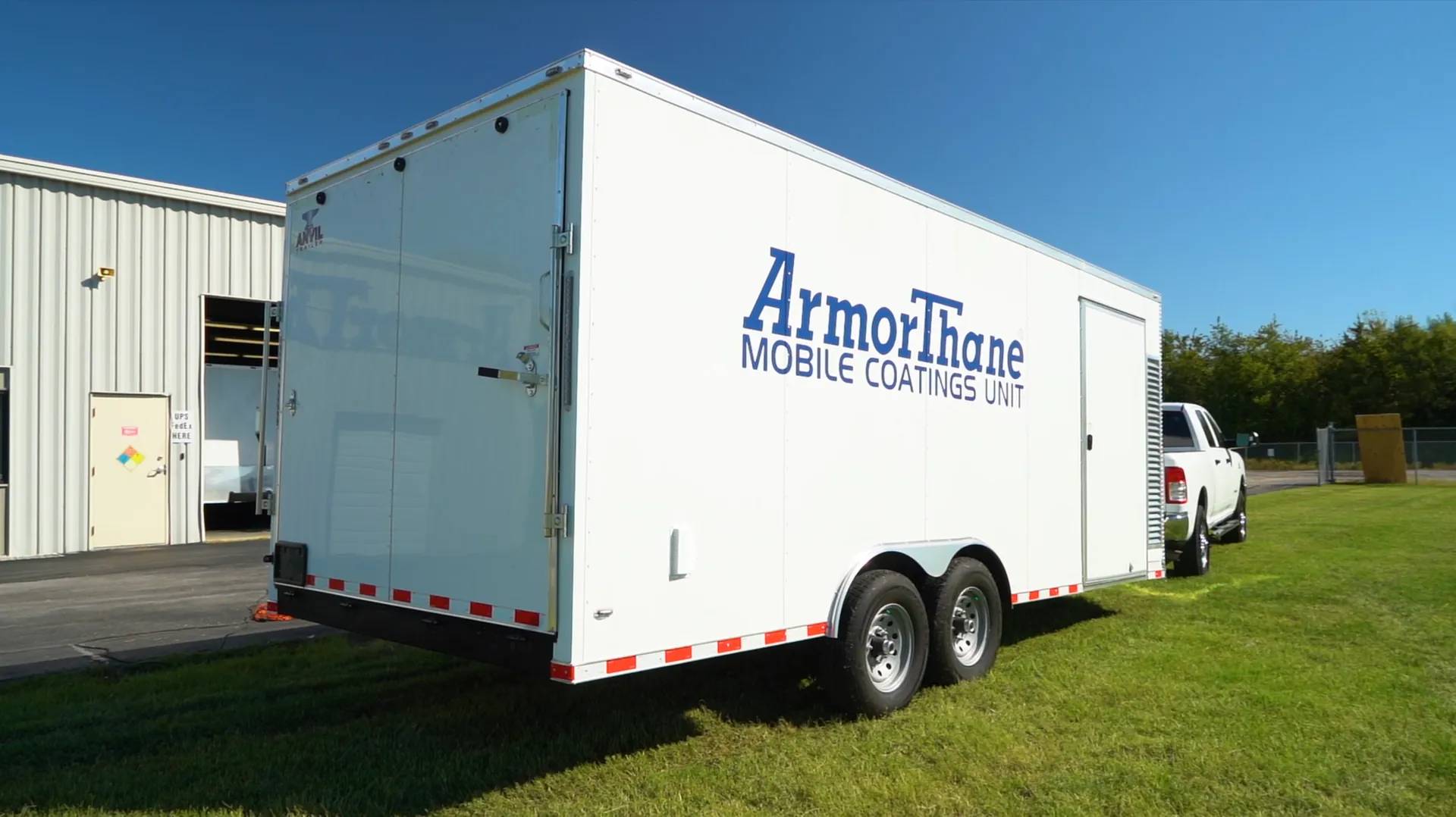
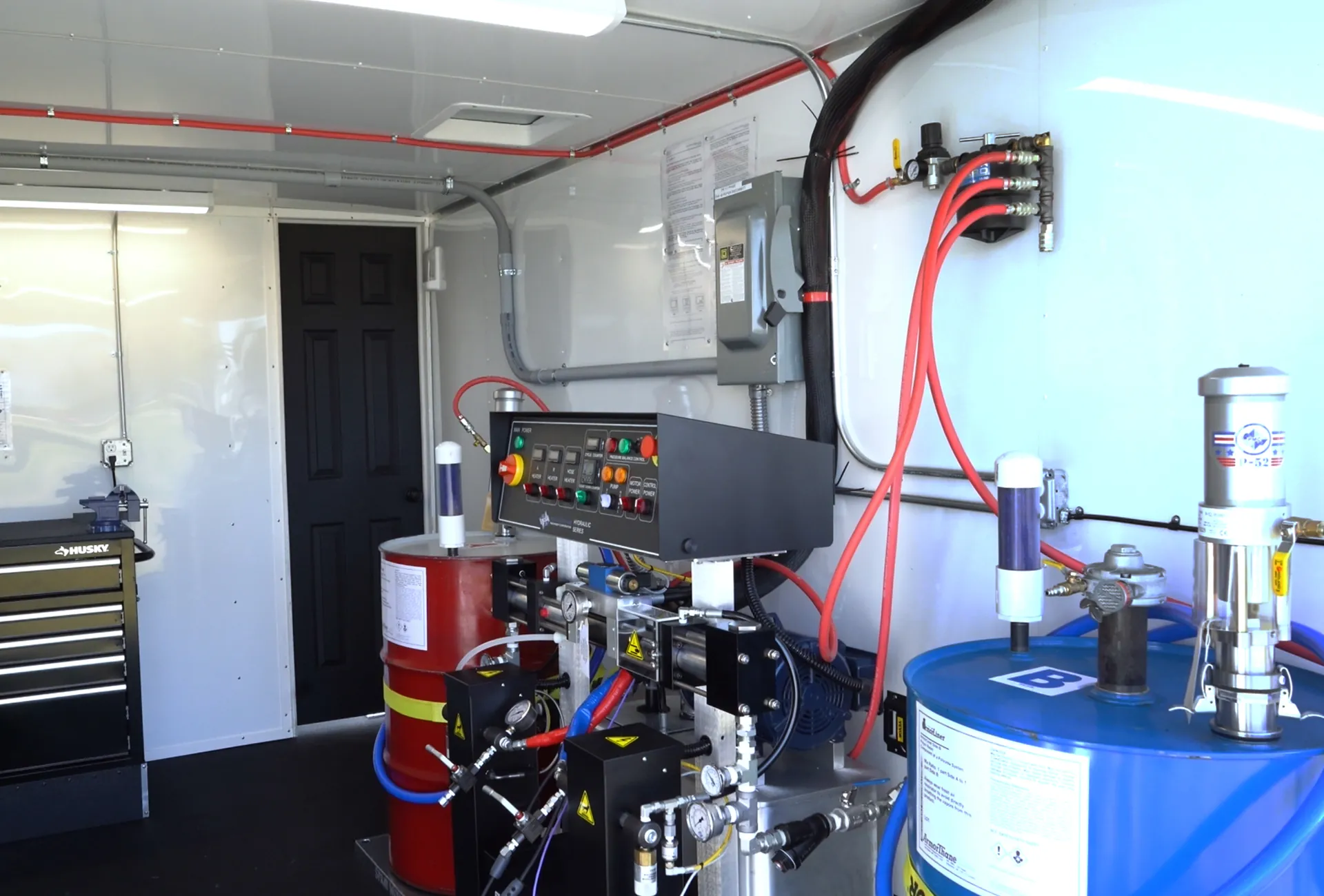
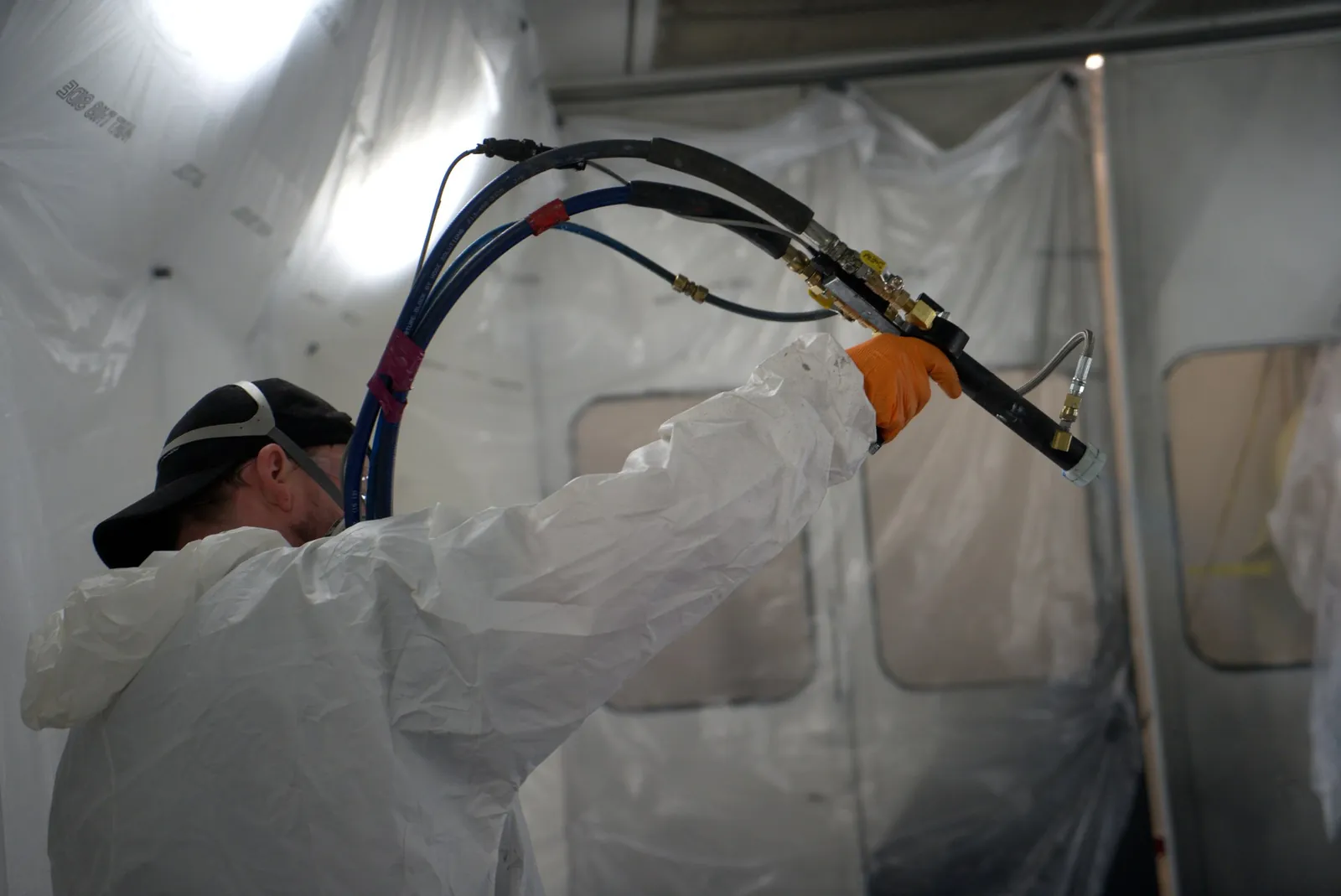
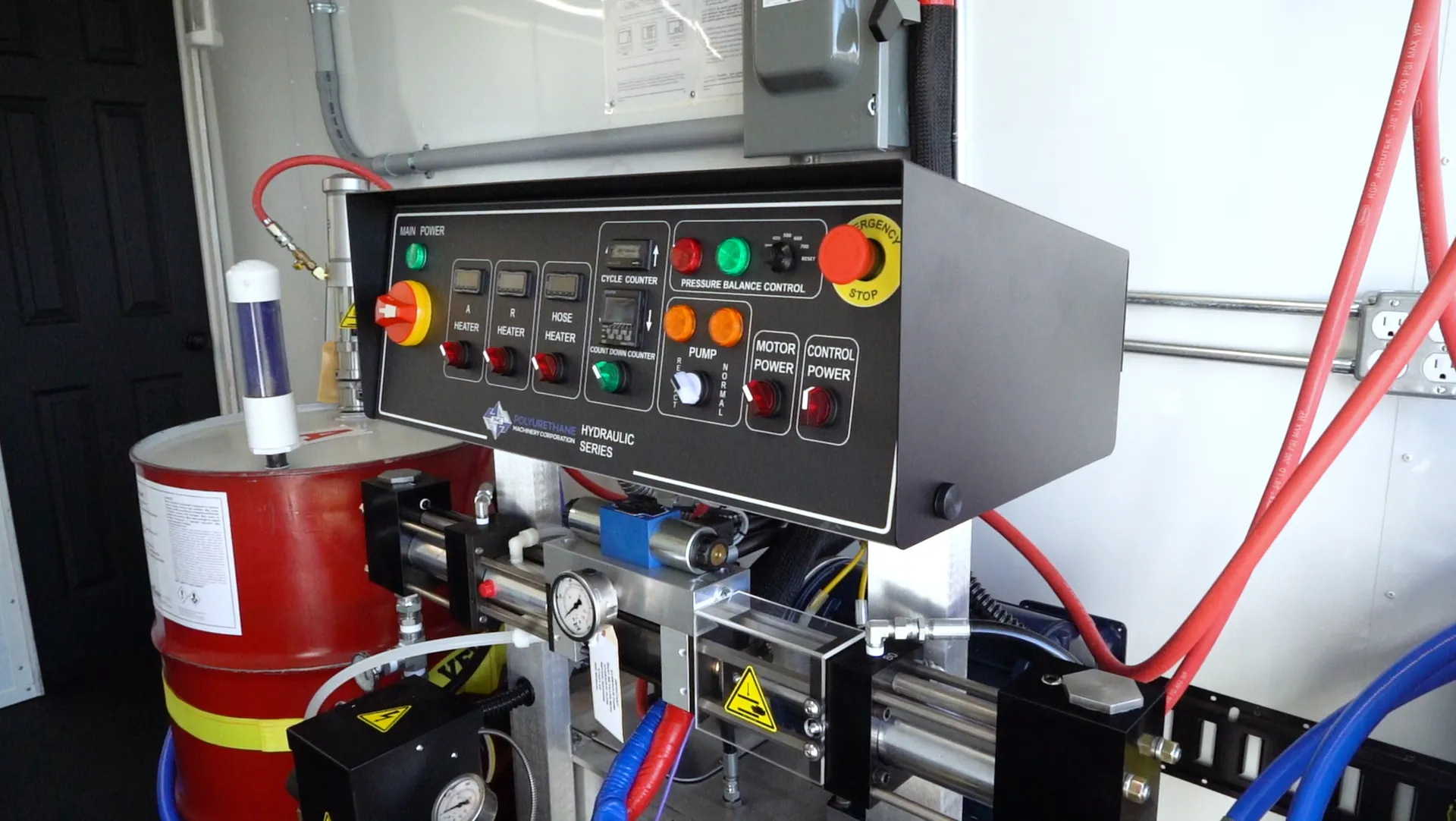
ArmorThane sets you up to do this work, and you own the business. We make the chemistry, build the rigs, train you hands-on and answer the phone when a job gets difficult. You pay no franchise fee and no royalties. It has been that way since 1989.
- $0
- franchise fees or royalties
- 35+
- years in business
- 50+
- countries with applicators
- 24/7
- technical support
Why Armor Is Built in Layers
Ballistic protection is usually built in layers. A hard face, such as armor steel, ceramic or a dense composite, breaks up or deforms the projectile. Backing layers then absorb the remaining energy and stop fragments from flying into the space behind. Polyurea earns its place in those systems because of a combination of properties that few other coatings offer.
Properties That Matter
- High elongation. Polyurea can stretch several times its original length before it tears, so it absorbs energy instead of shattering.
- Strong adhesion. Sprayed directly onto steel, concrete, masonry or composites, it bonds to the surface and holds damaged material in place.
- Fragment and spall containment. When the back face of a plate or wall is struck, a polyurea layer helps catch the fragments that would otherwise become secondary projectiles.
- Light weight. A sprayed layer adds protection with far less weight than additional steel, which matters on vehicles and portable structures.
- Seamless coverage. Because it is sprayed, it covers complex shapes, welds and corners in one continuous membrane.
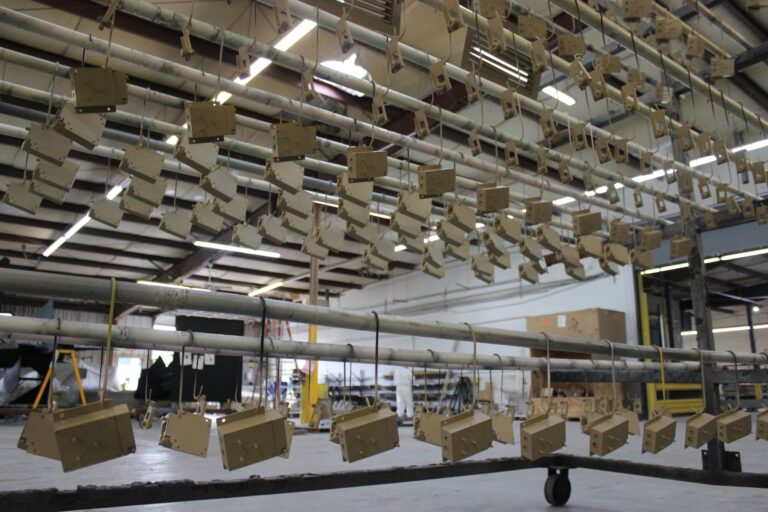
- Fast cure. It sets in seconds, so parts can be coated and returned to service quickly.
How Ballistic Protection Systems Use Polyurea
In practice, polyurea is specified in a few distinct roles. Engineers choose the role first and then the thickness and formulation to match the threat and the structure.
Spall liners. Inside vehicles, shelters and guard posts, a coating on the inner face of steel or concrete reduces the fragments that break loose when the outside is hit. This protects people inside even when the outer layer is damaged.
Composite backing. In armor panels, polyurea can be bonded behind hard strike faces or between layers to absorb energy and keep the panel intact after impact.
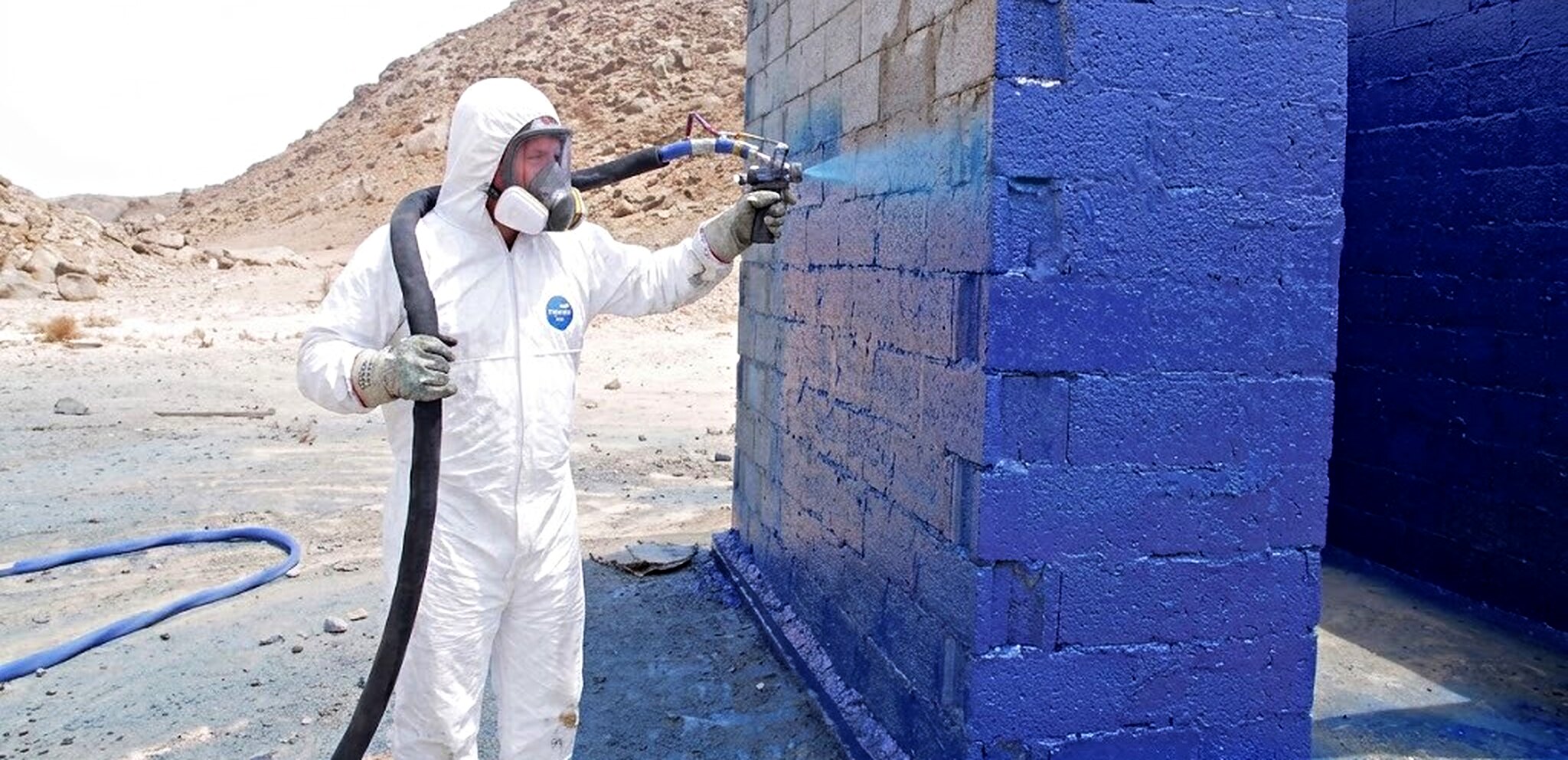
Structural hardening. On walls and barriers, a sprayed layer improves resistance to fragmentation and keeps masonry from scattering. The same property is what makes polyurea valuable in blast protection work.
Ricochet and fragment control. Shooting ranges use thick elastomer layers to capture bullet fragments and reduce ricochet, as covered in our page on anti-ricochet coatings.

Testing and Standards for Ballistic Protection
Any claim of ballistic protection must be backed by testing against a defined threat. In the United States, body armor is tested to the National Institute of Justice ballistic resistance standard, and building components are commonly tested to UL 752 for bullet-resisting equipment. Military programs use their own specifications for vehicles and structures.
Systems, Not Coatings, Carry Ratings
A coating alone does not carry those ratings. What matters is how the complete system, including the substrate, the coating and any other layers, performs in testing. ArmorThane has run its own tests on coated panels and structures, documented in Going Ballistic and coatings that withstand grenades. Those results help engineers decide where polyurea adds value in their own designs, and they show why thickness, adhesion and the material behind the coating matter as much as the coating itself.
Where Ballistic Protection Coatings Are Applied
Polyurea shows up wherever people or equipment need protection from impact and fragments, and where weight, speed of installation or complex shapes rule out heavier solutions. Typical projects include:
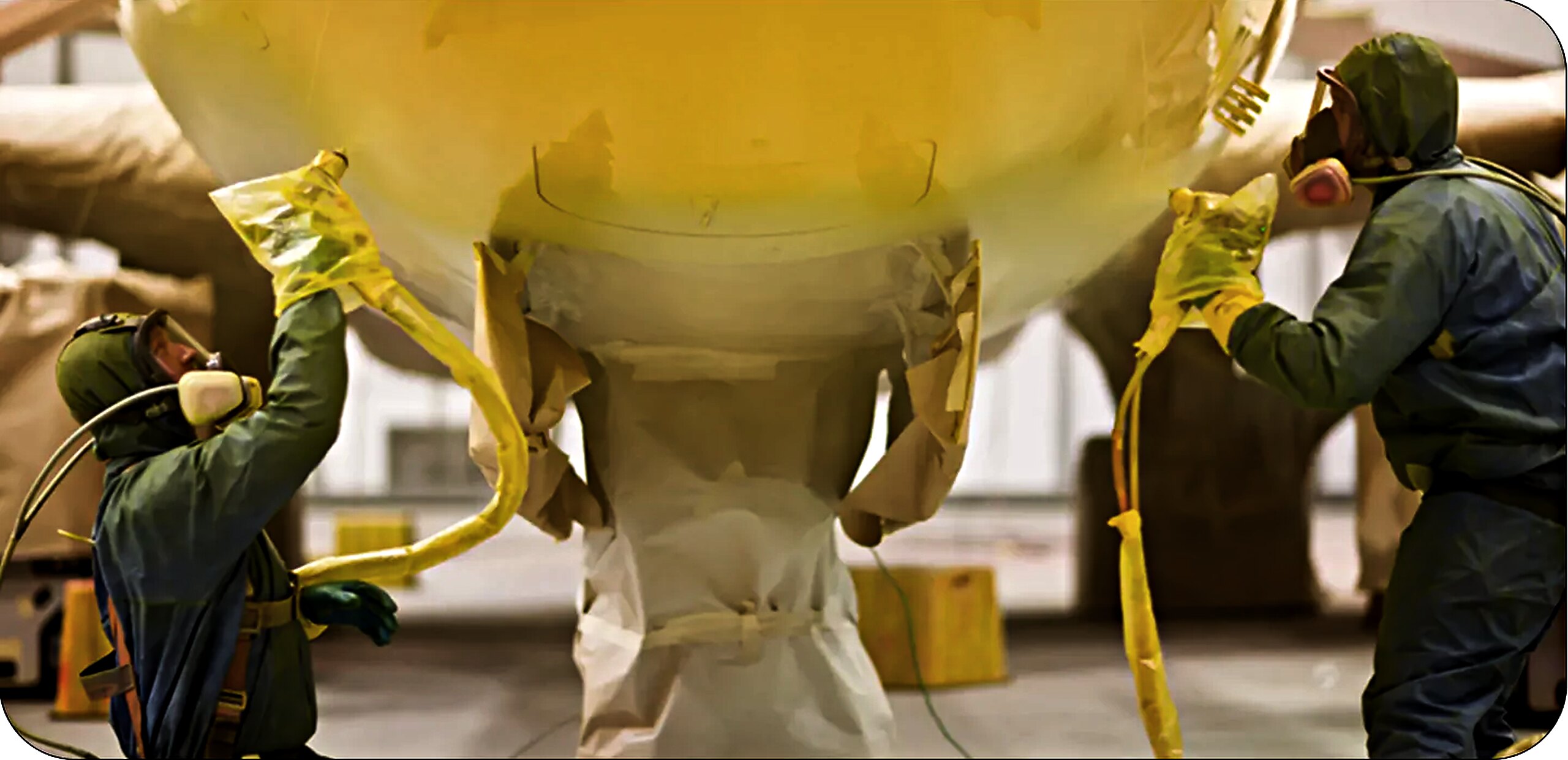
- Military and law enforcement vehicles, including interior spall liners and wheel wells
- Guard booths, checkpoints and security posts
- Shooting ranges, baffles and bullet traps
- Government buildings, embassies and critical infrastructure
- Portable shelters, containers and modular structures
- Armored transport and cash-in-transit vehicles
How a Project Is Planned
Each project starts with the threat, the structure and the weight budget. From there, the applicator prepares the surface, sprays the specified thickness and verifies it with measurements, because thickness and adhesion decide how the layer performs. Records of the surface preparation, product batch and measured thickness are kept so the work can be audited later.
Working With ArmorThane
ArmorThane has supplied polyurea for defense and security projects for decades and supports engineers and applicators with technical data and testing experience. If you are evaluating ballistic protection for a fleet, facility or range, start with our overview of military coatings, read about military vehicle coatings, and see why a standard truck liner is a different product in is bedliner bulletproof? Our team can connect you with an experienced applicator and share data for your specification.
Applicators
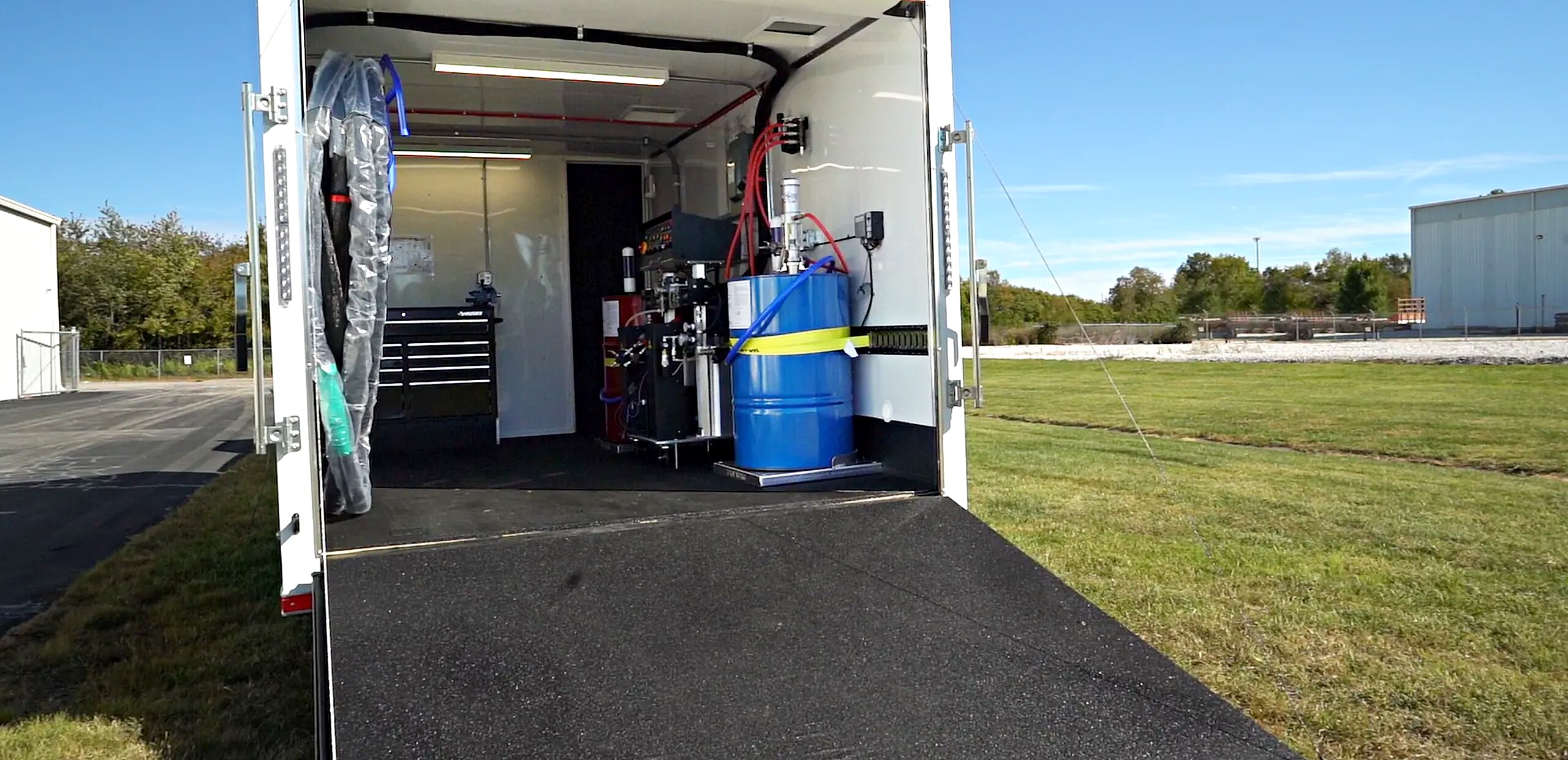
Coating companies that want to serve this market need the right equipment, training and quality control. ArmorThane provides all three, with no franchise fees, and supports applicators on specifications and testing.
More to read on blast and military coatings
Short reads from ArmorThane on Issuu. Tap one to open it right here.
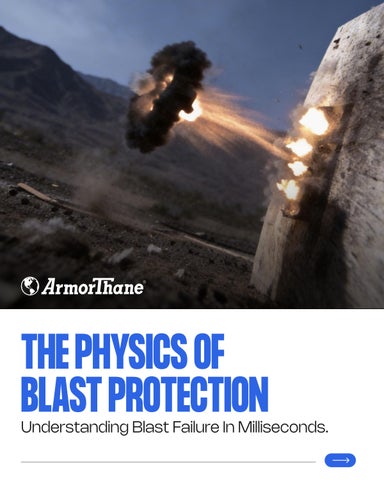
 Quick readThe Physics of Blast Protection | Understanding Blast Failure in Milliseconds
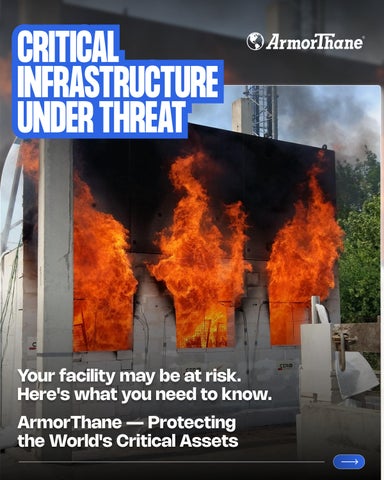
- Quick readCritical Infrastructure Under Threat – ArmorThane Blast Protection
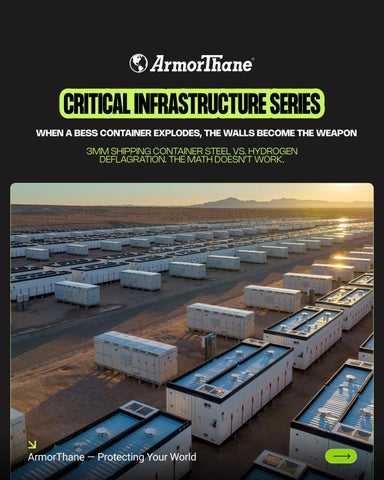
- Quick readCritical Infrastructure Series | BESS Blast Mitigation & Polyurea Protection
- Quick readWhy the U.S. Spec’d Polyurea for Border Wall Protection – Corrosion Control for Exposed Steel
Start your own coatings business.
Equipment, chemicals, hands-on training and technical support for life, all from one manufacturer that puts its applicators first.
Need a job done?
Tell us where the project is and we’ll connect you with a certified ArmorThane applicator near you.