




Case studyMilitary & blast
NATO Blast Mitigation Testing with ArmorThane Polyurea
Over five days of live detonations at a NATO facility in Spain, ArmorBlast polyurea took 25 kg and 60 kg dynamite charges at 5 meters and outperformed every material tested there before.
Results at a glance
The test in brief
The question
Would a spray-applied polyurea coating meaningfully reduce the destructive force of a close-range detonation against standard infrastructure? NATO brought ArmorThane in to find out under live conditions.
The test
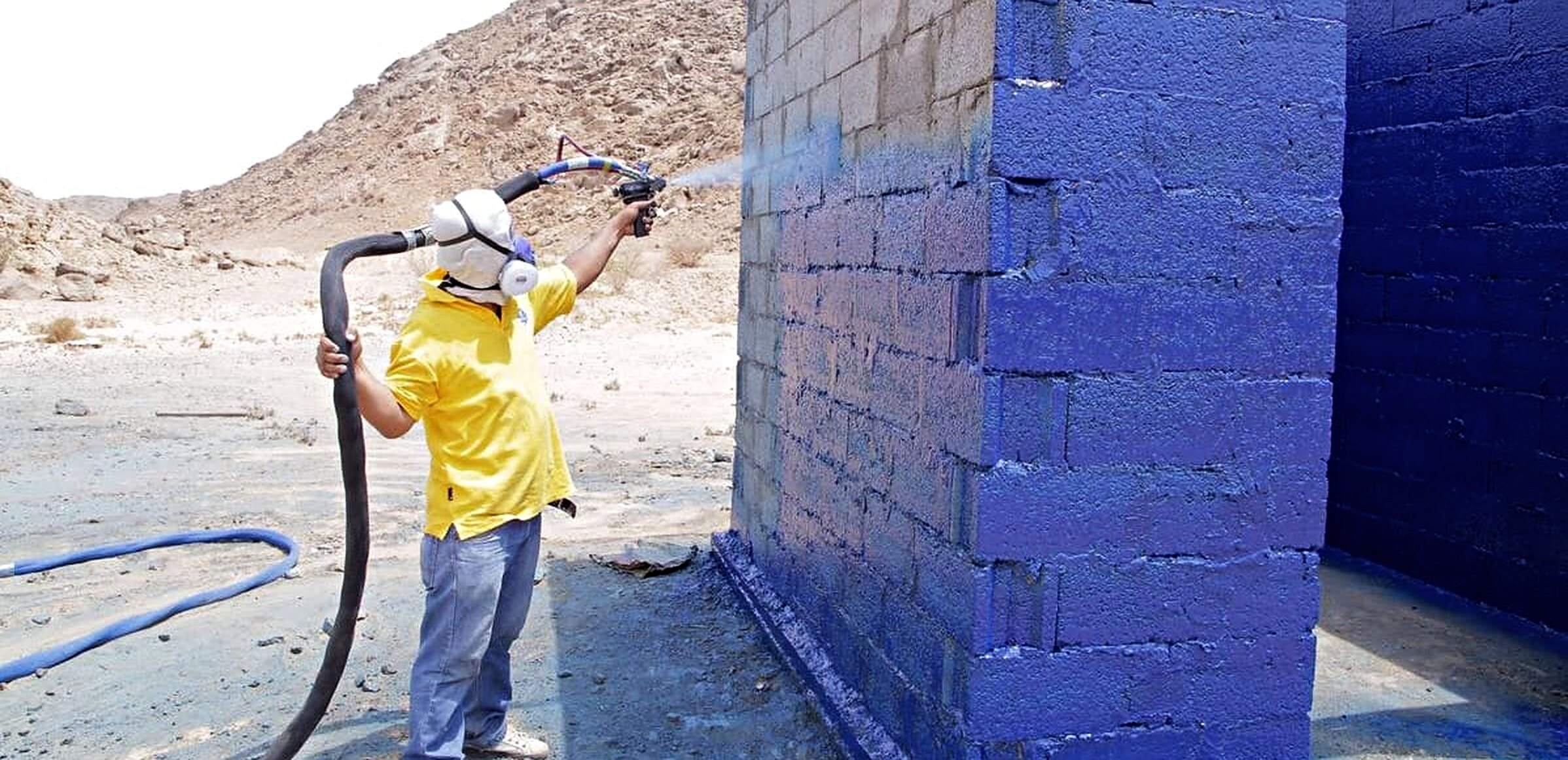
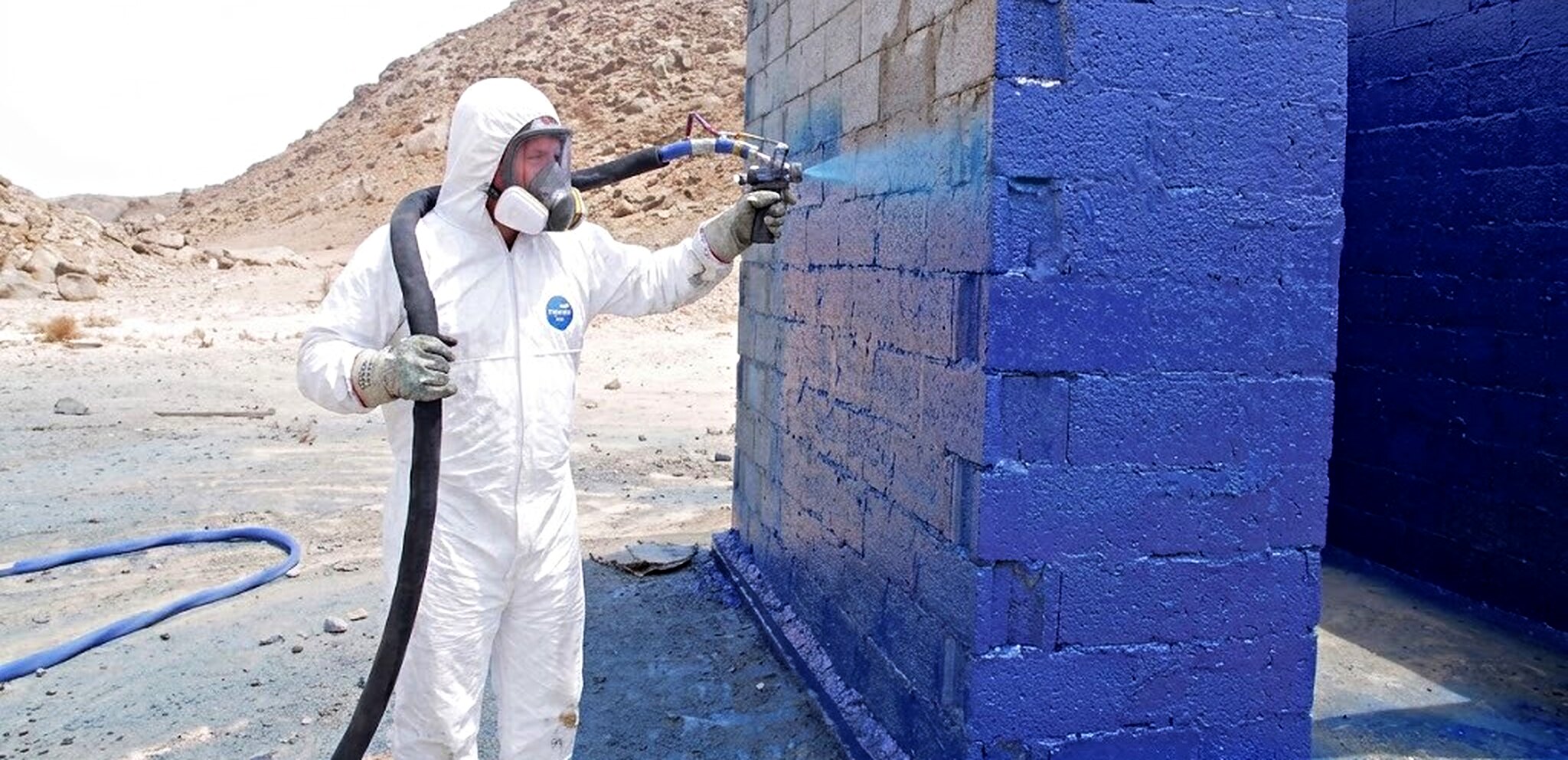
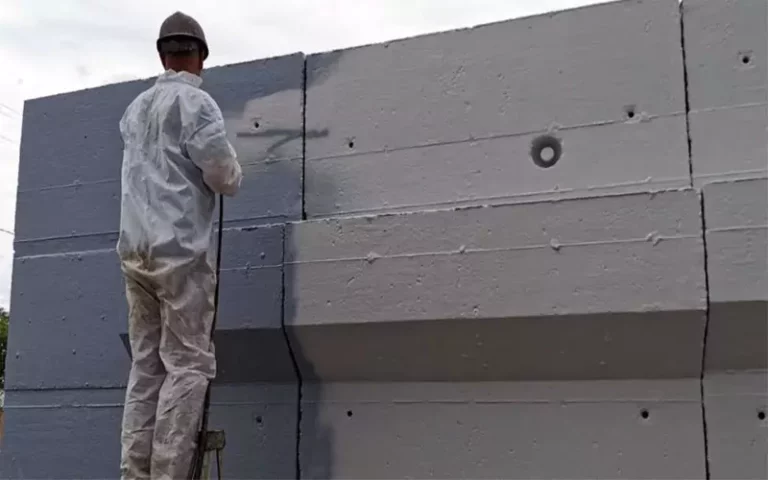
Blast walls at a NATO facility in Spain were sprayed with ArmorBlast, a two-component, 100% solids polyurea, then hit with 25 kg and 60 kg dynamite charges from 5 meters over a five-day window.
The result
ArmorBlast outperformed every material previously tested at the facility. In the adhesion pulls that followed, the concrete gave way before the coating did in nearly every test.
Key takeaways
- ArmorBlast polyurea was tested at a NATO facility in Spain under live detonation conditions
- The coating survived 25 kg and 60 kg dynamite charges at just 5 meters standoff distance
- ArmorBlast outperformed every previously tested material at the same facility
- Post-blast adhesion testing showed substrate failure rates up to 100%
- Peak adhesion reached 723 psi: the concrete broke before the coating did
How ArmorThane’s Polyurea Coatings Passed NATO Blast Mitigation Tests
Over the last two decades, blast injuries have turned into one of the most serious threats facing military personnel and civilians in conflict zones. Through Operation Enduring Freedom, Operation Iraqi Freedom, and Operation New Dawn, improvised explosive devices, better known as IEDs, left behind a devastating trail of hearing loss, severe burns, shrapnel wounds, broken bones, and traumatic amputations.
What catches many people off guard is just how damaging even a so-called “mild” blast exposure can be. Soldiers often deal with lingering headaches, concentration problems, and diminished readiness months or years after the event. That harsh reality drove NATO to invest heavily in blast mitigation testing and blast prevention research, both through medical advancements and through the development of stronger protective materials.
ArmorThane was brought in to demonstrate what its spray-applied polyurea coatings could do under live blast mitigation testing conditions at a NATO facility in Spain. The central question: would a polyurea coating meaningfully reduce the destructive force of a close-range detonation against standard infrastructure?
What Makes ArmorBlast Different From Other Protective Coatings?
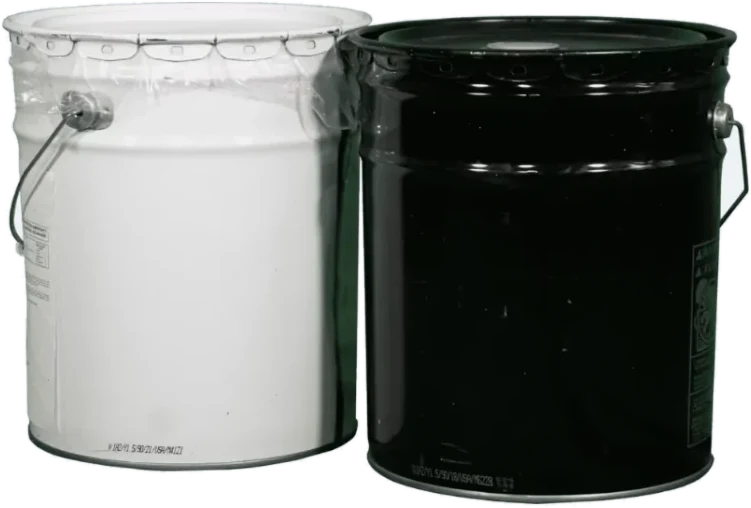
When we developed ArmorBlast, the idea was simple: build a military-grade polyurea coating tough enough to handle the worst conditions on the planet. It started with a two-component, 100% solid polyurea formula that applicators can spray across a wide temperature range, from 18°F all the way up to 150°F. Once cured, the coating holds up in temperature extremes between -40°F and 350°F without cracking, peeling, or losing structural integrity.
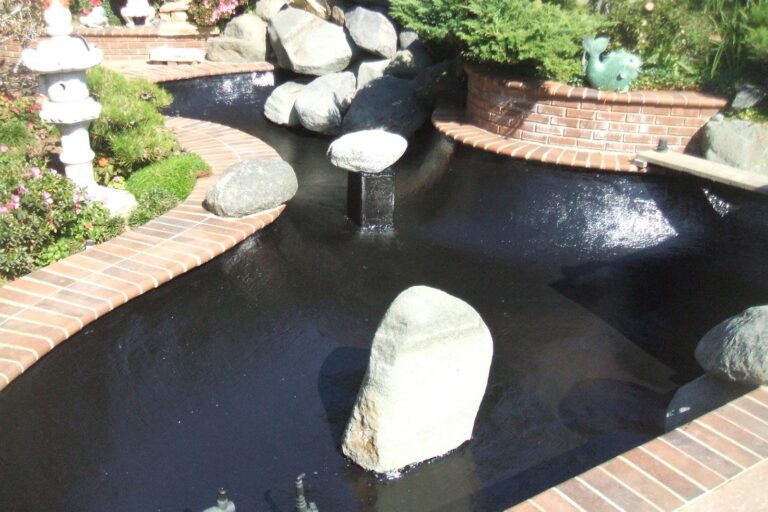
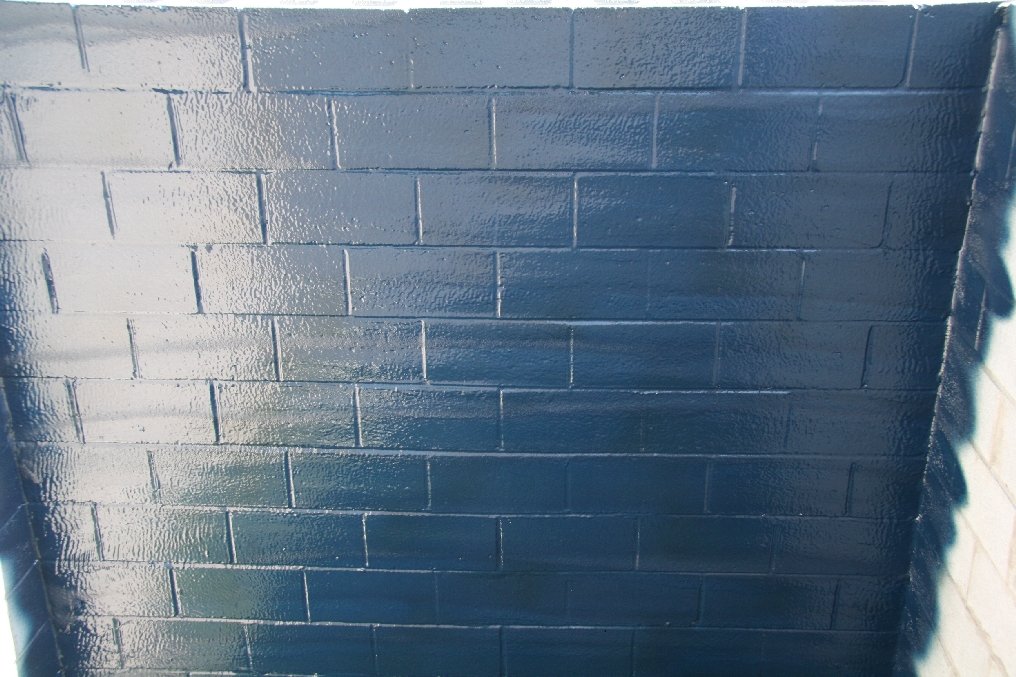
The physical properties tell the real story, though. ArmorBlast delivers exceptional tear and tensile strength while maintaining strong chemical and water resistance, a combination that makes it ideal for blast mitigation, containment, and structural reinforcement. It bonds well to concrete, metal, plastic, and a range of other substrates, which is why it sees regular use on military vehicles, buildings, blast walls, and high-security perimeter structures.
One thing worth mentioning for concrete applications: blow holes in the substrate need to be addressed before applying the coating. Polyurea alone will not fill those voids. Our applicators follow a specific surface preparation protocol to ensure maximum adhesion and performance under stress.
NATO Blast Test Results: Polyurea Performance Under Live Detonation
During the five-day blast mitigation testing window at the NATO facility, the team detonated charges of 25 kg and 60 kg of dynamite at a standoff distance of just 5 meters from the coated blast walls. The results, frankly, surprised everyone on site, including the NATO military personnel supervising the exercise. ArmorThane’s polyurea coating outperformed every other material that had been tested in previous rounds of blast mitigation testing at the same facility.
After the live blast testing wrapped up, the applicator ran a series of adhesion pull tests (ASTM D4541) using 20 mm dollies bonded to the coated surface. Each dolly was cored with a 20 mm bit and left to cure for 24 hours before being pulled. The numbers speak for themselves.
Adhesion Pull Test Data
Six ASTM D4541 pulls on the coated wall after the blasts. Each bar is one pull; the taller the bar, the more force it took to break the dolly free.
Adhesion at failure, psi
Select a pull to see how it failed.
psi
Where the failure happened
View the results as a table
| Pull test | Adhesion | Substrate failure | Failure mode | Result |
|---|---|---|---|---|
| Pull 1 | 619 psi | 95% | 95% substrate, 5% cohesive | Pass |
| Pull 2 | 714 psi | 100% | 100% substrate | Pass |
| Pull 3 | 488 psi | 100% | 100% substrate | Pass |
| Pull 4 | 621 psi | 40% | 40% substrate, 60% adhesive | Mixed |
| Pull 5 | 251 psi | 75% | 75% substrate, 25% adhesive | Pass |
| Pull 6 | 723 psi | 100% | 100% substrate | Pass |
What the Data Means
In nearly every pull, the concrete substrate gave way before the coating did. That tells you everything about how well ArmorBlast adheres under extreme stress. When the substrate is the weak link, not the coating, you know the protective layer is doing its job. These blast mitigation testing results demonstrate why polyurea has become the go-to material for military-grade structural protection.
For military planners, first responders, and facility managers looking to harden infrastructure against blast threats, these blast mitigation testing numbers carry real weight. A spray-applied polyurea protective coating system that survives a 60 kg detonation at close range and then passes rigorous adhesion testing is exactly the kind of solution that saves lives and reduces structural damage in the field.
The results from this blast mitigation testing demonstrate exactly why military organizations worldwide are adopting polyurea protective coatings for force protection applications.
Start a protective coatings business
Spray protective coatings for a living.
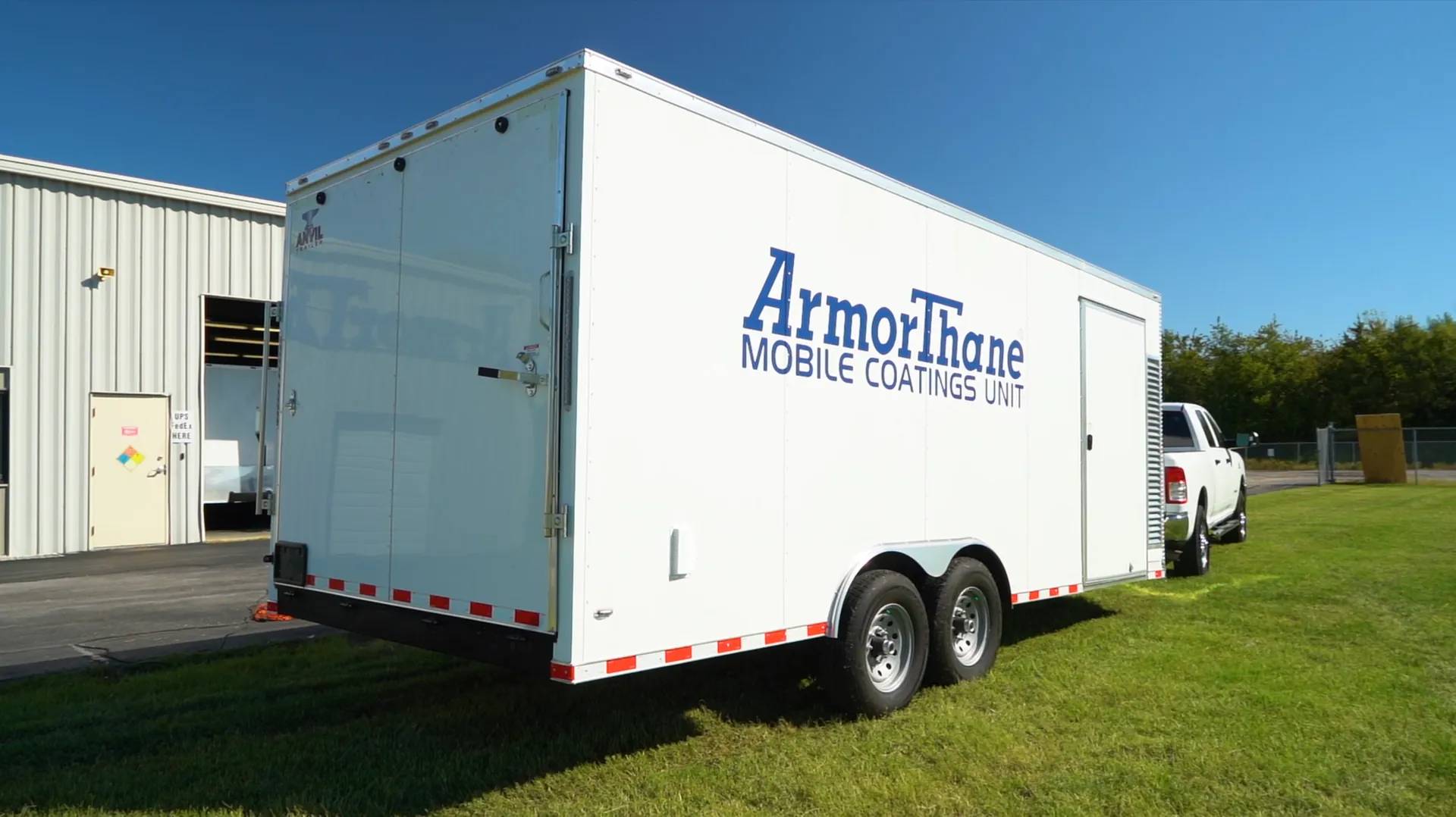
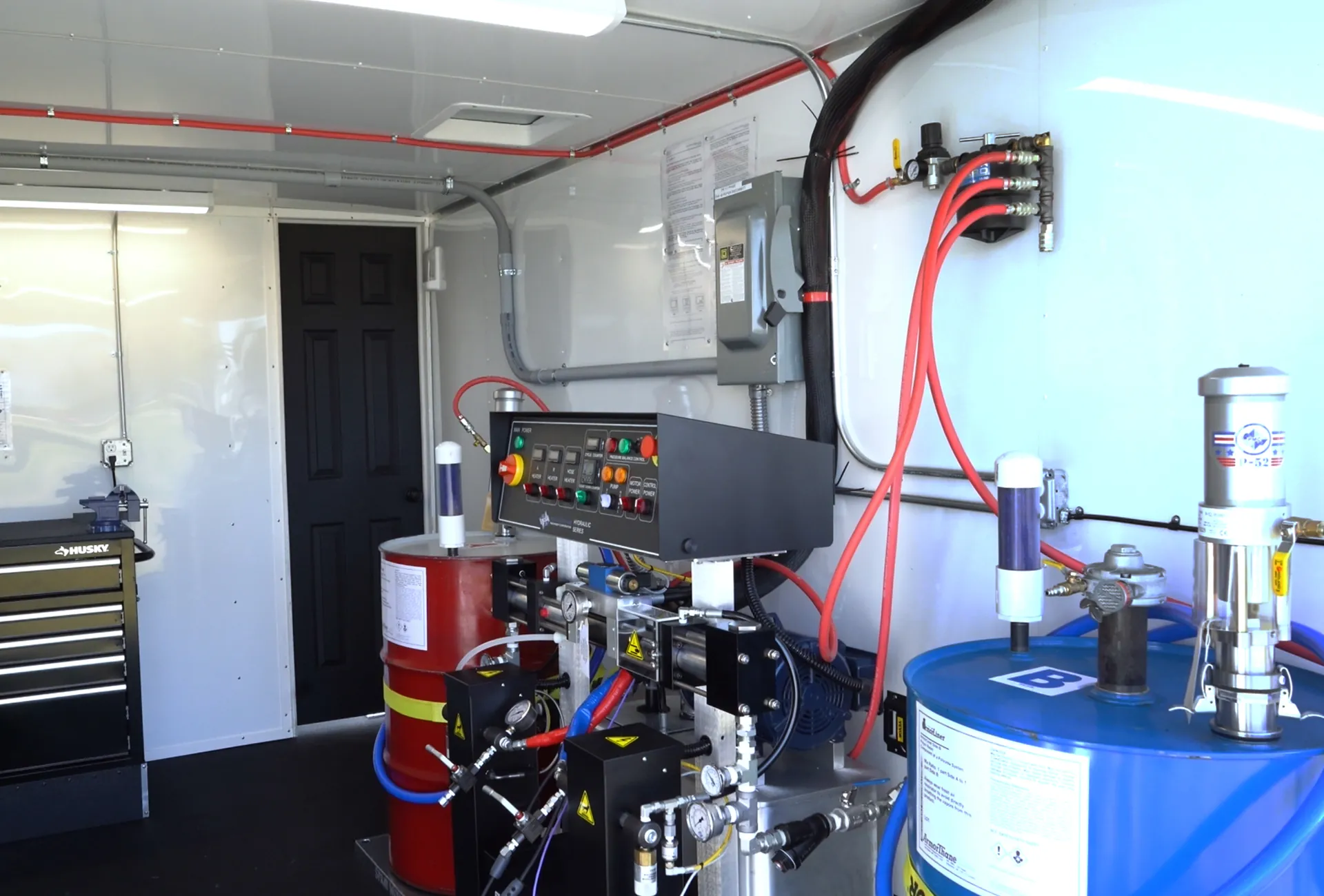
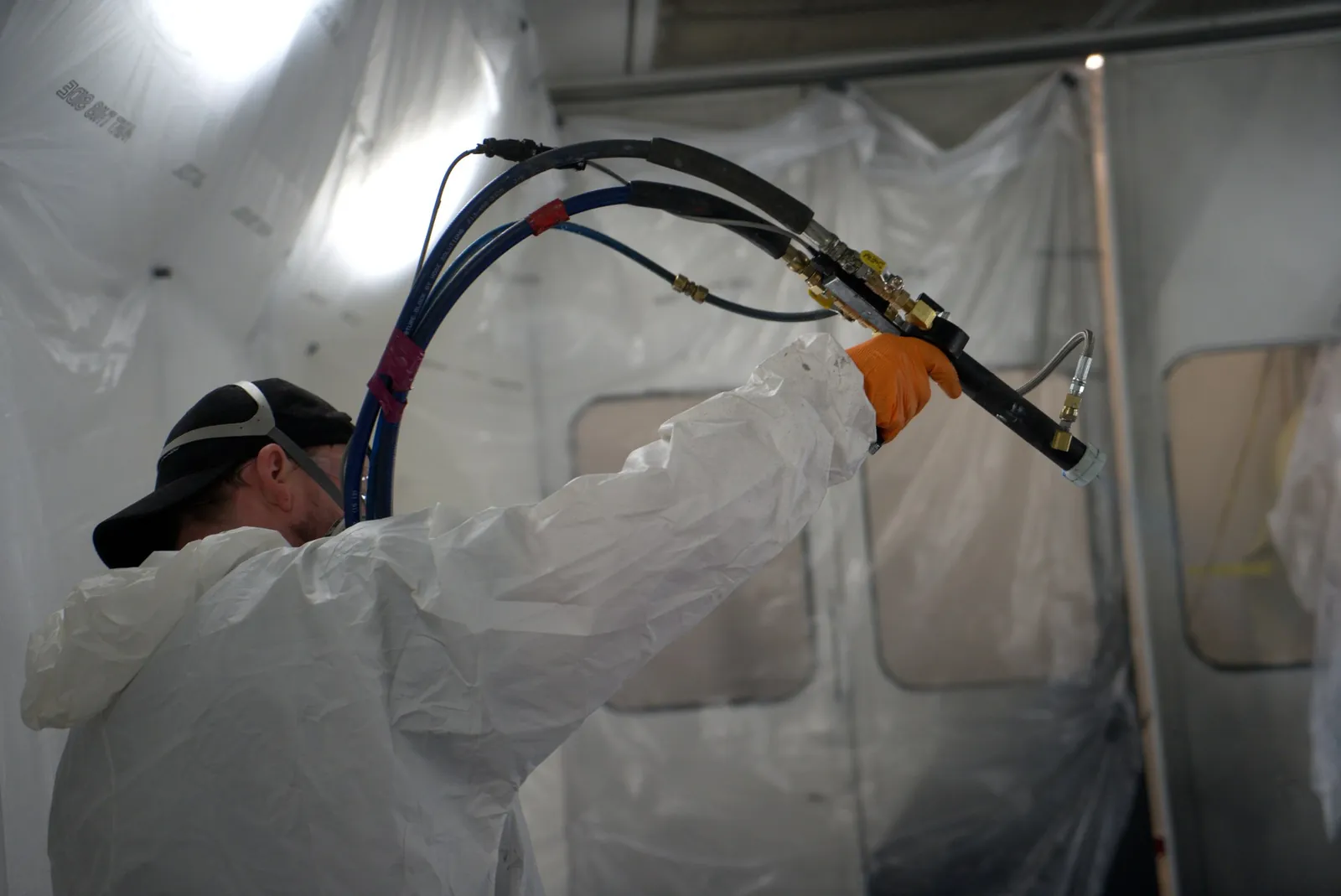
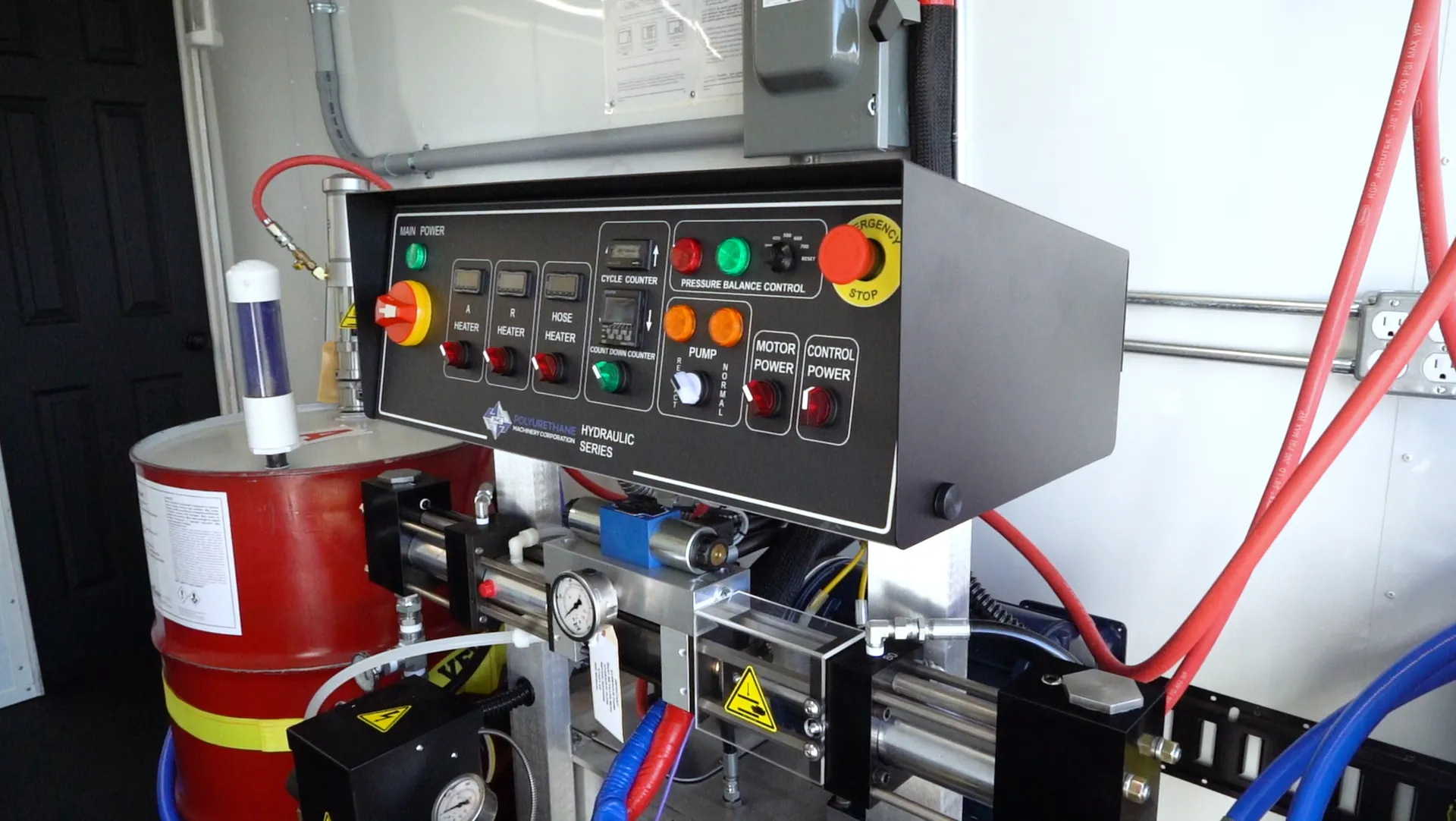
ArmorThane sets you up to do this work, and you own the business. We make the chemistry, build the rigs, train you hands-on and answer the phone when a job gets difficult. You pay no franchise fee and no royalties. It has been that way since 1989.
- $0
- franchise fees or royalties
- 35+
- years in business
- 50+
- countries with applicators
- 24/7
- technical support

More to read on blast and military coatings
Short reads from ArmorThane on Issuu. Tap one to open it right here.



Start your coatings business with ArmorThane.
Tell us what you want to spray and where you are. An ArmorThane specialist will walk you through the equipment, chemicals, training and startup cost for the work you want to do.
- Equipment package matched to your applications
- Hands-on training and applicator certification
- Technical support once you are spraying