Asbestos encapsulation
How asbestos encapsulation works, when encapsulating beats removal, and how spray-applied polyurea encapsulants seal asbestos and lead paint for the long term.
Polyurea Coatings for Preventing Asbestos Exposure
Start your coatings business with ArmorThane.
Tell us what you want to spray and where you are. An ArmorThane specialist will walk you through the equipment, chemicals, training and startup cost for the work you want to do.
- Equipment package matched to your applications
- Hands-on training and applicator certification
- Technical support once you are spraying
Out with the old, cover with the new
Imagine this: you visit the doctor because you’ve been feeling sick, and after explaining your symptoms and being given a once over, they say, “I’m not sure which disease you caught, but it’s definitely something; I’m prescribing you several sessions of bloodletting.” Imagine your shock! Well, as strange as it seems today, practices like bloodletting, or the withdrawal of blood in an attempt to cure an illness or disease, were once thought to be highly efficacious, along with a long list of others that are now also considered ineffective if not outright dangerous, like the lobotomy, mercury supplements, or tobacco enemas (yikes). The point is, there’s a lot of things we humans once thought were safe to use, and in fact, majorly beneficial, before later learning that neither is true.
Such realizations aren’t just limited to medical sciences directly, with everything from cosmetics to paints once containing more than a few ingredients that are known carcinogens today, or possess otherwise dangerous biohazard criteria. Perhaps most famously, is asbestos, a natural mineral with severe health and safety risks that was previously used extensively in construction. As a result, many home’s today still have asbestos on their floors, in the ceilings, or behind their walls, laying dormant until disrupted, when asbestos fibers can then become airborne and subsequently be inhaled. To prevent exposure to disease-causing asbestos, contaminated surfaces can be encapsulated with polyurea, an advanced coating technology that will stand the test of time to ensure asbestos remains safely locked away for years to come.
What is asbestos encapsulation?
You may have heard of crawl space encapsulation, where a home’s crawl space is covered in a protective coating to form a barrier between the home and the outside environment. Asbestos encapsulation is just the same, except instead of creating a barrier between the inside and outside of a home, coatings are used to seal hazardous asbestos fibers away behind durable layers of materials like polyurea, otherwise known as encapsulation. The idea is this: asbestos, when locked in place as part of a floor tile or building insulation, poses no health or safety risks.
However, if the asbestos is disturbed, like through a bang on the wall or scrape against the floor, asbestos fibers can release into the air, where they’re easily inhaled and can cause multiple, potentially life-threatening diseases like mesothelioma. To prevent their escape and bodily infiltration, these fibers can be bound together and covered in place, where even frequent forceful impacts or harsh abrasion do nothing to contribute to the risk of exposure. Compared to asbestos abatement, or in other words, asbestos removal, encapsulation is quicker, easier, safer, and more cost-effective, making it the preferred choice for many homeowners.
Polyurea asbestos encapsulation
Asbestos encapsulation is serious business, and the consequences of improper or inadequate encapsulation are severe. So to ensure safe and effective encapsulation, it’s critical to leverage powerful technology like polyurea, which is time-tested to reduce the risk of asbestos exposure to as close to 0 as possible without having to suffer through the more costly and time consuming abatement process. Polyurea’s exceptional performance as an encapsulation material can be summarized by five key benefits:
Long-lasting
Polyurea coatings are long-lasting, because they’re resistant to just about everything. Mechanical stress and chemical corrosion, regardless of the magnitude or frequency, will be shrugged off and withstood with ease.
Easy to apply
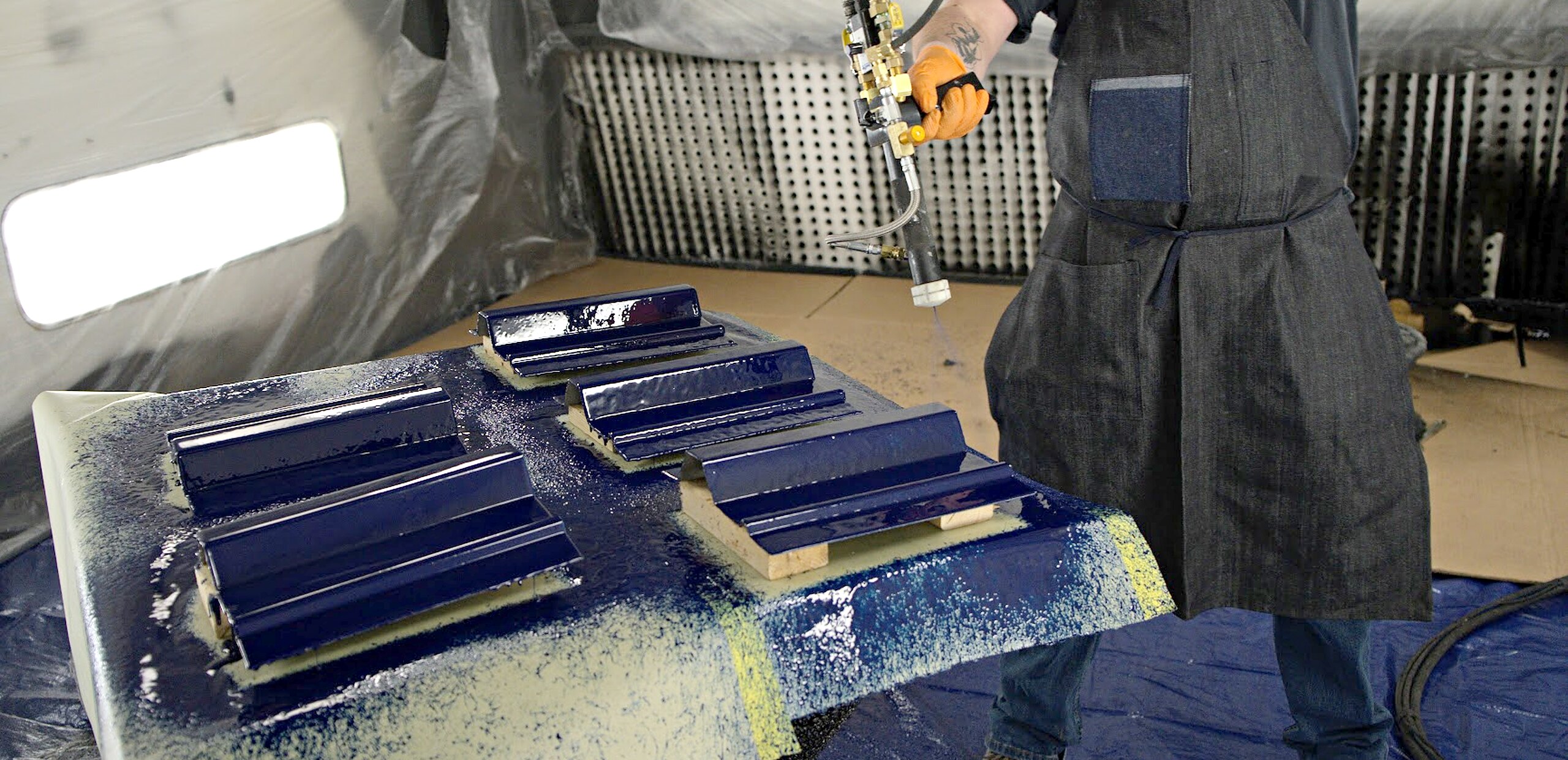
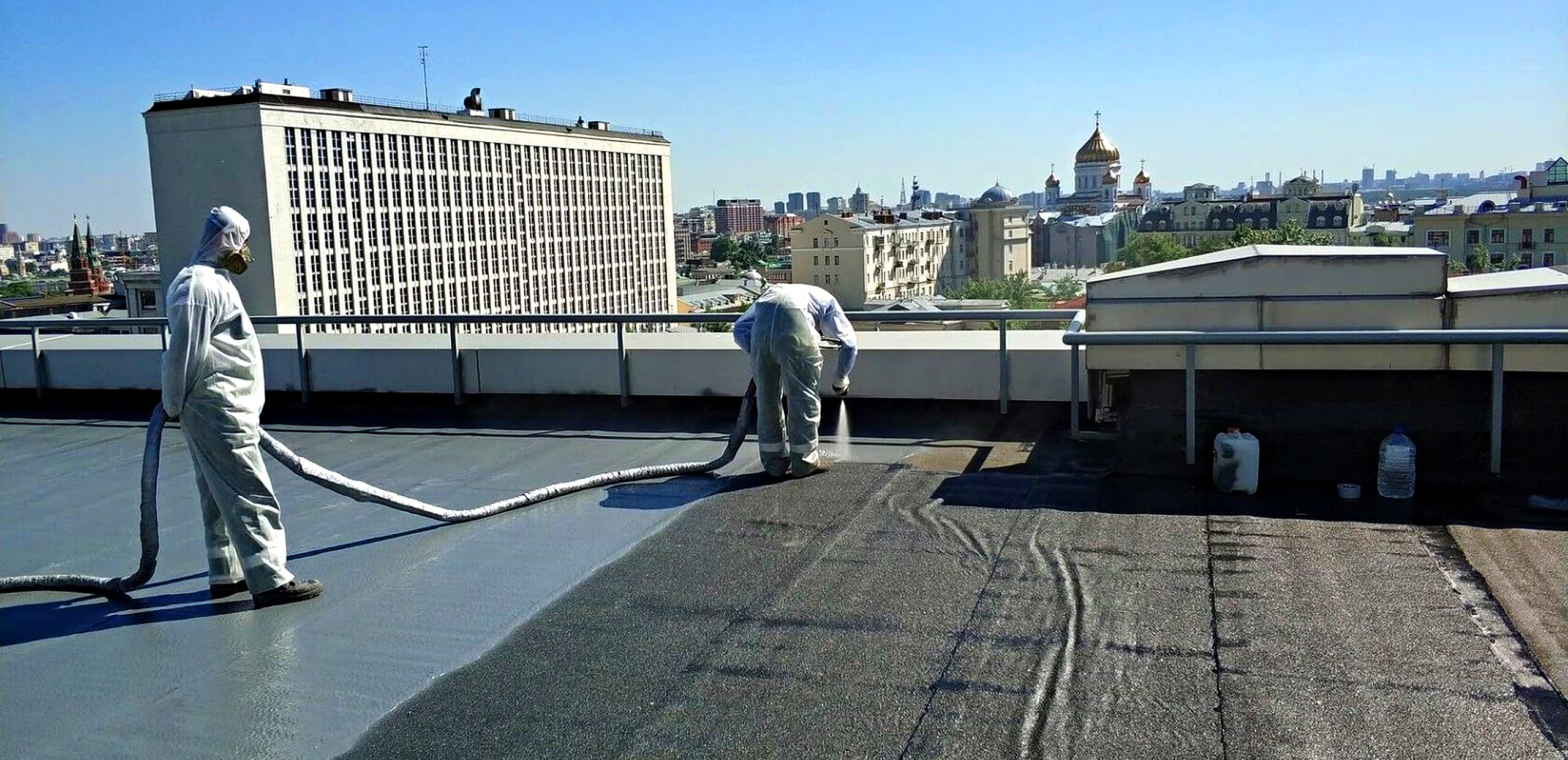
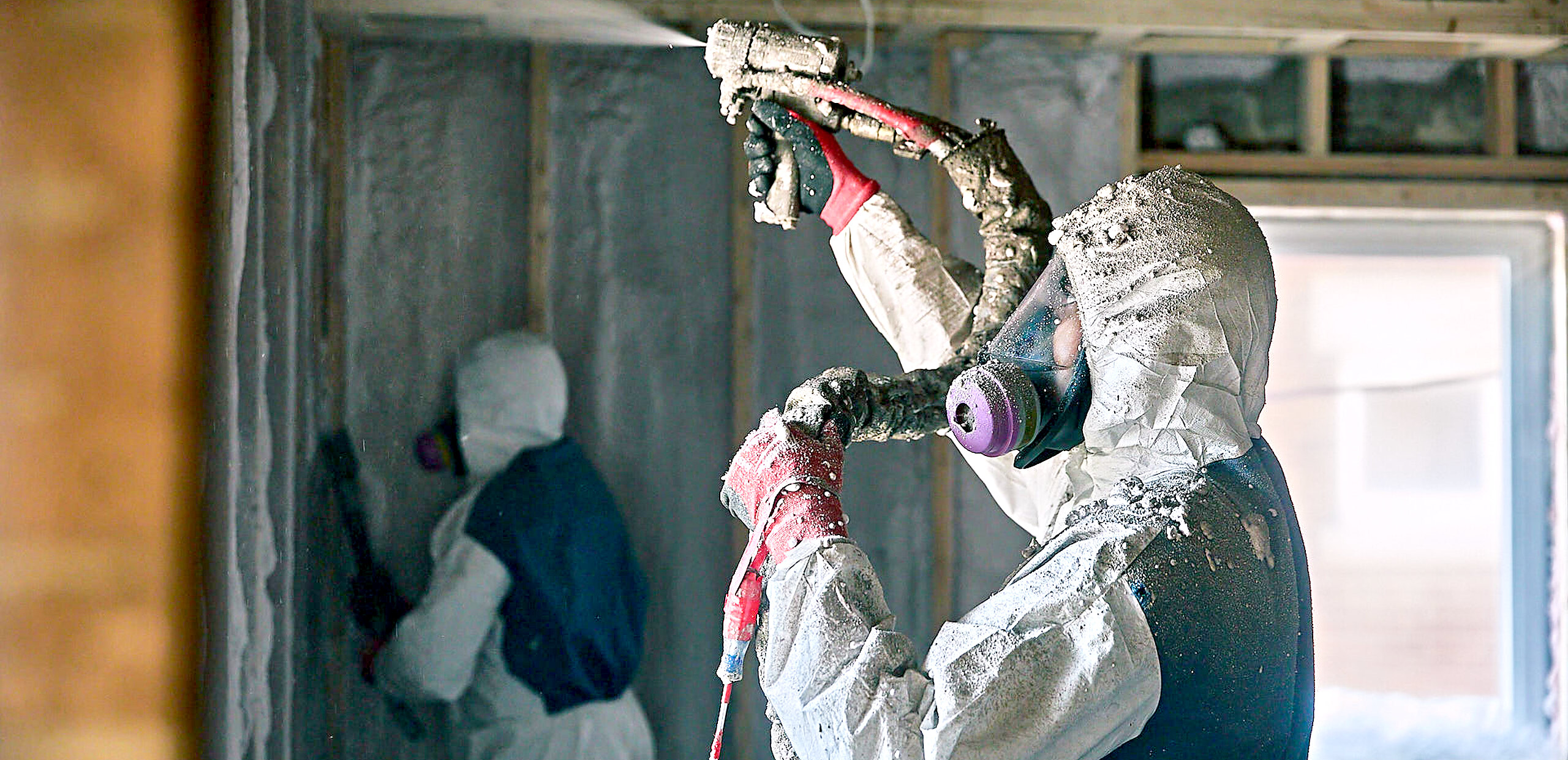
Polyurea is easy to apply, thanks to its application as a two-component system using high-pressure spray equipment. This mode of application makes it easy to coat large areas in minutes, and accommodate for challenging geometries or limited space.
Rapid curing times
It’s not just the speed of application you have to consider, but also the time to cure. Many alternative coatings take hours if not days to fully cure or dry, making what could be an afternoon project into a days long ordeal. Polyurea cures in as fast as minutes, meaning applicators won’t even have time to put away their equipment before your encapsulation is service-ready.
Cost-effective
It’s frustrating enough to have to spend your hard earned money on something as mundane as asbestos encapsulation, so might as well get your money’s worth, while still saving where you can. Polyurea’s decades-long lifespan means it’s likely to be your one and only investment on asbestos control, costing pennies on the dollar over its entire life cycle.
Safer and more sustainable
Like any repair or renovation project, it’s important to not replace one hazard with another. Thankfully, polyurea is safer and more sustainable than many other coatings or sealants, as it’s made of 100% solids, and with no solvents or volatile organic chemicals (VOCs).
When Asbestos Encapsulation Makes Sense
Not every asbestos material has to be torn out. The U.S. EPA explains that material in good condition is often safest when it is left alone. Removal disturbs the fibers. That can create more risk than the material posed in the first place. Asbestos encapsulation seals the material in place instead. A coating binds the surface and locks the fibers in, so they cannot become airborne.
Encapsulation is often a good fit when:
- The material is mostly intact, with only light wear
- Removal would be very costly or disruptive
- The building must stay in use during the work
- The surface is a roof, wall, pipe or floor that can be fully coated
Damaged or crumbling material is different. It may need repair or removal first. Always have suspect material tested by an accredited inspector. Work on asbestos must be done by trained, licensed professionals and must follow local rules.
Why Polyurea Suits Asbestos Encapsulation
Polyurea forms a thick, seamless membrane in one pass. It sets in seconds, so crews spend less time on site. It stays flexible as buildings move with heat and cold, which helps the seal stay intact. It also bonds well to concrete, metal and many roofing materials. The same approach is used to seal old lead paint. For related work, see roof coatings, surface preparation and our polyurea guide.
Frequently asked questions
How To Encapsulate Asbestos?
Asbestos encapsulation, also known as asbestos sealing, or simply, sealing, uses specialty materials to cover surfaces contaminated with asbestos fibers in order to prevent their release. To encapsulate asbestos, simply apply layers of cost-effective and high-performance materials technology like polyurea, and asbestos fibers will become bound together and held in place between the underlying surface and the outside environment.
Can You Encapsulate Asbestos Floor Tiles?
Unfortunately, it’s not uncommon to find asbestos as a key component of old floor tiles. Like any other source of asbestos in the home, it’s best to remove or encapsulate, which couldn’t be easier for floor tiles. On the ground, flat as a board, and largely unobstructed, encapsulating asbestos floor tiles with polyurea is quick, easy, and highly effective.
What Is The Best Solution For Asbestos Encapsulation?
Lasting protection from asbestos requires a coating that’s built to last and engineered for anything that might come its way. Harsh abrasion and forceful impacts, exposure to moisture and corrosive chemicals, and even UV radiation threaten to wear and tear encapsulated surfaces, making it paramount to opt for a reliable asbestos encapsulation technology like polyurea.
Breathe a sigh of relief with ArmorThane asbestos encapsulation
If you have asbestos in your home, don’t wait, contact ArmorThane today to make your home safer for longer. As 35 year veterans of the coatings industry, we’ve just about seen it all, with plenty of experience under our belt tackling asbestos encapsulation. Our extensive portfolio of homeformulated and in-house manufactured polyurea protective coatings includes speciality solutions designed specifically for encapsulation and other containment and control measures. So what are you waiting for; breathe a sigh of relief, and enjoy the peace of mind from knowing your asbestos contamination is under control, guaranteed, with ArmorThane.