


Surface Preparation for Coatings: Steel & Concrete
What surface preparation is, the methods and standards for steel and concrete, how to read a spec, and the checks that decide whether a coating sticks.
Start a protective coatings business
Spray protective coatings for a living.
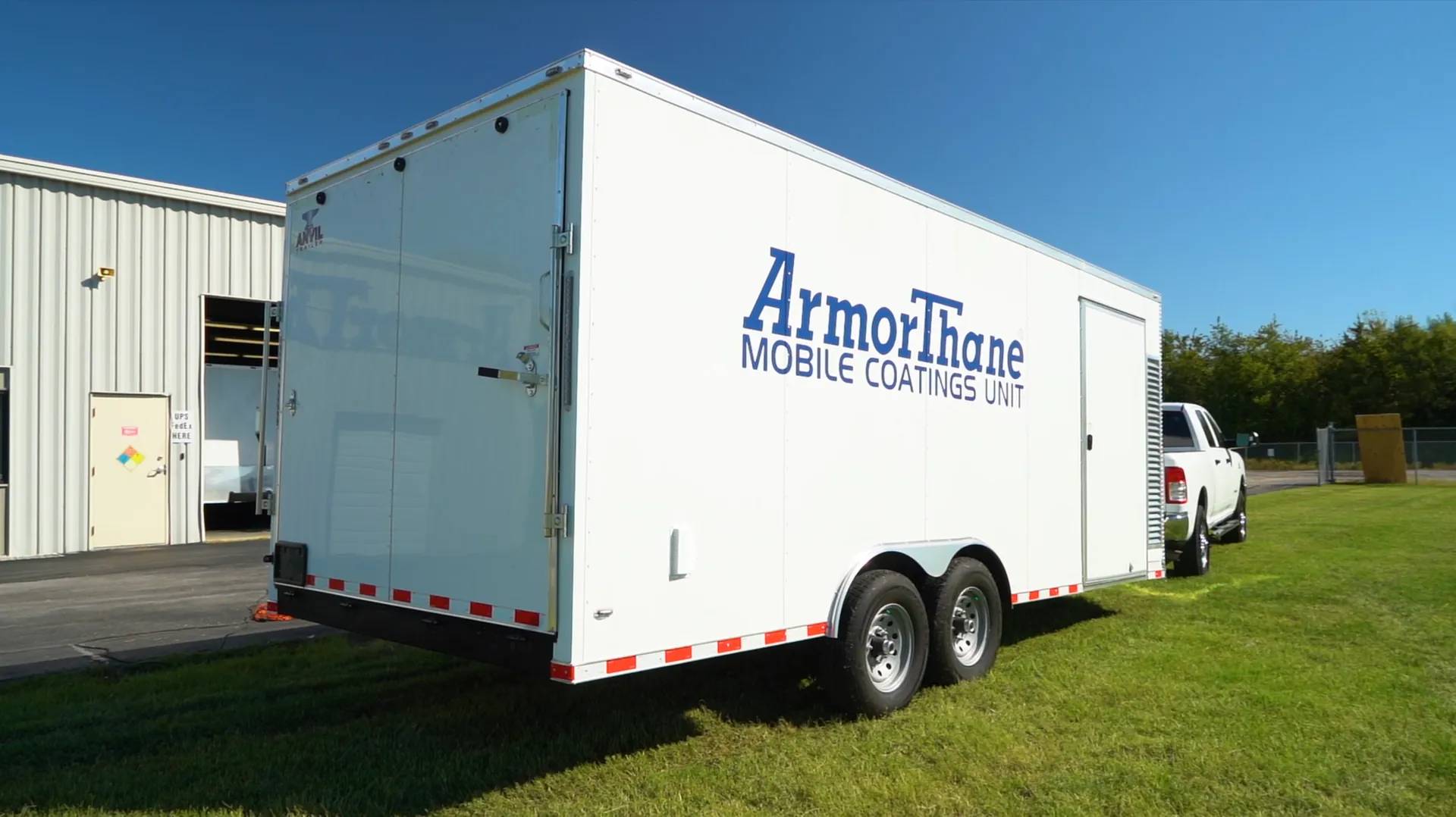
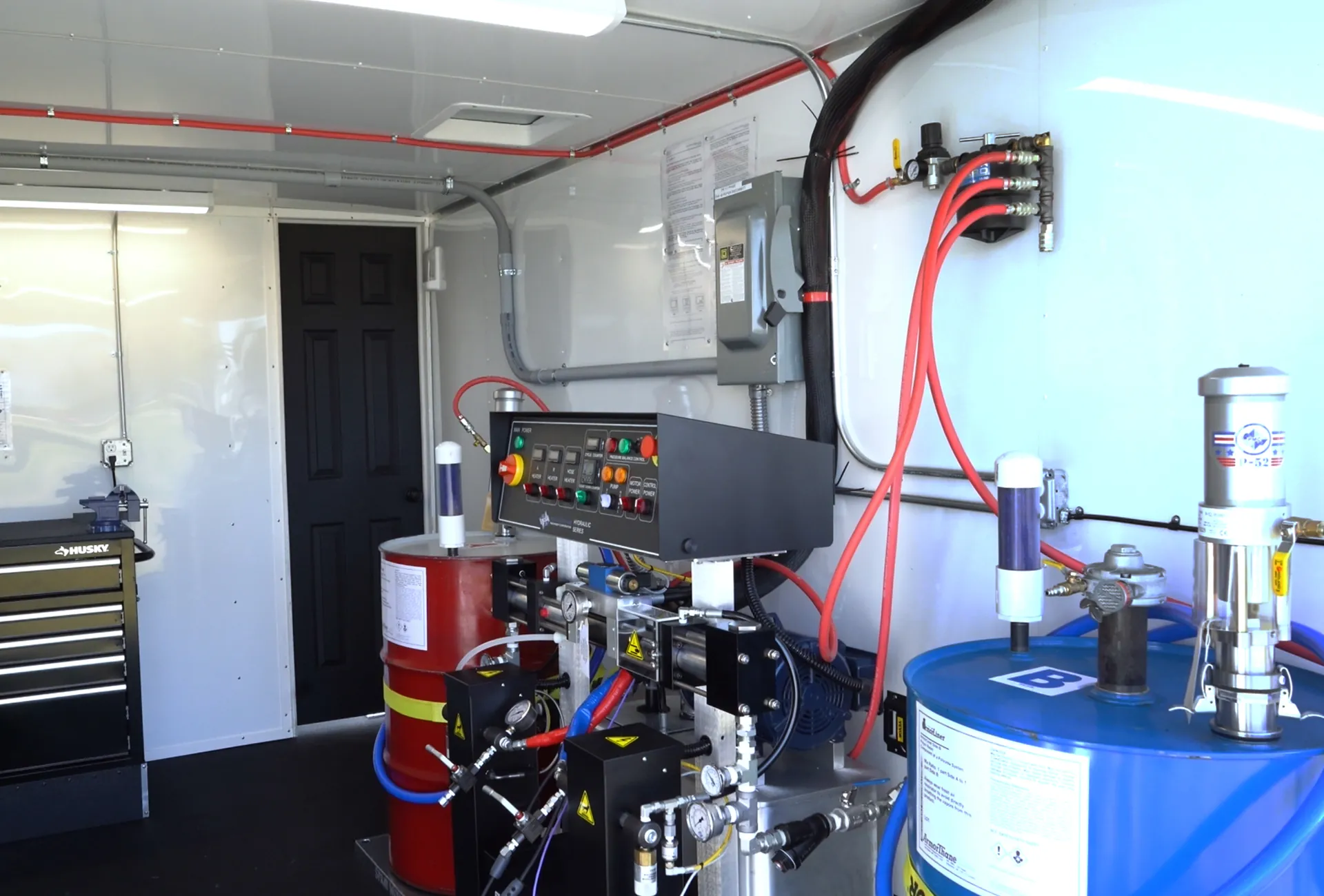
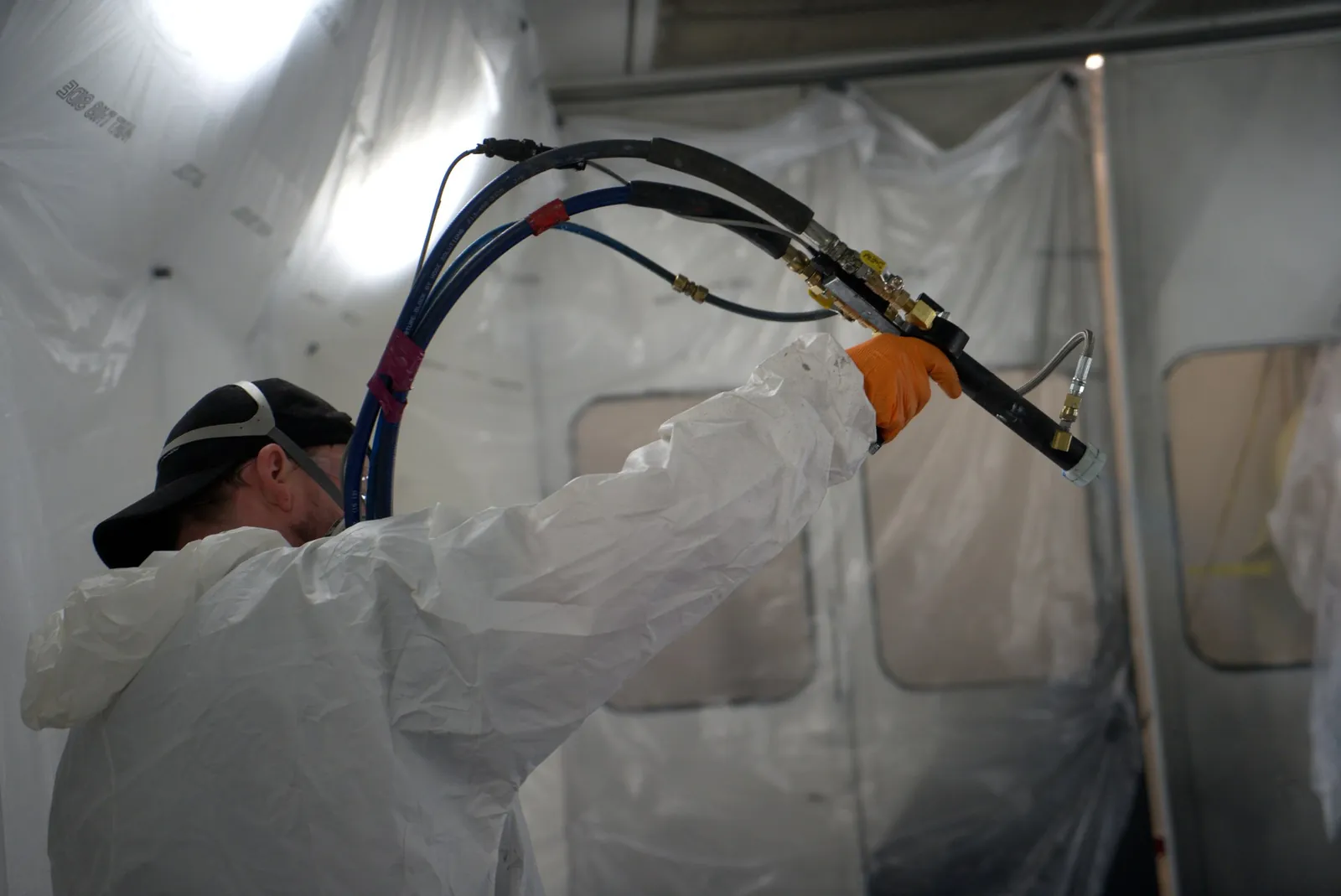
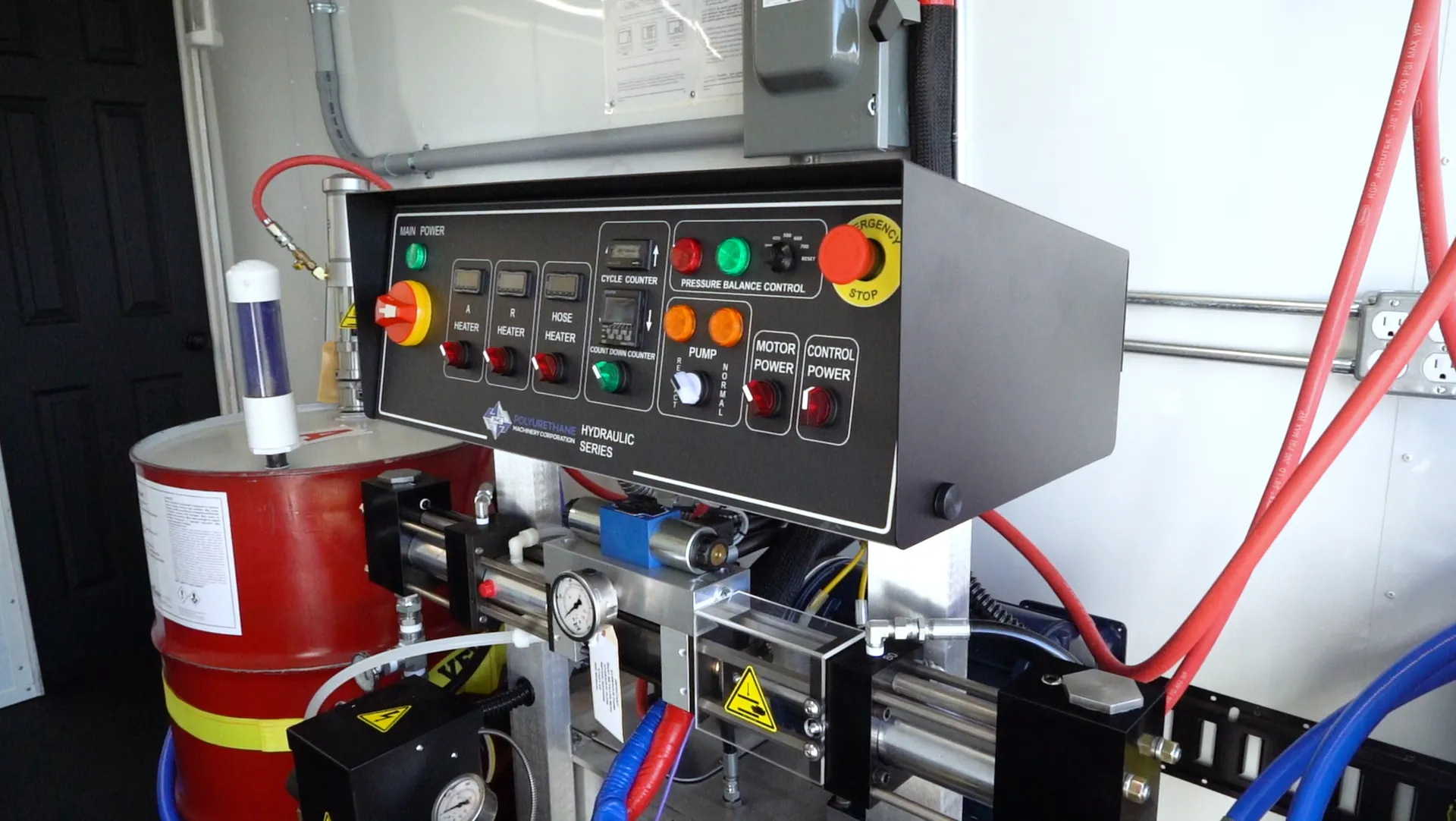
ArmorThane sets you up to do this work, and you own the business. We make the chemistry, build the rigs, train you hands-on and answer the phone when a job gets difficult. You pay no franchise fee and no royalties. It has been that way since 1989.
- $0
- franchise fees or royalties
- 35+
- years in business
- 50+
- countries with applicators
- 24/7
- technical support
Surface preparation is everything you do to a surface before the coating goes on: cleaning it, removing what will not hold a coating, and giving it a texture the coating can grip. It is the least glamorous part of a coating job and the part that decides whether the coating lasts. Coating manufacturers and inspectors agree that poor surface preparation is behind most premature coating failures. This guide covers the methods and standards for steel and concrete, written from the side of the people who make the coatings.
Surface preparation for coating means cleaning a surface and creating the right texture so the coating bonds. On steel, that usually means degreasing (SSPC-SP 1), then abrasive blasting to a specified cleanliness such as near-white metal (SSPC-SP 10 / Sa 2½) with a measured anchor profile. On concrete, it means mechanical prep such as shot blasting or grinding to an ICRI concrete surface profile, repairing defects and testing moisture. In both cases the surface must be clean, dry and above the dew point when coated.
What surface preparation does
Remove contaminants
Oil, grease, dirt, salts, old failing coatings, rust, mill scale and laitance all block adhesion.
Create a texture
A sharp, measured roughness gives the coating mechanical grip and more surface area to bond to.
Control moisture and temperature
Damp or cold surfaces, or surfaces near the dew point, cause blisters, pinholes and delamination.
Steel surface preparation standards
Steel prep is specified by cleanliness and profile. The SSPC (now AMPP) and NACE standards line up with the ISO 8501-1 visual grades used outside North America.
| SSPC / AMPP | NACE | ISO 8501-1 | What it means | Typical use |
|---|---|---|---|---|
| SP 1 | — | — | Solvent cleaning of oil and grease | Always first |
| SP 2 / SP 3 | — | St 2 / St 3 | Hand and power tool cleaning | Spot repairs, mild exposure |
| SP 7 | No. 4 | Sa 1 | Brush-off blast | Sweep before recoating sound coatings |
| SP 6 | No. 3 | Sa 2 | Commercial blast | Atmospheric service |
| SP 10 | No. 2 | Sa 2½ | Near-white metal blast | Linings, immersion, most polyurea on steel |
| SP 5 | No. 1 | Sa 3 | White metal blast | Severe immersion |
| WJ-1 to WJ-4 | — | Wa grades | Waterjetting (no profile created) | Removing coatings and salts where a profile already exists |
Concrete surface preparation
Concrete must be sound, clean, dry enough and open. Laitance, the weak cement-rich skin on top of a slab, has to come off. The International Concrete Repair Institute (ICRI) uses concrete surface profile (CSP) chips from 1 to 10 to specify roughness.
| Method | Typical CSP | Notes |
|---|---|---|
| Acid etching | CSP 1 | Not recommended for high-performance coatings; leaves residue and inconsistent profile |
| Diamond grinding | CSP 1–3 | Good for thin floor coatings; low dust with vacuum |
| Shot blasting | CSP 3–7 | Fast on floors; most common for polyurea and thick epoxy |
| Abrasive blasting | CSP 3–7 | Walls, tanks and irregular shapes |
| Scarifying / milling | CSP 5–9 | Removes thick coatings and uneven concrete |
Check the concrete age
New concrete usually needs to cure before coating; follow the product data sheet.
Test moisture
Use ASTM F2170 RH probes or ASTM F1869 calcium chloride tests on slabs; ASTM D4263 plastic sheet for a quick check.
Prep mechanically
Shot blast, grind or abrasive blast to the specified CSP.
Repair
Fill cracks, bugholes and spalls with compatible repair materials.
Clean and prime
Vacuum dust, then apply the specified primer to seal outgassing.
Moisture and dew point limits before spraying
Concrete must read below 5% moisture before any ArmorThane coating is sprayed. Confirm it with one of the ASTM methods below, and record the result before the first pass.
| What you check | Method | Limit before spraying |
|---|---|---|
| Moisture content | Concrete moisture meter | Below 5% |
| Moisture vapor emission rate | ASTM F1869 calcium chloride, 60 to 72 hour test | 3 lb per 1,000 sq ft per 24 hr, maximum |
| Internal relative humidity | ASTM F2170 RH probes at 40% of slab depth | 75% RH, maximum |
| Visible moisture and vapor drive | ASTM D4263 plastic sheet, taped 16 hours | No darkening or condensation under the sheet |
| Substrate temperature | Surface thermometer and hygrometer | At least 5 degrees F above dew point, and rising |
| Age of a new pour | Pour date | 28 days cured |
The 5% figure is the ArmorThane field limit. The F1869 and F2170 numbers are the commonly cited industry maximums carried over from flooring practice, and they are what most specifications will reference.
If the slab fails Do not spray. Let it dry and retest, or install a moisture mitigating primer or vapor barrier first. Test every slab on grade regardless of age, because a slab with no vapor barrier under it can pull moisture for its whole service life.
Weather and dew point
Even perfect prep fails if the surface is too cold or damp. Keep the substrate at least 5°F (3°C) above the dew point, check humidity and surface temperature through the job, and coat blasted steel before flash rust forms.
Surface prep checklist
- Oil and grease removed (SSPC-SP 1 or detergent wash)
- Specified cleanliness reached and visually compared to the standard
- Anchor profile or CSP measured and recorded
- Soluble salts tested where required
- Concrete moisture tested and within limits
- Cracks, pits and defects repaired
- Substrate temperature at least 5°F above dew point
- Dust removed and primer applied within the recoat window
For coating-specific guidance see corrosion protection coatings, tank lining and polyurea spray.
Prep done right, coating that lasts.
A certified ArmorThane applicator handles the blasting, repairs, testing and coating as one job, with the checks documented.
Contractors: become an ArmorThane applicator
Surface preparation questions
What is surface preparation?
Surface preparation is the cleaning and roughening of a surface before coating so the coating bonds properly. It removes contaminants and weak layers and creates a profile the coating can grip.
What are the main surface preparation methods?
Solvent cleaning, hand and power tool cleaning, abrasive blasting and waterjetting for steel; grinding, shot blasting, abrasive blasting and scarifying for concrete.
What does SSPC-SP 10 mean?
SSPC-SP 10 / NACE No. 2 is near-white metal blast cleaning, equivalent to ISO 8501-1 Sa 2½. It is the usual minimum for linings and immersion service.
Can I acid etch concrete before coating?
Acid etching is not recommended for high-performance coatings such as polyurea and epoxy. Mechanical methods give a consistent, clean profile without residue.
Why is dew point important when coating?
If the surface is at or near the dew point, moisture condenses on it and ruins adhesion. Keep the surface at least 5°F above the dew point.
Sources
Planning a coating job? Get prep and coating quoted together.
Tell us the surface, size and condition. We will connect you with a certified applicator who can inspect and quote.
- Steel, concrete or other surface
- Square footage
- Existing coatings or contamination
- Service environment