Spill Containment Berms for Oil and Gas
Polyurea and Polyurethane Coatings for Secondary Containment of Petroleum Products
Where does a spill go?
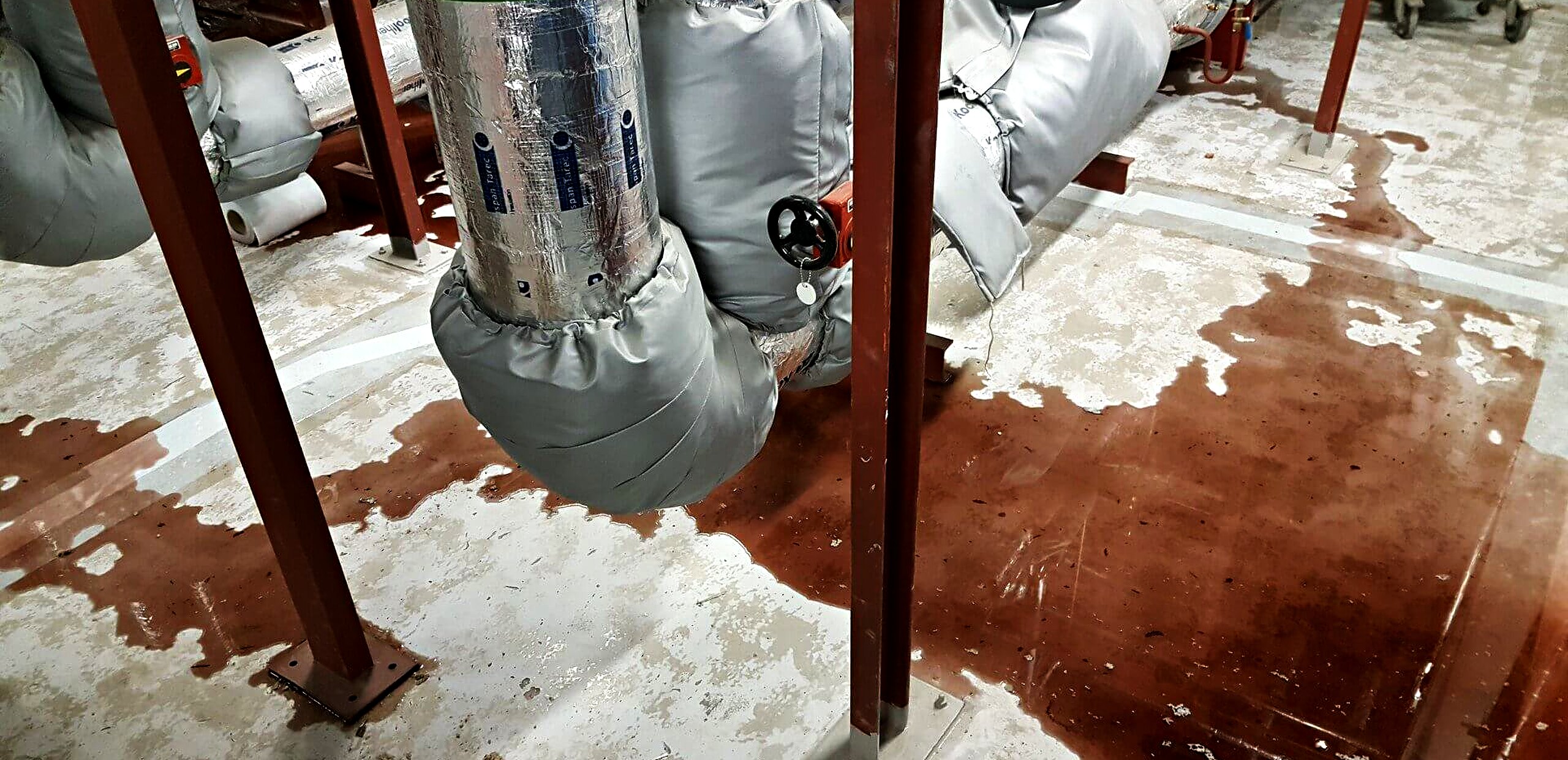
A leaking tank is only half the problem. Pick what you store, start the leak, and see what happens on bare concrete compared with a seamless ArmorThane lining.
1Pick what you store
2Run the test
Size it to the rules
Containment is sized to the volume your regulations require, usually based on the largest tank in the area.
Match the lining to the chemical
Ask for chemical resistance data for exactly what you store before choosing a system.
Make it continuous
Pipe penetrations, joints and the wall-to-floor corners are detailed so the lining has no gaps.
Read ArmorThane's secondary containment brochure, or find an ArmorThane applicator near you.
Line containment areas for a living? Become an ArmorThane applicator
Illustration only. What happens on a real job depends on the condition of the surface, the prep and the system an ArmorThane applicator specifies.
ArmorThane’s polyurea and polyurethane berm coatings
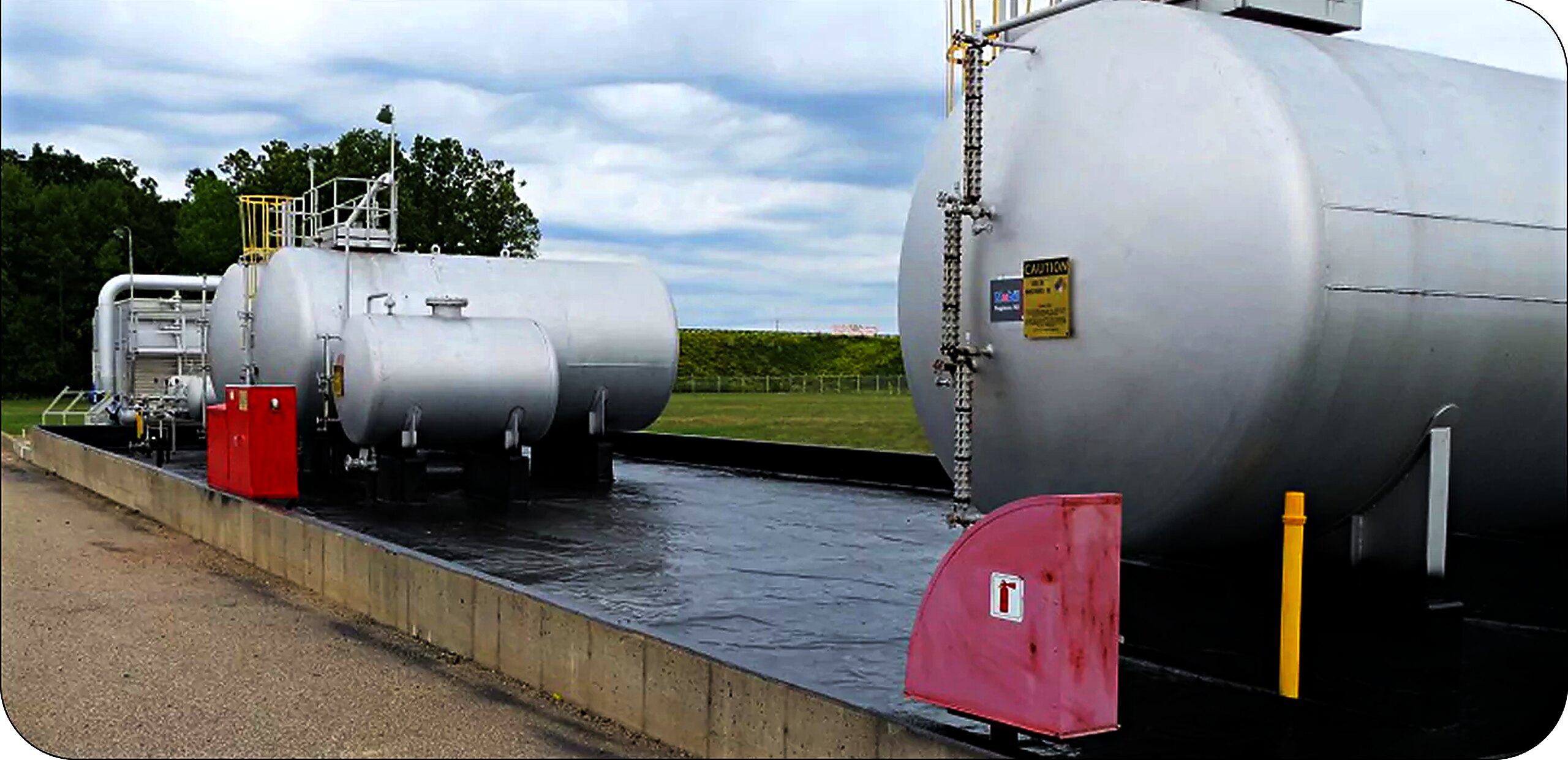
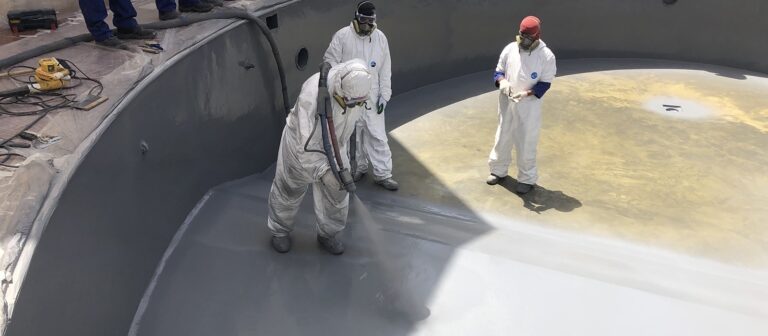
Berm containment systems are nearly ubiquitous in the oil and gas industry and have become essential for preventing contamination in the event of an unintended spill or leak. However, it’s not as easy as taking any old berm and waiting for the worst to happen; berms must be protected with more than what their construction affords them, and ArmorThane’s polyurea and polyurethane coatings make for the perfect oil and gas berm coatings. That’s because our formulations are designed to provide full-surface protection from the myriad physical and chemical risk factors inherent to a berm’s successful operation. Our coatings don’t absorb the hazardous chemicals that they’re exposed to, nor do they react to degrade themselves or the structural materials they protect.
Spill containment berms are a core part of the secondary containment the U.S. EPA expects at oil facilities, and its guidance on secondary containment under the SPCC rule explains how containment should be sized and maintained.
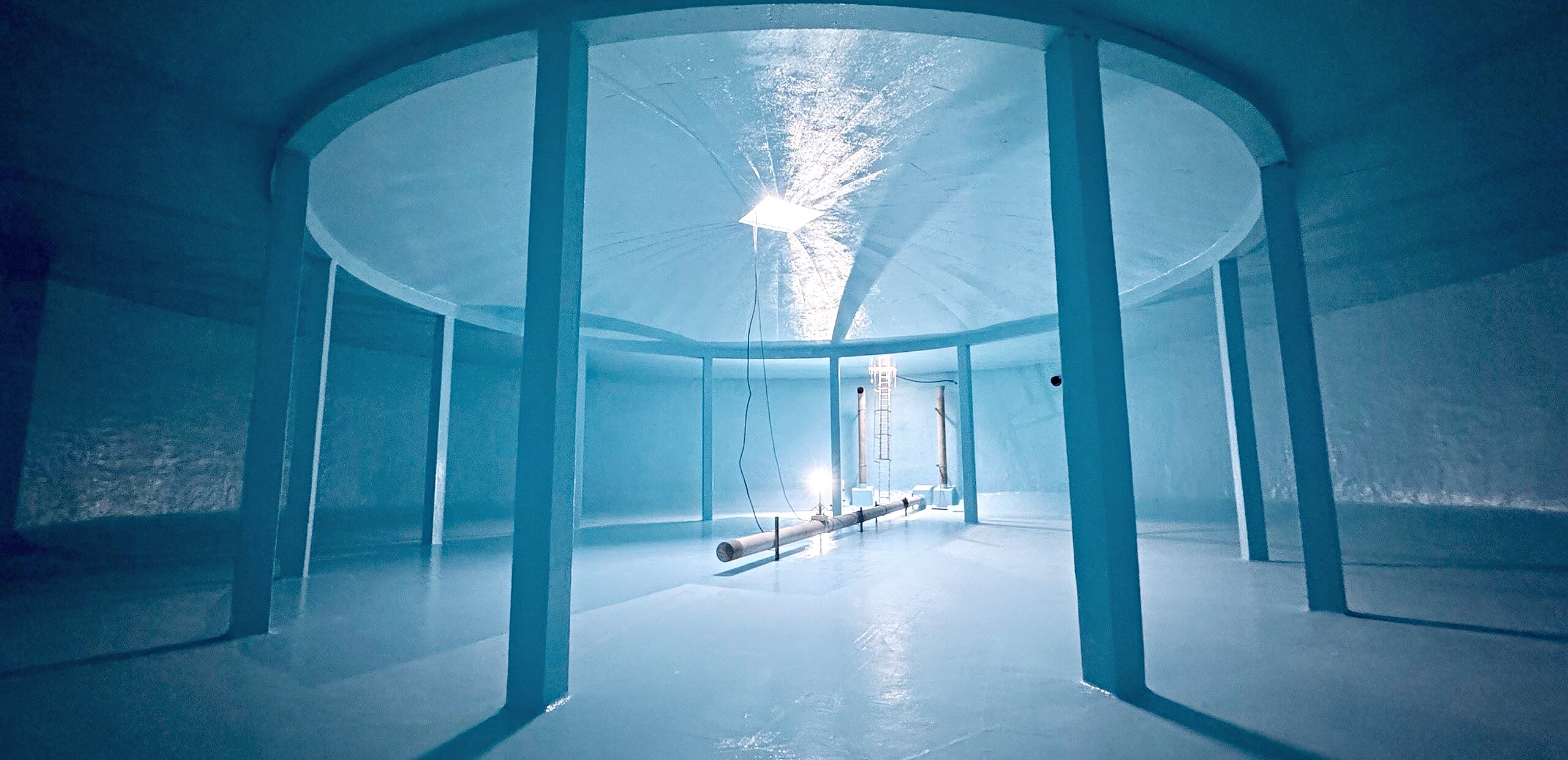
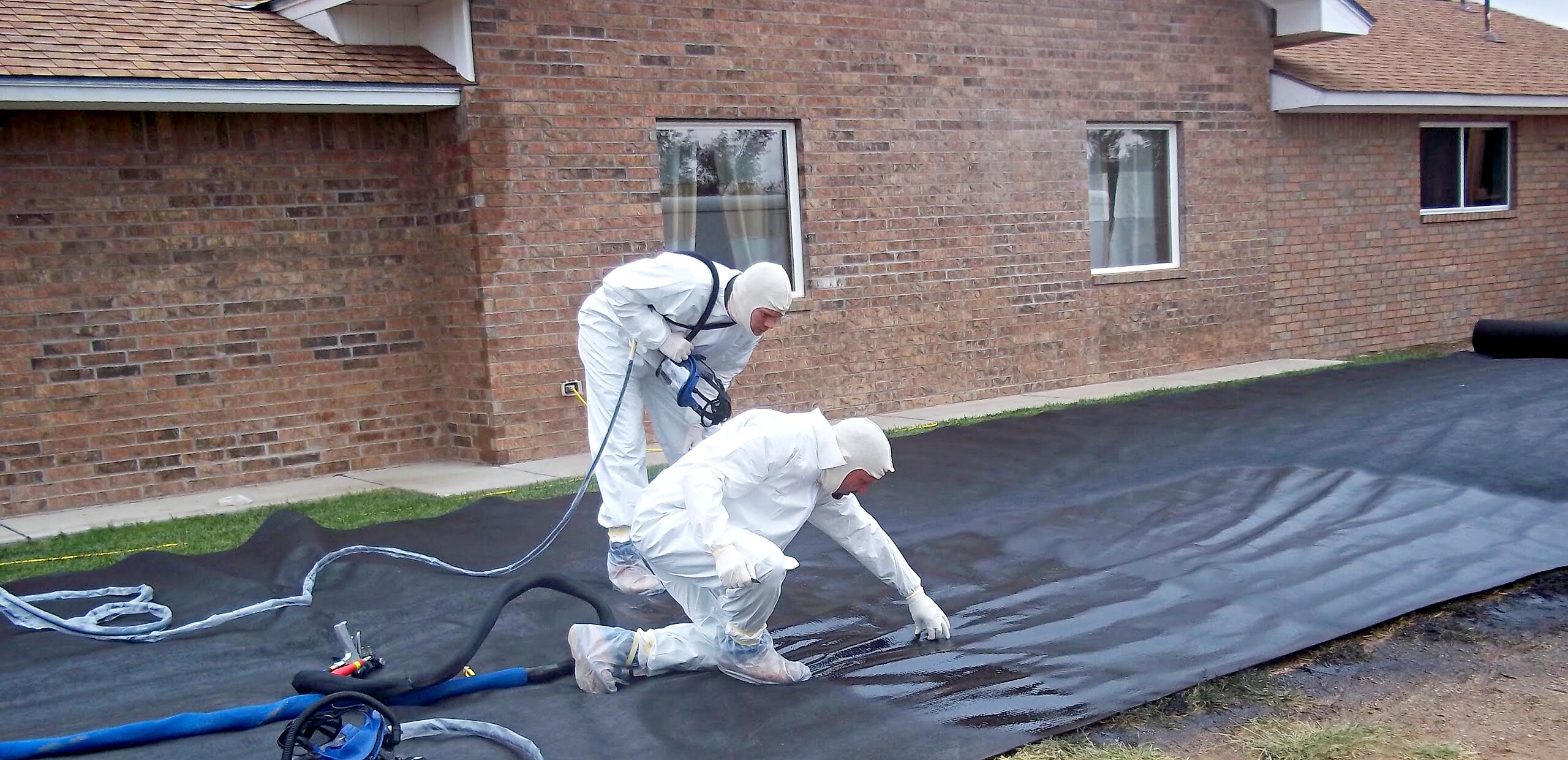
Seamlessly molding into almost any below or above ground containment vessels, they offer a form fitting function and an impermeable membrane that accounts for necessary internal or external structures.
Whether geotextiles, concrete, metal, fiberglass, plastic, or wood, our coatings are highly compatible and exhibit strong adhesion regardless of the substrate or its environment. All of these benefits and more are achieved without being cost prohibitive, as with only an upfront cost, berms will have up to decades of reliable operation with minimal repairs and replacements that make them a highly cost-efficient solution in the long-term.
Spill Containment Berms: Oil and Gas Applications
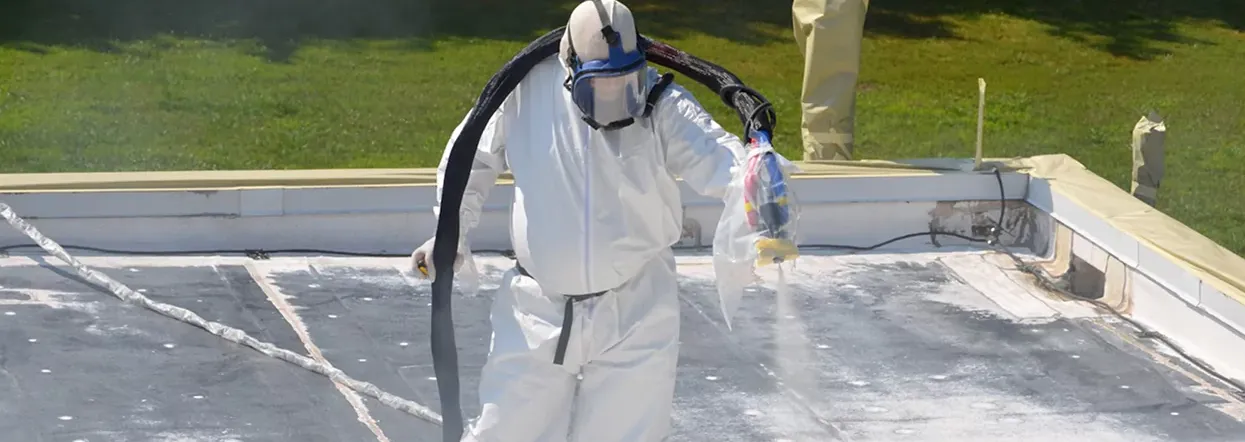
While berms represent a single type of secondary containment they’re used in numerous different contexts within the oil and gas industry. Here are just a few of their most common applications:
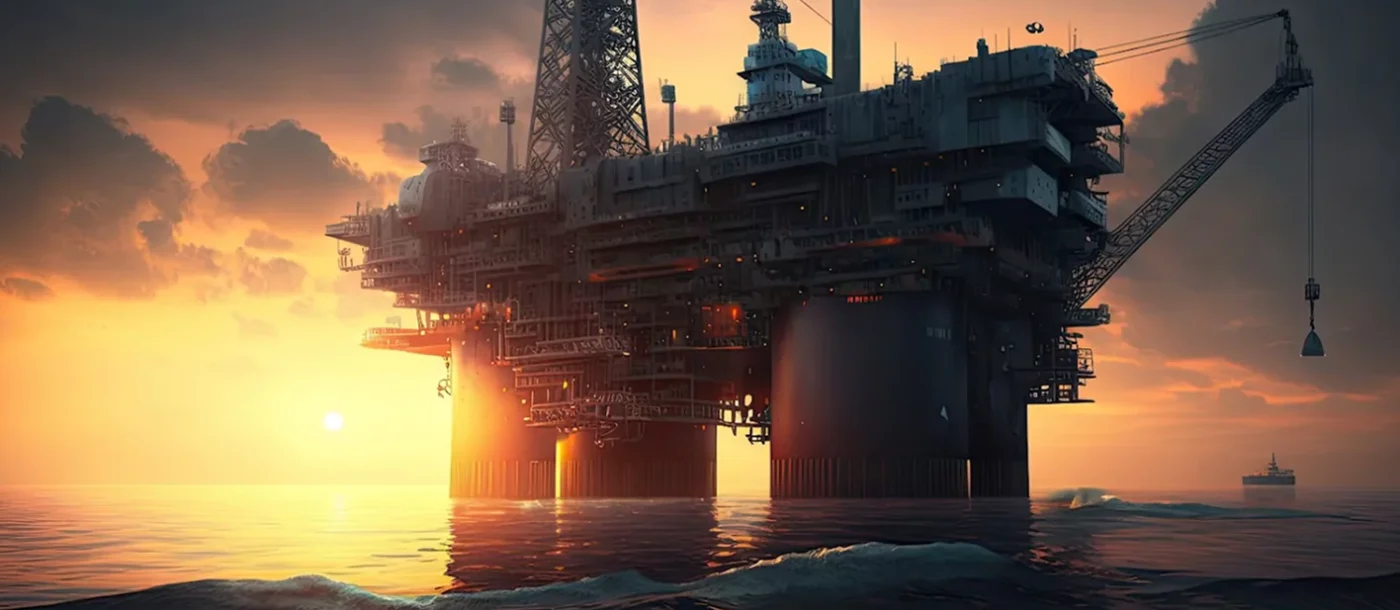
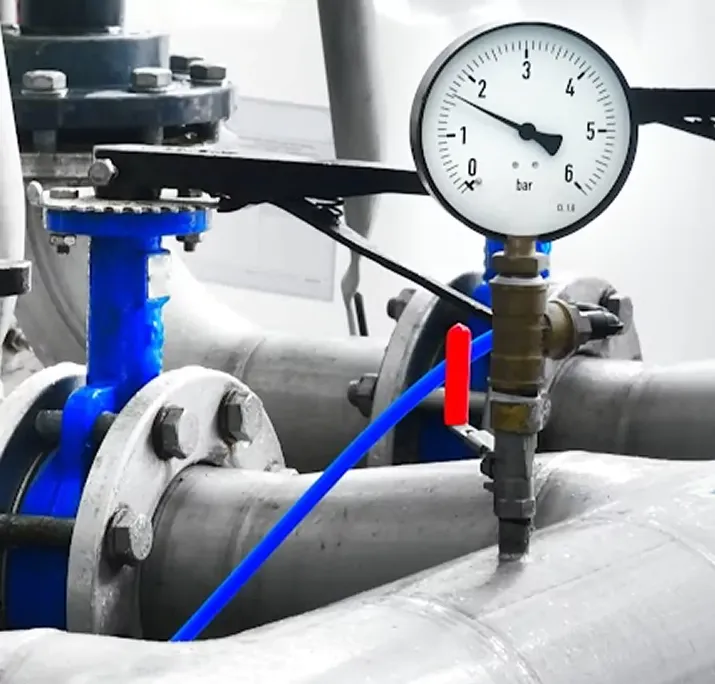
Saltwater disposal wells
Saltwater disposal wells are exactly what they sound like; they’re used to safely dispose of saltwater produced as a byproduct of oil and gas drilling. Protected with ArmorThane’s polyurea and polyurethane berm coatings, saltwater disposal wells are able to withstand the corrosive effects of high salinity environments.
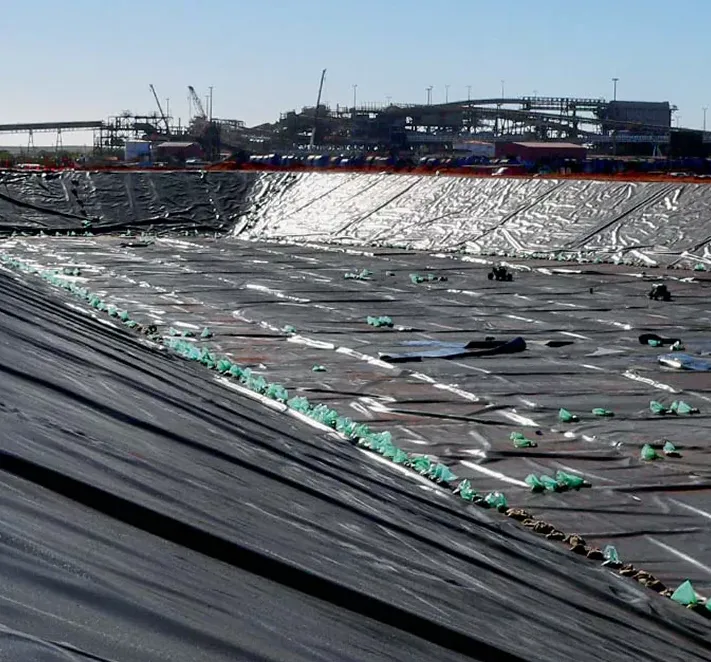
Evaporative ponds
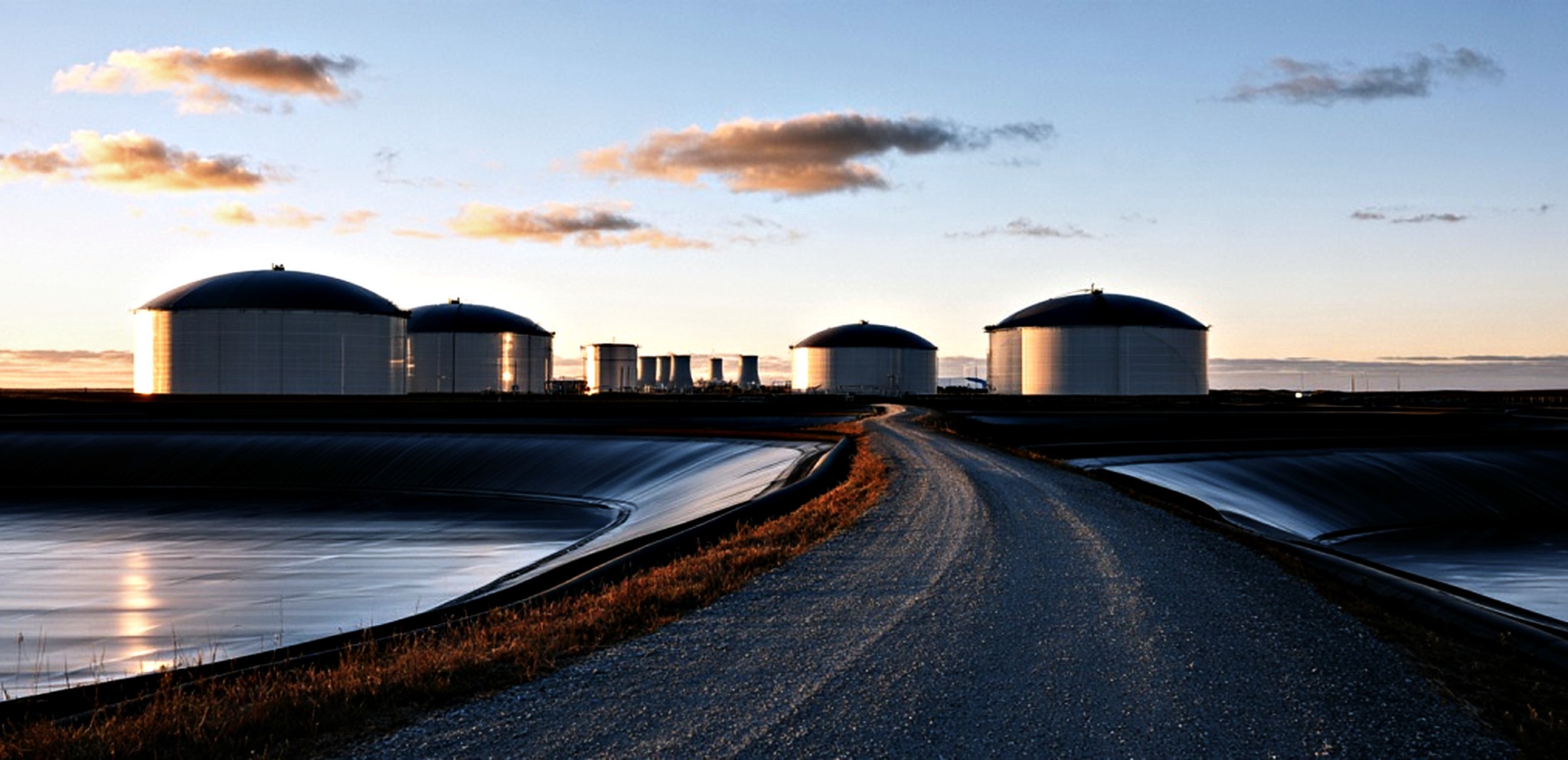
Managing an evaporative pond can prove a major challenge, even though its operation can appear entirely passive. These ponds are exposed to, of course, moisture, UV radiation, and the full gamut of weather conditions, so thus they must be lined with a protective material to preserve the pond’s integrity.
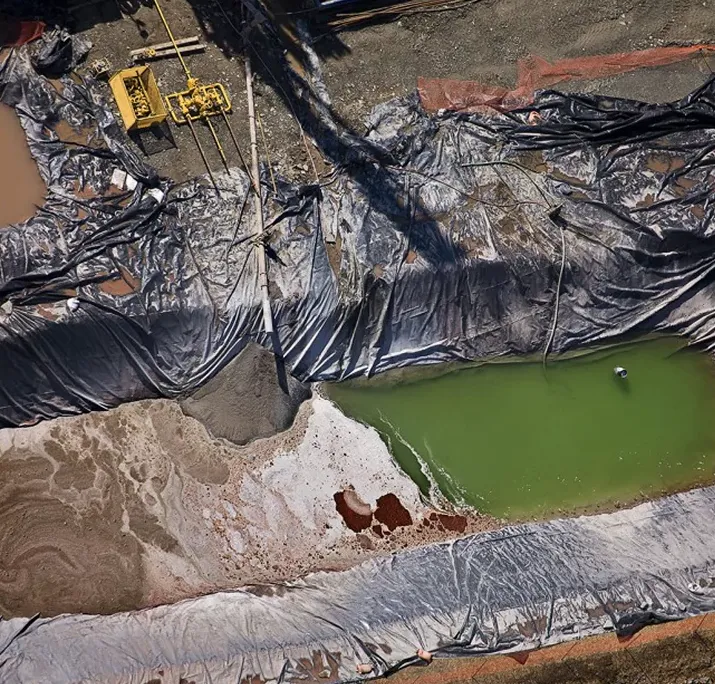
Frac pits
Frac pits hold fluid waste and other hazardous materials that relate to hydraulic fracturing, and thus must be able to withstand a wide range of chemical species. Shielded with polyurea and polyurethane, frac pics can more reliably serve as a fracking operation’s all-purpose disposal site.

Emergency water ponds
Fire protection ponds are used in the oil and gas industry for the same reason they’re used by firefighters: to serve as a readily available source of water to extinguish fires in case of an emergency. For the oil and gas industry where seemingly everything is flammable, having these ponds ready for action is paramount to ensure a successful emergency response.
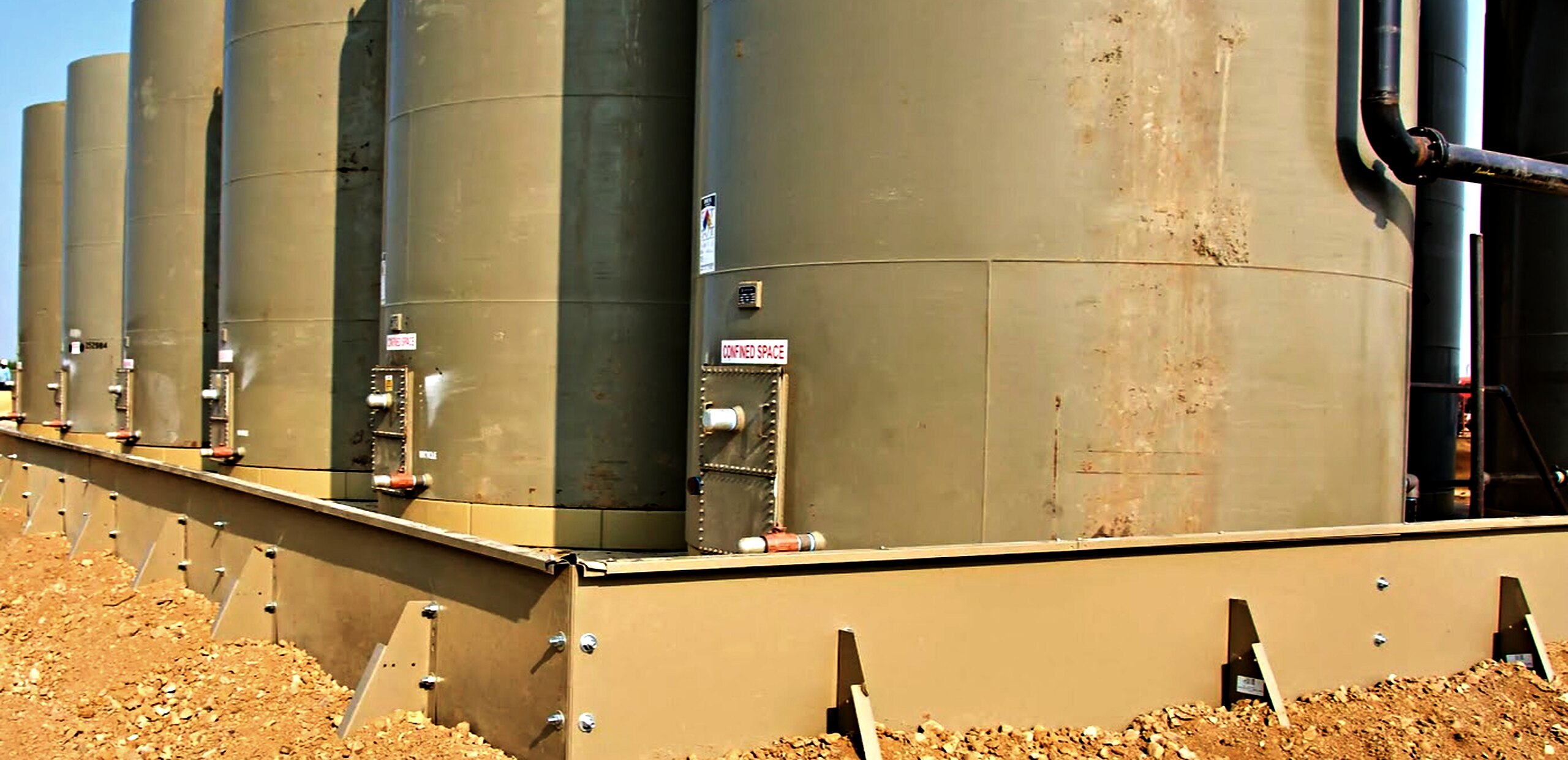
Water and fuel tanks
Tanks and berms are a dime a dozen in the oil and gas industry, using and producing fluids of many kinds as both a tool and a product. Especially for highly flammable fuel storage tanks, it’s paramount to take every available step to ensure they remain insulated from sparks that could set more than company profits aflame.
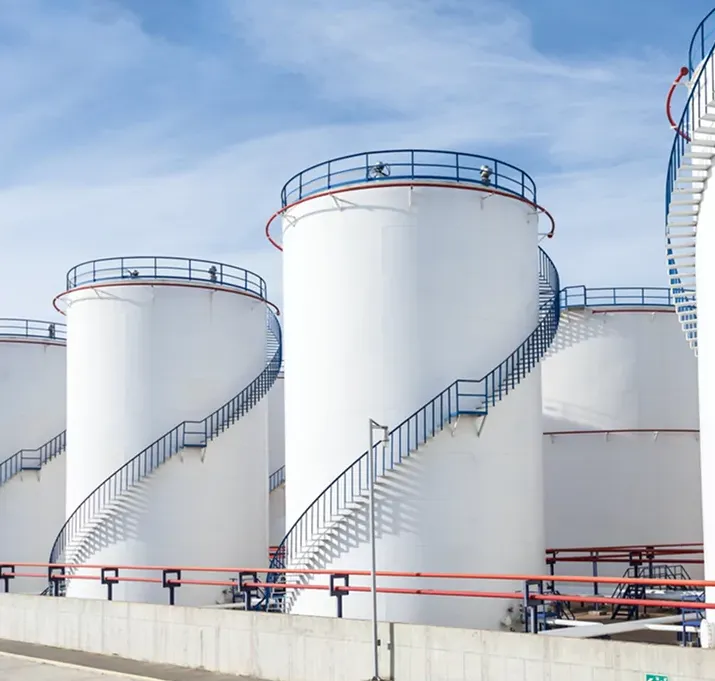
Secondary containment products
Secondary containment underpins the safe and continued operation of the oil and gas industry, and our coatings have played an increasingly important role. But we don’t just offer a one-size-fits-all technology, but rather a suite of specialty formulations designed to provide optimized functionality for different applications:
- EnviroThane EnviroThane is a top-of-the-line formulation with exceptional chemical resistance and impermeability. It also sports a quick set time, competitive flexibility, and extremely low shrinkage rates that can even exceed that of other elastomers.
- Armor HiChem
Armor HiChem is a 1:1 pure polyurea formulation with the most comprehensive chemical and corrosion resistance that’s ideally suited for managing acids, solvents, saltwater, and other corrosive species prevalent in the oil and gas industry. - STS 300
Our STS 300 formulation is an improved polyurethane developed from our earlier STS 200 product. It features greater abrasion resistance than its predecessor and low permeability for improved chemical resistance. - HIGHLINE 310 One of our fastest setting polyurea formulations, HighLine 310 is another one of our 1:1 polyurea formulations and possesses excellent impact, abrasion, and chemical resistance along with consistent performance in extreme temperatures both hot and cold.
- HIGHLINE 510H HighLine 510H is a pure polyurea with an emphasis on corrosion resistance. It also features superior skid resistance that’s harder and more abrasion resistant than our HighLine 510, along with a lower sensitivity to moisture for spraying in environments that aren’t suitable for the use of other elastomeric coatings.
- ULTRATECH - PURE POLYUREA We call it UltraTech for a reason; it’s our most wear-resistant formulation, possessing unmatched abrasion resistance and tensile strength along with high elongation.
Frequently asked questions
What Is Containment In Oil And Gas?
Containment has the same meaning and purpose in the context of the oil and gas industry as it does across other sectors, which is to contain hazardous materials from harming people and the environment. The oil and gas industry is unique in that the majority of both tools and products involve hazardous substances so containment is more prevalent and exists in more forms than in other industries, most notably including multi-purpose berms.
What Is A Secondary Containment Berm?
Berms are embankments or ridges constructed to prevent movement of hazardous materials, so you can think of them as spill trays for industries like oil and gas. They function to catch any accidental spills or leaks and are a primary measure for secondary containment, helping prevent dangerous chemical exposures that can wreak havoc to both on-site personnel and the local environment.
What Is The Difference Between A Dike And A Spill Berm?
Dikes and spill berms are similar in that they’re both used as a secondary containment measure but differ in what they are and how they work. Dikes are typically larger and semi-permanent, whereas berms are smaller and with shorter lifetimes. They’re each applied in several different contexts, but both serve to help contain hazardous materials.
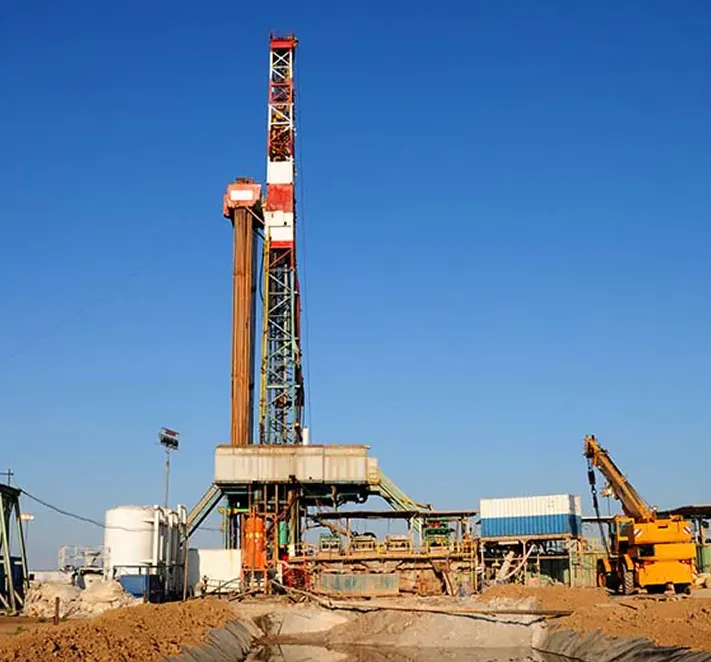
Safer energy infrastructure with ArmorThane
Even as the green revolution continues to make great strides, there’s no doubt that the oil and gas industry is here to stay for the foreseeable future. It’s therefore important not to throw out the baby with the bathwater and focus solely on more renewable technology, instead of simultaneously working to make the oil and gas industry as clean and safe as possible. That’s what makes ArmorThane’s oil and gas berm coatings a critical technology for an evolving energy landscape; with polyurea and polyurethane coatings, berms and other secondary containment measures can be made safer, more effective, and long-lasting than ever before. So if you’re the proud owner or operator of oil and gas infrastructure in need of new or improved secondary containment measures for your oil and gas berms, contact ArmorThane today. You’re only one call away from the industry’s best and brightest when it comes to innovative elastomer technology, meaning you’re also only one call away from safer and more cost-effective operations!
Start your coatings business with ArmorThane.
Tell us what you want to spray and where you are. An ArmorThane specialist will walk you through the equipment, chemicals, training and startup cost for the work you want to do.
- Equipment package matched to your applications
- Hands-on training and applicator certification
- Technical support once you are spraying
More to read on containment
Short reads from ArmorThane on Issuu. Tap one to open it right here.
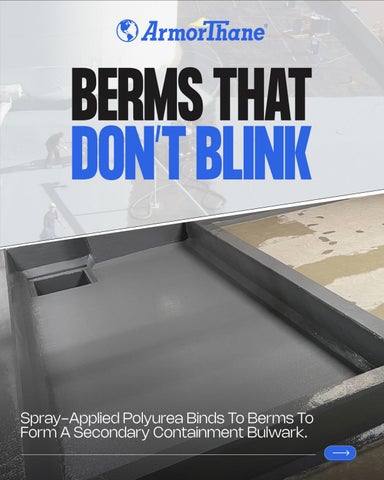
 Quick readBerms That Don’t Blink: Polyurea Secondary Containment Berms
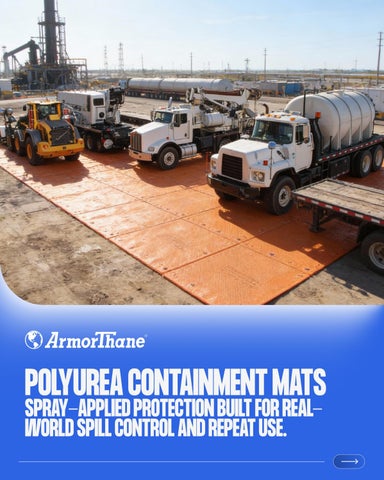
- Quick readPolyurea Containment Mats – Spray-Applied Spill Control for Industrial Jobsites
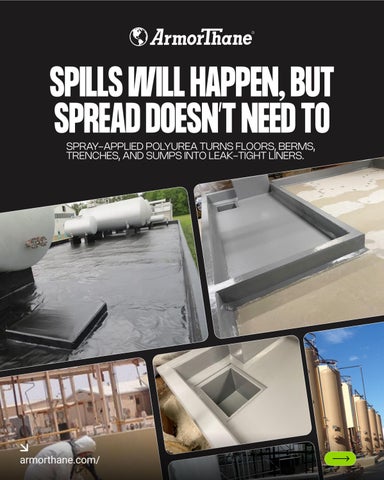
- Quick readSpills Will Happen, But Spread Doesn’t Need To: Spill Containment Coatings
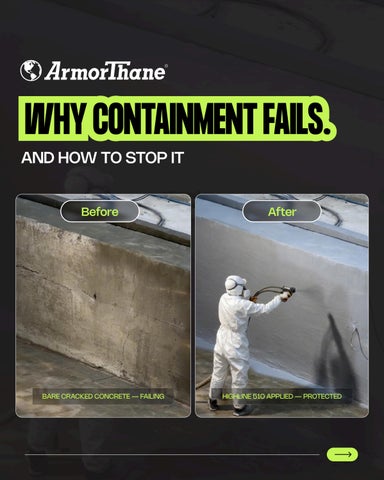
- Quick readWhy Containment Floors Fail & How HighLine 510 Stops It