









Pipe Insulation: Materials, Thickness & Code Requirements
Which pipe insulation to use on hot, cold and exposed lines, what the 2021 IECC requires, how to stop sweating pipes, and calculators for heat loss and condensation.
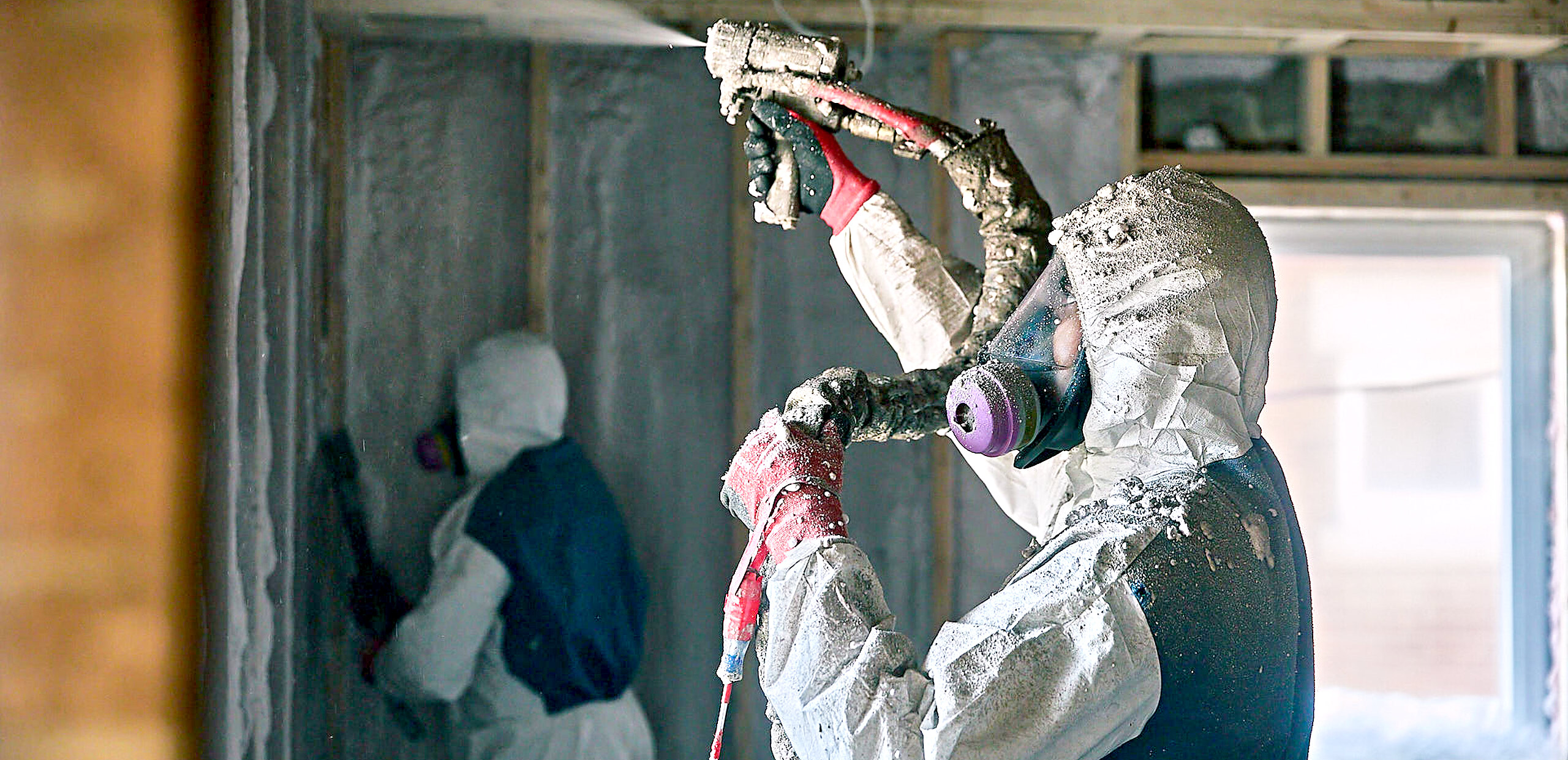
Spray foam for a living.
ArmorThane is the one-stop shop for applicators. We make the chemistry, build the equipment, train you hands-on and back you with technical support, with no franchise fees and no royalties. Applicators have come first here since 1989.
- $0franchise fees or royalties
- 35+years in business
- 50+countries with applicators
- 24/7technical support
Pipe insulation does three different jobs depending on which pipe it is on: it keeps heat in hot water and heating lines, it keeps cold lines from sweating, and it buys time before an exposed water line freezes. The right material and thickness are different for each job. We make closed-cell spray foam and polyurea that end up on tanks, buried lines and industrial piping, but most household pipe insulation is a foam tube from the hardware store, and that is often the right answer. This guide covers which pipe insulation to use where, what the energy code requires, and two calculators: one for heat loss and savings on hot lines, one that checks whether a cold line will sweat.
For household hot and cold water lines, closed-cell foam tubes (polyethylene or flexible elastomeric) sized to the pipe's outside diameter are the standard choice; choose a wall thick enough to reach R-3 (about 3/4 inch for typical foams), the 2021 IECC minimum for hot water piping in most locations. On cold or chilled lines, the insulation must have a sealed vapor retarder or it will sweat and drip inside. Near flues or on steam and high-temperature lines, use fiberglass or mineral wool pipe sections. Insulation slows freezing but does not prevent it in sustained cold; pipes in unheated spaces also need heat or a warmer location.
The three jobs of pipe insulation
Save energy and wait time
Hot water, hydronic heating and steam lines lose heat to the air around them every hour they are warm. DOE's steam guidance says insulation typically cuts those losses by about 90%. On domestic hot water, it also keeps water hotter between draws.
Stop sweating
A cold pipe in humid air collects condensation that drips, stains ceilings and feeds mold. Preventing it takes two things: an insulation surface that stays above the dew point, and a vapor retarder so moist air cannot reach the cold pipe.
Slow freezing
In crawl spaces, garages and exterior walls, insulation increases the time it takes for still water to freeze. It cannot add heat, so in a long cold snap an insulated pipe with no heat source can still freeze.
Knowing which job matters most decides everything else. A 1/2-inch polyethylene sleeve that is fine on a hot line in a basement will drip on a chilled water line in a humid mechanical room, and no foam tube will save a supply line in an uninsulated crawl space during a week of single-digit nights. Pipes and ducts that run through a vented attic face the opposite problem in summer; our radiant barrier guide covers keeping that space cooler.
Pipe insulation materials compared
Most pipe insulation sold in the U.S. falls into six families. Closed-cell foams (more than 90% closed cells, the usual industry definition) resist water vapor on their own; fibrous materials need a jacket to do the same. Click a header to sort.
| Material | Form | Closed-cell? | Cold lines | High temperature | Fire behavior | Where we use it |
|---|---|---|---|---|---|---|
| Polyethylene foam tube | Pre-slit tube, often self-sealing | Yes | OK with taped seams | No | 25/50 per ASTM E84 up to 1 in thick in many products | Household hot and cold water, DIY |
| Flexible elastomeric (rubber) foam | Tube or sheet | Yes | Good, the standard for chilled and refrigerant lines | Moderate | Check listing for plenums | AC refrigerant lines, chilled water, condensate |
| Fiberglass pipe section | Rigid half-shells with jacket | No | Only with a sealed vapor-retarder jacket | Yes | Glass fiber; facing determines rating | Commercial hot water, heating, steam |
| Mineral wool pipe section | Rigid half-shells | No | Not preferred | Yes, highest | Stone wool rated noncombustible (ASTM E136) | Steam, process piping, fire-separation areas |
| Rigid PIR or polyiso pipe section | Rigid half-shells | Yes | Good with jacket | Moderate | Needs a jacket or facing in most uses | Chilled water mains, cold process lines |
| Closed-cell spray polyurethane foam | Sprayed in place, often topcoated | Yes | Good | Moderate | Needs a protective or thermal barrier coating per code | Large or buried lines, tanks, odd shapes, fittings |
Size matters more than people expect. Pipe insulation is sized to the outside diameter of the pipe, and copper and PEX use copper tube sizing while steel pipe uses iron pipe sizing, so a "1/2-inch" tube for copper will not close around 1/2-inch steel. Measure the outside diameter or check the stamp on the pipe before you buy.
Spray foam is the outlier in the table. For a few runs of 3/4-inch copper it is overkill. Where it earns its place is on large-diameter lines, valves and fittings that tubes cannot wrap cleanly, tanks, and buried or outdoor piping, usually protected with a tough topcoat. Our closed-cell spray foam guide covers the material, and the insulation R-value chart compares its R per inch with everything else.
Pipe heat loss calculator
Pick a pipe size, water temperature, the temperature of the space the pipe runs through and how long the line stays hot each day. The tool calculates heat loss per foot for the bare pipe and with insulation, then the yearly energy and cost difference.
What does a bare hot line cost you?
Cylindrical conduction: R = ln(r2/r1) ÷ (2πk), plus a still-air surface film of 1.47 Btu/h·ft²·°F (the ASHRAE R-0.68 still-air film). Copper and PEX outside diameters. Simplified: no wind, steady temperatures. For engineered sizing, use NAIMA's 3E Plus, built on ASTM C680.
Pipe condensation checker
Cold water lines sweat when their surface is colder than the dew point of the surrounding air. This checker calculates the dew point from temperature and humidity, then the outer surface temperature of the pipe bare and insulated, and finds the thinnest standard wall that keeps the surface above the dew point.
Will this cold pipe sweat?
Dew point by the Magnus formula. Surface temperature from the same conduction and surface-film model as the heat loss calculator. A 2°F safety margin is added. Thickness alone is not enough: the insulation also needs a sealed vapor retarder.
What the energy code requires for pipe insulation
For homes, the 2021 International Energy Conservation Code has two pipe insulation rules. Your jurisdiction may use a different edition or amendments, so confirm locally.
Mechanical system piping (R403.4)
Piping that carries fluids above 105°F or below 55°F, such as hydronic heating, chilled water and refrigerant lines, must be insulated to at least R-3. Insulation exposed to the weather has to be protected from sunlight, moisture, equipment maintenance and wind damage, and the code specifically calls out protecting it from UV.
Service hot water piping (R403.5.3)
Domestic hot water piping needs at least R-3 insulation in these locations:
- Piping 3/4 inch and larger in nominal diameter inside the conditioned space
- Piping serving more than one dwelling unit
- Piping outside the conditioned space, under a floor slab, or buried
- Piping from the water heater to a distribution manifold
- Supply and return piping in circulation and recirculation systems (other than the cold water supply of demand recirculation systems)
Commercial buildings follow the commercial IECC or ASHRAE 90.1, which set minimum thicknesses by fluid temperature and pipe size. Those tables call for more insulation on larger and hotter pipes, and they are the place to start for any commercial or industrial job.
Insulating pipes against freezing
Most frozen pipes we see are in three places: crawl spaces, exterior walls, and under kitchen and bathroom sinks on outside walls. Insulation helps in all of them, but it only slows heat loss. The American Red Cross recommends a layered approach:
Insulate the space, not just the pipe
Add insulation to attics, basements and crawl spaces so they stay warmer. In crawl spaces, sealing and insulating the walls puts the pipes inside the thermal envelope; see our crawl space encapsulation guide.
Sleeve or wrap exposed lines
Insulate hot and cold pipes in unheated areas like garages and under cabinets with pipe sleeves, or use UL-listed heat tape where pipes stay at risk. The Red Cross notes even 1/4 inch of newspaper helps in areas that rarely see prolonged freezing.
Keep the heat on
Hold the thermostat at the same temperature day and night during cold snaps, and no lower than 55°F if you are away. Open cabinet doors so room air reaches the pipes.
Keep water moving and drain the outside
A faucet at a slight trickle helps prevent freezing. Drain hoses and close the inside shutoff to outdoor spigots before winter.
How to install pipe insulation
Foam tube insulation is one of the easiest energy jobs in a house. The difference between a job that works and one that sweats or slides off is in the details.
Measure the outside diameter
Copper and PEX share copper tube sizes; steel and black iron use iron pipe sizes. Buy tube for the actual outside diameter so the slit closes without gaps or stretching.
Clean and dry the pipe
On cold lines, wipe off condensation and wait for a dry day or run a dehumidifier first. Insulation installed over a wet pipe traps the water against it.
Close every seam
Press self-sealing slits together firmly, or glue them with the manufacturer's adhesive. Butt the ends of each length tight and tape the joints. On cold lines, use vapor-retarding tape so moist air cannot get under the insulation.
Miter the elbows and tees
Cut 45-degree miters for elbows and a notch for tees rather than leaving fittings bare. Fittings and valves are where cold lines drip first.
Respect heat sources
Keep foam insulation away from water heater flue pipes and other hot vents, and follow the product's clearance instructions. Use fiberglass or mineral wool where pipes run near heat.
Protect anything outdoors
UV breaks down most foams. The IECC requires outdoor piping insulation to be protected from sunlight and weather, typically with a jacket, a coating or both.
When spray foam and polyurea make sense
On commercial, agricultural and industrial work, piping is often too big, too irregular or too exposed for tubes. Closed-cell spray foam bonds to the pipe, fills around valves, flanges and supports, and doubles as a vapor retarder on cold lines. Outdoors or underground, we top it with polyurea to protect it from UV, impact and moisture. Our applicators also protect bare steel lines against corrosion; see corrosion prevention coatings. For a handful of residential copper runs, buy the tubes instead.
Pipes too big for tubes? Spray them.
Certified ArmorThane applicators spray closed-cell foam and protective polyurea on large-diameter piping, tanks and fittings, and seal crawl spaces so supply lines stay above freezing.
Contractors: become an applicator →
Pipe insulation questions
What is the best pipe insulation for hot water pipes?
For household copper or PEX hot water lines, a closed-cell polyethylene or elastomeric foam tube sized to the pipe works well. Choose a thickness that reaches about R-3, the 2021 IECC minimum for hot water piping in most locations, and use fiberglass near flues or on very hot lines.
Should I insulate cold water pipes?
Yes, where they sweat or could freeze. Cold lines in humid basements and crawl spaces collect condensation, and lines in unheated spaces can freeze. Use closed-cell foam with sealed seams so moist air cannot reach the pipe.
Does pipe insulation prevent freezing?
It slows freezing but does not prevent it. Insulation reduces heat loss; it cannot add heat. In sustained cold, pipes in unheated spaces need heat, such as UL-listed heat tape, a warmer location or an insulated, sealed crawl space.
How thick should pipe insulation be?
For homes, enough to reach R-3 on hot water and mechanical piping under the 2021 IECC, which is roughly 3/4 inch for common foams with a k-value near 0.25. On cold lines, thickness should keep the surface above the dew point; use the condensation checker above. Commercial piping follows thickness tables in the commercial IECC or ASHRAE 90.1.
How much heat does pipe insulation save?
DOE's guidance for steam and hot process lines is that insulation typically reduces energy losses by about 90%. On household hot water lines, savings depend on how long the pipe stays hot each day; the heat loss calculator above estimates it for your run.
Can I use foam pipe insulation outside?
Only with protection. The IECC requires outdoor pipe insulation to be shielded from sunlight, moisture and physical damage. Use a UV-resistant jacket or coating, or a product rated for outdoor exposure.
Why is my insulated pipe still sweating?
Usually because moist air is getting under the insulation through open seams, unsealed ends or bare fittings, or because the insulation is too thin for the humidity. Seal every seam and joint with vapor-retarding tape and check the thickness with the condensation checker.
Can spray foam be used to insulate pipes?
Yes. Closed-cell spray foam is used on large-diameter, irregular, buried and industrial piping and on tanks, often with a polyurea topcoat for protection. For small residential copper lines, foam tubes are simpler and cheaper.
Sources
- U.S. Department of Energy, Steam Tip Sheet: Insulate Steam Distribution and Condensate Return Lines: energy.gov (PDF)
- International Code Council, 2021 IECC Chapter 4 (residential energy efficiency), sections R403.4 and R403.5.3: codes.iccsafe.org
- American Red Cross, preventing frozen pipes: redcross.org
- NAIMA Insulation Institute, 3E Plus insulation thickness software (ASTM C680): insulationinstitute.org
- Pipe insulation overview (condensation control, closed-cell definition, polyethylene fire rating): wikipedia.org
- ROCKWOOL product data (stone wool noncombustibility, ASTM E136): rockwool.com
Insulate and protect in one system.
Facility owners get a certified ArmorThane applicator who sprays closed-cell foam and protective polyurea on piping, tanks and fittings. Contractors can add spray foam and coatings with no franchise fee and no royalties.
Start your coatings business with ArmorThane.
Tell us what you want to spray and where you are. An ArmorThane specialist will walk you through the equipment, chemicals, training and startup cost for the work you want to do.
- Equipment package matched to your applications
- Hands-on training and applicator certification
- Technical support once you are spraying
Large pipes, tanks or buried lines? We can spray them.
Tell us what the piping carries, the pipe sizes and total length, whether it is indoors, outdoors or buried, and where the project is. We will connect you with a certified applicator near you.
- What the pipe carries and its temperature
- Pipe sizes and total length
- Indoors, outdoors or buried
- City or ZIP code
More in Industrial & infrastructure
 Industrial & infrastructureOil Containment
 Industrial & infrastructureOil Undercoating
 Industrial & infrastructurePipeline Coatings
 Industrial & infrastructurePlant Room Bund Lining
 Industrial & infrastructurePlanter Box Liner
 Industrial & infrastructurePolyurea Manhole Rehabilitation Coatings
 Industrial & infrastructurePrimary Containment
 Industrial & infrastructureRepairing Deteriorating Sewer Systems – Case Study