Spray foam soundproofing
Spray foam soundproofing for walls, ceilings, vehicles and equipment rooms: how open and closed cell ArmorFoam cuts noise and where it works best.

Spray foam for a living.
ArmorThane is the one-stop shop for applicators. We make the chemistry, build the equipment, train you hands-on and back you with technical support, with no franchise fees and no royalties. Applicators have come first here since 1989.
- $0franchise fees or royalties
- 35+years in business
- 50+countries with applicators
- 24/7technical support
Start your coatings business with ArmorThane.
Tell us what you want to spray and where you are. An ArmorThane specialist will walk you through the equipment, chemicals, training and startup cost for the work you want to do.
- Equipment package matched to your applications
- Hands-on training and applicator certification
- Technical support once you are spraying
How does spray foam soundproofing work?
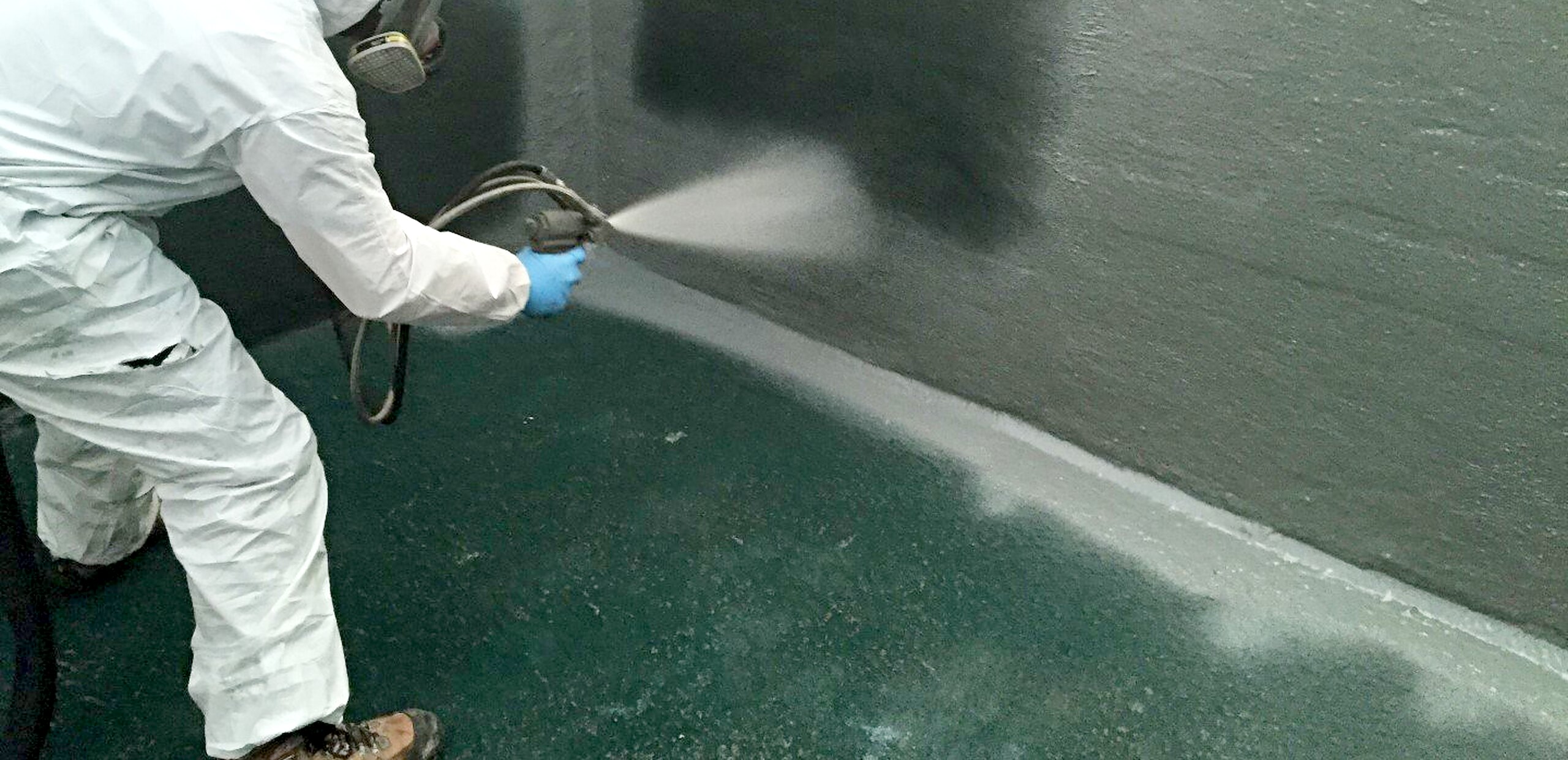
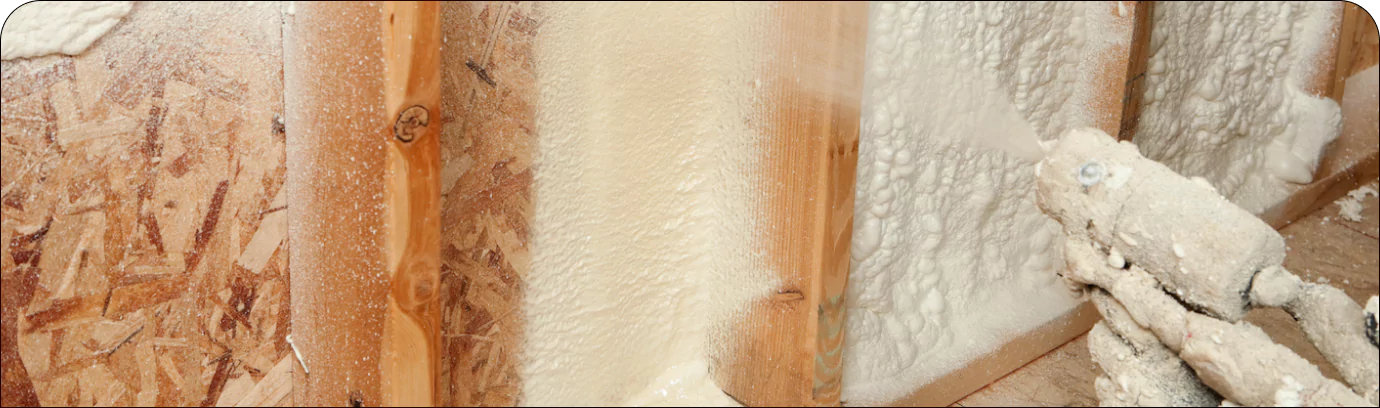
Spray foam effectively reduces noise transmission by creating an airtight seal. The foam expands and fills gaps, cracks, and crevices, creating a solid barrier. Unlike traditional insulation materials like fiberglass or cellulose, spray foam adheres to surfaces, eliminating any air pockets that can allow sound waves to pass through.
Where Spray Foam Soundproofing Works Best
Foam is most effective at soundproofing where noise travels through air gaps and hollow cavities. Foam expands into every crack around outlets, pipes and framing, so it closes the small openings that let sound slip from one room to the next. That is why it shows up in projects like these:
- Interior walls and ceilings between bedrooms, offices, home theaters and bathrooms.
- Floor systems in multi-family buildings, where footfall and voices carry between units.
- Mechanical and equipment rooms that house compressors, pumps and HVAC units.
- Metal buildings and shops, where rain and wind drum on thin steel panels.
- Vehicles, trailers and vans, where foam reduces panel vibration and road noise.
- Commercial interiors such as restaurants, studios and churches that need quieter rooms.
In each case the foam is sprayed into open framing before the wall or ceiling is closed, or applied directly to the back of metal panels. Retrofit work in finished walls usually needs a different approach, such as injection foam.
Open Cell vs. Closed Cell for Sound Control
The two foam types handle sound differently. Open-cell spray foam is soft and porous, so it absorbs airborne sound such as voices, music and TV noise inside a cavity. It is the usual choice for interior walls and ceilings where the goal is a quieter room.
Closed-cell spray foam is denser and more rigid. It stiffens thin panels and damps vibration, which helps on metal roofs, vehicle bodies and equipment housings. It also adds insulation value and acts as a moisture barrier, so it is often chosen where both noise and condensation are problems. Many projects use both: open cell in interior partitions and closed cell on exterior walls and rooflines.
Neither foam is a complete soundproofing system on its own. Low-frequency sound such as bass and heavy machinery is controlled mainly by mass and by decoupling one side of a wall from the other. Foam works best combined with those methods: it seals the leaks and fills the cavity, while extra drywall layers, resilient channels or staggered studs handle the deep tones. Our article on whether spray foam reduces noise goes deeper into what to expect.
It also helps to set expectations with the building owner. Foam makes a clear difference to voices, music and the general hum between rooms, and it removes the hollow, echoing sound of empty walls. It will not stop a drum kit or a diesel generator on its own. Applicators who explain this up front, and who pair foam with the right wall assembly when the noise is severe, end up with satisfied customers and fewer callbacks. Measuring the space, listening for the problem and writing down the goal before quoting keeps everyone on the same page.
Moisture is the other planning point. In basements, crawl spaces and exterior walls, the foam choice affects how the wall dries. Closed-cell foam limits vapor movement, while open-cell foam allows the assembly to breathe. Local climate and building codes decide which is right, so an experienced installer looks at the whole wall, not just the noise.
Planning a Spray Foam Soundproofing Project
A good result starts before anyone sprays. Applicators usually walk the building and check these points:
- Identify the noise. Airborne noise and impact noise need different solutions, so find out what people actually hear.
- Find the flanking paths. Sound often travels around a wall through ducts, gaps under doors or shared framing. Sealing those paths matters as much as filling the cavity.
- Choose the foam and thickness. Match open or closed cell to the cavity, the climate and the moisture conditions.
- Protect the foam. Interior spray foam generally needs a thermal or ignition barrier, such as drywall, under building codes.
- Ventilate and cure. Spray foam is a reactive chemical product. Professional installers follow OSHA guidance on spray foam chemical hazards, ventilate during application and keep occupants out until the foam has cured.
The same chemistry quiets more than buildings. Foam-filled tires reduce road noise in electric vehicles, as described in polyurethane foam insulated tires, and sprayed coatings can damp panels in trucks and vans. If you install foam for a living, soundproofing is another service you can offer with the same equipment. ArmorThane supplies the ArmorFoam products, spray rigs and hands-on training; learn how to become an applicator.
Benefits of spray foam soundproofing
Excellent Noise Reduction
Spray foam is particularly effective at reducing airborne noises, such as conversations, traffic sounds, or barking dogs. Its dense structure absorbs and dampens sound waves, preventing them from traveling through walls, ceilings, or floors.
Versatile Application
Spray foam can be applied to various surfaces, including walls, ceilings, floors, and even HVAC ducts. It can be sprayed directly on existing insulation materials or applied as a standalone solution.
Learn moreEnergy Efficiency
In addition to soundproofing benefits, spray foam also enhances energy efficiency by sealing gaps and reducing air leakage. This means that you’ll not only enjoy a quieter environment but also save on heating and cooling costs.
Longevity
Spray foam is known for its durability, and once applied, it can last for decades without losing its soundproofing properties. It doesn’t sag or settle over time, ensuring long-lasting performance.
Learn more
Considerations for spray foam soundproofing
While spray foam soundproofing offers numerous advantages, there are a few considerations to keep in mind:
- Professional Installation: Spray foam application requires specialized equipment and expertise. It's recommended to hire a professional to ensure proper installation and optimal soundproofing results.
- Cost: Spray foam soundproofing can be more expensive compared to other soundproofing materials. However, considering its efficiency and long-term benefits, it's often considered a worthwhile investment.
- Space Availability: Spray foam expands significantly during installation, so it's important to assess the available space before application. Additionally, it's important to note that it cannot be easily removed once applied.
Conclusion
If you’re looking for an effective and long-lasting soundproofing solution, spray foam is definitely worth considering. Its ability to create an airtight seal and effectively reduce noise transmission provides a peaceful and quiet environment within your living space. While it may require professional installation and a slightly higher upfront cost, the benefits of spray foam soundproofing make it a valuable investment for those seeking tranquility in their homes or offices.
Take the first step towards a low cost polyurea, polyurethane, or spray foam business opportunity and call us or fill out our contact form below. Someone from our company will contact you to answer your questions and provide you more information.