
Rust Proofing: Methods That Work & When to Apply
How road salt and brine attack a vehicle, which rust proofing methods work and which do not, the three zones every program must cover, and tools to diagnose rust and plan your treatments.
Spray roofs for a living.
ArmorThane is the one-stop shop for applicators. We make the chemistry, build the equipment, train you hands-on and back you with technical support, with no franchise fees and no royalties. Applicators have come first here since 1989.
- $0franchise fees or royalties
- 35+years in business
- 50+countries with applicators
- 24/7technical support
Rust proofing is a maintenance program, not a product. The vehicles that stay solid in salt country are the ones that get the right treatment in the right places on a schedule, starting before rust has a foothold. The ones that rot usually got a single coat of something years ago, or a dealer package nobody ever inspected. We have made protective coatings since 1989 and support applicators who protect everything from pickups to plow trucks. This guide explains how road salt actually attacks a vehicle, which rust proofing methods work and which don't, when to apply them, and two tools: a rust stage checker and a treatment schedule planner.
Effective rust proofing has three parts: a penetrating oil or wax sprayed inside the enclosed cavities (rocker panels, doors, frame rails), a protective film or coating on the exposed underbody, and regular underbody washing during and after salt season. Drip oil is reapplied every year, dripless products about every 18 months, and wool-wax products about every two years. Electronic rust modules have no peer-reviewed evidence that they work on vehicles. Start while the metal is clean; rust proofing slows existing rust but does not reverse it.
How road salt rusts a vehicle
Steel rusts when iron, oxygen and water meet, and dissolved salt makes that water a far better electrolyte. Every winter road agencies spread a lot of it. The U.S. Geological Survey reports that highway deicing used about 41% of all salt consumed in the country in 2024, and Environment and Climate Change Canada puts Canadian use at about five million tonnes a year. AAA estimated U.S. drivers spend about $3 billion a year repairing rust damage caused by de-icers.
What has changed in the last couple of decades is the mix. Many agencies now pre-wet roads with liquid brines and add calcium or magnesium chloride for colder days. The Minnesota Pollution Control Agency lists the lowest practical melting pavement temperature as about 15°F for rock salt, -10°F for magnesium chloride and -20°F for calcium chloride, and rates all three as highly corrosive. The two chloride brines are hygroscopic, meaning they pull moisture from the air, so they keep a film of salty water on the frame long after the road looks dry.
Gets everywhere
Liquids wick into seams, spot welds and the inside of frame rails in a way rock salt crystals never did.
Stays wet
Calcium and magnesium chloride residues draw moisture from humid air, so corrosion continues between storms.
Speed it up
Parking a salty vehicle in a heated garage melts the slush and keeps the underbody warm and wet. Rinse before you park it.
Corrosion is also a cost problem far beyond cars. NACE International's IMPACT study put the global cost of corrosion at about US$2.5 trillion, roughly 3.4% of global GDP, and estimated that 15 to 35% of it could be saved with established corrosion control practices. The vehicle version of those practices is simple: keep salt off the metal, keep a protective film on it, and inspect on a schedule.
Rust proofing methods compared
Rust proofing methods fall into two camps. Soft films (oils, greases, waxes, lanolin) stay wet or tacky, creep into seams and self-heal when scraped, but wear off and must be renewed. Hard barriers (tar, rubberized, polyurea) last longer on exposed surfaces but only protect while they stay intact, and they cannot reach inside closed cavities. Good programs usually combine both. Click a column heading to sort.
| Method | Reapply about every | Typical price | Reaches inside cavities | What the evidence says |
|---|---|---|---|---|
| Drip oil spray | 1 year | About $160–$180 per visit (U.S.) | Yes, via access holes | Recommended by Canada's Automobile Protection Association when applied thoroughly |
| Dripless oil spray | 18 months | About $130–$170 (CAD) | Partly | Less mess; thicker, so it creeps less |
| Lanolin / wool-wax | About 2 years on exposed areas | About $249–$399 per package | Yes | Resists wash-off; enclosed areas can last years |
| Grease-based | Touch-ups after 5–6 years | Several hundred dollars | Less effective in remote areas | Does not drip; not widely available |
| Tar / asphalt spray | 3–5 years | About $130–$170 (CAD) | No | Durable barrier, but cracks and hides rust if applied over dirt |
| Dealer "lifetime" wax package | Varies | About $800–$1,000+ | Varies | Consumer Reports says rustproofing is not worth it on new cars |
| Electronic rust module | n/a | ~$150 retail; $500–$1,000 at dealers | No | No peer-reviewed testing supports it; corrosion professionals find it does not work |
| Polyurea coating | Multi-year; inspect yearly | $5–$10 per sq ft installed | No | Very tough exposed-surface barrier on clean, blasted metal |
Rust stage checker: is it too late to rust proof?
Rust proofing works best on clean metal, but it is rarely too late to help. What changes is the prep and the products. Pick what you see on the worst area of the vehicle and the checker tells you the stage, what to do first, and which rust proofing products still make sense.
What stage is your rust, and what does it need?
Stages follow the usual shop classification: surface rust, scale, and penetrating rust. Location raises or lowers urgency because frame rails, brake lines and rocker panels carry loads or safety functions.
The three zones every rust proofing program must cover
When we look at a rusted-out vehicle, the failure almost always started in a place the last rust proofing job never reached. A complete program treats three zones differently.
Enclosed cavities: the inside-out rust
Rocker panels, door and tailgate bottoms, cab corners, the inside of boxed frame rails, and crossmembers. Water and brine get in through seams and drain holes and sit there. Only a thin, creeping oil or wax applied with a 360 degree wand through existing holes, or properly drilled and plugged access holes, reaches this zone. This is where the APA-recommended annual oil treatment earns its reputation.
Exposed underbody: the outside-in rust
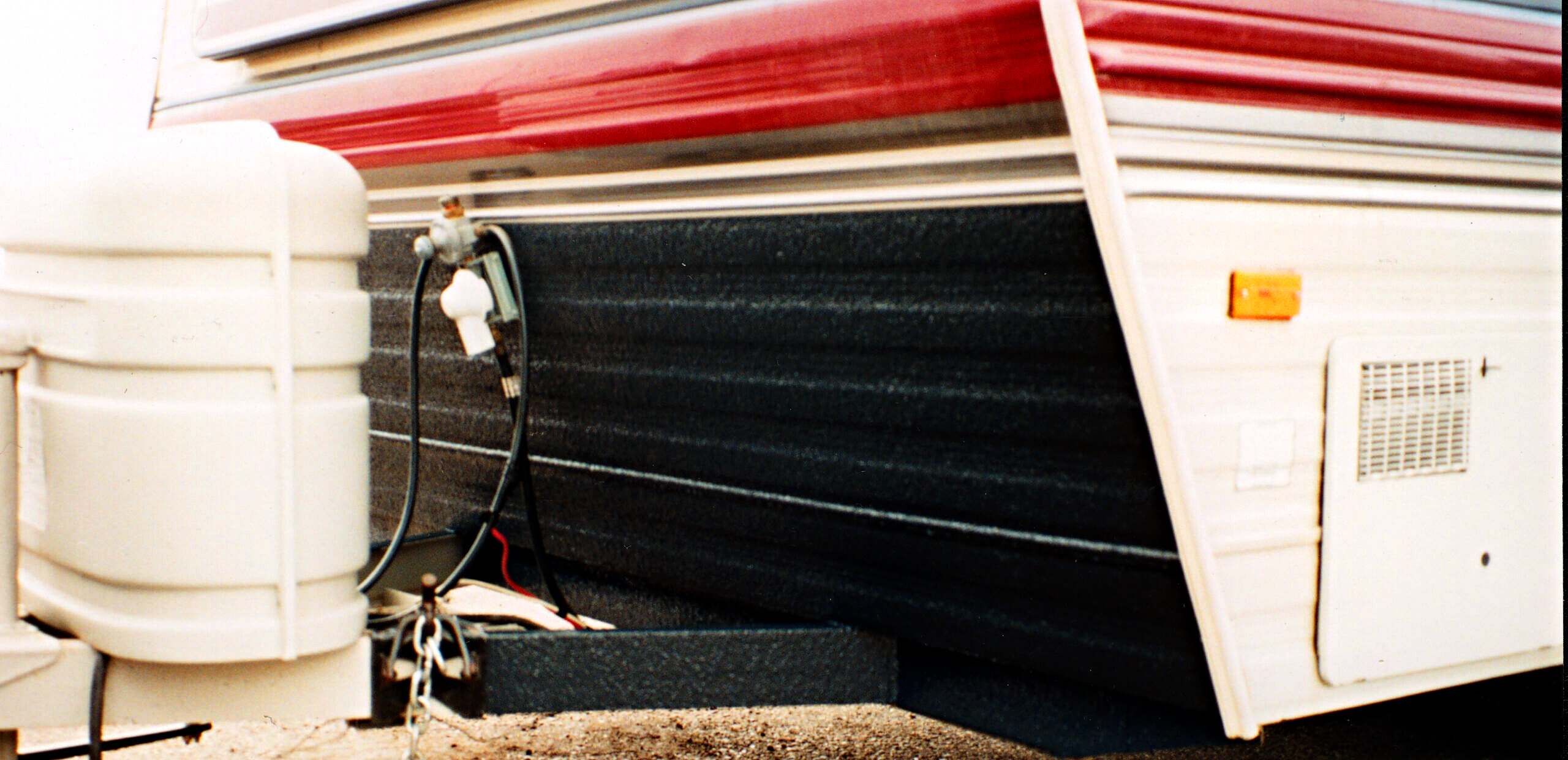
Frame exterior, floor pans, wheel wells, suspension arms, fuel tank straps, brake and fuel lines. This zone gets sandblasted by gravel and pressure-washed by slush, so the film must either be renewed often (oil, lanolin) or be tough enough to take the abuse (a properly applied hard coating on clean metal). On off-road, farm and work trucks, a polyurea undercoat over a primed, blasted frame is the hard-barrier option; see our truck undercoating guide for how that system is built.
Painted body: chips become rust
On steel panels a stone chip that reaches metal is a starter for rust. Most corrosion warranties exclude damage from chips and road debris. Touch-ups before winter and physical protection on the leading edges and rockers are part of rust proofing; our rock chip protection guide covers the options.
For cars and crossovers specifically, including whether the dealer package is worth it and how long your factory corrosion warranty lasts, read our car undercoating guide. If you are weighing a rubberized product, the rubberized undercoating page compares it against oil and polyurea in detail.
Rust proofing schedule planner
Rust proofing fails most often because the second and third treatments never happen. Enter the product you use and when it was last applied, and the planner builds a dated schedule that lands every treatment on dry, salt-free months ahead of your salt season, with a cost estimate.
When is your next rust proofing treatment due?
Intervals: drip oil 12 months, dripless 18 months, lanolin about 24 months, hard coatings inspected every 12 months. Any due date that falls in salt season is pulled forward to the month before it starts, because treatments go on best over clean, dry metal.
Want a barrier that lasts? Coat it in polyurea.
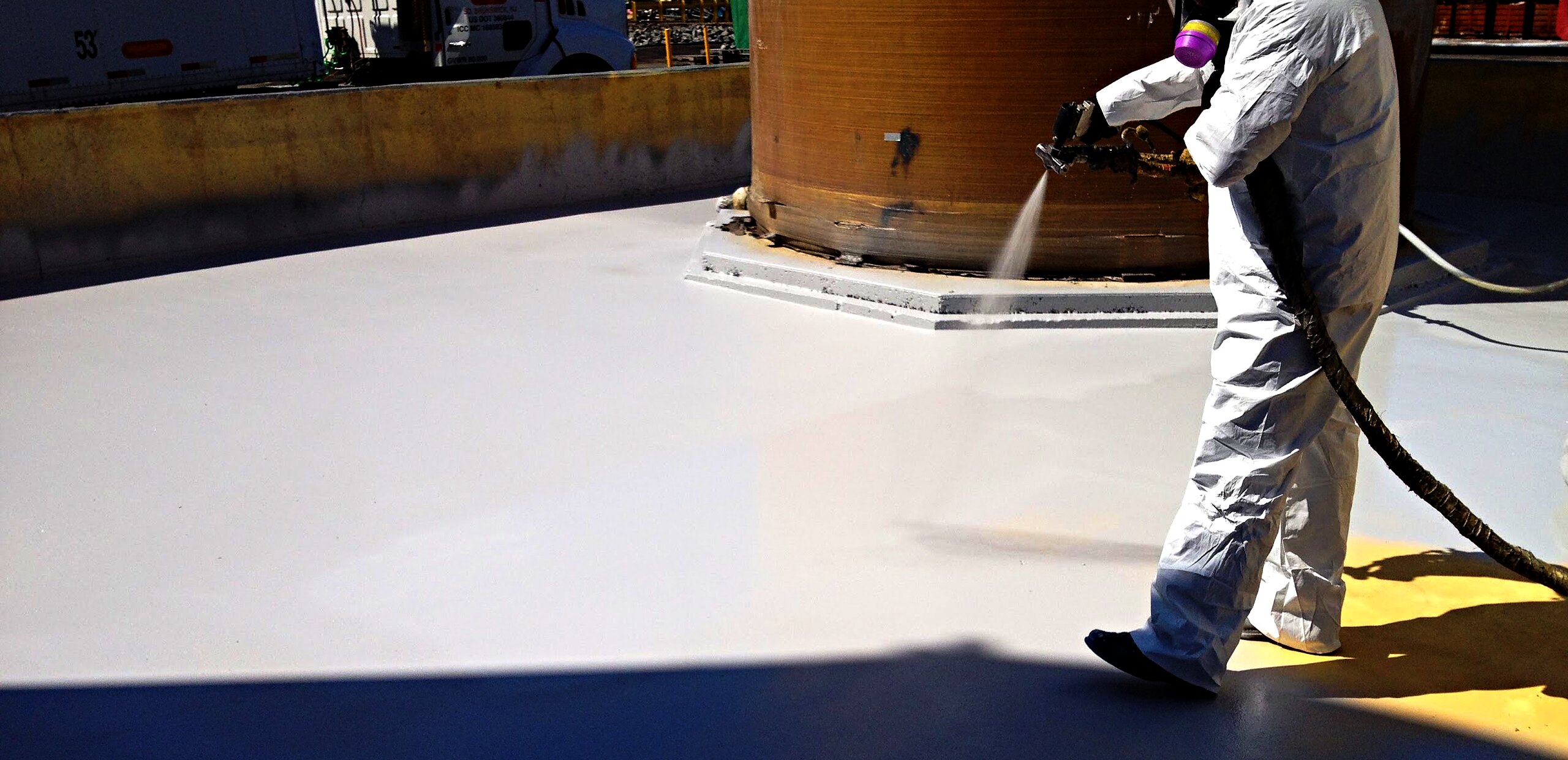
For trucks, plows, trailers and equipment that live in salt and gravel, certified ArmorThane applicators blast, prime and spray polyurea on exposed steel, then leave the cavities for oil or wax. Tell us what you run and we will match you with a shop.
Contractors: become an applicator →
Rust proofing questions
What is the best rust proofing?
For most vehicles in salt country, the best rust proofing is a thorough annual oil or lanolin treatment that reaches inside the rocker panels, doors and frame rails, combined with regular underbody washing. Canada's Automobile Protection Association recommends a thorough annual oil spray. Heavy-duty and off-road vehicles benefit from adding a hard polyurea coating on exposed, blasted steel.
What is the difference between rust proofing and undercoating?
Undercoating usually means a coating sprayed on the exposed underside of a vehicle. Rust proofing is the broader job, including treating the inside of enclosed cavities like rocker panels, doors and frame rails, where vehicles usually rust through first. A good program does both.
How often should you rust proof a vehicle?
Drip oil sprays are reapplied every year. Dripless oil products are commonly redone about every 18 months, and lanolin products about every two years on exposed areas. Hard coatings such as polyurea do not need reapplication on a schedule, but they should be inspected every year for damage.
When is the best time of year to rust proof?
On dry, warm days before salt season starts. Late spring through early fall works well because the metal is dry and the product can creep into seams before the first brine hits the road. Avoid applying over wet or salty metal in mid-winter.
Do electronic rust proofing modules work?
There is no peer-reviewed testing showing that electronic rust modules protect vehicles, and corrosion professionals generally find they do not work. They sell for about $150 at retail and $500 to $1,000 at dealerships. We recommend spending that money on a proven oil, wax or coating treatment.
Can you rust proof a vehicle that already has rust?
Yes. Oil and lanolin treatments slow surface rust and scale and are commonly applied to older vehicles. Loose scale should be removed first, and any holes or soft metal in frames, rocker panels or brake lines must be repaired before treatment, because rust proofing does not restore strength.
Does rust proofing drilling damage a vehicle?
Done properly, no. Reputable installers use existing drain and access holes where possible and, where needed, drill small holes with proper bits, treat the bare edge and plug them. Ask how holes are sealed and avoid anyone who drills into structural members or wiring areas without a plan.
Is road brine worse than rock salt?
Brines spread more evenly and wick into seams, and calcium and magnesium chloride are hygroscopic, which means they pull moisture from the air and keep surfaces wet longer. Minnesota's Pollution Control Agency rates all three common chloride deicers as highly corrosive, so washing the underbody matters no matter which one your area uses.
Sources
- USGS Mineral Commodity Summaries 2025, Salt: pubs.usgs.gov/periodicals/mcs2025/mcs2025-salt.pdf
- Environment and Climate Change Canada, road salts FAQ: canada.ca/.../road-salts/frequently-asked-questions
- Minnesota Pollution Control Agency, how salt works and deicing chemicals: stormwater.pca.state.mn.us/how_salt_works_and_overview_of_deicing_chemicals
- NACE International IMPACT study, executive summary: impact.nace.org/executive-summary.aspx
- AAA newsroom, road de-icers and vehicle rust damage: newsroom.aaa.com/2017/02/road-de-icers-cause-3-billion-annually-vehicle-rust-damage
- Rustproofing overview, including electronic systems: en.wikipedia.org/wiki/Rustproofing
- The Car Guide, choosing the best rustproofing treatment: guideautoweb.com/en/articles/79956
- Rates.ca, is rustproofing worth the cost: rates.ca/resources/rustproofing-worth-cost
- Krown St. Louis, price list: krownstl.com/pricing.html
- ECC Coating, Woolwax details: ecccoating.com/wwdetails
- Enthusiast's Domain, undercoating cost and lifespan: enthusiastsdomain.com/how-much-does-undercoating-cost
- Jalopnik, Consumer Reports on dealer add-ons: jalopnik.com/2176979/dealership-add-ons-to-avoid-consumer-reports
- ThePricer, car undercoating cost (2026): thepricer.org/car-undercoating-cost
- Croc Coatings, polyurea coating cost (2026): croccoatings.com/polyurea-coating-costs-explained
Steel lasts longer when it is protected.
Owners get a certified ArmorThane applicator who blasts, primes and coats exposed steel properly. Contractors can add rust protection services with no franchise fee and no royalties.
Start your coatings business with ArmorThane.
Tell us what you want to spray and where you are. An ArmorThane specialist will walk you through the equipment, chemicals, training and startup cost for the work you want to do.
- Equipment package matched to your applications
- Hands-on training and applicator certification
- Technical support once you are spraying
Salt season coming? Protect the steel first.
Tell us what you need protected, how it is used and what condition the metal is in today. We will connect you with a certified ArmorThane applicator near you.
- Vehicle, fleet or equipment
- Salt, brine or coastal exposure
- Rust you can see today
- Coating or annual treatment