Silo Waterproofing and Sealing With Polyurea
Spray Elastomer Coatings for Protecting Silos Against Water Damage and Insect Infestation
Coat farms and ranches for a living.
ArmorThane is the one-stop shop for applicators. We make the chemistry, build the equipment, train you hands-on and back you with technical support, with no franchise fees and no royalties. Applicators have come first here since 1989.
- $0franchise fees or royalties
- 35+years in business
- 50+countries with applicators
- 24/7technical support
Silos: Sentinels of agriculture
Most people have never seen a silo in person, let alone worked with one, yet they’re one of the few pieces of agricultural infrastructure that are known to just about everyone. Part of the reason is because of a silo’s size; they tower over surrounding structures and are often visible from miles away. But the other, more significant reason that grain silos are familiar to all of us, is because of their vital role in maintaining food security. Silos are sentinels of the agricultural industry, protecting hard-earned and always precious food and energy resources.
However, like any soldier, silos need to be equipped with the right protective gear if they are to be able to provide protection themselves, and there are two main enemy combatants to worry about: water and insects. Water and moisture can damage both the stored grain as well as the silo itself, spoiling grain and corroding the silo. Insects instead target solely the grain, consuming the supply, contaminating it with excrement, and exacerbating concerns about moisture. Silos must therefore be thoroughly sealed and waterproofed to maintain a controlled, low-moisture interior free of pests. Both can be accomplished simultaneously using polyurea protective coatings, and there’s no better partner than ArmorThane.
Polyurea grain guardians
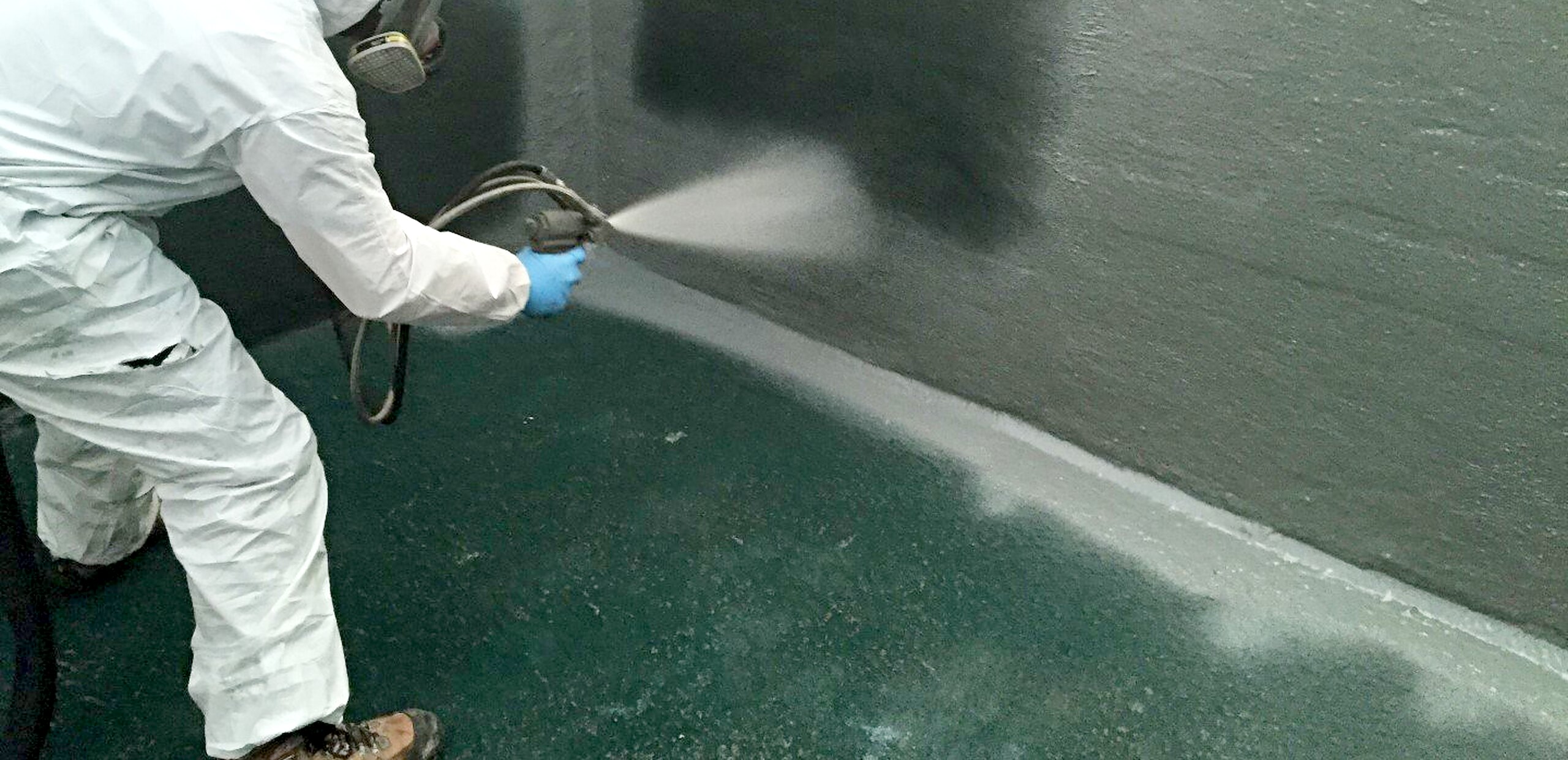
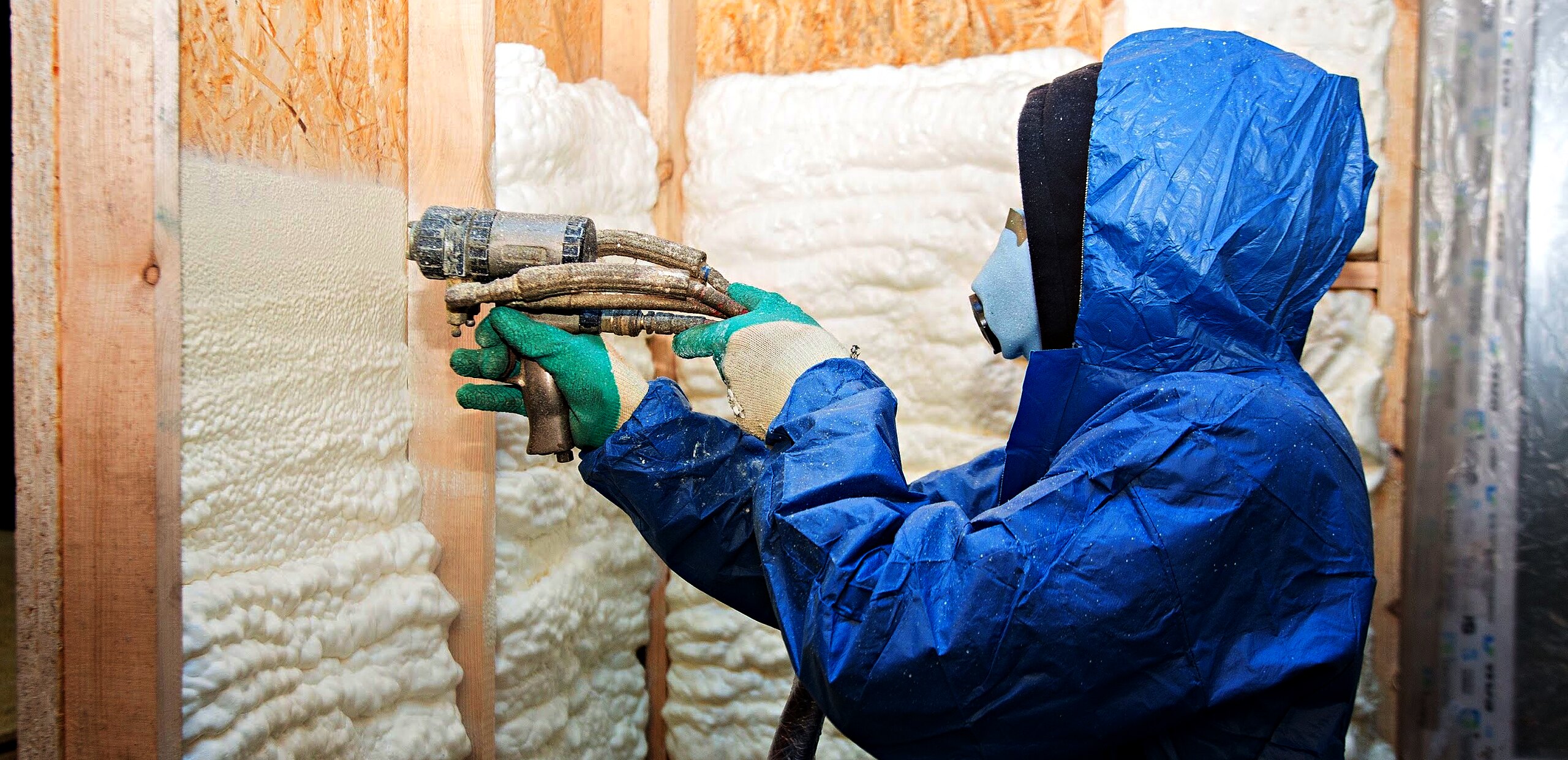
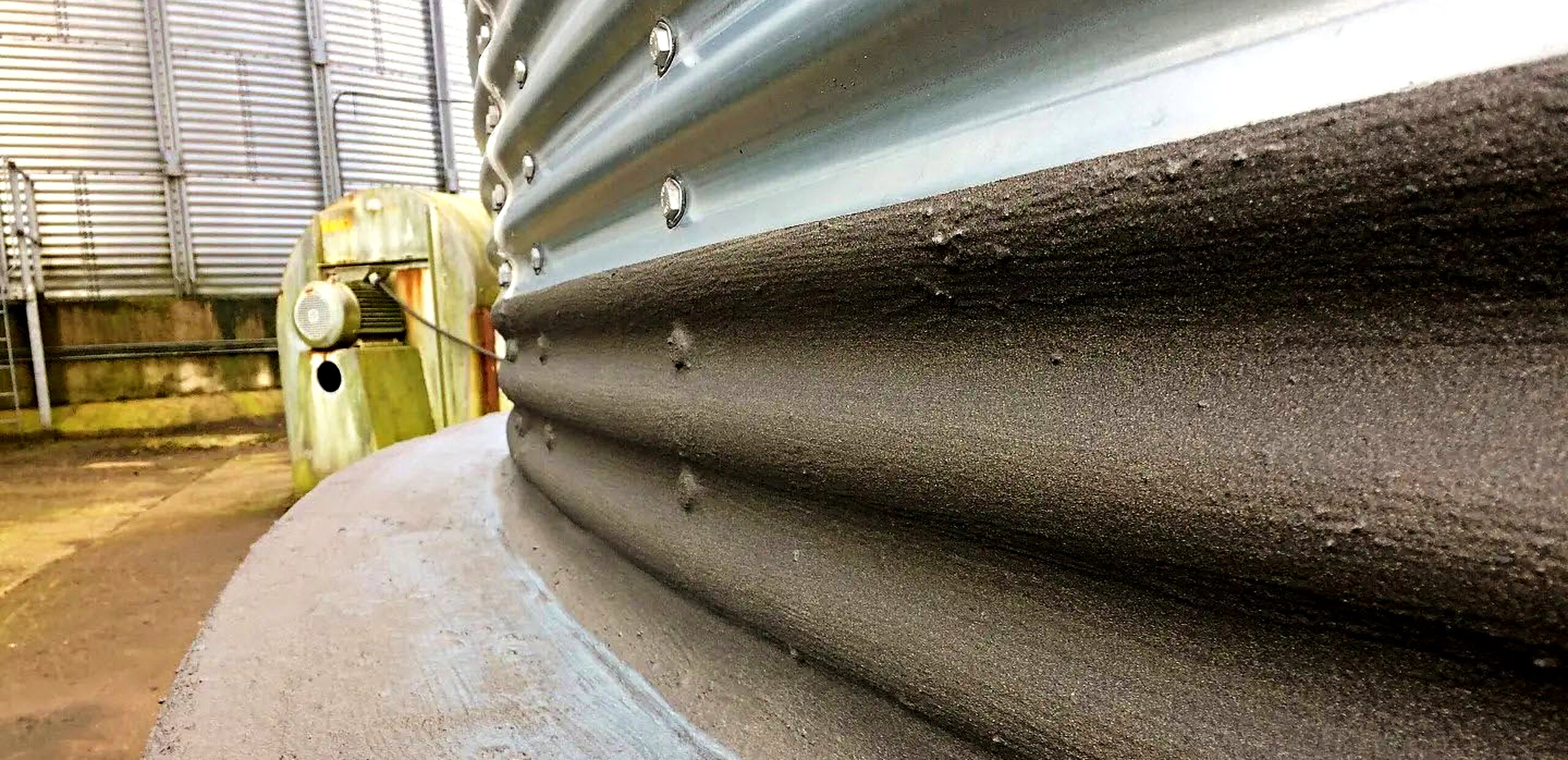
If silos are the agricultural industry’s sentinels, then polyurea is its grain guardian. Silos, strong and purpose-built as they are, will fail to keep grain safe without periodic repairs and improvements, and polyurea is among the most effective as well as the most efficient means of killing two birds with one stone. It’s spray applied using high-pressure equipment, precisely ejecting two precursor materials that combine and react on a substrate’s surface to form a continuous, watertight elastomeric barrier.
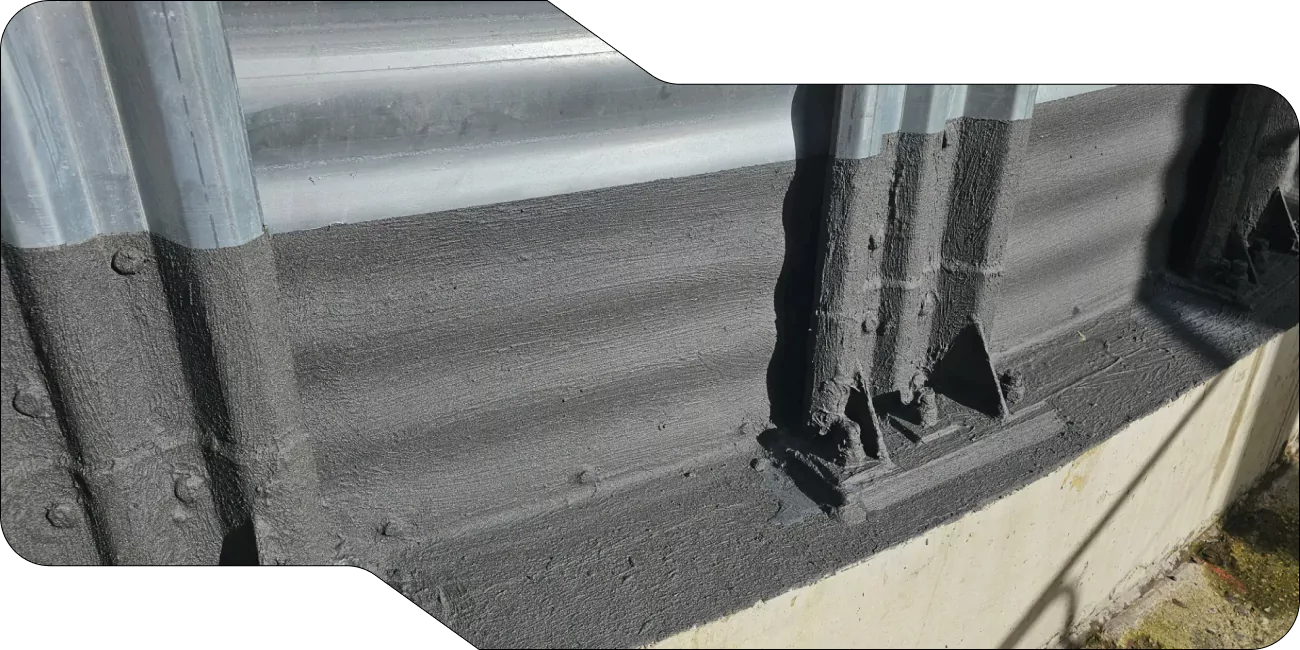
This barrier cures faster than almost every other commercially available protective paint or coating, and it boasts a safer health and sustainability profile too. Most importantly, polyurea coatings are highly durable and resistant to the most common and damaging classes of chemicals, including strong acids, organic solvents, and powerful oxidizers. With one technology silos can be kept dry and impenetrable, becoming the food fortresses we’ve all come to know and rely on.

Silo Waterproofing: How to Seal a Silo With Polyurea
The first step in the silo sealing and waterproofing process, like all applications of polyurea coatings, is to prepare the silo’s surfaces for a high-quality installation. This means cleaning and modifying the substrate so it’s free from obstructing debris and possesses the right mechanical profile for strong adhesion. Most silos are made from metal or concrete, which each have their own distinct surface preparation procedures, but in either case, surface preparation will begin with the removal of preexisting coatings if they are observed to have signs of damage or decay.
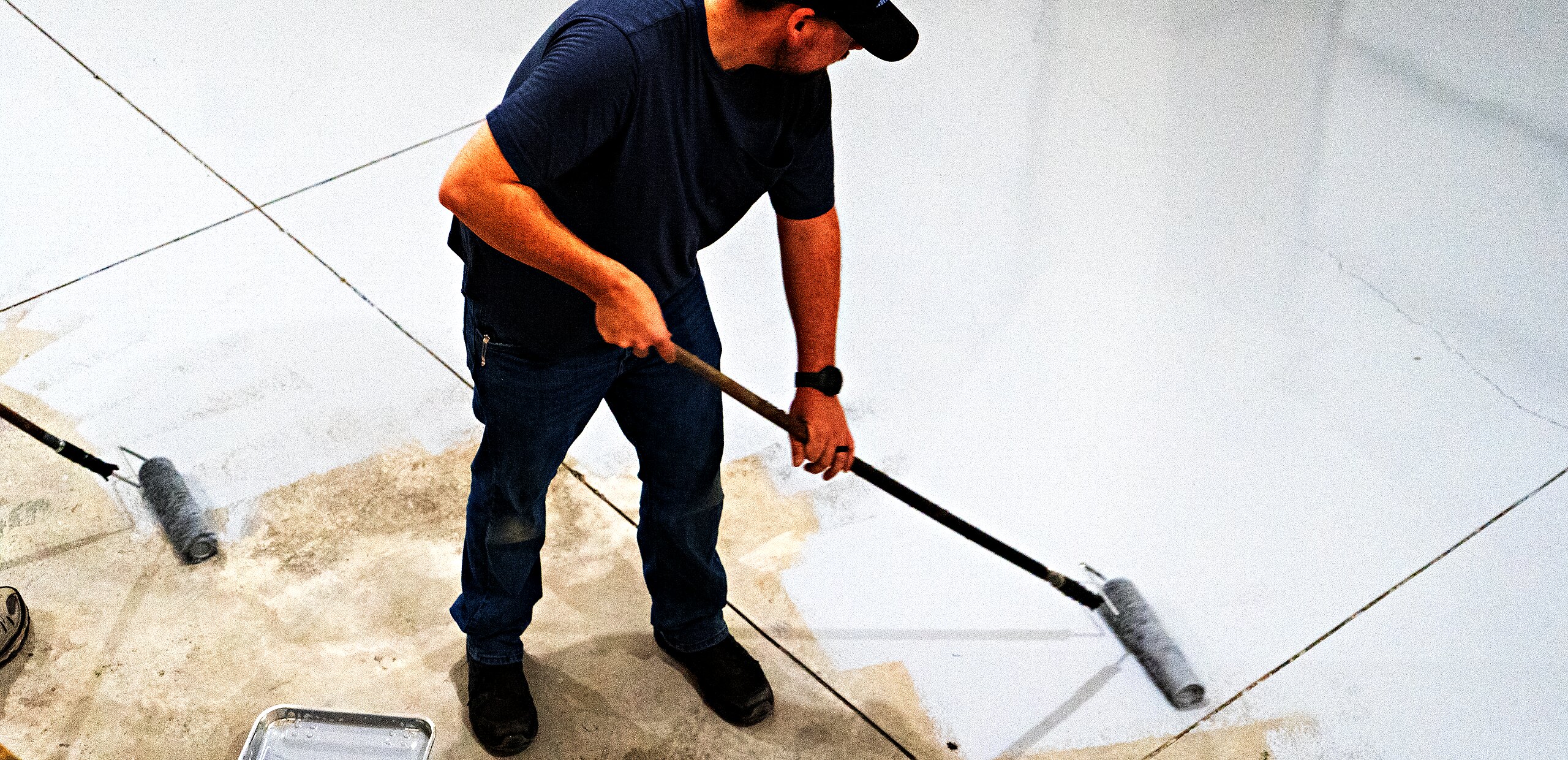
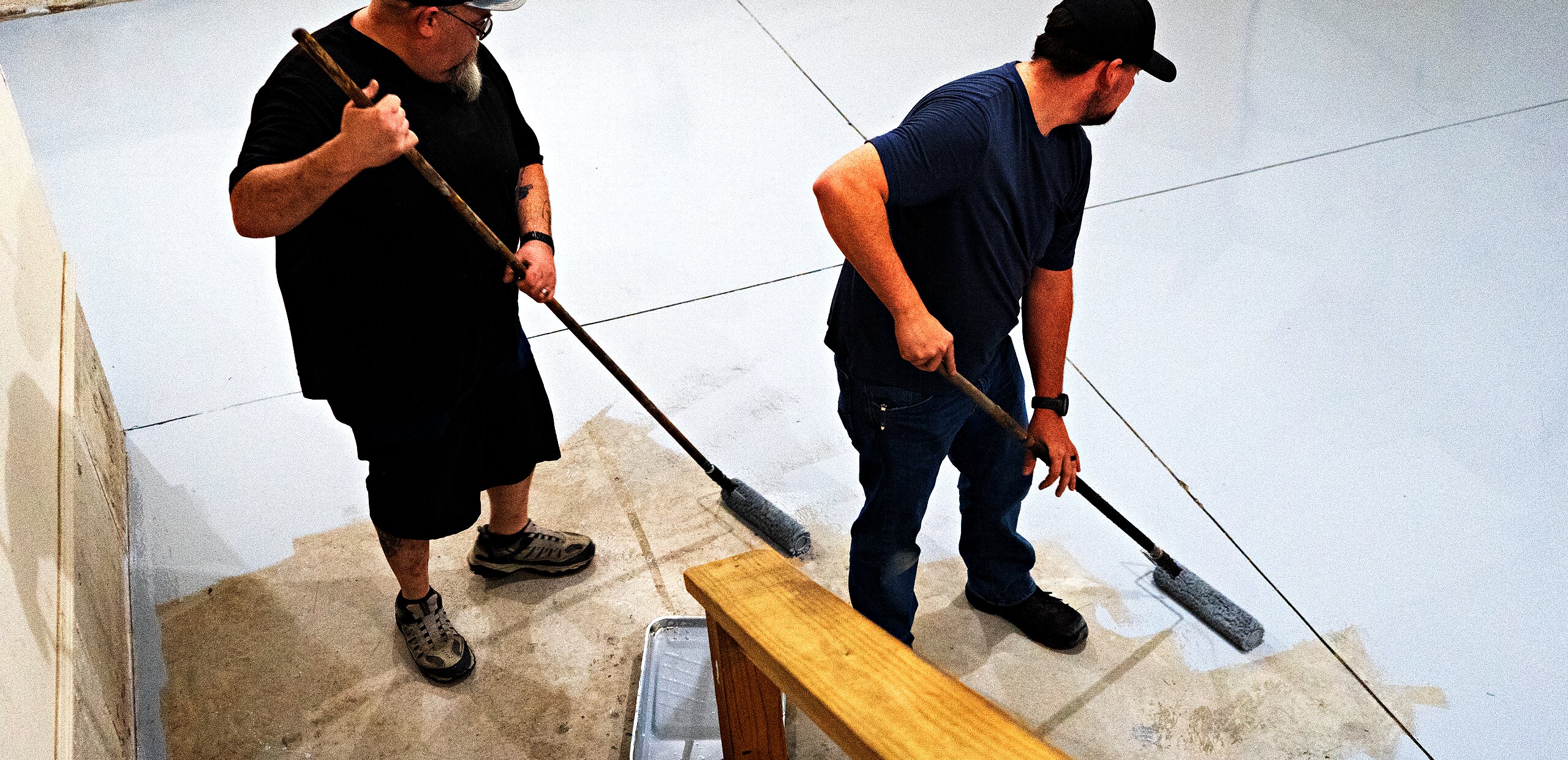
Coating removal is typically achieved using a combination of high-pressure washing and mechanical abrading, and in some rare cases, other techniques must also be employed to ensure the surface is free and clear. Once the surface is prepared, the next step is to prime the substrate, which is a process that is all but identical to the main coating layers, except the spray-on coating is a specialized primer designed to adhere the system more strongly to the silo.
Subsequently two separate layers of polyurea are then applied, and if there’s a need for better grip or traction, aggregate materials can be incorporated before the coatings have finished curing. The final result is a single system working together to absorb multi-source chemical and mechanical stress and keep silos dry as a bone and unburdened by the world of insects.
Silo Waterproofing Checklist for Owners
Before you schedule silo waterproofing, a short inspection helps you and your applicator plan the job:
- Walk the exterior and mark cracks, spalled concrete, rust stains and failed joints.
- Check the roof, hatches and anchor points. Many leaks start at the top.
- Look inside for damp spots, mold or caked grain that point to water entry.
- Note the substrate. Concrete stave, poured concrete and steel each need their own preparation.
- Plan the timing so the silo is empty, clean and dry when the crew arrives.
Share what you find with the applicator before the visit. Photos, measurements and the age of the silo make it easier to quote the job accurately and bring the right equipment the first time.
Water and freeze-thaw cycles are the main drivers of concrete degradation in agricultural structures. A seamless polyurea membrane keeps that water out while flexing with the silo as it heats, cools and loads. Steel silos benefit too, because the same membrane protects against corrosion.
See the results on a real structure in our silo waterproofing case study, and learn how coatings protect stored crops in silo and grain storage preservation. Agricultural applicators often pair silo work with manure pit coating and other farm projects, which makes it a strong niche for a new coatings business.
Frequently asked questions
What Is The Best Paint To Seal A Silo With?
The best material for silo sealing isn’t a paint, but an elastomeric protective coating called polyurea. Paints are prone to cracking and peeling and impart little to no mechanical or chemical durability, but polyurea forms a continuous, watertight film that seals cracks and gaps while also strengthening surfaces against broad-scope surface hazards.
How To Seal A Silo?
Sealing a silo is to fill the space in gaps or cracks to create a watertight container. Silos can be sealed using many different technologies, which are typically a type of high-performance paint or coating. A leading example is polyurea, an elastomeric protective coating that can be spray applied cost-effectively and without concerns for health and safety.
Why Do Silos Need Waterproofing?
The purpose of a grain silo is to store and protect very large quantities of vital food and energy resources, primarily by keeping them dry. If water and moisture are able to infiltrate a silo, mold and bacteria are likely to grow and proliferate, ultimately spoiling grain. Waterproofing is thus an essential part of silo construction and maintenance.
Safer silos for a safer food supply
The criticality of silos for the safety and stability of the world’s food supply cannot be understated. Consequently, protecting silos is of the utmost importance, as all it takes is a small opening, or a minor fracture, and nature can wreak havoc on this irreplaceable commodity. So if you’re committed to protecting our world by safeguarding our food supply, then ArmorThane is your perfect partner. We’ve spent over 35 years mastering our craft to protect and preserve some of the world’s most important resources, not least, food and energy supplies. We possess all of the experience, high-quality formulations, cutting-edge equipment, and global reach to tackle any silo sealing and waterproofing project. To learn more or get started you can give us a call or fill out our contact form – let’s protect our world together, one silo at a time!


Start your coatings business with ArmorThane.
Tell us what you want to spray and where you are. An ArmorThane specialist will walk you through the equipment, chemicals, training and startup cost for the work you want to do.
- Equipment package matched to your applications
- Hands-on training and applicator certification
- Technical support once you are spraying