










Get a quote for your project
Tell us what needs protecting and an ArmorThane coatings specialist will come back with the right product, the right system and a realistic price.
- Product and system matched to your substrate
- Coverage and budget guidance before you commit
- A certified applicator near you
- 30+ years of field-proven polyurea and polyurethane
The Complete Guide to Flat Roof Waterproofing with Polyurea
From traditional membranes to advanced spray-applied polyurea systems, this guide gives property owners, facility managers, and roofing contractors the knowledge to select, apply, and maintain flat roof waterproofing systems that deliver seamless, long-lasting protection against ponding water, UV degradation, and thermal cycling.
In This Guide
A flat roof looks simple, yet flat roof waterproofing can be one of the trickiest parts of any roof system. Unlike pitched assemblies, low-slope decks collect water instead of shedding it quickly. Water pooling after heavy rain invites water infiltration, and a single pinhole can lead to hidden water damage that spreads across the entire surface. Left unchecked, leaks weaken the roof structure, ruin insulation, and trigger costly repairs inside classrooms, warehouses, and other commercial buildings. Add intense UV rays, freeze-thaw temperature changes, and day-to-day foot traffic, and the list of environmental factors grows long. Traditional roofing material, from felt to tar, rarely keeps up with these stresses for long, so owners end up budgeting for flat roof replacement far sooner than expected. Instead, polyurea can be used as the toughest all-purpose flat roofing waterproofing technology that outperforms its contemporaries in just about every category.
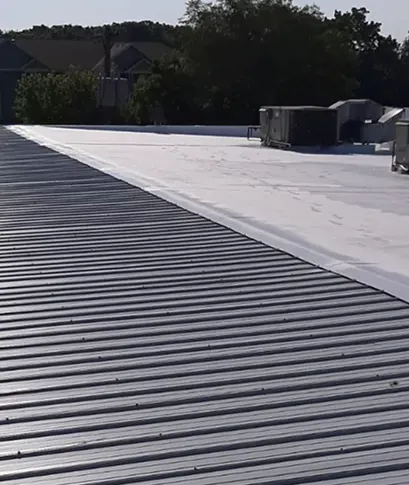
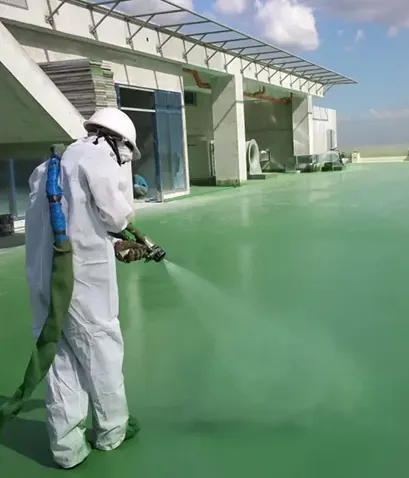
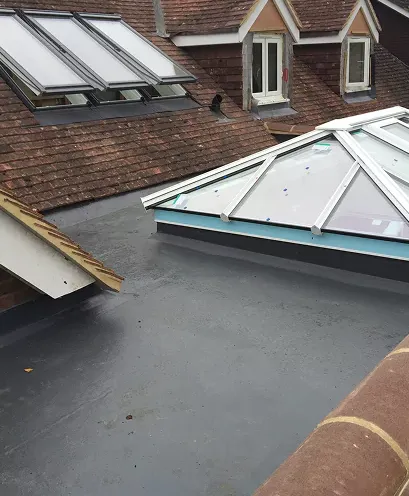
Flat roof waterproofing with polyurea creates a seamless, monolithic membrane with zero seams — the #1 source of leaks in traditional flat roof systems. With 400%+ elongation and a 20-25 year warranty, it outperforms every sheet-based and roll-on alternative.
The chemistry behind polyurea protection
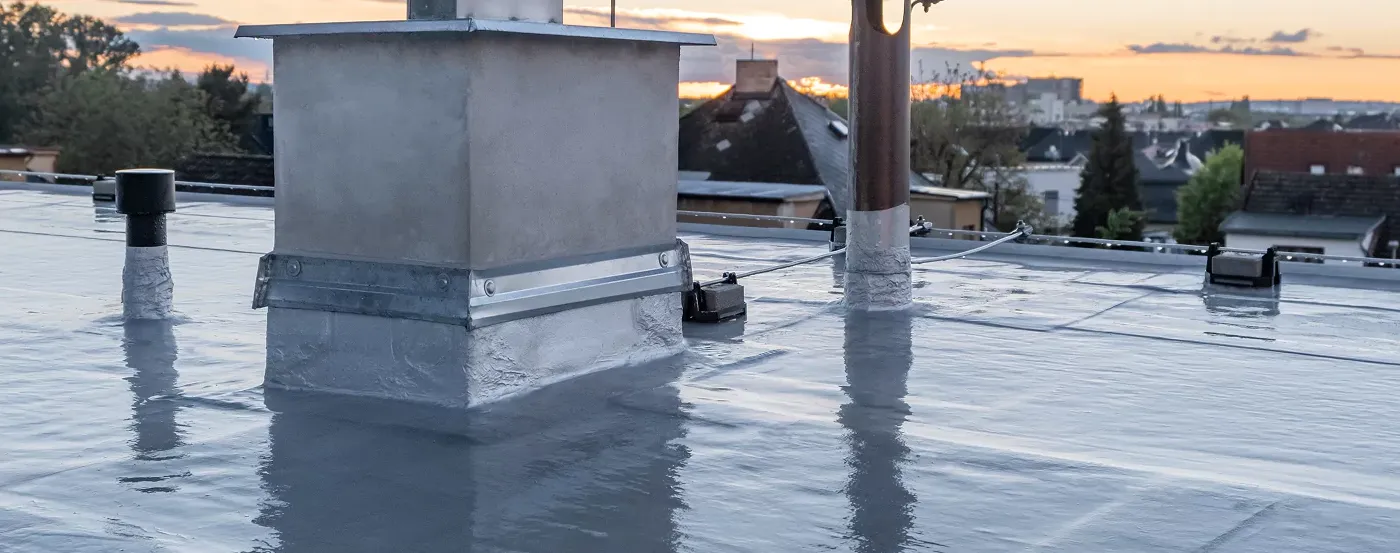
Polyurea is a spray-applied, two-part polymer that begins to cure into a seamless, rubber-like waterproof membrane within seconds. The result is an elastomeric coating with extreme UV resistance and elasticity that stretches well past 400%, letting the coating expand and contract without cracking.
Because the film is continuous, it creates an airtight waterproof barrier that stops liquid and air movement better than stitched-together sheets of synthetic rubber, polyvinyl chloride, or peel-and-stick rolls of EPDM rubber.
Polyurea’s closed-cell cross-linking also resists chemical attack, road salt, and harsh weather conditions that chew up asphalt and gravel roofs. In accelerated aging tests, the coating shows minimal UV damage even after thousands of hours, making it an obvious best option when long-term color stability and high performance are priorities. Pair the membrane with spray polyurethane foam to add R-value, and you have a composite assembly that blocks heat loss, improves energy efficiency, and cuts monthly energy costs.
How polyurea works in the real world
- Primer & Surface Prep A polyurea, polyurethane, or epoxy primer wets the existing roof surface, whether concrete, a metal roof, or an old flat roof. Builders check slope for proper drainage and schedule a detailed roof inspection.
- Spray Polyurethane Foam
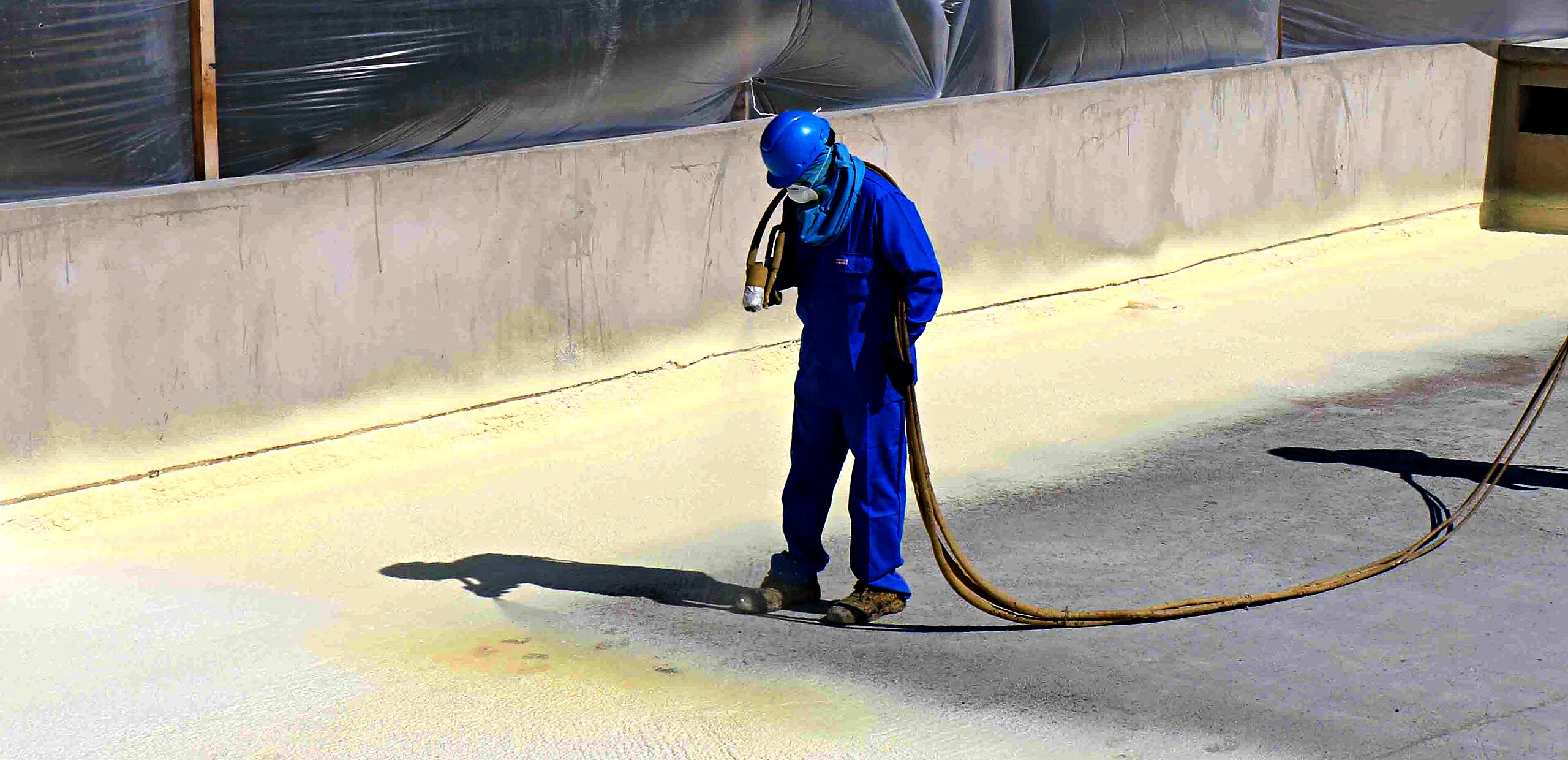
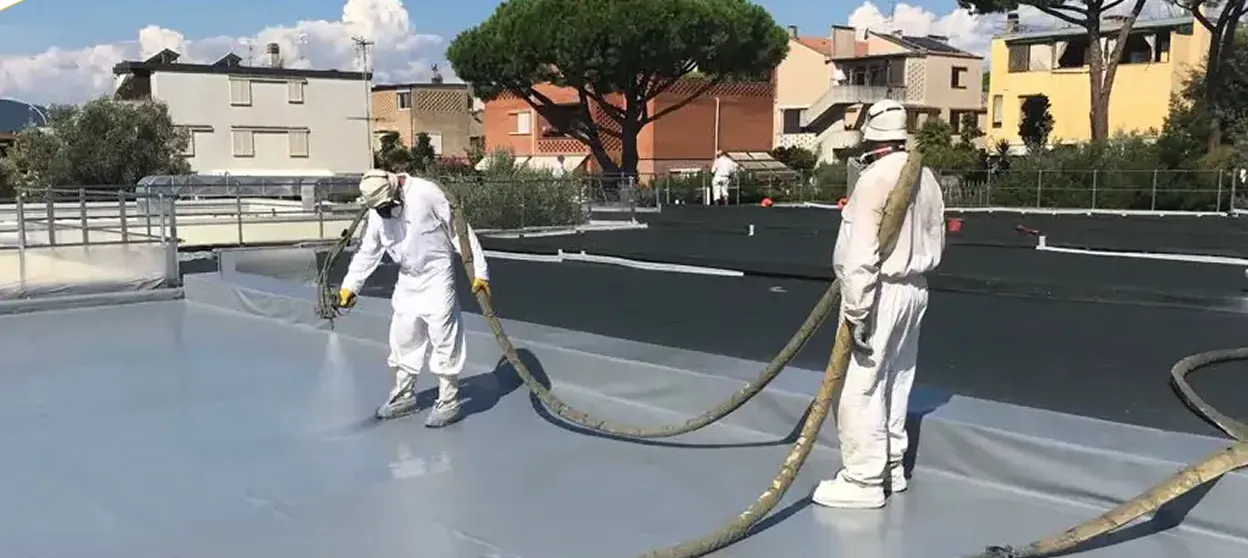
Where insulation is thin, crews often apply closed-cell spray polyurethane foam. The foam fills gaps, bonds to the deck, and shapes a gentle pitch so water flows to scuppers. - Polyurea Topcoat Technicians with specific skills trigger a plural-component sprayer. The two parts atomize, hit the substrate hot, and fuse into a flexible membrane that is dry to the touch in short order. This fast-set application process means crews can coat tens of thousands of square feet per shift and return the roof to service the same day.
- Detail Work
Flashings, seams, and penetrations receive a thick bead of elastomeric sealant to reinforce movement points. - Final Checks
Infrared scans verify a continuous waterproofing layer free of holidays. A second roof inspection confirms thickness, adhesion, and cure.
The seamless shell acts as an armored skin for malls, data centers, or a simple garage roof, giving owners a waterproof flat roof that handles snow shovels, service carts, and wind-blown grit without chipping.
Polyurea vs. Other common materials
| Attribute | Polyurea | Modified Bitumen | PVC Sheet | Metal Roofing |
|---|---|---|---|---|
| Seams | None | Multiple torch seams | Heat-welded | Overlapping panels |
| Cure Time | Short | Long | – | – |
| UV Resistance | Excellent | Fair | Good | Good |
| Flexibility | 400% + | < 50% | < 200% | Very low |
| Flat Roof Leak Repair | Spray patch blends in | Patch weld | Patch weld | Rivet and seal |
While PVC and TPO are a popular choice, both rely on taped or welded joints. Over time those joints shrink, and storm damage at corners lets water creep under the sheet. Polyurea eliminates that failure path entirely. Metal panels shed rain well, but thermal cycling loosens fasteners, a well-known source of potential damage that leads to recurring roof repair calls. Polyurea consistently defers the next flat roof replacement by decades.
When comparing flat roof waterproofing systems, always evaluate total cost of ownership over 20 years — not just initial installation cost. Polyurea's seamless application eliminates the #1 failure point (seams) and typically requires only one recoat at year 10–12, making it significantly more economical than systems that need full replacement every 8–12 years.
Handling specific conditions
- Low-Slope Geometry
Because the coating is fluid before cure, it wraps curbs, drains, and parapet walls, delivering proper waterproofing even where geometry is complex. - Severe Weather
In hurricane alleys, wind-driven rain no longer finds edges to lift. Adhesion often exceeds 400 psi, resisting peel force during storm damage events. - Foot Traffic
Mechanical rooms and solar arrays concentrate maintenance crews on one zone. A thicker pass plus a broadcast of ceramic granules improves slip resistance without sacrificing the seamless skin. - Environmental Conditions
Polyurea maintains shore-hardness across a wide temperature range, covering the broad environmental conditions seen from Alaska mines to Middle East malls. - Water Infiltration Under Equipment Curbs encircling HVAC units receive an extra bead of elastomeric sealant to stop condensate overflow from eating into insulation.
Life-cycle economics & maintenance plan
A polyurea waterproof flat roof typically carries a 20- to 25-year warranty. Longevity, however, depends on:
- Regular maintenance – Annual walkthroughs catch punctures early.
- Proper maintenance records – A logbook documents touch-ups and cleaning, proving diligence if warranty questions arise.
- Flat roof maintenance budgets – Small recoats at years 10-12 re-saturate the film and postpone the next flat roof replacement far beyond conventional timelines.
Owners report that disciplined care averts major problems, heads off hidden structural damage, and keeps structural integrity intact, even after decades of freeze-thaw cycles.
Sustainability, comfort, and savings
Because the sprayed liner hugs pipes and vents, air leakage drops dramatically, which is one reason many commercial buildings use polyurea to boost energy efficiency without gutting the ceiling. The gleaming topcoat reflects sunlight, moderates rooftop temperatures, and shrinks HVAC loads. Over a 20-year span, modest up-front cost differences translate into measurable savings in electricity and avoided interior water damage, all while extending the life of the underlying roof membrane.
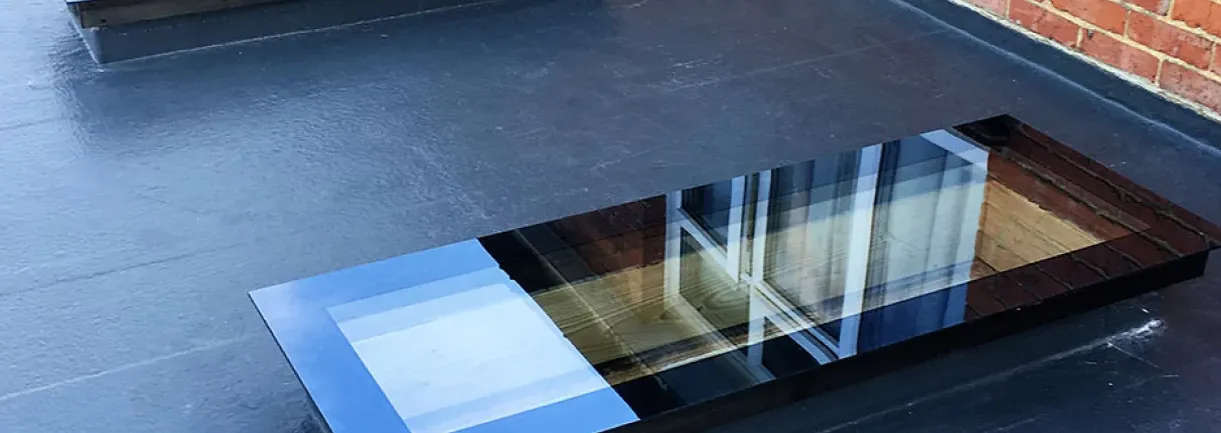
Cool-roof polyurea coatings with high solar reflectance can reduce rooftop surface temperatures by up to 60°F compared to standard dark membranes. This translates to measurable energy savings of 10–25% on cooling costs, while also extending the life of underlying insulation and structural components by reducing thermal cycling stress.
From plan to punch list
Define Waterproofing Needs
Are you upgrading a museum or a cold-storage warehouse? Specific needs shape coating thickness and traffic surfacing.
Choose a Qualified Crew
Look for roofing experts trained on plural-component sprayers; the rapid-gel system rewards timing and punishes amateurs, so it’s best not to pursue a DIY project here.
Select Complementary Flat Roof Waterproofing Systems
In some cases, adding a thin PVC liner under the foam offers redundancy; in others, pure polyurea suffices.
Schedule Around Weather
Although the resin flashes off in seconds, blasting wind can disrupt spray fan patterns.
Document the Application Process
Wet-film gauges, adhesion pulls, and photos of the installation process give owners peace of mind and simplify future flat roof leak repair work.
Close Out With Customer Service
A quality contractor hands over a care manual, sets reminders for periodic checkups, and remains on call should storm damage strike.
Polyurea flat roof waterproofing pairs well with a reflective top coat in hot climates, and the Department of Energy's consumer guide to cool roofs shows why a lighter roof surface lowers cooling bills. A well-installed polyurea flat roof waterproofing system needs little maintenance beyond keeping drains clear and inspecting after storms. If water is already standing on your roof, start with our guide to ponding water on flat roofs, and if you are weighing a recoat against a full tear-off, compare roof restoration options first.
Partner with armorthan for a forward-looking option with an innovative partner
Polyurea delivers a seamless, elastic armor that shields low-slope assemblies from sun, rain, and time itself. It resists chemical splash, bridges cracks, and cures so quickly that occupants barely notice the project. When specifiers weigh common materials for a tough roof retrofit—PVC, aluminum panels, or rolled bitumen—polyurea consistently proves itself as the best material for creating an enduring, self-healing shell.
ArmorThane is a leader in specialty polymers, supplying custom-blended polyurea and polyurethane chemistries to contractors worldwide.
Our focus on formulation science, field training, and responsive customer service helps ensure every project, from data-center megadecks to a modest municipal garage roof, receives the right ratio, cure, and finish texture.
Invest in proper flat roof waterproofing once, and decades of dry interiors, lower maintenance spend, and predictable budgeting follow. All you have to do is give us a call or fill out our contact form, and one of our 24/7 customer service or technical support team members will be ready to help. Our motto is to protect your world, one flat roof waterproofing project at a time!
Frequently asked questions
Can Polyurea Go Over Metal Roof Panels?
Yes. After abrasive blast or mechanical scarification, the coating bonds aggressively to galvanized and painted metal roofing substrates, creating an unbroken waterproofing roof even across panel laps. In fact, polyurea may be the perfect material to go over metal roof panels, flat or otherwise!
Is Polyurea Safe For Green Roofs?
Polyurea is entirely safe for use on green roofs. The inert film will not leach chemicals into soil and acts as a root-proof protective layer, so it works well beneath growth media and planter boxes. The only major precautions that must be taken during application, but afterwards, your green roof will be safer with polyurea than without it.
How Does It Compare To Roll-On Acrylic Waterproof Coatings?
Acrylics air-dry, remain water-sensitive, and crack under wide temperature changes. Polyurea cross-links chemically, shrugs off ice, and maintains high performance under various weather conditions. In other words, polyurea outperforms roll-on acrylic waterproof coatings for most applications, including flat roof waterproofing.
How Long Does Flat Roof Waterproofing Last With Polyurea?
A properly applied polyurea flat roof waterproofing system typically carries a 20- to 25-year manufacturer warranty. With disciplined annual inspections and a mid-life recoat around year 10–12, many polyurea-coated flat roofs remain leak-free for 30 years or more. This far exceeds the 8–15 year average lifespan of traditional modified bitumen or single-ply flat roof waterproofing membranes.
What Is The Cost Of Flat Roof Waterproofing With Polyurea?
The installed cost of polyurea flat roof waterproofing typically ranges from $8–$15 per square foot, depending on roof condition, access difficulty, and total area. While the upfront cost is higher than some alternatives, the life-cycle economics are compelling: zero seam failures, minimal maintenance requirements, and a single mid-life recoat can postpone full flat roof replacement by 15+ years, delivering a total cost of ownership 30–40% lower than systems requiring replacement every decade.
Can Polyurea Be Applied Over An Existing Flat Roof?
Yes, polyurea can be spray-applied directly over most existing flat roof substrates including concrete, modified bitumen, metal panels, and even aged single-ply membranes — provided the deck is structurally sound and properly prepared. Surface preparation involves cleaning, priming, and sometimes light mechanical abrasion. This overlay capability means building owners can avoid the cost and disruption of a full tear-off, making polyurea flat roof waterproofing an ideal retrofit solution.
Is Flat Roof Waterproofing With Polyurea Better Than EPDM Or TPO?
Polyurea offers several distinct advantages over EPDM and TPO for flat roof waterproofing. The most significant is its seamless application — EPDM and TPO rely on heat-welded or adhesive seams that are the primary failure points in any flat roof system. Polyurea also delivers 400%+ elongation (vs. <200% for TPO), superior UV resistance, and dramatically faster installation since the coating cures in seconds rather than hours. For large commercial flat roofs, these performance differences translate directly to fewer callbacks and longer service life.
How Quickly Can A Polyurea Flat Roof Waterproofing System Be Installed?
One of polyurea's most remarkable properties is its ultra-fast cure time. The coating gels within seconds of application and reaches foot-traffic hardness in minutes. A typical commercial flat roof waterproofing project of 10,000–20,000 square feet can be completed in 1–3 days, compared to 5–10 days for traditional membrane systems. This rapid turnaround minimizes business disruption and reduces weather-related installation risks.
Does Polyurea Flat Roof Waterproofing Work In Extreme Climates?
Polyurea maintains its physical properties across an exceptionally wide temperature range, from -40°F to well over 300°F. This makes it ideal for flat roof waterproofing in extreme climates — from the freeze-thaw cycles of northern states to the intense UV and heat of desert regions. The coating's elasticity allows it to expand and contract with thermal movement without cracking, delaminating, or losing adhesion, which is a common failure mode for rigid flat roof waterproofing materials.