Metal Roof Repair: Leaks at Screws, Laps & Flashings
Where metal roofs really leak, how to repair each source properly, what it costs in 2026, and when a full restoration beats chasing screws.
Start a roof coating business
Spray roofs for a living.
ArmorThane sets you up to do this work, and you own the business. We make the chemistry, build the rigs, train you hands-on and answer the phone when a job gets difficult. You pay no franchise fee and no royalties. It has been that way since 1989.




- $0
- franchise fees or royalties
- 35+
- years in business
- 50+
- countries with applicators
- 24/7
- technical support
Metal roof leak repair is mostly a fastener and lap problem. A through-fastened steel roof has thousands of screws, every one sealed by a small rubber washer, and every panel grows and shrinks with the sun. Over the years that movement works the screw holes oval, washers dry out, and the roof starts leaking in a dozen places at once. We manufacture the polyurea, polyurethane and spray foam systems our certified applicators use to seal and restore metal roofs on barns, shops, warehouses and homes. This guide covers where metal roofs actually leak, how to repair each source properly, what it costs, when a full restoration makes more sense than chasing screws, and two calculators: one for thermal movement and one for repair versus restoration cost.
Find the leak source first: on exposed-fastener roofs it is usually failed screw washers, backed-out or overdriven screws, open side and end laps, or flashing at ridges, walls and penetrations. Replace failed screws (one size larger where the hole is stripped), seal laps with a compatible butyl or urethane sealant, and rebuild flashings rather than caulking over them. If failures are spread across the whole roof, or rust is starting at laps and fasteners, a restoration system that encapsulates fasteners, reinforces seams and coats the entire roof is usually cheaper over time than repeated spot repairs.
Where metal roofs actually leak
A metal panel itself almost never leaks until it rusts through. Water gets in at the joints and holes: screws, laps, trim and penetrations. Here is what we find when we walk a leaking metal roof, roughly in order of how often:
Screw washers and fasteners
Washers crack and harden in UV. Screws driven too tight crush the washer flat; too loose leave a gap; driven at an angle, the washer never seats. Thermal movement puts repeated load on every screw and slowly enlarges the holes, so screws back out.
Side and end laps
Where panels overlap, wind-driven rain and capillary action pull water uphill into the lap. Lap sealant tape dries out, and low-slope roofs hold water against laps longer than they were designed for.
Flashings and trim
Ridge caps with missing closures, sidewall and headwall flashings that were face-sealed with caulk, eave trim that lets water back under, and valleys that were never hemmed.
Penetrations
Pipe boots that have split, skylights, exhaust fans and HVAC curbs cut into ribs. Penetrations through the rib or across the panel flat are harder to seal than they look.
Rust-through
Rust starts at cut edges, laps, fastener holes and anywhere water sits. Copper or treated lumber in contact with galvanized steel accelerates it. Once rust perforates the panel, that section needs replacing.
Condensation
Drips on cold mornings with no rain are usually condensation on the underside of the panels, not a roof leak. No amount of screw replacement fixes that. Our metal roof condensation guide covers the fix.
Why the screws keep leaking: thermal movement
Every metal roof moves. A dark steel roof can go from a cold, clear night to a hot afternoon in a few hours, and the panel grows and shrinks each time. On a through-fastened roof, the screws are what resists that movement, which is why fastener holes slowly elongate and leaks come back. Standing seam roofs use sliding clips so panels can move; through-fastened panels cannot. Enter your panel run to see how much movement your fasteners are fighting.
How far do my panels move?
Movement = coefficient x panel length x temperature swing. Steel 0.0000065 and aluminum 0.0000128 per °F (Metal Sales). Field movement can be up to 20% less than theory because of friction (Construction Canada).
Metal roof leak repair by source
Leaking screws
Do not just tighten old screws. A hardened washer will not reseal, and overtightening crushes it. Back the screw out, look at the hole and the washer, and replace it. If the hole is stripped or oval, use a larger-diameter replacement screw made for that purpose. Drive it straight, and stop when the washer is snug and just starting to bulge, not squashed flat. EPDM washers hold up better in direct sun than neoprene. If a screw missed the purlin entirely, pull it and seal the hole with a properly fastened patch or a stitch screw and sealant, not caulk alone.
Open laps
Clean the lap, remove old failed sealant, and reseal with a compatible butyl tape or urethane sealant, then add stitch screws at the spacing the panel manufacturer specifies to pull the lap tight. On low-slope roofs with recurring lap leaks, reinforced seam treatment (fabric embedded in a base coat) is more durable than sealant alone.
Flashings and trim
Caulk is maintenance, not flashing. Sidewall and headwall flashings need to shed water by lapping, with counterflashing or a reglet into the wall. Replace missing ridge and eave closures, re-hem valleys, and make sure trim laps run with the water, not against it.
Penetrations and rust
Replace split pipe boots with ones sized for the pipe and the panel profile. For curbs, install a proper cricket or diverter on the uphill side. Treat surface rust by removing loose scale, priming bare steel with a rust-inhibiting primer, and coating. Panels rusted through get replaced or patched with matching metal, fastened and sealed, not covered with roof cement.
What metal roof leak repair costs
Typical 2026 installed price ranges. Click a heading to sort.
| Repair | Typical cost | Unit | Best for |
|---|---|---|---|
| Screw and fastener replacement | $150–$1,000 | per job | Leaks at a limited number of screws |
| General leak repair | $200–$1,000 | per leak | One identified source |
| Seam resealing | $250–$1,100 | per job | Open side or end laps |
| Rust repair | $300–$3,000 | per job | Localized rust at laps or fasteners |
| Coating, metal roof | $0.50–$4.00 | per sq ft | Weathered roof, many small leaks |
| Silicone restoration system | $2.50–$5.00 | per sq ft | Commercial roofs: fasteners, seams and rust treated |
| Spray foam plus silicone | $4.00–$8.00 | per sq ft | Roof also needs insulation or slope |
| Panel replacement | $3–$14 | per sq ft | Rusted-through or storm-damaged panels |
Repair vs. restore: metal roof estimator
Count a few panels' worth of screws during your inspection and note how many have cracked, missing or crushed washers, or are backing out. That failure rate tells you whether you are looking at a repair or a restoration. The estimator scales it to the whole roof.
Patch it or restore it?
Fasteners = area x 0.8 per sq ft. Restoration = $2.50–$5.00 per sq ft; each inch of spray foam adds $1.00–$1.50 per sq ft and about R-6.5 (West Roofing). Panel replacement $3–$14 per sq ft (HomeGuide).
When to restore instead of chasing leaks
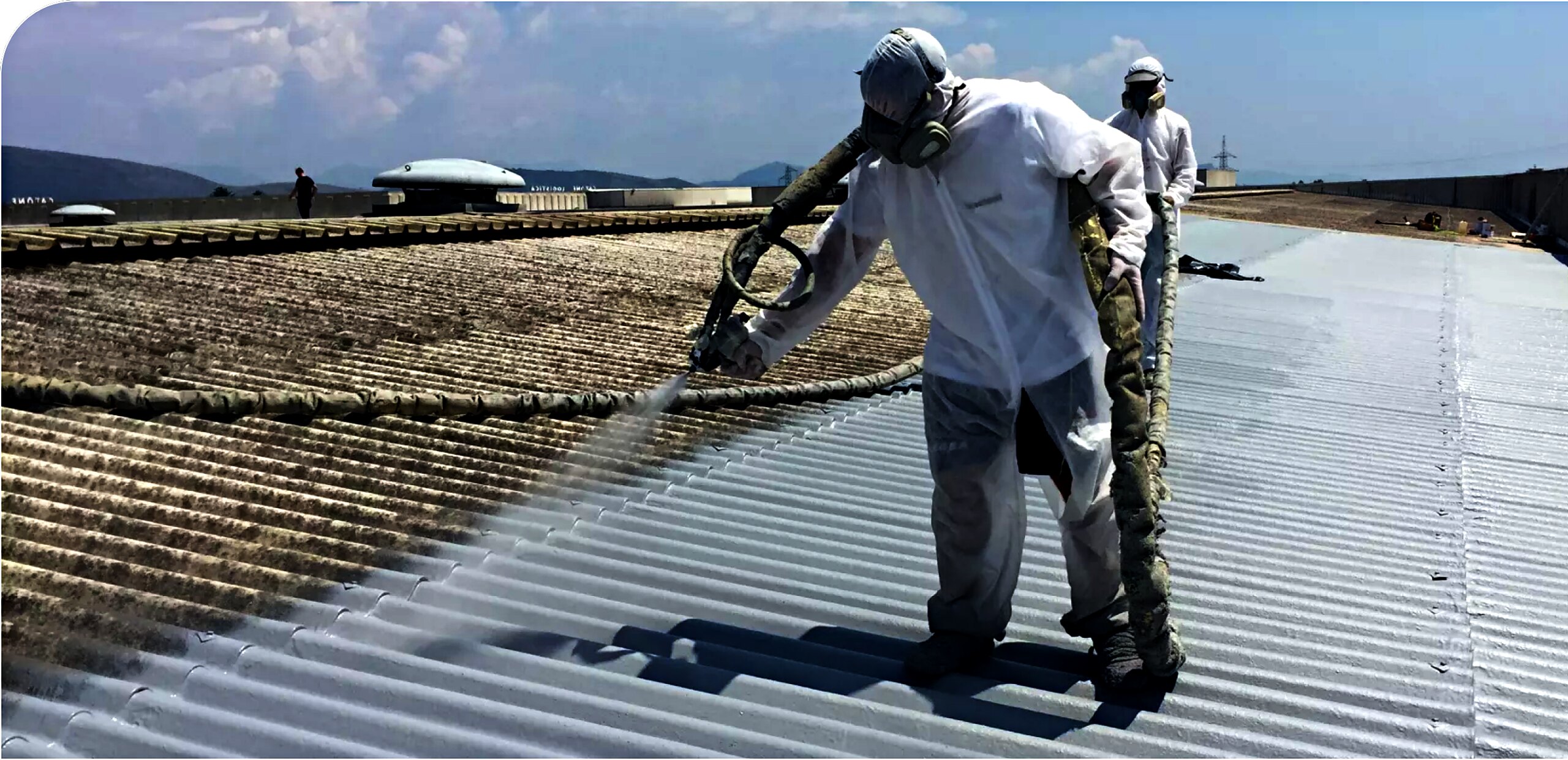
If the panels are structurally sound but the screws, laps and paint are all aging at the same rate, fixing one leak just moves you on to the next. A restoration treats the whole roof at once: wash and degrease, remove loose rust, prime bare steel, replace or encapsulate fasteners, reinforce every lap and flashing joint, then apply a continuous coating across the whole surface. The Roof Coatings Manufacturers Association says a properly applied coating can extend roof life up to 10 years or more, and the coating can be renewed later.
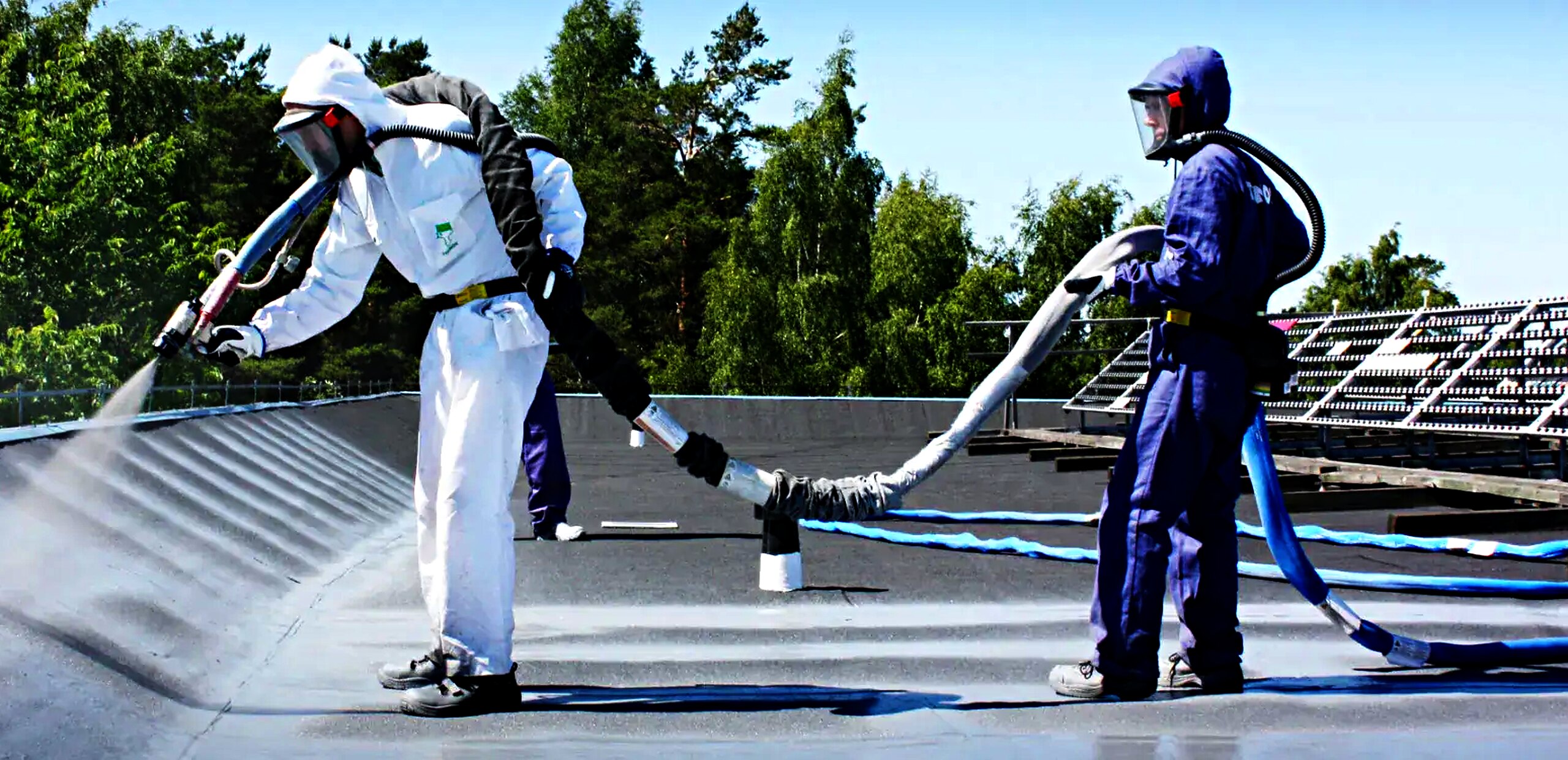
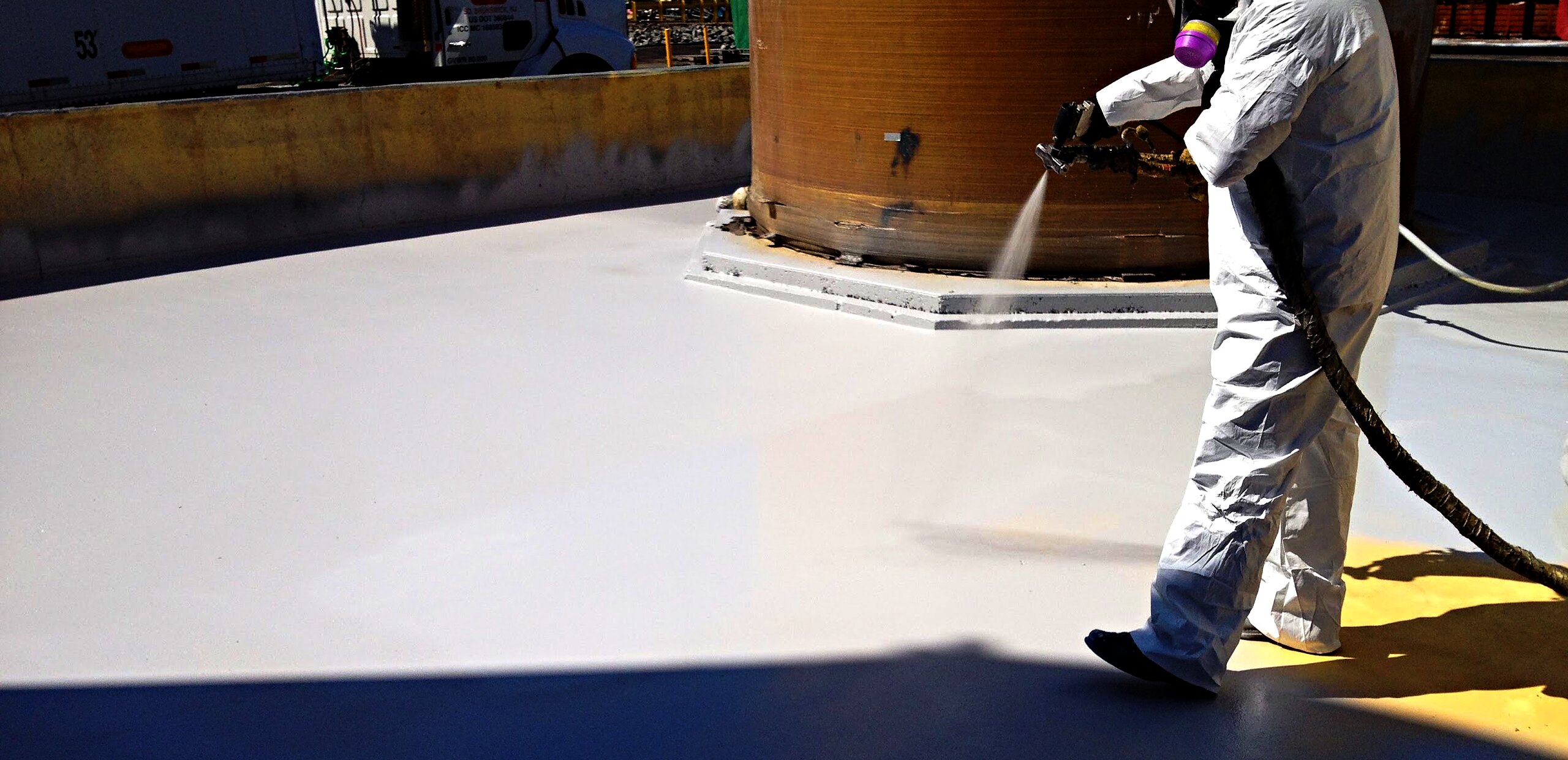
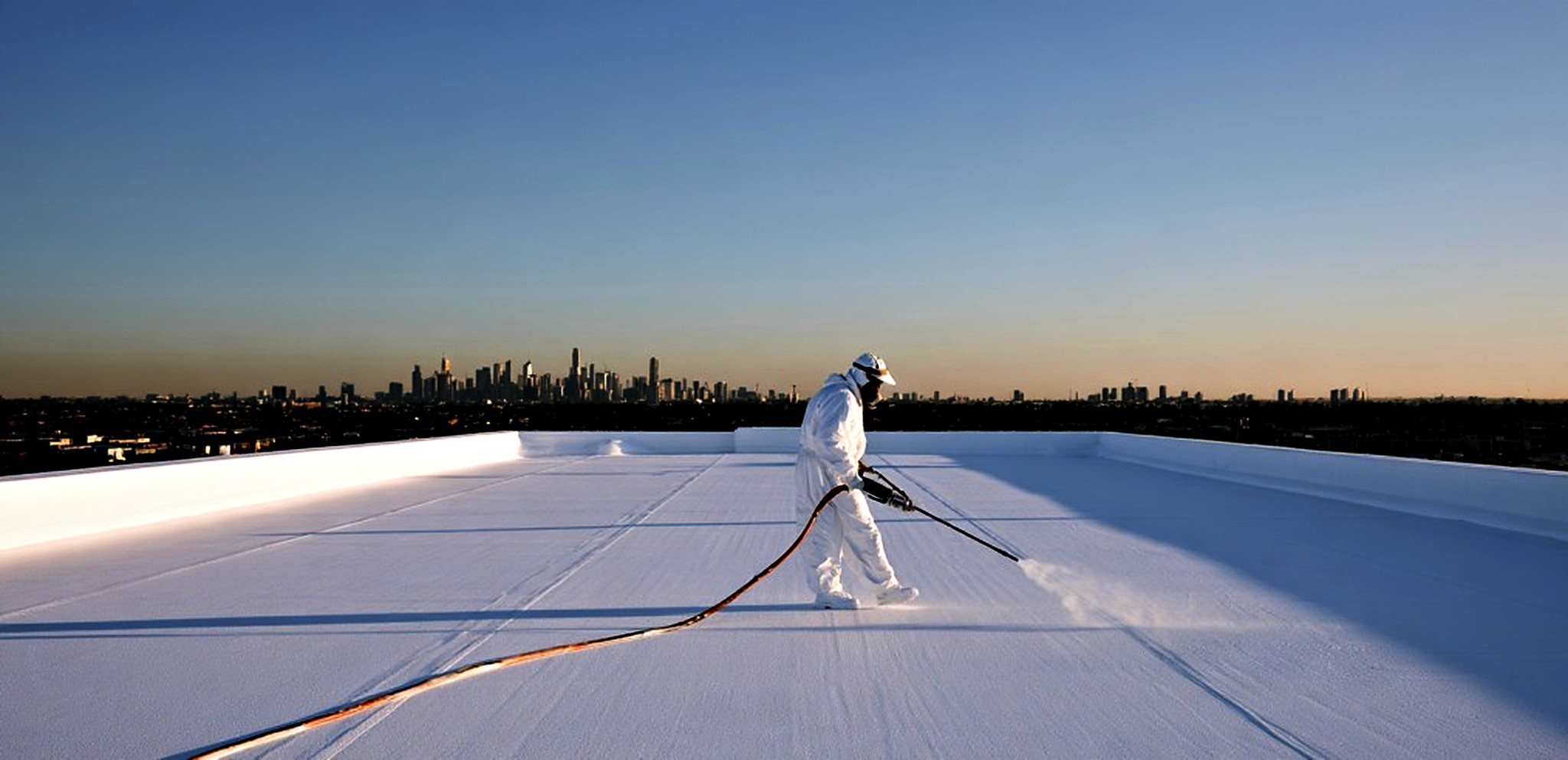
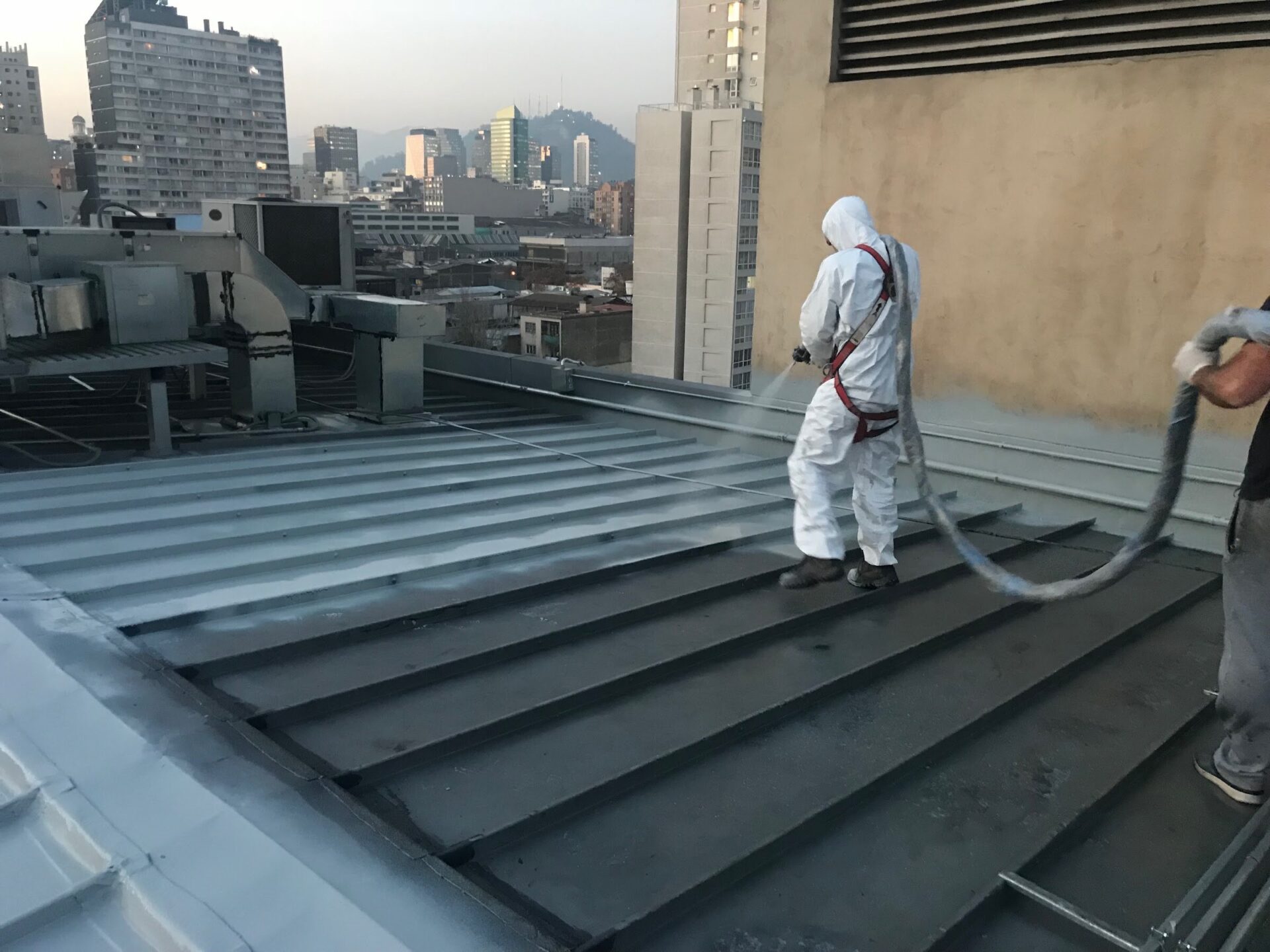
Our applicators restore metal roofs with spray-applied polyurea and polyurethane systems over ArmorPrime primers, and with ArmorFoam Roof 200 spray foam topped with UV TopCoat where the building also needs insulation. Foam has a second benefit on low-slope metal: it can be built up to improve drainage at problem laps. See metal roof waterproofing, our metal coating guide and corrosion prevention for system details.
When restoration is the wrong call
- Panels are rusted through over large areas. Coatings do not add structural strength. Replace the bad panels first, or re-roof.
- The roof is below minimum slope for its panel type. A coating can bridge laps, but standing water will find any weak spot. Fix the slope (foam can help) or plan for it.
- Standing seam with floating clips. These roofs must be free to move. Seams can be treated with a flexible system, but rigidly bonding panels together defeats the clips. Use a system rated for that roof.
- It is really condensation. Coating the outside does nothing for moisture forming underneath.
Seal every screw and seam in one visit.
A certified ArmorThane applicator can inspect your metal roof, fix the active leaks and quote a seamless polyurea or foam restoration if the roof is a good candidate.
Contractors: become an applicator →
How our applicators repair a leaking metal roof
Trace the leaks
Match interior stains and drips to the roof above, then water-test suspect laps, screws and flashings one section at a time. Rule out condensation.
Assess fasteners and rust
Sample screws across the roof, check for backed-out and overdriven fasteners, and map rust at laps, eaves and penetrations.
Clean and prep
Pressure wash, degrease, remove loose rust and scale, and prime bare metal so the coating has something sound to bond to. On larger jobs, adhesion is checked on the actual roof; ASTM D4541 is the pull-off method for coatings on metal.
Fix the details
Replace failed fasteners, stitch and seal open laps, rebuild flashings, and reinforce seams and penetrations.
Coat or foam the field
Apply the coating or foam system to the specified thickness, check it, and give the owner the inspection record and maintenance schedule.
Leaks on a flat or membrane roof? See our commercial roof leak repair guide.
Metal roof leak repair questions
What is the most common cause of a leaking metal roof?
Failed fasteners. Washers harden and crack, screws are overdriven or underdriven at installation, and thermal movement gradually enlarges the screw holes so screws back out. Open side and end laps and failed flashings are the next most common sources.
Can I just tighten the screws on my metal roof?
Rarely. An old washer that has hardened will not reseal when tightened, and overtightening crushes it so it leaks faster. Remove the screw, check the hole and replace the screw, using a larger-diameter replacement screw if the hole is stripped.
How much does it cost to fix a leaking metal roof?
2026 cost guides put typical metal roof repairs at $300 to $1,500, with fastener replacement jobs at $150 to $1,000 and seam resealing at $250 to $1,100. Commercial silicone restoration systems run about $2.50 to $5.00 per square foot, and panel replacement $3 to $14 per square foot.
Should I use caulk to fix a metal roof leak?
Sealant is part of a lap or flashing repair, but caulk smeared over a leaking screw or face-sealed onto a wall flashing is a short-term patch. Fix the underlying fastener, lap or flashing detail and use sealants compatible with the panel finish.
Why does my metal roof drip when it is not raining?
That is almost always condensation. Warm, moist air inside the building hits the cold underside of the panels and condenses, usually on cold, clear nights. It needs insulation, an air and vapor control layer, and moisture control, not roof repairs.
Can you coat over a leaking metal roof?
Yes, after the leaks are repaired and the roof is prepared. A restoration system includes cleaning, rust treatment, priming, fastener and seam treatment, and then the coating. Coating over active leaks, wet insulation or rusted-through panels without repairs just hides the problem.
How long does a metal roof coating last?
It depends on the chemistry, the thickness applied and the climate. The Roof Coatings Manufacturers Association says a properly applied roof coating can extend roof life up to 10 years or more, and most systems can be recoated when they wear.
Is a standing seam roof repaired differently?
Yes. Standing seam panels float on clips to allow thermal movement, so leaks are usually at seams, end laps, penetrations and trim rather than exposed screws. Repairs and coatings must not lock the panels together; use seam treatments and systems approved for floating standing seam roofs.
Sources
- Metal Sales, Thermal Expansion and Contraction with Metal Panels: metalsales.us.com/blog/thermal-expansion
- Construction Canada, Controlling Thermal Movement in Metal Panel Roofs: constructioncanada.net/controlling-thermal-movement-in-metal-panel-roofs
- FRSA, Fastener Failure in a Metal Roofing World: floridaroof.com/Fastener-Failure-in-a-Metal-Roofing-World
- Mid Florida Metal Roofing Supply, EPDM vs Neoprene Screw Washers: midfloridametalroofingsupply.com/epdm-vs-neoprene-screw-washers
- Fence & Deck Supply, Metal Roofing Screw Calculator: fencedecksupply.com/blog/metal-roofing-screw-calculator
- HomeGuide, Metal Roof Repair Cost (2026): homeguide.com/costs/metal-roof-repair-cost
- HomeGuide, Roof Coating and Sealing Cost (2026): homeguide.com/costs/roof-coating-or-sealing-cost
- West Roofing Systems, Cost to Restore a Commercial Metal Roof: westroofingsystems.com/ballpark-cost-restore-commercial-metal-roof
- Building Code Trainer, Minimum Roof Slopes by Roofing Material (IRC R905.10.2): buildingcodetrainer.com/minimum-roof-slopes-required-by-roofing-material
- ASTM D4541, Pull-Off Strength of Coatings Using Portable Adhesion Testers: store.astm.org/d4541-22
- Roof Coatings Manufacturers Association, FAQs: roofcoatings.org/faqs

Start your coatings business with ArmorThane.
Tell us what you want to spray and where you are. An ArmorThane specialist will walk you through the equipment, chemicals, training and startup cost for the work you want to do.
- Equipment package matched to your applications
- Hands-on training and applicator certification
- Technical support once you are spraying
More to read on roofing
Short reads from ArmorThane on Issuu. Tap one to open it right here.