Wastewater coatings
Why Polyurea Is the Best Technology for Protecting Wastewater Infrastructure
Protect infrastructure for a living.
ArmorThane is the one-stop shop for applicators. We make the chemistry, build the equipment, train you hands-on and back you with technical support, with no franchise fees and no royalties. Applicators have come first here since 1989.
- $0franchise fees or royalties
- 35+years in business
- 50+countries with applicators
- 24/7technical support
Polyurea provides resilient protection in extreme wastewater conditions
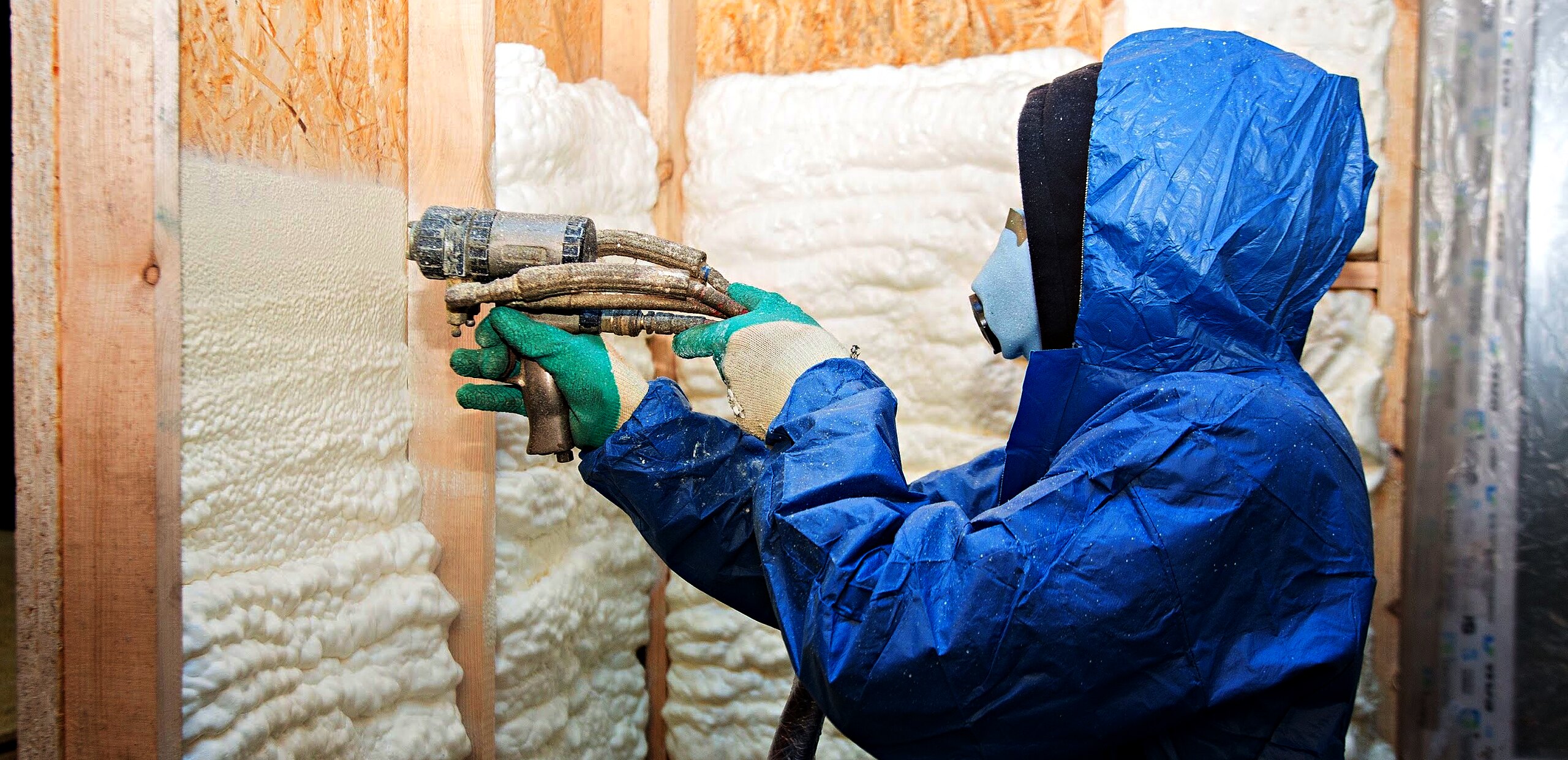
Inside wastewater treatment facilities, infrastructure longevity is constantly under threat; wastewater immersion conditions expose surfaces to acids, caustics, microbes, and abrasive solids, all of which slowly but surely corrode surfaces until entire structures are at risk. For decades, epoxy and urethane coatings have been used to line tanks and pipes, but these older technologies have limitations. Wastewater coatings exist to stop biogenic sulfide corrosion, the acid attack that destroys concrete in sewers and treatment plants.
Epoxy is strong but can be brittle, unable to flex well with substrate movement or thermal expansion. Urethane (polyurethane) coatings are more flexible than epoxy but still can fall short in extremely demanding scenarios and lack the level of moisture and chemical resistance that wastewater coatings are expected to deliver.
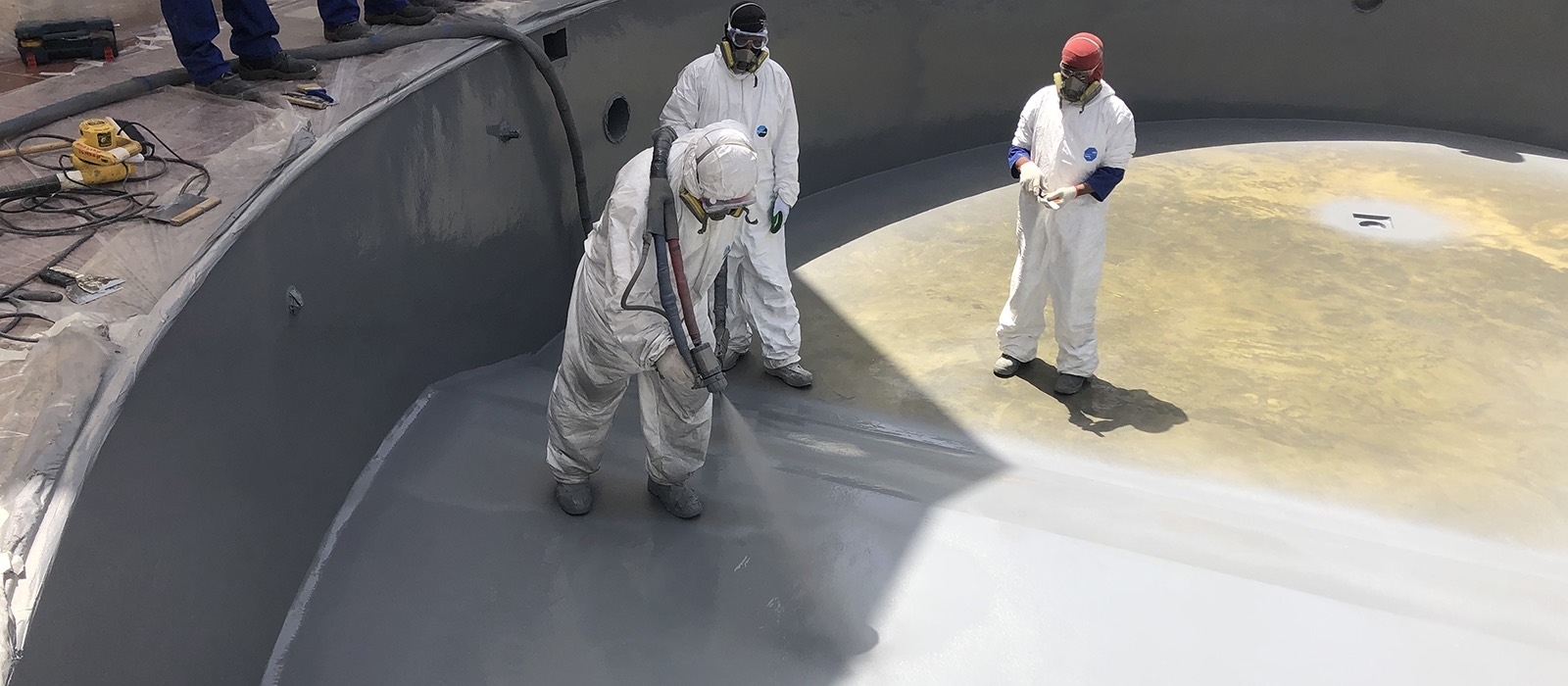
Polyurea doesn’t possess the same shortcomings and was actually engineered as a more robust alternative to polyurethane. It’s a 100% solids spray-applied protective coating that creates an immersion grade elastomer that remains intact even under continuous submersion (immersion service) and temperature swings.
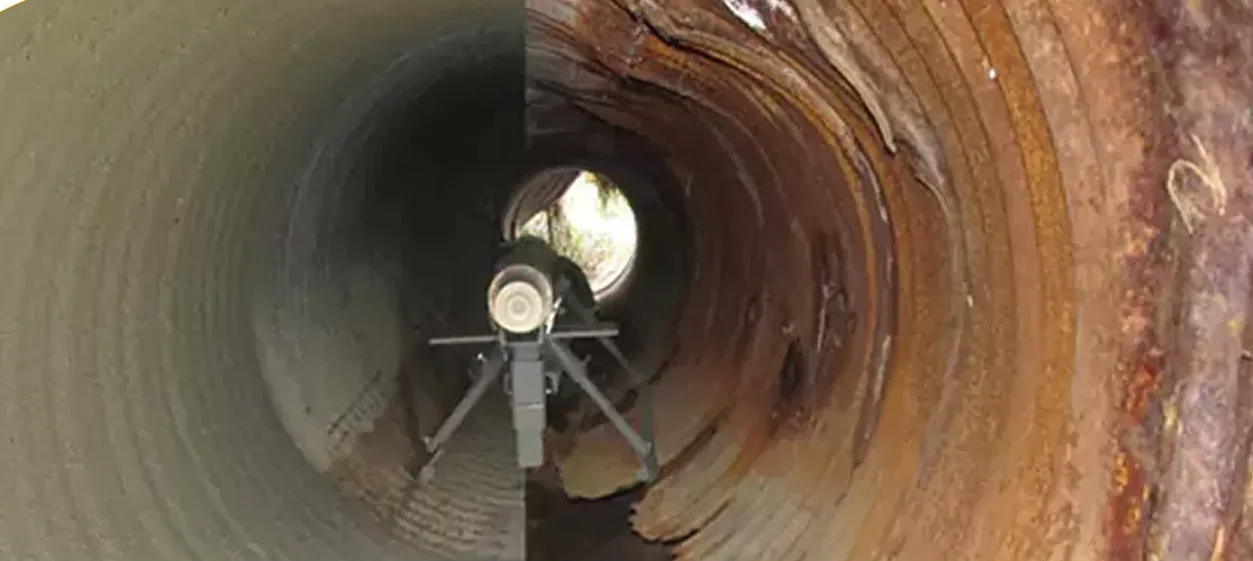
Its chemical structure yields superior protection against a wide range of substances – from sewage and industrial effluents to harsh disinfectants. Moreover, polyurea is highly resistant to hydrogen sulfide and the sulfuric acid it generates, making it ideal for wastewater applications where bacterial byproducts can aggressively attack infrastructure. It’s suitable for coating the interior of clarifiers, digesters, and wet wells or the exterior surfaces of tanks and pipes; polyurea delivers a corrosion-resistant shield that significantly extends the service life of almost any wastewater asset.
Polyurea vs. Epoxy & polyurethane
Industry trends show a clear shift away from conventional epoxy and polyurethane coatings and toward polyurea. However, it’s not a zero-sum game; all three have their place in the coatings industries, but polyurea often outperforms its predecessors in many contexts, including in protecting wastewater infrastructure.
Epoxy coatings
Epoxies bond well to metal surfaces and concrete, providing hard, abrasion-resistant protection. They’re widely used as industrial coatings and marine coatings because of their good chemical resistance, however, epoxy coatings cure slowly and are prone to cracking under movement or thermal stress. Additionally, in wastewater environments, hydrogen sulfide and other acids can degrade epoxy over time, and epoxies lack the elongation to bridge active cracks.
Polyurethane (urethane) coatings
Polyurethane is more flexible than epoxy and is often used in urethane pipe lining and tank linings. It offers decent chemical and wear resistance with quicker cure times than epoxy, which is why urethane coatings are common as exterior steel coatings and floor finishes (also due to their toughness). Yet, in the most demanding wastewater immersion conditions, standard polyurethane doesn’t match the crack-bridging of polyurea, and urethanes also typically cannot achieve the same high-film builds in a single application that polyurea can.
Polyurea coatings
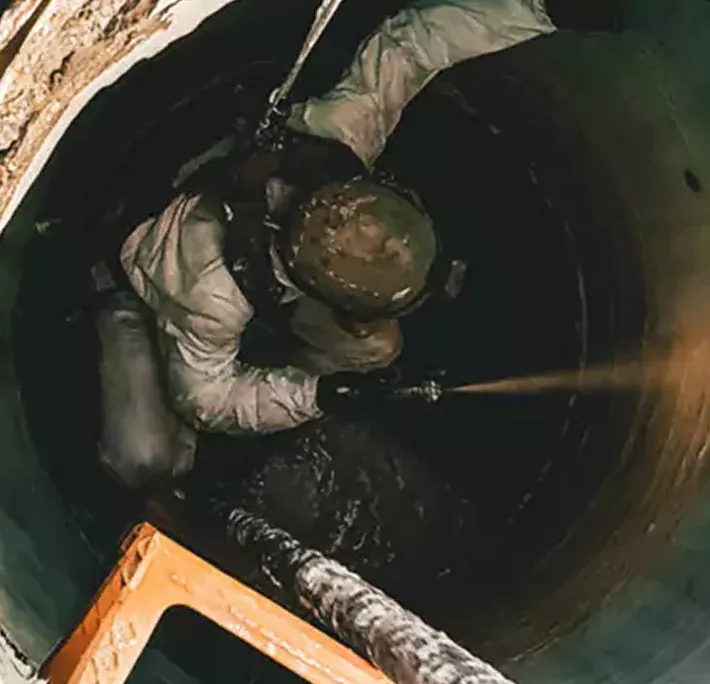
Polyurea combines the strengths of its predecessors and pushes them further. It cures rapidly – starting to set and cure within seconds and reaching full cure in a day or less – allowing an easy application and quick return to service. Unlike epoxy, polyurea remains highly elastic (able to elongate 300-400% without cracking) to accommodate structural movements.
Compared to polyurethane coatings, polyurea achieves greater thickness in one pass (it’s common to spray a high-build polyurea at 50-80+ mils in a single coat), creating a robust monolithic lining system with no seams or weak points. The result can only be described as superior protection: a polyurea liner can absorb impacts, resist abrasion, and shrug off chemical exposure that might cause other coatings to blister or peel. In head-to-head comparisons, polyurea’s combination of fast cure, flexibility, and durability often makes it the best value over the life cycle of wastewater assets, even if its upfront cost is higher.
Wastewater Coatings: Long-Term Performance and Life Cycle Savings
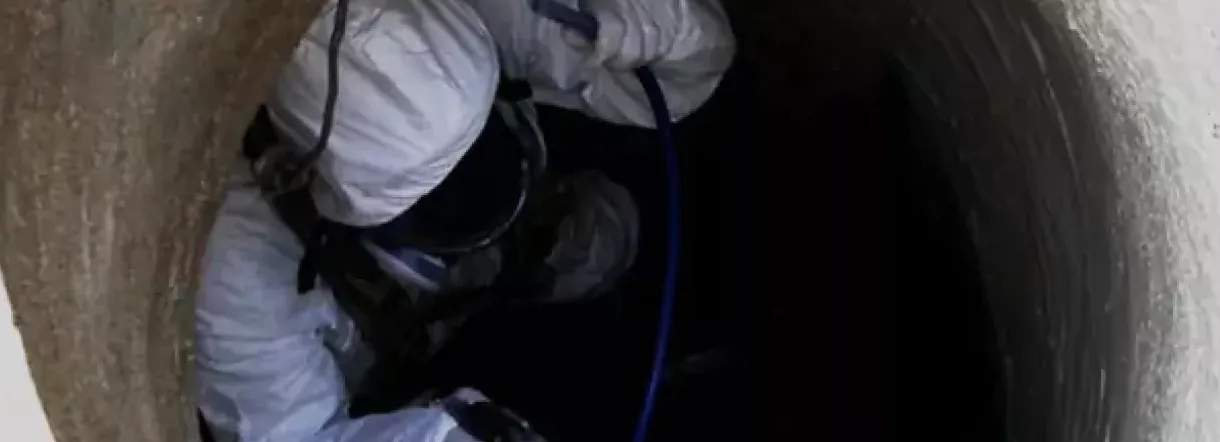
Choosing the right coating is not just about initial protection – it’s about maintenance costs and longevity. A properly installed polyurea system can last decades in wastewater service with minimal maintenance, dramatically lowering the total cost of ownership and operation. Its corrosion resistance and chemical inertness mean that concrete surfaces won’t need frequent patching, and steel components won’t require constant repainting. By preventing micro-cracks and corrosion from forming, polyurea coating systems help preserve structural integrity for future years; they extend the life cycle of critical components, delaying expensive overhauls or replacements.
Maintenance crews also appreciate polyurea’s benefits, as surfaces coated with polyurea are non-porous and easy to clean – often, a simple hose-down suffices where conventional coatings would require aggressive scrubbing or re-coating.
For example, clarifier walls or equipment housings protected by polyurea accumulate less residue and can be cleaned faster, which reduces facility downtime. Polyurea’s easy application and quick curing can also minimize out-of-service periods during initial installation or repairs; a tank lined with polyurea can often be returned to operation within hours of coating, unlike epoxy, which might keep a tank offline for a week or more of curing.
Less downtime translates to savings and operational continuity, a major benefit for facility managers and procurement decision-makers concerned with maintenance costs and process interruptions.
Furthermore, polyurea’s durability means that secondary containment areas—like chemical storage pads or spill berms—maintain their integrity if an incident occurs. Should a tank or pressure vessel leak within a containment area, a polyurea liner will hold up against the spilled chemicals and prevent environmental release, and it’s this reliability under stress that gives engineers and EHS personnel peace of mind; it’s a protective measure that safeguards not just the equipment, but also the surrounding environment and community.
Versatile applications across the wastewater industry
One of the reasons polyurea has gained wide adoption is its versatility across a wide range of applications. In the wastewater industry, a single product can often be used to protect diverse structures and surfaces, simplifying coating systems for facility upgrades.
Concrete tanks and basins
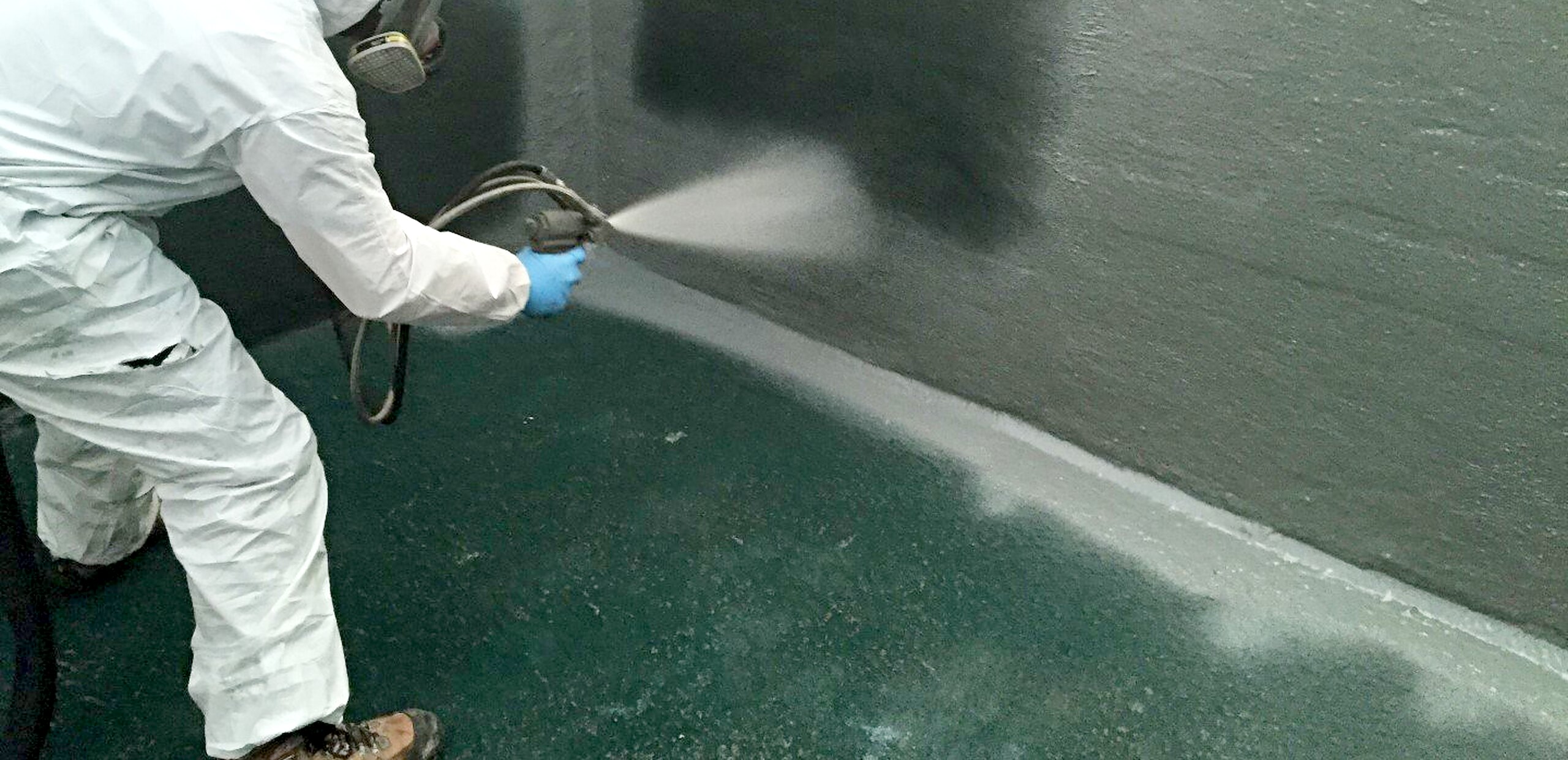
Polyurea can form a tough inner liner on settlement tanks, aeration basins, or clarifiers, resisting water penetration and chemical erosion. Such lining systems stop concrete deterioration and leakage, ensuring tanks remain structurally sound even under continuous immersion.
Steel pipes and structural steel
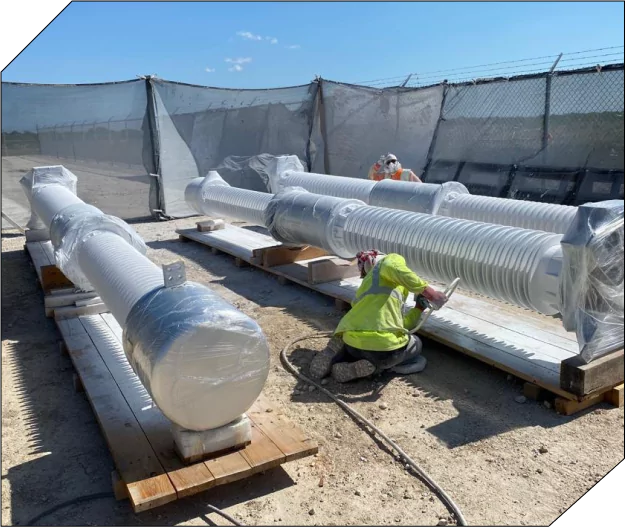
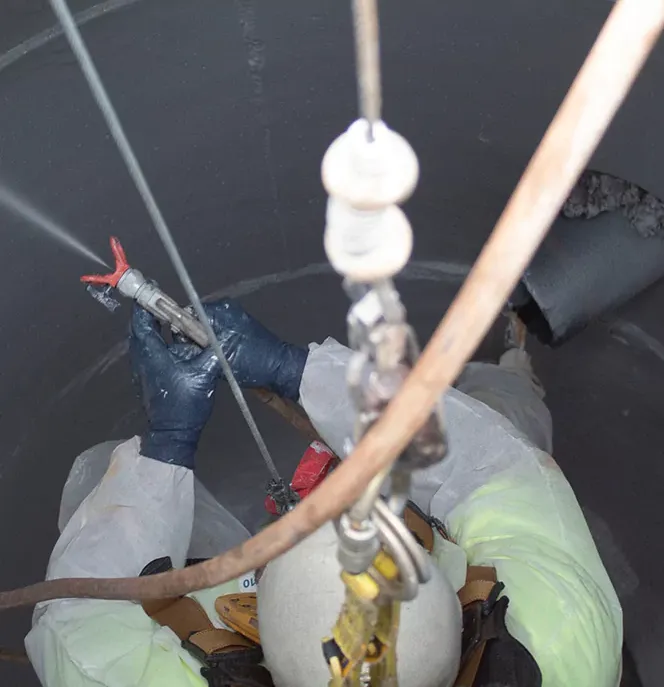
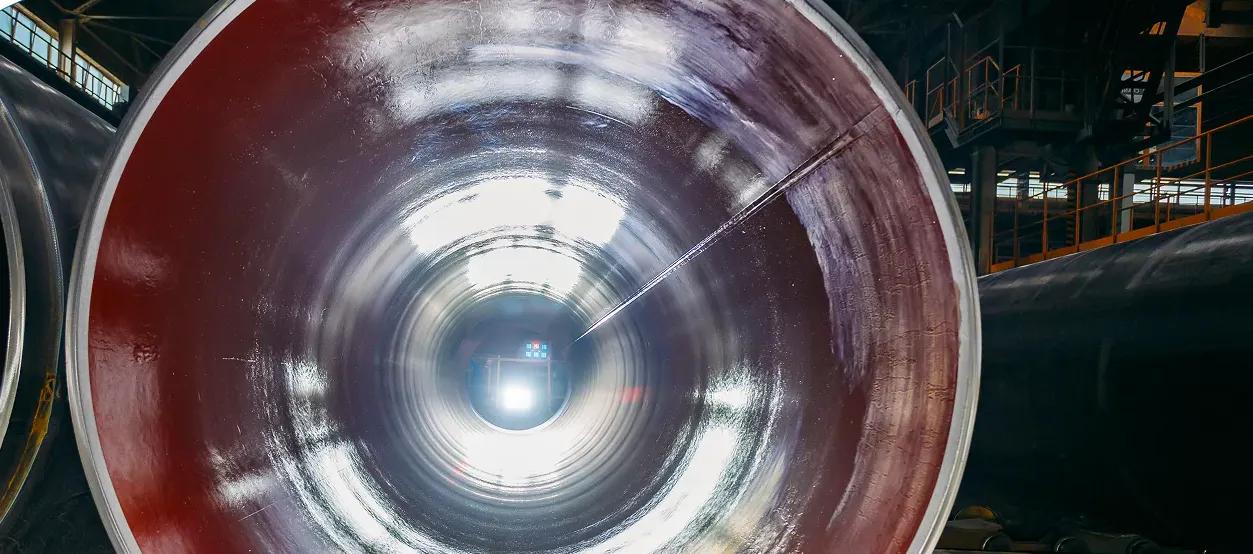
Polyurea bonds to steel, creating a flexible jacket over metal surfaces that prevents rust. It’s commonly used for exterior pipe coatings as well as internal pipe linings, effectively acting as a urethane pipe lining alternative with higher performance. Even complex geometries like weirs, grates, and support beams can be uniformly coated thanks to spray application, protecting every inch from corrosion.
Manholes, wet wells, and sumps
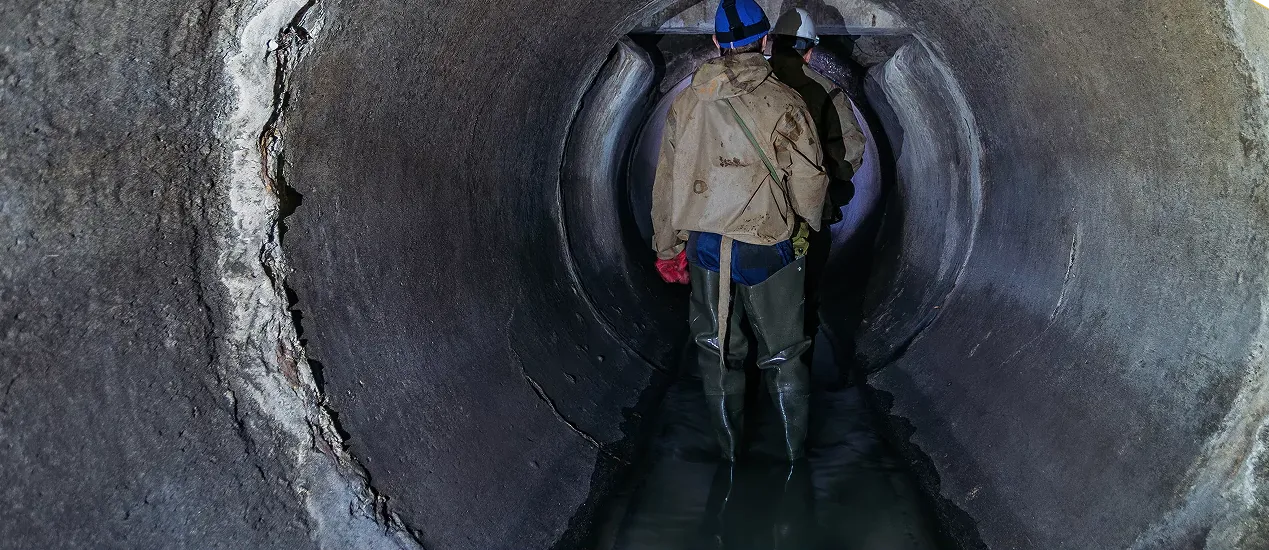
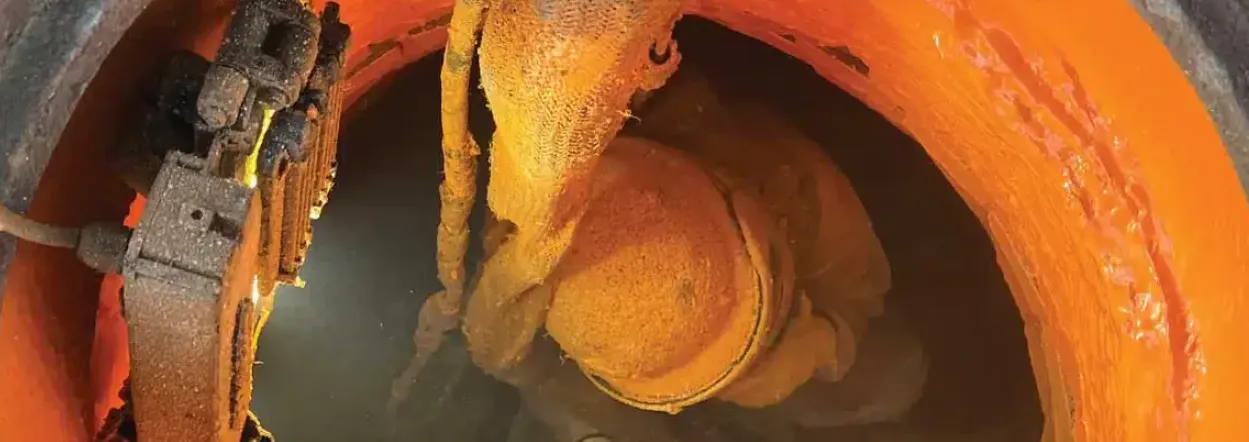
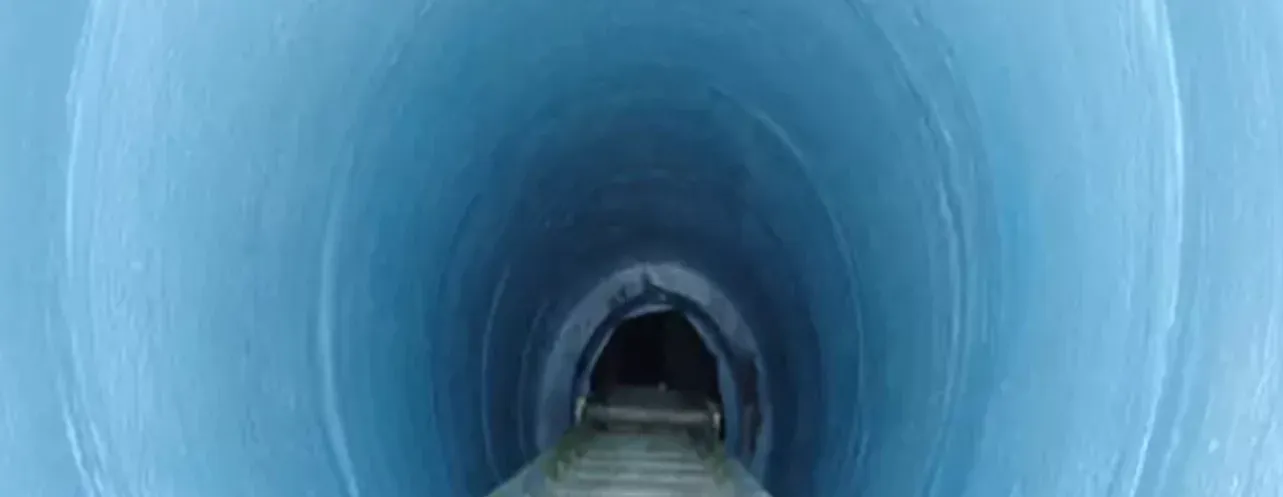
These confined spaces see constant exposure to sewage and sewer gas, so polyurea is often used to rehabilitate manhole interiors and wet wells, because it can be spray-applied onto damp surfaces and will cure even in humid, cool conditions that would foil other coatings. The resulting liner seals all joints against infiltration or exfiltration, a key factor in environmental compliance.
Secondary containment and chemical storage areas
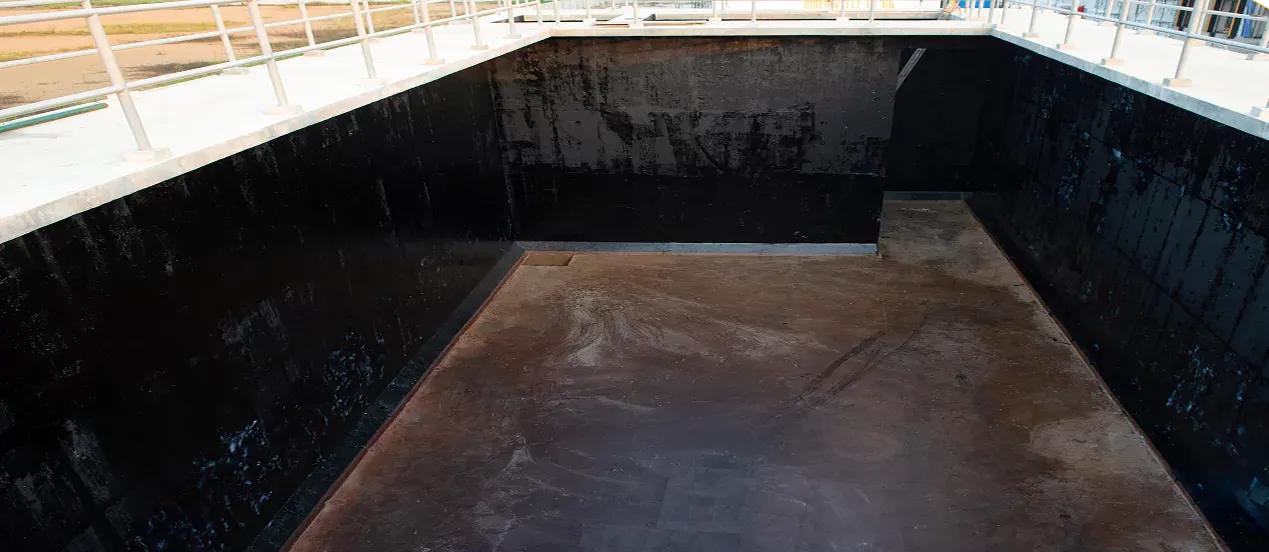
Polyurea’s chemical resistance makes it ideal for coating containment dikes, troughs, and pads in wastewater treatment plants and industrial facilities. It can handle spills of chlorine, acids, caustics, and fuels, serving as an impermeable safety net for secondary containment. Moreover, this usage is not limited to water treatment – many industries (from oil & gas to agriculture) use polyurea for spill containment, highlighting its crossover strength in the coatings industries.
Learn morePotable water and dual-use tanks
Some facilities have dual-use tanks or adjacent potable water storage tanks that demand strict safety standards. Advanced polyurea products now meet potable water certifications (NSF 600/ANSI 61 standards for low leachables), which enable use in potable water tanks and treatment processes without affecting water quality.
Plant operators can thus use one coating system (polyurea) across both wastewater and drinking water areas, simplifying maintenance and ensuring compliance with health regulations.
From exterior surfaces of tanks to interior pipe linings, polyurea delivers consistent and reliable performance; its ability to adhere to concrete, steel, fiberglass, and other substrates with a tenacious bond means one solution can cover the gamut of wastewater applications. Polyurea thereby simplifies procurement (specifiers can standardize on a single solution) and often leads to better bulk pricing and support from the manufacturer. For engineers and specifiers, using polyurea across multiple assets can streamline projects and ensure that all coated areas receive the same superior protection standard.
Start your coatings business with ArmorThane.
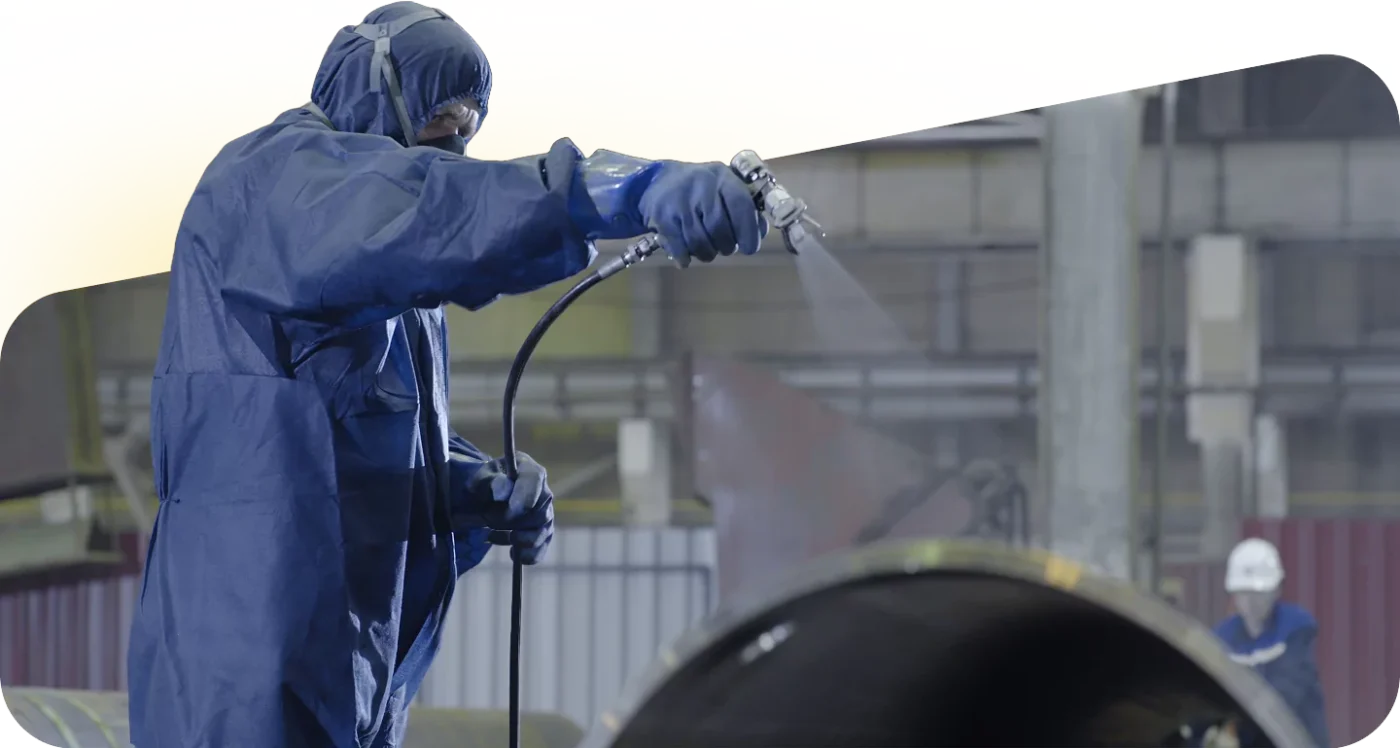
Tell us what you want to spray and where you are. An ArmorThane specialist will walk you through the equipment, chemicals, training and startup cost for the work you want to do.
- Equipment package matched to your applications
- Hands-on training and applicator certification
- Technical support once you are spraying