




Secondary containment & spill prevention
Types of secondary containment and the coatings used to line them. Learn how polyurea containment coatings help protect against chemical leaks and spills.
Line containment for a living.
ArmorThane is the one-stop shop for applicators. We make the chemistry, build the equipment, train you hands-on and back you with technical support, with no franchise fees and no royalties. Applicators have come first here since 1989.
- $0franchise fees or royalties
- 35+years in business
- 50+countries with applicators
- 24/7technical support
What exactly is secondary containment?
Secondary containment refers to any system or structure that’s designed to capture hazardous liquids or other types of dangerous substances that escape from a primary containment unit (like a tank, drum, or other storage container). You can think of it as a backup barrier.
If the primary container leaks or ruptures, the secondary containment structure (for example, a coated concrete spill berm or a lined pit) will hold the spill. This two-layer approach all but guarantees that hazardous substances and pollutants do not spread into the soil or into groundwater beyond the facility’s grounds.
The primary container is the first line of defense (the vessel holding the liquid), and the secondary containment system is the second line of defense (a safety backup that keeps any leak within a controlled area). What exactly that secondary containment looks like is a matter of circumstance.
Secondary containment systems come in various different types and sizes — from small benchtop spill trays and drip pans to large dikes and bermed containment areas surrounding storage tanks.
But regardless of the form, the goal is the same, which is to provide sufficient capacity and a secure barrier to control potential spills.

When is secondary containment needed?
Secondary containment measures should always be in place whenever there’s a risk of a hazardous leak or spill that could harm the environment or people, no matter how large or small that risk.
Many industries handling chemicals, fuels, or hazardous waste are actually required to have secondary containment by law, but it’s not just about compliance — secondary containment is critical for protecting the environment and human health, and that always takes priority number one.
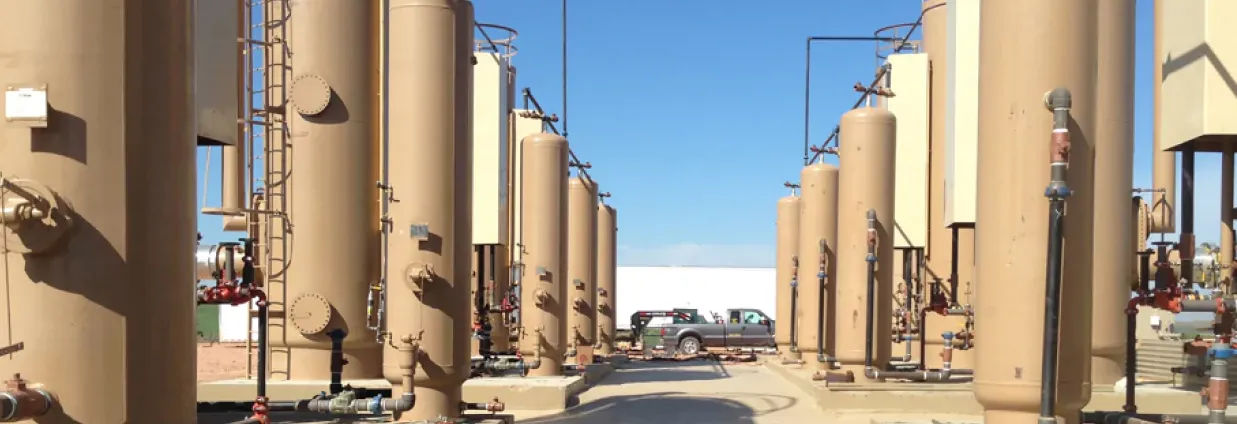
Oil and Gas Storage Tanks:
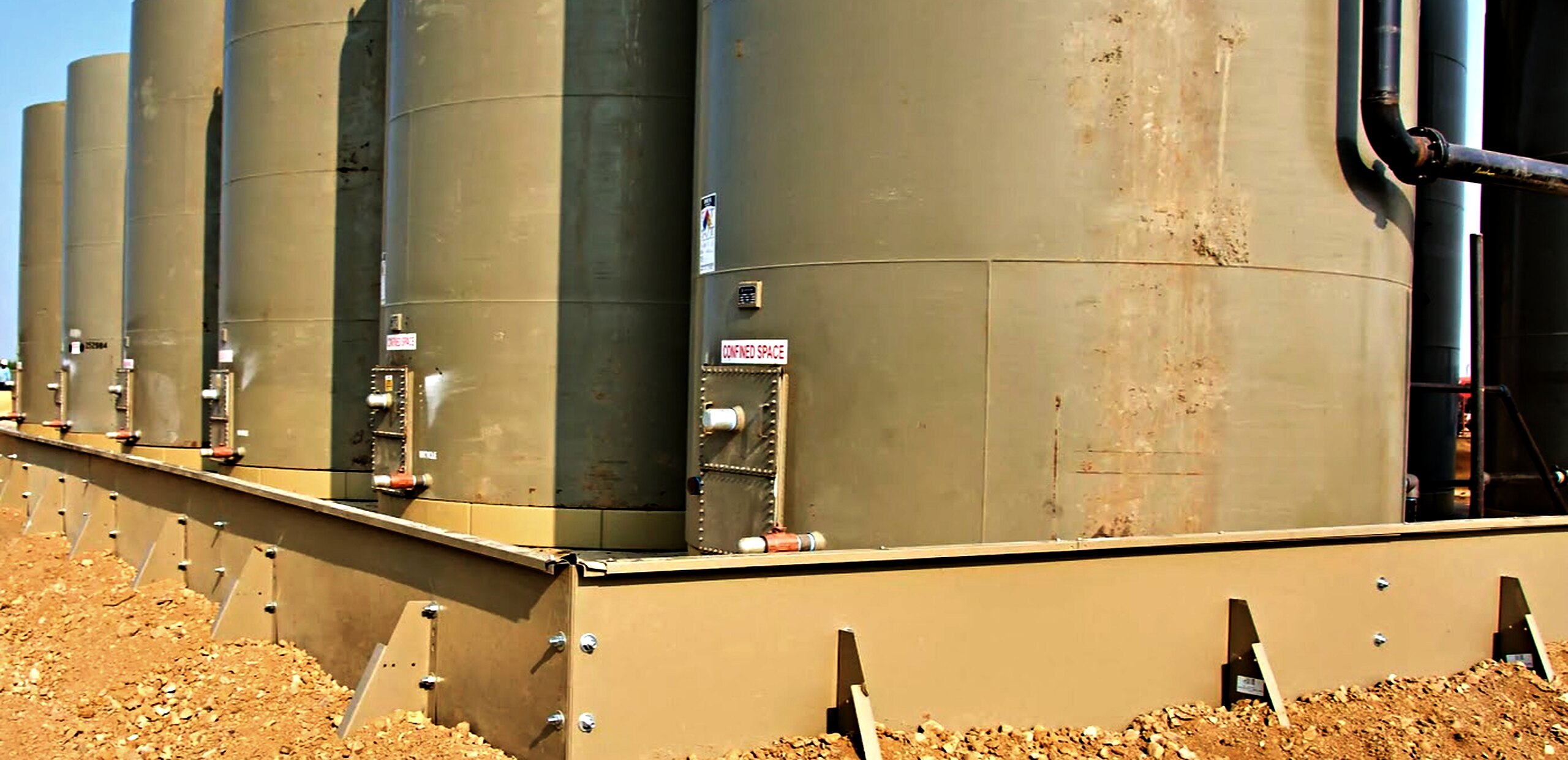
Bulk storage containers at oil and gas sites must have secondary containment to prevent any oil spill from spreading. The EPA requires containment at these facilities under its spill prevention regulations.
Chemical Drums:
Facilities storing chemicals or hazardous waste in drums or totes set up secondary containment in their drum storage areas. They might use spill containment pallets, curbing, or lined concrete pads to catch leaks from any drum and prevent contamination.
Laboratory Reagents:
Even small-scale operations need secondary containment. Labs and workshops often use simple spill trays or basins under containers of hazardous substances. This provides immediate spill control if a bottle or container leaks, protecting surfaces and drains from exposure.
These examples represent only a few of the many different application areas of secondary containment. Anywhere—and we mean anywhere - where hazardous chemicals are used, transported, or stored, It is important if not required to provide workers and local environments with the protection that they deserve.
Loading And Unloading Zones:
During fuel or chemical transfers, portable spill containment berms or drip pans can be placed under trucks and hoses. These mobile containment measures see that any leak or hose failure during loading is captured on the spot, without issue.
ArmorThane's polyurea secondary containment technology
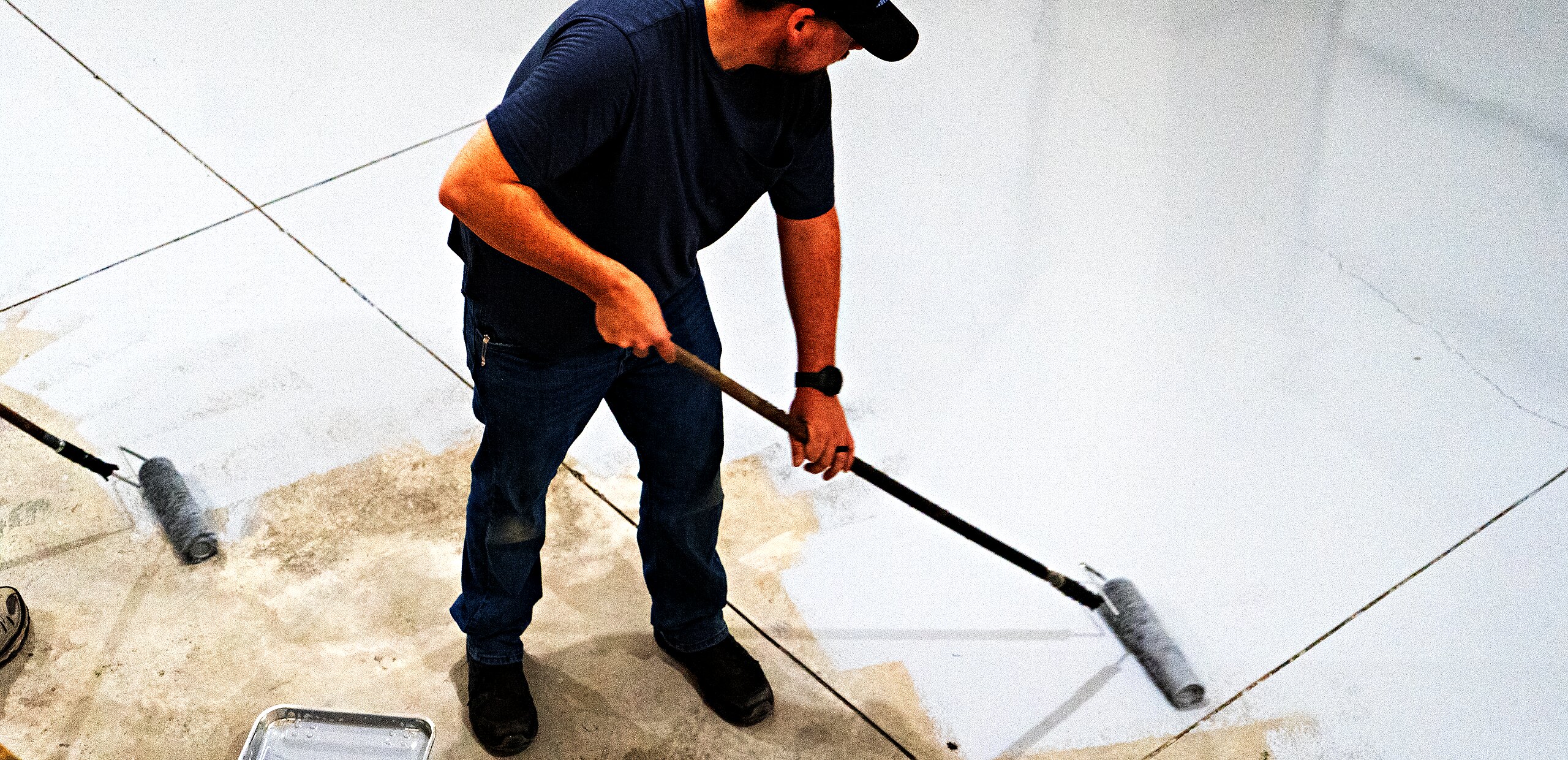
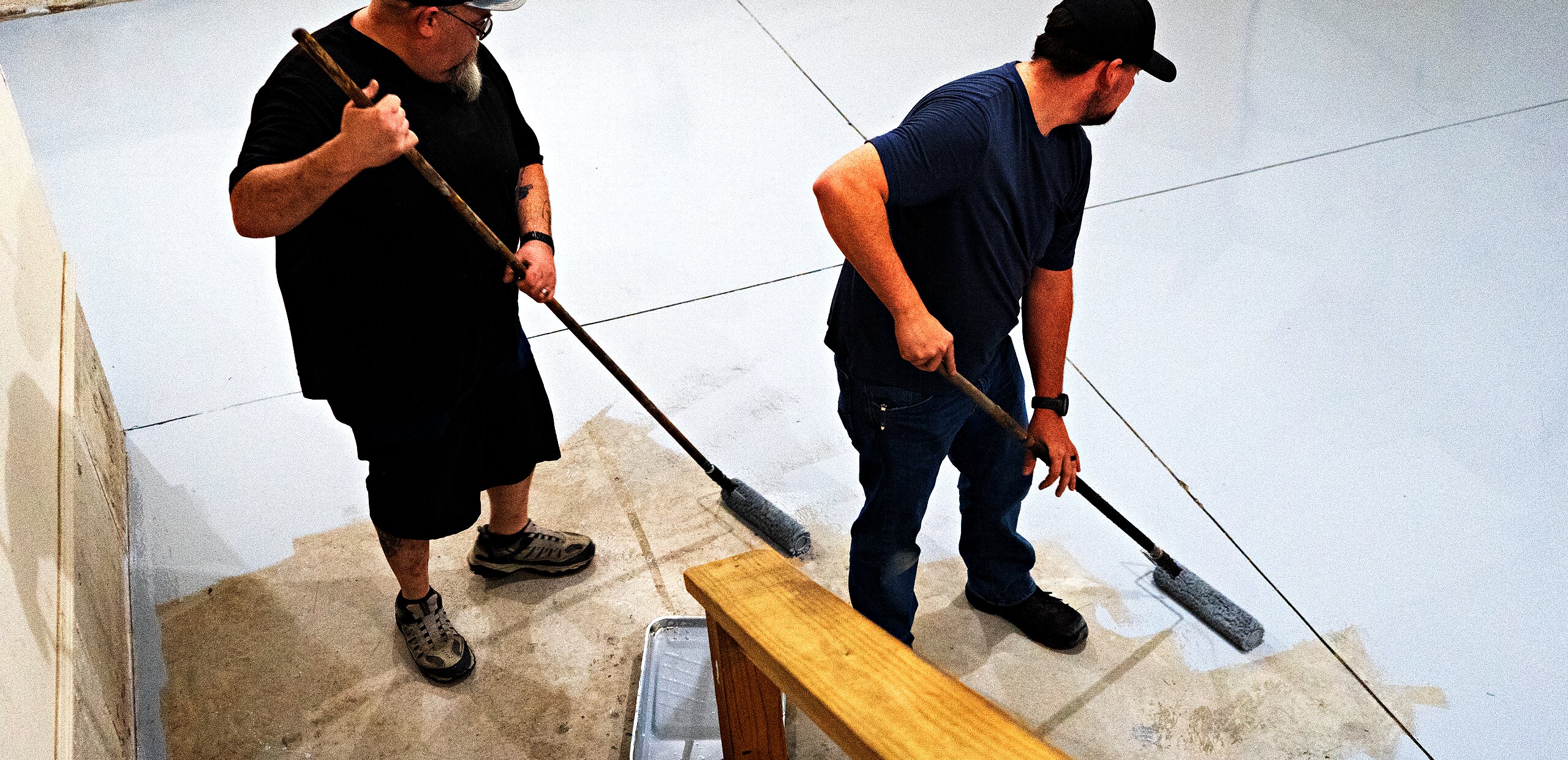
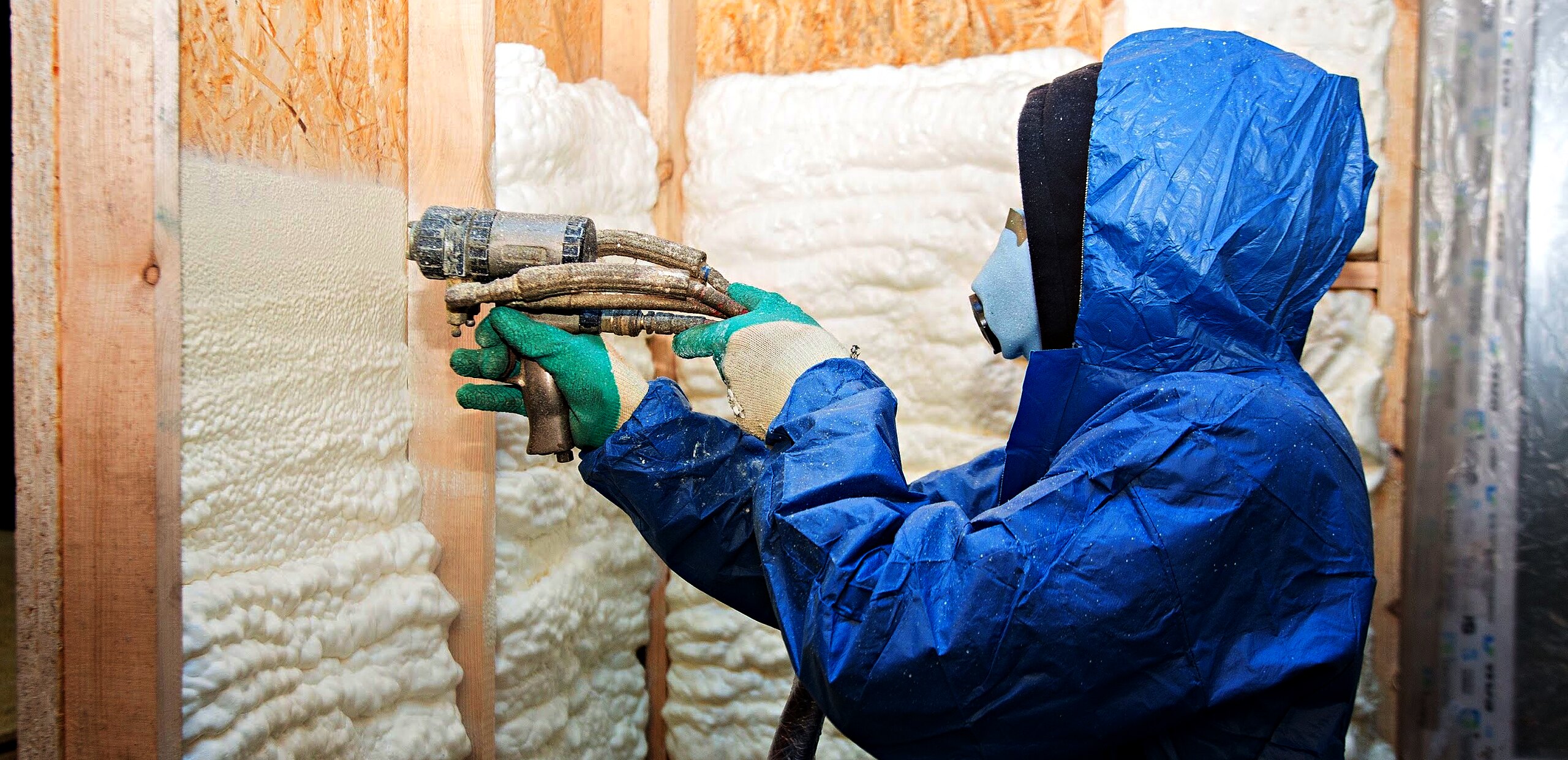
ArmorThane specializes in polyurea and polyurethane coatings that turn ordinary containment areas into robust, leak-proof spill containment systems. Instead of relying solely on concrete or prefabricated liners
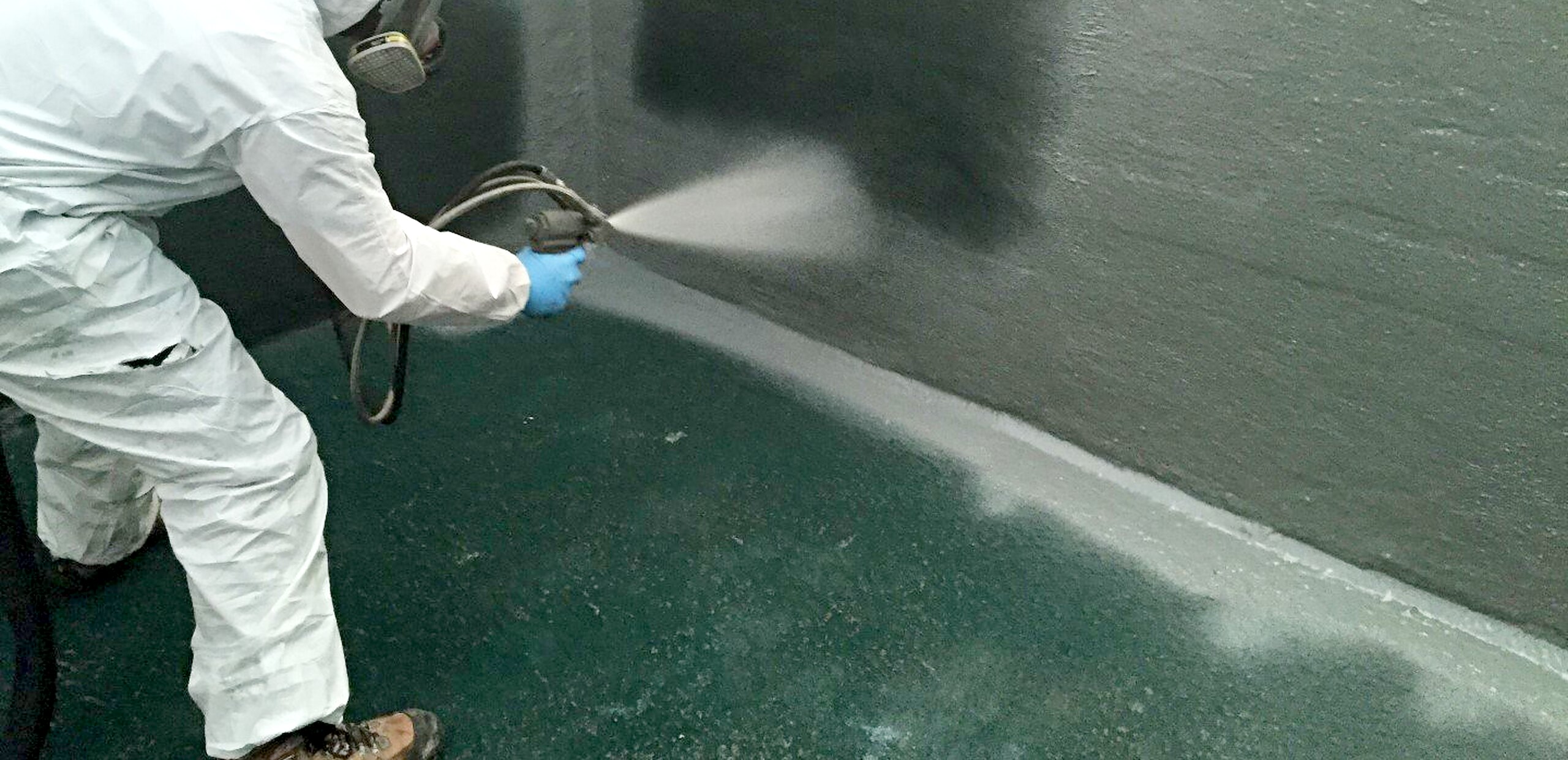
We apply our advanced sprayed-on coatings to create a seamless protective membrane that offers many advantages for secondary containment applications:
High chemical resistance
ArmorThane’s coatings have exceptional resistance to corrosive chemicals, fuels, and solvents. They can safely contain a wide range of hazardous substances — from acids and oil to flammable liquids — without degrading or leaking.
Seamless, custom-fit liners
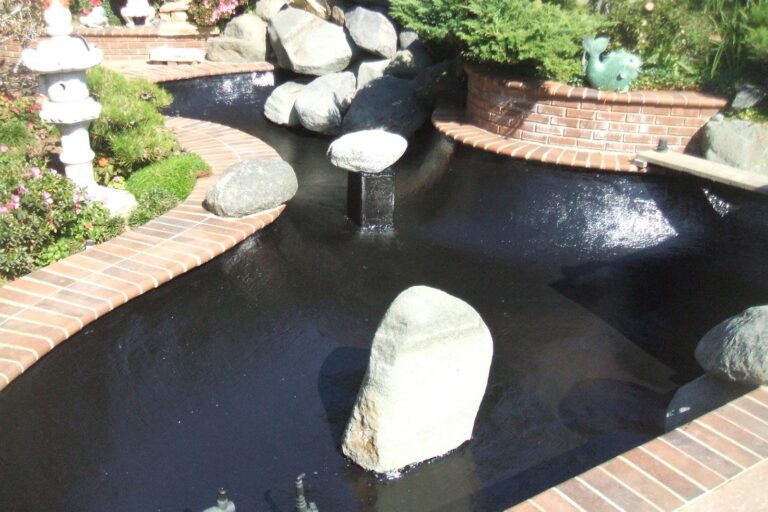
Our spray-applied polyurea/polyurethane forms a joint-free liner that adheres to every contour of the containment area. With no seams or gaps (even around pipes or drains) there are no weak points for leaks to escape.
Ultimate durability in harsh conditions
Our polyurea formulations cure quickly into a tough, rubber-like layer that won’t crack or peel. They withstand heavy use and extreme temperatures without damage.
That durability ensures your containment system remains reliable over time.
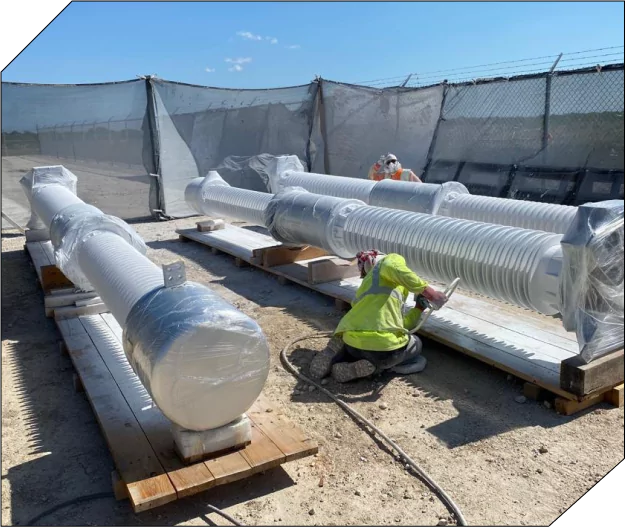
We bring not only top-quality products but also expert service. Our trained technicians can apply coatings on-site to new or existing containment units with minimal downtime.
We take pride in engineering spill containment solutions that meet or exceed secondary containment requirements, tailoring each project to its unique challenges.
The final result is a secondary containment system that is easier to maintain, fully compliant, and built to last.
Secondary containment requirements & regulations
Secondary containment requirements are set by agencies like the U.S. Environmental Protection Agency to ensure that spills are properly controlled.
Regulations such as the EPA’s Spill Prevention, Control and Countermeasure (SPCC) rule for oil and RCRA standards for hazardous waste storage — principally 40 CFR 112 for oil and 40 CFR 264.175 and 40 CFR 267.195 for hazardous waste — specify when secondary containment is mandatory to prevent the release of hazardous waste or other substances into the environment.
- CONTAINMENT CAPACITY: Secondary containment must have enough capacity to hold a major spill. A common standard is to contain at least 10% of the total volume of all primary containers, or 100% of the volume of the largest primary storage container, whichever is greater. This ensures that even if the biggest tank or vessel completely fails, the spill will be captured within the secondary containment structure.
- INTEGRITY AND IMPERMEABILITY: The containment structure should be built from materials with sufficient strength and chemical compatibility to resist leaks. It needs to withstand direct physical contact with the stored liquid and remain intact under harsh climatic conditions (extreme weather such as heavy rain or temperature swings). In practice, that means using an impervious barrier that provides strong chemical resistance — for example, a concrete berm coated with a compatible liner — so the liquid cannot penetrate or escape. In addition, facilities are usually required to perform regular visual inspection and maintenance of their secondary containment systems. Inspections help catch any cracks, erosion, or collected liquid so they can be fixed or removed promptly. Adhering to these requirements lets companies protect the environment and avoid costly fines, all while keeping workers and the surrounding community safe.
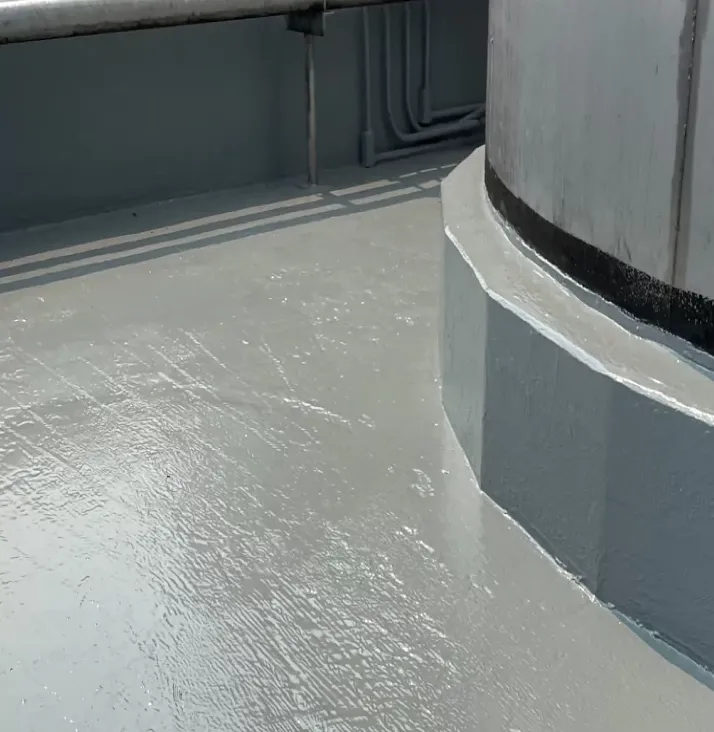
How To Calculate Containment Capacity (The 110% Rule)
Sizing a containment structure correctly is the most common compliance failure we see in the field. Two rules govern almost every installation.
The EPA “greater of” rule. The structure must hold at least 100% of the volume of the largest primary container, or 10% of the aggregate volume of every container in the area — whichever number is larger.
The 110% rule. Many state programs and most engineering specifications call for capacity equal to 110% of the largest container. The additional 10% is freeboard — reserve volume for rainfall, snowmelt and firefighting water in uncovered outdoor areas.
Worked example. Twenty 55-gallon drums in one bermed area hold 1,100 gallons in total. Ten percent of the aggregate is 110 gallons; 100% of the largest single drum is 55 gallons. The greater figure is 110 gallons, so the berm must retain at least 110 gallons — and 121 gallons where a 110% freeboard standard applies.
| Storage configuration | Governing rule | Minimum capacity required |
|---|---|---|
| Single 55-gallon drum | 100% of largest container | 55 gal (61 gal with 10% freeboard) |
| Twenty 55-gallon drums (1,100 gal aggregate) | Greater of 10% aggregate or 100% largest | 110 gal |
| One 10,000-gallon bulk tank | 100% of largest container | 10,000 gal (11,000 gal with freeboard) |
| Uncovered outdoor tank farm | 100% largest plus precipitation allowance | 110% of largest container |
| Hazardous waste container area (40 CFR 264.175) | 10% aggregate or 100% largest, whichever greater | Above, plus run-on control |
Capacity is only half of the specification. The base must also be free of cracks and gaps, and chemically compatible with what it will hold — which is where a seamless sprayed liner does the work that bare concrete cannot.
EPA vs. OSHA Requirements
The two agencies regulate containment from different angles, and most facilities have to satisfy both at once.
EPA requirements are environmental. The Spill Prevention, Control and Countermeasure rule (40 CFR 112) applies to facilities with more than 1,320 gallons of aggregate aboveground oil storage, and requires sized containment plus a written SPCC plan. RCRA (40 CFR 264.175 for container storage areas and 40 CFR 267.195 for tank systems) governs hazardous waste and adds requirements for a crack-free base, sufficient capacity and run-on control.
OSHA requirements are worker-safety driven. OSHA does not publish a single containment volume. Instead, 29 CFR 1910.106 governs flammable liquid storage and drainage, and the housekeeping duty in 29 CFR 1910.22 requires walking and working surfaces to be kept clean, dry and free of hazards — which in practice means spill control wherever chemicals are handled. The Hazard Communication Standard also shapes labelling practice for secondary containers.
The practical answer: size the system to the EPA rule, then verify that the surface, drainage and slip resistance satisfy OSHA. Facilities are also expected to carry out documented visual inspections and to remove accumulated liquid promptly.
Frequently asked questions

What Is The Difference Between Primary and Secondary Containment?
Primary containment refers to the main vessel or container that directly holds a hazardous liquid or material (for example, a storage drum or chemical tank). Secondary containment is the extra precaution — a structure or system like a berm, tray, or coated concrete basin — that catches the contents if the primary container leaks or fails. The secondary containment acts as a safety backup to prevent any escaped material from causing harm.
What Materials Need Secondary Containment?
The storage and transport of most hazardous materials require the use of secondary containment strategies, which can include strong acids and bases, oxidizers, explosive materials, or anything else deemed a risk to human or environmental health and safety.
What is the Best Type of Secondary Containment?
There is no single best type of secondary containment. Secondary containment strategies depend on the hazardous materials, the tools and equipment used for their transportation and storage, and the spaces that they occupy. Some technologies like polyurea offer a more flexible solution that can be used in most applications, while others such as spill pallets or decks offer narrower function.
When Are Secondary Containment Systems Required By Law?
In the United States, environmental laws make secondary containment mandatory in many situations involving hazardous liquids. The EPA’s Spill Prevention (SPCC) rule requires containment for large oil tanks, and RCRA regulations cover hazardous waste storage areas. Most often, if you store significant volumes of oil, fuel, chemicals, or hazardous waste, you are required to have a secondary containment system.
How Do ArmorThane Coatings Improve Secondary Containment?
ArmorThane’s spray-applied coatings create a seamless, leak-proof liner inside your containment area. The extra layer this provides covers any cracks and imparts superior chemical resistance, so hazardous liquids can’t seep through. The coating also reinforces the structure, allowing it to withstand heavy use and temperature changes without cracking. It turns a standard containment area into a much more durable and reliable spill barrier.
Can I Retrofit An Existing Containment Area With ArmorThane Coatings?
Absolutely. One major advantage of our coatings is that they can be applied to existing structures. Your old containment (whether concrete or steel (even stainless steel)) can be cleaned and prepped and then the coating is sprayed on. It bonds to the surface and quickly forms a new seamless liner, sealing any cracks. After curing, your aged containment area has a fresh, leak-proof lining — a fast and cost-effective upgrade compared to building a new containment system.
What Is The 110% Rule For Secondary Containment?
The 110% rule is the widely used engineering and state-level standard that a containment structure should hold 110% of the volume of the largest primary container it serves. The extra 10% is freeboard — spare capacity that absorbs rainfall, snowmelt or firefighting water so an uncovered outdoor structure does not overflow while it is holding a spill. Federal EPA rules are worded differently: they require the greater of 100% of the largest container or 10% of the aggregate volume of all containers, plus sufficient freeboard for precipitation where the area is uncovered.
What Are The OSHA Rules For Secondary Containment?
OSHA does not set a single numeric containment volume the way the EPA does. Its requirements are worker-safety based: 29 CFR 1910.106 governs the storage, dispensing and drainage of flammable liquids, and 29 CFR 1910.22 requires walking and working surfaces to be kept clean, dry, orderly and free of hazards, which in practice obliges facilities to control spills and leaks where chemicals are handled. The Hazard Communication Standard adds labelling duties for secondary containers. Most sites size the structure to the EPA rule, then confirm the surface finish, drainage and slip resistance satisfy OSHA.
Is Secondary Containment A Legal Requirement?
In many situations, yes. Under the EPA’s SPCC rule (40 CFR 112) it is mandatory for facilities with more than 1,320 gallons of aggregate aboveground oil storage capacity. Under RCRA it is required for hazardous waste container storage areas (40 CFR 264.175) and tank systems (40 CFR 267.195). Underground storage tanks, aboveground fuel tanks and many state chemical-storage programmes impose their own requirements, and fire codes add rules for flammable liquids. Requirements vary by substance, volume and jurisdiction, so the governing rule should always be confirmed for the specific site.
Protect your world against spills with ArmorThane
‘Good enough’ is nowhere near enough when it comes to spill protection. ArmorThane delivers proven secondary containment solutions that give you confidence, not to mention regulatory compliance.
Whether you need to line a new berm or repair an aging containment area, our team is ready to help. Contact us today to discuss your project and learn how our polyurea and polyurethane coatings can safeguard your operations from spills.
Protect Your World with ArmorThane — we’ve got you covered; literally.
Industrial library
More containment and industrial coating guides
Chemical resistance, abrasion, tank and containment lining.
Start your coatings business with ArmorThane.
Tell us what you want to spray and where you are. An ArmorThane specialist will walk you through the equipment, chemicals, training and startup cost for the work you want to do.
- Equipment package matched to your applications
- Hands-on training and applicator certification
- Technical support once you are spraying