




Horse Stall Flooring Options Compared
Clay, stone dust, sand, concrete, asphalt, rubber mats, grids and seamless floors, rated on drainage, legs, urine and odor, bedding and cost, with a mat and bedding planner.
Start a floor coating business
Coat floors for a living.
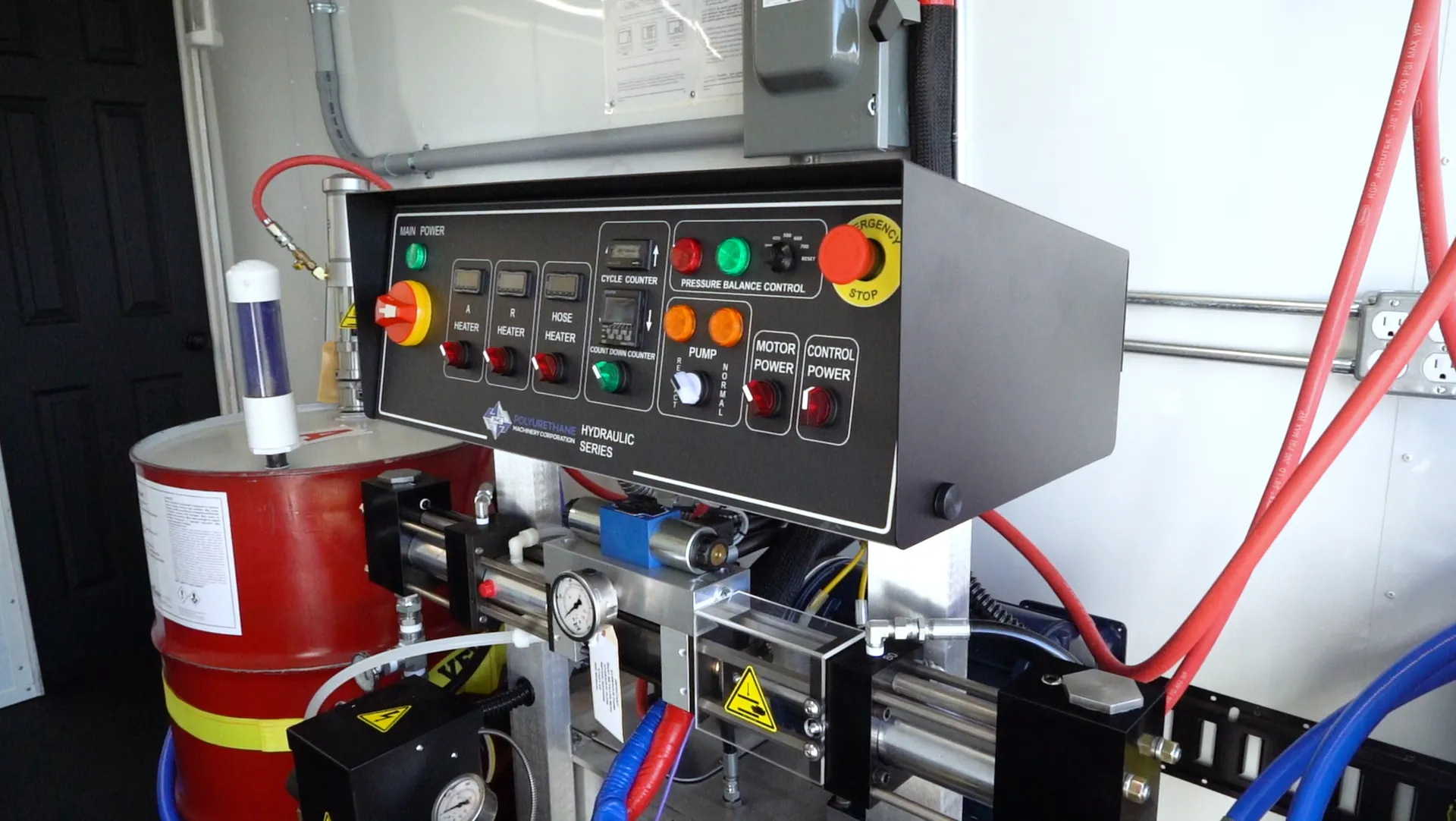
ArmorThane sets you up to do this work, and you own the business. We make the chemistry, build the rigs, train you hands-on and answer the phone when a job gets difficult. You pay no franchise fee and no royalties. It has been that way since 1989.

- $0
- franchise fees or royalties
- 35+
- years in business
- 50+
- countries with applicators
- 24/7
- technical support
A 1,000-pound horse stands, paws and lies on its stall floor for hours and leaves about 2.4 gallons of urine on it every day. The floor has to cushion legs, drain or hold that urine, give traction and still clean up quickly. No single material does all of that, so most good stalls are built in layers.
No single floor is best. A proven build is 4–5 in of compacted stone dust over 6–8 in of sand or small gravel, sloped about 1 in per 5 ft, under 3/4 in rubber mats (six 4×6 ft mats fill a 12×12 stall, about $41–$62 each). Concrete lasts but needs mats or deep bedding; clay is kind to legs but needs yearly repacking. Seamless floors keep urine out of seams. Plan your floor or estimate bedding.
Construction figures come from Penn State Extension; prices from retail listings read in September 2026. Where the only source is a seller, we say so.
A word about who's writing. ArmorThane has made polyurea and polyurethane coatings in Springfield, Missouri, since 1989, and certified applicators spray them on barn, kennel and trailer floors. We don't sell mats, clay or stone dust, and for plenty of barns those are the right answer.
- 1Horse stall flooring options compared
- 2Base, slope and drainage
- 3Stall floor planner (interactive)
- 4Clay, stone dust, sand and topsoil
- 5Concrete, asphalt and wood
- 6Rubber stall mats and grids
- 7Seams, urine and ammonia
- 8Seamless stall floors
- 9Bedding and waste calculator (interactive)
- 10Best horse stall flooring by situation
- 11What stall floors cost
- 12Horse stall flooring FAQ
Horse stall flooring options, compared
Penn State Extension sums up the problem: "Dirt has 'give' but is not durable; concrete is durable but has no 'give.'" Every floor below trades one for the other. Ratings are from Penn State's stable flooring publication unless noted.
| Floor | Drainage | Legs and hooves | Urine and odor | Upkeep |
|---|---|---|---|---|
| Clay (often 2/3 clay, 1/3 stone dust) | Slow. "Remains damp longer than desirable" | Best. "Closest to a natural tread" | Absorbs; may retain odors | High. Relevel and repack yearly |
| Stone dust (road base mix) | Good | Firm once compacted | Drains into the base | Medium. Holes if poorly compacted |
| Sand | Good | Soft, but dries hooves | Absorbs; mixes with bedding | High. Won't pack; sand colic risk |
| Topsoil | Poor. Stays damp | Easy on legs; may freeze hard | Retains dampness and odor | High. Replace often |
| Concrete | Sheds water; needs slope | "Hard on legs, unyielding" | Easy to clean and disinfect | Low. Needs mats or more bedding |
| Asphalt | Sheds water | Slightly more give than concrete | Irregularities trap urine | Low. Cracks if too thin |
| Rubber mats over a base | Runs off or through seams | Easy on legs | May retain odors | Low. Shift unless anchored |
| Grid systems, filled | Good, through the fill | Easy on legs | Like the fill | Low. "Remains level" |
| Seamless toppers and coatings | Stays on top; needs slope | Depends on system and bedding | No seams for urine to enter | Low; vendor data only |
The floors kindest to legs hold moisture and need the most work; the easiest to clean are hardest on legs. Penn State's fix is to combine them: concrete's hardness "can be overcome by using rubber mats or deep bedding." Watch traction too: "rubber mats and clay can be slippery when wet."
Base, slope and drainage
Most wet, smelly stalls have a drainage problem, not a mat problem. These drainage basics come from Penn State Extension: build up, slope it and keep groundwater away.
Build the floor up
"Elevate the top of the stall floor at least 12 inches above the outside ground level," so rain and snowmelt run away from the barn.
Compact a free-draining base
Under porous floors, compacted subsoil is often covered with "4 to 5 inches of gravel plus 2 inches of sand or pea gravel." Stone dust goes 4–5 in thick over 6–8 in of sand or small gravel.
Slope it
"A 1 1/2 to 2 percent (1/4 inch per foot; 1 inch per 5 feet) incline is enough to move water." Across a 12 ft stall, that's about 2.4–3 in of fall.
Beat a high water table
Where groundwater sits high, put granular fill "which has low-capillary conductivity" under the floor so moisture doesn't wick up.
Drain the aisles
Aisles should be dry, durable, nonslip and fire resistant, with drains "especially under or near water hydrants."
Stall floor planner
Enter stall size and count, then pick a floor build. The planner lays out 4×6 ft mats (including mixed layouts that save cuts), counts seams and works out base material from Penn State's layer depths.
What do my stalls need?
Layer depths from Penn State Extension. Mat prices read September 2026: Greatmats $41.04, RAMM $48.76, Tractor Supply $51.99 on sale ($61.99 regular).
4 stalls, 12 × 12 ft (576 sq ft). Each stall takes 6 mats in 3 rows of 2, no cuts, about 36 ft of seams. The 24 mats weigh about 2,400 lb. At 1 in per 5 ft the floor falls about 2.4 in across the stall; keep it 12 in above outside grade. Penn State’s build: 4–5 in of compacted road base mix over 6–8 in of sand or small gravel, mats on top. Volumes are compacted depth; ask your supplier how much extra to order.
Clay, stone dust, sand and topsoil
Earth floors are the oldest horse barn flooring and the cheapest in Penn State's cost ranking. They absorb and drain, they're easy on legs, and they need regular work.
Clay
"Closest to a natural tread," quiet, dust-free and relatively warm, and it "keeps hooves moist." It must be leveled and repacked every year and replaced every few years as horses dig holes. A mix of 1/3 stone dust and 2/3 clay over gravel is common.
Stone dust (road base mix)
Usually decomposed granite with a little clay or binder, "a well-graded, compactable material." It packs, drains and levels easily. Loose surface stones and poorly compacted spots are the problems. Lay it 4–5 in over 6–8 in of sand or small gravel.
Sand
Soft and free-draining, but it "does not pack well," stays damp in cold climates, dries hooves and mixes into bedding. Penn State warns that "sand colic can develop when horses eat sand." Better as a drainage layer than a surface.
Topsoil
Absorbent, nonslip and cheap, but it holds dampness and odor, freezes hard, is hard to muck out and disinfect, and "needs to be leveled and replaced often."
Concrete, asphalt and wood
Durable, cleanable, hard
At least 4 in under stalls, 5 in for alleys with vehicle traffic, with a broom or wood-float finish. Durable, rodent-proof and possible to disinfect, but "hard on legs," cold in northern barns, and it "needs more bedding or solid rubber mat." Some owners turn horses out at least 4 hours a day when they live on concrete.
A little more give
At least 2 in in stalls and 3–4 in in aisles with vehicles. Cheaper than concrete, with "slightly more give" and good traction. Still hard and cold; "surface irregularities can trap urine," and it cracks and chips if laid too thin.
Warm, but porous
Treated hardwood planks at least 2 in thick over sand or gravel. Warm and easy on legs, but porous, odor-retaining, slippery when wet and prone to insect and rodent damage.
Rubber stall mats and grids
Penn State says most mats are 1/2 to 3/4 in thick, laid on "an even, compact surface such as 4 to 5 inches of road base mix or concrete." A 4×6 ft mat weighs about 100 lb (Tractor Supply lists 94 lb). Cashman's, a mat seller, calls 3/4 in standard and doesn't recommend 1/2 in over hard surfaces.
| Stall size | 4×6 mats | Cuts | Mat area | Mats at $41–$62 |
|---|---|---|---|---|
| 10 × 10 ft | 5 | Yes (20 sq ft trimmed) | 120 sq ft | $205–$310 |
| 10 × 12 ft | 5 | None | 120 sq ft | $205–$310 |
| 12 × 12 ft | 6 | None | 144 sq ft | $246–$372 |
| 12 × 14 ft | 7 | None | 168 sq ft | $287–$434 |
| 14 × 14 ft | 10 | Yes (44 sq ft trimmed) | 240 sq ft | $410–$620 |
The standard mat
Cheapest per mat and easy to replace one at a time. Penn State lists "will move unless anchored" as a drawback, and every edge is a seam. Tractor Supply's mat goes button side down for drainage, up for grip.
Mats that lock together
Puzzle edges stop mats creeping apart, but they need a level base and cost more: Greatmats' 12 × 12 kit is $446.88–$474.55 and RAMM's kits run $380.02–$510.09.
Grid systems
Grids are the other interlocking system: open rubber or plastic cells "placed over a compacted, level subfloor and topped with another flooring material such as clay, soil, or road base mix." The grid keeps the fill from pitting, so the floor "remains level," and Penn State says it "uses less bedding than concrete." Grids were the priciest floor in Penn State's table, and you still maintain the fill.
The same seams-and-urine problem shows up at kennel scale; see our dog kennel flooring guide.
Seams, urine and ammonia
Penn State says a "non-odor (ammonia) retentive, nonabsorbent floor is beneficial" and lists "may retain odors" as a drawback of mats. The cause is usually underneath: some of those 2.4 daily gallons find the joints between mats.
Stall maker Triton Barn Systems explains: "If the surface underneath is impermeable, made of concrete, then the urine builds up under the mats, where it can release ammonia into the air." Over porous stone dust, urine can drain through the seams instead.
Drain or seal
Over stone dust, straight-edge mats "drain more than interlocking." Over concrete, the goal flips: keep urine on top, where bedding catches it.
No dips, some slope
Triton wants the floor under mats "flat – no dips where urine can pool," sloped, with mats that have "grooved or footed bottoms, so the urine can flow off."
Lift and clean
Triton: "Cleaning urine under the mats is more difficult than cleaning urine on top of them." Pull mats periodically, clean and dry underneath, and fix low spots before relaying.
Seamless horse stall flooring systems
"Seamless" covers several products that all keep urine and bedding from getting under the surface. We found no university or independent test data on any of them, only makers' descriptions.
A single stall-size mat
Mats Inc sells one-piece 3/4 in rubber mats for 12 × 12 up to 14 × 16 ft stalls, shipped rolled, listed at $2,239. Its claim: "with no seams, there's nowhere for urine, bedding, or bacteria to collect."
Cushion under a sealed top
A cushion layer under an impermeable top cover. StableComfort claims "as little as 2 forkfuls of shavings per day" and cleaning time cut "by at least 50%." SoftStall reports over 1,000,000 sq ft installed. RAMM's ThuroBed systems run $943–$4,527.
Installed in place
Padenpor DLX, sold by Abacus Animal Flooring, is "a resilient, seamless textured floor covering" that's nonporous, pressure-washable and can be "resurfaced without replacement." Slope it to drains. No price is published.
A bonded, sprayed membrane
Polyurea sprayed onto concrete and up the walls in one piece. ArmorThane's SureGrip soft polyurea has "the greatest elongation properties of any of our polyurea coatings," and non-slip aggregate can go in while the surface is wet. It's a coating, not a cushion, so keep bedding.
A mattress adds cushion; a sprayed coating adds a sealed, grippy, washable skin over concrete. It fits best where you already have concrete and want no seams, and in wash bays and aisles. For more on sprayed rubber-like coatings, see our spray-on rubber coating page.
Bedding and waste calculator
Every floor gets bedded. This uses Penn State's figures for a 1,000-lb horse to estimate bedding, waste and cost, scaled to hours inside.
How much bedding will my stalls use?
Penn State: 8–15 lb of soiled bedding per stall per day; 2.4 gal of urine per horse per day; shavings about 9 lb per cu ft loose, straw 2–3.
4 horses, 12 hours a day inside. At Penn State’s 8–15 lb of soiled bedding per stall per day, expect 112–210 lb (12–23 cu ft of loose pine shavings) a week. The stalls collect about 4.8 gal of urine a day, and holding it takes at least 20 lb of pine shavings a day, so thin bedding shows up as wet spots and ammonia. Plan to haul out 22–26 tons (about 46–67 cu yd loose) of stall waste a year. At $6.49 per 8 cu ft, that’s about $525–$984 a year. Enter the saving you expect from mats or a mattress to see a payback estimate.
Why no default saving? Makers say mats cut bedding, but we found no extension study with a percentage. Count bags for a month before and after, and enter that. One 8 cu ft bag beds about 32 sq ft 3 in deep (Tractor Supply), so bedding a 12 × 12 stall from scratch takes about 4.5 bags.
Best horse stall flooring by situation
"Best" depends on your ground, budget and time.
Stone dust + 3/4 in mats
Compacted stone dust over sand or gravel, sloped, with mats on top. Drains, cushions and cleans reasonably well, and mats replace one at a time.
Clay or clay-stone dust mix
Cheapest to build and kindest to legs. Budget the labor: yearly repacking and replacement every few years.
Mats, mattress or sprayed floor
Don't bed bare concrete thinly. Add 3/4 in mats, a mattress if cushion is the priority, or a seamless sprayed surface if seams and odor are the problem.
Raise it, then drain it
Get the floor 12 in above grade on granular fill before choosing a surface. A grid over a drained base holds its level where soft fill would pit.
Footing first
Penn State notes solid rubber mats provide "good footing for breeding shed, foaling stalls." Pair them with deep, clean bedding.
Nonslip and drained
Aisles should be "easy to sweep clean, nonslip and skidproof." Textured concrete, rubber pavers (one seller says its pavers aren't for stalls) or a sprayed floor with non-slip aggregate fit.
Horse barn flooring doesn't stop at the stall door. Building new? Our pole barn insulation guide covers the envelope, and the same spray polyurea used on barn floors goes into horse trailers and onto farm equipment.
What horse stall floors cost
Penn State ranks materials by cost per 12 × 12 stall, but its dollar figures come from a 1996 table: good for ranking, not budgeting. Bars show the top of each range.
Per 12 × 12 ft stall in 1996 dollars, as published by Penn State Extension. Materials only; labor and base preparation extra.
| Product | Seller | Price | Per 12 × 12 stall |
|---|---|---|---|
| 4×6 ft, 3/4 in straight-edge mat | Greatmats | $41.04 | $246 (6 mats) |
| 4×6 ft straight-edge mat | RAMM | $48.76 | $293 (6 mats) |
| 4×6 ft, 3/4 in rubber mat | Tractor Supply | $51.99 sale ($61.99 regular) | $312–$372 (6 mats) |
| Interlocking kit, 12 × 12 | Greatmats | $446.88–$474.55 | $447–$475 |
| One-piece 3/4 in mat | Mats Inc | $2,239 (size not stated) | From about $2,200 |
| ThuroBed mattress systems | RAMM | $943.16–$4,526.68 | Varies by system |
Penn State notes many mat makers offer "10-year plus warranties"; RAMM's carry a 5-year limited warranty. For sprayed or poured floors, get a written quote with slab repair, slope and wall height as separate lines.
Seamless barn floors from certified applicators
ArmorThane makes spray polyurea and polyurethane systems for agricultural coatings, including SureGrip soft polyurea, which has the highest coefficient of friction of our polyurea products, and antimicrobial polyurea made with silver ions. Sprayed partway up a wall, a coating forms what our floor checklist calls "a seamless waterproof basin."
We'll be straight about fit: a sprayed coating is a sealed, textured surface over concrete, not a cushion. Stalls still need bedding, and we make no veterinary or hoof-health claims for it.
Use the applicator finder to reach a certified installer near you, and join the newsletter for new barn and farm floor guides.
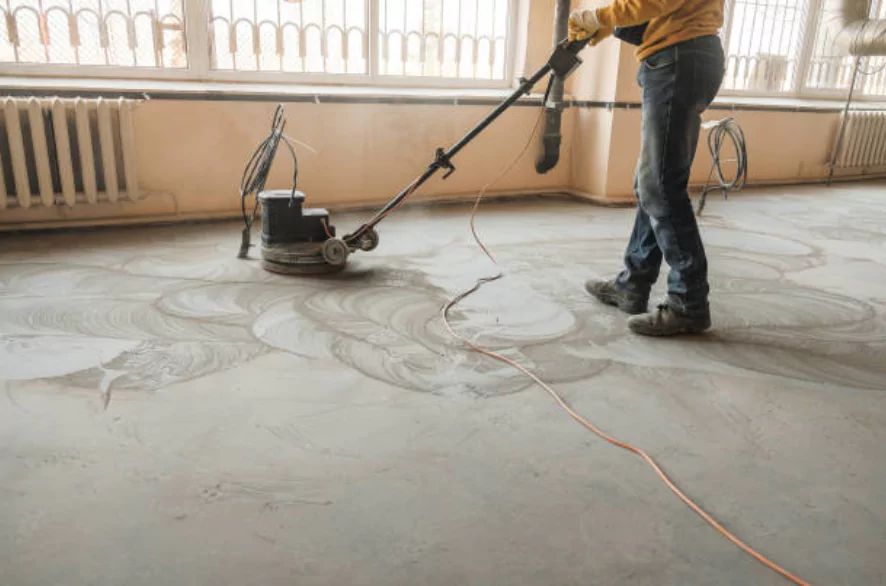
Barns, kennels and farms need floors. Be the crew that sprays them.
Horse barns, dairies, kennels and ag buildings need floors that stand up to water, urine and daily washing. ArmorThane supplies the coatings and spray equipment and trains you on site or virtually through certification, with a 24/7 tech line after. New applicator systems start at $25,000, turnkey. No franchise fee, royalty or dealership fee.
Horse stall flooring FAQ
What is the best flooring for a horse stall?
No single floor does everything. A common compromise is 4–5 inches of compacted stone dust over 6–8 inches of sand or small gravel, sloped about 1 inch per 5 feet, topped with 3/4 inch rubber mats. Clay is kindest to legs but needs yearly repacking; concrete needs mats or deep bedding.
What do you put under rubber stall mats?
An even, compacted base. Penn State Extension recommends about 4–5 inches of road base mix (stone dust) or concrete. Stone dust lets urine that slips through seams drain away. Over concrete it stays under the mats, so slope the slab, keep bedding on top and choose mats with grooved bottoms.
How thick should horse stall mats be?
Most solid rubber stall mats are 1/2 to 3/4 inch thick, and 3/4 inch is the usual choice. Mat sellers such as Cashman's don't recommend 1/2 inch mats over hard surfaces like concrete. A 3/4 inch, 4 by 6 foot mat weighs roughly 94–100 pounds, which helps it stay put.
How many stall mats do I need for a 12x12 stall?
Six 4 by 6 foot mats cover a 12 by 12 stall exactly, with no cuts and about 36 feet of seams. A 10 by 12 stall takes five mats and a 12 by 14 takes seven. At September 2026 prices of about $41–$62 a mat, six mats cost roughly $246–$372.
Is concrete a good floor for a horse stall?
Concrete is durable and easy to clean and disinfect, but Penn State Extension calls it hard on legs and says it needs more bedding or a solid rubber mat. Pour at least 4 inches, use a broom or wood-float finish instead of a slick steel-troweled one, and slope it so urine runs off.
How do you make a horse stall drain better?
Start below the surface. Penn State Extension recommends raising the stall floor at least 12 inches above outside ground, building on compacted gravel with sand or pea gravel, and sloping the floor 1.5–2 percent, about 1 inch per 5 feet. Where groundwater is high, use granular fill underneath.
Why does my horse stall smell like ammonia even with mats?
Urine is often collecting under the mats. A horse produces about 2.4 gallons a day, and over concrete, urine that seeps through the seams builds up beneath the mats and releases ammonia. Lift the mats, clean and dry underneath, fix low spots and keep enough bedding on top.
Is clay a good horse stall floor?
Clay is the closest thing to a natural tread: easy on legs, quiet, dust-free and good for hoof moisture, and it's inexpensive. Penn State Extension says it needs leveling and repacking every year and replacing every few years because of holes, and it stays damp and can hold odors.
What is seamless horse stall flooring?
Any stall floor without the joints of loose mats: one-piece rubber mats, mattress systems with a sealed top cover, poured rubber, or sprayed polyurea over concrete. The goal is to keep urine and bedding on top where you can clean them. Most performance claims come from manufacturers.
Do rubber mats reduce the amount of bedding you need?
Mat and mattress makers say so, and Penn State Extension notes that concrete needs more bedding or a mat and that grid systems use less bedding than concrete. We found no extension study putting a percentage on it. Count your bags for a month before and after installing mats.
How much does horse stall flooring cost?
Mats are the easiest to price: six 4 by 6 foot mats for a 12 by 12 stall cost about $246–$372 at September 2026 retail, and 12 by 12 interlocking kits about $447–$475. One-piece mats list near $2,200. Base work, labor, and poured or sprayed floors are quoted per job.
Written from Penn State Extension's horse facility publications, makers' specifications, retail prices read September 27, 2026, and decades of making polyurea coatings. Reviewed September 27, 2026.
Methodology and sources
Ratings and layer depths are quoted from Penn State Extension; its 1996 per-stall costs are used only to rank materials. Mat counts use the fewest 4×6 ft mats that cover the stall; seam lengths count internal joints. The bedding calculator scales Penn State's daily figures by hours inside. Vendor claims are labeled. This isn't veterinary advice.
- Penn State Extension, Horse Stable Flooring Materials and Drainage (updated May 2016): extension.psu.edu
- Penn State Extension, Horse Stall Design (May 2016): extension.psu.edu
- Penn State Extension, Horse Stable Manure Management (updated Sept. 2019): extension.psu.edu
- Tractor Supply, Rubber Stall Mat 4 ft x 6 ft x 3/4 in: tractorsupply.com
- Greatmats, Horse Stall Mats: greatmats.com
- RAMM Horse Fencing and Stalls, Horse Barn Flooring: rammfence.com
- Cashman's Horse Equipment, Horse Stall Flooring: Good, Better, Best (Aug. 2022): cashmans.com
- Tractor Supply, Flake Premium Pine Shavings 8 cu ft: tractorsupply.com
- Abacus Animal Flooring, Horse Barn Flooring Systems: abacusanimalflooring.com
- Mats Inc, Large Single Piece Horse Stall Mats: mats-inc.com
- Triton Barn Systems, How does your stall mat drain? (Dec. 2010): horsebarnstalls.wordpress.com
- StableComfort, stall mattress systems: stablecomfort.com
- SoftStall, stall flooring: softstall.com
- ArmorThane, SureGrip Soft Polyurea, Non-Slip Coatings, Antimicrobial Coatings, horse trailer and floors checklist pages linked above: armorthane.com

Want a stall or wash-bay floor you can hose clean? Get a quote from a certified applicator.
Tell us about the barn, how many stalls and what's on the floor now. We'll connect you with an ArmorThane-certified applicator who can check the slab, its slope and drains, and quote a sprayed polyurea system.
- One seamless surface, no mat joints
- Non-slip textures for wet floors
- Stalls, aisles, wash bays and feed rooms
- Contractors: add barn and kennel floors to your services
More to read on floors and decks
Short reads from ArmorThane on Issuu. Tap one to open it right here.