
Skip to content
Metallic Epoxy Floor

Metallic Epoxy Floor: How It Is Poured and What It Costs

The layers, mil specs and slab tests behind a marbled metallic floor, the techniques that make the look, the rooms it suits, and a planner that turns your square footage into gallons, batches and pigment.
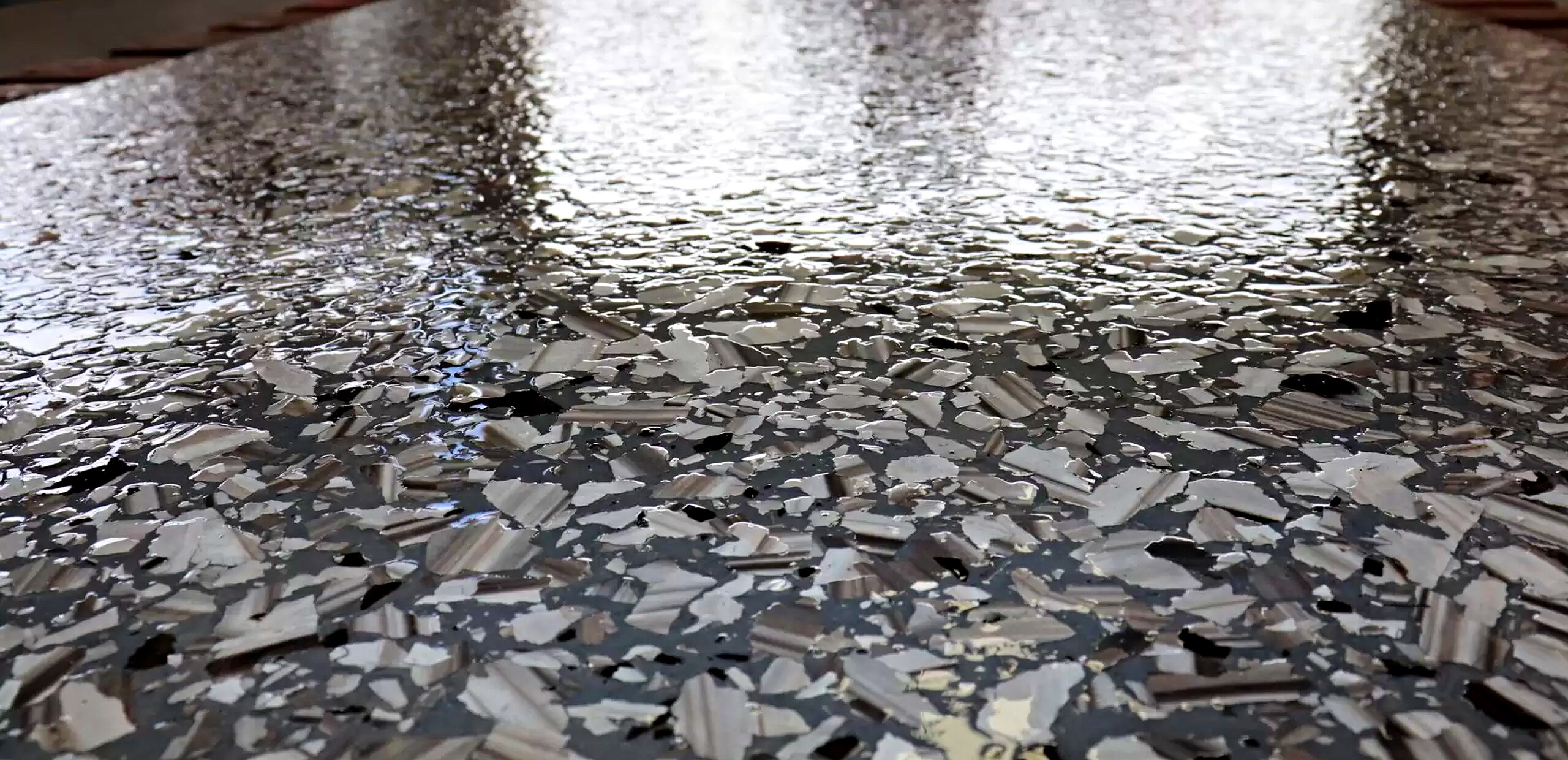
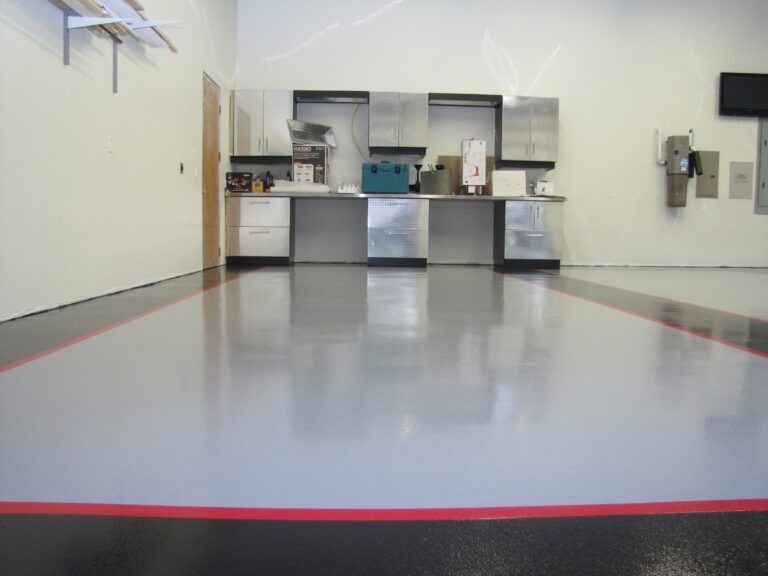
Glossy epoxy floor with decorative flakes

Start a floor coating business

Coat floors for a living.

ArmorThane sets you up to do this work, and you own the business. We make the chemistry, build the rigs, train you hands-on and answer the phone when a job gets difficult. You pay no franchise fee and no royalties. It has been that way since 1989.
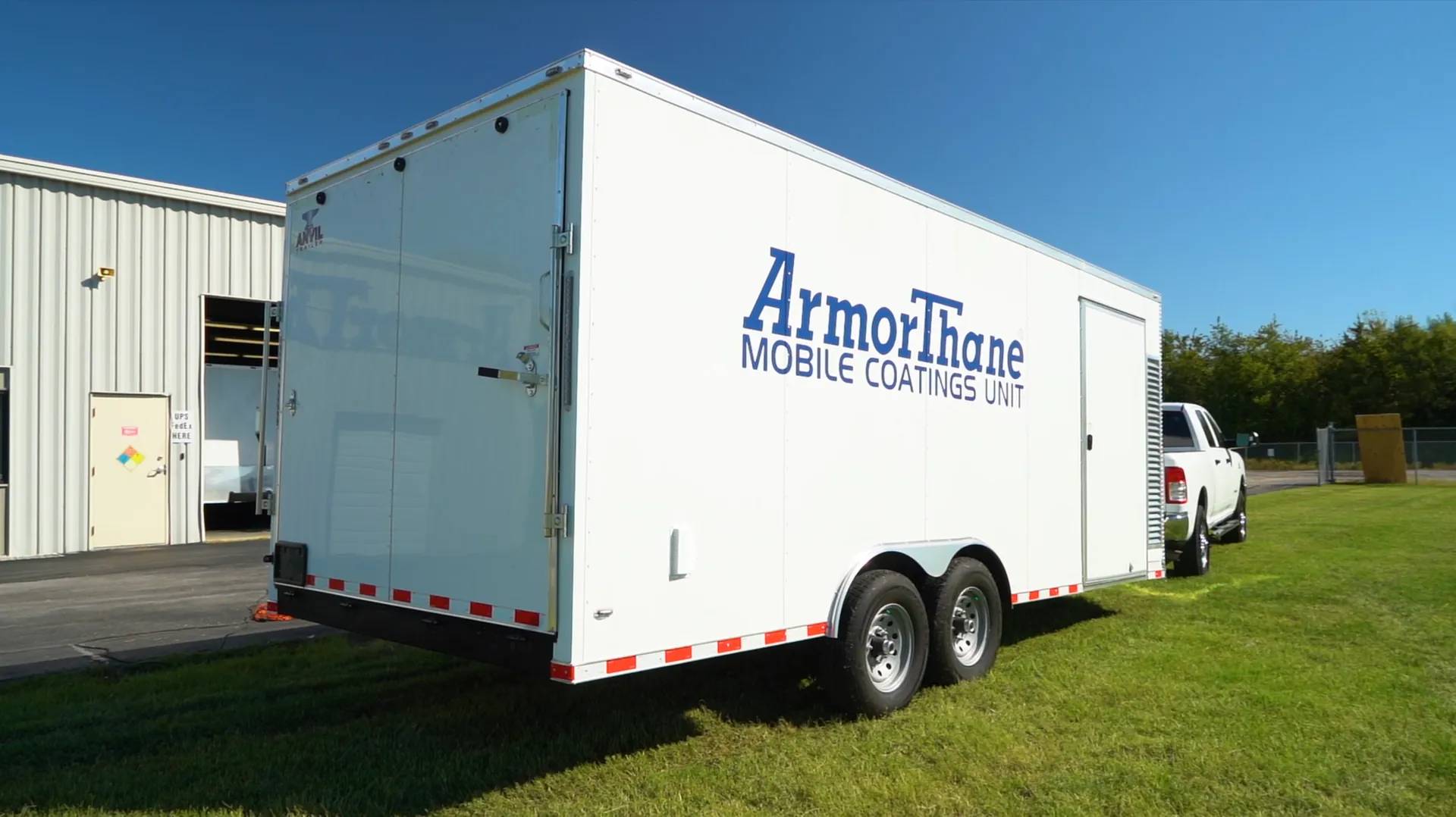
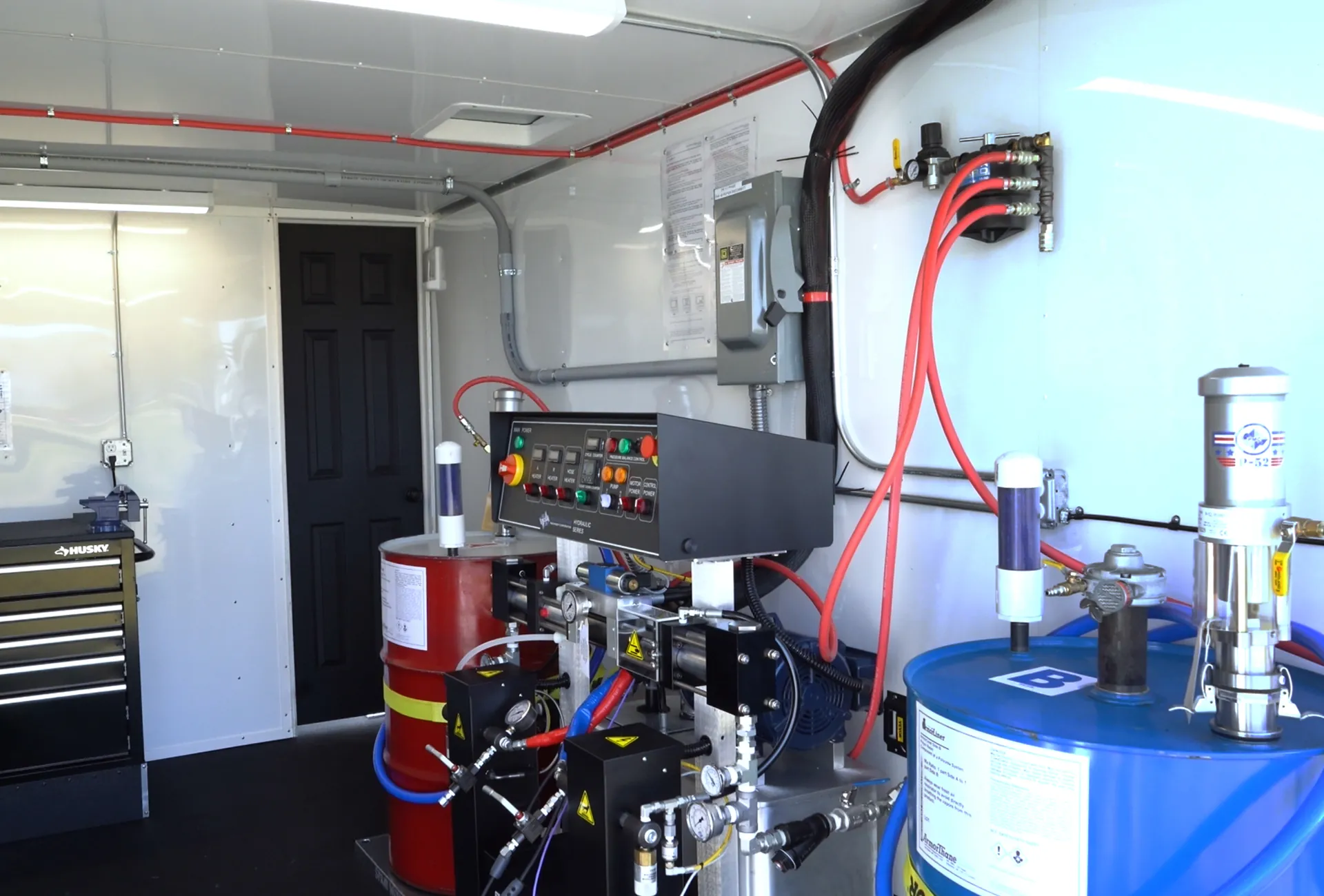
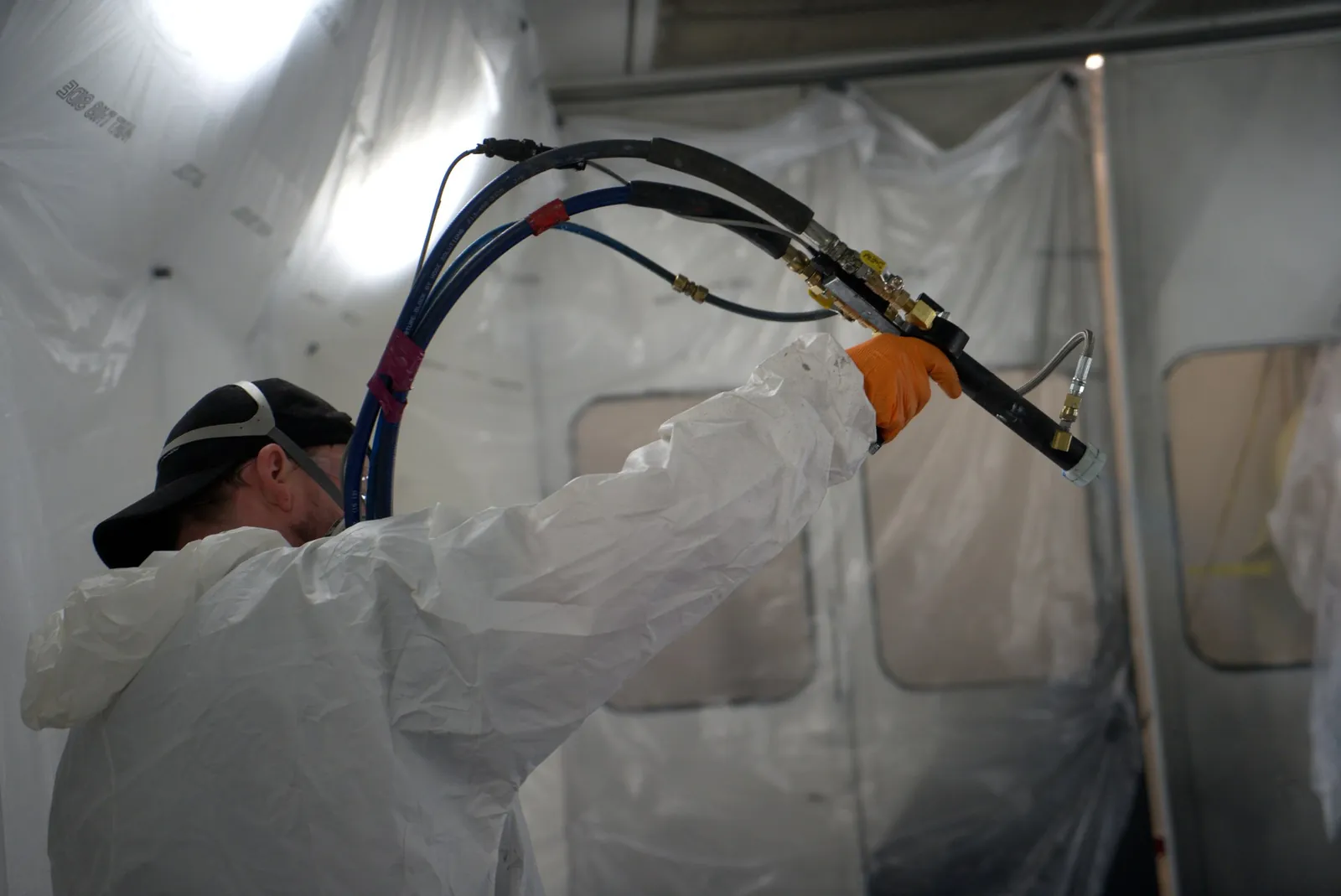
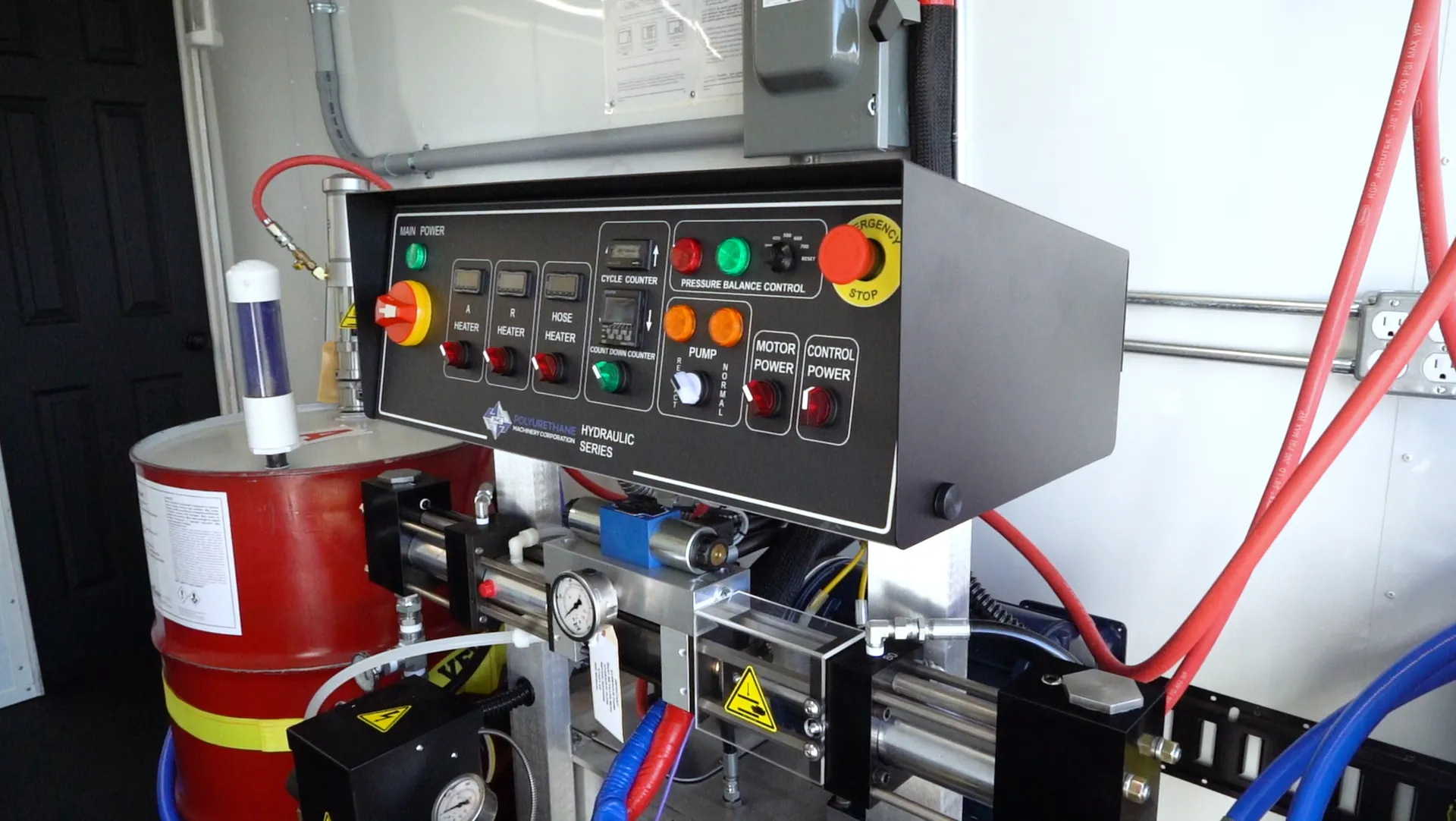
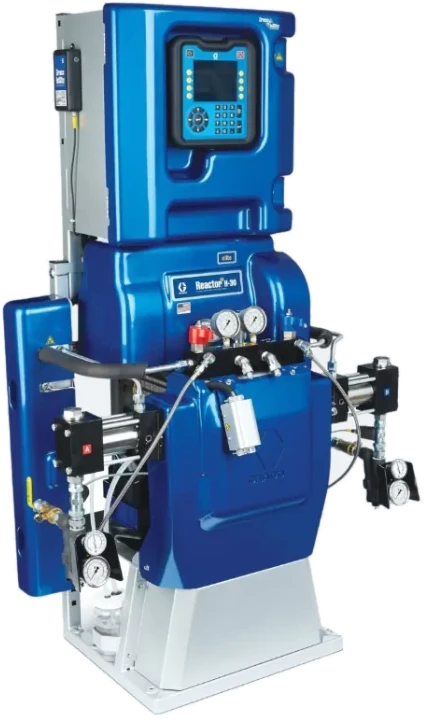
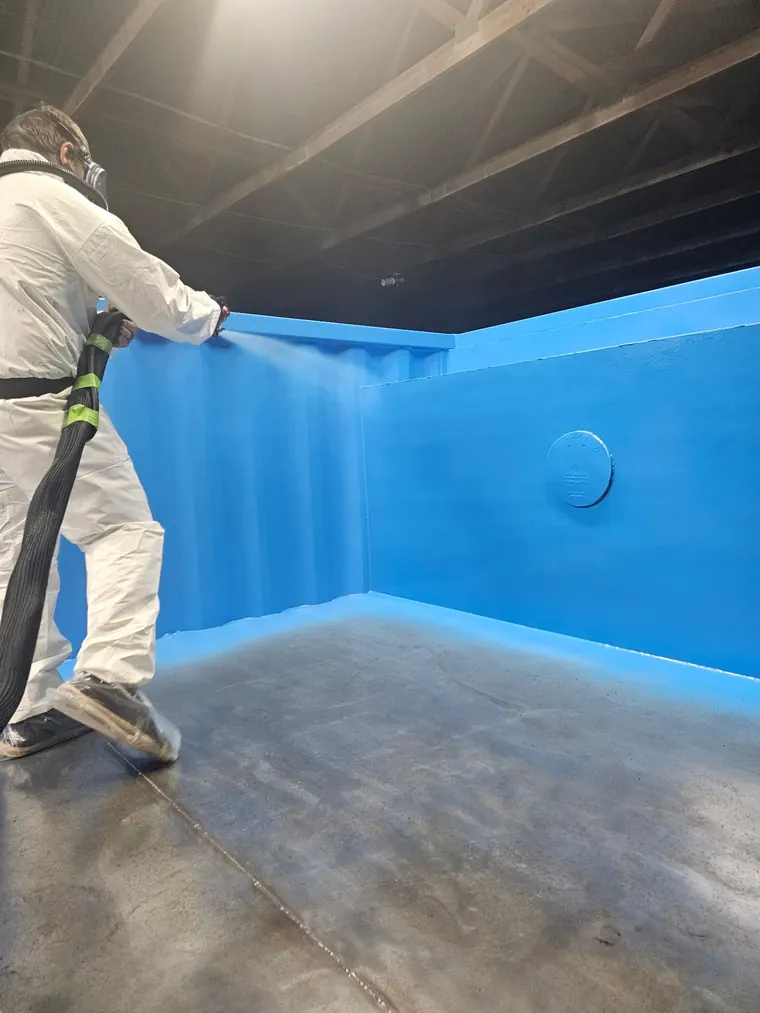
ArmorThane Mobile Coatings Unit trailer hitched to a pickup outside the plant Proportioner, A and B material drums and transfer pumps inside the spray rig Applicator in a protective suit holding a plural-component spray gun in a spray booth Proportioner control panel with heater, pressure balance and cycle counter controls

What comes with itProportioners, guns and complete spray rigs. We build them.

$0
franchise fees or royalties
35+
years in business
50+
countries with applicators
24/7
technical support
30–48
Mils in the metallic coat of a typical system
Simiron SimFloor Metallic guide
$8–12
Installed cost per sq ft, typical
2026 contractor survey
CSP 3+
Concrete profile needed before primer
ICRI 310.2R chip scale
75%
Max slab relative humidity on many systems
Measured per ASTM F2170

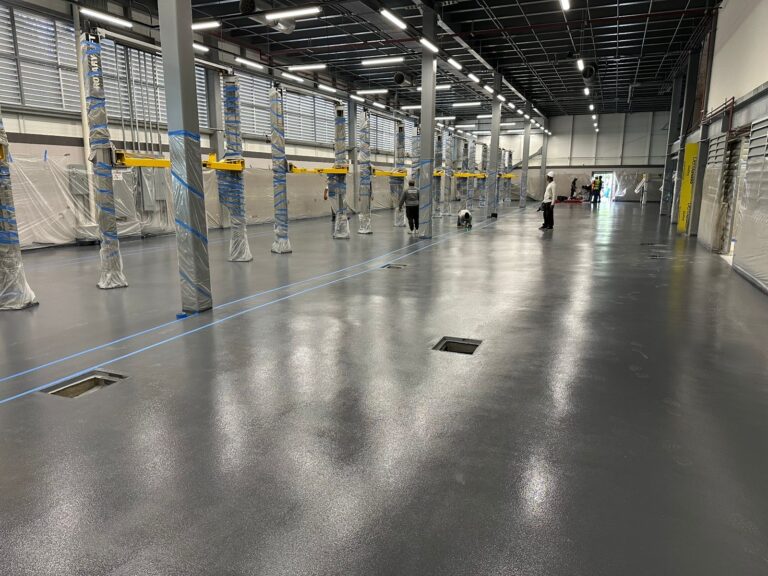
A metallic epoxy floor is clear, self-leveling epoxy loaded with fine metallic or pearlescent powder, poured thick and worked while it is still wet so the pigment drifts into veins, swirls and cells. No two floors come out the same. That is the appeal, and it is also the risk, because the finished look depends on the installer's hands more than on the bucket.

Quick answer

A metallic epoxy floor is a 100% solids epoxy mixed with metallic pigment and poured over a ground, primed slab, usually 30 to 48 mils thick, then manipulated while wet to create a marbled, three-dimensional finish. Typical installed cost is $8 to $12 per sq ft. It needs a dry slab, a clear UV-resistant topcoat and an installer who has poured metallics before.

Layer by layer

How a metallic floor is built

People see the swirl and assume it is one coat. It is four or five, and the one you admire is only as good as the three underneath it. Clear resin hides nothing, so every ridge, patch line and pinhole in the slab will show through the pour.

  1. Grind to CSP 3 or rougher

    Diamond grind or shot blast until the slab matches at least chip 3 on the ICRI 310.2R scale. Fill cracks, joints you want hidden and pop-outs with epoxy paste, then grind the fills flush.

  2. Test the slab for moisture

    Use in-situ RH probes per ASTM F2170 or calcium chloride domes per ASTM F1869. One major system caps it at 75% RH or 3 lb per 1,000 sq ft per 24 hours. Above that you need a moisture mitigating primer first.

  3. Prime at 3 to 8 mils

    A penetrating 100% solids epoxy primer seals the pores. Skip it and air rising out of the concrete leaves bubbles and pinholes in the pour above.

  4. Lay a tinted base at 8 to 12 mils

    The base color reads through the metallic layer. Charcoal or black under silver and copper gives the most depth; a white or gray base looks softer and brighter.

  5. Pour the metallic coat at 30 to 48 mils

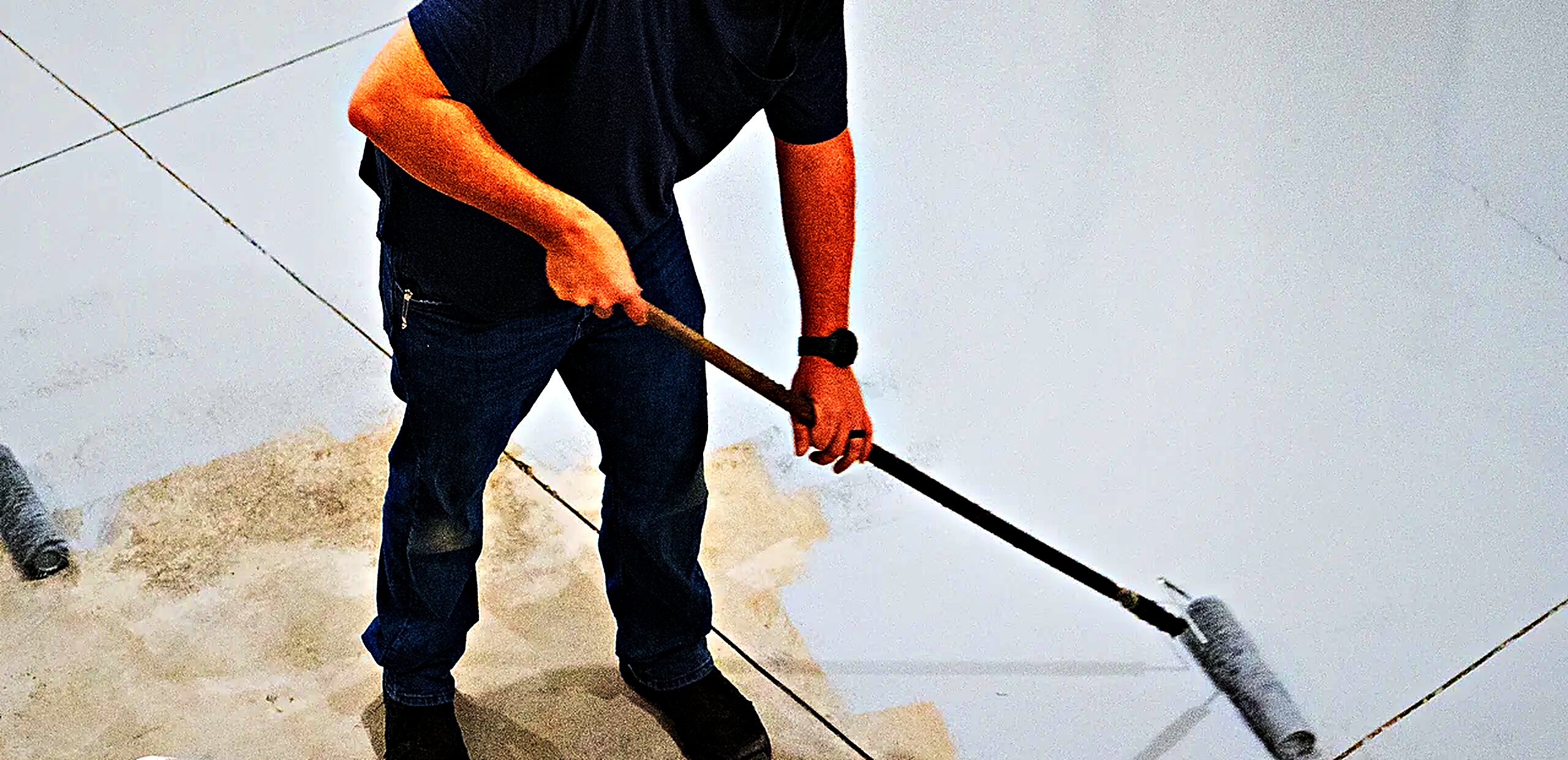
    Ribbon it out, spread with a notched squeegee, back-roll, then work the pattern. Pot life on some slow-cure hardeners is about 20 minutes in the bucket, so batches go down one after another without stopping.

  6. Topcoat at 2 to 5 mils

    An aliphatic polyurethane, polyaspartic or epoxy siloxane clear takes the scratches and the sun so the decorative layer does not have to. Grit goes in this coat if the floor will see water.

Epoxy and sunlightStandard epoxy is aromatic, and aromatic resins amber under UV. A silver floor in a sunny showroom can drift toward gold. A UV-stable aliphatic topcoat such as ArmorFloor aliphatic polyaspartic slows that a lot, but we still would not pour a metallic epoxy floor outdoors.
Design

Looks you can get from metallic pigment

Most finishes come from the same handful of moves. Installers develop their own habits on top, which is why you should look at floors they have actually done, not just a catalog photo.

Marble

Veins and soft clouds

Two or three pigment colors poured in bands, then dragged with a roller or brush so they fold into each other. Light, controlled strokes keep the veins thin.

Lava and cells

Lacing and open cells

A fine mist of isopropyl alcohol on the wet film breaks the surface tension and opens cells. More mist means bigger cells; too much leaves craters.

Waves

Long directional flow

Long, sweeping roller passes in one direction, sometimes with a heat gun to push the film. Popular in blues and pearl whites for an ocean look.

Four things change the result more than the pattern name does:

  • Base coat color: dark bases deepen metallics, light bases wash them out.
  • Pigment load: too little looks muddy, too much looks flat and opaque.
  • Film thickness: thin pours (under about 25 mils) give the pigment no room to move.
  • Lighting: the same floor reads differently under LEDs than in daylight. Judge sample boards in the actual room.
Planner

Metallic epoxy floor pour planner

Enter the room and the build. The planner works out material for every layer, how many mixed batches the metallic coat takes, how much pigment to have on hand and how much floor each batch has to cover before it starts to kick.

Material and batch math

Gallons, batches and pigment

Gallons per layer = sq ft × mils ÷ 1,604, the coverage of a 100% solids liquid at 1 mil, then divided by (1 − loss). Pigment is entered per 3 mixed gallons; Simiron's system guide calls for 32 oz, other brands differ. Installed price uses the typical $8–12 per sq ft range.

0
Metallic coat gallons
0
Mixed batches
0
Pigment needed
0
Sq ft each batch must cover

For plain or flake systems, use the kit calculator in our epoxy floor coating guide. Comparing resins first? Read polyaspartic vs epoxy.

Options

Metallic vs flake vs solid color

Metallic is the showpiece, and it costs like one. It is also the least forgiving of the three to install and to repair. If the floor is going to take abuse, be honest about that before you fall for a sample board.

SystemInstalled $/sq ftHides slab flawsWet tractionSpot repairsBest fit
Metallic epoxy$8–12Poorly; ridges showSlick without gritHard to blendShowrooms, retail, lobbies, homes
Flake (epoxy or polyaspartic)$5–9WellBetter; texture helpsBlend fairly easilyGarages, shops, locker rooms
Solid color epoxy$5–8SomewhatSlick without gritPossible, may showWarehouses, utility and mechanical rooms
Typical 2026 installed ranges from a published contractor cost guide; local labor and prep change the number. Tap a column heading to sort.

Flake systems are covered in depth in our epoxy flakes guide, and the commercial floor coating page compares systems for business floors. If a one-day return to service matters more than the look, a polyaspartic floor coating is usually the better call.

Fit check

Where a metallic epoxy floor works, and where it does not

Good fit

Showrooms and retail

Dry foot traffic, good lighting that shows off the depth, and daily dust mopping. This is where metallics earn their price.

Good fit

Home garages and basements

Fine over a tested, dry slab with a hard clear topcoat. Add grit near the overhead door where snowmelt comes in.

Plan for it

Offices with chair casters

Hard casters dull the topcoat in tracks. Use chair mats or budget a screen-and-recoat of the clear every few years.

Plan for it

Rooms with big south windows

UV ambering is real. Specify an aliphatic topcoat and consider film on the glass.

Poor fit

Patios and pool decks

Full sun and big temperature swings. Use an aliphatic polyaspartic or polyurea system built for exterior concrete.

Poor fit

Commercial kitchens and wash bays

Hot water, grease and thermal shock beat thin epoxy. See our commercial kitchen flooring guide.

About slipA glossy metallic is slick with water, oil or dust on it. Broadcast or mix fine aluminum oxide into the topcoat in entries, around sinks and anywhere people turn while carrying things. A satin topcoat also helps hide fine scratches. Our surface preparation guide covers the grind that every one of these floors starts with.
Decorative floors

A one-off floor, poured by a pro.

A certified ArmorThane applicator can test your slab, show sample boards in your colors and quote the full system with a UV-stable topcoat.

Contractors: become an ArmorThane applicator

FAQ

Metallic epoxy questions

How much does a metallic epoxy floor cost?

Typical installed pricing runs about $8 to $12 per sq ft, with materials around $4 to $7 of that. Heavy crack repair, removing an old coating, moisture mitigation or a complex multi-color design push the price higher. Small rooms cost more per foot because setup and grinding time do not shrink.

Are metallic epoxy floors slippery?

Dry and clean, they have reasonable grip. Wet, oily or dusty, a high-gloss metallic gets slick. Mixing fine aluminum oxide grit into the clear topcoat improves traction a lot, and a satin finish helps a little. Ask for grit in entries, kitchens, bathrooms and garage door aprons.

How long does a metallic epoxy floor last?

Indoors, the thick epoxy body rarely wears through. What wears is the clear topcoat, which takes the scratches and scuffs. In homes that can mean many years between maintenance coats; busy retail floors may need a screen-and-recoat of the clear every few years to keep the gloss.

Can you put metallic epoxy over an existing epoxy floor?

Yes, if the old coating is fully bonded. It has to be sanded or ground dull, cleaned and checked for delamination first. Any peeling, bubbling or moisture-damaged coating must be removed down to concrete, or the new pour fails along with it.

Does metallic epoxy scratch easily?

The epoxy itself is hard, around 89 to 91 on the Shore D scale for one common product, but any high-gloss surface shows fine scratches. Grit dragged in on shoes does most of the damage. Entry mats, a tough clear topcoat and regular dust mopping keep it looking new.

Can I install a metallic epoxy floor myself?

Kits exist, but the grinding, moisture testing and pour are unforgiving. Each batch must go down within its pot life, the pattern has to be worked while the film is wet, and mistakes are hard to fix. Most first-timers do better with a flake system or hiring an experienced installer.

AT
Written by the ArmorThane technical team. We have manufactured polyurea, polyurethane and polyaspartic coatings and plural component spray equipment in Springfield, Missouri since 1989. Mil specs and prices here are typical; always follow the resin maker's data sheet and test your own slab.

Sources

  1. Simiron, SimFloor Metallic System Guide (layers, mils, pigment load, moisture limits). simiron.com/wp-content/uploads/2025/12/SIM_SimFloor_Metallic_SystemGuide_vFIN.pdf
  2. Concrete Floor Supply, Metallic Epoxy Floor Guide (coverage by layer). concretefloorsupply.com/metallic-epoxy
  3. International Concrete Repair Institute, Guideline 310.2R-2013, Selecting and Specifying Concrete Surface Preparation. store.icri.org/item/3102r2013
  4. ASTM International, F2170 Relative Humidity in Concrete Floor Slabs Using in situ Probes. astm.org/Standards/F2170.htm
  5. D and G Flooring, Epoxy Flooring Cost in 2026 by Type. dgfloors.com/epoxy-flooring-cost

Poured once, shown off for years.

Owners get a certified ArmorThane applicator who grinds, tests and topcoats the floor the right way. Contractors can add decorative floors and polyurea with our equipment and training, with no franchise fee and no royalties.

United States 417-831-5090 · Canada 780-444-6200
Cover of the ArmorThane brochure: Commercial & Industrial Floor Coatings
Brochure

Commercial & Industrial Floor Coatings

Flip through the whole brochure right here, or open it full screen on Issuu to share it.

Become an applicator

Start your coatings business with ArmorThane.

Tell us what you want to spray and where you are. An ArmorThane specialist will walk you through the equipment, chemicals, training and startup cost for the work you want to do.

  • Equipment package matched to your applications
  • Hands-on training and applicator certification
  • Technical support once you are spraying
Step 1 of 3

We want to help you find the best ArmorThane applicator for your protective coating project. Please either fill out the request form below or call us toll free at 417-831-5090, any time Monday-Friday, 8:00 a.m. to 5:00 p.m. Central Standard Time.

Planning a metallic floor? Start with the slab.

Tell us about the room, the slab and the look you want. We will match you with an ArmorThane applicator who can test the concrete, show you sample boards and quote the full system.

  • Room type and square footage
  • Slab age, cracks and any old coating
  • Colors or a photo of the look you like
  • Sun exposure and foot or vehicle traffic
Become an applicator

Start your coatings business

Choose “becoming an Applicator / Dealer” and add your details. Our team will call you to talk through markets, equipment and budget.

1Choice
2Contact Information
3Location

Rather talk now? (417) 831-5090 · About the opportunity