The power of UV resistant coatings
All-Purpose Polyurea Coatings For Advanced UV Protection
Get a quote for your project
Tell us what needs protecting and an ArmorThane coatings specialist will come back with the right product, the right system and a realistic price.
- Product and system matched to your substrate
- Coverage and budget guidance before you commit
- A certified applicator near you
- 30+ years of field-proven polyurea and polyurethane
Get protected from everything under the sun
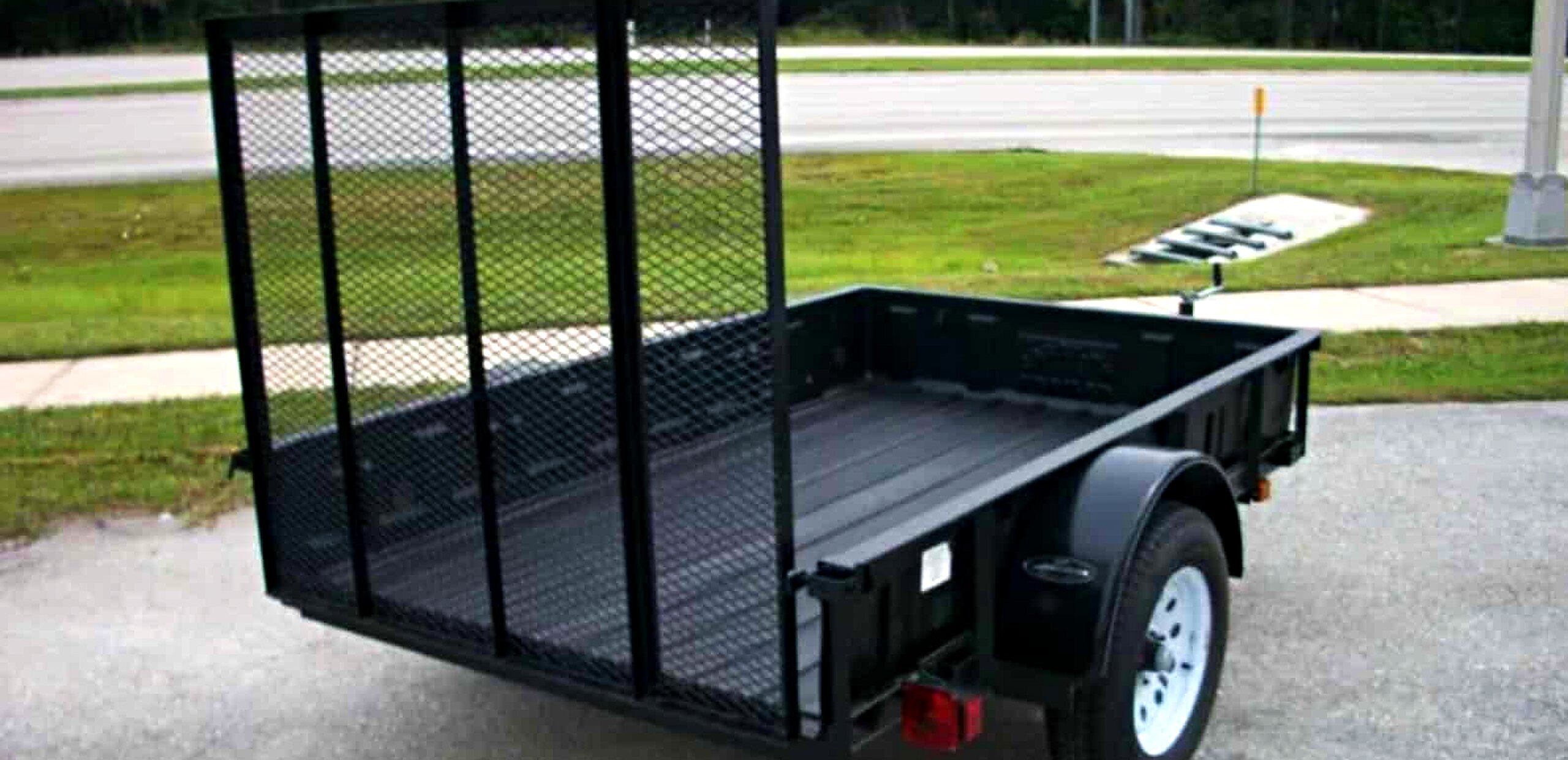
While many of us love nothing more than spending quality time in the great outdoors, the same can’t be said for our cars, sheds, driveways, or the many other structures and equipment that are left baking in the sun day after day. And it’s not only temperature that threatens to deform or degrade outdoor surfaces, but the harsh UV radiation that’s part and parcel to a hot summer day. Just like we use sunscreen to protect our skin from the dangers of UV radiation, a protective layer can be applied to almost any outdoor surface, resistant to punishing UV rays and the many other risk factors common in outdoor environments. For comprehensive protection from the sun, as well as water, chemicals, and abrasion, choose polyurea coatings. They’re the ultimate all-in-one protective solution from everything under the sun!
How do UV resistant coatings work?
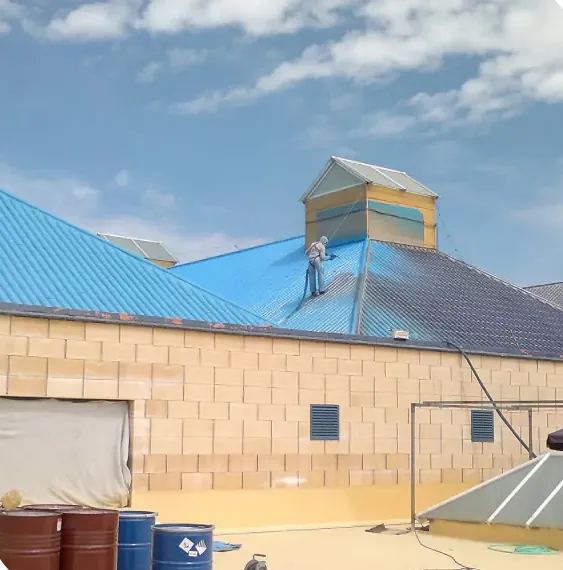
We all know UV rays can be dangerous, but many of us don’t know exactly why, or how they can threaten outdoor surfaces. UV radiation, or ultraviolet radiation, is nothing more than a high-energy form of light, which comprises individual packages of energy called photons. When photons have enough energy, they can degrade materials through a process known as photodegradation, where photons penetrate objects to break the chemical bonds that hold materials together.
Without getting into the weeds, this results in the production of highly reactive chemical species called free radicals, which continue to break additional bonds until the process stops when two free radicals finally meet and react with each other. However, many materials possess strong bonds where even the strongest UV radiation is unable to induce photodegradation. These materials are what we know as UV resistant coatings, and can be placed on top of surfaces to prevent harmful UV radiation from causing aesthetic or structural damage.

Aliphatic vs. Aromatic polyurea
Polyurea coatings can be subdivided into two main types: aliphatic polyurea and aromatic polyurea. Their names reflect the different reagents used to create each type, as well as the key aspect of their chemical structures that’s responsible for their differences. Aliphatic polyurea is produced using aromatic diisocyanates like MDI, which possess double bonds that make it vulnerable to photodegradation. In contrast, aliphatic polyurea uses isophorone diisocyanate (IPDI), which is non-aromatic, and possesses single bonds that are less susceptible to photoexcitation.
Aliphatic polyurea’s distinct chemical structure thus affords superior UV resistance that make it a powerful and popular choice of UV resistant coatings. However, aliphatic polyurea is typically more expensive, and without the same level of strength and durability provided by aromatic formulations. For the best of both worlds, we recommend opting for aromatic polyurea combined with a UV resistant top coat; that way, you’ll be saving money while also enjoying the benefits of a stronger coatings system. For those who can’t afford the time but can afford the additional expense, aliphatic polyurea remains a great option for rapid UV protection, still with plenty of protection from weathering and abrasion.
How Sunlight Breaks Down Coatings
Ultraviolet light carries enough energy to break the chemical bonds in many polymers. Over time that shows up as chalking, fading, yellowing and a loss of flexibility. Coatings that start out tough can become brittle and crack, which lets water reach the surface underneath. Heat speeds up the process, so roofs, decks and vehicles in sunny climates age the fastest.
Two things slow that damage. The first is chemistry: aliphatic isocyanates do not contain the aromatic rings that absorb UV light and yellow, which is why aliphatic polyurea and polyurethane top coats hold their color. The second is formulation: pigments, UV absorbers and stabilizers protect the binder from the light that does reach it. The type of isocyanate used in a coating is often the biggest single factor in how it weathers.
Choosing a UV-Stable System
- Exposed surfaces such as roofs, pool decks and boat decks need an aliphatic top coat or a UV-stable color coat.
- Hidden or buried surfaces such as tank interiors and foundations can use tougher, lower-cost aromatic products.
- Truck beds and equipment often use an aromatic base for strength with an aliphatic top coat for color retention.
See how these choices play out in aromatic vs aliphatic polyurea, browse ArmorThane ArmorCoat top coats, and learn about UV ColorCoat for color-stable finishes on exposed work.
Applications of polyurea UV resistant coatings
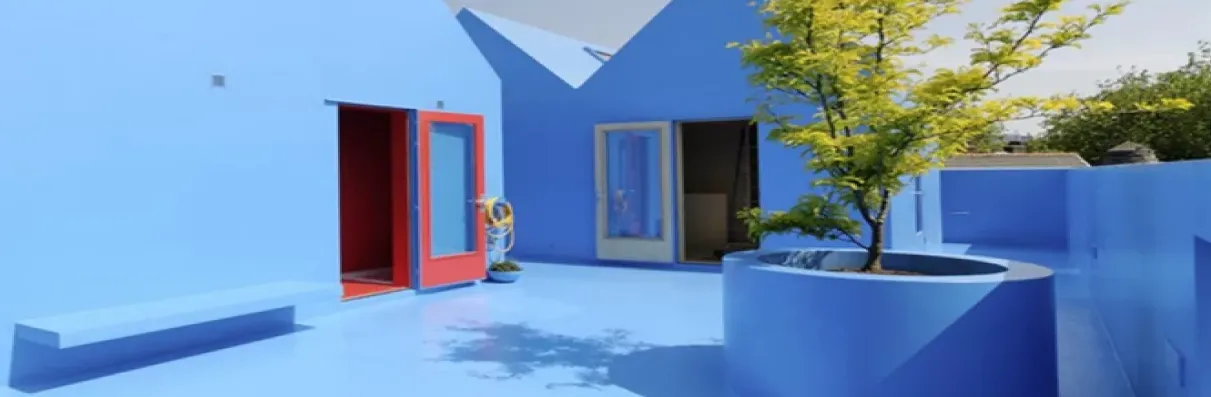
Now that we’ve shed some light on the power of UV resistant coatings, you’re probably wondering: where can polyurea UV resistant coatings be used? Well, thanks to their ease of application and compatibility with most common substrate materials including wood, concrete, and plastic, polyurea coatings can be applied to almost any surface to impart the ultimate combination of UV resistance and lasting physical and chemical protection. Here are just a few examples of polyurea’s many common applications:
- Roof Coatings
- Driveways and Garages
- Marine and Offshore Structures
- Bridges and Transportation Infrastructure
- Industrial Floors and Warehouses
- Sports Facilities
- Automotive and RV Applications
- Greenhouses and Agricultural Buildings
Frequently asked questions
Is Polyurea Better Than Polyurethane For UV Resistance?
Without specialized additives, polyurethane is highly susceptible to photodegradation. Unlike polyurethane, aliphatic polyureas are inherently resistant to UV radiation, and can withstand up to decades of exposure without yellowing or comprising its physical strength. Combined with faster curing times, improved durability, and the ability to perform under extreme temperatures, polyurea is an overall better solution for UV resistance.
Are Polyurea UV Resistant Coatings Expensive?
There’s little doubt of polyurea’s superior physical properties and application versatility, yet many people still opt for an alternative technology due to polyurea’s higher initial cost. While polyurea can seem the more expensive option, its decades of high-performance can lead to huge cost savings in the long run, making polyurea coatings a cost-effective solution for protecting against UV rays.
How Profitable Are Spray Foam Businesses?
One of the biggest disadvantages to polyurea UV resistant coatings is the need to choose between aliphatic and aromatic polyurea. Aliphatic polyurea provides exceptional UV resistance, but costs more than aromatic polyurea. Aromatic polyurea won’t provide the same extent of UV protection, but does offer improved strength and durability. For the best of both worlds, we recommend using aromatic polyurea with a UV resistant top coat for the ultimate combination of strength and UV resistance.