Best Garage Floor Coating: 9 Options Ranked
Paint, epoxy, polyaspartic, polyurea, tiles, mats and sealers, ranked on data-sheet numbers and published prices, with a picker that re-ranks them for your slab, your budget and how long you’ll stay.
Start a floor coating business
Coat floors for a living.
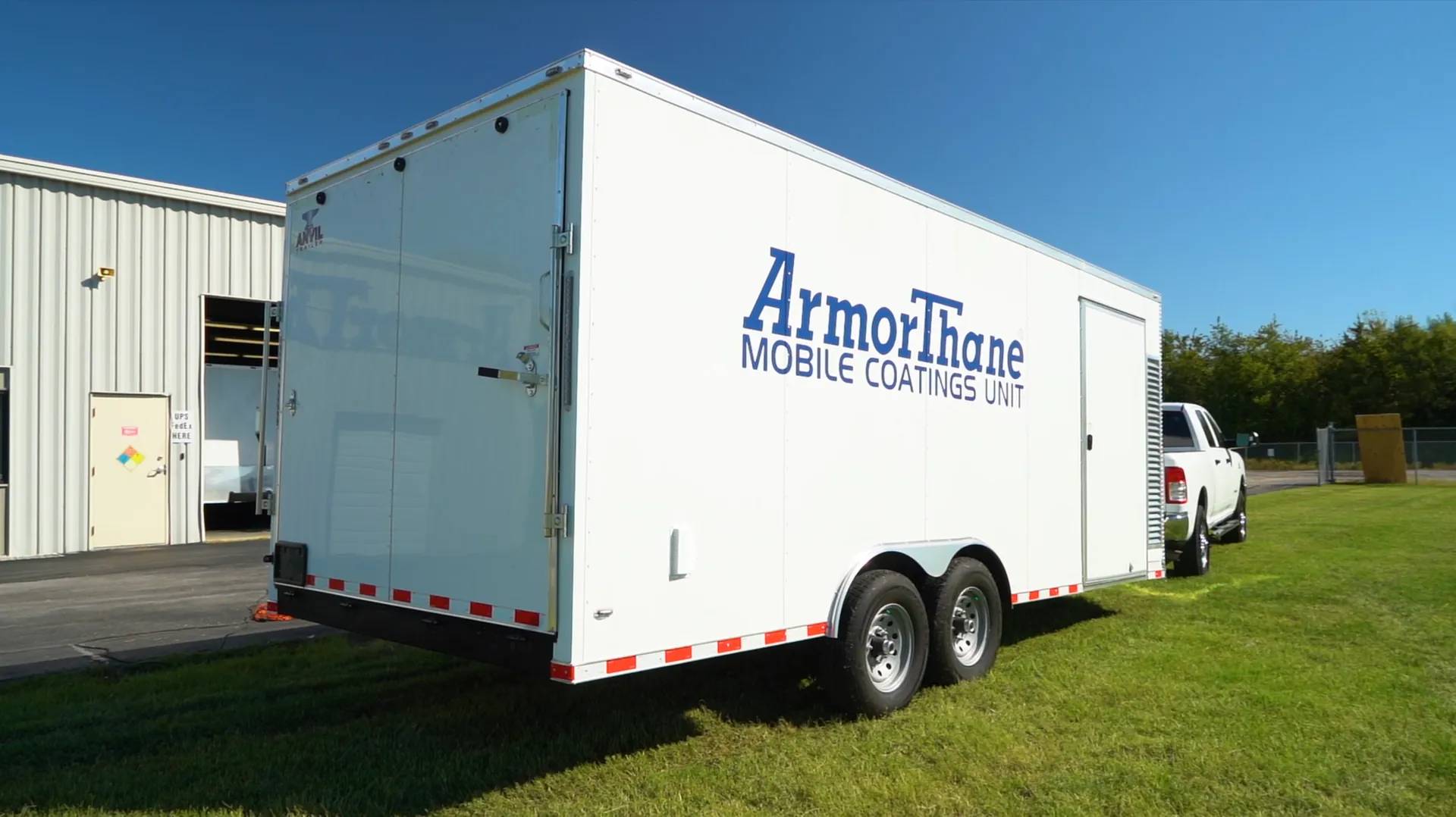
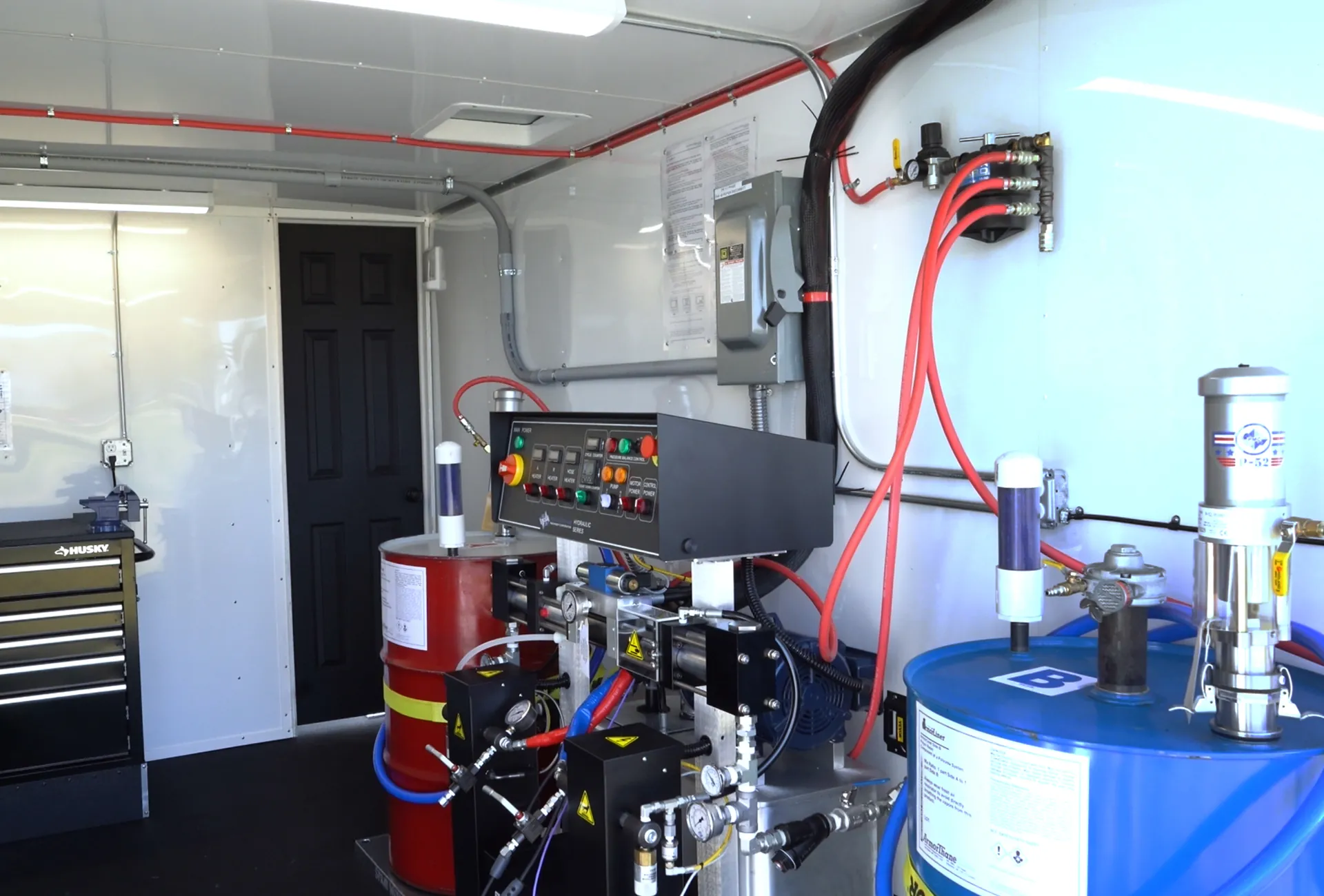
ArmorThane sets you up to do this work, and you own the business. We make the chemistry, build the rigs, train you hands-on and answer the phone when a job gets difficult. You pay no franchise fee and no royalties. It has been that way since 1989.
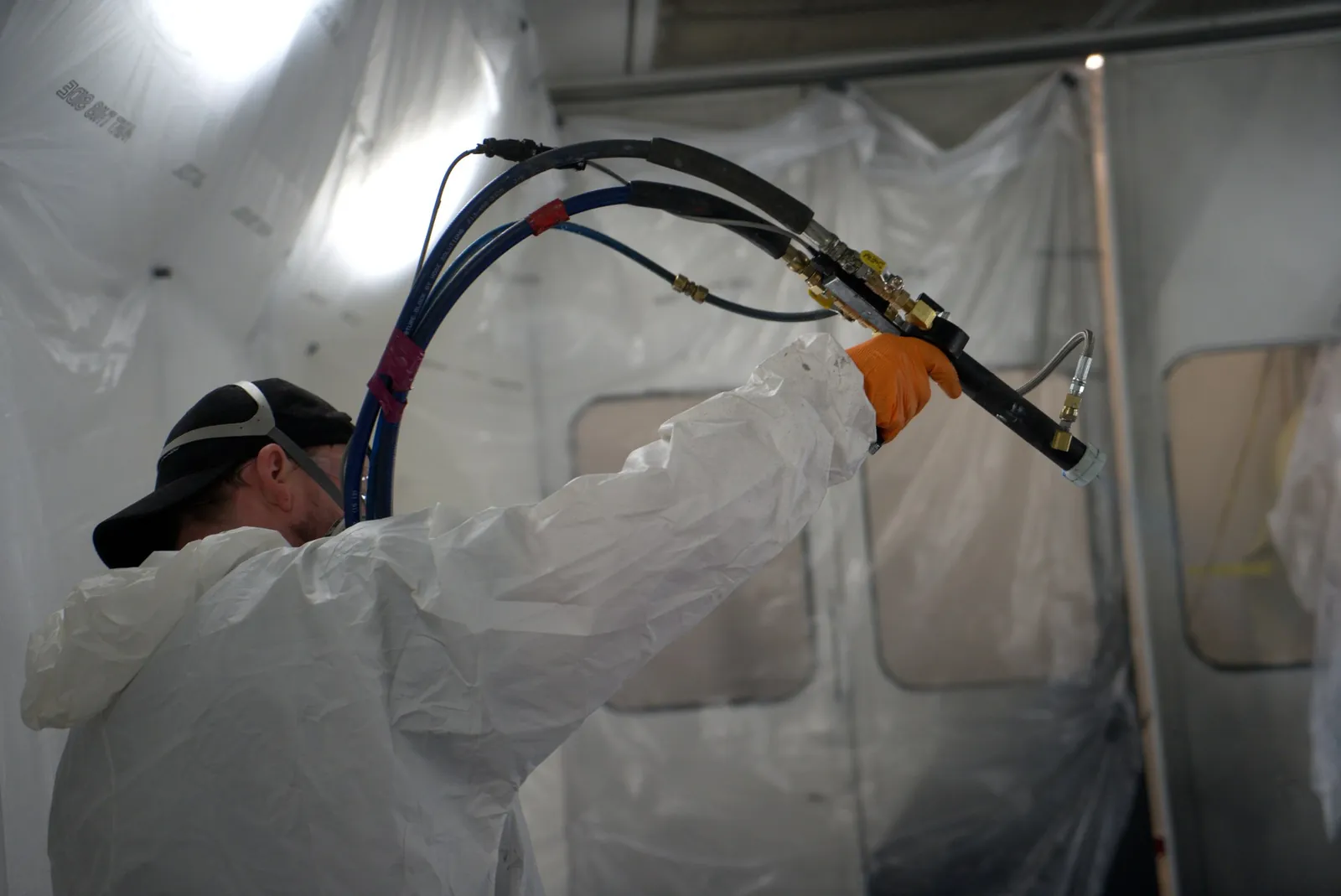
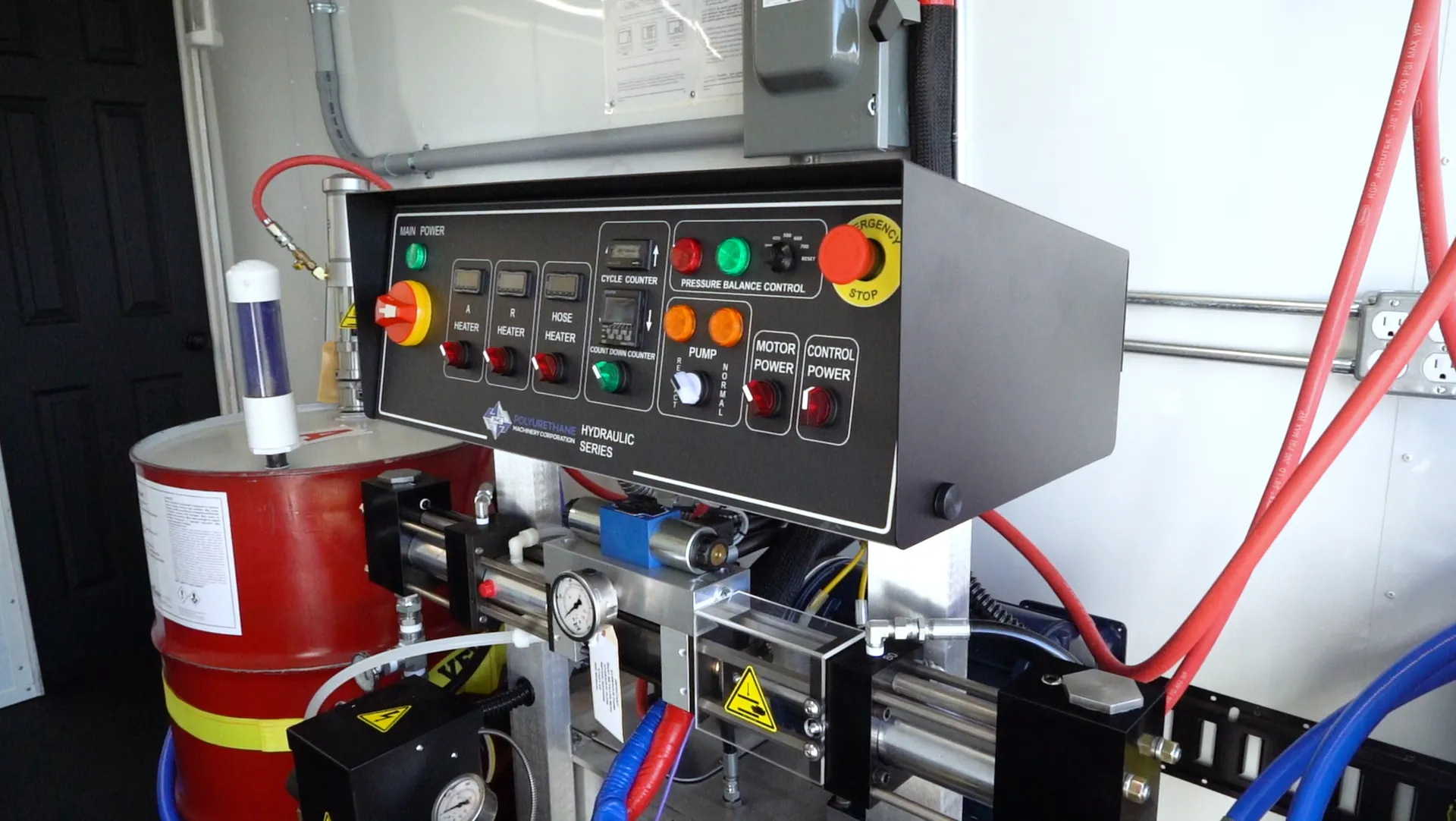
- $0
- franchise fees or royalties
- 35+
- years in business
- 50+
- countries with applicators
- 24/7
- technical support
Ask an installer for the best garage floor coating and you'll hear the system they sell. Ask a kit brand and you'll hear about the kit. We make polyaspartic and polyurea floor systems, so we have a horse in this race too. That's why the numbers below come with a data sheet or a published price, and why tiles, mats and even a $30 can of paint get a fair hearing.
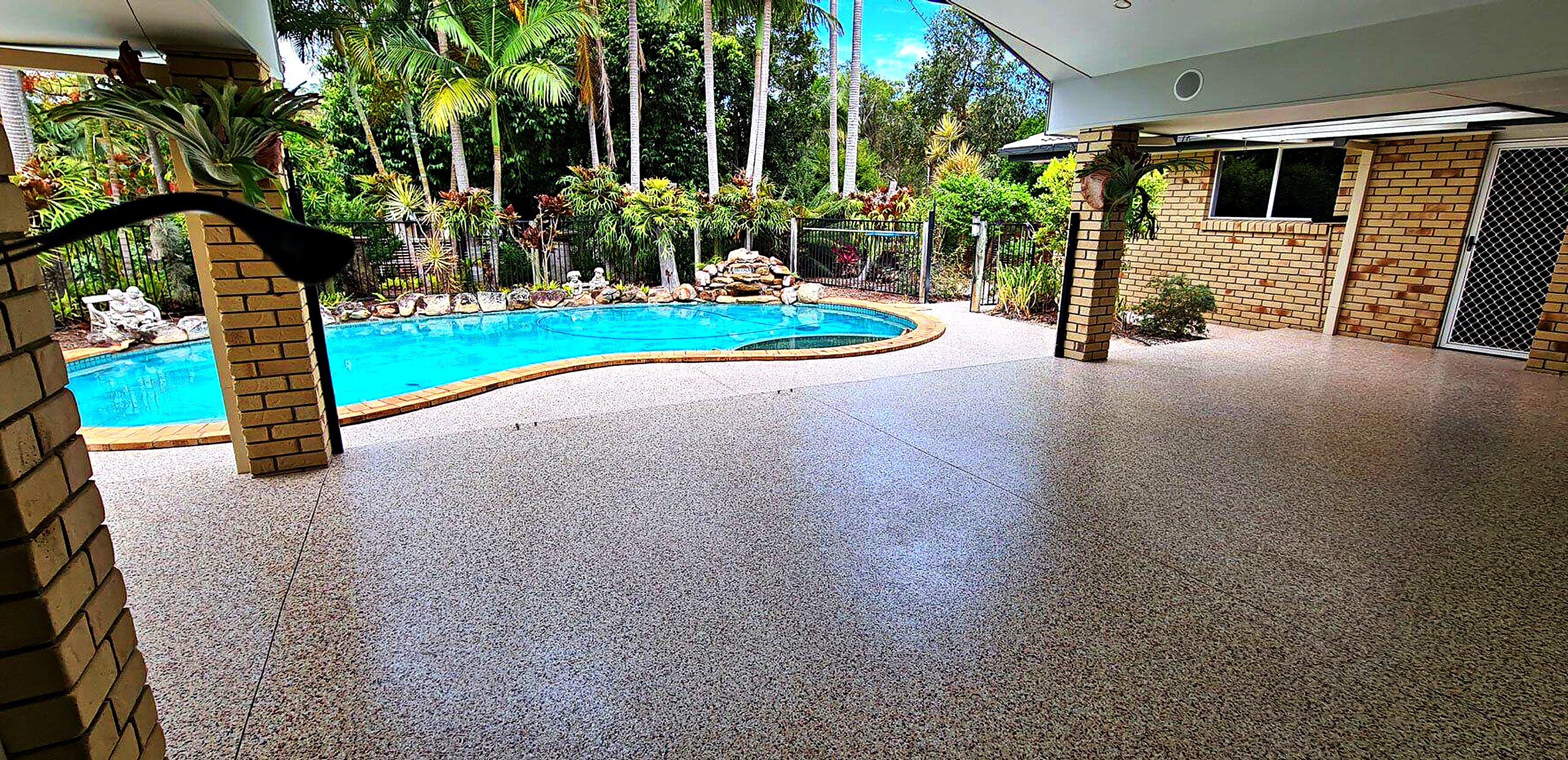
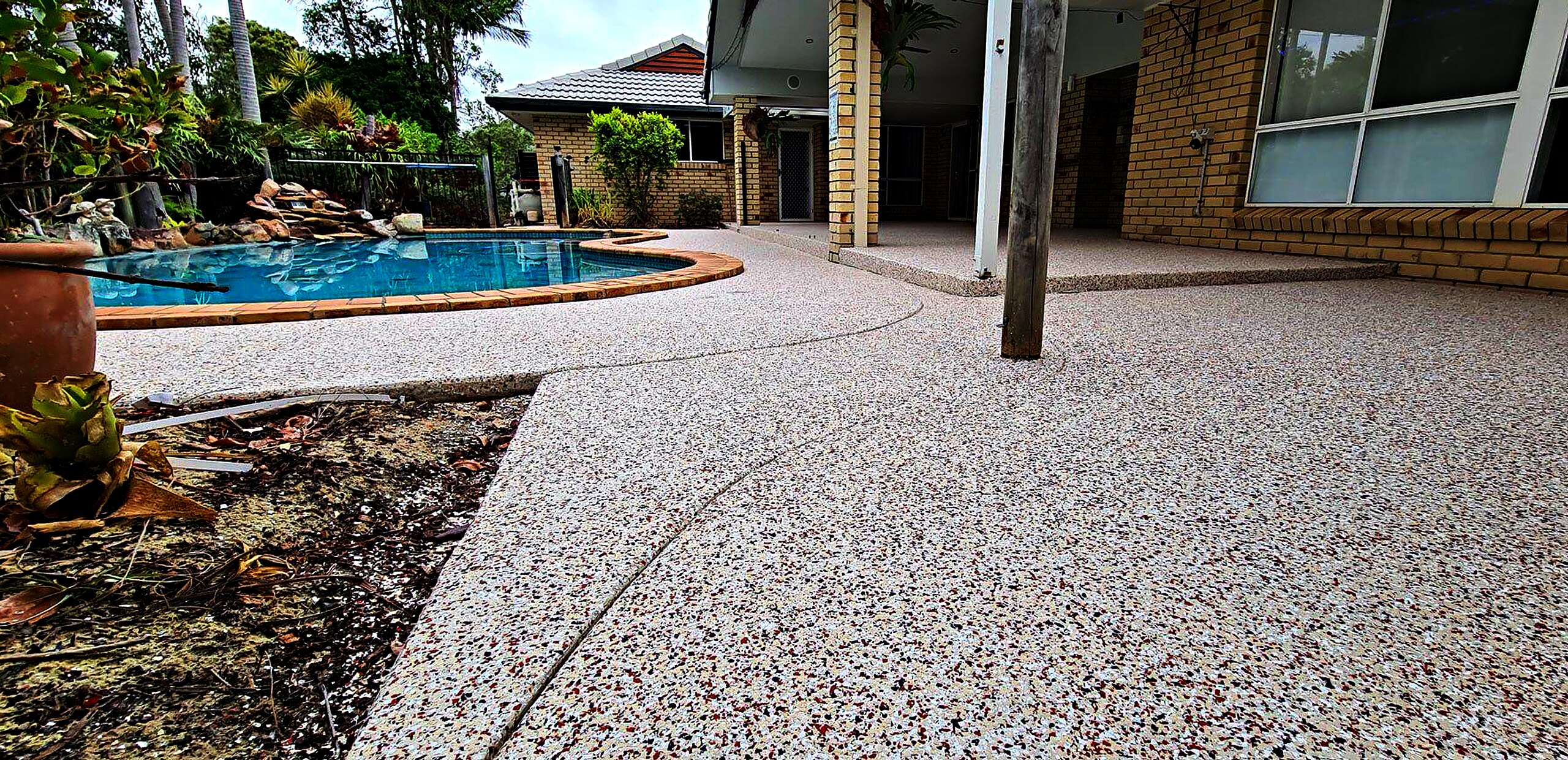
For most garages, the best coating is a professionally installed polyaspartic (or polyurea-base) full-flake system. Built to about 50 mils, UV-stable and rated excellent against oil, fuel and salt water on the data sheets we checked, it's ready to park on in 24 hours and costs $5–$12 per sq ft installed. Spray polyurea is tougher but costs more. Interlocking tiles are the best choice if your slab is cracked or you rent; on a damp slab, it's tiles or an epoxy vapor-barrier system. A DIY high-solids kit is the best do-it-yourself coating. Paint is last. Run the picker to re-rank all nine options for your garage.
“Best” depends on five things most rankings skip: whether the slab is dry, how cold the garage gets, how much sun hits the floor, how long you'll own the house, and who's doing the work. So we ranked nine options for a typical two-car garage, then built tools that re-rank them for yours, show the real cost over the years you'll keep the floor, count tiles, and check how thick a kit's film really is.
- 1The 9 options, ranked
- 2Which is best for your garage? (picker)
- 3The data-sheet numbers, side by side
- 4Three slab tests that rule options out
- 5Garage floor paint vs epoxy (thickness checker)
- 6Garage floor tiles vs epoxy (tile calculator)
- 7Is polyurea better than epoxy?
- 8Best for road salt, hot tires, new concrete and more
- 9What each option costs over time (calculator)
- 10Where ArmorThane fits, and where it doesn't
- 11Best garage floor coating FAQ
The best garage floor coatings, ranked
For a typical attached garage used for parking, the order is: a polyaspartic or 1-day polyurea flake system, spray polyurea, interlocking tiles, a pro epoxy system, a DIY high-solids kit, roll-out mats, a DIY water-based epoxy kit, a clear sealer, and floor paint. Places three through six sit within five points of each other in our scoring, so your slab and budget decide them.
This order is our picker's output for its default answers: parking and storage, three to seven years in the house, a balanced budget, a slab nobody has tested yet, no rush. Change one answer, such as a damp slab, a rental or a cold garage, and the order moves.
| Rank | Option | Best for | Price per sq ft | Life (estimate) | Park on it after |
|---|---|---|---|---|---|
| 1 | Polyaspartic or 1-day polyurea flake (pro) | Almost anyone staying put | $5–$12 installed | 10–20 yr | 24 h |
| 2 | Spray polyurea, high build (pro) | Shops, heavy use, moving slabs | $7–$12 installed | 15–20+ yr | Walk in 2–4 h |
| 3 | Interlocking tiles | Cracked or damp slabs, renters | $2–$8 material | 10–25 yr | Immediately |
| 4 | Pro epoxy system | Damp slabs (as the base coat), tighter budgets | $3–$8 installed | 5–10 yr | Up to a week |
| 5 | DIY high-solids kit | A dry, sound slab and a weekend | $2–$4 material | ≈5 yr | 24–36 h |
| 6 | Roll-out vinyl mats | Parking pads, winter slush, renters | $1–$4 material | 2–10 yr | Immediately |
| 7 | DIY water-based epoxy kit | A cheap cosmetic refresh | $0.50–$1.50 material | 2–5 yr | 3 days |
| 8 | Clear concrete sealer | Keeping a bare slab bare | $1–$3 installed | 1–3 yr (acrylic) | Per label |
| 9 | Garage floor paint | Storage-only garages | $1–$3 installed | 1–3 yr | 5 days |
1. Polyaspartic or 1-day polyurea flake system: best overall
A crew grinds the slab to a CSP 3 or rougher profile, rolls a base coat, broadcasts vinyl flake until no resin shows, scrapes it, and rolls a clear polyaspartic topcoat. One manufacturer's 1-day polyurea guide builds “an average nominal thickness of over 50 mils” that way and tests at 0.65 wet DCOF (ANSI A326.3). Its polyaspartic topcoat is rated excellent against brake fluid, transmission fluid, motor oil, gasoline and 20% salt water, kept 87–89 gloss after 1,000 hours of accelerated UV, and takes heavy traffic after 24 hours.
It costs $5–$12 per sq ft installed and is estimated to last 10–20 years. Two catches. Straight on concrete, the topcoat wants a dry slab: no more than 3 lb of vapor emission per 1,000 sq ft per day, or 75% RH. And the sheet itself says “tire marking may occur.” Marks aren't peeling, but no coating is mark-proof. Our polyaspartic floor coating guide has the full specs.

2. Spray polyurea: the toughest, if you can find it
True polyurea is sprayed hot through a plural-component rig and gels in seconds. It builds 20–120 mils in a single pass, and the floors our applicators spray typically go on at 60–80 mils. It's elastomeric, so it rides over hairline cracks that telegraph through rigid coatings, and you can walk on it in 2–4 hours. We put its life at 15–20+ years and its price at $7–$12 per sq ft installed. Why it isn't #1: it costs the most, fewer contractors own the equipment, and aromatic grades amber in sunlight unless they get an aliphatic topcoat. For shops, heavy equipment and slabs that move, it's our pick.
3. Interlocking tiles: best if you can't (or shouldn't) coat
Polypropylene tiles snap together on top of the slab. There's no grinding and no cure; The Garage Guide calls them “immediately usable after installation.” Swisstrax lists its tiles at $4.49–$7.75 per sq ft, HomeGuide puts DIY tiles at $2–$5, and The Garage Guide estimates 10–25 years. Nothing is bonded, so cracks, old stains and moisture vapor don't cause a failure. The trade-off: liquids pass through. Swisstrax says its perforations let water, soap and other liquids flow through, and The Garage Guide warns they “can trap moisture or mold underneath.”
4. Pro epoxy system: best on a damp slab
Epoxy's real advantage is moisture. An epoxy vapor-barrier primer is rated to 25 lb per 1,000 sq ft per day or 95% RH, against 3 lb and 75% for polyaspartic straight on concrete, which is why some “polyaspartic” systems put an epoxy base coat underneath (Simiron's 1-day epoxy system is one). As the top layer, epoxy is weaker: Sika's floor epoxy “will discolour over time when exposed to sunlight,” the same sheet needs 50°F to install, and HomeGuide says a pro epoxy floor can take up to a week to cure. Installed price runs $3–$8 per sq ft, and 5–10 years is the usual estimate. If you choose epoxy, ask for a UV-stable topcoat.
5. DIY high-solids kit: the best coating you can roll yourself
Think 96%-solids polycuramine or a 100%-solids epoxy kit, not the water-based kind. Rust-Oleum's RockSolid data sheet lists one coat at 200–250 sq ft per pouch, installation from 40°F to 90°F, vehicles in 24–36 hours, and a Taber abrasion loss of 40 mg. That's in the same range pro topcoats print on their own sheets (30 mg for one polyaspartic, 50 mg for an epoxy primer, from different labs). The weak links are prep and thickness: an acid etch instead of grinding, and a single coat. The Garage Guide puts DIY material at $2–$4 per sq ft and a quality DIY epoxy floor at about 5 years.
6. Roll-out vinyl mats: best cheap cover
Solid polyvinyl sheets you roll out, trim and park on. G-Floor's store prices worked out to $2.27–$3.44 per sq ft for its 7½ x 17 ft to 8½ x 24 ft garage mats in September 2026, depending on the tread, and the maker says they stand up to oil, battery acid and road salt. The Garage Guide estimates $1–$4 per sq ft and 2–10 years, and says mats work best as targeted protection under each car. Across a whole floor, their seams and shifting become the problem.
7. DIY water-based epoxy kit: best on a shoestring
Rust-Oleum's EpoxyShield kit is a genuine two-part epoxy, but it's 52.6–52.8% solids by volume and goes on at 3.0–3.5 mils per coat, about 250 sq ft per kit. It needs 60–85°F, three days before you drive on it, and its data sheet says it's “not intended for use on… floors that have a moisture problem.” Material runs $0.50–$1.50 per sq ft, and The Garage Guide gives it 2–5 years. It's a real upgrade from bare concrete. Plan to redo it.
8. Clear concrete sealer: best if you want the slab to stay bare
A silane/siloxane penetrating sealer soaks in, doesn't change the look, and “protects against chloride ion penetration,” per Ghostshield. Acrylic sealers leave a thin film that HomeGuide says lasts 1–3 years, at $1–$3 per sq ft installed. The catch matters: on a sealed slab, water beads, and coatings won't bond until the sealer is stripped (EpoxyShield data sheet). So settle the question of a future coating before you seal.
9. Garage floor paint: the cheapest color, the shortest life
Garage floor paint is “typically an acrylic paint” and one-part, per Rust-Oleum, which says to allow five days before driving on it. Garage Living prices basic floor paint under $30 a gallon; The Garage Guide puts it at $1–$3 per sq ft installed and 1–3 years. Rust-Oleum's own blog pitches its two-part epoxy, not its paint, as the one that resists hot tire pickup. Fine for a storage-only garage. Not for a daily driver.
Which garage floor coating is best for your garage?
Answer eleven questions and the picker re-ranks all nine options. It rules out anything your conditions disqualify, like a water-based kit in a 45°F garage, weighs our ratings by what you care about, and adds prep costs when the slab needs them. The top two come with the catches.
Rank the nine options for your garage
Not sure about the slab? Leave it on “not tested” and do the three slab tests before you buy anything.
Polyaspartic or 1-day polyurea flake system
Thick (50+ mils as a full-flake system), UV-stable, rated excellent against brake fluid, fuel, oil and salt water, and you park on it the next day.
Watch out: Needs a pro with a grinder. Direct to concrete it wants a dry slab (≤3 lb / ≤75% RH), and the data sheet still says tire marking may occur.
- $5–$12 per sq ft installed. Life: 10–20 yr (estimate).
Spray-applied polyurea, high build
The thickest film on the list (typically 60–80 mils), elastomeric enough to ride over hairline cracks, walk-ready in hours.
Watch out: Costs the most, needs a plural-component spray rig, and fewer installers offer it. Aromatic grades need an aliphatic topcoat in sunlight.
- $7–$12 per sq ft installed. Life: 15–20 yr (estimate).
Scores weigh our 0–5 ratings (from the data table below) by your answers; cost uses the midpoint of each published price band, spread over 5 years with a re-do and $2/sq ft of re-prep whenever a coating wears out. A tool for thinking, not a quote. Want a pro to look at the slab? Find an ArmorThane applicator.
How the picker scores: each option gets our 0–5 rating on twelve criteria (durability, chemicals and salt, hot tires, moisture, cracks, sunlight, DIY-friendliness, speed, cold installs, looks, cleaning, removability) plus a cost score. Your answers change the weights and apply hard rules from the product labels. The ratings are our judgment from the data in the next section; the rules and prices are sourced.
What changes the answer most
- A damp slab. DIY kits drop out, pro epoxy (as a moisture barrier) climbs, and tiles move up.
- Renting. Tiles and mats go to the top. Nothing bonded should go down without the landlord's OK.
- A cold garage. Below 60°F the water-based kit is out; below 40°F the high-solids kit is out too.
- Doing it yourself. The three pro systems drop out, and the fight is between tiles and a high-solids kit.
Garage floor coating options compared: the data-sheet numbers
Most of the difference between garage floor options comes down to thickness, prep and conditions, not brand. A 3-mil DIY film and a 50-mil flake system are both called a “coating.” Here's what the data sheets and makers publish on the points that decide real-world results: how thick, how soon you can park, how cold, how damp, and how it handles sun.
| Option | Thickness | Park on it | Coldest install | Slab moisture | Sunlight | Price / sq ft | Life (est.) |
|---|---|---|---|---|---|---|---|
| Polyaspartic / 1-day flake | 50+ mils system; topcoat 9–14 per pass | 24 h | 35°F (topcoat) | ≤3 lb / ≤75% RH direct; more over an epoxy primer | 87–89 gloss after 1,000 h QUV | $5–$12 | 10–20 yr |
| Spray polyurea | 60–80 mils (ArmorThane floors) | Walk in 2–4 h | Ask for the system's range | Depends on the primer | Aliphatic: stable. Aromatic: ambers | $7–$12 | 15–20+ yr |
| Interlocking tiles | ¾ in. tile (Swisstrax) | Immediately | No limit (no cure) | Not bonded; liquids reach the slab | UV stabilizers (Swisstrax) | $2–$8 | 10–25 yr |
| DIY high-solids kit (RockSolid) | 1 coat, 96% solids | 24–36 h | 40°F | Must be completely dry | Not stated | $2–$4 material | ≈5 yr |
| Pro epoxy system | Multiple 10–20 mil coats | Up to a week | 50°F (Sikafloor-261) | To 25 lb / 95% RH with a vapor-barrier primer | Yellows (Sika, Simiron) | $3–$8 | 5–10 yr |
| Roll-out vinyl mats | Solid vinyl sheet | Immediately | No limit (no cure) | Not bonded | Not stated | $1–$4 | 2–10 yr |
| DIY water-based epoxy (EpoxyShield) | 3.0–3.5 mils | 3 days | 60°F | Not for floors with a moisture problem | Epoxy yellows | $0.50–$1.50 material | 2–5 yr |
| Clear sealer | Penetrating, or a thin acrylic film | Per label | Per label | Per label | UV stable (silane/siloxane) | $1–$3 | 1–3 yr (acrylic) |
| Garage floor paint | Thin one-part film | 5 days | Per label | Per label | Not stated | $1–$3 | 1–3 yr |
Three things the table makes obvious
- Thickness is the durability gap. Abrasion numbers are close: 30 mg loss for one polyaspartic topcoat, 40 mg for RockSolid, 50 mg for an epoxy primer (Taber, CS-17 wheel, 1,000 g, 1,000 cycles, different labs). A 50-mil system simply has more to wear through than a single coat.
- Moisture and cold eliminate options before price does. A damp slab takes the DIY kits off the table; a 45°F garage takes the water-based kit off too.
- Sunlight splits the chemistries. Epoxy yellows; aliphatic polyaspartics hold gloss. That matters if your door is open all afternoon.
For the chemistry, cure curves and a seven-product face-off, see polyaspartic vs epoxy. We won't repeat it here.
Three slab tests that rule garage floor options out
Before you pick a garage floor coating, spend ten minutes and one day of waiting on three tests: a water drop for sealer, a taped plastic sheet for moisture, and an X-cut for any old coating. Each one can eliminate options, and all three come straight from the DIY kit data sheets.
Water-drop test: is it sealed?
Drip a little water on the bare slab. EpoxyShield's sheet: “If the water beads, a sealer is present and paint may not adhere properly. Sealer has to be removed before proceeding.” Beading means grinding or stripping before any coating. Tiles and mats don't care.
Plastic-sheet test: is it damp?
Tape a 2 x 2 ft sheet of plastic down on all four edges for 24 hours (EpoxyShield); RockSolid specifies an 18 x 18 in. sheet of 4-mil plastic. Droplets or darker concrete mean moisture, and the DIY kits are out. It's only a yes/no screen. A pro should measure with ASTM F1869 (pounds per 1,000 sq ft per 24 h) or ASTM F2170 (in-slab RH).
X-cut tape test: will the old coating hold?
Cut an X through the coating with a razor, press duct tape over it and rip it off. EpoxyShield says more than 25% lifted means the old paint comes off first; RockSolid draws the line at 10% and calls for a grinder. Coating over a failing layer just moves the failure up a layer.
| Moisture limit | Lb per 1,000 sq ft per 24 h (ASTM F1869) | In-slab RH (ASTM F2170) | Source |
|---|---|---|---|
| Polyaspartic topcoat direct to concrete | 3 | 75% | Simiron Polyaspartic HS |
| Epoxy in general | ≈4 | ≈80% | ArmorThane polyurea vs epoxy page |
| 16-mil 100%-solids epoxy base (1-day epoxy system) | 12 | 85% | Simiron 1-Day Epoxy guide |
| Epoxy moisture-vapor-barrier primer | 25 | 95% | Simiron MVB |
| Tiles and mats | No bond to break, but moisture collects underneath | The Garage Guide | |
New concrete, cracks and sunken slabs
New concrete needs at least 28 days before coating (EpoxyShield and Simiron); RockSolid says 30. Rigid coatings don't stop cracks either: the Simiron guides warn that moving joints and shrinkage cracks can reflect through the finished floor. If a slab has sunk or tipped toward the house, fix that first; our concrete leveling cost guide covers foam lifting. For grinding profiles and why acid etching falls short, see surface preparation.
Garage floor paint vs epoxy: what's actually different
Garage floor paint is a one-part acrylic that dries as it loses water or solvent. Epoxy is two parts, resin and hardener, that cure by chemical reaction into a harder, more chemical-resistant film. Epoxy handles hot tires better, and you can park on a DIY epoxy kit in 3 days versus 5 for paint (Rust-Oleum). Paint is cheaper and easier to touch up.
| Garage floor paint | DIY water-based epoxy kit | Pro flake system | |
|---|---|---|---|
| Chemistry | One-part acrylic | Two-part amine-cured epoxy | Base coat + flake + polyaspartic top |
| Film | Thin; ask for the label's mils | 3.0–3.5 mils per coat | 50+ mils total |
| Prep | Per label | Citric-acid etch (in the kit) | Diamond grind to CSP 3+ |
| Park on it | 5 days | 3 days | 24 h |
| Hot tires | Most likely to lift | Better; prep decides it | Marks possible; prep decides lifting |
| Price / sq ft | $1–$3 installed; under $30/gal DIY | $0.50–$1.50 material | $5–$12 installed |
| Life (estimate) | 1–3 yr | 2–5 yr | 10–20 yr |
Is “1-part epoxy” paint really epoxy?
Read the can. Epoxy coatings are two-part systems, a resin plus a hardener, and the reaction between them is what gives epoxy its hardness. A single can labeled epoxy is still a one-part product. It may be a better paint, but it doesn't cure like a two-part kit.
Can you put epoxy over garage floor paint?
Only over paint that's still well bonded, and only after scuff-sanding the whole floor. That's EpoxyShield's instruction, and its X-cut test says to strip the old paint if more than 25% lifts. Over a sealer, the sealer comes off first. A pro installing a flake system will grind it all off anyway.
How thick is it really?
Every coating label gives you enough to work out film thickness: coverage and volume solids. One US gallon is 231 cubic inches, so spread over one square foot it's 1,604 mils thick when wet. Divide by the spread rate, multiply by the solids, and you have the dry film. The calculator below does it for any product.
How many mils does this kit actually leave on the floor?
Pick a preset or type the numbers from your product's label or data sheet. Solids must be by volume, not weight.
Dry film thickness, mils
Spread rate 267 sq ft per gallon, so each coat goes on at 6.0 wet mils (1,604 ÷ 267) and dries to 3.2 mils at 52.7% volume solids. The EpoxyShield data sheet lists 3.0–3.5 mils per coat, so the math checks out. Add the kit price to see cost per sq ft per mil. Theoretical: rough concrete soaks up some material, so real films run thinner.
Garage floor tiles vs epoxy (and roll-out mats)
Tiles beat epoxy on a cracked or stained slab, for renters, and when you can't lose the garage for days: no prep, no cure, nothing to delaminate. On a damp slab they sidestep the problem, where a coating needs a vapor-barrier primer. Epoxy and other coatings beat tiles on cleaning and spills, because they're seamless and seal the slab, while liquids pass through tiles to the concrete. On price, good tiles cost about what a pro coating does.
| Interlocking tiles | Roll-out mats | Coating (epoxy or polyaspartic) | |
|---|---|---|---|
| Slab prep | None | None | Grinding, repairs, moisture test |
| Downtime | Hours to install, then use it | Roll out and park | 24 h (polyaspartic) to a week (epoxy) |
| Cracked or stained slab | Hidden | Hidden | Repaired first; cracks can reflect |
| Damp slab | No failure, but damp sits underneath | Same | Needs a vapor-barrier primer |
| Spills and meltwater | Drain through to the concrete | Stay on top; run to the edges | Stay on top of a sealed surface |
| Hot tires | Nothing to pick up | Nothing to pick up | Marks possible; lifting with poor prep |
| Moving out | Take them with you | Roll them up | Stays with the house |
| Price / sq ft | $2–$8 (Swisstrax $4.49–$7.75) | $1–$4 (G-Floor $2.27–$3.44) | $3–$12 installed |
How many tiles, what they cost, and what a coating would cost instead
Uses Swisstrax online list prices (September 2026) for its 15.75 in. PRO and 12 in. 12-Series tiles, or enter any brand's size and price.
| Same 400 sq ft floor | Cost | Per sq ft |
|---|---|---|
| Interlocking tiles: Ribtrax PRO (15.75 in.) | $2,251 | $5.63 |
| DIY water-based epoxy kit (material) | $200–$600 | $0.50–$1.50 |
| DIY high-solids kit (material) | $800–$1,600 | $2–$4 |
| Roll-out mats, full cover (G-Floor store prices) | $910–$1,380 | $2.27–$3.44 |
| Pro epoxy system (installed) | $1,200–$3,200 | $3–$8 |
| Polyaspartic flake system (installed) | $2,000–$4,800 | $5–$12 |
16 tiles across x 16 deep for 20 x 20 ft (400 sq ft), counting cut tiles at the walls as whole tiles. Edge pieces run along the garage door only; tiles are cut to fit at the walls. Prices are Swisstrax online store list prices checked September 2026, before shipping and tax. That’s pro-coating money: $2,000–$4,800 buys a polyaspartic flake floor of the same size. Tiles win on cracked, stained or damp slabs and in rentals; a coating wins on seamless cleaning and a hard, sealed surface.
How we calculated this: tiles = ⌈width x 12 ÷ tile size⌉ x ⌈depth x 12 ÷ tile size⌉, counting cut tiles at the walls as whole ones; edge pieces = ⌈exposed side length x 12 ÷ tile size⌉; corners $1.90 each. For reference, Swisstrax's own two-car kit (412 sq ft) listed at $2,106.77. Coating ranges use the price bands in the ranking table; mats use G-Floor's per-sq-ft store prices.
Jack stands, heavy loads and cleaning
Swisstrax rates its tiles at more than 250 psi compressive strength and 60,000 lb rollover, but it doesn't publish a point load for jack stands, so put a steel or plywood plate under them. Plan to lift a row now and then: debris and fluids go through perforated tiles, and Swisstrax designs the underside so you can flush it with a hose or shop vac.
Is a polyurea garage floor better than epoxy?
For a garage that sees sun, salt and hot tires, usually yes, but “polyurea garage floor” means two different things. Many residential “polyurea” floors are rolled 1-day systems: a thin polyurea base coat under flake and a polyaspartic topcoat. True spray polyurea is sprayed hot at 60–80 mils. Both beat an epoxy topcoat on UV and speed; epoxy still wins on damp slabs.
| Rolled “1-day” polyurea system | Spray polyurea | Pro epoxy system | |
|---|---|---|---|
| How it goes on | Roller: base, flake, topcoat | Heated plural-component spray rig | Roller or squeegee, several coats |
| Thickness | Base 6–8 mils; 50+ mils as a flake system | 20–120 mils per pass; floors typically 60–80 | Multiple 10–20 mil coats |
| Top layer in sunlight | Aliphatic polyaspartic: holds gloss | Needs an aliphatic grade or topcoat | Yellows |
| Back in use | 24 h to park | Walk in 2–4 h | Up to a week |
| Damp slab | Over an epoxy vapor primer | Depends on the primer | Vapor-barrier primers to 95% RH |
| DIY? | Kits exist (10–12 mil two-coat kits from $228.99) | No | Kits exist |
| Price / sq ft | $5–$10 installed | $7–$12 installed | $3–$8 installed |
Polyaspartic is a polyurea
People compare polyaspartic and polyurea as if they're rivals. Chemically, polyaspartic is an aliphatic polyurea made with a polyaspartic ester that slows the reaction from seconds to minutes. That slowdown is what lets it be rolled in thin, UV-stable coats instead of sprayed. So “polyurea vs polyaspartic” is really a question about how the floor is built: a rolled system, a sprayed membrane, or both.
Where epoxy still earns its place
As the base coat on a damp slab, as a budget system indoors away from sun, and as a DIY product with a long enough working time for one person with a roller. Our polyurea vs epoxy floor coatings page has the property comparison and a lifecycle calculator, and polyaspartic vs epoxy covers cure times and slab limits. One caution for anyone comparing claims: we couldn't trace the “four times stronger” or “20 times more durable” figures you'll see on marketing pages to a test report, so we left them out.
Best garage floor coating for road salt, hot tires, new concrete and more
These are the situations people search for most. Each answer uses the same data as the ranking; the picker will give you the same result if you set the matching answers.
Polyaspartic flake, or mats
The polyaspartic topcoat we checked is rated excellent against 20% salt water, and G-Floor says its mats stand up to road salt. Tiles let meltwater through to the slab. Won't coat? A silane/siloxane sealer keeps chlorides out of bare concrete.
A two-part system on a ground slab
Tires can exceed 140°F, and one installer notes under-cured, low-solids and DIY coatings fail first in summer. Skip one-part paint. Even a polyaspartic sheet says tire marking may occur, so prep, not chemistry, decides it.
Wait 28 days, then test
EpoxyShield and the Simiron guides want 28 days of cure; RockSolid says 30. Then do the plastic-sheet test, because new slabs are often still wet. Tiles can go down whenever you like.
Tiles, or spray polyurea
Tiles hide cracks and stains with no prep. To coat instead, the slab gets ground and repaired, and moving cracks can still reflect through rigid coatings. Elastomeric spray polyurea rides over hairline cracks better.
A pro flake system
The polyaspartic topcoat we checked is rated excellent against brake fluid, transmission fluid, motor oil, fuel and Skydrol. Spray polyurea adds thickness for dropped tools. On tiles, plate the jack stands.
Polyaspartic, with the right cure speed
Humidity speeds polyaspartic cure: one fast grade's working time falls to 14 minutes at 80% RH, which is why slower grades exist. Every data sheet we checked wants the slab 5°F above the dew point, and open doors mean UV, which epoxy handles poorly.
Polyaspartic or tiles
Minimum install temperatures on the sheets we checked: polyaspartic topcoat 35°F, RockSolid 40°F, Sikafloor-261 epoxy 50°F, EpoxyShield 60°F. Tiles and mats have no cure to worry about.
Tiles, or a high-solids kit
Tiles are the easiest DIY floor there is. For a coating, a 96%-solids kit beats a water-based one on thickness, cure and cold tolerance. Grind rather than etch if you can: prep is where DIY floors fail.
Depends on how long you'll stay
Under three years, a DIY kit or mats. Tiles and mats are the cheapest per year in most of our runs. Past about 11 years at mid-range prices, one pro flake floor costs less per year than repeated DIY kits. The cost-over-time calculator runs it for your garage.
Mats or tiles
Both come with you, neither needs the landlord to approve grinding, and mats protect exactly where the cars sit. Anything bonded stays with the house.
Which garage floor option costs least over time?
The cheapest floor to install isn't always the cheapest to own. A DIY water-based kit at about $1 a square foot costs least up front, but you redo it every few years and grind the old film off each time. At middle-of-the-band numbers on a 400 sq ft garage, tiles and mats cost least per year over ten years (about $200), the DIY kit about $280 and a polyaspartic flake floor about $340. Stretch it to 12 years and the flake floor (about $280 a year) passes the repeated kit (about $330).
Total cost of each option over the years you'll own the floor
Garage sizes are HomeGuide's. Prices are the published bands in the ranking table; lifespans are industry estimates.
Cost per year of ownership
| Option | Price used | Life used | Installs | Upfront | Total, 10 yr | Per year |
|---|---|---|---|---|---|---|
| Interlocking tiles | $5.00/sq ft | 17.5 yr | 1 | $2,000 | $2,000 | $200 |
| Roll-out mats | $2.50/sq ft | 6.0 yr | 2 | $1,000 | $2,000 | $200 |
| DIY water-based epoxy | $1.00/sq ft | 3.5 yr | 3 | $400 | $2,800 | $280 |
| DIY high-solids kit | $3.00/sq ft | 5.0 yr | 2 | $1,200 | $3,200 | $320 |
| Polyaspartic flake (pro) | $8.50/sq ft | 15.0 yr | 1 | $3,400 | $3,400 | $340 |
| Spray polyurea (pro) | $9.50/sq ft | 17.5 yr | 1 | $3,800 | $3,800 | $380 |
| Clear sealer | $2.00/sq ft | 2.0 yr | 5 | $800 | $4,000 | $400 |
| Floor paint | $2.00/sq ft | 2.0 yr | 5 | $800 | $4,000 | $400 |
| Pro epoxy | $5.50/sq ft | 7.5 yr | 2 | $2,200 | $5,200 | $520 |
Cheapest upfront: DIY water-based epoxy ($400). Cheapest over 10 years: Interlocking tiles. A DIY water-based kit needs 3 installs in that time; a polyaspartic flake floor needs 1. Pro options and paint/sealer use installed prices; DIY kits, tiles and mats use material only (add your time and any grinder rental). Each coating re-do adds $1–$3 per sq ft to grind off the old film. Lifespans are industry estimates, not test results, and a floor with life left at the end gets no resale credit here. Want the full price picture? See our garage floor coating cost guide.
How we calculated this: installs = ⌈years ÷ lifespan⌉; total = installs x area x price + (installs − 1) x area x removal cost, where removal is The Garage Guide's $1–$3 per sq ft for old coatings (film coatings only). Paint and sealers are assumed to be recoated without grinding; tiles and mats are replaced. No inflation, no resale credit, and DIY rows leave out your time and tool rental.
Where ArmorThane fits, and where it doesn't
We make two of the options on this list. ArmorFloor is a two-component aliphatic polyaspartic for indoor or outdoor floors in moderate to severe chemical environments, applied at a minimum of 5 mils by roller, spray or cup gun, with Color Quartz for grip or decorative chips for looks. Our ArmorFloor TopCoat goes on at 14 ± 2 mils per coat. And our certified applicators spray polyurea floors, typically at 60–80 mils.
We don't make epoxy, tiles, mats, paint or sealers. So, plainly: if you rent, buy tiles or mats. If your slab fails the moisture test, you need an epoxy vapor-barrier primer under whatever goes on top. If you want a Saturday project, buy a good kit and grind first. If you want a floor that outlasts the car parked on it, talk to an applicator. More on our systems: ArmorFloor aliphatic polyaspartic, Color Quartz texturing aggregate and concrete coatings; the same logic applies to basement floor coatings.
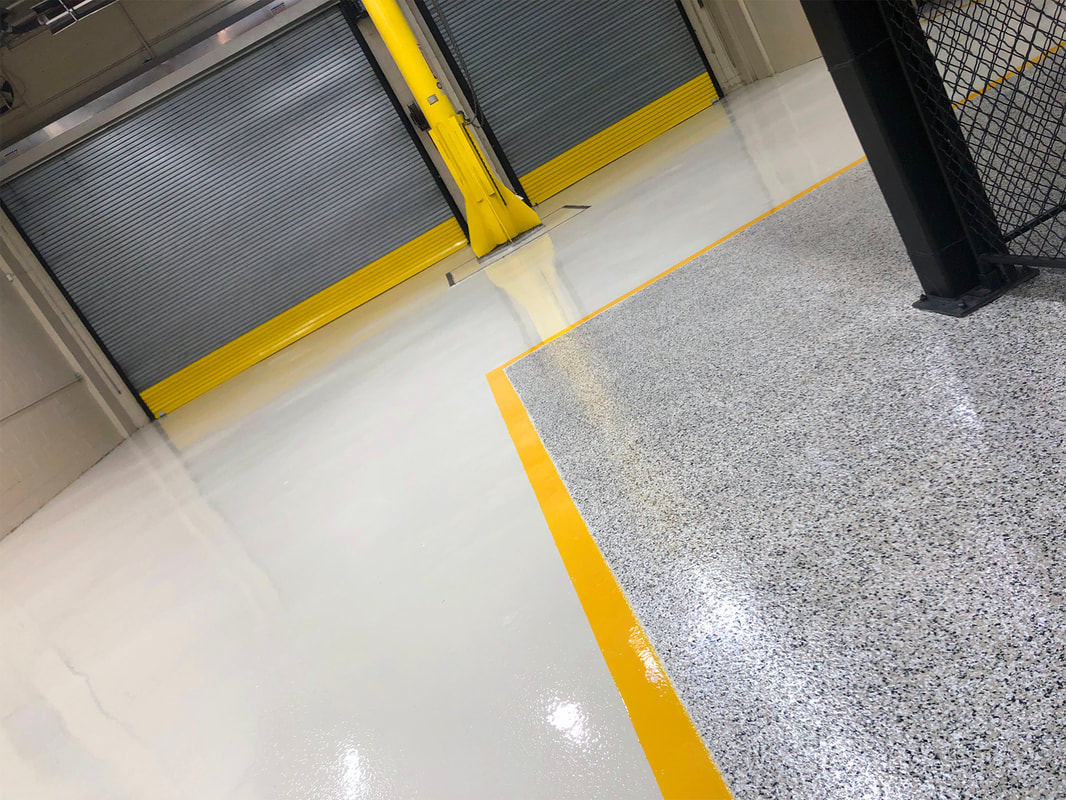
ArmorFloor
Aliphatic polyaspartic, indoor or outdoor, with UV resistance. Roller, spray or cup gun.
ArmorFloor TopCoat
Dry film per coat. Shore D 65 ± 5, SCAQMD compliant.
Spray polyurea floors
Typical build for our applicators' sprayed floors, on a CSP 3–4 profile.
Want to install these floors? We'll set you up.
Polyaspartic flake floors and spray polyurea can run from one business, alongside bedliners and roofs. We supply ArmorFloor, spray polyurea systems, spray equipment and training. Not a franchise: no franchise fee, no royalties, and startup packages from $25,000.
Call us: (417) 831-5090 (US) · 780-444-6200 (Canada)
Best garage floor coating FAQ
What is the best garage floor coating?
For most garages, a professionally installed polyaspartic or 1-day polyurea full-flake system: built to about 50 mils, UV-stable, highly chemical-resistant and ready to park on in 24 hours, at $5–$12 per sq ft installed. Spray polyurea is tougher but costs more. If the slab is cracked or you rent, interlocking tiles are the better choice; on a damp slab, tiles or an epoxy vapor-barrier system. The picker re-ranks all nine options for your garage.
What is the most durable garage floor coating?
Spray-applied polyurea, mainly because it's the thickest: floors are typically sprayed at 60–80 mils, and it's elastomeric enough to ride over hairline cracks. A polyaspartic flake system at 50+ mils is close behind. Abrasion results on the data sheets we checked are similar across polyaspartic, high-solids DIY and epoxy films (30–50 mg Taber loss), so thickness and prep decide most of the difference.
Is polyurea better than epoxy for garage floors?
Usually, for a garage with sun, salt or hot tires: polyurea and polyaspartic topcoats hold their color, and you can park on them sooner. Epoxy is better as the base coat on a damp slab, where epoxy vapor-barrier primers are rated up to 25 lb per 1,000 sq ft per day or 95% RH. Many good floors use both. See polyurea vs epoxy floor coatings.
Is polyaspartic better than polyurea?
They're the same family. Polyaspartic is an aliphatic polyurea whose reaction is slowed so it can be rolled in thin, UV-stable coats; conventional polyurea gels in seconds and has to be sprayed. For a garage, a rolled polyaspartic flake system is the usual choice, and sprayed polyurea is the heavier-duty one.
Are garage floor tiles better than epoxy?
On a cracked or stained slab, in a rental, or when you can't give up the garage for days, yes: tiles need no prep or cure and can't delaminate. On a damp slab they sidestep the problem, while a coating needs a vapor-barrier primer. Coatings are better for spills and cleaning, since liquids pass through tiles to the concrete. Good tiles cost about $4.49–$7.75 per sq ft (Swisstrax), roughly what a pro coating costs.
Is garage floor paint as good as epoxy?
No. Paint is a one-part acrylic; epoxy is a two-part coating that cures harder and resists chemicals and hot tires better. Rust-Oleum says to wait five days before driving on its floor paint and three days on its two-part epoxy kit. Paint is cheaper and easy to touch up, which makes it fine for a storage-only garage.
What is the best garage floor coating for DIY?
Interlocking tiles are the easiest DIY floor. For a coating, a high-solids kit (96%-solids polycuramine or 100%-solids epoxy) beats a water-based kit: RockSolid's data sheet lists vehicles in 24–36 hours and installation down to 40°F, against 3 days and 60°F for EpoxyShield. Whatever you use, prep decides the result, so grind rather than etch if you can.
What garage floor coating resists hot tire pickup?
A two-part system on a properly ground, moisture-tested slab. Tires can exceed 140°F, and one installer reports that under-cured, low-solids and DIY coatings fail first in summer; one-part paint is the most vulnerable. Even premium polyaspartic data sheets say tire marking may occur, but marking is cosmetic, while lifting is a bond failure.
What is the best garage floor coating for road salt?
A polyaspartic flake system: the topcoat we checked is rated excellent against 20% salt water. Roll-out vinyl mats also resist road salt and protect exactly where cars drip. If you'd rather keep bare concrete, a silane/siloxane penetrating sealer helps keep chlorides out, but it has to be stripped before any later coating.
How long do garage floor coatings last?
Industry estimates: paint 1–3 years, DIY water-based epoxy 2–5, pro epoxy 5–10 and polyaspartic 10–20 (HomeGuide, The Garage Guide); ArmorThane puts spray polyurea at 15–20+. Tiles are estimated at 10–25 years and mats at 2–10. None of these come from independent field studies, and prep and slab moisture move them more than the chemistry does.
Can you coat a new concrete garage floor?
Yes, after it cures. EpoxyShield and the Simiron system guides call for at least 28 days, and RockSolid says 30. Then run a plastic-sheet test, or have a pro measure with ASTM F1869 or F2170, because young slabs often still carry moisture.
What is the best alternative to epoxy for a garage floor?
A polyaspartic or 1-day polyurea flake system if you want a coating: it's UV-stable, and you park on it in 24 hours instead of up to a week. If you want no coating at all, interlocking tiles or roll-out mats. Our polyaspartic vs epoxy comparison has the details.
Can you put a coating over garage floor paint or sealer?
Over sound paint, sometimes: EpoxyShield says to scuff-sand the whole floor, and to strip the old paint if more than 25% lifts in an X-cut tape test. Over a sealer, no: if water beads, the sealer has to come off first. A pro flake system starts by grinding everything back to bare concrete.
How much does the best garage floor coating cost?
A polyaspartic flake system runs $5–$12 per sq ft installed, about $2,000–$4,800 for a 400 sq ft two-car garage. Pro epoxy runs $3–$8, tiles $2–$8 in materials, and DIY kits $0.50–$4. Our garage floor coating cost guide breaks down prep and quotes.
Written from manufacturer data sheets, published 2024–2026 price guides and 35+ years of making floor coatings and supporting the applicators who install them. Last updated September 26, 2026.
Methodology and sources
Product properties come from manufacturer data sheets and system guides, with one product standing in for each category; check your own product's sheet. Prices are published estimates from 2024–2026 cost guides and September 2026 online list prices, not a survey. Lifespans are installer and publisher estimates; we found no independent field study. Rankings and 0–5 ratings are our judgment from that data, and the picker shows how they change with your answers.
- HomeGuide, garage floor coating cost (updated Dec 2024): homeguide.com/costs/garage-floor-coating-cost
- The Garage Guide, garage floor coating cost (updated Mar 2026): thegarage.guide/cost-guides/garage-floor-coating-cost
- Garage Living, garage floor protection options ranked: garageliving.com/blog/garage-floor-protection-options-ranked
- Rust-Oleum, what garage floor coating should I use?: rustoleum.com/blog/what-garage-floor-coating-should-i-use
- Rust-Oleum EpoxyShield water-based garage floor coating, TDS ESH-09 (PDF): rustoleum.com/~/media/DigitalEncyclopedia/Documents/RustoleumUSA/TDS/E
- Rust-Oleum RockSolid Polycuramine garage floor coating, TDS RSD-01 (PDF): rustoleum.com/~/media/DigitalEncyclopedia/Documents/RustoleumUSA/TDS/E
- Simiron Polyaspartic HS product data sheet (PDF): simiron.com/wp-content/uploads/2020/09/SIM_Polyaspartic-HS_ProductData
- Simiron SimFlake SB 1-Day Polyurea system guide (PDF): simiron.com/wp-content/uploads/2024/07/SIM_SimFlake-SB_1-Day-Polyurea_
- Simiron SimFlake SB 1-Day Epoxy system guide (PDF): simiron.com/wp-content/uploads/2024/07/SIM_SimFlake-SB-1-Day-Epoxy_Sys
- Simiron MVB moisture vapor barrier sell sheet (PDF): simiron.com/wp-content/uploads/2020/09/SIM_MVB_SELLSHEET_8.5x11.pdf
- Sikafloor-261 CA product data sheet (PDF): cdn.shopify.com/s/files/1/0579/9483/8195/files/sikafloor-261-CA__Produ
- ASTM F1869, moisture vapor emission rate (calcium chloride): store.astm.org/f1869-16a.html
- ASTM F2170, relative humidity in concrete slabs: store.astm.org/f2170-19a.html
- Swisstrax, cost of a garage floor: swisstrax.com/cost-of-garage-floor1.html
- Swisstrax, garage floor tiles FAQ: swisstrax.com/garage-floor-tiles-faq.html
- Swisstrax, Ribtrax Pro tile specifications: swisstrax.com/ribtrax-pro-flooring-tile.html
- Swisstrax store, Ribtrax PRO tile (Sept 2026 price): store.swisstrax.com/products/ribtrax
- Swisstrax store, PRO edge piece: store.swisstrax.com/products/female-edge
- Swisstrax store, Diamondtrax 12-Series tile: store.swisstrax.com/products/diamondtrax-12series
- Swisstrax store, Ribtrax Pro two-car garage kit: store.swisstrax.com/products/ribtrax-pro-two-car-garage-kit
- G-Floor, Levant garage flooring (Sept 2026 prices): gfloor.com/products/garage-flooring-levant-texture-g-floor-roll-out-vi
- G-Floor, Ribbed garage flooring: gfloor.com/products/garage-flooring-ribbed-tread-g-floor-roll-out-viny
- G-Floor, Coin garage flooring: gfloor.com/products/garage-flooring-coin-tread-g-floor-roll-out-vinyl-
- Ghostshield Siloxa-Tek 8500 penetrating sealer: ghostshield.com/products/siloxa-tek-8500
- Garage Force, hot tire pickup and heat-related coating failure (Sep 2026): garageforce.com/2026/09/15/2026-hot-tire-pickup-heat-related-coating-f
- Garage Flooring LLC, garage floor coating kits: garageflooringllc.com/garage-floor-coatings/
- Gallon: 231 cubic inches (NIST Handbook 44, via Wikipedia): en.wikipedia.org/wiki/Gallon
- ArmorThane, polyurea vs epoxy floor coatings (Aug 2026): armorthane.com/polyurea-vs-epoxy-floor-coatings-which-is-better/
- ArmorThane, ArmorFloor aliphatic polyaspartic: armorthane.com/products/armorflooring-product-page/armorfloor-aliphati
- ArmorThane, ArmorFloor TopCoat: armorthane.com/products/armorcoat/armorfloor-topcoat-4/
- ArmorThane, concrete coatings near me: armorthane.com/protective-coatings/concrete-coatings/concrete-coatings
- ArmorThane, texturing aggregate: armorthane.com/products/texturing-aggregate/

Want a pro to look at your slab? Get a quote from a certified applicator.
Tell us the size of your garage, what the slab looks like and how you use it. We'll connect you with an ArmorThane-certified applicator who will test the slab and quote the prep, system and thickness in writing.
- Polyaspartic flake and spray polyurea floors
- Moisture test and prep spelled out on the quote
- Garages, shops, basements and patios
- Contractors: ask about floor systems and training
More to read on floors and decks
Short reads from ArmorThane on Issuu. Tap one to open it right here.