Start a Floor Coating Business in 2026
Startup costs, equipment, training, OSHA silica rules, insurance, pricing and real margins, plus what a franchise costs compared with going independent. All sourced.
Start a floor coating business
Coat floors for a living.
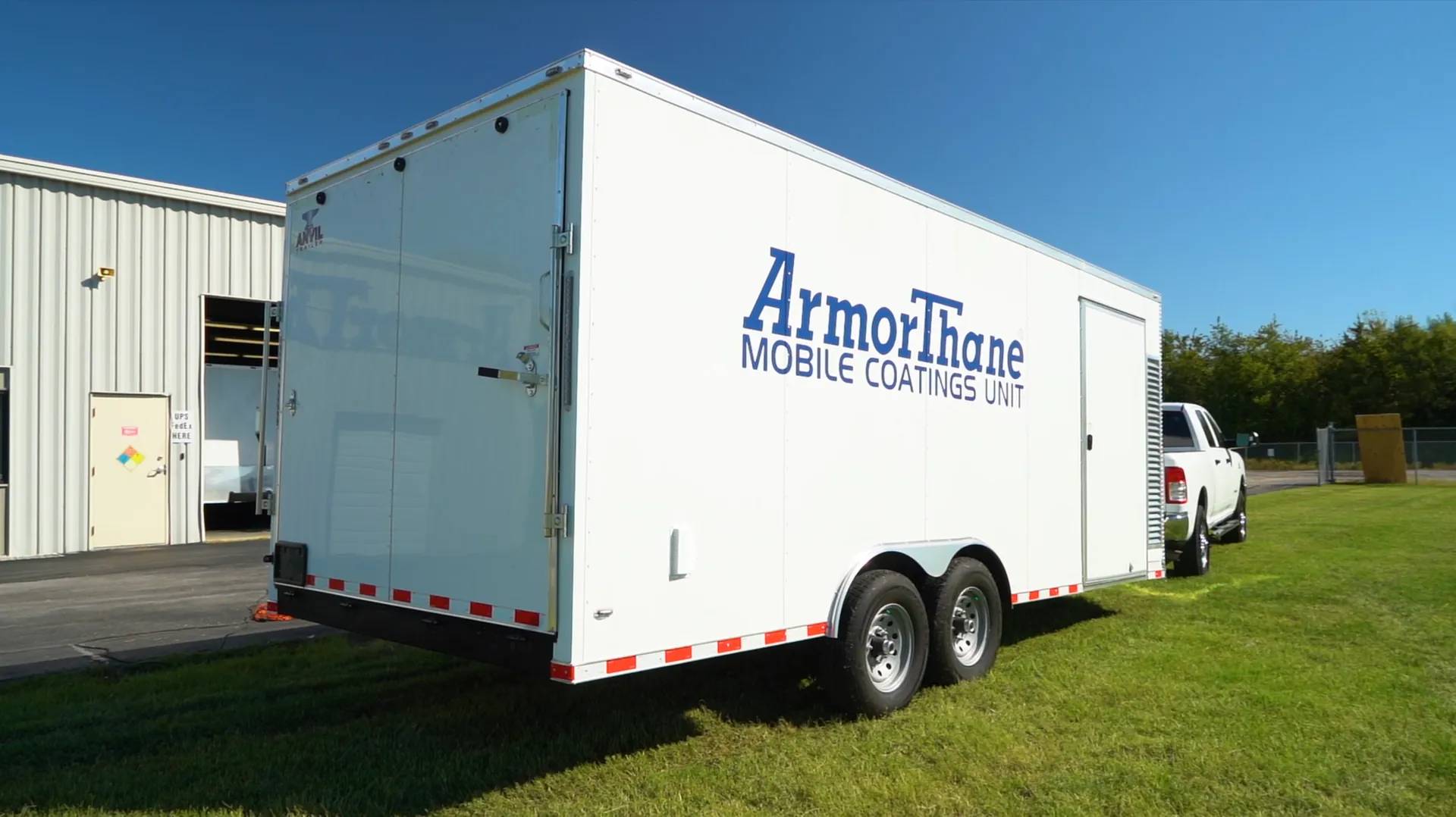
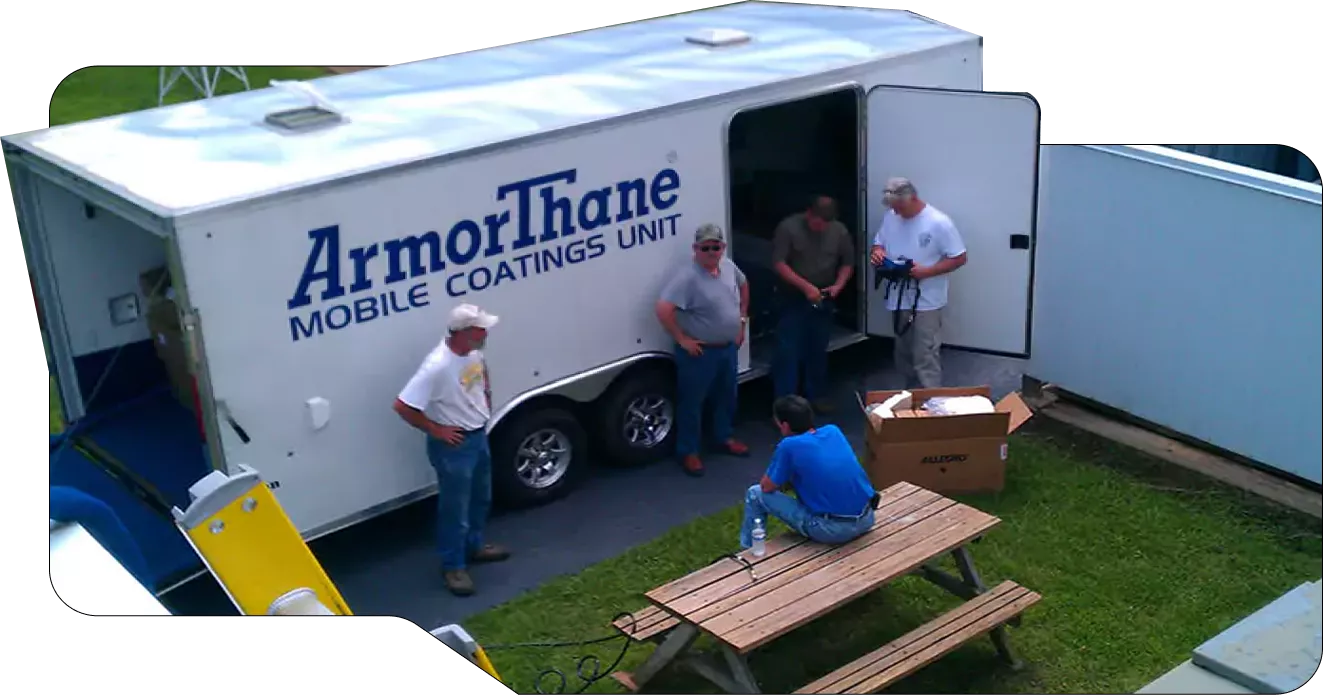
ArmorThane sets you up to do this work, and you own the business. We make the chemistry, build the rigs, train you hands-on and answer the phone when a job gets difficult. You pay no franchise fee and no royalties. It has been that way since 1989.
- $0
- franchise fees or royalties
- 35+
- years in business
- 50+
- countries with applicators
- 24/7
- technical support
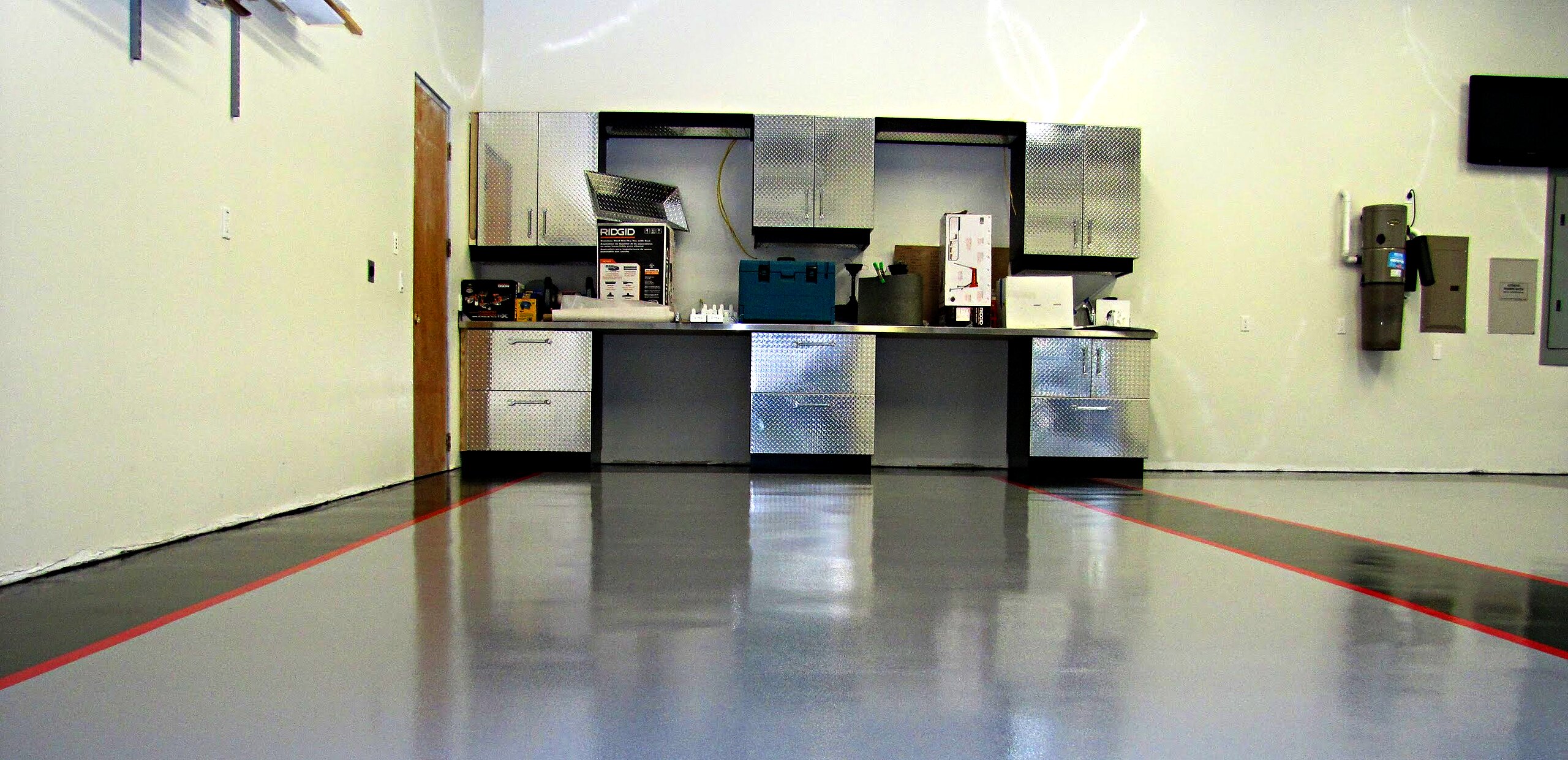
A coated garage floor is one of the few home improvements that can be sold, installed and paid for in a day or two. That's why so many people look at floor coating as a business, and why so many franchises exist to sell it to them. Before you sign anything, here's what the business really costs to start, what it takes to do well and what the numbers look like with and without a franchise.
By our estimate, an independent start costs roughly $15,000–$40,000 for equipment, training, insurance and first material, depending on whether you already own a truck. Or you can buy a franchise with $38,500–$60,000 fees and published total investments of $110,000–$246,400, plus 5–6.5% royalties. The core tools are a planetary grinder, a HEPA dust extractor, a shrouded hand grinder and a moisture meter (about $12,300 new at September 2026 prices), and OSHA's silica rule applies from your first grind. Homeowners pay about $4–$12 per sq ft, so a 2-car garage sells for $1,600–$4,800. Franchise disclosures show gross profit after labor and materials around 48–50% for one brand. Build your startup budget or price a job.
We make floor coatings and spray polyurea, and we train independent applicators. We'd like you to become one of them. We'll still give you the franchise numbers straight, because a good decision about a $50,000 fee is worth more to us than a rushed one.
- 1Is there demand?
- 2Franchise or independent?
- 3Franchise fee calculator (interactive)
- 4Equipment and startup costs
- 5Startup budget builder (interactive)
- 6OSHA silica rules for grinding
- 7Insurance and licensing
- 8Training options
- 9Pricing and margins
- 10Job bid calculator (interactive)
- 11Why new coaters get callbacks
- 12A 90-day launch plan
- 13Floor coating business FAQ
Is there demand for floor coating?
The raw market is enormous. The U.S. Energy Information Administration's 2024 housing survey counts 56.9 million homes with an attached garage: 12.1 million one-car, 36.9 million two-car and 7.9 million with three or more. And that's before detached garages, shops, basements, patios and commercial floors. Among new single-family homes completed in 2024, NAHB reports 65% had a two-car garage and 15% had three or more.
The coatings market is growing, slowly and steadily. Mordor Intelligence puts the U.S. floor coatings market at $1.99 billion in 2026, forecast to reach $2.43 billion by 2031. Epoxy still held about 42% of the market in 2025, but polyaspartic is projected to grow faster (5.52% a year). That's the shift you'll see in the field: homeowners asking for one-day, UV-stable floors.
One honest caution: overall remodeling spending is flattening. Harvard's Joint Center for Housing Studies projects $519 billion through mid-2027 with growth slowing to 0.5%. Floor coating isn't a gold rush; it's a trade where installers who prep well and follow up on reviews win the jobs.
Franchise or independent?
A franchise sells you a brand, a system, training, marketing help and usually a protected territory. You pay for it up front and on every job after that. Here's what the coating franchises we could verify publish.
| Franchise | Franchise fee | Total initial investment | Royalty | Brand / ad fund | Notes |
|---|---|---|---|---|---|
| Garage Force | $49,500 | $132,900–$200,600 | 5% | 1% plus $1,000/month digital marketing | 301 franchised outlets end of 2025; two weeks of training at HQ |
| GarageExperts | $54,900 ($38,500 micro-territory) | $136,300–$246,400 | 6%, stepping down to 5% and 4% at higher sales | 1.5% | 110 franchised outlets end of 2025 |
| Granite Garage Floors | $50,000 | $149,500–$222,200 (Franchise Gator lists $227,367–$390,367) | 6.5% | 2% | Territory of at least 250,000 households |
| Spartan Floor Coatings | $40,000 | $110,000–$225,000 | 6% | — | $150,000 liquid capital listed |
| Wise Coatings | $50,000 | $174,840–$199,625 | 5% | 2% plus $750/month technology fee | Directory data dated December 2022 |
| Garage Kings | $60,000 | $189,493–$238,253 | 6% | 2% | Coatings plus cabinets; directory data dated December 2022 |
| Penntek (dealer, not a franchise) | $0 | Not published | 0% | — | "No franchise fees or royalties"; two-day certified installer training |
| ArmorThane (independent applicator) | $0 | Equipment-based; see below | 0% | — | No franchise, dealership or royalty fee; on-site training |
What the disclosures say franchisees earn
Franchise Disclosure Documents include an optional Item 19 with financial performance. Two coating franchises publish useful ones. Garage Force's 69 single-unit franchises that operated all of 2025 averaged $422,998 in gross revenue, with a median of $318,744; its company-owned location reported a 39.25% operating income margin before some expenses. GarageExperts' single-territory owners averaged $686,909 in gross sales and $330,195 in gross profit after labor and cost of goods, about 48% by our arithmetic.
Those are real numbers from established operators with brand marketing behind them. They're also the numbers from which 5–6.5% royalties and 1–2% brand fees are taken. Use the calculator below to see what that adds up to at your expected revenue.
Franchise fee calculator
Enter the revenue you expect to reach. The calculator applies each franchise's published fee, royalty and brand-fund rates over five years, so you can see the total cost of the brand next to the independent route.
What would five years of franchise fees cost?
Uses published franchise fees, royalty and brand-fund rates. Excludes equipment, vehicles, territory add-ons and technology fees unless noted.
Garage Force's median single-unit franchise grossed $318,744 in 2025.
Equipment and startup costs
Professional floor coating is mostly a grinding business with a coating at the end. You need to open up the concrete, control the dust, test the moisture and apply the system. Here's the core kit at September 2026 retail prices.
| Item | Example | Price | Why you need it |
|---|---|---|---|
| Planetary floor grinder | Husqvarna PG 450 (18 in, 120 V) | $7,685–$8,068 | Mechanical prep to the profile your coating requires |
| Larger grinder (optional) | Husqvarna PG 510 (20 in) | $10,672–$11,398 | Faster on bigger floors; many need 220–240 V |
| HEPA dust extractor | Husqvarna S26 (258 cfm, two HEPA filters) | $3,011 | Silica dust control; required by OSHA's table controls |
| Shrouded hand grinder | 7 in grinder with dust shroud | $723 (or $4,421 as a full prep package with dust collector) | Edges, corners and stem walls |
| Moisture meter | Tramex CME5 | $645–$735 | Quick moisture screening before you commit |
| Application tool kit | Rollers, squeegees, cage mixer, spiked shoes | $280–$400 | Applying basecoat, flake and topcoat |
| Crack and joint repair | Epoxy crack filler, grind-and-fill | $153–$191 per kit | Repairs before coating |
| Diamond tooling wear | Segments and cup wheels | About $0.15–$0.25 per sq ft | A real per-job cost; price it in |
Add those up and the core kit (PG 450, S26, shrouded hand grinder, moisture meter and flake tool kit) comes to about $12,300 new. Then come a truck or trailer, a generator if you'll work where power is limited, insurance, training and your first material order.
Why published startup totals disagree
Wexford Insurance puts the total startup cost of an epoxy flooring business at $7,000–$25,000, with equipment at $3,000–$10,000, a figure that's hard to reach with new grinders and probably assumes used or rented gear. A floor coating dealership program, FloorTek, puts a two-crew launch at about $200,000, or about $400,000 with reserve capital. Xtreme Polishing Systems recommends carrying $1 million in general liability coverage and three months of business and personal expenses in reserve. The honest range depends on whether you buy new, how many crews you start with and whether you already own a truck.
Startup budget builder
Tick what you'll buy and adjust the amounts. Defaults come from the prices above; insurance uses Insureon's national medians for flooring installers.
What will it cost me to open?
Change any number to match your own quotes. Vehicle and marketing are yours to fill in.
OSHA silica rules for grinding concrete
Grinding concrete makes respirable crystalline silica dust, and OSHA's construction standard (29 CFR 1926.1153) applies from your first job with an employee. The permissible exposure limit is 50 µg/m³ averaged over eight hours. The easiest way to comply is to follow the standard's Table 1 controls, which is why a HEPA dust extractor is on the must-buy list.
Walk-behind floor grinders
Use water, or a dust collection system recommended by the grinder's manufacturer with a filter of 99% or greater efficiency and a filter-cleaning mechanism. Indoors, HEPA-vacuum loose dust between passes. Follow those controls and no respirator is required.
Handheld grinders
Use water, or a shroud and dust collector delivering at least 25 cfm of airflow per inch of wheel diameter, with a 99%-efficient filter and a cyclonic pre-separator or filter-cleaning mechanism. Indoors for more than four hours a shift, add an APF 10 respirator.
No dry sweeping
Dry sweeping and dry brushing are prohibited where they add to exposure, unless wet methods or HEPA vacuums aren't feasible. Compressed air is restricted.
Written plan and a competent person
Employers need a written exposure control plan and a competent person to carry it out, plus medical surveillance for workers who wear respirators 30 or more days a year.
Insurance and licensing
Insureon's August 2026 medians for flooring installation companies are a useful starting budget: general liability about $77 a month ($919 a year), a business owner's policy $115, workers' compensation $144, commercial auto $208, tools and equipment $41 and an umbrella policy $67. Your rates depend on payroll, claims history, state and the work you do.
Licensing varies by state. Two examples: California's C-15 Flooring and Floor Covering classification covers preparing surfaces and installing flooring materials, and since January 1, 2025, unlicensed work is capped at $1,000 and only where no permit is needed and no one is employed. Arizona's floor covering license lists "concrete coatings" and applies when labor and materials exceed $1,000 or a permit is required. Check your state contractor board and your city before you quote your first job.
Floor coating training options
| Program | Length | Cost | Covers |
|---|---|---|---|
| Xtreme Polishing Systems, Full Epoxy Training | 5 days | $1,750 per person (3-day course $1,350) | Chemistry, flake and metallic systems, moisture testing, estimating, marketing and sales |
| Simiron University | 2 days | $500 enrollment listed | Chip and one-day flake systems, metallics, prep and moisture testing; fall classes in six cities |
| Penntek Academy | 2 days | For dealers | Certified installation training |
| Garage Force (franchise) | 2 weeks at HQ | Included in franchise | Brand system |
| Granite Garage Floors (franchise) | "Several weeks" | Included in franchise | Brand system |
| ArmorThane | On site, plus virtual e-training | With your equipment and material package | Application and certification, plus pricing, selling and marketing |
Pricing and margins
Here's what homeowners pay, according to the major cost guides. HomeGuide lists epoxy at $4–$10 per sq ft, polyurea at $5–$10 and polyaspartic at $5–$12, with a 400 sq ft two-car garage at $1,600–$4,800, and says labor makes up 50–70% of the price. Angi reports an average epoxy job of $2,526. Bob Vila's polyaspartic guide cites $1,400–$3,600 for a 350–400 sq ft garage. Xtreme Polishing Systems, which sells to installers, puts a standard two-car garage at $1,500–$3,500 in revenue.
XPS: a 500 sq ft garage
Materials $850, consumables $150, labor $420 (12 person-hours), mobilization $100: $1,520 direct. At 35% overhead plus profit the bid is $2,338, about $4.68 per sq ft.
About $2 per sq ft
A polyurea base, full flake and polyaspartic top system runs about $2 per sq ft in material at one supplier's 2026 list prices, per our garage floor coating cost guide.
Roughly half after labor and materials
GarageExperts' single-territory franchisees averaged about 48% gross profit after labor and cost of goods (our arithmetic from its Item 19). Overhead, royalties and marketing come out of that.
The formula XPS teaches is worth memorizing: bid = (materials + labor + consumables + trip) ÷ (1 − (overhead % + profit %)). It keeps you from the most common new-business mistake, marking up materials and forgetting that overhead and profit are percentages of the price, not the cost.
Floor coating job bid calculator
Price a job the way established installers do, then see what a year of jobs adds up to.
What should I charge for this floor?
Defaults follow the XPS worked example and ArmorThane's cost guide (about $2 per sq ft material). Change them to match your system and labor.
Why new coaters get callbacks
A callback on a garage floor costs you the materials, the labor and, worst of all, the review. The causes are well documented, and almost all of them are preventable.
| Problem | Cause | Prevention |
|---|---|---|
| Peeling or delamination | Poor surface profile; laitance; sealers left on | Grind or shot blast to the profile on the data sheet (ICRI CSP 3–5 for high-build coatings) |
| Blistering and debonding | Moisture vapor from the slab | Test (ASTM F2170 is called the most reliable method); use a moisture-mitigating primer when needed |
| Hot tire pickup | Low heat tolerance, tire plasticizers, weak bond on smooth concrete | Proper prep and harder systems; a pad under parked tires where marking is a concern |
| Soft or tacky spots | Mix-ratio and pot-life errors | Measure, mix and work within pot life |
| Marks and dents | Traffic before the coating cures | Give the customer written return-to-service times |
| Yellowing | UV on epoxy or uncovered basecoats | Full flake broadcast and a UV-stable polyaspartic topcoat |
Moisture problems aren't small. CTLGroup estimates commercial owners spend about $2.4 billion a year remediating moisture-related flooring failures. On a residential job, a $200–$500 moisture test is cheap insurance. Our guide to vetting garage floor contractors shows what homeowners are being told to ask you, so it's worth reading from the other side of the table.
A 90-day launch plan
Weeks 1–2: decide the model
Franchise, dealer program or independent applicator. Run the fee calculator with a revenue number you believe, not the one in the brochure.
Weeks 2–4: license, insure, register
Check your state board and city. Get general liability at a minimum; XPS suggests $1 million in coverage.
Weeks 3–6: train and equip
Take hands-on training on the exact system you'll sell. Buy the grinder, dust extractor, hand grinder and moisture meter.
Weeks 5–8: practice floors
Coat your own garage, a friend's and a family member's. Photograph every step. Those photos are your first marketing.
Weeks 8–12: sell the first paid jobs
Google Business Profile, local SEO and before-and-after photos. Price with the bid formula, test moisture on every job and collect reviews.
Coat floors with ArmorThane, keep your own name
ArmorThane has trained and supplied independent applicators since 1989, with dealers in more than 50 countries. There's no franchise fee, no dealership fee and no royalty. Training is usually on site, with virtual e-training available, and ends with ArmorThane applicator certification, including the business side: pricing, selling and marketing. Our goal is equipment, material and training within 30 days of your order, and you'll have a 24/7 tech line and a dealers-only portal after that.
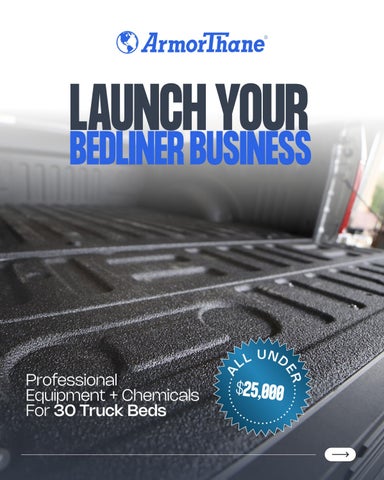
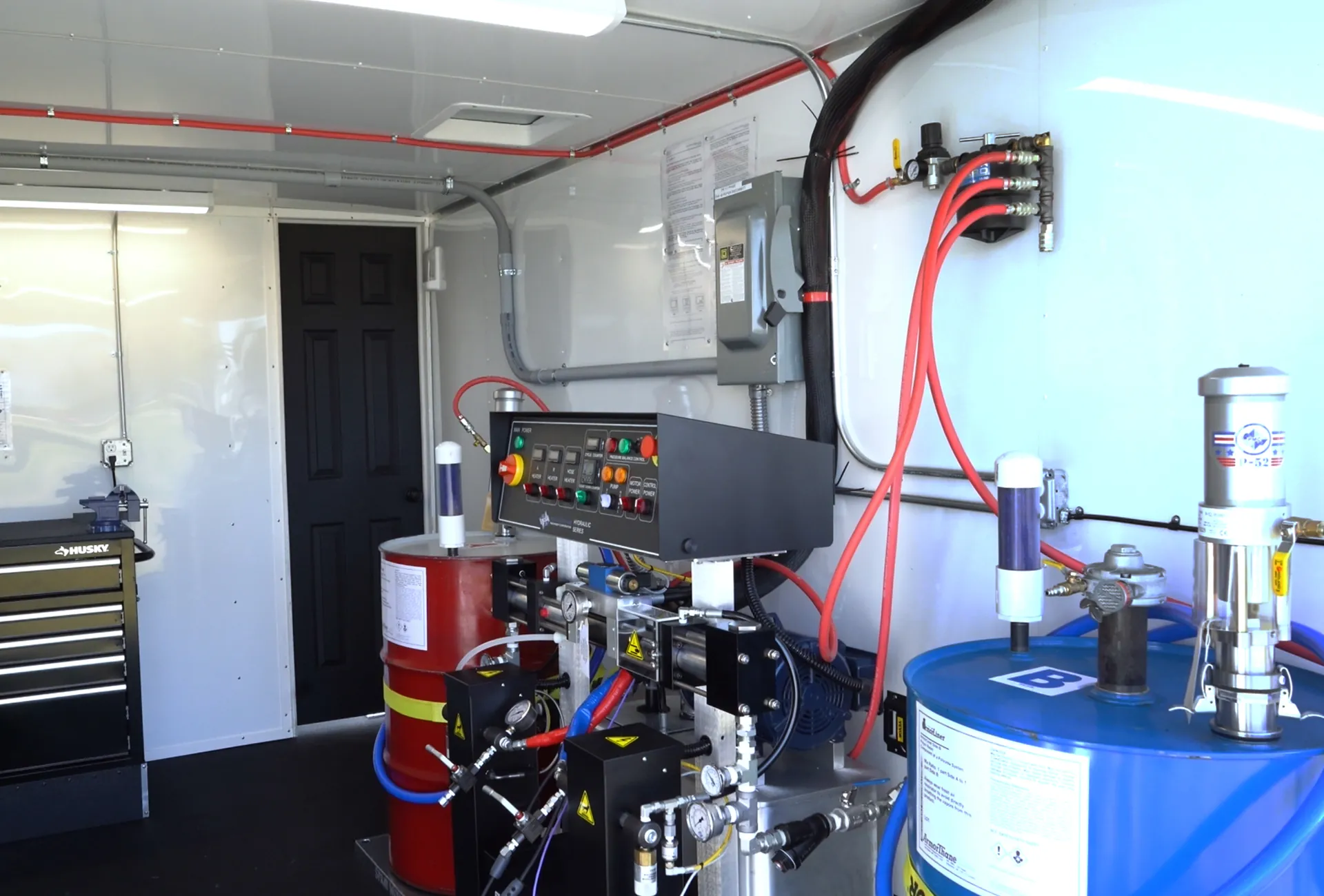
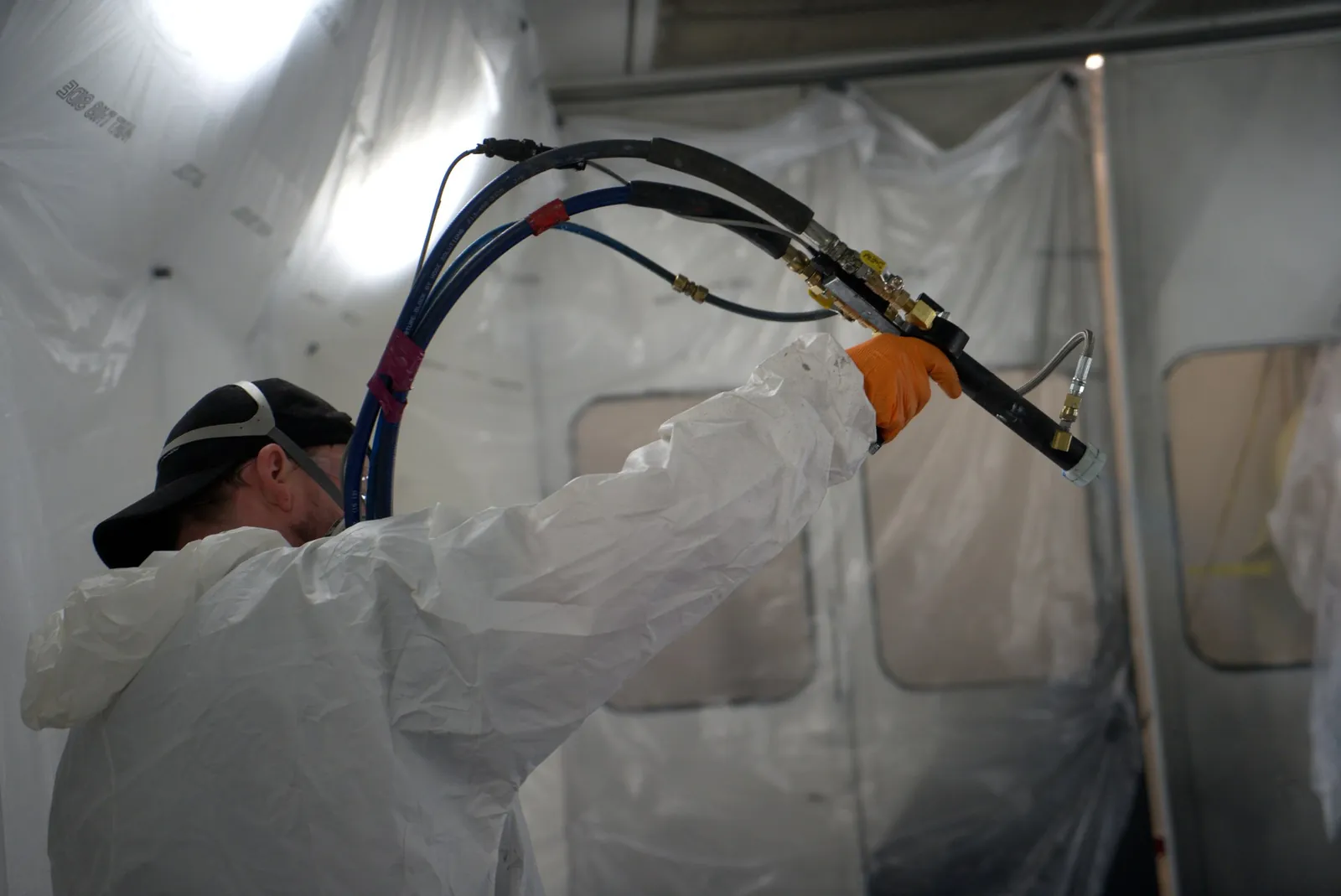
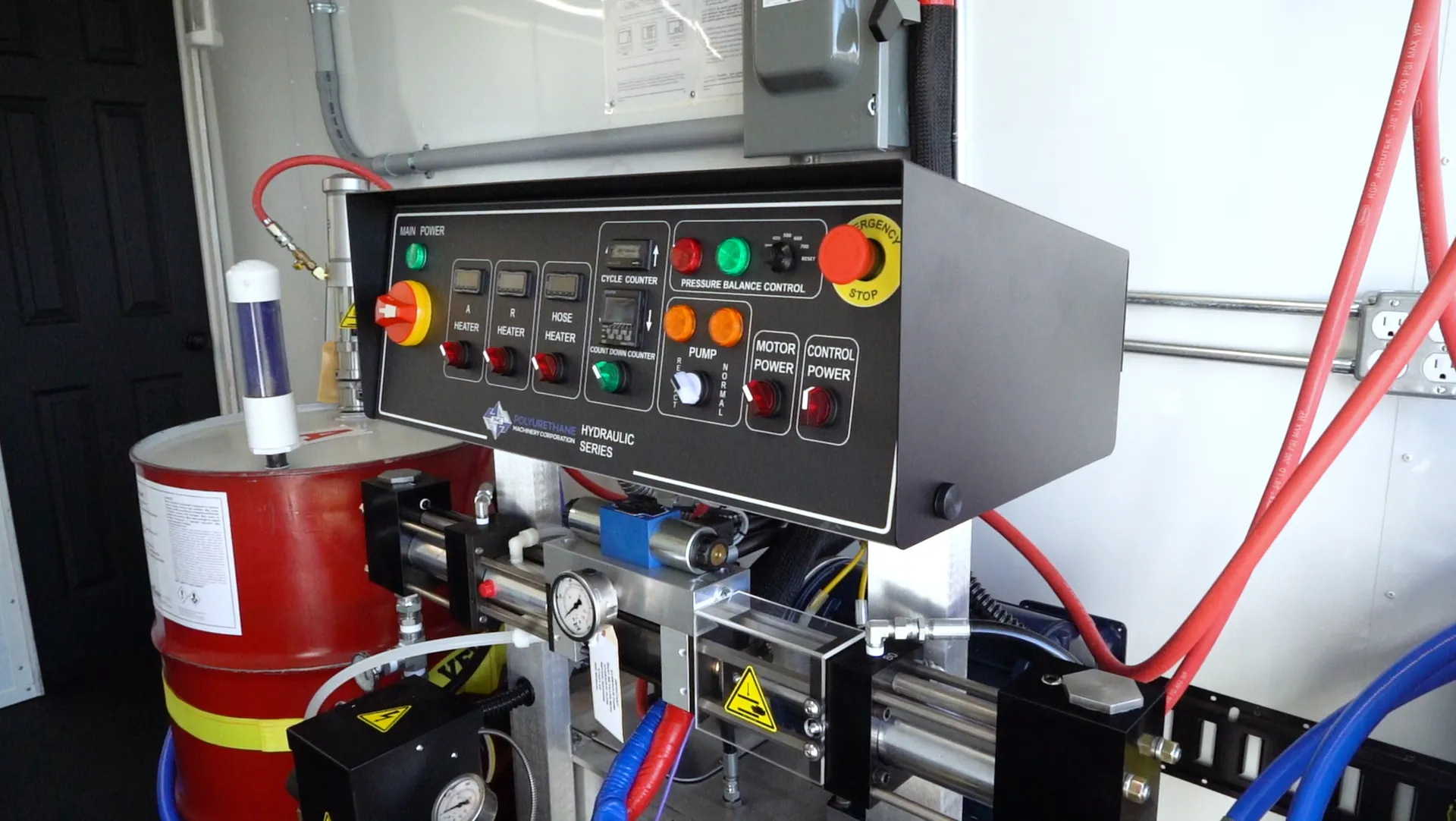
Floors are a great first service, and they pair well with spray polyurea. Our complete low-pressure spray package runs about $25,000, including the proportioner, hose, gun, first material, prep and safety gear, and training, and it opens up bedliners, RV roofs, containment and waterproofing. It's a natural second service once the floor side is running.
ArmorFloor TopCoat
Aliphatic polyaspartic, 1:1 mix, about 14 dry mils per coat, 65 Shore D, 3,500 psi tensile strength.
ArmorFloor Aliphatic Polyaspartic
Two-component; roller, high-pressure spray or cup gun; accepts color quartz or decorative chips.
Franchise fee and royalty
You keep your brand, your territory and your margin.
Floors are one path. There are others.
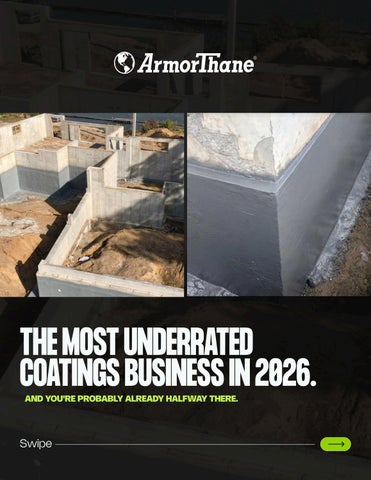
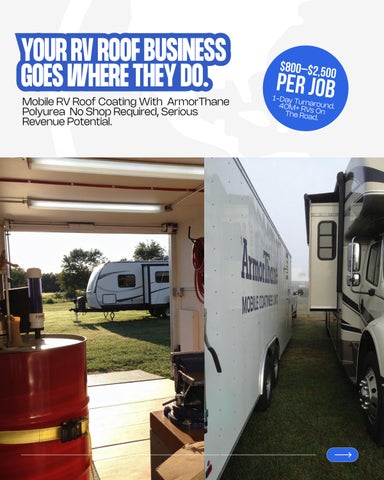
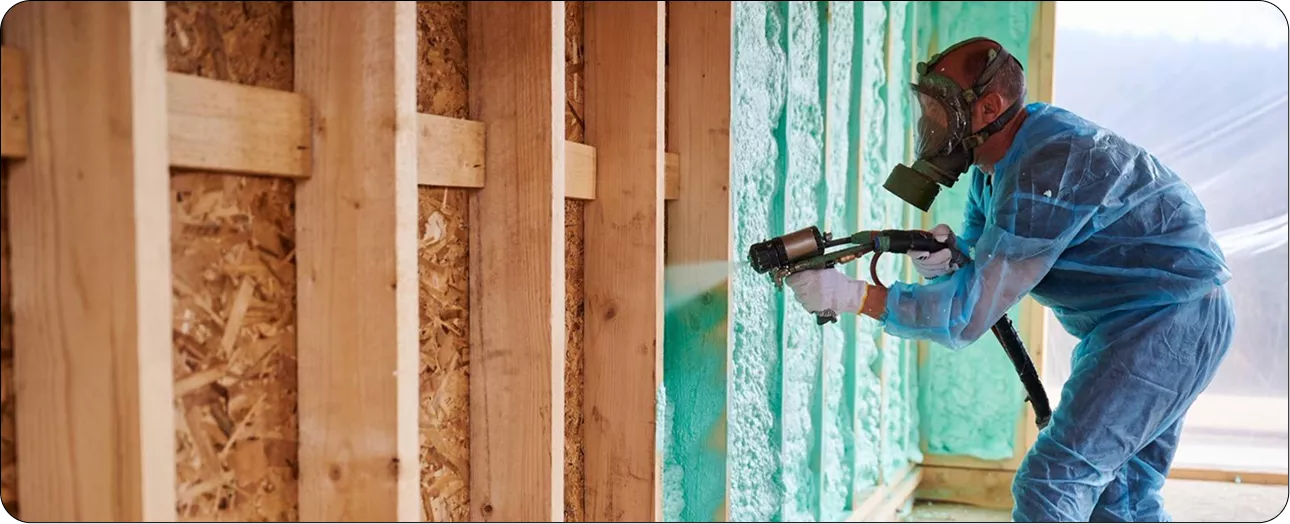
The same customers who want a coated garage also own trucks, RVs and basements. See how ArmorThane applicators build out bedliner, RV roof and spray foam businesses.
Or insulation: start a spray foam business →
Floor coating business FAQ
How much does it cost to start a floor coating business?
It depends on the model. Coating franchises we reviewed charge $38,500–$60,000 in franchise fees, with published total investments of $110,000–$246,400. Independently, the core grinding and testing kit (planetary grinder, HEPA extractor, shrouded hand grinder, moisture meter and tools) costs about $12,300 new, and by our estimate a start including training, insurance and first material runs roughly $15,000–$40,000 before a vehicle.
Is a floor coating franchise worth it?
It can be if you value a known brand, a territory and marketing support. You pay for them: a $38,500–$60,000 fee, 5–6.5% royalties and 1–2% brand fees on every job. On $300,000 a year in revenue, a 6% royalty alone is $18,000 a year. Compare the five-year cost with what the brand adds, and review the FDD with a franchise attorney.
What equipment do I need to start coating garage floors?
A planetary floor grinder, a HEPA dust extractor, a shrouded hand grinder for edges, a moisture meter, crack-repair materials and an application kit (rollers, squeegees, cage mixer, spiked shoes). Diamond tooling wears at about $0.15–$0.25 per sq ft. Many installers also need a truck or trailer and a generator.
Do I need a license to install epoxy or polyaspartic floors?
It depends on your state and city. California's C-15 flooring license covers this work, and unlicensed jobs are capped at $1,000 with no permit or employees. Arizona's floor covering license lists concrete coatings for jobs over $1,000 or requiring a permit. Other states have no statewide license but local registration. Check your contractor board and city.
How much insurance does a floor coating business need?
At minimum, general liability; Xtreme Polishing Systems suggests $1 million in coverage. Insureon's 2026 medians for flooring installers are about $77 a month for general liability, $144 for workers' comp, $208 for commercial auto and $41 for tools and equipment. Your rates depend on payroll, state and claims.
Where can I get floor coating training?
Xtreme Polishing Systems runs a 5-day epoxy course for $1,750 per person, Simiron University runs 2-day classes with a $500 enrollment, Penntek trains its dealers for 2 days, and franchises train at their headquarters. ArmorThane trains its applicators on site, with virtual e-training available, including pricing, selling and marketing.
How much should I charge per square foot?
Homeowners pay about $4–$10 per sq ft for epoxy and $5–$12 for polyaspartic in HomeGuide's data. Price from your costs: bid = (materials + labor + consumables + trip) ÷ (1 − (overhead % + profit %)). XPS's worked 500 sq ft example comes to about $4.68 per sq ft at 35% overhead plus profit.
What profit margin do floor coating businesses make?
One franchise's disclosure shows single-territory owners averaging about 48% gross profit after labor and materials, before overhead, royalties and marketing. Another franchise's company-owned unit reported a 39% operating income margin before some expenses. Your margin depends on pricing, crew productivity and callbacks.
Should a new installer sell epoxy, polyurea or polyaspartic?
A common approach is a flake system using a polyurea or epoxy basecoat and a polyaspartic topcoat, because polyaspartic is UV-stable and allows one- or two-day installs. Market data shows polyaspartic growing faster than epoxy. Fast-cure systems are more moisture-sensitive, so moisture testing is essential.
What does OSHA require for grinding concrete?
OSHA's silica standard (29 CFR 1926.1153) sets a 50 µg/m³ exposure limit. Its Table 1 controls for walk-behind grinders call for water or a manufacturer-recommended dust collector with a 99%-efficient filter and filter cleaning, plus HEPA vacuuming indoors. Hand grinders need 25 cfm per inch of wheel diameter and an APF 10 respirator indoors over four hours a shift.
Why do new floor coaters get callbacks?
Mostly prep and moisture: poor surface profile, sealers left on the slab, and moisture vapor that blisters or debonds the coating. Hot tire pickup, mix-ratio errors, early traffic and UV yellowing of epoxy are the other common causes. Grinding to the data sheet's profile and testing moisture on every job prevents most of them.
Can I start a floor coating business part time?
Yes. Xtreme Polishing Systems publishes a guide to running floor coating as a weekend side business and suggests keeping three months of business and personal expenses in reserve and carrying general liability coverage before taking paid jobs.
Written from franchise disclosure summaries, OSHA's silica standard, state licensing boards, retail equipment listings read September 27, 2026, dated cost guides and 35+ years of training independent applicators. Last updated September 27, 2026.
Methodology and sources
Franchise figures are as published by the franchisor or the directory cited; directory data can lag the current FDD, and two entries carry December 2022 dates. The fee calculator applies published fee, royalty and brand-fund rates (using each system's lowest published royalty tier and excluding technology and digital-marketing fees except where noted). Equipment prices are retail listings on the date shown. Insurance figures are Insureon medians. Margins are our arithmetic from Item 19 disclosures. This is not financial or legal advice; review any FDD with a franchise attorney.
- Franchise Chatter, Garage Force Franchise Review 2026 (Aug. 2026): franchisechatter.com
- Franchise Chatter, GarageExperts Franchise Review 2026 (Jul. 2026): franchisechatter.com
- Granite Garage Floors, Franchise Investment and FAQs: granitegaragefranchise.com
- Franchise Gator, Spartan Floor Coatings and Granite Garage Floors (2026): franchisegator.com
- Entrepreneur, Wise Coatings and Garage Kings franchise directory (data Dec. 2022): entrepreneur.com
- Penntek, Become a Dealer: penntek.com
- VettedBiz, Garage Force Franchise Insights: vettedbiz.com
- Xtreme Polishing Systems, Locations; training; How To Price Epoxy Jobs (Aug. 2026); Epoxy Flooring as a Side Business (May 2026): xtremepolishingsystems.com
- Runyon Surface Prep, Husqvarna PG 450 and PG 510: runyonsurfaceprep.com
- Simiron Shop, Husqvarna PG 450; Simiron University; SimFlake SB 1-Day Polyurea System Guide: shop.simiron.com
- Tools4Flooring, Husqvarna PG 510 and Tramex CME5: tools4flooring.com
- Lewis Contractor Sales, Husqvarna S26 HEPA Dust Extractor: lewiscontractorsales.com
- One Stop Epoxy, Epoxy Tool Kits: onestopepoxy.com
- Wexford Insurance, How Much Does It Cost to Start an Epoxy Flooring Business? (Aug. 2026): wexfordins.com
- FloorTek Dealership, How to Start a Floor Coating Business (Oct. 2025): floortekdealers.com
- OSHA, 29 CFR 1926.1153 Respirable crystalline silica: osha.gov
- Insureon, Flooring Installer Insurance Cost (Aug. 2026): insureon.com
- CSLB, C-15 classification and Industry Bulletin 24-07: cslb.ca.gov
- Arizona Registrar of Contractors, License Classifications: roc.az.gov
- HomeGuide, Garage Floor Coating Cost (Dec. 2024): homeguide.com
- Angi, Epoxy Flooring Cost (Aug. 2026): angi.com
- Bob Vila, Polyaspartic Floor Coating Cost (Jan. 2024): bobvila.com
- U.S. EIA, RECS 2024 Table HC2.8 (Mar. 2026): eia.gov (PDF)
- NAHB Eye on Housing, Parking Trends in Newly Completed Single-Family Homes, 2024 (Sep. 2025): eyeonhousing.org
- Mordor Intelligence, US Floor Coatings Market (Aug. 2026): mordorintelligence.com
- Harvard JCHS, Remodeling Spending Poised for Further Slowdown (Jul. 2026): jchs.harvard.edu
- ICRI, Concrete Repair Bulletin (2014): icri.org (PDF)
- CTLGroup, Concrete Moisture-Related Flooring Failures (May 2023): ctlgroup.com
- All Garage Floors, What Causes Hot Tire Pickup: allgaragefloors.com
- Galaxy Concrete Coatings, Epoxy Garage Floor Issues (Jul. 2025): galaxyconcretecoatings.com
- ArmorThane, Start A Protective Coatings Business; ArmorFloor TopCoat; Garage Floor Coating Cost: armorthane.com

Start your coatings business with ArmorThane.
Tell us what you want to spray and where you are. An ArmorThane specialist will walk you through the equipment, chemicals, training and startup cost for the work you want to do.
- Equipment package matched to your applications
- Hands-on training and applicator certification
- Technical support once you are spraying
Thinking about coating floors for a living? Talk to ArmorThane about getting started.
Tell us where you're located and what you do now. We'll walk you through ArmorFloor polyaspartic and polyurea systems, equipment and on-site training, with no franchise fee and no royalty.
- No franchise fee, no royalty
- On-site training and applicator certification
- 24/7 tech line and a dealers-only portal
- Add spray polyurea: bedliners, roofs, containment
More to read on the ArmorThane business
Short reads from ArmorThane on Issuu. Tap one to open it right here.