
Polyurea Hard Coat for Foam, Theming & Props
How polyurea hard coat turns carved EPS foam into durable signs, sculptures, theming and architectural shapes, and how it compares with fiberglass and cement coatings.
Start a protective coatings business
Spray protective coatings for a living.
ArmorThane sets you up to do this work, and you own the business. We make the chemistry, build the rigs, train you hands-on and answer the phone when a job gets difficult. You pay no franchise fee and no royalties. It has been that way since 1989.
- $0
- franchise fees or royalties
- 35+
- years in business
- 50+
- countries with applicators
- 24/7
- technical support
Hard coat is a rigid, high-hardness polyurea sprayed over foam to create a tough shell. Theme parks, sign makers, prop shops, event builders and architectural fabricators use it to turn lightweight carved EPS foam into pieces that survive weather, handling and the public. It is faster than fiberglass layup, lighter than cement coatings and does not melt foam the way many solvent coatings do.
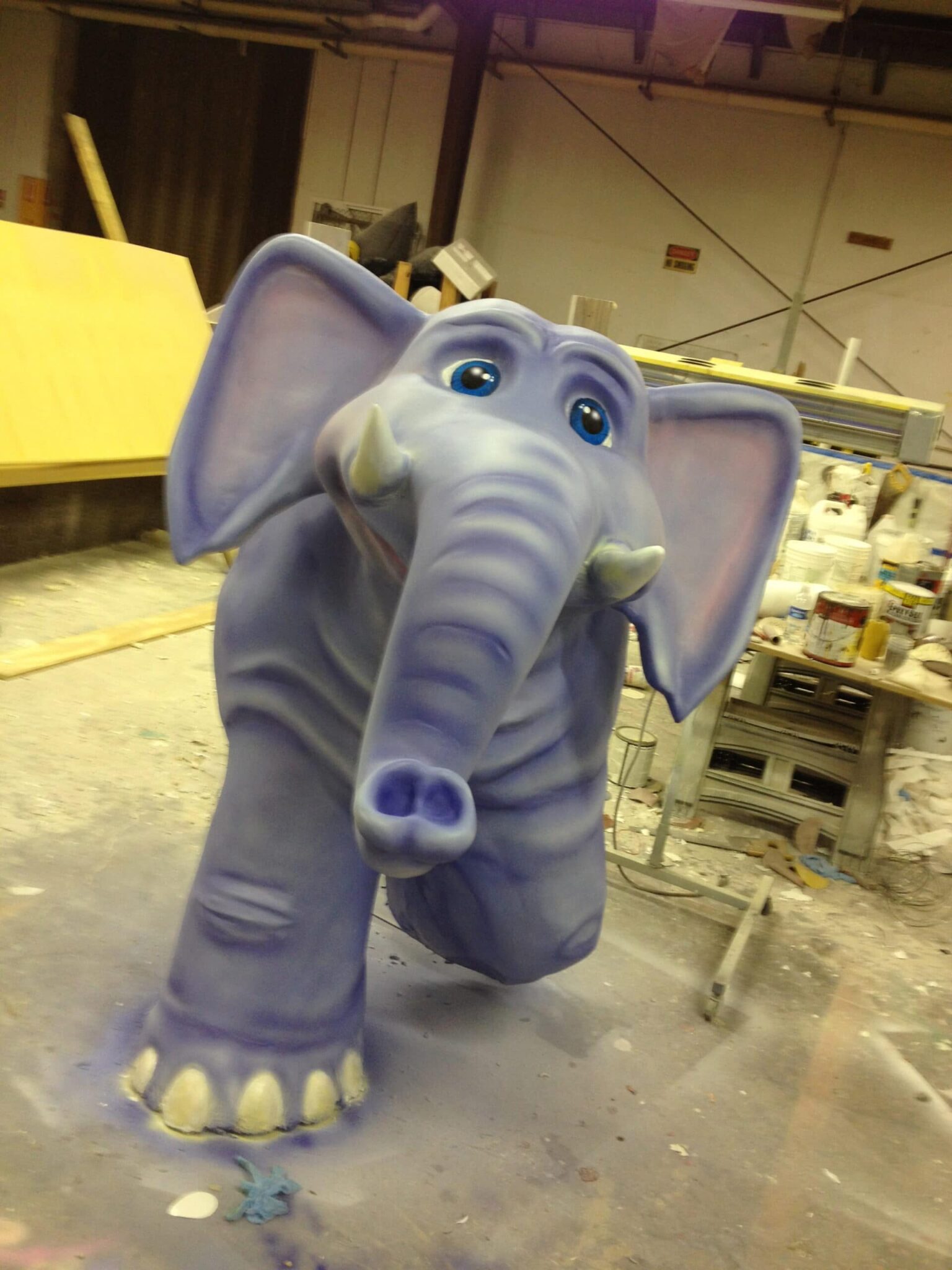
Polyurea hard coat is a fast-curing, rigid polyurea sprayed over EPS or other foam to give it a hard, impact-resistant, waterproof shell. It is used for monument signs, sculptures, theming, props, architectural moldings and floating structures. A typical process is carve the foam, spray the hard coat in multiple passes, sand, prime and paint with a UV-stable finish. Compared with fiberglass, it is faster and seamless; compared with cement coatings, it is lighter and less prone to cracking.
What polyurea hard coat is used for
Monument and dimensional signs
Carved foam letters and monument signs with a hard shell that takes paint.
Theme parks and attractions
Rockwork, sculptures and props that face weather and crowds. See theme coatings.
Moldings and shapes
Cornices, columns and trim made from foam and hard coated for exterior use.
Stage sets and displays
Lightweight pieces that survive repeated setup and transport.
Floats and docks
Hard-coated foam floats and buoys resist impact and water.
Fabrication and art
Large sculptures and one-off pieces where molds do not make sense.
Hard coat vs fiberglass vs cement coatings
| Factor | Polyurea hard coat | Fiberglass resin | Cement / plaster coating |
|---|---|---|---|
| Speed | Sprays and cures in minutes | Layup and cure takes hours to days | Multiple coats, days to cure |
| Weight | Light | Light to medium | Heavy |
| Impact | Tough, slightly resilient | Hard, can crack | Brittle, cracks |
| Foam compatibility | No solvent to melt EPS | Polyester resin attacks EPS without a barrier | Compatible |
| Seams | Seamless | Seams at laps | Seamless |
| Equipment | Plural-component sprayer | Hand layup or chopper gun | Hopper gun or trowel |
The hard coat process
Shape the foam
Carve, cut or CNC the EPS and glue up sections.
Prepare
Remove dust and loose beads; seal the foam if the data sheet calls for it.
Spray
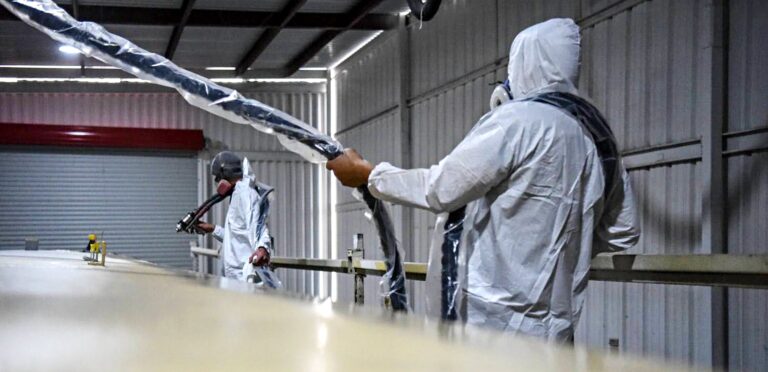
Apply hard coat in multiple passes to the specified thickness.
Sand and detail
Sand high spots and add detail as needed.
Prime and paint
Prime and finish with a UV-stable paint or aliphatic topcoat.
Equipment and training
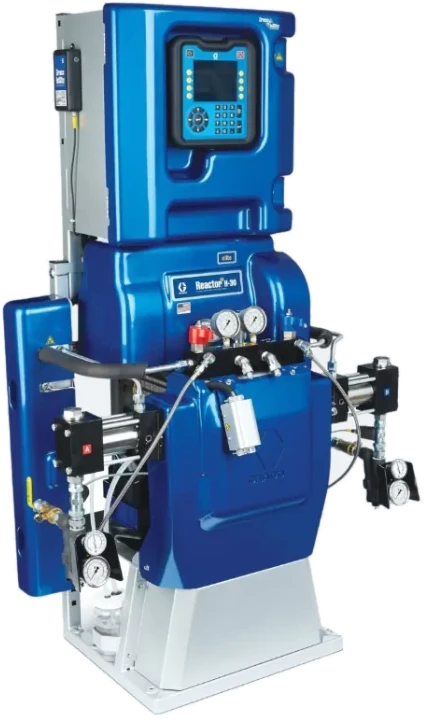
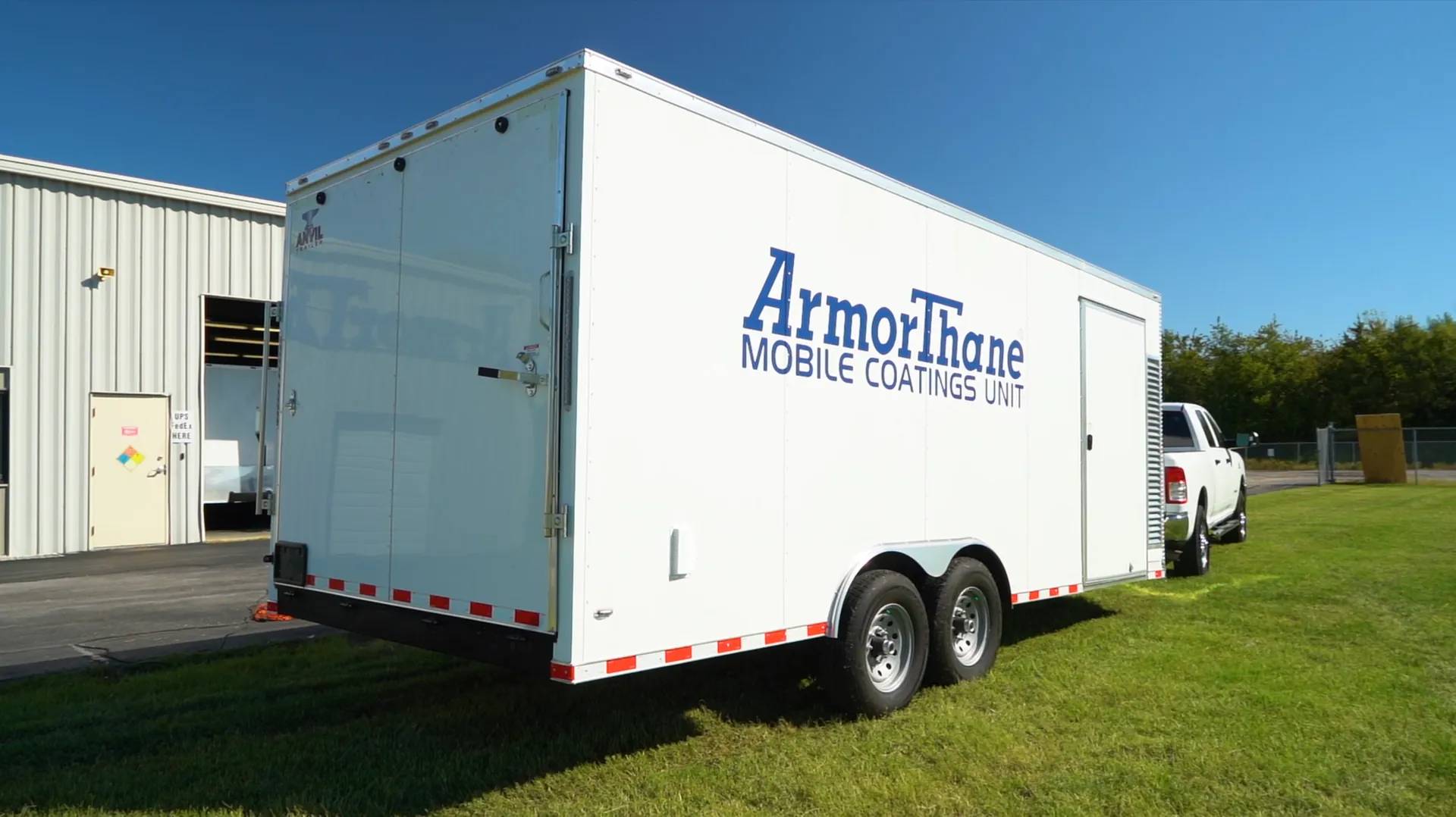
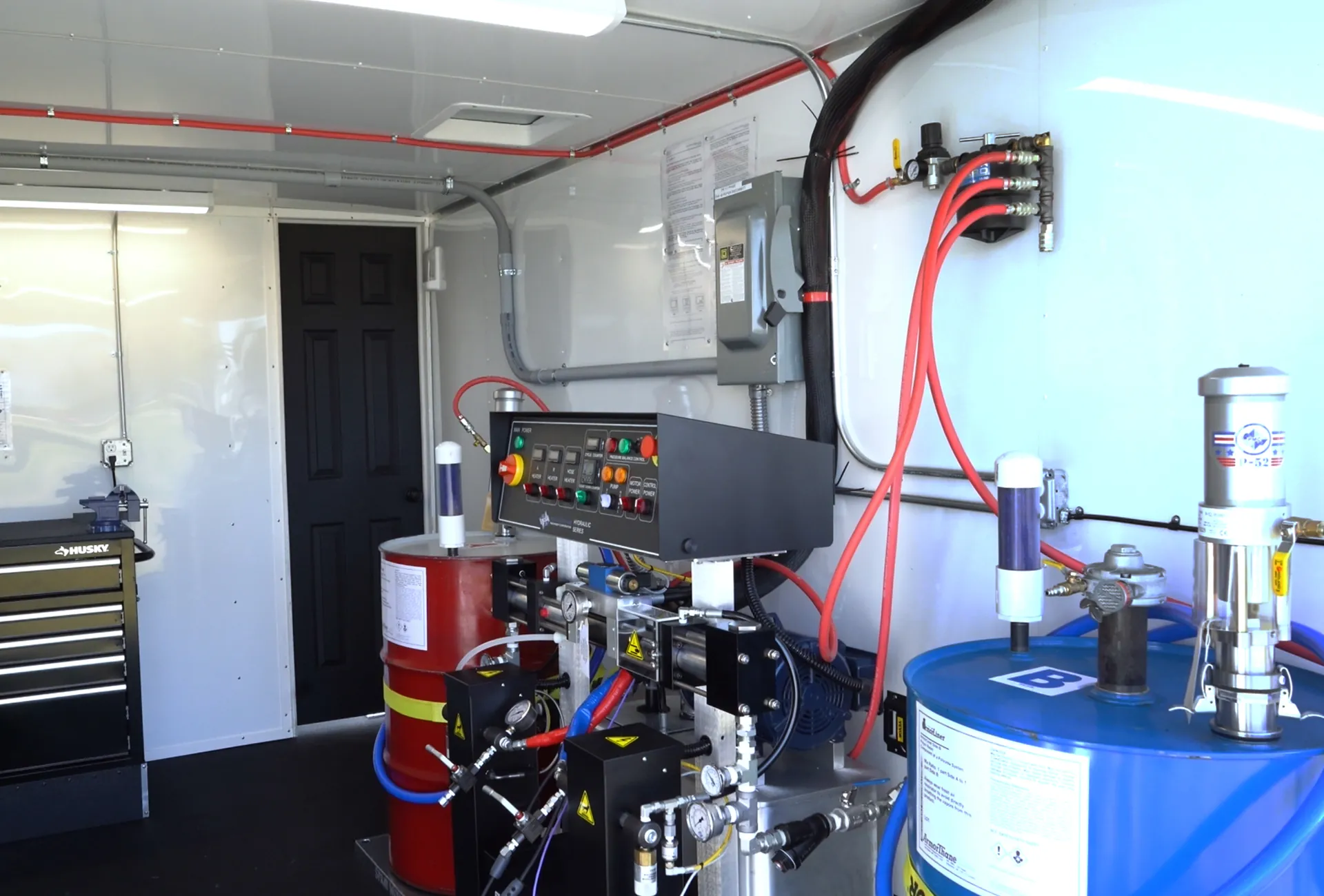
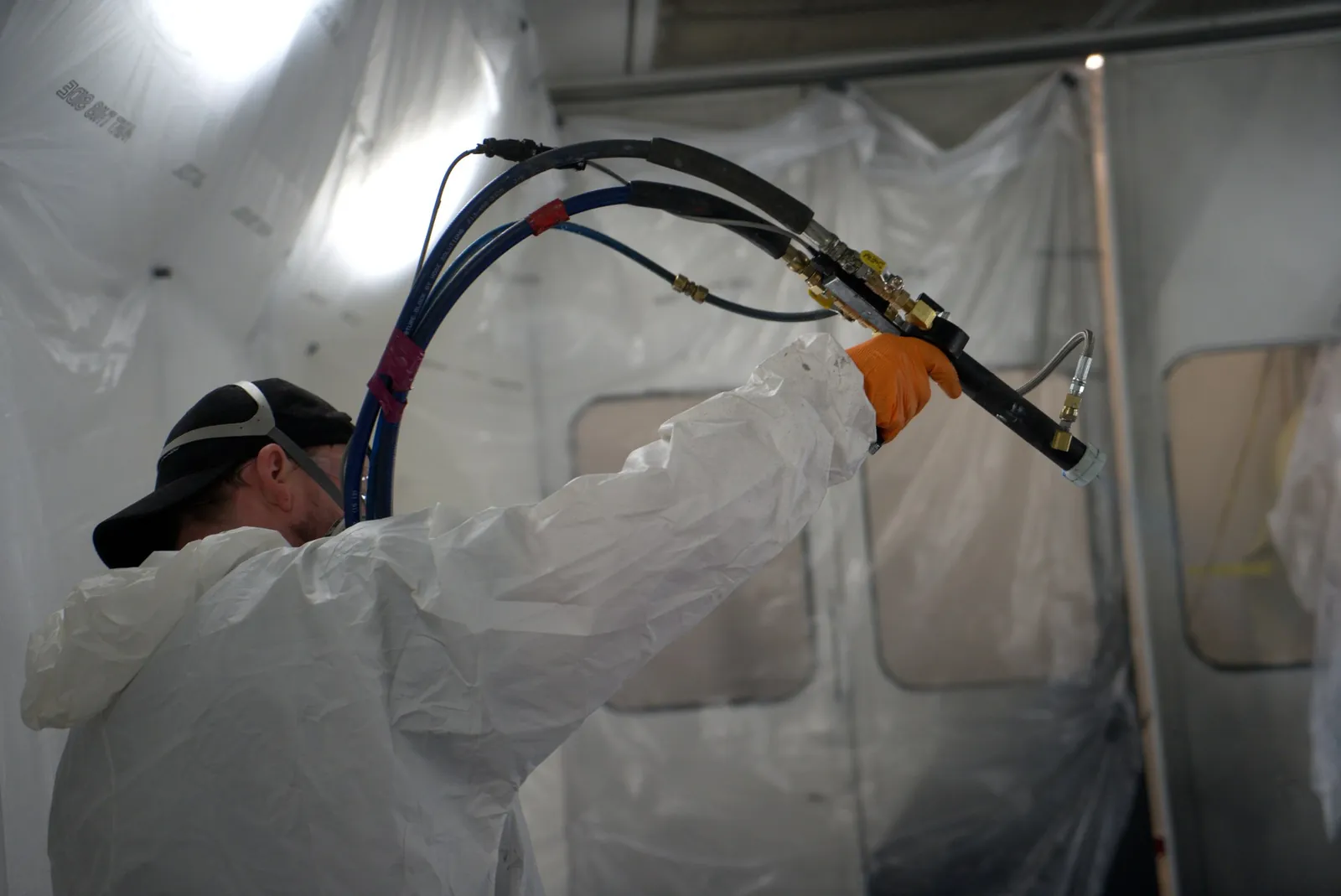
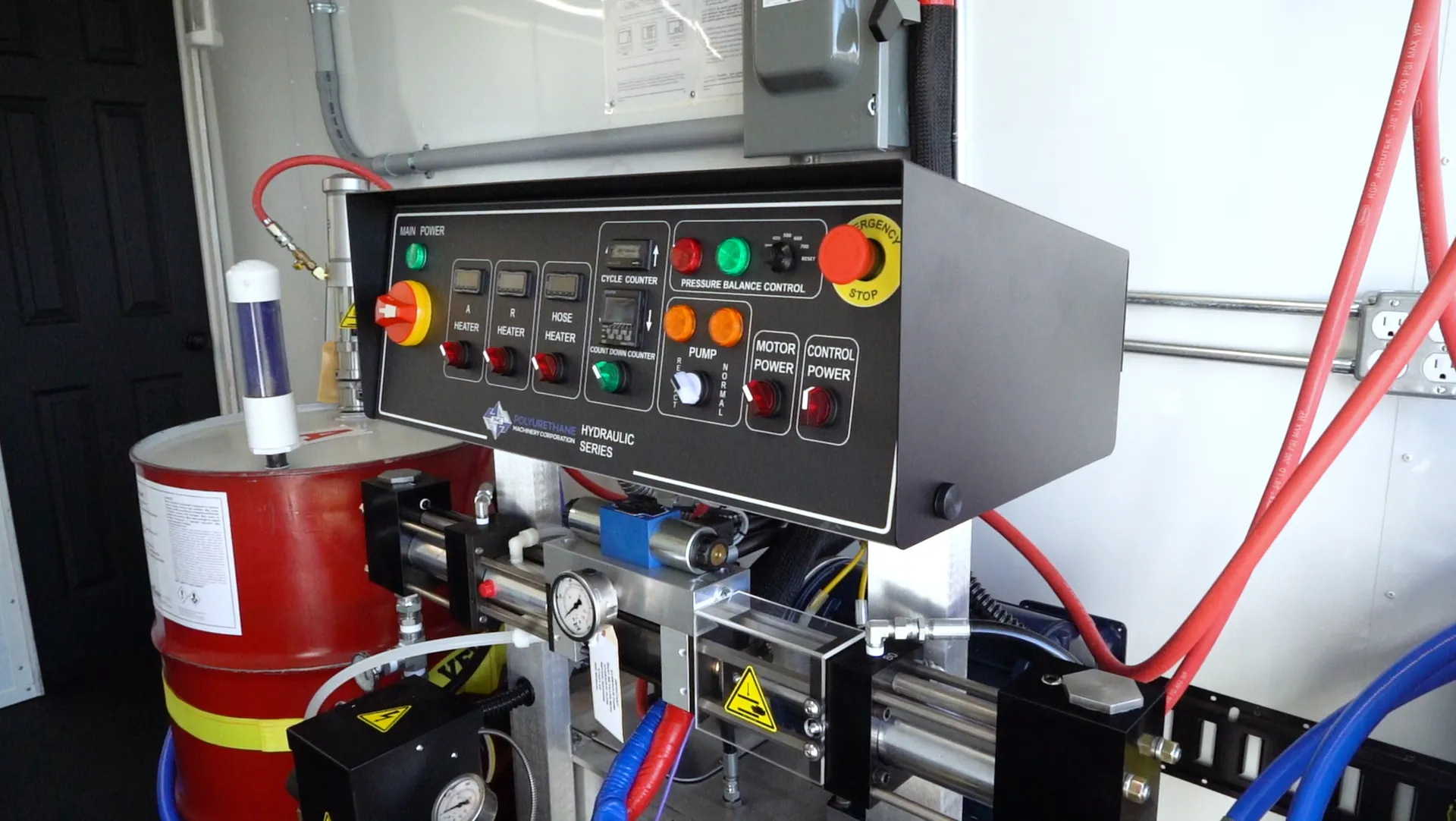
Hard coat is sprayed with heated plural-component equipment like other polyureas. ArmorThane supplies coatings, proportioners and complete spray rigs, and trains crews. See our polyurea spray guide and aromatic vs aliphatic polyurea.
Foam that takes a beating.
Talk to a certified ArmorThane applicator about hard coating signs, sculptures, theming and props.
Contractors: become an ArmorThane applicator
Polyurea hard coat questions
What is polyurea hard coat?
A rigid, fast-curing polyurea sprayed over foam to give it a hard, impact-resistant and waterproof shell.
Can polyurea be sprayed on EPS foam?
Yes. 100%-solids polyurea contains no solvent to dissolve the foam, which is why it is widely used to hard coat EPS.
Can you paint over a hard coat?
Yes. After sanding and priming as needed, it can be painted. Outdoor pieces should get a UV-stable finish.
How thick should hard coat be?
It depends on use and exposure. Pieces that will be touched, climbed or handled need more thickness, especially at edges.
Is hard coat better than fiberglass over foam?
It is faster, seamless and foam-safe without a barrier coat. Fiberglass can be stiffer for structural parts. Many fabricators now use hard coat for most foam work.
Sources
- Polyurea Development Association resources. pda-online.org
- EPS Industry Alliance, expanded polystyrene resources. epsindustry.org
Start your coatings business with ArmorThane.
Tell us what you want to spray and where you are. An ArmorThane specialist will walk you through the equipment, chemicals, training and startup cost for the work you want to do.
- Equipment package matched to your applications
- Hands-on training and applicator certification
- Technical support once you are spraying