




Skip to content
Anti-Graffiti Coating

Anti-Graffiti Coating: Sacrificial or Permanent?

How each type of graffiti barrier works, what it does to brick, block and painted walls, how cleanability is tested, and which one suits your building.

Start a protective coatings business

Spray protective coatings for a living.

ArmorThane sets you up to do this work, and you own the business. We make the chemistry, build the rigs, train you hands-on and answer the phone when a job gets difficult. You pay no franchise fee and no royalties. It has been that way since 1989.
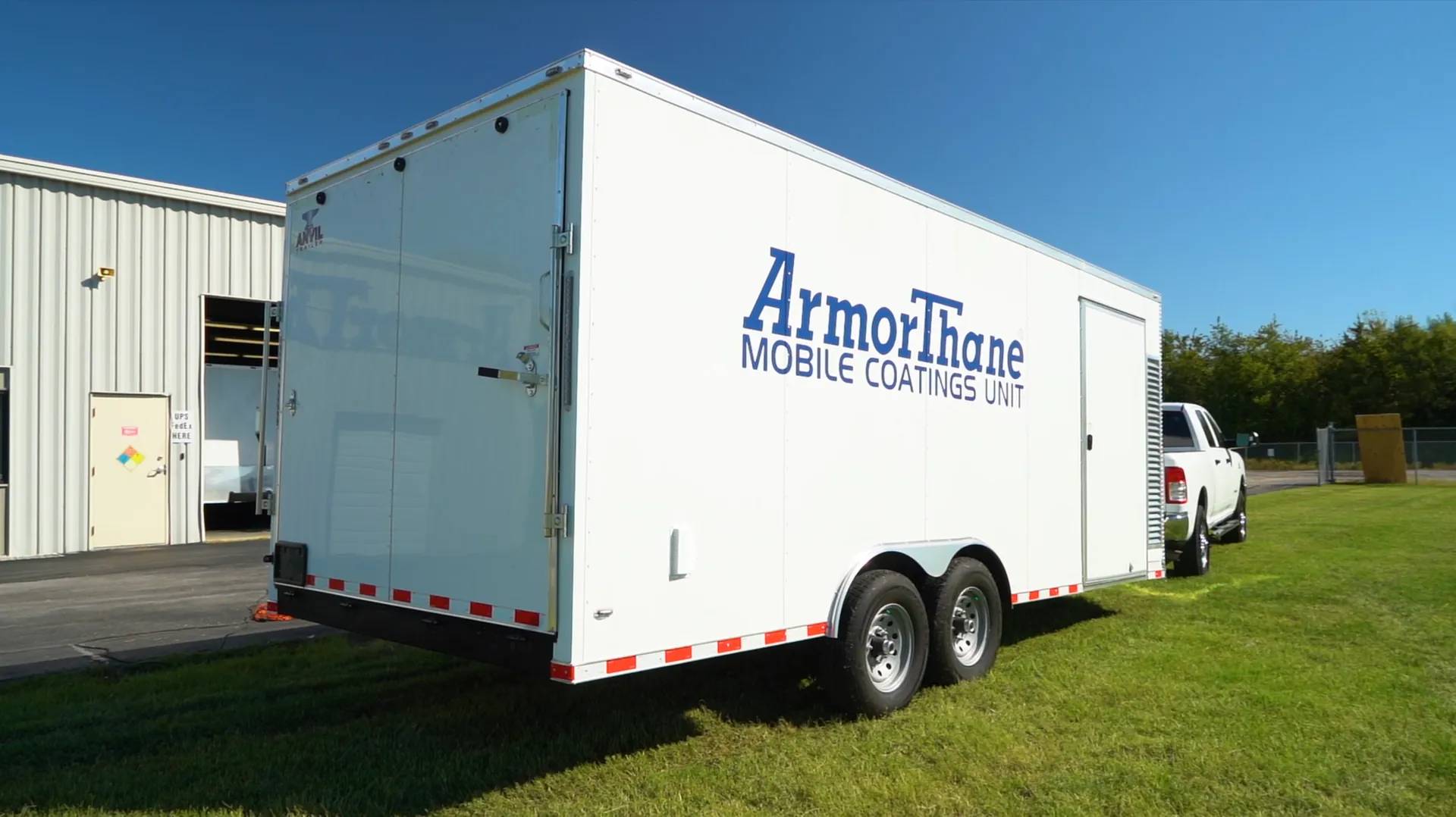
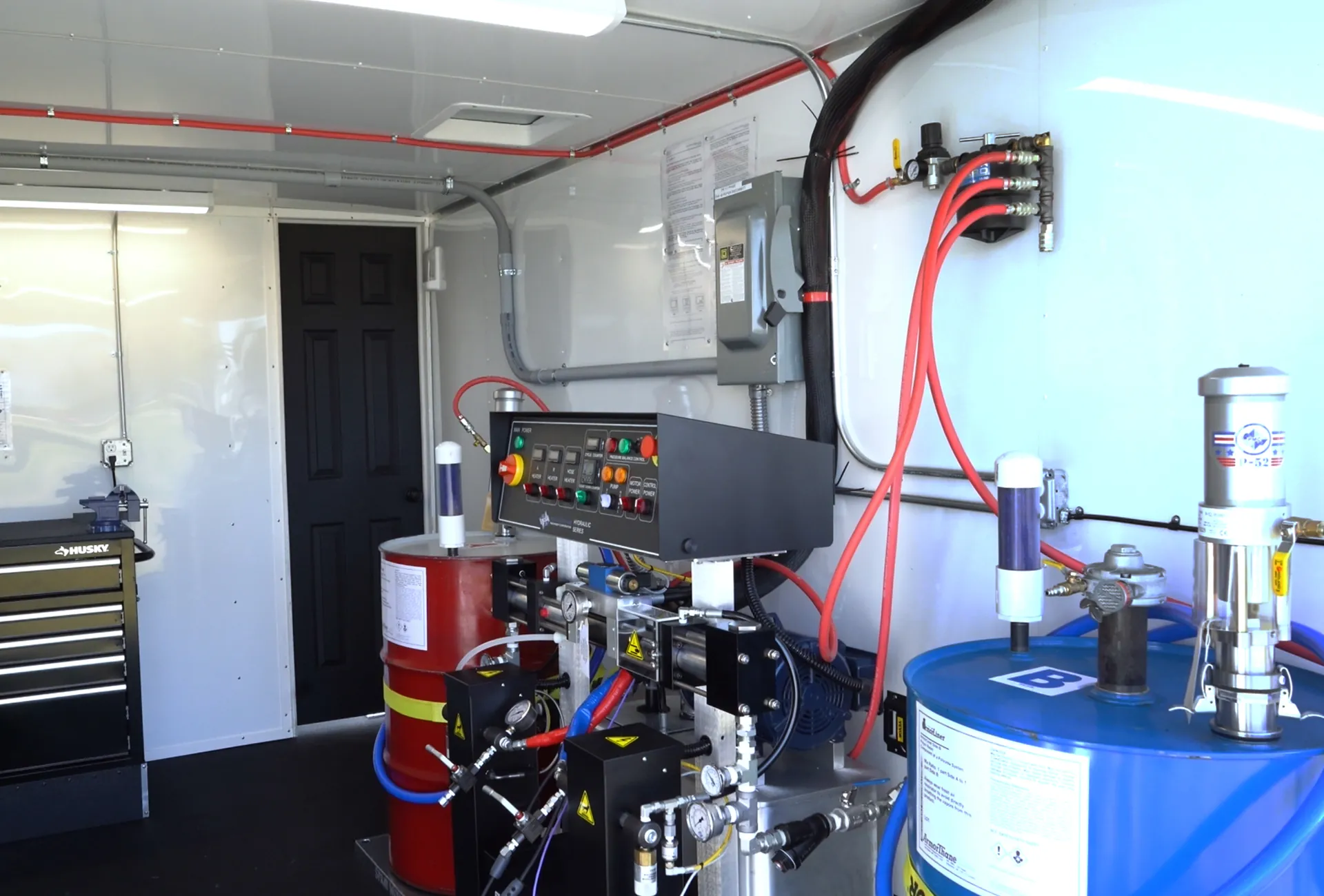
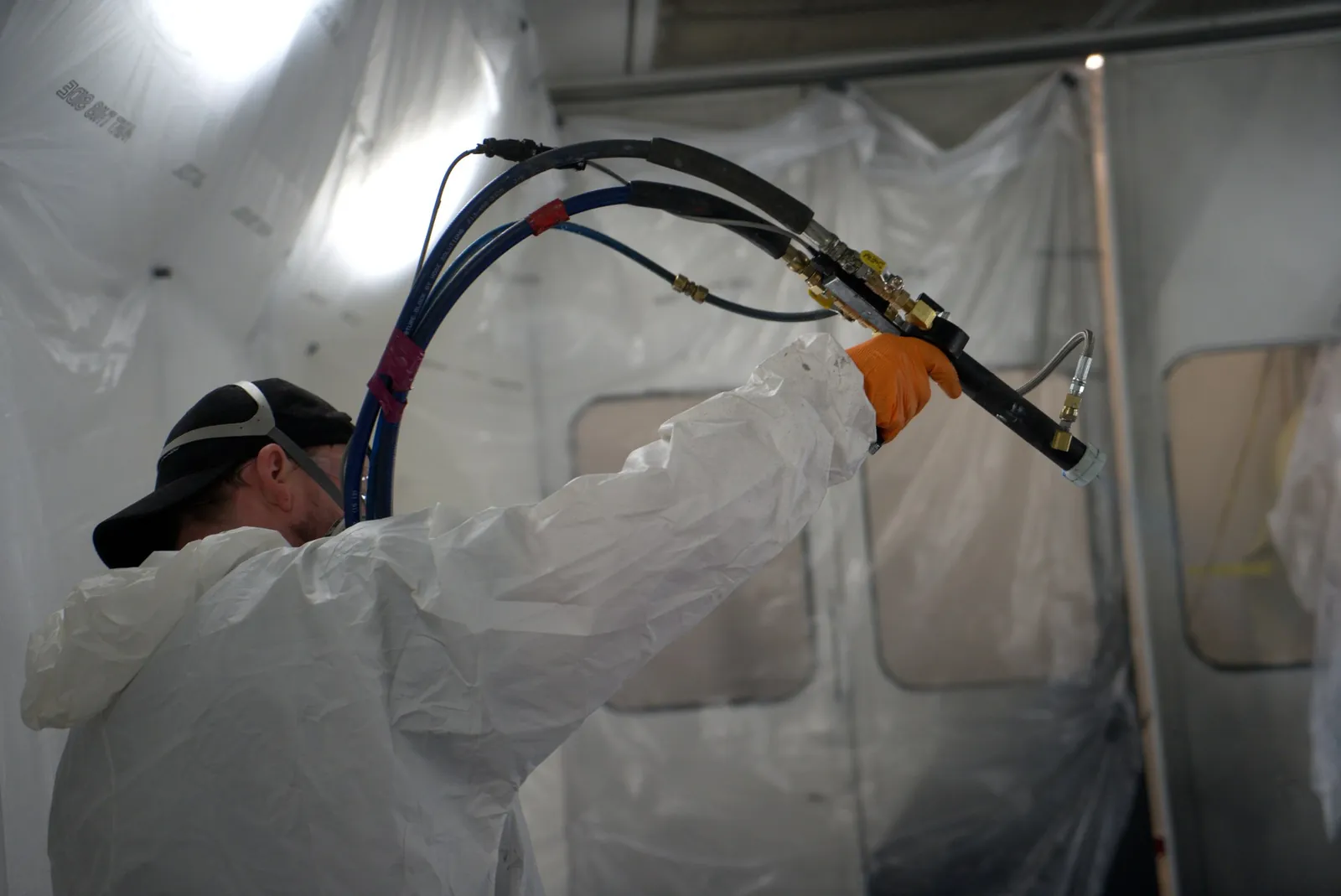
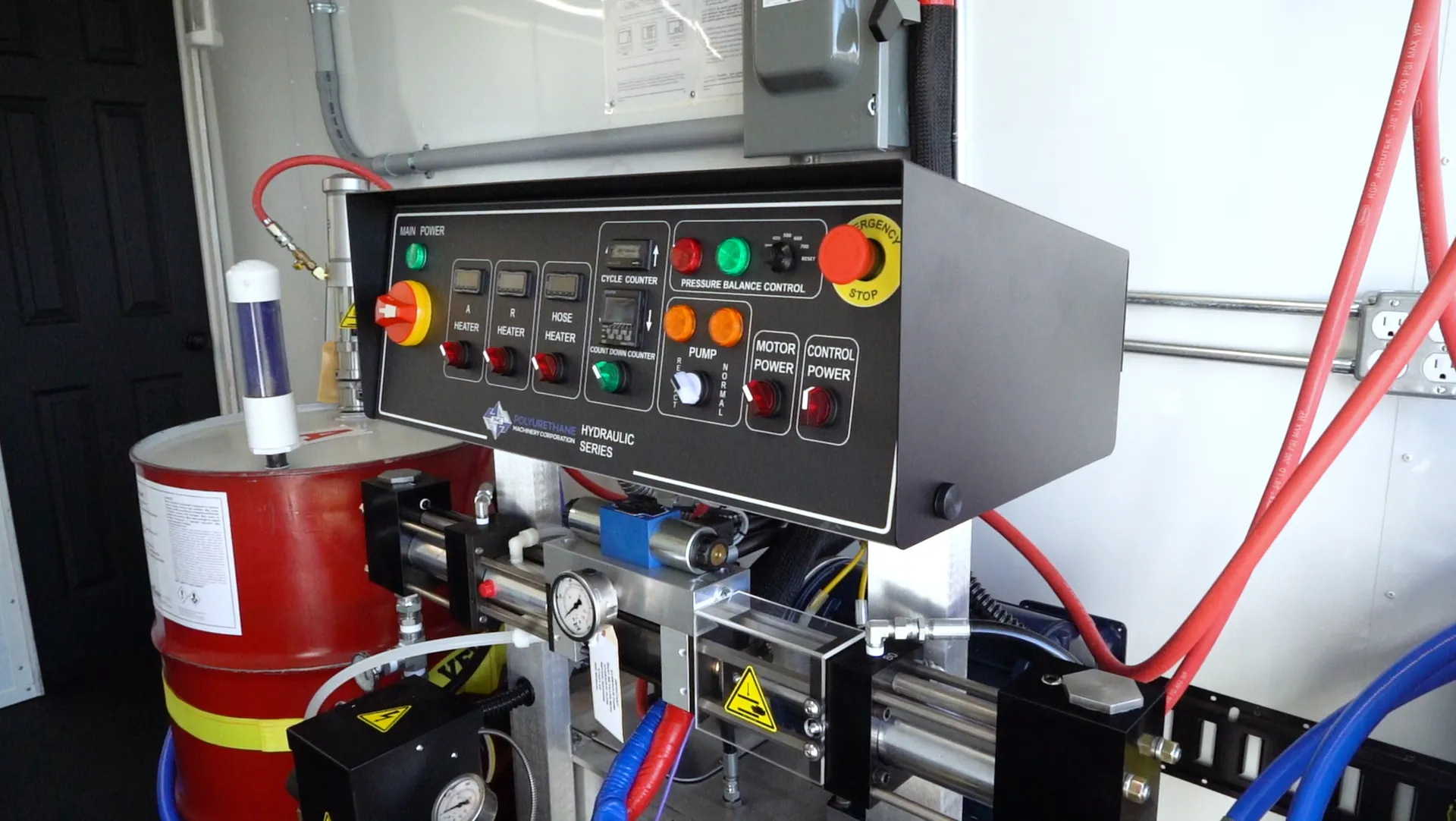
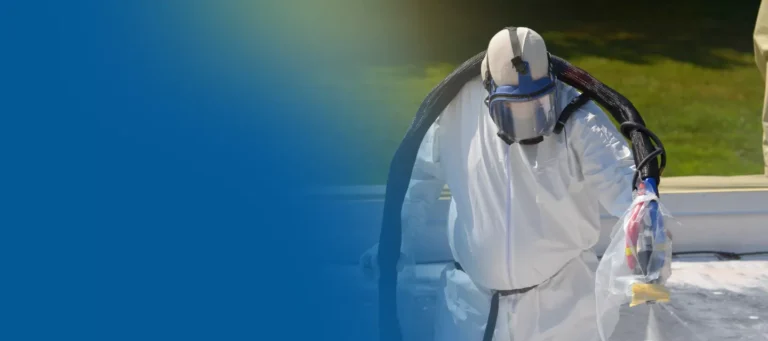
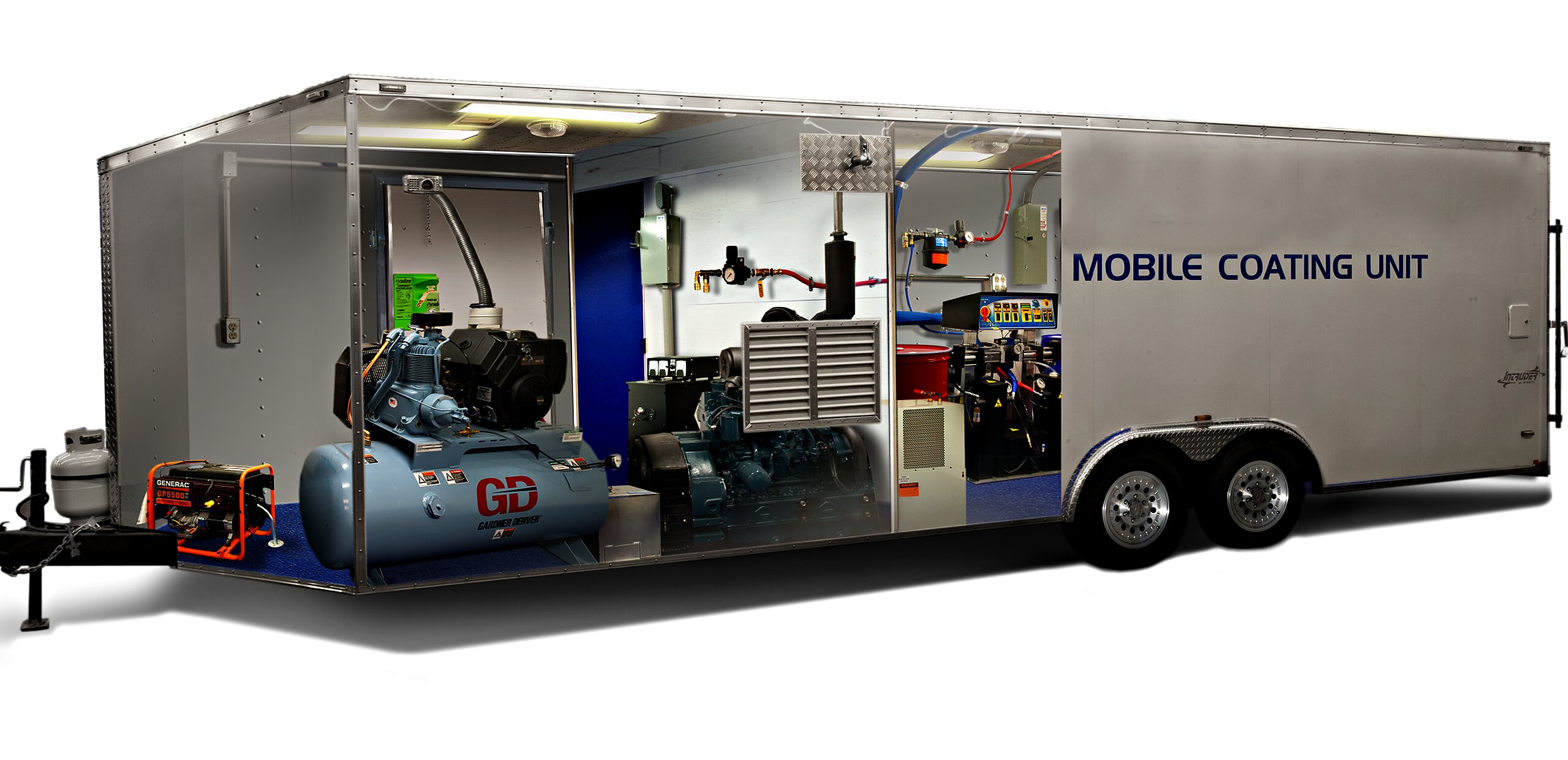
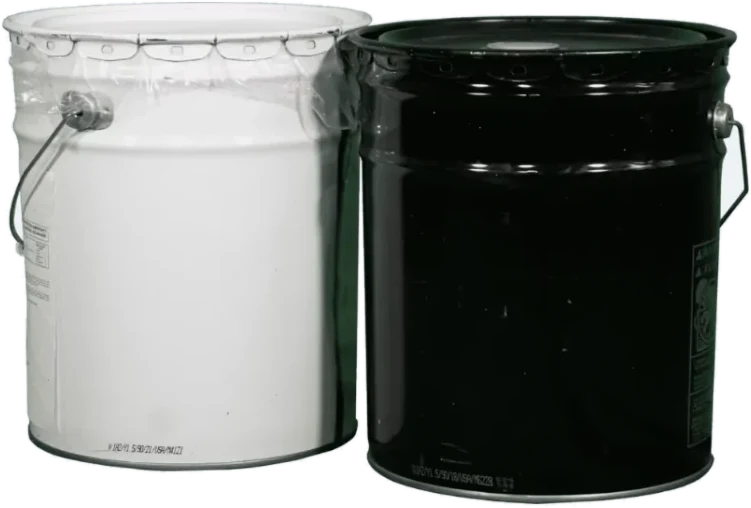
ArmorThane Mobile Coatings Unit trailer hitched to a pickup outside the plant Proportioner, A and B material drums and transfer pumps inside the spray rig Applicator in a protective suit holding a plural-component spray gun in a spray booth Proportioner control panel with heater, pressure balance and cycle counter controls

What comes with itProportioners, guns and complete spray rigs. We build them.

$0
franchise fees or royalties
35+
years in business
50+
countries with applicators
24/7
technical support
3
Coating families: sacrificial, semi-sacrificial, permanent
Each cleans differently
1–10
ASTM D6578 cleanability scale
10 = wipes off with a dry rag
6
Cleaners tried in order, dry cloth to MEK
D6578 sequence
1–4
Cleanability scale for concrete, masonry and stone
ASTM D7098

An anti-graffiti coating will not stop anyone from tagging your wall. What it does is make the tag come off fast, without blasting the brick or repainting the whole elevation. That matters more than it sounds. In our experience, walls that get cleaned within a day or two get hit less often than walls left tagged for weeks.

Quick answer

An anti-graffiti coating is a clear or pigmented barrier that keeps spray paint and marker from bonding to the surface. Sacrificial types (waxes, polysaccharides, acrylic emulsions) wash off with the graffiti and are reapplied. Permanent types (two-part polyurethanes, fluoropolymers, siloxanes) stay put and release tags with a wipe or solvent. Pick by substrate, how often the wall is hit and how the finish must look.

Options

Anti-graffiti coating types side by side

The split comes down to one question: when you clean the tag, does the coating go with it? Sacrificial coatings are designed to. Permanent ones are designed not to. Semi-sacrificial systems put a sacrificial layer over a durable base so only the top gets replaced.

TypeTypical chemistryHow tags come offAfter cleaningLook and breathability
SacrificialWaxes, polysaccharides, acrylic and biopolymer emulsionsHot-water pressure washing takes the coating and the tag togetherRecoat every cleaned areaUsually invisible, matte; most stay vapor permeable
Semi-sacrificialAcrylic or silicone base sealer with a wax top layerWashing removes the top layer; the base staysRecoat the top layer onlyLow change in appearance; check permeability of the base
PermanentTwo-part polyurethanes, fluoropolymers, silicones, siloxanes, ceramicsWipe, detergent, approved solvent or low-pressure washStays on; recoat after several cleanings or when cleanability dropsCan add gloss or darken; often less vapor permeable
Chemistries as grouped by the National Park Service and KTA-Tator. Exact performance depends on the product. Tap a column heading to sort.
Masonry has to breatheClear barriers can lower the water-vapor permeability of brick and stone, trapping moisture that later shows up as spalling, efflorescence or freeze damage. On historic or soft masonry, the National Park Service favors sacrificial and breathable systems and insists on a test area first. Our masonry sealer guide covers breathability in more depth.
Selector

Which barrier fits your wall?

Pick the surface and the conditions. The selector scores each coating family and shows how many times a year you would be recoating if you went sacrificial. It is a starting point for a conversation with an applicator, not a spec.

Type match

Anti-graffiti coating selector

Each type starts at 50 points. Soft or historic masonry favors breathable sacrificial systems (NPS Preservation Brief 38). Smooth and painted surfaces favor permanent coatings that release tags with a wipe or solvent (KTA). Frequent tagging favors permanent coatings because sacrificial ones must be reapplied after every cleaning. The weights are our editorial judgment; scores are clamped from 0 to 100.

—
Best fit
—
Fit score
—
Sacrificial recoats per year
—
Test patches to try

Removing old paint or heavy graffiti before you coat? See how to remove paint from concrete. For the chemistry behind color-stable topcoats, read aromatic vs aliphatic polyurea.

Testing

How graffiti resistance is measured

Product brochures love the word "graffiti-proof." Ask for test data instead. Two ASTM practices give numbers you can compare.

ASTM D6578

Coated surfaces, 1 to 10

Six media go on in 1 inch squares: permanent marker, acrylic and alkyd spray paint, wax crayon, ballpoint ink and water-based marker. Cleaners are tried in order from dry cloth, mild detergent and isopropyl alcohol to mineral spirits, xylene and MEK.

Score of 10

Dry rag removal

The best result: the mark wipes off with a dry cloth. Each step to a stronger cleaner lowers the rating. A 1 means it could not be cleaned without damage.

ASTM D7098

Masonry, concrete, stone

Spray paint and solvent ink markers on porous substrates, cleaned by four progressively harsher methods and rated 1 to 4.

Recleanability

Mark it again

Both practices allow repeat marking and cleaning. Ask how many cycles the rating held for. One clean is easy; the tenth tells you more.

  1. Pick a hidden test area

    A few square feet on the same material and exposure as the main wall, out of direct view.

  2. Coat it and let it cure

    Follow the data sheet for prep and cure time, then look at it in daylight, wet and dry, for color change or gloss.

  3. Tag it and clean it

    Use the spray paints and markers your site actually sees, wait a few days, then clean with the method your crew will use.

  4. Repeat before you commit

    Two or three cycles show whether a permanent coating keeps releasing or a sacrificial one leaves ghosting behind.

On the job

Applying and cleaning graffiti barriers

The coating is the easy part. Most disappointing anti-graffiti jobs fail on prep, coverage or the cleaning routine afterward.

  • Start clean and dry: old tags, efflorescence, dirt and loose paint get sealed in under a clear coating. Clean first, and fix the water source behind any efflorescence.
  • Coat whole sections: stop at corners, joints or trim lines, not in the middle of a wall, or the coated patch will show as a different shade.
  • Mind the weather: two-part coatings need the same surface-above-dew-point margin as any other; check it with our dew point calculator.
  • Use the right remover: the coating maker names a cleaner and pressure. Harsh strippers or high-pressure tips can damage the barrier and the masonry under it.
  • Clean fast: remove tags as soon as you can. Fresh paint releases more cleanly, and quick removal discourages repeat hits.
  • Recoat on schedule: sacrificial areas get recoated after every cleaning; permanent coatings need a check of cleanability every year or two.
Pigmented optionOn painted block, metal doors, utility boxes and fences, a pigmented two-part polyurethane finish can serve as the color coat and the barrier at once. ArmorThane's UV Topcoat is a two-component acrylic polyurethane with chemical resistance and exterior durability; ask an applicator to test-patch it against the tags your site sees. See the full ArmorCoat topcoat line.

Murals and public art have their own needs: the coating has to be clear, stay clear in sunlight and release tags without lifting the paint underneath. Test those on a sample board painted with the same materials, not on the mural.

Protect the surface

Test-patched, then coated.

A certified ArmorThane applicator can prep your walls, run a test area and apply a protective coating suited to the surface and how often it gets hit.

Contractors: become an ArmorThane applicator

FAQ

Anti-graffiti questions

What is an anti-graffiti coating?

An anti-graffiti coating is a barrier applied to walls and surfaces so spray paint, marker and ink cannot bond to the substrate. Sacrificial versions wash off with the graffiti and are reapplied; permanent versions stay in place and let tags be wiped or washed off.

Which is better, sacrificial or permanent?

Sacrificial suits porous, historic or breathable masonry and walls hit only occasionally. Permanent suits smooth or painted surfaces and walls tagged often, because nothing has to be reapplied after each cleaning. Semi-sacrificial systems sit in between. A test patch settles it.

Does anti-graffiti coating work on brick?

Yes, but choose carefully. Brick needs to release water vapor, and some clear coatings reduce that. Breathable sacrificial or semi-sacrificial products are the usual choice on brick, especially older or soft brick. Always try a test area first and check for darkening.

How long does anti-graffiti coating last?

A sacrificial coating lasts until it is cleaned, then that area is recoated. Permanent coatings can last for years but lose release performance over repeated cleanings and UV exposure. Check how well tags come off at least yearly and recoat when cleaning gets harder.

Can you paint over a graffiti barrier coating?

Not easily, which is the point. Permanent coatings are built so paint will not stick, so new paint peels. Sacrificial coatings have to be washed off before painting. If a color change is planned, ask the coating maker for their removal or recoat procedure first.

Will a graffiti coating change how my wall looks?

It can. Sacrificial products are usually close to invisible. Permanent clear coatings may add gloss, darken porous surfaces or yellow in sun if the chemistry is not UV stable. A cured test patch, viewed wet and dry in daylight, shows what you will get.

AT
Written by the ArmorThane technical team. We have manufactured polyurea, polyurethane and polyaspartic coatings and plural component spray equipment in Springfield, Missouri since 1989. Guidance here is general; always test-patch and follow the coating data sheet and any preservation requirements for your building.

Sources

  1. National Park Service, Preservation Brief 38: Removing Graffiti from Historic Masonry. nps.gov/orgs/1739/upload/preservation-brief-38-graffiti.pdf
  2. KTA-Tator, Graffiti Resistant Coatings (ASTM D6578 and D7098). kta.com/graffiti-resistant-coatings
  3. ASTM International, D6578/D6578M Standard Practice for Determination of Graffiti Resistance. store.astm.org/d6578_d6578m-13r24.html
  4. AWTA Product Testing, Graffiti testing to ASTM D6578. awtaproducttesting.com.au/news/graffiti-testing-to-astm-d6578

Clean walls, less repainting.

A certified ArmorThane applicator can prep, test-patch and coat your walls with a protective system that suits the surface. Contractors can add protective coatings with our equipment and training, with no franchise fee and no royalties.

United States 417-831-5090 · Canada 780-444-6200
Become an applicator

Start your coatings business with ArmorThane.

Tell us what you want to spray and where you are. An ArmorThane specialist will walk you through the equipment, chemicals, training and startup cost for the work you want to do.

  • Equipment package matched to your applications
  • Hands-on training and applicator certification
  • Technical support once you are spraying
Step 1 of 3

We want to help you find the best ArmorThane applicator for your protective coating project. Please either fill out the request form below or call us toll free at 417-831-5090, any time Monday-Friday, 8:00 a.m. to 5:00 p.m. Central Standard Time.

Tired of repainting walls? Protect them instead.

Tell us about the surface and how often it gets hit. A certified ArmorThane applicator can recommend a barrier coating, test it on your wall and quote the job.

  • Surface: brick, block, concrete, metal or painted
  • Wall area and height
  • How often it gets tagged
  • Historic or appearance limits
Become an applicator

Start your coatings business

Choose “becoming an Applicator / Dealer” and add your details. Our team will call you to talk through markets, equipment and budget.

1Choice
2Contact Information
3Location

Rather talk now? (417) 831-5090 · About the opportunity