
FlexCoat LP
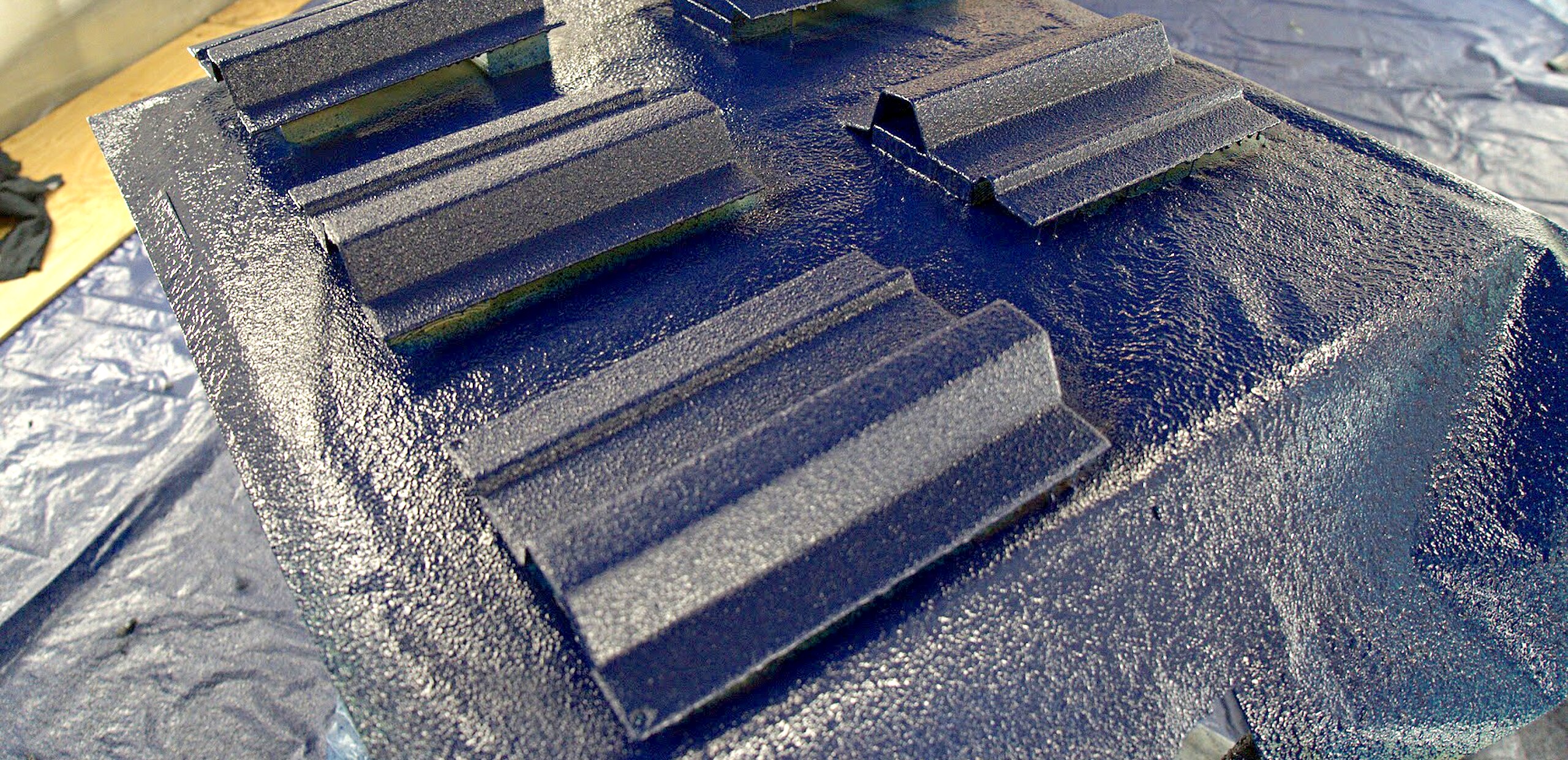
The low-pressure one for outdoor work. FlexCoat LP is a 100% solids elastomeric coating that runs through a low-pressure proportioner rather than a high-pressure rig — a much smaller entry cost — and it is formulated for exterior conditions on concrete, wood, metal and composite, new or old.
- 100% solids
- Zero VOC
- Low-pressure system
- Exterior formulated
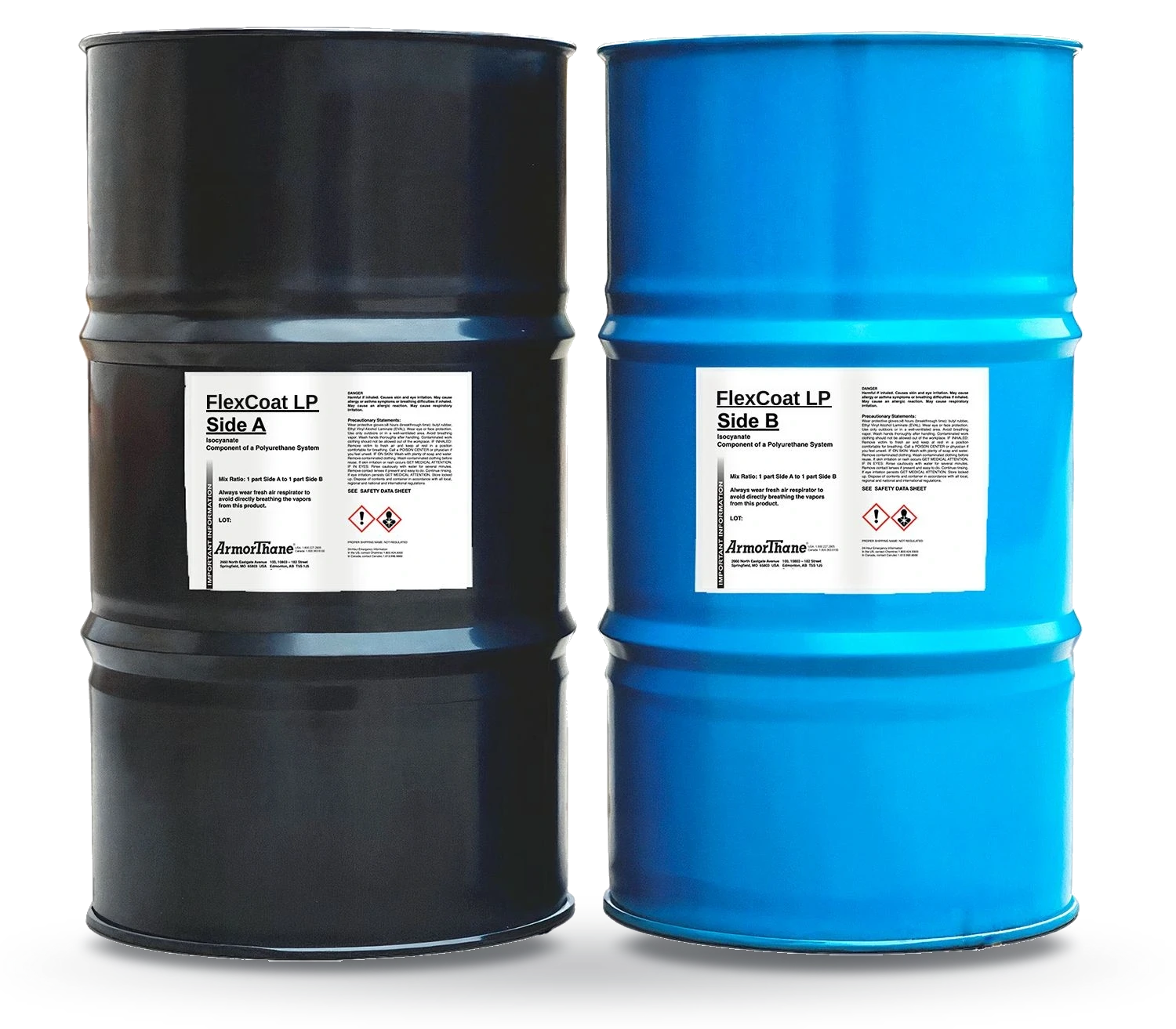
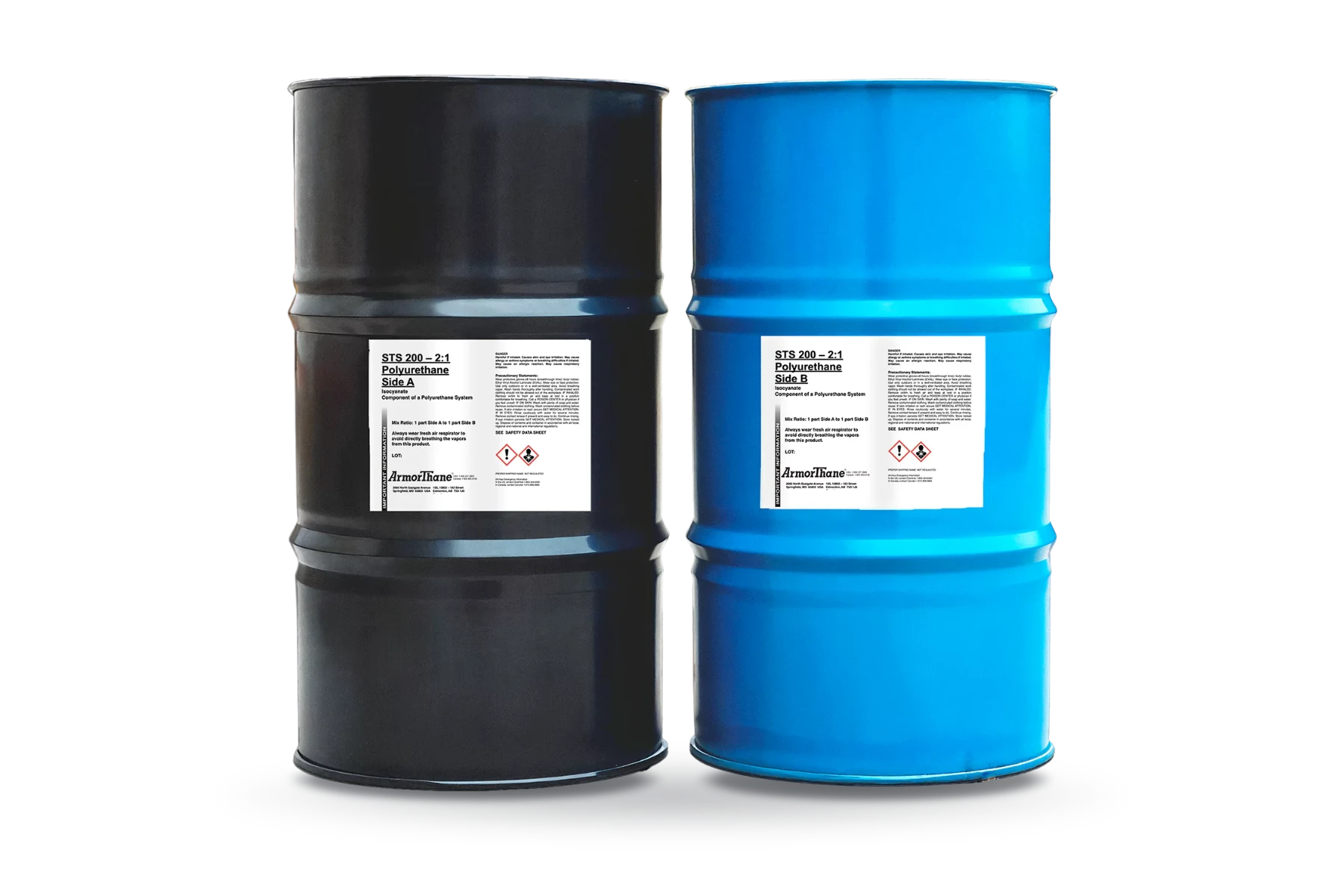
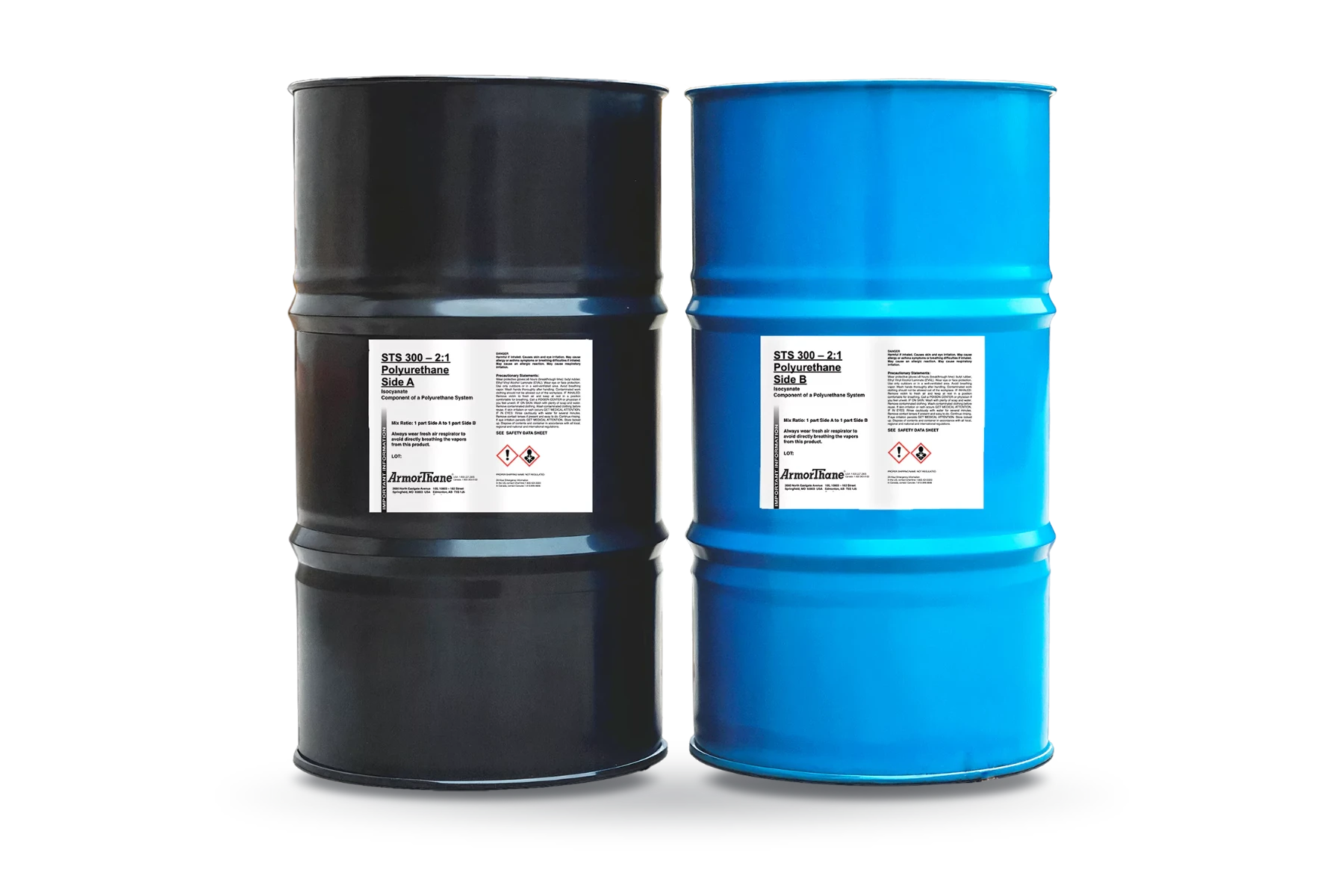
One kit is 100 gallons — one 50 gallon drum of Side A and one 50 gallon drum of Side B, metered 1:1 by volume. Side B is power-agitated to a homogeneous colour before spraying, and both drums run with a desiccant device fitted while in use.
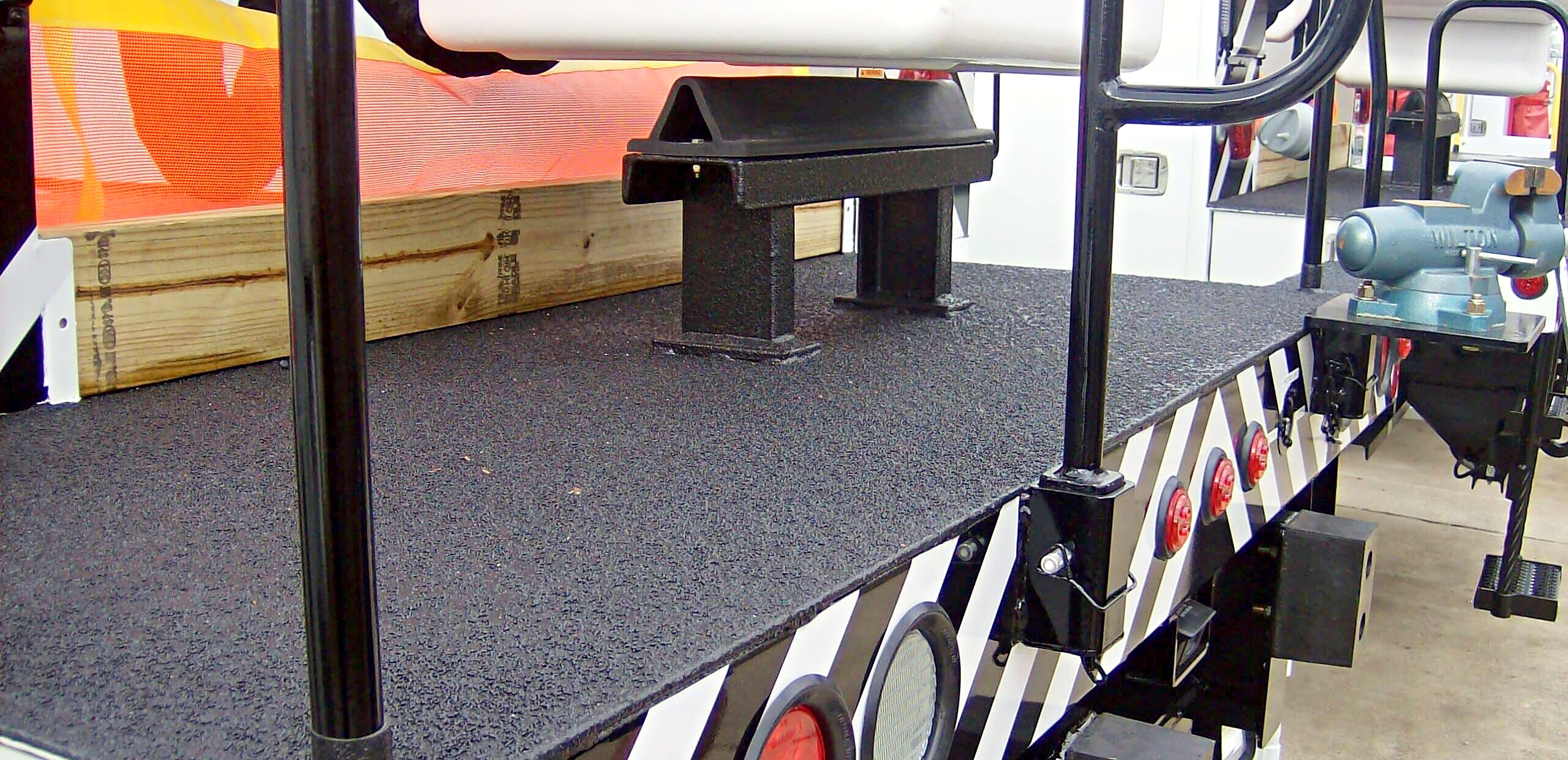
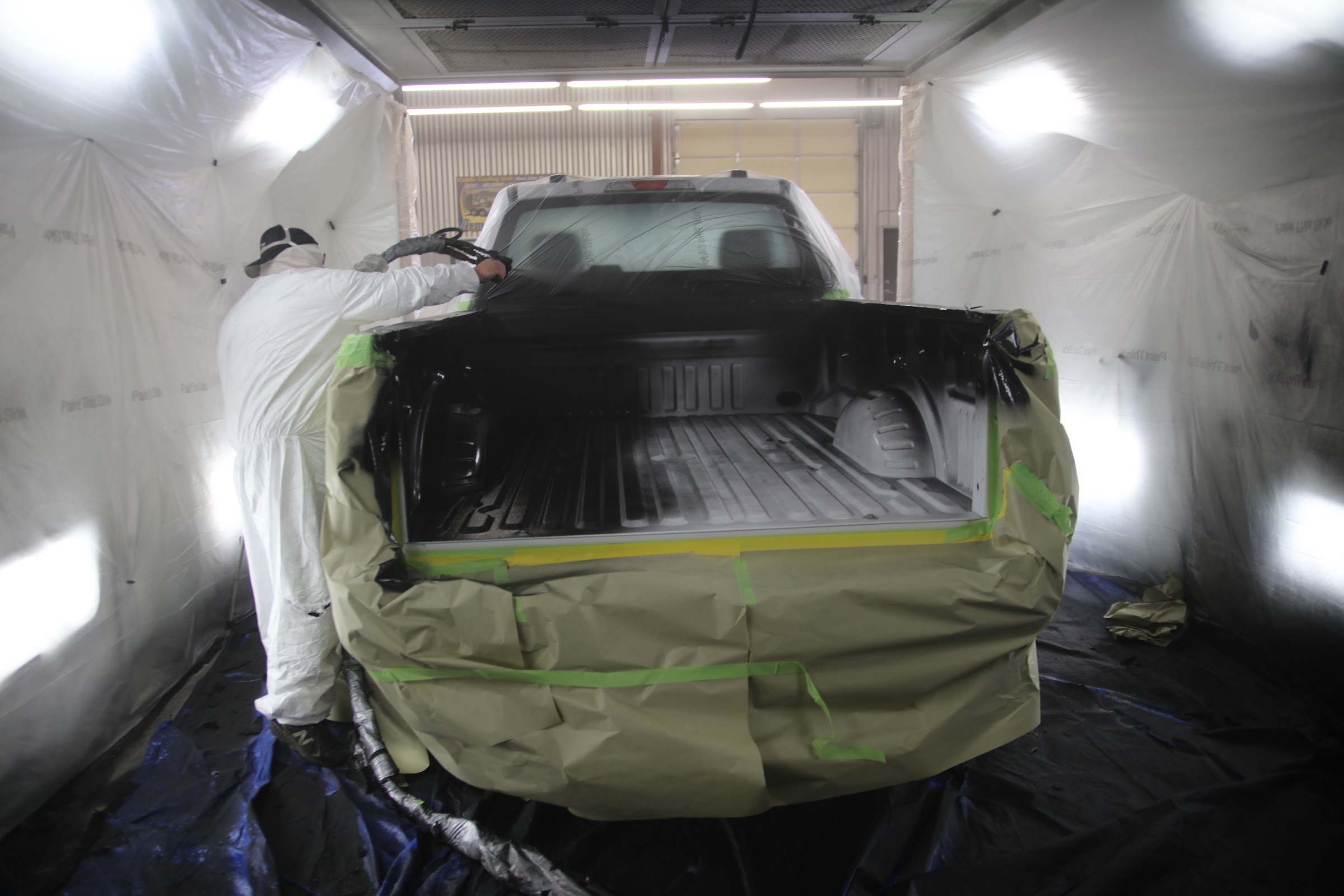
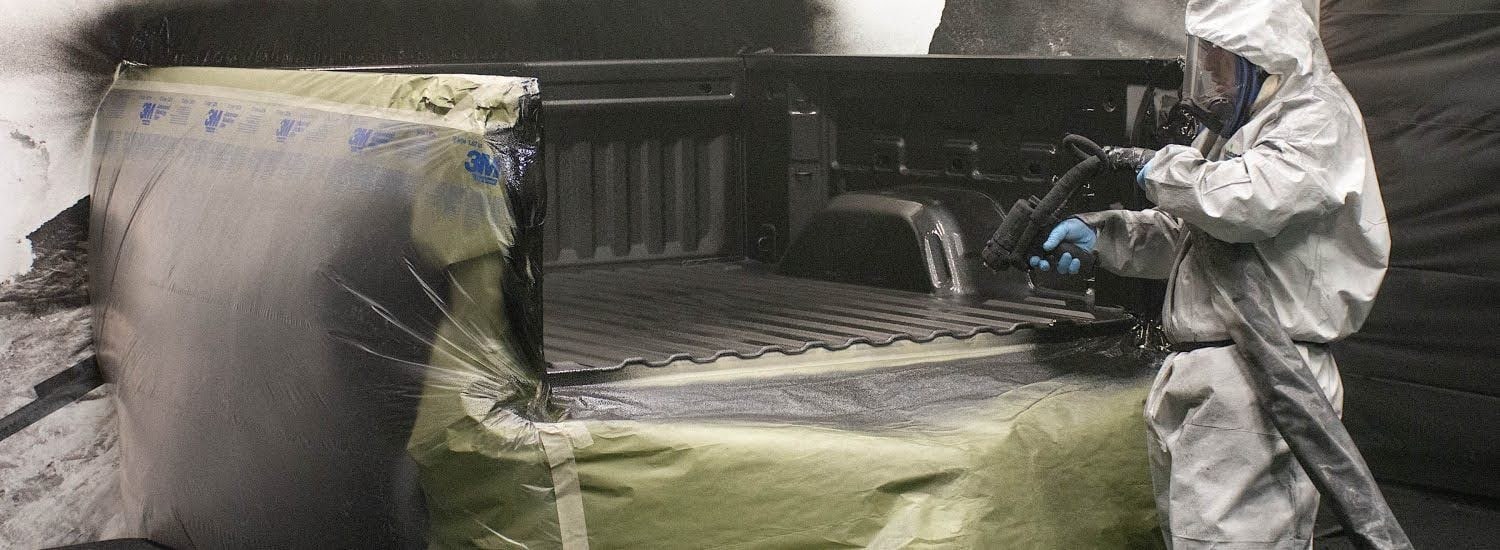
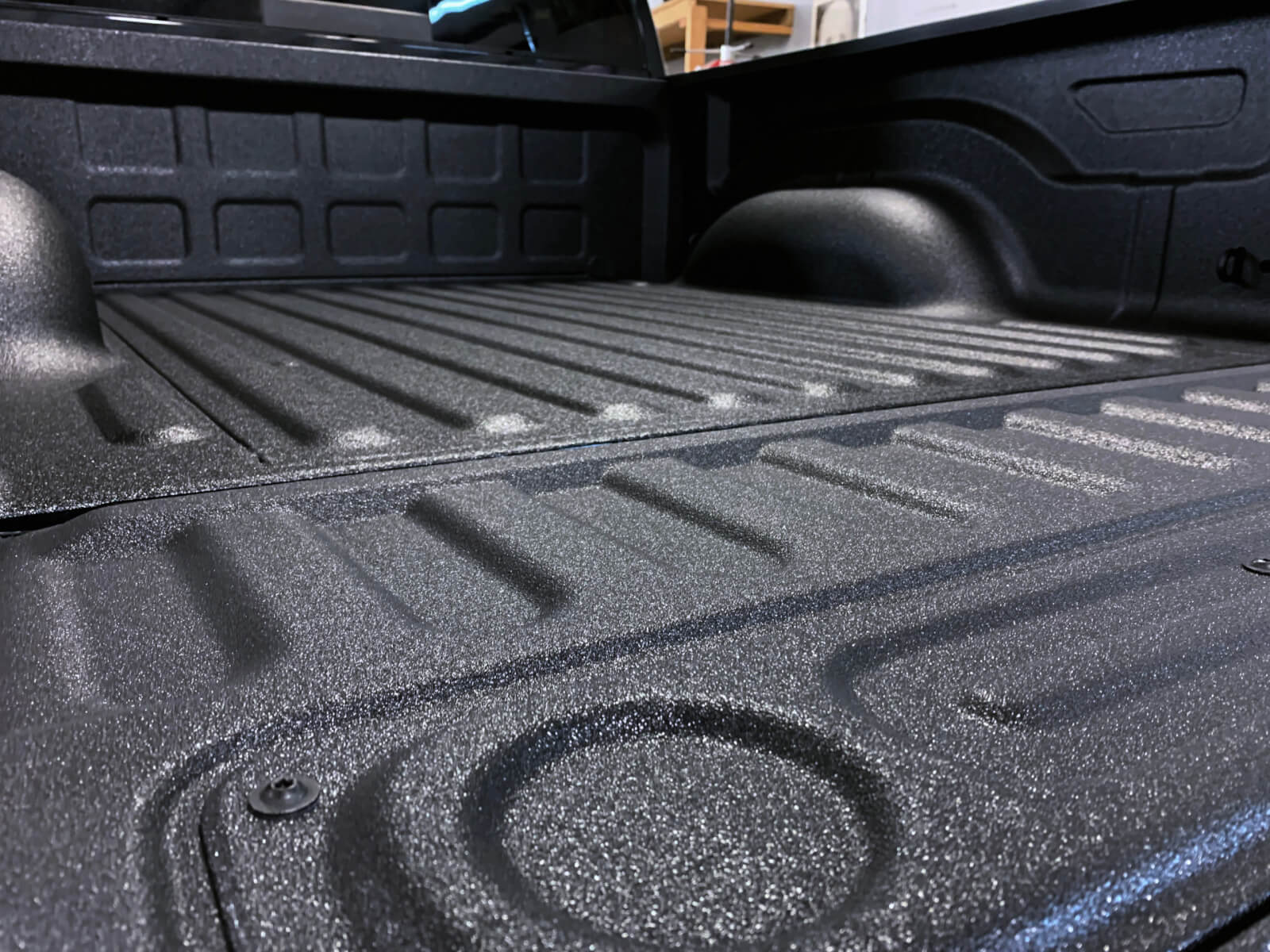
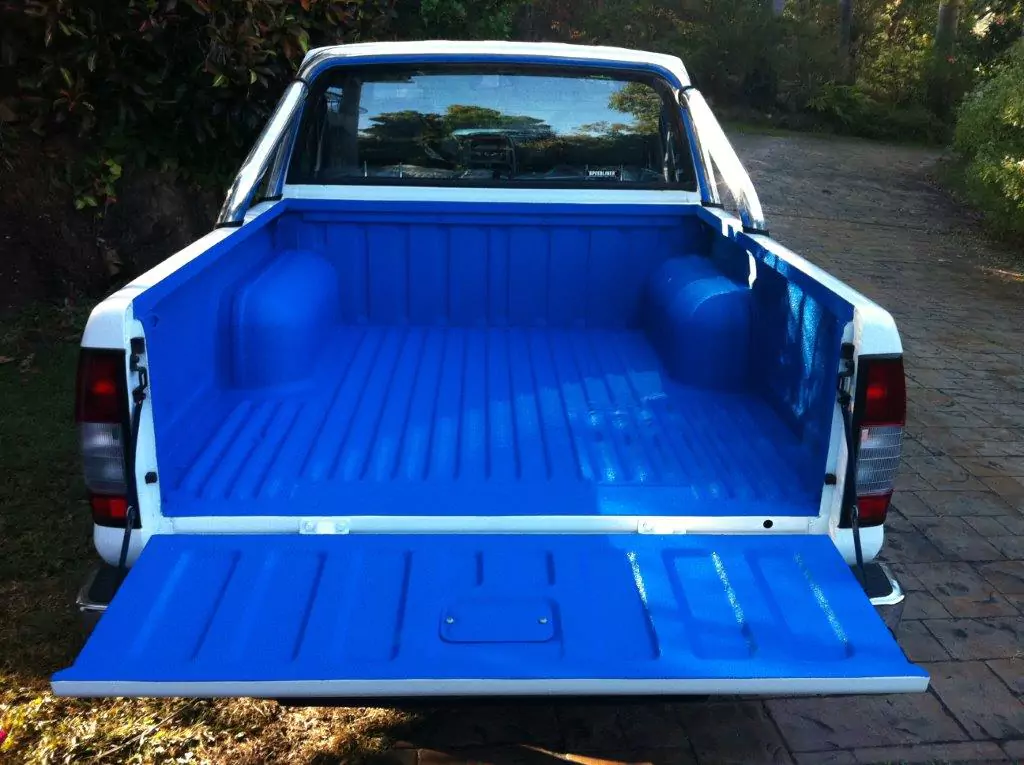
Truck beds head the published use list. A low-pressure rig and a 100 gallon kit is a far cheaper way into bedliner work than a high-pressure proportioner and heated hose.
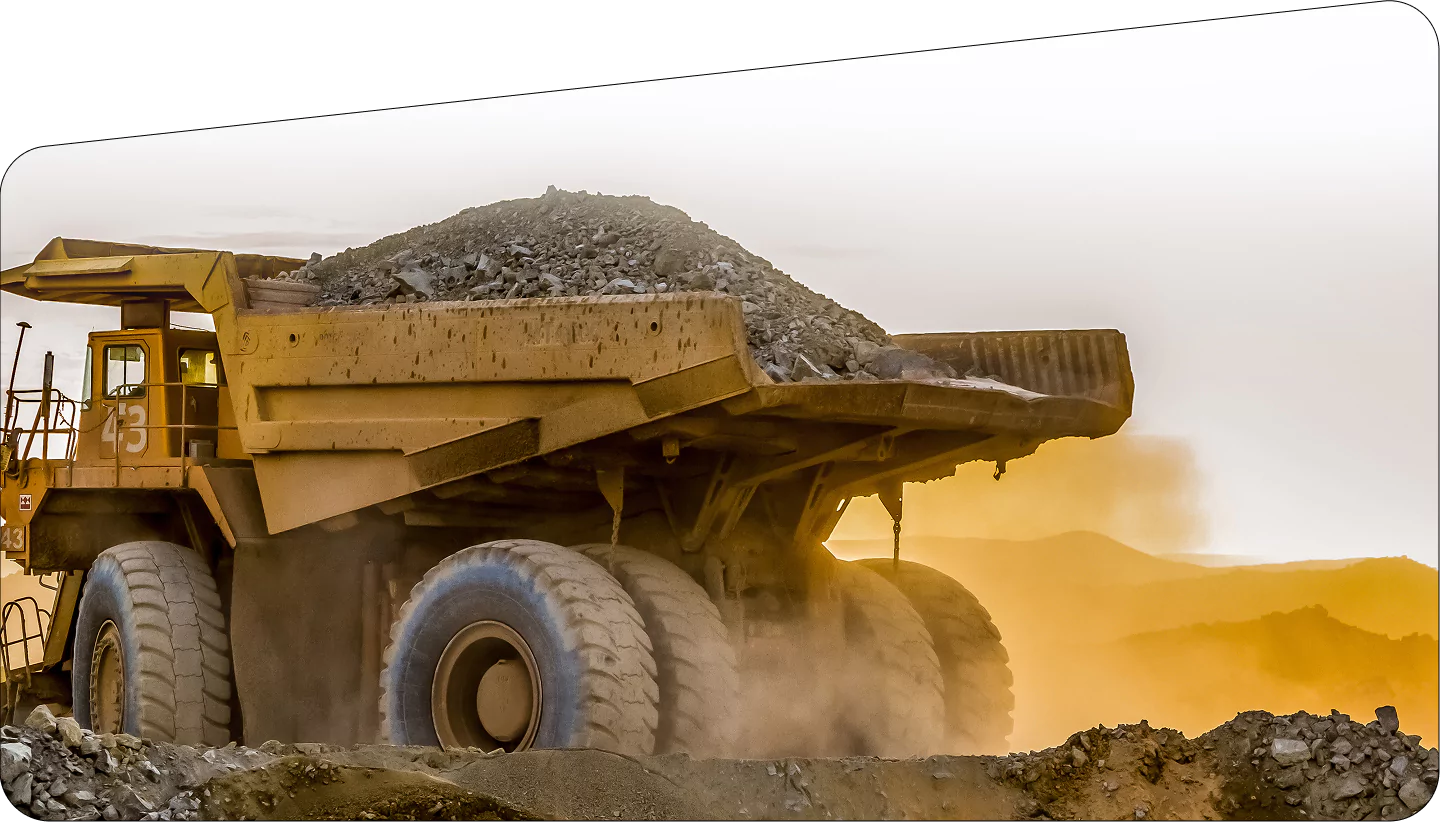
Farm equipment, all-terrain vehicles and utilities. Outstanding abrasion resistance is the headline feature, and a fast return to service is the second.
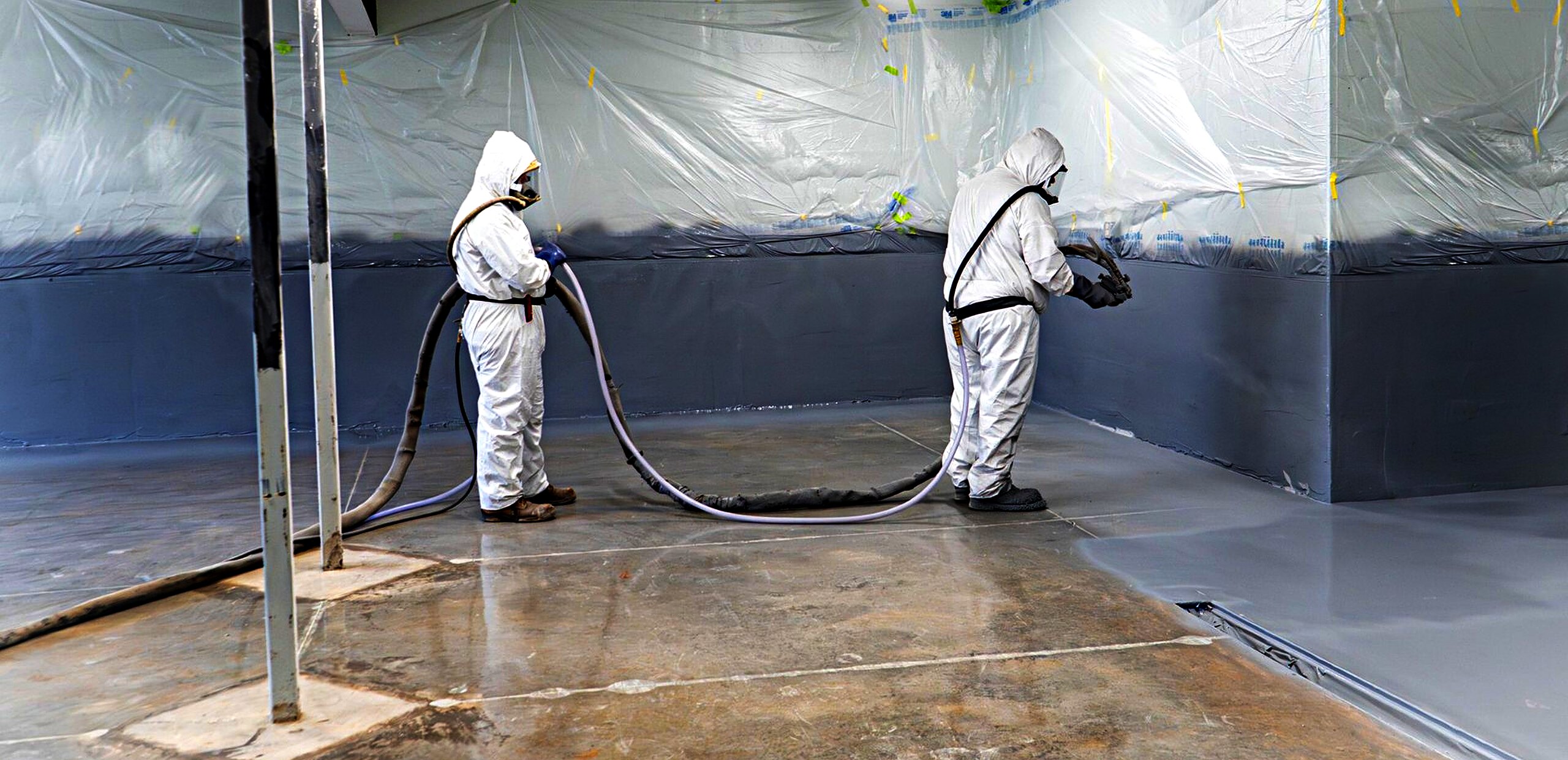
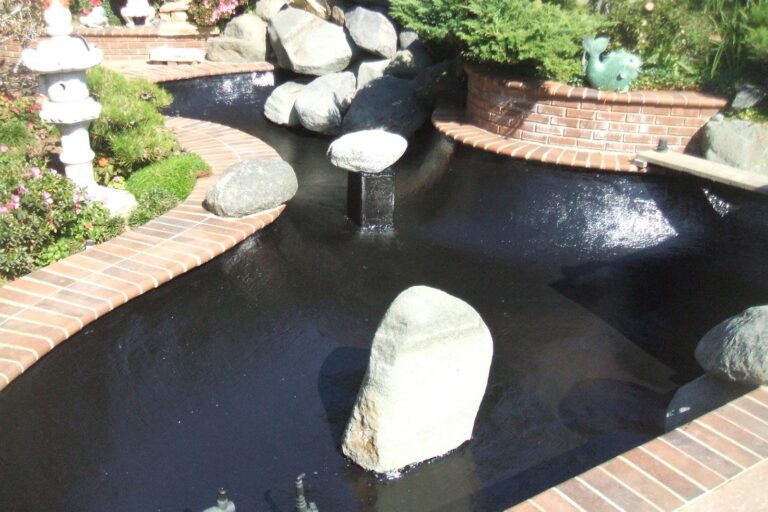
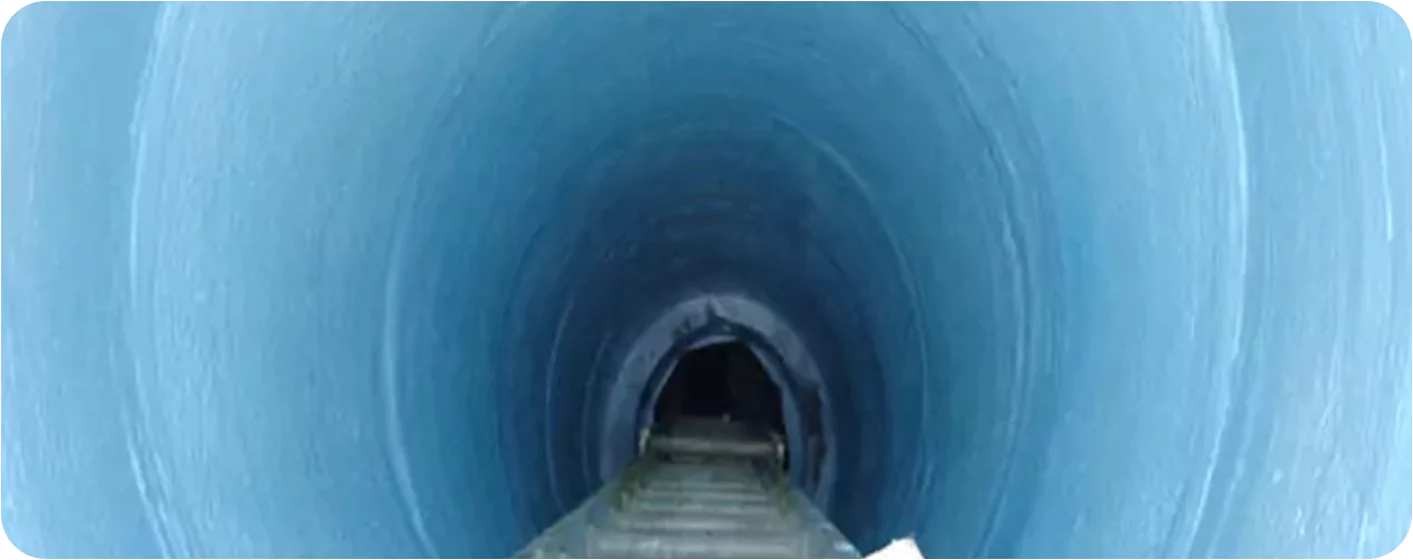
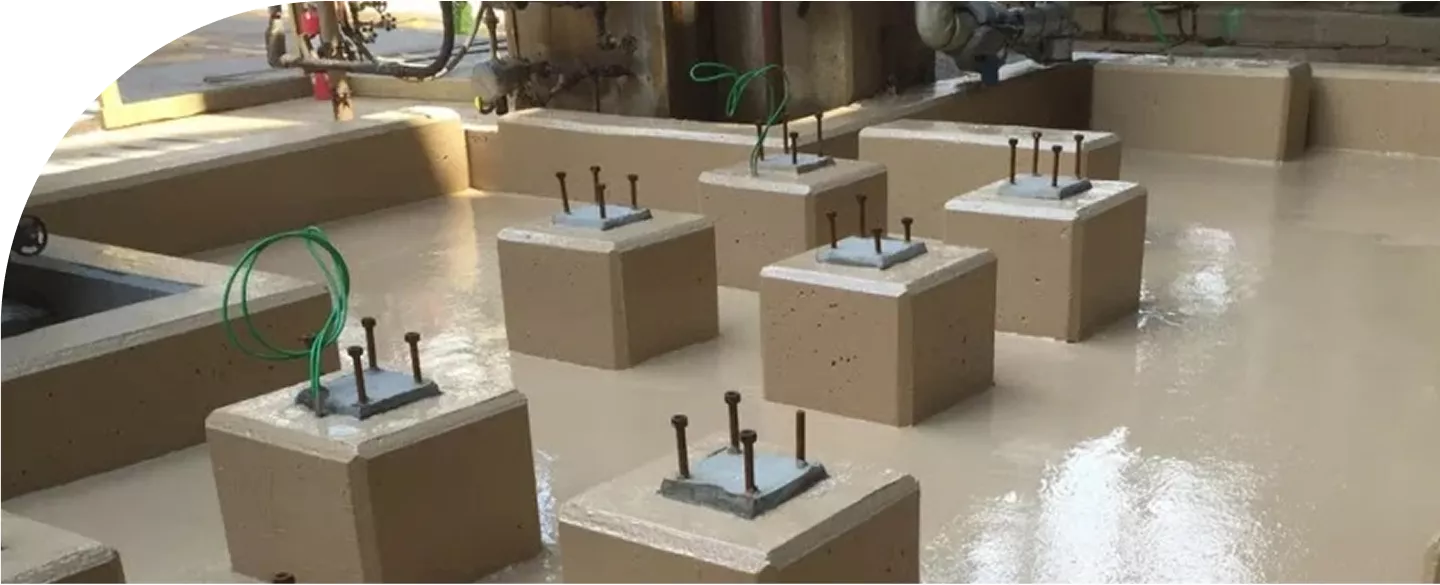
Planters, tunnels, industrial and manufacturing facilities. Vertical and horizontal surfaces alike, on concrete, wood, metal and composite — new and old.
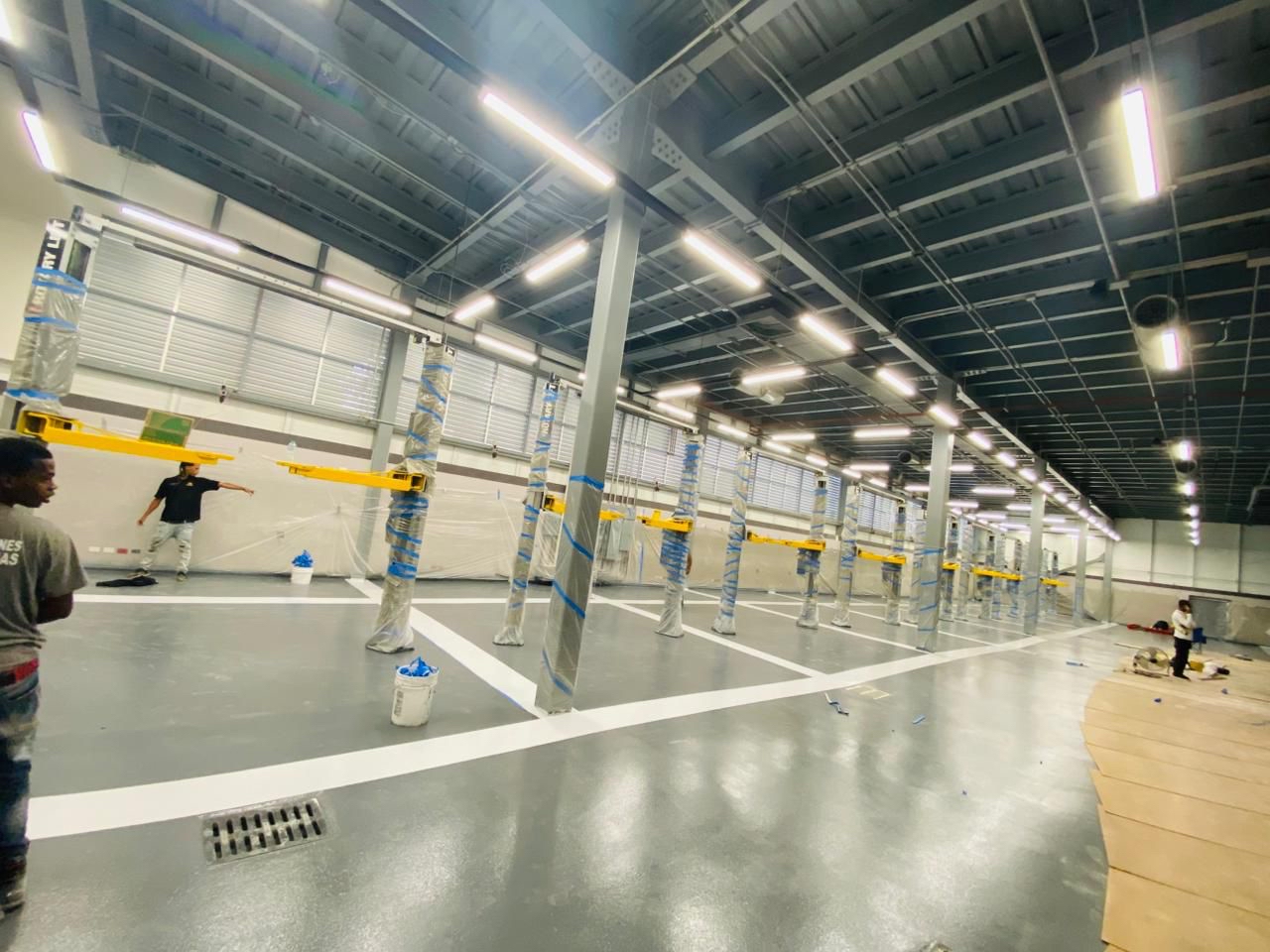
Industrial and manufacturing facilities, inside and out. The quick gel and handling time is what makes it convenient to work with in both.
A cheaper rig, and a coating built around it.
FlexCoat LP is an ArmorThane formulation, part of the ArmorLine low-pressure range. We have developed and manufactured our own polyurea and polyurethane chemistry since 1989. FlexCoat LP exists because not every job — and not every new business — justifies a high-pressure proportioner.
It runs on low-pressure equipment
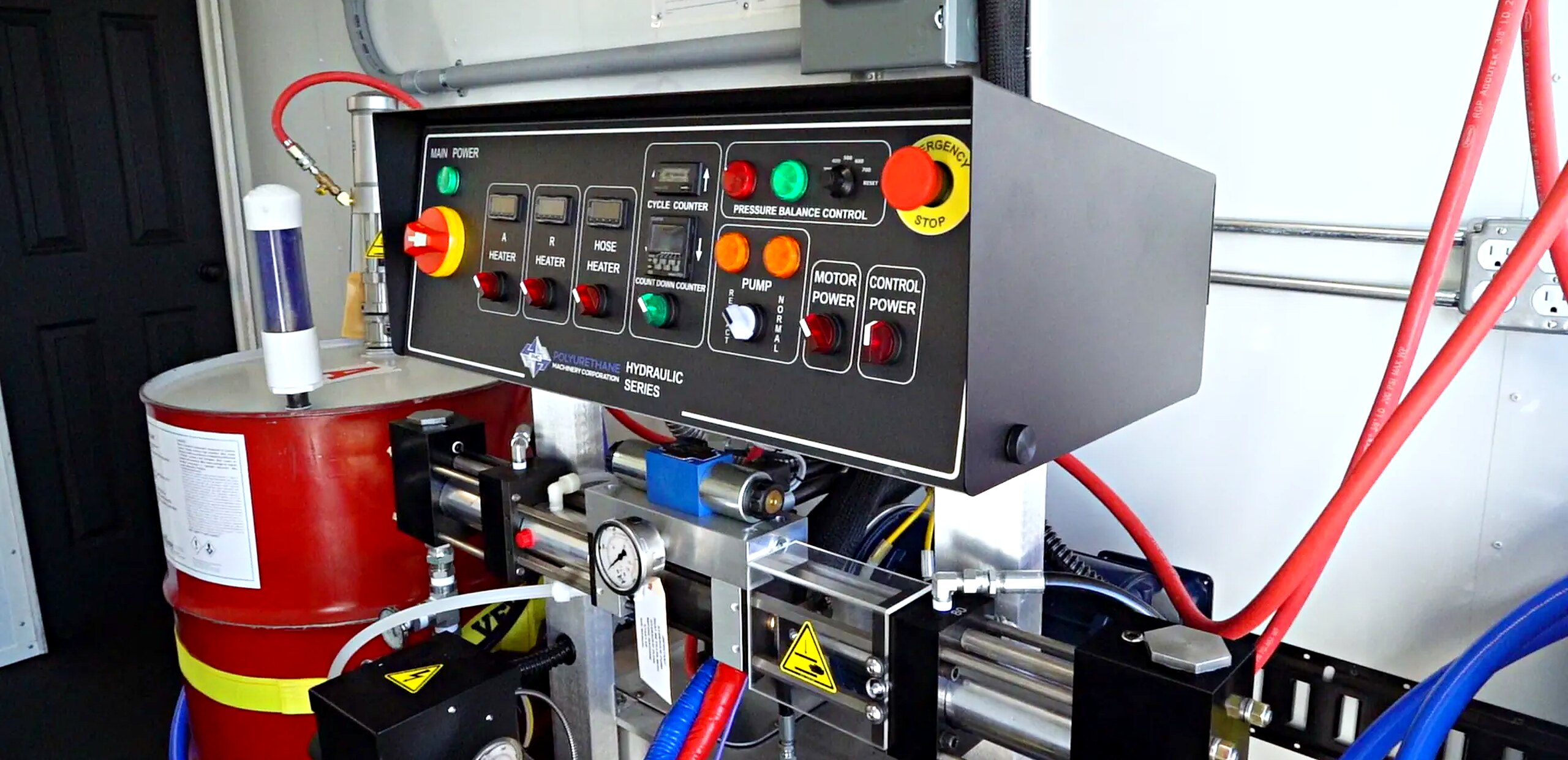
A low-pressure proportioner with a 1:1 ratio pump, rather than a heated high-pressure rig at 2,400 to 2,800 psi. For someone starting out, or for a shop that only needs coating capability occasionally, that is the difference between buying in and not.
Low-pressure proportioner system with a 1:1 ratio pump
Formulated for outside
The data sheet describes it as designed for optimum performance in exterior conditions, used as a protective, corrosion or waterproofing coating. Most of the low-pressure market is interior work; this one is built the other way round.
Designed for optimum performance in exterior conditions
Outstanding abrasion resistance
It is one of only four published features, and on truck beds, farm equipment and ATVs — the applications this product is actually aimed at — abrasion is the failure mode that matters.
Outstanding abrasion resistance · fast return to service
Four substrates, new or old
Concrete, wood, metal and composite surfaces, new and old, on vertical and horizontal work alike. Easily sprayed to the desired thickness, so the same kit covers a bed, a planter and a plant floor.
Concrete, wood, metal and composite · vertical and horizontal
Quick enough to keep moving
Twenty-five second gel and tack free in eighty seconds at 72°F — notably slower than the high-pressure products, which is exactly what you want when the equipment is not heating the material for you. The data sheet calls the handling time convenient for applications inside and outside, which is a fair description.
Gel 25 seconds · tack free 80 seconds at 72°F
Backed by the people who make it
Buying FlexCoat LP means buying the chemistry, the low-pressure equipment that sprays it, the hands-on training that certifies the crew, and technical support for as long as you spray it. There are no franchise fees and no royalties on any of it.
$0 franchise fees · hands-on applicator training · support for the life of the business
The jobs FlexCoat LP is genuinely the right answer for.
Each of these traces back to the published data sheet — the figures below are rounded.
Truck beds
Top of the published use list. A low-pressure route into bedliner work without a high-pressure proportioner and heated hose.
Farm equipment and ATVs
Farm equipment, all-terrain vehicles and utilities. Outstanding abrasion resistance on gear that lives outdoors and gets used hard.
Planters and tunnels
Planters, tunnels and below-grade structures. Waterproofing and corrosion protection on vertical and horizontal surfaces alike.
Industrial and manufacturing
Industrial and manufacturing facilities, inside and out. Quick gel and handling time makes it workable in both.
Exterior exposure
Formulated specifically for exterior conditions rather than adapted to them, which is unusual in a low-pressure product.
Starting a coatings business
The lowest equipment barrier in the ArmorLine range. A low-pressure proportioner, a 100 gallon kit and training is the whole startup.
What you gain, and what you give up.
A low-pressure system costs a fraction of a high-pressure rig and is simpler to run, and FlexCoat LP is formulated to work properly on one. The trade shows up in the physical numbers: around 100% elongation and 190 pli tear, against 200 to 800% and 250 to 600 pli across the high-pressure range. For a truck bed or a piece of farm equipment that is fine. For a containment liner over ground that moves, it is not — and we would rather point you at the right product than sell you the convenient one.
- About 2,500 psi tensile and 51 Shore D — solid mid-range figures
- About 100% elongation — the lowest in the ArmorLine range
- About 190 pli tear — also the lowest; this is not a crack-bridging membrane
- Zero VOC and 100% solids, same as the high-pressure products
- A one year shelf life, double what several high-pressure products carry
It ships clear, and the pigment goes in Side B.
FlexCoat LP is available in clear and neutral only. Any pigment goes into the Side B resin, never into Side A, and Side B has to be mixed with air-driven power equipment until the mixture and the color are homogeneous with no striations — that last phrase is the data sheet's, and striations in the drum become striations on the panel.
- Available in clear and neutral only
- Pigment is added to Side B resin only, never Side A
- Mix Side B with air-driven power equipment until there are no striations
- FlexCoat LP may not be diluted under any circumstances
- Both containers must be fitted with a desiccant device while in use
Where FlexCoat LP earns its keep.
A short published list, weighted towards vehicles and equipment.
Truck beds
The headline application. Sprayed in place, bonded to the bed, with outstanding abrasion resistance and a fast return to service.
Farm equipment
Equipment that lives outdoors and takes constant abrasion. Formulated for exterior conditions rather than adapted to them.
All-terrain vehicles
ATVs and utility vehicles. Sprayed to whatever thickness the surface needs, on metal and composite alike.
Planters and tunnels
Planters, tunnels and below-grade structures. Protective, corrosion and waterproofing duty on vertical and horizontal surfaces.
Industrial facilities
Industrial and manufacturing plant, inside and out. Quick gel and handling time makes it practical in occupied buildings.
Utilities
Utility structures and equipment. One hundred percent solids, zero VOC, and a one year shelf life on the drum.
What to expect from the film.
Typical values, rounded so you can size the product up quickly. Filter by what you care about, search for a property, or flip the sheet to metric.
No published property matches that search.
These are typical, rounded values obtained on ArmorThane equipment and parameters — they are here to give you a feel for the product, not to specify a job. Exact published figures and test conditions are on the current FlexCoat LP technical data sheet; ask us and we will send it. Different spray equipment and parameters will affect these properties, so applicators should run their own testing for a given job. FlexCoat LP is for commercial use only and should only be applied by trained personnel.
How a FlexCoat LP job actually goes down.
The short version of the data sheet, in the order a crew does it.
- 01
Prepare the substrate
Coating performance and adhesion are directly proportional to surface preparation, and most coating failures trace back to it. Everything has to come off: dust, dirt, oil, grease, rust, corrosion. On a substrate that has been in service, consider absorption as well.
- 02
Fit the desiccants
Both Side A and Side B containers must be fitted with a desiccant device during use. Do not open a container until you are ready to use it.
- 03
Mix Side B until there are no striations
Thoroughly mix the Side B resin with air-driven power equipment until the mixture and the color are homogeneous with no striations. Add pigment to Side B only — never to Side A. Never dilute either side.
- 04
Set up the low-pressure rig
FlexCoat LP is sprayed through a low-pressure proportioner system with a 1:1 ratio pump. This is not a high-pressure product and does not need a high-pressure rig.
- 05
Spray to the thickness the job needs
Vertical or horizontal, easily sprayed to the desired thickness. The 25 second gel and 80 second tack free at 72°F give you a comfortable working window compared with the high-pressure products.
- 06
Let it return to service
Fast return to service is one of the four published features. The data sheet does not quote a figure, so talk to us about the specific application if the turnaround is critical.
Related Products and Guides
Low-pressure coatings let applicators spray seamless liners without a full high-pressure rig. Compare this product with STS-200 and STS-300, see the low pressure equipment that sprays them, and read our surface preparation guide before your first job. The background on polyurethane explains the chemistry behind these flexible coatings.
The lowest-cost way into a coatings business.
A low-pressure proportioner costs a fraction of a high-pressure rig, and FlexCoat LP is formulated to perform properly on one. ArmorThane makes the coating, supplies the equipment, trains your crew hands-on and certifies them, and answers the technical line afterwards. No franchise fees, no royalties, no territory to buy.
- Low-pressure equipment package to get you started
- Hands-on training and applicator certification
- Technical support for the life of the business
- A clear upgrade path to the high-pressure range
FlexCoat LP, answered.
Why would I choose low pressure over high pressure?
Cost and simplicity. A low-pressure proportioner is a fraction of the price of a heated high-pressure rig and is far simpler to run and maintain. If you are starting a coatings business, or adding coating capability to a shop that does something else, it is the realistic entry point. The trade is in the physical properties, and we have set those out plainly on this page.
How does it compare with ArmorLiner for a truck bed?
ArmorLiner is the high-pressure bedliner product — about 3,300 psi tensile, 200% elongation and 400 pli tear, sprayed hot at 150°F through a HighLine rig. FlexCoat LP is about 2,500 psi, 100% elongation and 190 pli through a low-pressure pump at room temperature. ArmorLiner gives the tougher liner; FlexCoat LP gives you a bed liner business for much less capital.
Is it really zero VOC?
Yes — 100% solids and 0 g/l VOC under ASTM D-2369, the same as the high-pressure polyureas. The low-pressure route does not cost you anything on that front.
What color does it come in?
Clear and neutral only. Pigment is added to the Side B resin, never to Side A, and Side B must be mixed until homogeneous with no striations before you spray.
Can I use it for secondary containment?
We would steer you elsewhere. At around 100% elongation and 190 pli tear it is the least flexible product in the range, and containment liners generally need to move with ground that settles. HighLine 610 or EnviroThane are formulated for that work. Tell us the job and we will point you at the right one.
Why is the shelf life a year when some products are six months?
That is simply what this formulation carries — one year from date of manufacture in factory-sealed containers, against six months for several of the high-pressure products. Store both sides above 60°F on wooden pallets, avoid freezing, and rotate stock if it sits.
What do we need to know before handling it?
This product contains isocyanates and curative material. Read the Safety Data Sheets for both sides before anyone opens a container — regulations require that every employee be trained on the SDS for the chemicals they work around. Wear a respirator or fresh-air hood when spraying.
Tell us what you want to spray.
Describe the work you want to take on, the equipment you already have and where you are. An ArmorThane specialist will come back honestly about whether low pressure is the right route for you, and what a startup actually costs.
- Low-pressure equipment package and kit sizing
- Hands-on training and applicator certification
- An honest comparison against the high-pressure range