




Foundation Repair: The Complete Expert Guide to Protecting & Restoring Your Home’s Structural Core
Everything homeowners and contractors need to know about foundation crack repair, waterproofing, polyurea coatings, and long-term structural protection — from warning signs to professional solutions.Foundation repair is one of the most critical — and most misunderstood — aspects of homeownership and structural maintenance. A compromised foundation threatens not
just property value but the safety of every person inside. This comprehensive guide covers every dimension of foundation repair: identifying damage, choosing the right repair
method, understanding modern polyurea coatings, estimating costs, and ensuring your foundation remains structurally sound for decades to come.
How water breaks concrete apart
Concrete fails from the inside out once water gets in. Pick the damage you are seeing, run the winter, and compare bare concrete with a sealed, coated surface.
1Pick the damage
2Run the test
Find the cause
Repairs last when the source of the water, movement or corrosion is dealt with first.
Remove unsound concrete
Delaminated concrete is sounded out and removed back to solid material before rebuilding.
Seal the surface last
A protective coating over the finished repair keeps water, salts and freeze-thaw damage out.
Read ArmorThane's concrete structure rehabilitation brochure, or find an ArmorThane applicator near you.
Do concrete restoration work? Become an ArmorThane applicator
Illustration only. What happens on a real job depends on the condition of the surface, the prep and the system an ArmorThane applicator specifies.
Table of Contents
1. Warning Signs: When Your Foundation Needs Repair
2. Types of Foundation Damage Explained
3. Foundation Repair Methods: Complete Breakdown
4. Polyurea Coatings: The Gold Standard for Foundation Waterproofing
5. DIY vs. Professional Foundation Repair
6. Foundation Repair Cost Guide 2024–2025
7. Step-by-Step Foundation Repair Process
8. Foundation Repair Prevention Strategies
- 9. Spray Foam vs. Other Insulation
10. Frequently Asked Questions
Warning Signs: When Your Foundation Needs Repair
Your home’s foundation is constantly subjected to soil movement, hydrostatic pressure, freeze-thaw cycles, and moisture infiltration. Knowing the early warning signs of foundation damage
can save you tens of thousands of dollars and prevent catastrophic structural failure. According to the American Society of Civil Engineers, approximately 25% of all homes in the United States
experience some form of foundation distress over their lifetime.
A professional foundation inspector examining crack patterns to determine type and severity of foundation damage.
R-Value by Building Location
Beyond climate zone, the location within the building envelope determines the right target R-value and the right foam type. Different assemblies have different thermal dynamics, moisture exposures, and structural requirements.
Visible Cracks in Walls
Diagonal cracks at door and
window corners, stair-step
cracks in brick, or horizontal
cracks in basement walls are
serious red flags requiring
immediate professional
assessment.
Sticking Doors & Windows
When doors and windows
suddenly become difficult to
open or close — especially after
years of normal operation —
this often indicates foundation
settlement or heaving causing
structural racking.
Water Intrusion & Dampness
Efflorescence (white chalky
deposits), persistent dampness,
or standing water in your
basement or crawl space
signals hydrostatic pressure
overwhelming your
foundation’s waterproofing.
Uneven or Sloping Floors
Floors that bounce, sag, or
slope more than 1 inch per 20
feet indicate structural
compromise. Use a marble test
— if it rolls significantly in one
direction, your floor level has
shifted.
Gaps & Separation
Visible gaps between walls and
ceilings, between walls and
floors, or between exterior trim
elements like soffits and fascia
boards point to foundation
movement and differential
settling.
Bowing or Bulging Walls
Basement walls that appear to
bow inward or bulge are under
extreme lateral soil pressure.
This is a structural emergency
— horizontal wall cracks
combined with bowing require
urgent repair.
- Critical Warning: Don’t Ignore These Signs
Foundation problems are progressive by nature — small cracks become large ones, minor settlement becomes major structural failure. A crack that measures 1/8 inch today can expand to 1/2 inch within a single wet season. Early intervention is always dramatically less expensive than deferred repair. If you notice two or more of the above signs simultaneously, schedule a professional foundation inspection within 30 days.

Types of Foundation Damage Explained
Not all foundation damage is created equal. The type of damage dictates the appropriate repair method, timeline, and cost. Understanding these distinctions empowers homeowners to have informed conversations with contractors and avoid being oversold on unnecessary repairs.
Settlement Cracks
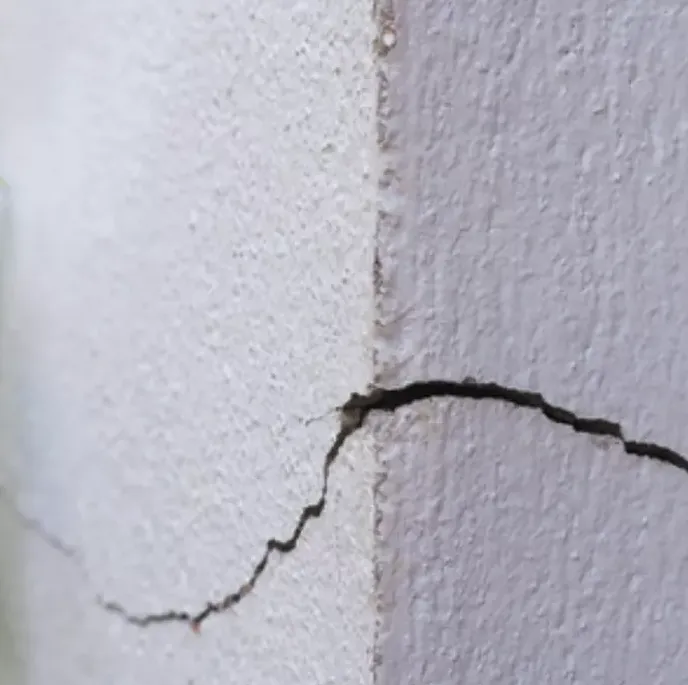
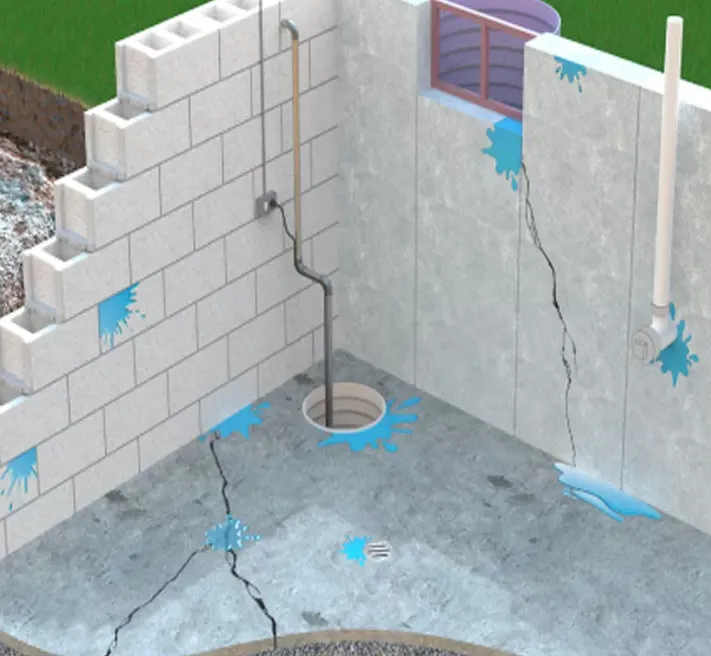
Settlement occurs when the soil beneath a foundation compresses or shifts unevenly, causing portions of the foundation to drop. Differential settlement — where different sections settle at different rates — is particularly damaging. Common causes include: compressible fill soils, poor drainage, drought-induced soil shrinkage, and tree root activity.
Settlement cracks typically run diagonally at 45-degree angles from corners of windows and doors. They’re wider at the top and taper toward the bottom, indicating the wall pulled away from an anchor point.
Lateral Movement Cracks
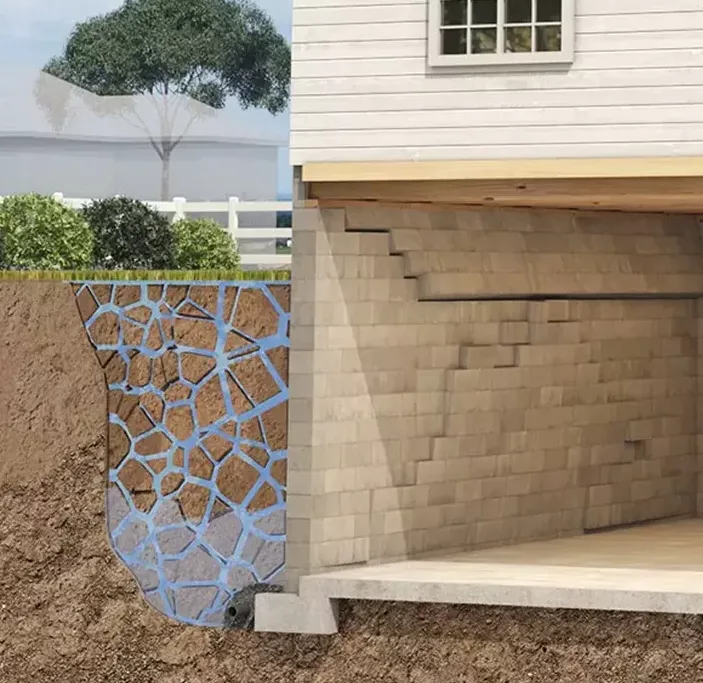
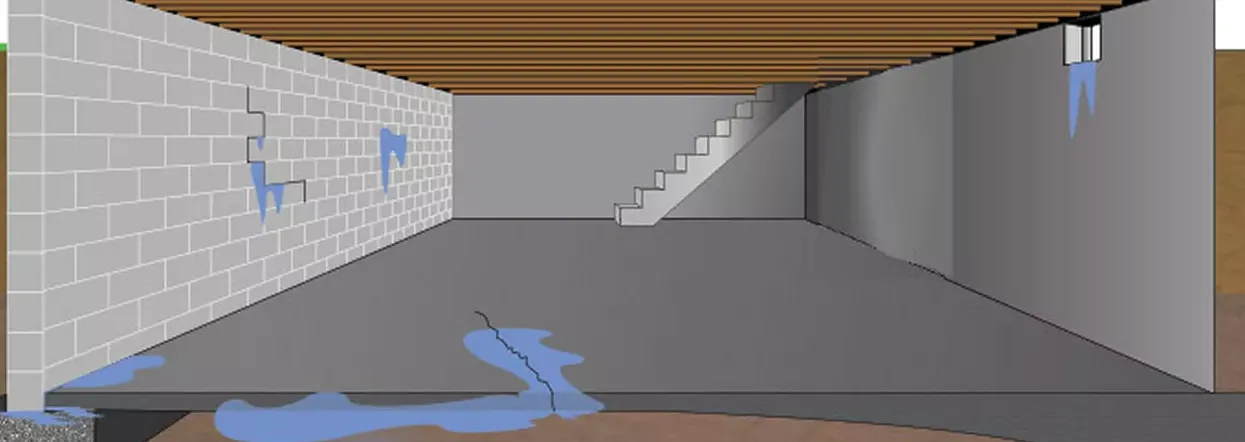
Horizontal cracks in basement or crawl space walls are the most serious type of foundation crack. They indicate that the lateral pressure of the surrounding soil is exceeding the structural capacity of the foundation wall. Left unaddressed, horizontal cracks can lead to total wall collapse.
Shrinkage Cracks
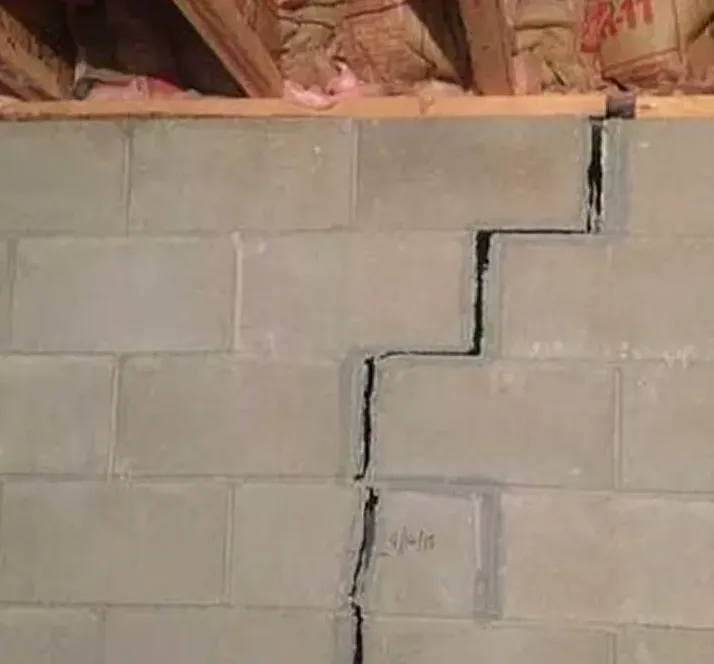
Vertical hairline cracks are extremely common in poured concrete foundations and are usually caused by normal concrete curing and shrinkage. While they may be cosmetically concerning, many are non-structural. However, they must be sealed to prevent water infiltration, radon gas entry, and progressive widening. Polyurea crack injection is the gold standard for sealing these cracks permanently.
Heaving
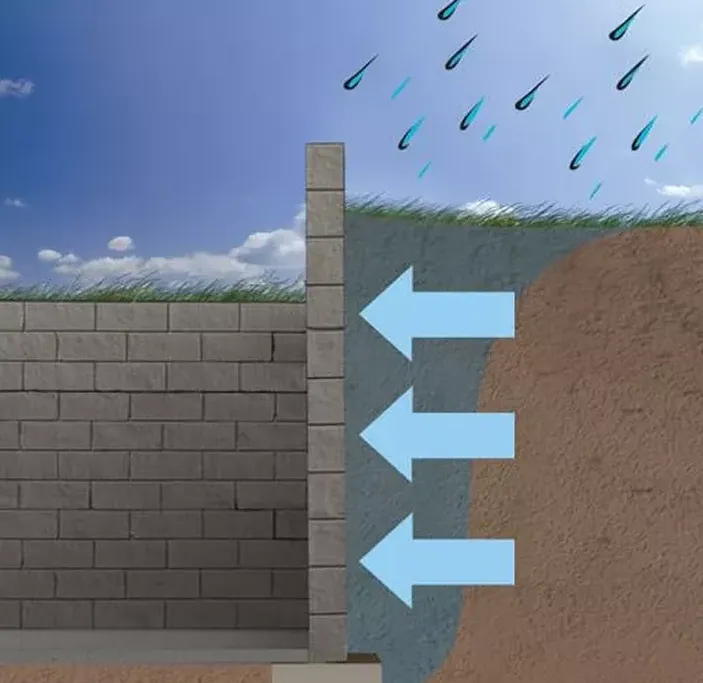
Heaving is the opposite of settlement — the foundation moves upward due to expansive soils (like clay) absorbing water and swelling, or freeze-thaw cycles pushing the foundation up. Heaving is common in regions with significant seasonal temperature variation. Symptoms include floors that feel higher in the center than at the edges and doors that drag on the floor rather than bind at the top.
Concrete Spalling & Deterioration
Spalling refers to the flaking, pitting, and chipping of concrete surfaces. It’s caused by rebar corrosion, freeze-thaw cycles, chemical attack (road salts, soil acids), and alkali-silica reaction. Spalling exposes rebar to further corrosion, accelerating structural deterioration. Surface coatings — particularly polyurea — can halt spalling progression and restore structural integrity to the surface layer.
Foundation Repair Methods: Complete Breakdown
The foundation repair industry offers numerous solutions, each appropriate for specific types of damage, soil conditions, and budget constraints. Here is the complete breakdown of every major foundation repair method used by professionals today.
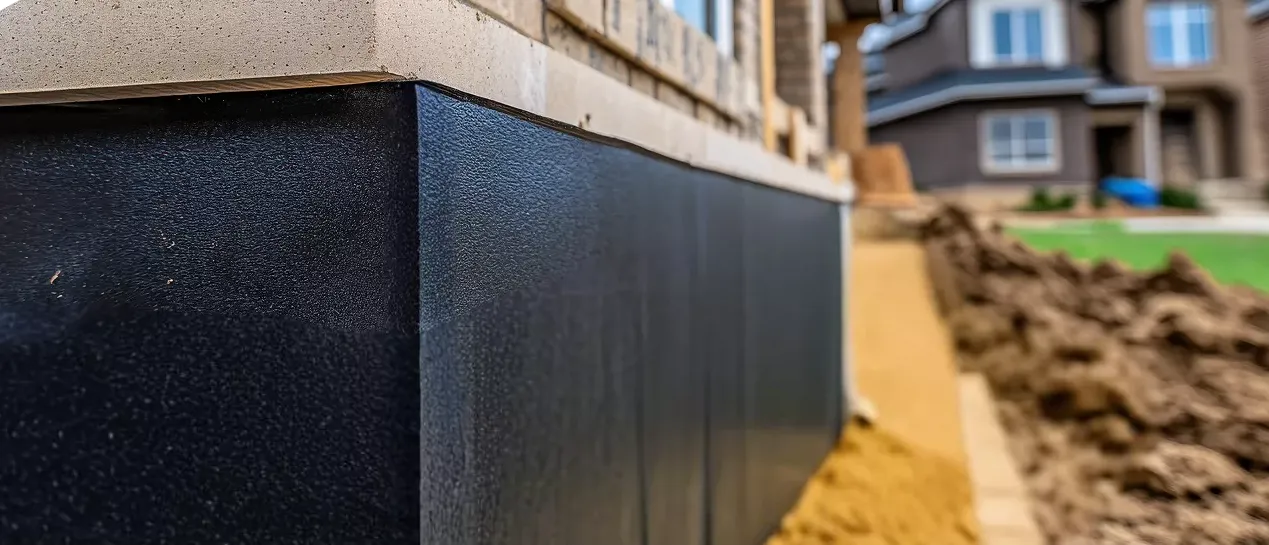
1. Piering & Underpinning
Steel push piers, helical piers, and concrete pressed pilings are the primary methods for stabilizing or lifting a settling foundation. These systems transfer the structural load from unstable near-surface soils down to deep, competent load-bearing strata.
Steel push piers are hydraulically driven into the ground until they reach refusal on bedrock or dense soil. They’re then connected to the foundation via brackets and can often be used to lift the structure back toward its original elevation.
Helical piers are screwed into the ground like a giant bolt and are particularly effective in areas with high water tables or when access is limited. They can be installed from inside the structure with minimal disturbance to landscaping.
2. Wall Anchors & Carbon Fiber Straps
Wall anchors consist of a plate installed on the interior wall and anchored to a deadman buried in stable soil several feet away from the structure. When tightened over time, they can straighten bowing walls. Carbon fiber straps, bonded to the interior face of a bowing wall, provide tensile resistance against further inward movement. Carbon fiber is an excellent choice for walls with less than 2 inches of bowing — it’s minimally invasive, extremely strong, and backed by excellent long-term data.
3. Crack Injection
Epoxy injection and polyurethane foam injection are the two dominant methods for sealing foundation cracks. Epoxy injection creates a bond actually stronger than the surrounding concrete and is used for structural cracks. Polyurethane foam injection expands upon contact with moisture and is ideal for active water leaks. Polyurea injection — the newest innovation — combines the flexibility of polyurethane with the strength of epoxy, creating an incredibly durable seal that accommodates minor ongoing movement without re-cracking.
4. Slabjacking & Mudjacking
Mudjacking (also called slabjacking) involves pumping a slurry of cement, water, and soil beneath a sunken concrete slab to lift it back to grade. Polyurethane foam lifting (polyjacking) is the modern alternative — lightweight expanding foam is injected through small 5/8″ holes, fills voids, and lifts the slab with pinpoint precision. Polyjacking is faster, less invasive, and produces a more durable result than traditional mudjacking.
5. Waterproofing & Drainage Systems
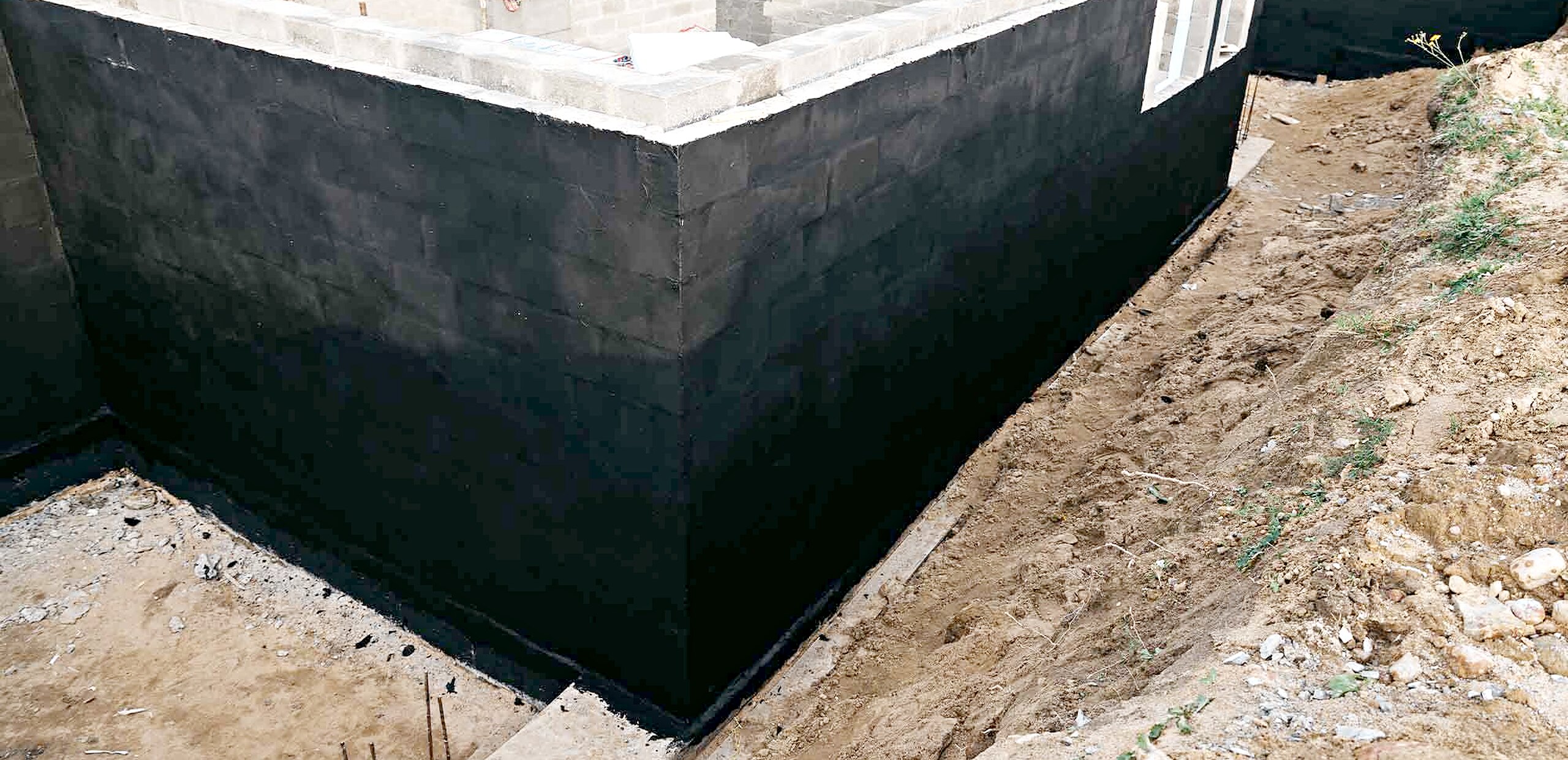
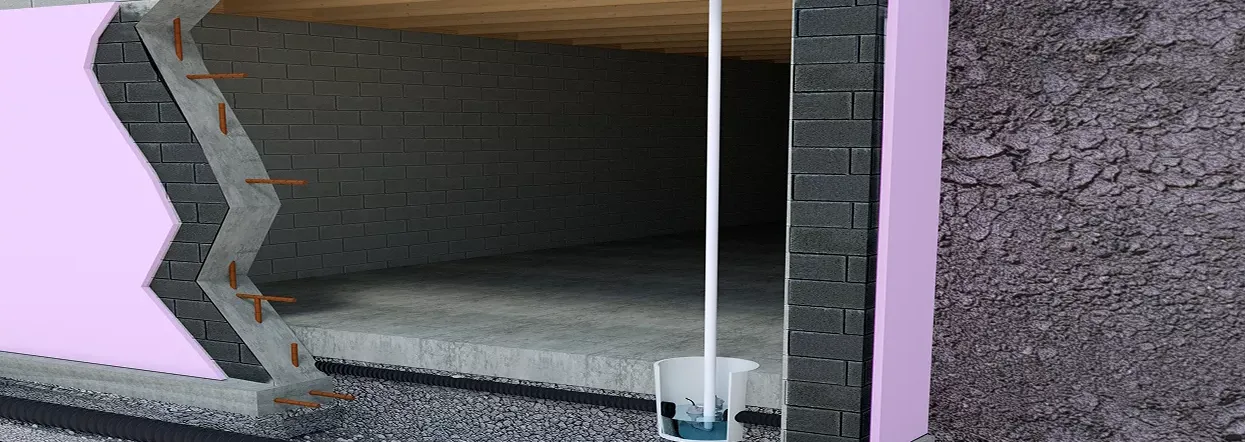
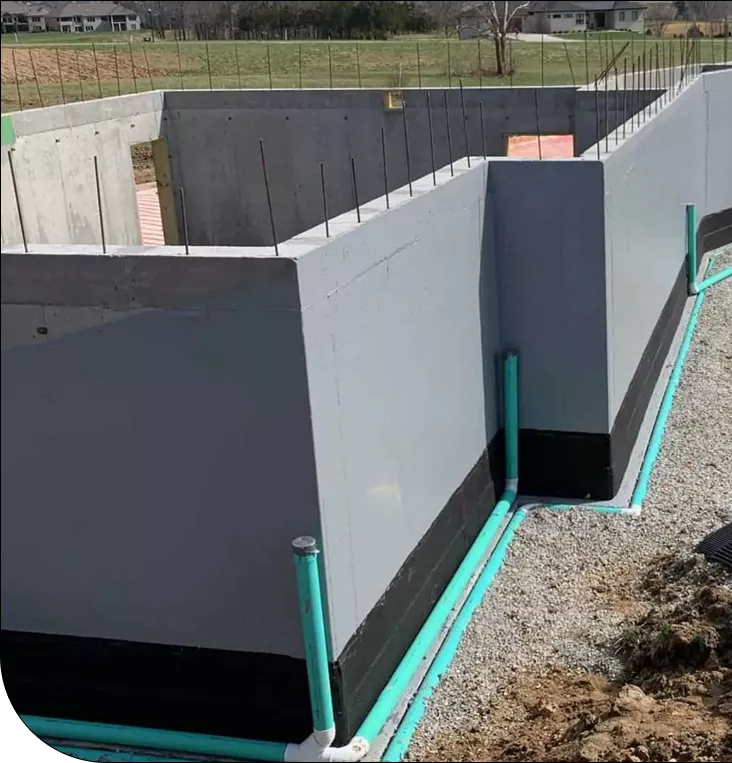
Interior and exterior waterproofing systems address the root cause of many foundation problems: water. Exterior waterproofing involves excavating around the foundation, applying waterproof membranes, and installing drainage boards and French drains. Interior waterproofing involves installing a perimeter drain system at the base of the foundation walls, directing water to a sump pump. Polyurea waterproof coatings represent the state-of-the-art in surface waterproofing, providing seamless, crack-bridging, and chemically resistant protection.
- Pro Tip: The Right Method for the Right Problem
No single foundation repair method addresses all problems. A comprehensive repair often combines multiple techniques — for example, helical piers to stabilize settlement + carbon fiber straps to address wall bowing + polyurea coating for waterproofing. Always get a structural engineer’s assessment before committing to any repair method to ensure you’re solving the root cause, not just the symptom.
Polyurea Coatings: The Gold Standard for Foundation Waterproofing
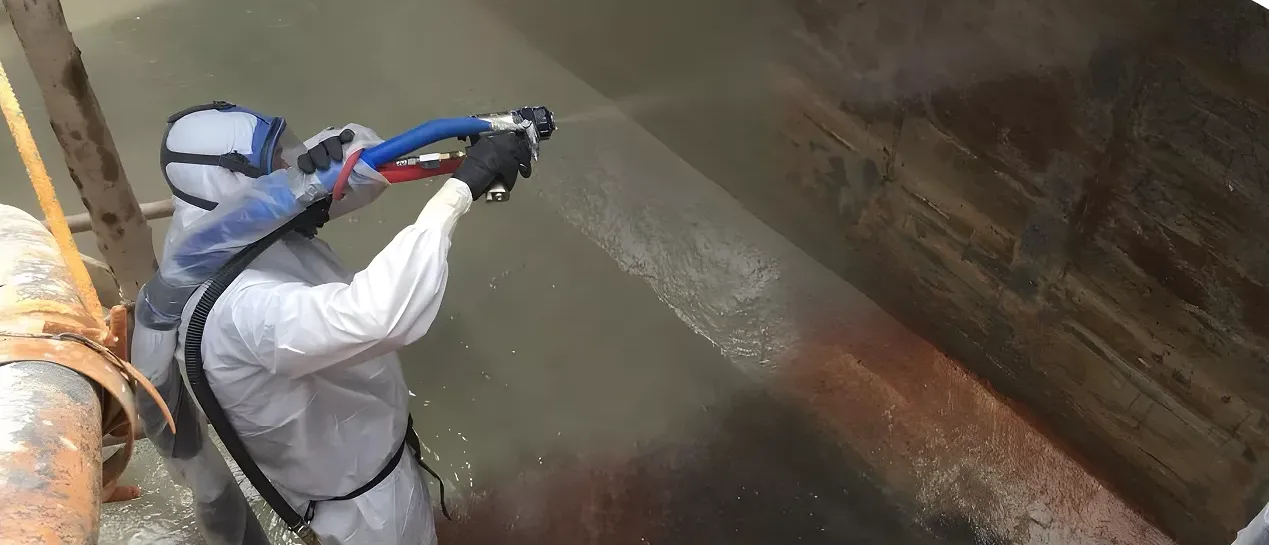
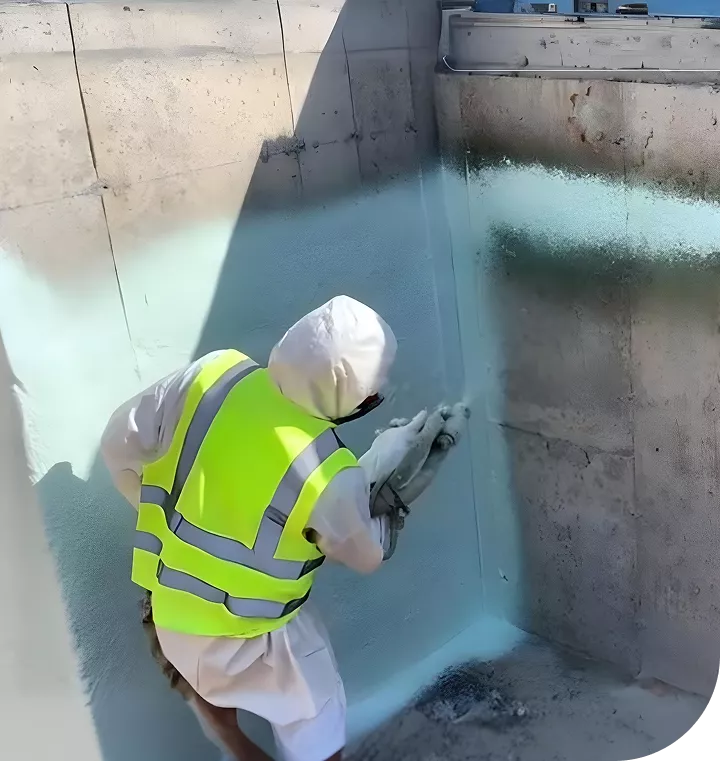
Among all the advances in foundation repair technology, polyurea coatings stand alone as the most transformative innovation of the past three decades. Originally developed for industrial and military applications, polyurea has become the preferred choice for foundation waterproofing, crack bridging, and structural surface protection.
What Is Polyurea?
Polyurea is a fast-setting elastomeric coating formed by the reaction of an isocyanate component with an amine-terminated resin. Unlike epoxies (which are brittle) and standard polyurethane (which can yellow and degrade), polyurea is:
Extremely flexible — elongation up to 400%, bridging active cracks
Fast curing — set to touch in seconds, ready for traffic in minutes
Waterproof — zero permeability when properly applied
Chemical resistant — resistant to fuels, salts, acids, and alkalis
Temperature tolerant — performs from -40°F to 350°F
Long-lasting — 20+ year service life with proper preparation
Why ArmorThane Polyurea Is The #1 Choice for Foundation Protection
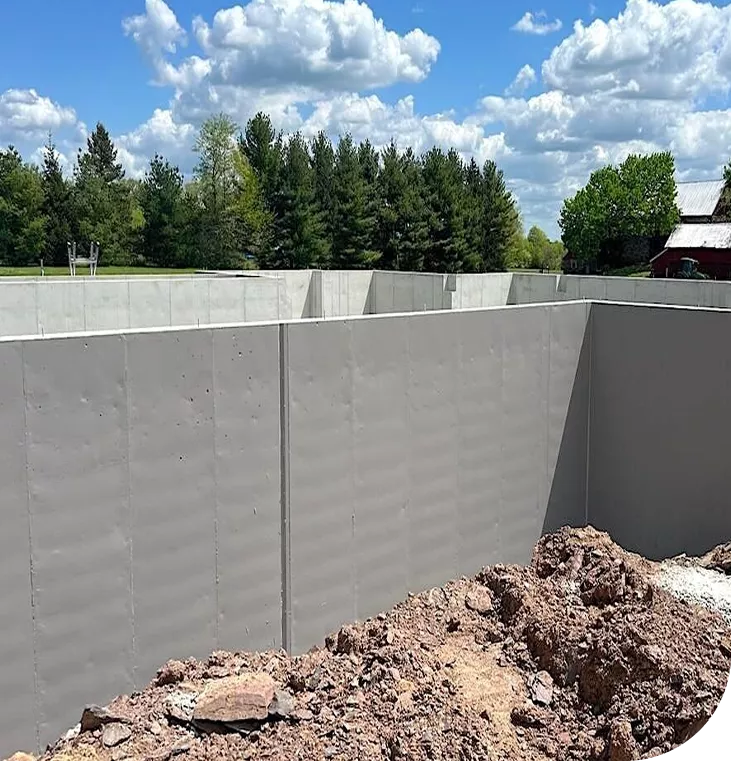
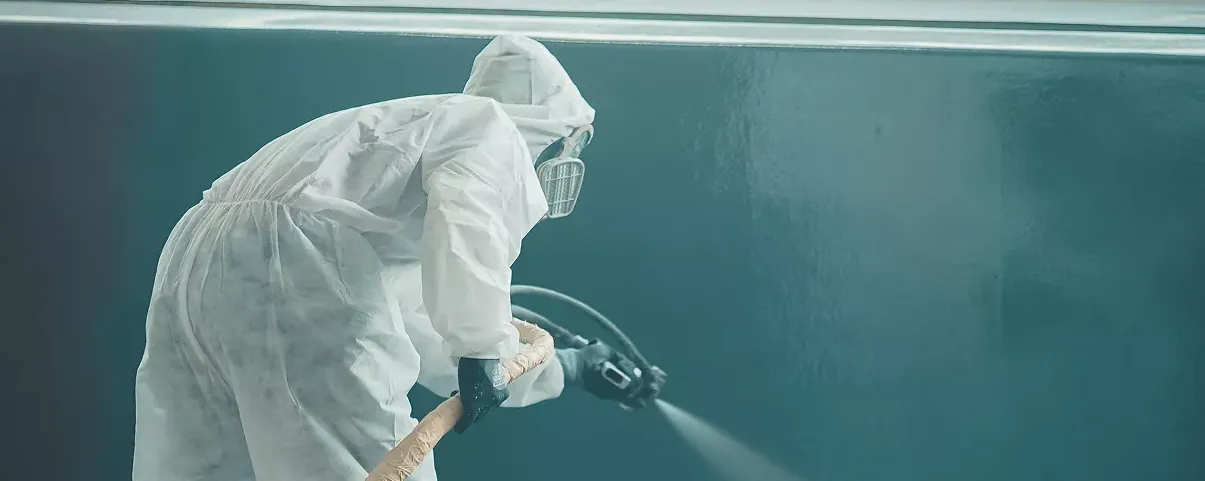
ArmorThane’s professional-grade polyurea systems have been trusted by contractors and structural engineers for decades. Our 100% solids, spray-applied polyurea coatings create a seamless, monolithic waterproof membrane that bonds tenaciously to concrete, masonry, and block foundations — even in damp conditions. With tensile strength exceeding 3,500 PSI and elongation up to 400%, ArmorThane polyurea doesn’t just coat your foundation — it armors it.
Polyurea vs. Traditional Foundation Waterproofing Methods
| Method | Flexibility | Cure Time | Service Life | Crack Bridging | Overall Rating |
|---|---|---|---|---|---|
| Polyurea Coating | Up to 400% elongation | Seconds to minutes | 20–30+ years | Excellent | |
| Crystalline Waterproofing | None (rigid) | Days | 15–20 years | Limited | |
| HDPE Membrane | Moderate | N/A (sheet) | 15–20 years | Seams are weak points | |
| Asphalt/Tar Coating | Low | Hours | 5–10 years | Poor | |
| Hydraulic Cement | None | Minutes (fast set) | 3–5 years | None | |
| Paint/Masonry Sealer | Minimal | Hours | 1–3 years | None |
DIY vs. Professional Foundation Repair
One of the most common questions homeowners ask is whether foundation repair is a DIY project. The honest answer is nuanced: some minor repairs can be safely handled by knowledgeable homeowners, while others absolutely require licensed structural engineers and experienced contractors.
DIY-Appropriate Tasks
Hairline crack sealing with polyurethane caulk, minor epoxy injection kits for non-structural vertical cracks, surface drainage improvements (grading, downspout extensions), and applying waterproof paint or sealers to dry basement walls.
Always Requires Professionals
Horizontal or diagonal cracks in walls, any crack wider than 1/4 inch, bowing or leaning walls, foundation settlement, underpinning, structural epoxy injection, polyurea spray coating systems, and any repair involving structural loads.
- The DIY Trap: When Good Intentions Cause Harm
Many homeowners make their foundation problems significantly worse by attempting DIY repairs on structural issues. Hydraulic cement plugs can actually increase hydrostatic pressure by blocking drainage pathways. Improperly applied crack injection can trap moisture. And surface-only cosmetic repairs may hide deteriorating conditions from view, delaying proper diagnosis. When in doubt, always consult a structural engineer before taking action.
Foundation Repair Cost Guide 2024–2025
Understanding the realistic cost of foundation repair is essential for budget planning and evaluating contractor proposals. Costs vary significantly by repair type, severity, geographic region, and whether emergency services are required. The following ranges represent national averages from licensed foundation repair contractors.
| Repair Type | Average Cost Range | Factors Affecting Cost |
|---|---|---|
| Hairline Crack Injection (per crack) | $250 – $800 | Length, accessibility, material (epoxy vs. polyurethane) |
| Carbon Fiber Straps (per strap) | $400 – $1,200 | Wall height, number of straps needed, brand |
| Wall Anchors (per anchor) | $700 – $1,500 | Soil conditions, depth required, yard access |
| Steel Push Piers (per pier) | $1,500 – $3,000 | Depth to stable soil, number of piers, lift required |
| Helical Piers (per pier) | $1,200 – $2,500 | Torque requirements, depth, access limitations |
| Mudjacking / Slabjacking | $500 – $1,800 | Slab area, void volume, material type |
| Polyurethane Foam Lifting | $800 – $2,500 | Area, foam volume, precision required |
| Interior Waterproofing System | $5,000 – $15,000 | Linear footage, sump pump quality, drainage complexity |
| Exterior Waterproofing | $8,000 – $25,000+ | Depth of foundation, landscaping, square footage |
| Polyurea Foundation Coating | $3,000 – $12,000 | Surface area, thickness, surface prep requirements |
| Full Foundation Replacement | $20,000 – $100,000+ | Foundation type, home size, structural complexity |
- Money-Saving Tip: Get Three Quotes Minimum
Foundation repair is a high-stakes, high-cost category. Always obtain a minimum of three written quotes from licensed contractors with verifiable references. Beware of unusually low bids (often indicating inadequate scope or substandard materials) and high-pressure same-day signing tactics. A reputable contractor will always allow you time to review proposals and consult a structural engineer independently.
Step-by-Step Foundation Repair Process
Whether you’re a homeowner overseeing a professional repair or a contractor developing a workflow, understanding the complete foundation repair process ensures no steps are skipped and the repair achieves its full intended service life.
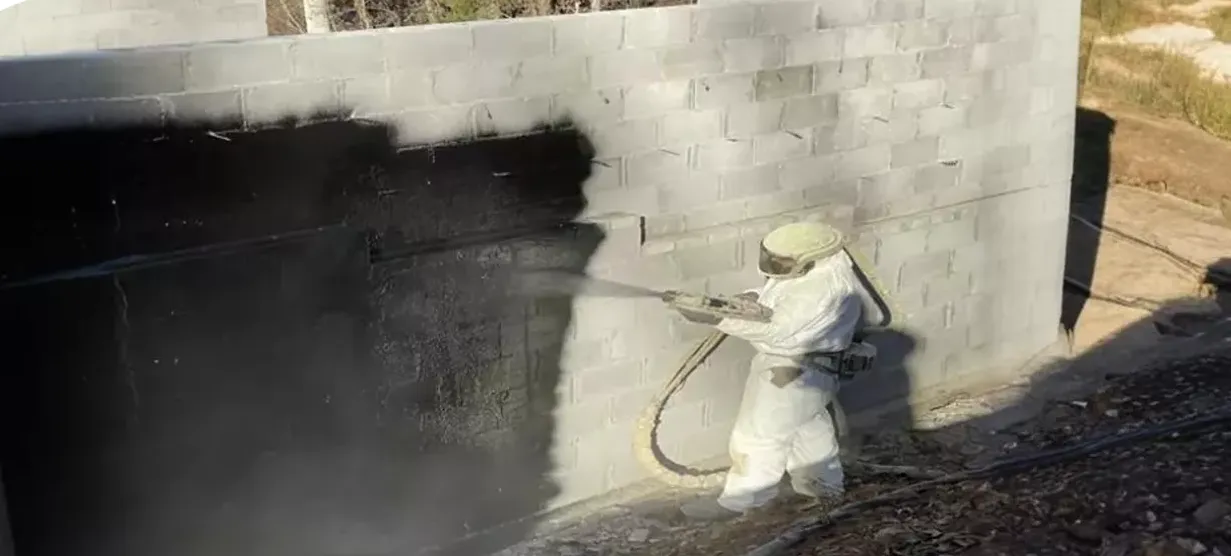
A systematic foundation repair process — from initial assessment through surface preparation, repair, waterproofing, and final inspection.
Foundation Repair Prevention Strategies
The most cost-effective foundation repair is the one you never need. A proactive maintenance approach dramatically reduces the risk of serious foundation damage. The following prevention strategies are recommended by foundation engineers and structural consultants nationwide.
Maintain Proper Grading
Ensure the soil grade around your foundation slopes away from the structure at a minimum of 6 inches over the first 10 feet. Negative grade (sloping toward the foundation) is the single largest contributor to foundation water problems. Re-grade annually if settlement has altered drainage patterns.
Gutter & Downspout Management
Clean gutters bi-annually and ensure downspouts discharge at least 6 feet from the foundation. Install downspout extensions or underground drains to carry roof water well away from the building footprint. A 2,500 sq ft roof generates over 1,500 gallons of water per inch of rainfall.
Foundation Waterproofing
Proactively apply a high-quality polyurea or elastomeric waterproof coating to exposed foundation walls before water problems begin. The cost of preventive waterproofing is 5-10x less than reactive foundation repair after water damage has occurred.
Tree & Root Management
Large trees planted close to the foundation can extract moisture from the soil (causing differential settlement) or infiltrate foundation cracks with roots. Maintain a minimum 10-15 foot distance between trees and your foundation, and monitor for surface root emergence near the structure.
Annual Foundation Inspections
Below-grade parking decks, tunnels, elevator pits, retaining walls, and commercial building foundations requiring high-performance waterproofing.
Moisture Balance Management
In clay-heavy soils, both excessive moisture AND drought cause foundation problems. During extended droughts, maintain consistent moisture levels around the foundation with a soaker hose system. This prevents the dramatic soil shrinkage and expansion cycles that cause settlement and heaving.
Latest news & bLOGS
Frequently Asked Questions About Foundation Repair
How long does foundation repair last?
Quality foundation repair, when properly designed, installed, and maintained, should last the lifetime of the structure. Piering and underpinning systems carry transferable lifetime warranties from reputable contractors. Polyurea waterproof coatings provide 20-30+ year service lives. The key is addressing root causes, using premium materials, and ensuring annual maintenance checks are performed.
Will foundation repair increase my home’s value?
Yes — significantly. Foundation problems can reduce a home’s value by 10-30% or make it entirely unsalable. Professionally repaired and warranted foundation issues restore full market value. In fact, a documented, warranted foundation repair often provides a higher return than the repair cost itself, because buyers gain confidence and financing institutions can approve loans on the property.
Is foundation repair covered by homeowner’s insurance?
It depends on the cause. Most standard homeowner’s insurance policies cover foundation damage caused by sudden, accidental events (burst pipes, vehicle impact, sinkholes if specifically covered). However, foundation damage caused by settling, shrinkage, expansion, poor construction, or gradual water infiltration is typically excluded. Review your policy carefully and consult your insurer before assuming coverage. Documenting the cause is critical for any claim.
How do I know if my foundation cracks are serious?
Crack severity is determined by several factors: width (cracks wider than 1/4″ are serious), orientation (horizontal cracks are most critical, then diagonal, then vertical), whether the crack is active (still growing) or dormant, displacement (one side of the crack higher than the other indicates structural movement), and whether water is penetrating through the crack. Any crack accompanied by bowing walls, door/window binding, or floor sloping requires immediate professional evaluation.
What is the best product for sealing foundation cracks?
For structural cracks requiring bonding strength, two-part epoxy injection is the gold standard. For active water infiltration, polyurethane foam injection expands to fill voids and stop water. For surface waterproofing and crack bridging, spray-applied polyurea coatings (like ArmorThane systems) provide the most durable, flexible, and long-lasting protection available. The right product depends entirely on the crack type, activity level, and whether structural bonding or waterproofing is the primary objective.
Can I sell my house with foundation problems?
Legally, you must disclose known foundation problems in most states. Selling with unrepaired, disclosed foundation issues significantly depresses your sale price and limits your buyer pool primarily to cash investors. Most mortgage lenders require foundation issues to be repaired before approving financing. The best path for most sellers is to repair the foundation, obtain a transferable warranty, and present the home with full documentation of the repair — this typically results in a higher sale price than the repair cost.
How quickly do foundation problems worsen?
Foundation problems are progressive and non-linear — the rate of deterioration accelerates as damage increases. A 1/8″ crack can become 1/4″ in a single wet season. A bowing wall at 1″ deflection can reach structural failure at 2-3″ of inward movement within 2-3 years under high hydrostatic pressure. Early-stage repair is always dramatically less expensive — often 3-10x less — than repair of advanced damage. There is no benefit to waiting, only increasing cost and risk.
ArmorThane: Professional Foundation Coating Solutions
For over 30 years, ArmorThane has equipped professional applicators and contractors with the world’s most advanced polyurea and protective coating systems. Our foundation-grade polyurea delivers unmatched waterproofing, crack-bridging flexibility, and chemical resistance — backed by technical support from America’s leading polyurea experts. From basement waterproofing to exterior foundation membranes, ArmorThane has the system for your project.

Written By Tyler Gleckler
Coatings Specialist & Technical Writer | Polyurea & Protective Coatings Expert
Tyler Gleckler is an accomplished coatings specialist with extensive hands-on experience in polyurea, polyurethane, and protective coating systems across residential, commercial, and industrial applications. Tyler brings a rare combination of field expertise and technical writing skill, making complex coating science accessible and actionable for contractors, engineers, and homeowners alike.
His work has been featured in leading industry publications and organizations including Polyurea Magazine, ArmorThane, the American Polyurea Organization (APO), and additional trade media covering the protective coatings industry. Tyler’s articles are known for their depth, accuracy, and practical focus — grounded in real-world application experience rather than theory alone.
More to read on concrete repair
Short reads from ArmorThane on Issuu. Tap one to open it right here.



Start your own coatings business.
Equipment, chemicals, hands-on training and technical support for life, all from one manufacturer that puts its applicators first.
Need a job done?
Tell us where the project is and we’ll connect you with a certified ArmorThane applicator near you.