

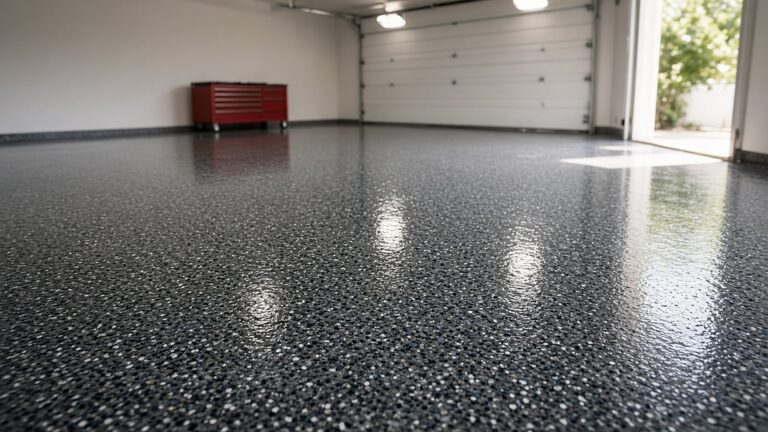



Acrylic Roof Coating: Where It Works, Where It Fails & How Thick to Go
How acrylic roof coatings work, the mils that earn a warranty, why ponding water ruins them, how they compare with silicone and polyurethane, and real 2026 costs.
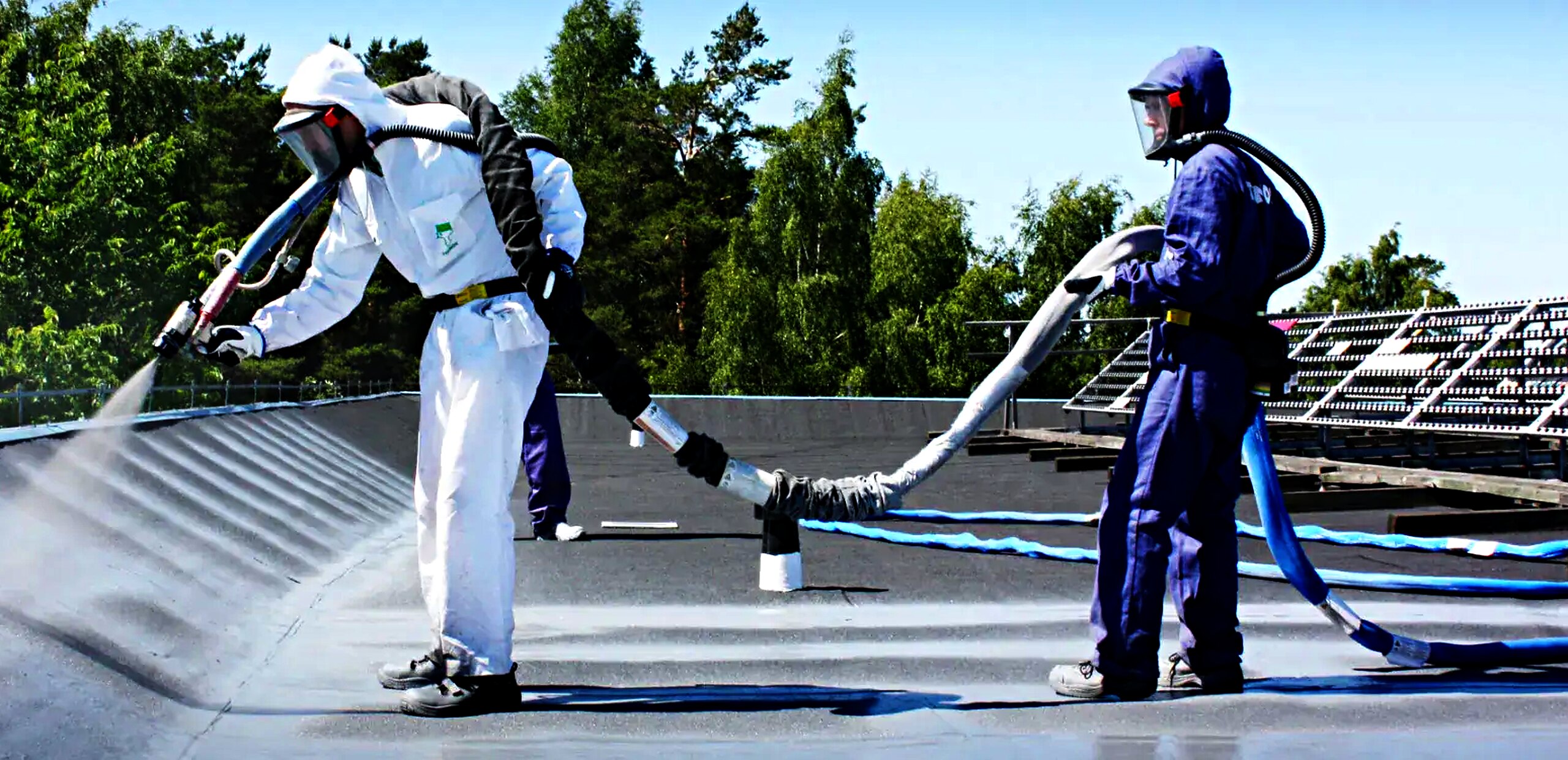
Start a roof coating business
Spray roofs for a living.
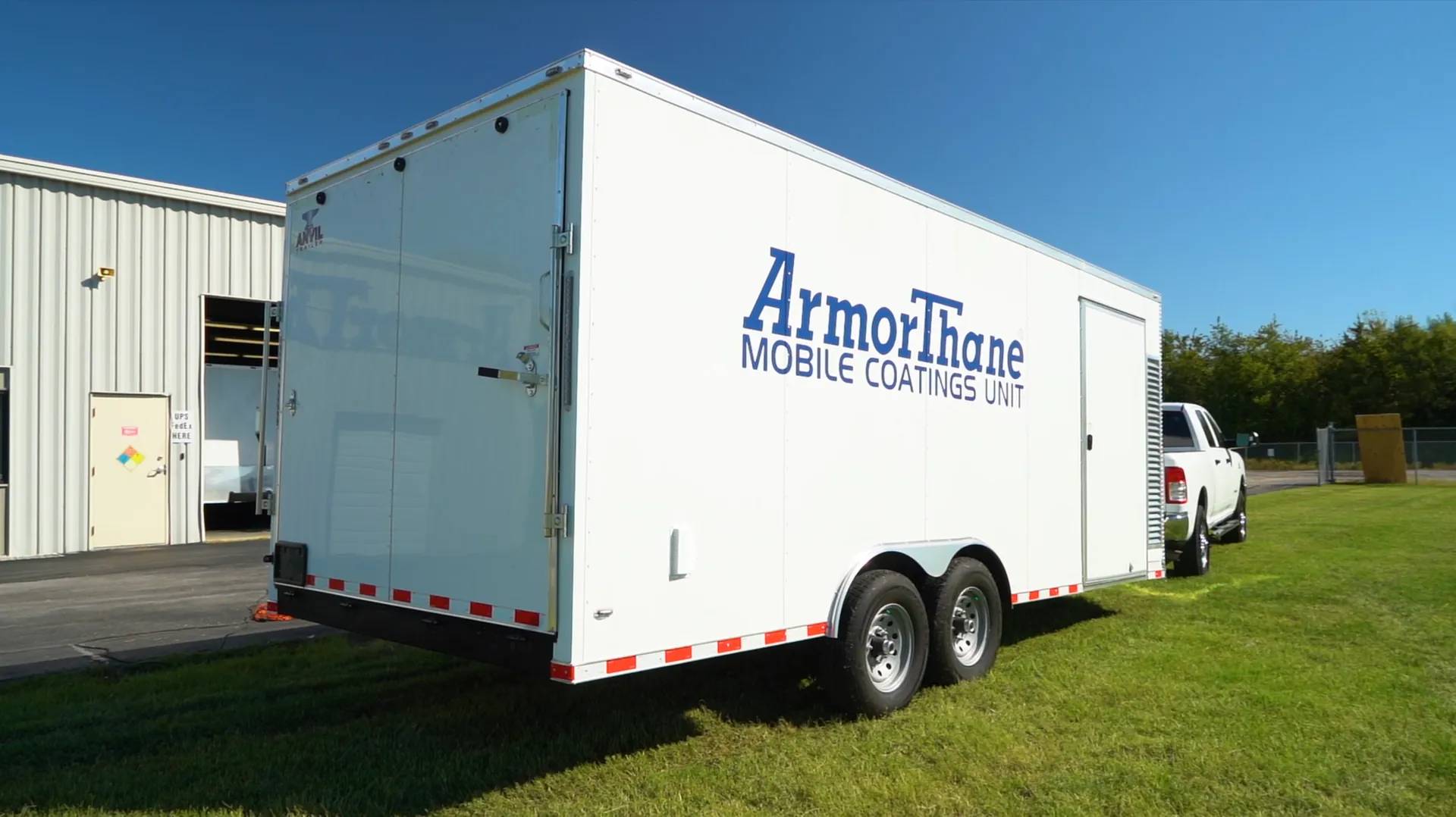
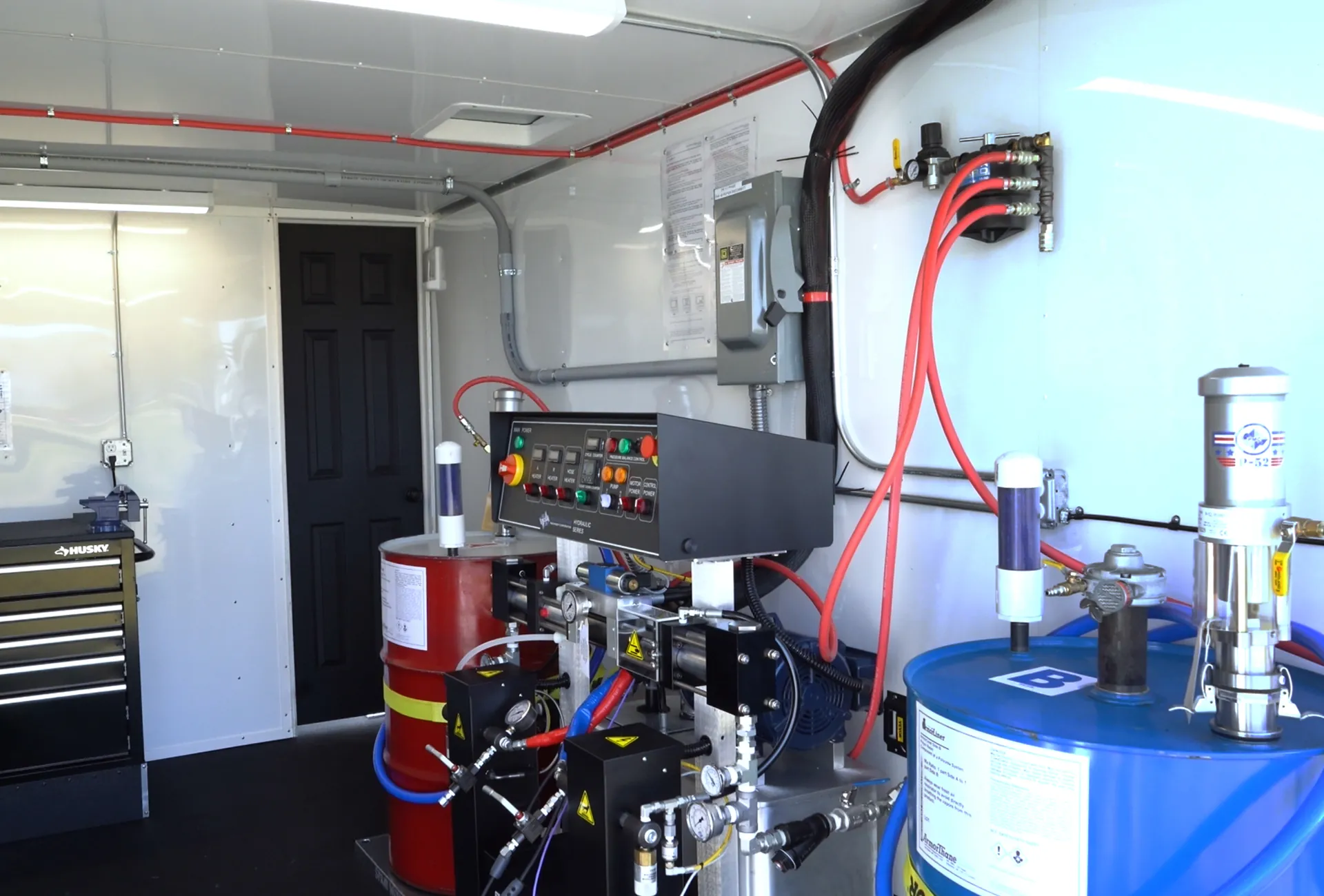
ArmorThane sets you up to do this work, and you own the business. We make the chemistry, build the rigs, train you hands-on and answer the phone when a job gets difficult. You pay no franchise fee and no royalties. It has been that way since 1989.
- $0
- franchise fees or royalties
- 35+
- years in business
- 50+
- countries with applicators
- 24/7
- technical support
Acrylic roof coating is the workhorse of roof restoration: water-based, white, cheap per square foot, easy to clean up and very good at reflecting sun. It is also the coating we see misused most often, usually on flat roofs that hold water or sprayed in weather that never let it cure. We manufacture polyurea and polyurethane systems, so acrylic is not our product, which makes it easier to be straight about it. On a sloped, well-drained roof in a warm, dry season, a properly built acrylic system is often the best value in the business. On a roof that ponds, it is the wrong product. This guide covers how acrylic roof coatings work, the thickness that actually earns a warranty, where they beat silicone and where they do not, and two tools to plan gallons and check whether acrylic suits your roof.
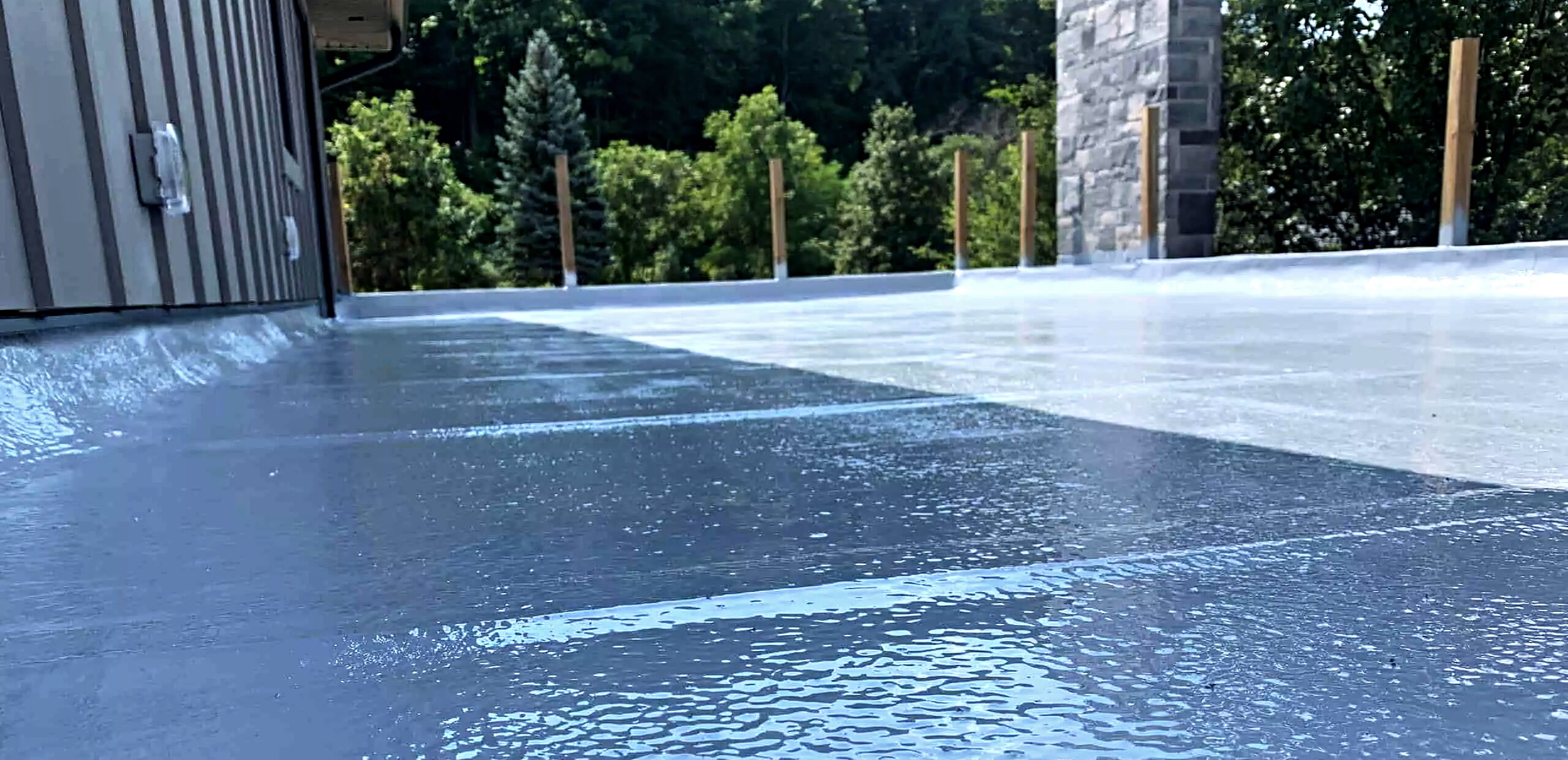
Acrylic roof coating is a water-based elastomeric coating, usually white, applied in two coats to reach roughly 20 to 30 dry mils. It reflects heat well, resists UV, and costs about $0.50 to $3.00 per sq ft installed. It works best on sloped or well-drained metal, spray foam, modified bitumen and smooth built-up roofs. Do not use it where water stands longer than 48 hours after rain, and do not apply it below about 50°F, with rain coming, or late in the day when dew will hit it before it skins. Expect 7 to 20 years of service depending on thickness and upkeep.
What acrylic roof coating actually is
An acrylic roof coating is an acrylic polymer emulsion: tiny particles of acrylic resin suspended in water, loaded with pigment (usually titanium dioxide for white) and fillers. When the water evaporates, the particles fuse into a continuous rubbery film. That is why acrylics clean up with water and have low VOCs; Karnak's 529 Renu-White, for example, lists a 40 g/L maximum. It is also why they are so sensitive to weather while they cure. Until the water is gone, rain or heavy dew can wash the coating off or leave it soft.
The industry standard is ASTM D6083, the specification for liquid-applied acrylic coating used in roofing. As IIBEC summarizes it, the spec sets minimums such as 50% volume solids and 60% weight solids, 100% elongation, wet and dry adhesion values, low-temperature flexibility after weathering, and a maximum of 50 perms for a 20 mil film. If a product does not claim D6083 compliance, ask why.
What acrylic does well
- Reflects heat. White acrylics start around 0.83 to 0.88 solar reflectance and typically age to 0.65 to 0.78, per US Made Supply. The Department of Energy notes a reflective roof can run more than 50°F cooler than a conventional roof that can hit 150°F. More on that in our cool roof coating guide.
- Holds up to UV. Acrylic resins are naturally UV-stable, so they stay white and chalk slowly rather than breaking down.
- Recoats easily. Clean it, prime if needed, and add another coat. Silicone, by contrast, generally only accepts more silicone.
- Costs less. General Roofing estimates acrylic topcoat material at about $0.46 per sq ft on a smooth surface versus about $1.17 for silicone.
Where acrylic struggles
- Ponding water. Standing water slowly softens and re-emulsifies the film. Most acrylic makers will not warranty it in ponding areas.
- Cold, wet curing. It needs warmth and a dry window. Karnak's data sheet says no rain during or within 24 hours of application.
- Low solids. At about 50% volume solids, half of every gallon evaporates. You need roughly twice the wet film of a high-solids silicone for the same dry thickness.
- Foot traffic and impact. Acrylics are softer than polyurethane or polyurea and wear through on walkways unless you add walk pads.
Is acrylic roof coating right for your roof?
Most acrylic failures we see come down to three things: the wrong roof, standing water, or curing weather. For the wider picture across every roof type, see our roof coating guide. Answer five questions here and the checker scores the fit and suggests an alternative when acrylic is a poor bet.
Acrylic, silicone or something else?
Scores start at 100 and lose points for ponding (acrylic softens in water standing past 48 hours), cold or damp curing conditions (Karnak: 40°F and rising, no rain for 24 hours; many acrylics require 50°F), traffic and difficult substrates. Under 50 means choose another system.
Acrylic roof coating thickness, mils and warranties
The single biggest difference between an acrylic roof that lasts 7 years and one that lasts 15 is how much dry coating is actually on it. Thickness is measured in mils (thousandths of an inch), and with acrylic you have to keep two numbers straight.
- Wet mils are what you lay down. One gallon spread over 100 sq ft is 16 wet mils, because a gallon would cover 1,604 sq ft at 1 mil.
- Dry mils are what is left after the water evaporates. Multiply wet mils by the volume solids. A 50% solids acrylic at 24 wet mils leaves about 12 dry.
That is why a typical two-coat acrylic system runs about 1.5 gallons per 100 sq ft per coat. Karnak's 529 Renu-White, for instance, calls for 1.5 gallons per 100 sq ft per coat, 3 gallons total, for roughly 24 dry mils. US Made Supply puts a two-coat system at 40 to 45 wet mils and about 22 to 25 dry.
Warranty length follows thickness. US Made Supply lists common manufacturer no-dollar-limit (NDL) tiers of 35 dry mils for 10 years, 40 for 15 and 45 for 20. Those numbers vary by manufacturer and always assume a roof that drains, so treat them as a planning range and get the exact spec sheet for the product you are bidding.
Rough surfaces eat material. Granulated cap sheets and spray foam texture have far more surface than a smooth membrane; General Roofing's estimate for acrylic topcoat material rises from about $0.46 per sq ft on smooth surfaces to $0.69 on rough ones. Plan on more coating, and often a base coat, on those roofs.
Acrylic roof coating gallons and mils planner
Pick a target dry film, and the planner works backward to wet mils, number of coats, gallons and pails. Use it to check a bid or to buy material for a small roof.
How many gallons of acrylic do I need?
Wet mils = dry mils / volume solids. Gallons = area x surface factor x wet mils / 1,604, plus waste. Coats = wet mils / max wet mils per coat (Karnak 529: 24). Rough surface factor 1.5 is the ratio of General Roofing's rough vs. smooth acrylic material cost. Installed range: HomeGuide $0.50–$3.00 per sq ft.
Acrylic vs. silicone vs. polyurethane vs. polyurea
Click a column to sort. Prices are installed per square foot; life is the published typical range, which always assumes proper thickness and a roof that drains.
| Coating | Volume solids | Installed $/sq ft | Typical life (yrs) | Initial solar reflectance | Ponding water | Recoat |
|---|---|---|---|---|---|---|
| Acrylic (elastomeric) | about 50% | $0.50–$3.00 | 7–20 | 0.85 white | Not recommended | Easy, many products |
| Silicone | up to 91% | $1.50–$4.50 | 10–15 | 0.87 white | Tolerates it | Silicone only |
| Polyurethane | varies | $1.50–$4.00 | 12–20 | Depends on topcoat | Some makers warranty | Yes, with prep |
| Fibered aluminum | about 49% | Not published | varies | 0.63 silver | Needs drainage | Yes |
| Asphalt emulsion | varies | $1.00–$2.50 | 5–10 | Low (black) | Needs drainage | Yes |
| Spray polyurea | 100% | Quote per job | Depends on topcoat upkeep | Aluminized or topcoated | Seamless membrane | Yes, with prep |
Get a system built for it, not a compromise.
Certified ArmorThane applicators spray seamless polyurea and polyurethane membranes and spray foam roofing for roofs where acrylic will not last. They will also tell you when acrylic is the better buy.
Contractors: become an applicator →
How an acrylic roof coating system goes down
An acrylic "coating" is really a system: cleaning, repairs, primer where needed, reinforced details, then the field coats. Skip any step and the warranty math stops working.
Survey for wet insulation and ponding
Coating over wet insulation traps the water and the roof keeps rotting underneath. Cut out and replace wet areas first, and map every spot where water stands 48 hours after rain. Fix those with crickets, drains or tapered patches, or plan a different coating there.
Clean thoroughly
Pressure wash with a cleaner to remove dirt, chalk, biological growth and loose granules. On metal, remove loose rust and use a rust-inhibitive base coat; our metal roof paint guide covers rust prep and zinc-safe primers in detail.
Repair and reinforce the details
Seams, fasteners, penetrations, drains and flashings get a base coat with polyester fabric embedded and another coat over it. The Roofing Brief puts reinforcement at roughly $0.30 to $0.60 per sq ft added. This is where most leaks actually get fixed.
Prime if the substrate calls for it
Asphalt-based roofs, single-ply membranes and weathered factory finishes often need a specific primer. Do an adhesion test patch and wait for it to cure before committing to the whole roof.
Apply the field coats in the right weather
Typically two coats at about 1.5 gallons per 100 sq ft each, with the second coat applied crosswise. Karnak specifies 8 to 12 hours between coats and no rain during or 24 hours after application. Start early so the coat skins before evening dew.
Verify thickness, then maintain it
Check dry mils with cut samples or a gauge, clean the roof periodically, and recoat before the film wears thin. US Made Supply notes acrylics take 2 to 4 weeks to fully cure, so keep traffic off early.
When we would choose something other than acrylic
We do not make acrylic roof coatings. We make spray-applied polyurea and polyurethane, plus spray foam roofing, and we only recommend them where they beat acrylic on the job in front of us.
Seamless sprayed membrane
Polyurea sets in seconds and is not re-emulsified by standing water. ArmorSeal 100 AL is a 100% solids, aluminized roofing liner that gets a UV topcoat outdoors. See our roof waterproofing page.
Spray foam roofing
Where the roof also needs R-value or slope correction, ArmorFoam Roof 200 with a protective coating is a different class of fix. Our spray foam roofing cost page has the numbers.
Aluminum coating
On asphalt-based roofs where budget rules, a fibered aluminum coating reflects sun at lower cost. Compare it in our aluminum roof coating guide.
Cost by coating type
For a full price comparison of acrylic, silicone, polyurethane and the rest, see our roof coating cost guide, and our silicone roof coating page for the main alternative.
Acrylic roof coating questions
How long does acrylic roof coating last?
Published ranges run from about 7 to 20 years (HomeGuide), with 8 to 15 years typical on properly drained roofs (The Roofing Brief). Thickness is the biggest variable: a 22 mil two-coat job lasts far less than a 45 mil warranty system, and ponding cuts life sharply.
Is acrylic or silicone roof coating better?
Acrylic is cheaper, easier to recoat and very reflective, and it is the better value on sloped, well-drained roofs. Silicone handles ponding water and has much higher solids, but costs more and generally only bonds to more silicone later. Pick by drainage first, budget second.
Can acrylic roof coating handle ponding water?
Not well. Water standing longer than about 48 hours softens and re-emulsifies acrylic over time, and most manufacturers exclude ponding areas from warranty. Fix the drainage or use silicone, polyurethane or a sprayed polyurea in those areas.
How much does acrylic roof coating cost?
HomeGuide puts acrylic or elastomeric coating at $0.50 to $3.00 per sq ft installed, and commercial estimates run higher once repairs and reinforcement are included. Material alone is roughly $20 to $40 per gallon at distributor prices, and a two-coat system uses about 3 gallons per 100 sq ft.
How thick should an acrylic roof coating be?
A basic two-coat system is about 22 to 25 dry mils. Manufacturer warranty tiers commonly require around 35 dry mils for 10 years, 40 for 15 and 45 for 20, but check the specific product's requirements.
What temperature do you need to apply acrylic roof coating?
Most products need 50°F and rising; some, like Karnak 529, allow 40°F and rising. You also need a dry window: no rain during or for 24 hours after application, and enough daylight for the coat to skin before dew.
Can you put acrylic coating on a metal roof?
Yes, it is one of the best uses for it. Clean thoroughly, treat rust, use a rust-inhibitive base coat, and reinforce every seam and fastener with fabric before the field coats. Sloped metal roofs drain well, which suits acrylic.
Can acrylic roof coating go over asphalt shingles?
Usually not a good idea. Coating shingles can trap moisture and affect the shingle warranty. See our shingle roof coating page for when it can make sense.
Sources
- HomeGuide, roof coating cost by type (2026): homeguide.com/costs/roof-coating-or-sealing-cost
- IIBEC, ASTM D6083: what it says and what it means: iibec.org
- Karnak, 529 Renu-White acrylic coating data: karnakcorp.com/product/529-renu-white
- Karnak, 670HS Karna-Sil Ultra silicone data: karnakcorp.com/product/670hs
- Karnak, 97 fibered aluminum roof coating data: karnakcorp.com/product/97-fibered-aluminum-roof-coating
- US Made Supply, acrylic roof coating guide: usmadesupply.com/resources/guides/acrylic-roof-coating
- General Roofing, elastomeric roof coating cost (2026): generalroof.com/elastomeric-roof-coating-cost
- The Roofing Brief, roof coating types and cost (2026): theroofingbrief.com/roof-coating-types-and-cost
- U.S. Department of Energy, cool roofs: energy.gov/energysaver/cool-roofs
- Wikipedia, roof coating (ponding warranty practices): en.wikipedia.org/wiki/Roof_coating
Roofs that ponding cannot beat.
Building owners get a certified ArmorThane applicator who sprays seamless membranes and foam roofing where acrylic will not last. Contractors can add spray roofing with no franchise fee and no royalties.
 Read it
Protective Roof Coatings & Leak Repair
Flip through the whole brochure right here, or open it full screen on Issuu to share it.
Start your coatings business with ArmorThane.
Tell us what you want to spray and where you are. An ArmorThane specialist will walk you through the equipment, chemicals, training and startup cost for the work you want to do.
- Equipment package matched to your applications
- Hands-on training and applicator certification
- Technical support once you are spraying
Not sure acrylic suits your roof? Ask an applicator.
Tell us the roof type and size, how it drains, any leaks, and the climate. We will connect you with a certified applicator who can recommend the right system.
- Roof type and square footage
- Drainage and ponding areas
- Leaks or wet spots
- Foot traffic and equipment
More to read on roofing
Short reads from ArmorThane on Issuu. Tap one to open it right here.