Waterproof Plywood: What Actually Lasts
Learn which plywood grade to buy, how to seal all six sides, and which coating holds up on trailers, boats, kennels and decks.
Start a roof coating business
Spray roofs for a living.
ArmorThane sets you up to do this work, and you own the business. We make the chemistry, build the rigs, train you hands-on and answer the phone when a job gets difficult. You pay no franchise fee and no royalties. It has been that way since 1989.




- $0
- franchise fees or royalties
- 35+
- years in business
- 50+
- countries with applicators
- 24/7
- technical support
Plywood is built to be glued, not to stay wet. Even the best panel is a stack of wood veneers that swell, check and rot when water sits in them. So “waterproof plywood” is two decisions: a panel whose glue survives water, and a coating that keeps water out of the wood.
No plywood is waterproof on its own. Exterior-rated plywood, including marine grade, uses glue that holds up to repeated wetting, but the wood still soaks up water if it isn't sealed. Start with an Exterior or marine panel, make sure it's dry, seal the edges and then all six sides, and match the coating to the job: paint or sealer for light duty, epoxy or fiberglass for boats, spray polyurea for floors that get hosed, scraped and walked on.
Polyurea for plywood, matched by ZIP
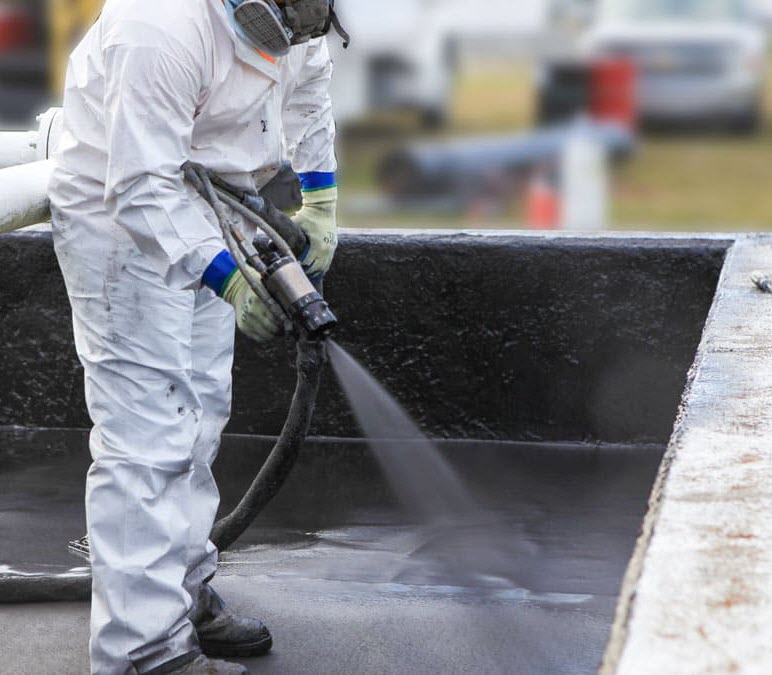
Paint won't last long on a trailer deck, a boat floor or a kennel that gets hosed out. That's where sprayed polyurea earns its keep. Tell us what you're coating and where, and we'll pass it to the nearest certified ArmorThane applicator.
Request a plywood coating quote
Enter your ZIP or postal code and a few details. We route the request to the nearest certified ArmorThane applicator; nothing is shared with anyone else.
Enter your ZIP or postal code and pick a project. We will fill in the request form below, so all you add is your contact details.
Pricing it first? See the polyurea cost guide or how polyurea coating near me requests work.
Exterior, Exposure 1 and marine plywood
Every APA-stamped panel carries a bond classification. It tells you whether the glue between the veneers is made for water over the long haul or only for some rain during construction. A coating can't save a panel that delaminates underneath it.
| Panel | What it's rated for | Veneers | Good for | Watch out for |
|---|---|---|---|---|
| Exterior | APA: “suitable for repeated wetting and redrying or long-term exposure to weather” | C grade or better in every ply | Trailer decks, boat floors, kennels, outdoor platforms | Soaks up water if left bare |
| Exposure 1 | APA: “suitable for uses not permanently exposed to the weather” | Can include D-grade veneers | Sheathing and subfloors rained on before the roof goes on | Permanent outdoor or wet service |
| Marine | A grade of Exterior plywood, not a coating | Stricter limits on core gaps and face patches | Boats, docks and long wet service | It isn't rot-proof; it still needs sealing on every side |
| Pressure-treated | Preservative against rot and insects | Depends on the panel it started as | Ground contact and damp locations | Often too wet to coat right away |
Exterior panels also pass tougher boil and vacuum-pressure bond tests than Exposure 1. Look for the word Exterior on the stamp; Exposure 1 panels are made to be covered soon, not to live outdoors.
Six ways to waterproof plywood, compared
The right sealer depends on how wet the plywood gets, how hard it's used and whether you want to see the wood.
| Method | Durability | Flexibility | Abrasion | Cost tier | DIY | Recoat |
|---|---|---|---|---|---|---|
| Exterior paint system | Moderate, if kept up | Good with acrylic | Low | $ | Easy | When it chalks or peels |
| Penetrating sealer | Low; no film | No film to crack | Low | $ | Easy | When water stops beading |
| Spar varnish | Moderate, with upkeep | Good | Low | $$ | Moderate | Often in full sun |
| Epoxy encapsulation | High under a UV topcoat | Low; rigid | Moderate | $$ | Moderate | Keep topcoat up |
| Fiberglass cloth + resin | High | Low; rigid | High | $$$ | Hard | Repair damage |
| Spray polyurea | High | High; elastomeric | High | $$$ | Pro only | Patch damage |
Exterior paint
Primer plus two topcoats sheds rain on walls, trim and covered platforms for the least money. It wears through fast under boots and cargo.
Penetrating sealer
Soaks in and slows absorption without changing the look. No film means no defense against standing water or wear.
Spar varnish
Flexes with the wood and shows off the grain, but full sun means regular sanding and fresh coats.
Epoxy encapsulation
Soaks into the surface and locks out moisture, which is why boat builders use it. Sunlight breaks it down, so it needs paint or varnish over it.
Fiberglass and resin
A hard, waterproof skin with real abrasion resistance. It's rigid, so it can crack where panels flex, and doing it well takes skill.
Spray polyurea
One seamless, flexible membrane at a thickness paint can't reach, back in service fast. It needs dry wood, sealed edges, primer per the data sheet and a trained applicator.
Roll-on liner kits are a thinner DIY cousin; see the roll-on bedliner guide. For plywood in the sun, read aromatic vs aliphatic polyurea.
How to waterproof plywood on all six sides
Most plywood failures start where nobody coated: an edge, the underside or a screw hole. Sealing all six sides is what makes any method work.
Buy the right panel
Exterior or marine for anything outdoors or wet. Check the stamp and skip panels with open edge voids.
Cut, drill and fit everything first
Every cut after sealing opens new end grain. Dry-fit, drill the holes, then pull the panels to coat.
Make sure the wood is dry
Rained-on or freshly treated wood needs time to dry. Check it with a moisture meter against the limit on the coating's data sheet.
Sand, fill and clean
Scuff the faces, ease sharp edges so the coating wraps them, fill edge voids and vacuum the dust.
Seal the edges first
Give edges and end grain extra coats, or thinned epoxy, until they stop soaking it up.
Coat both faces
Do the underside too. Even coating on both faces keeps the panel from cupping.
Bed the fasteners and finish
Set screws in sealant, seal holes drilled on site, and add non-skid texture to floors.
Find the best way to waterproof your plywood
Answer four questions. The chooser ranks the six methods for your job and lays out the steps.
Which plywood sealer fits your project?
Weighs exposure, wear, who does the work and the look you want, using the table above. A starting point, not a spec: the data sheet and your wood's condition decide.
How much polyurea does plywood take?
Polyurea is sprayed by the gallon, and the math is simple once you know the thickness. Use this to sanity-check a quote; your applicator's spec and the data sheet set the real thickness.
Polyurea material for a plywood surface
Gallons = area × mils ÷ 1,604 (one gallon of a 100%-solids coating covers 1,604 sq ft at 1 mil, in theory), then ÷ (1 − loss) for overspray and waste. Edge area = perimeter × panel thickness. Estimates only; primer and topcoat are extra.
How thick is enough depends on the use; see the polyurea thickness guide. Soft, non-slip systems such as SureGrip suit floors that animals and people stand on.
When to call a polyurea applicator
Paint and sealer are fine weekend jobs. Call an applicator when the plywood takes real abuse or stays wet, or when you're tired of repainting the same floor.
A good applicator checks the wood's moisture, replaces soft panels instead of coating over them, seals the edges, primes per the data sheet and checks film thickness as they go. On floors, ask how they'll add grip.
Trailer floors and walls
Cargo, utility and livestock trailer decks take scraping, standing water and road spray. Trailer coatings
Boat decks and jon boats
A seamless, textured liner over sealed plywood keeps water out of the core. Boat deck coating · Jon boat floors
Pontoon floors
Replace soft decking, then coat it instead of laying carpet that holds water. Pontoon boat flooring
Dog kennels
Urine and daily hose-downs ruin bare and painted plywood fast. Dog kennel flooring
Decks and balconies
Plywood under a walking surface needs a membrane, not just paint. Deck waterproofing · Wood deck coatings
The same liners protect truck beds (see the truck bed liner guide). For docks and hulls, see marine coatings.
Keeping sealed plywood sealed
Every finish wears. Catch it while the wood is still sound and you're touching up a coating, not replacing a floor. Look it over each season and after hard use.
| Finish | Warning signs | What to do |
|---|---|---|
| Paint | Chalking, cracks, peeling, bare edges | Scrape, spot-prime and repaint |
| Penetrating sealer | Water stops beading; wood grays | Clean, let dry, reapply |
| Spar varnish | Dull, cracked film or gray wood | Sand and recoat; strip if the wood is graying |
| Epoxy | Worn topcoat, chalky epoxy | Sand and re-topcoat quickly |
| Fiberglass | Cracks, white patches, hollow-sounding spots | Grind out, dry, re-glass and topcoat |
| Polyurea | Cuts, gouges or a lifted edge | Clean, scuff and patch per the data sheet |
Stop repainting the same floor. Line it once.
Tell us what you're coating and where. We'll route the request to the nearest certified ArmorThane applicator, who will check the wood and quote a polyurea system for it.
Contractors: become an ArmorThane applicator
Waterproof plywood questions
Is there such a thing as waterproof plywood?
Not on its own. Exterior and marine plywood use glue that survives repeated wetting, but the veneers still absorb water and can rot. Plywood becomes waterproof when it is sealed on all six sides with a coating suited to its use.
What is the best way to waterproof plywood?
It depends on the job. Paint or a penetrating sealer works for light, covered use; epoxy under a UV topcoat or fiberglass suits boats. For floors that see boots, animals, cargo or hosing, spray polyurea over dry, sealed plywood lasts longest. Either way, seal the edges first and coat all six sides.
Is marine plywood waterproof?
No. Marine plywood is a grade of Exterior plywood with fewer voids in the core, so it is more consistent and less likely to trap water. It is not treated or sealed, so it still needs a coating on every face and edge.
What is the difference between Exterior and Exposure 1 plywood?
APA describes Exterior plywood as suitable for repeated wetting and redrying or long-term exposure to weather, with C grade or better veneers in every ply. Exposure 1 is for uses not permanently exposed to the weather and can include D grade veneers. For anything that will stay outdoors or get wet, use Exterior.
Do I need to seal all sides of plywood?
Yes. Edges soak up water fastest because they expose end grain, and an uncoated underside lets moisture in and can make the panel cup. Seal the edges first, then both faces, and seal every screw hole and cut.
Can you put polyurea on plywood?
Yes. Spray polyurea is widely used on plywood trailer floors, boat decks, kennels and work boxes. The wood must be dry and sound, the edges sealed and the surface primed per the data sheet, and a trained applicator sprays it with plural-component equipment.
Sources
- Wiss, Janney, Elstner Associates, Exterior or Exposure 1 Plywood? (quoting APA – The Engineered Wood Association). wje.com (PDF)
Seal it once, and get back to work.
Certified ArmorThane applicators spray seamless polyurea over prepared plywood on trailers, boats, kennels and decks. Tell us where your project is.
Start your coatings business with ArmorThane.
Tell us what you want to spray and where you are. An ArmorThane specialist will walk you through the equipment, chemicals, training and startup cost for the work you want to do.
- Equipment package matched to your applications
- Hands-on training and applicator certification
- Technical support once you are spraying