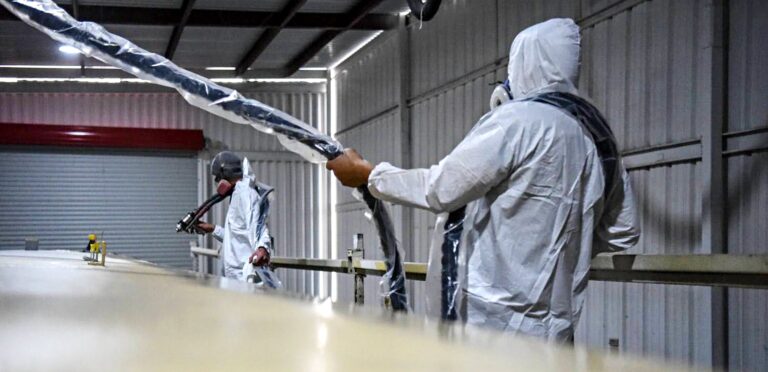

Roof Coating Sprayer Guide: Airless vs Plural
Which sprayer fits acrylic, silicone, polyurethane, polyurea and spray foam roofing, how to size the pump, tips and hose, and when a plural-component rig pays for itself.
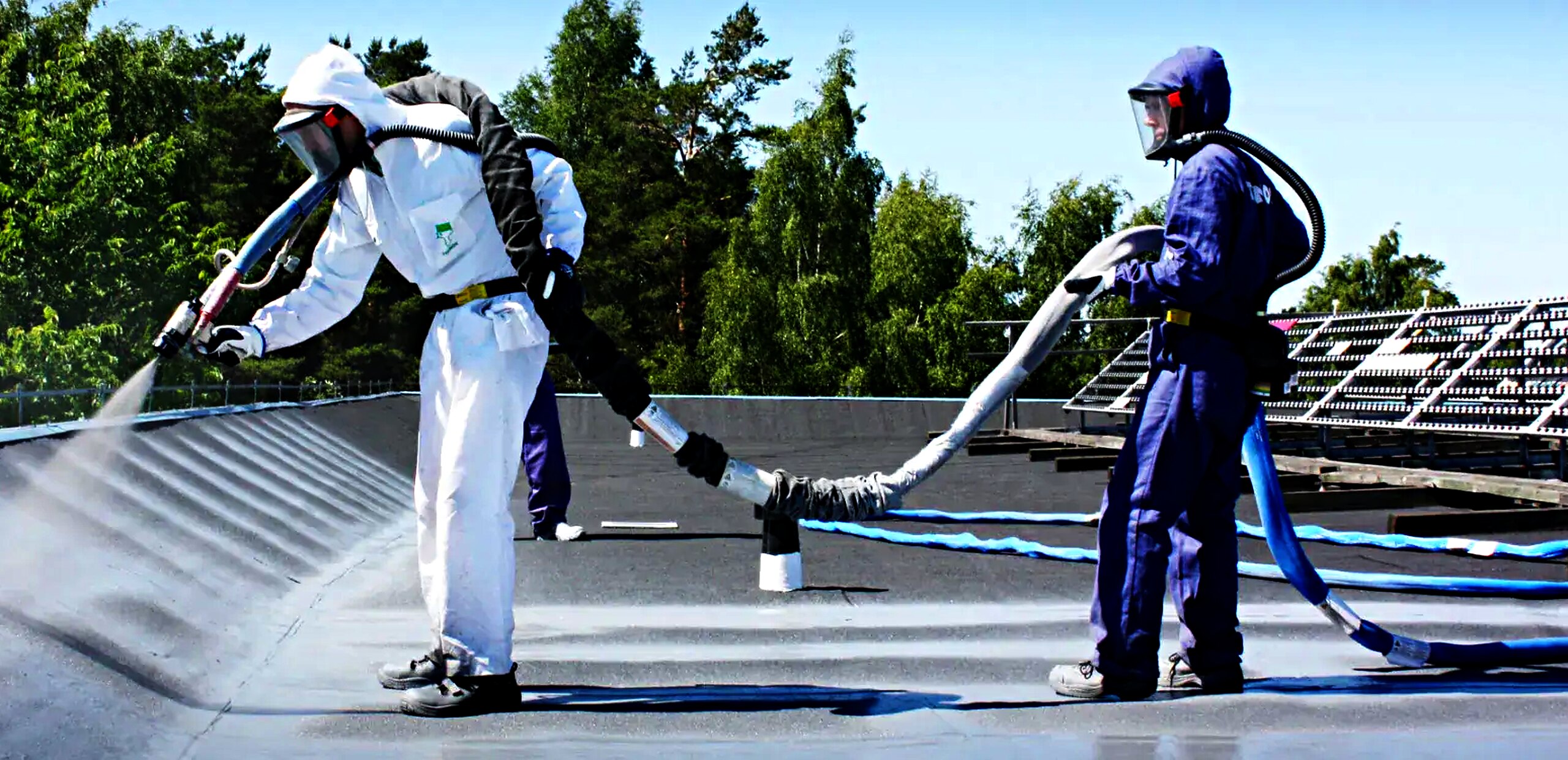
Start a roof coating business
Spray roofs for a living.
ArmorThane sets you up to do this work, and you own the business. We make the chemistry, build the rigs, train you hands-on and answer the phone when a job gets difficult. You pay no franchise fee and no royalties. It has been that way since 1989.
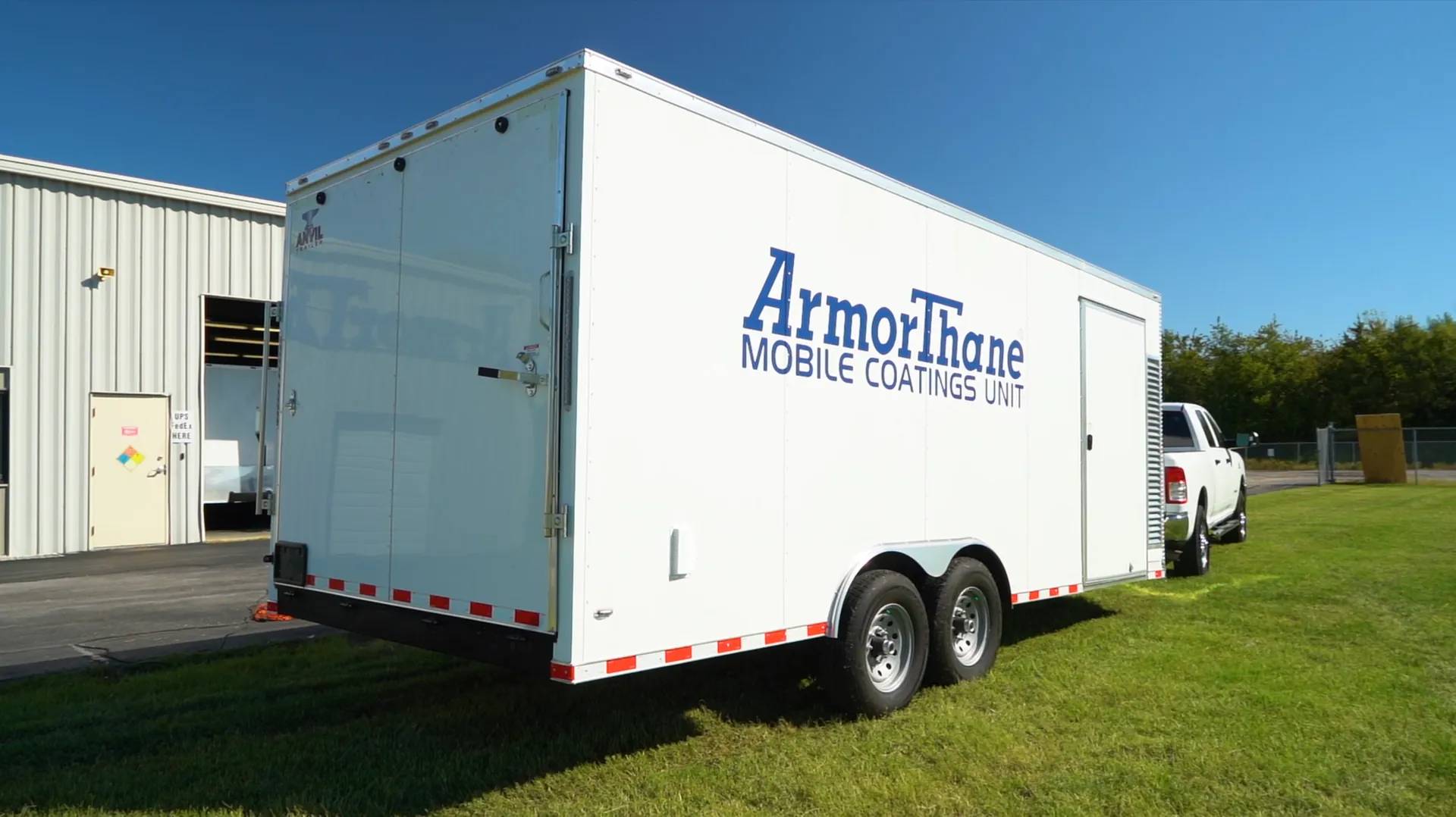
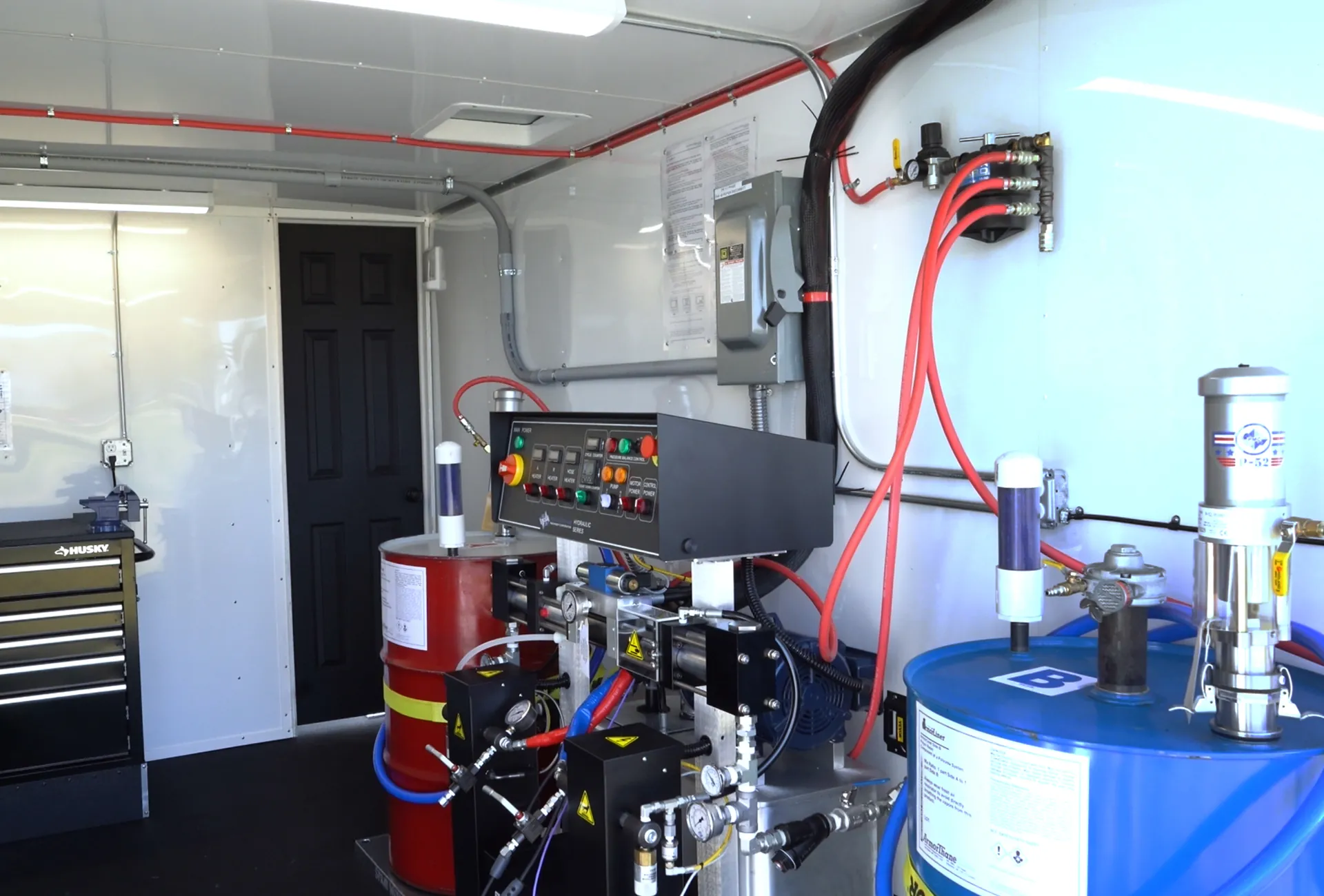
- $0
- franchise fees or royalties
- 35+
- years in business
- 50+
- countries with applicators
- 24/7
- technical support
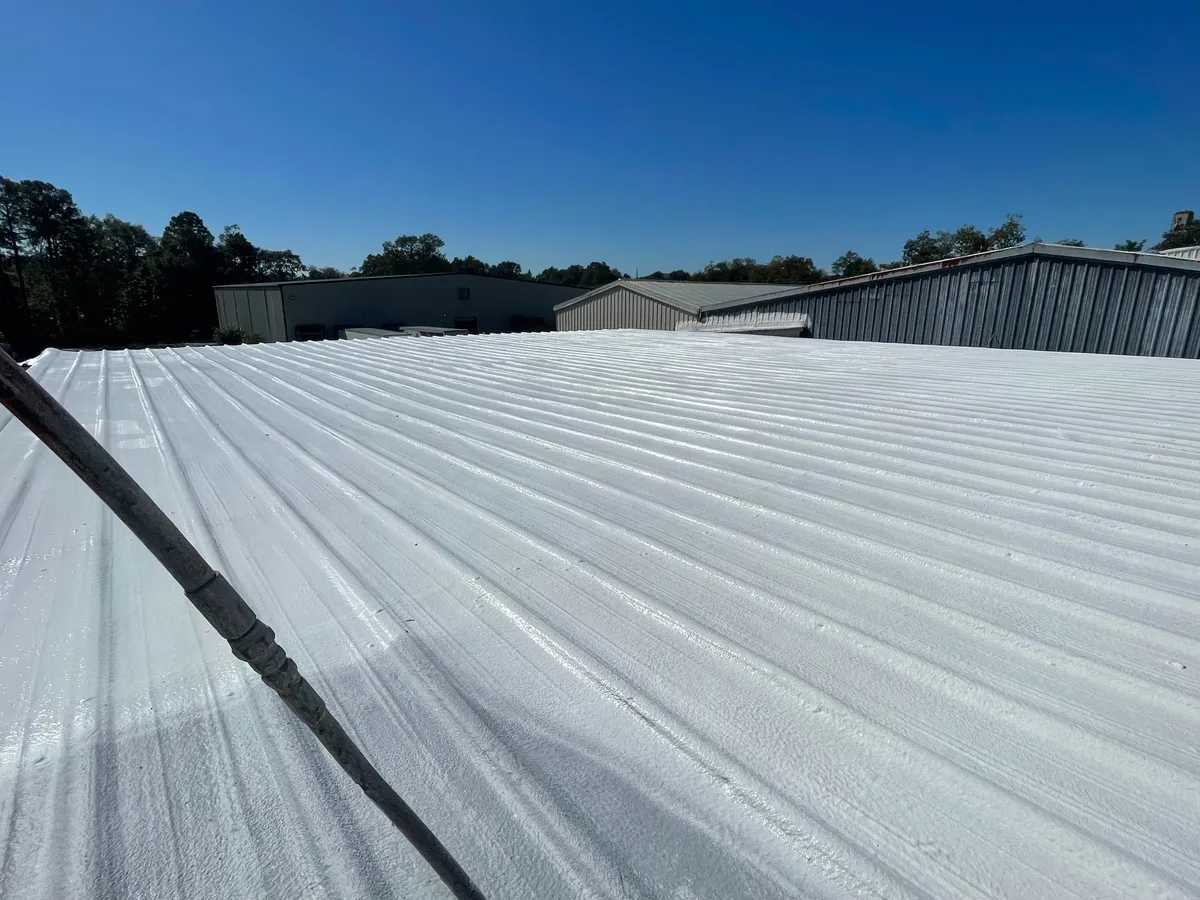
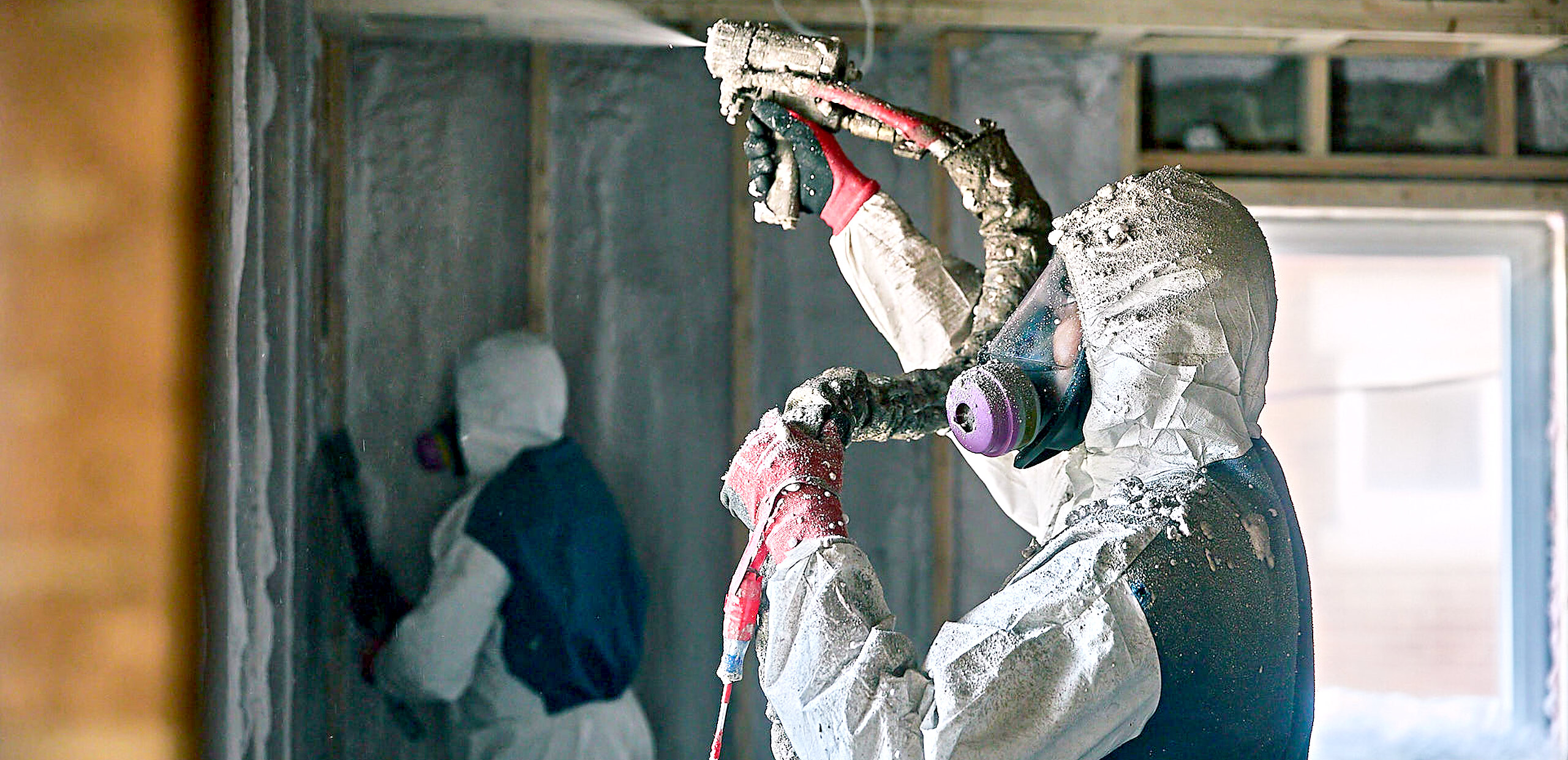
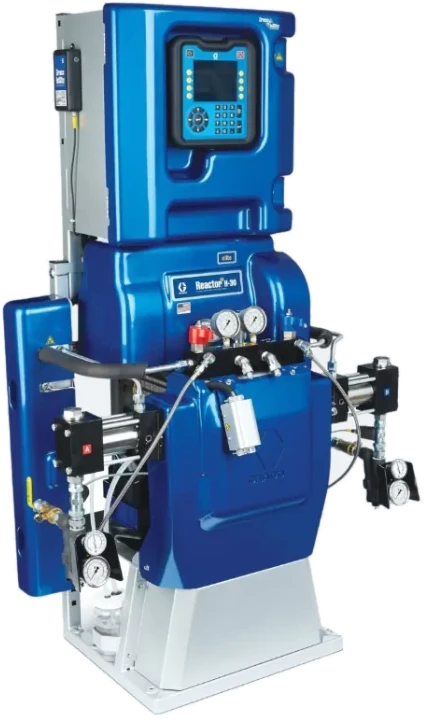
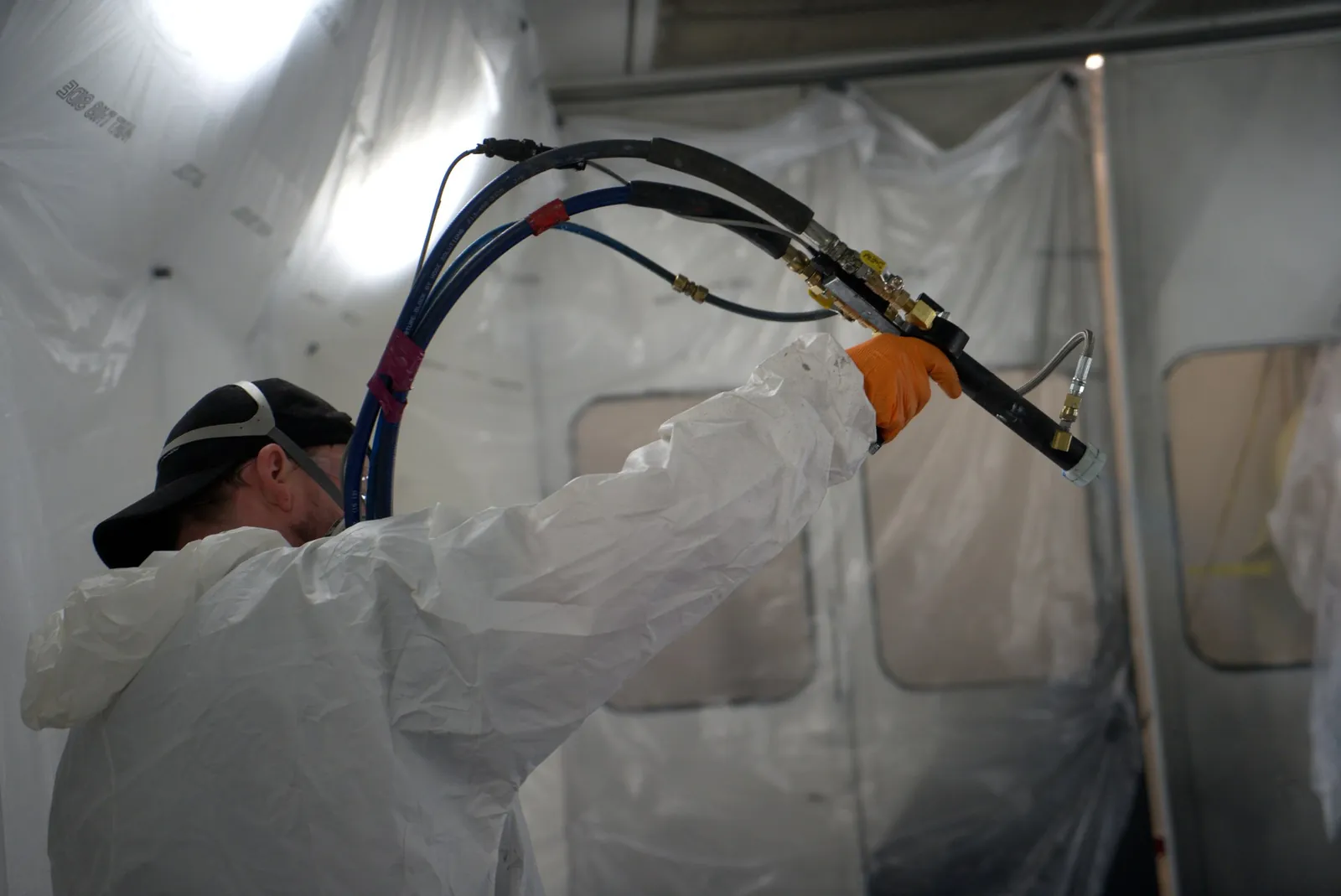
The sprayer decides how many squares a crew can coat in a day and how even the film is. Thick roof coatings are hard on equipment: silicone and high-solids acrylic need a big airless pump, large hose and the right tip, while polyurea and spray foam roofing need a heated plural-component rig. ArmorThane builds plural-component equipment and spray rigs, and this guide explains which sprayer fits which roof coating.
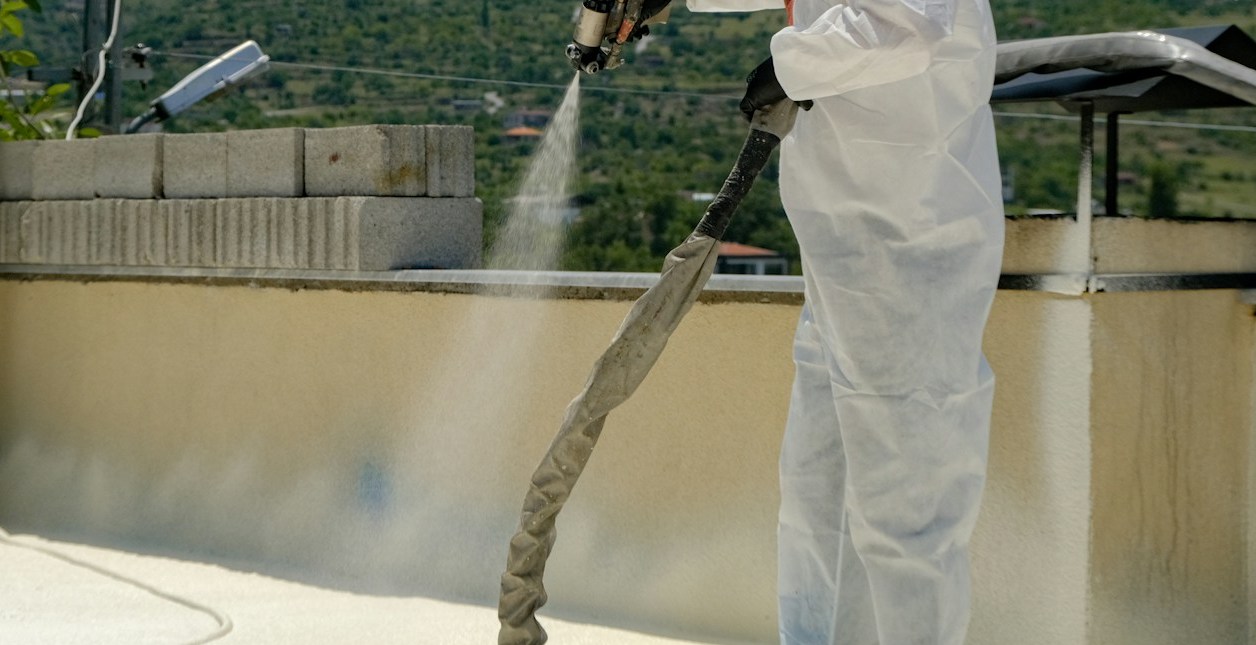
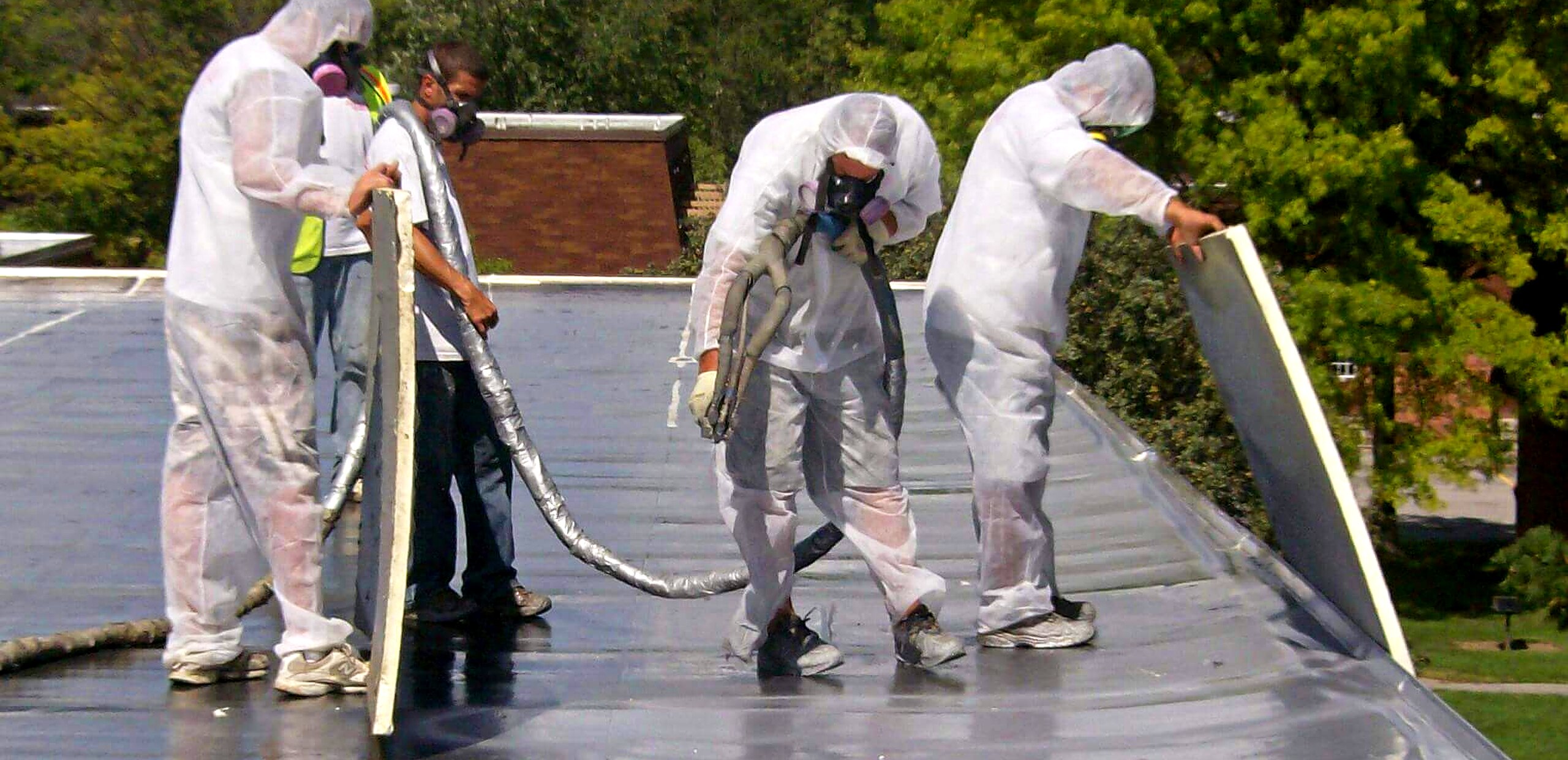
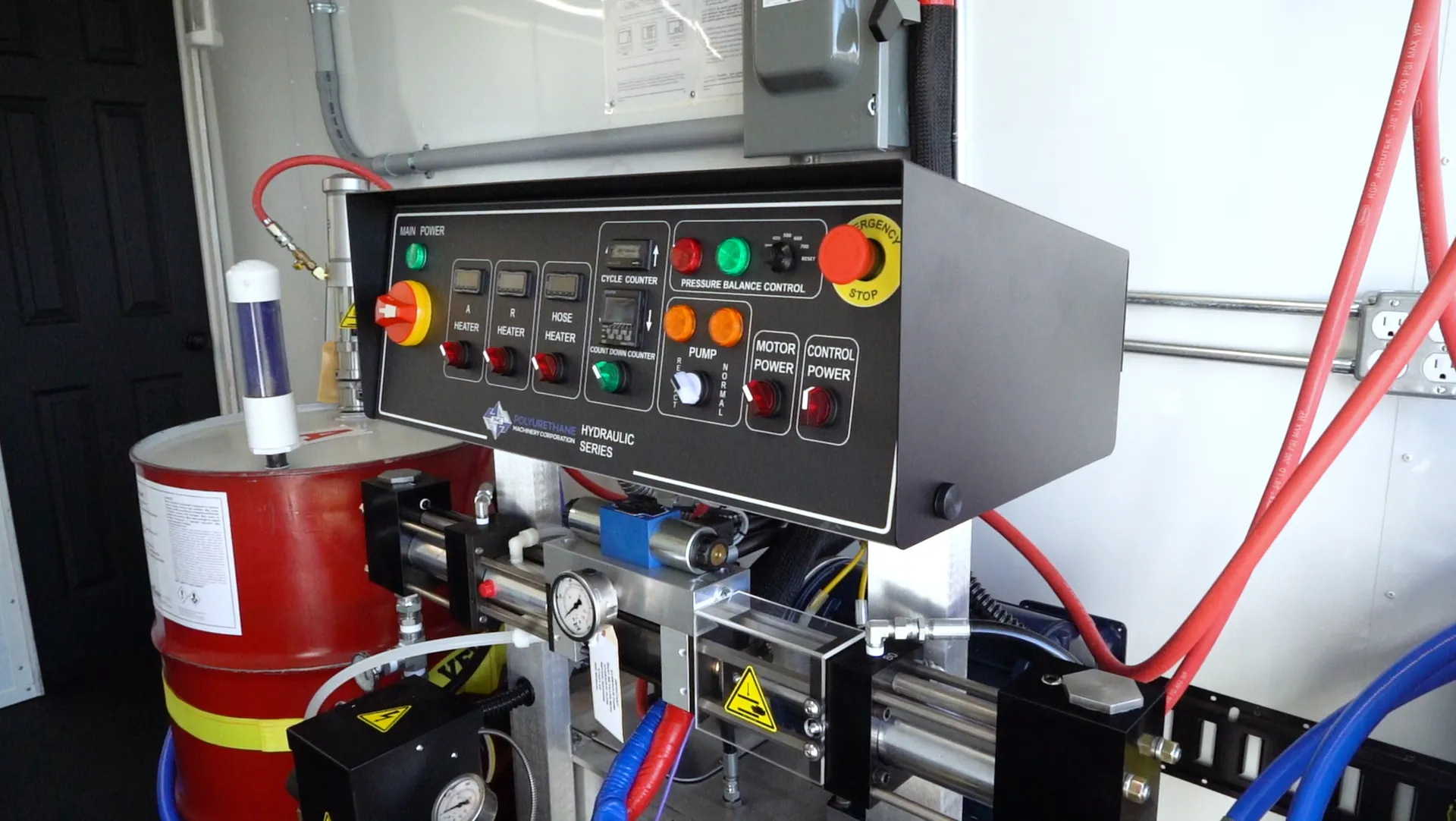
Single-component roof coatings such as acrylic, silicone and many one-part urethanes are sprayed with a heavy-duty airless sprayer sized for thick, high-solids material, usually with a large-diameter hose, a reversible tip in the size range the coating maker lists and the filters removed when the guide calls for it. Two-component systems such as spray polyurea and spray polyurethane foam roofing need a heated plural-component proportioner, heated hose and impingement gun. Choose the sprayer from the coating data sheet, roof size and daily production you need.
Match the sprayer to the coating
| Roof coating | Sprayer type | Notes |
|---|---|---|
| Acrylic | Airless, heavy-duty | Water-based; keep hoses clean of solvent residue |
| Silicone | Airless, high-output | Thick and moisture-curing; many guides call for large hose and no filters; never use hoses that held water-based products |
| One-part urethane | Airless | Moisture-curing; keep material sealed |
| Spray polyurea | Plural-component, heated | Fixed ratio, high pressure and heat; impingement gun |
| SPF roofing foam | Plural-component, heated | Proportioner, heated hose and foam gun, then an elastomeric topcoat |
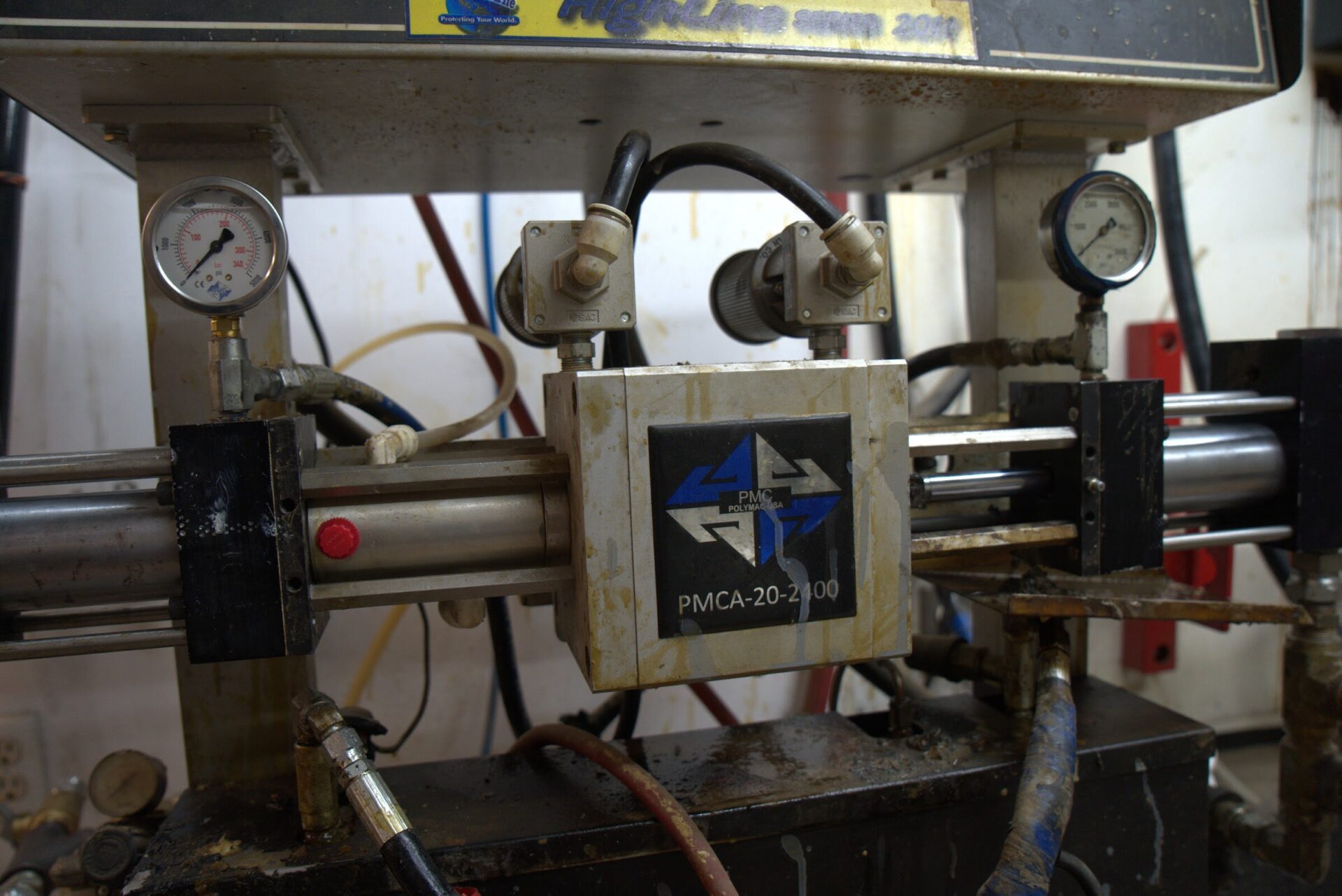
Setting up an airless roof sprayer
Pump output
Thick coatings need a pump rated well above the flow you will use. Undersized pumps pulse and leave thin spots.
Hose
Larger diameter hose keeps pressure up on long runs to the roof.
Tips
Use the reversible tip sizes the coating guide lists, and replace worn tips.
Filters and screens
Many high-solids guides call for removing filters; check yours.
Gas or electric
Gas units are common on roofs without convenient power.
Wet film checks
Check wet mils as you go to hit the specified dry thickness.
Whichever roof coating sprayer you choose, the equipment only performs as well as its maintenance. Flush lines and guns at the end of every day, keep spare tips and filters on the truck, and check pressures against the coating manufacturer's data sheet before each job. Crews that track coverage per drum also catch thin spots before the inspector does. For the coatings themselves, compare silicone roof coating, acrylic roof coating and polyurea roof coating, and use our roof coating coverage calculator to estimate material before you quote. Isocyanate-based products sprayed through plural rigs also call for the respiratory protection described in OSHA guidance on isocyanates.
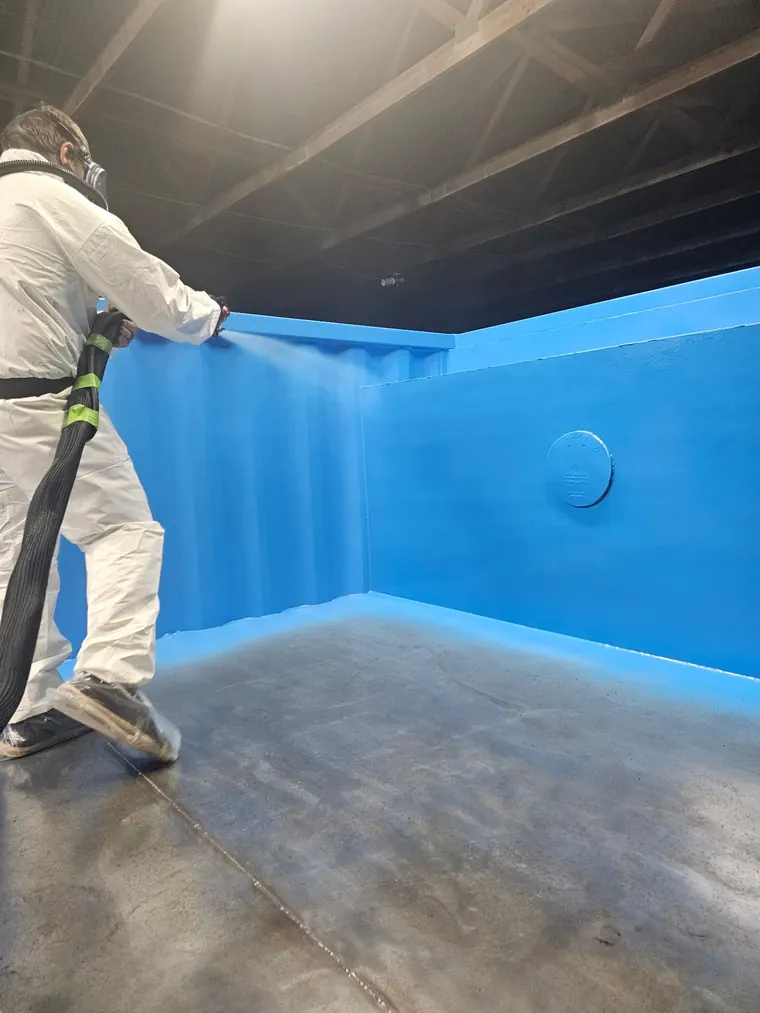
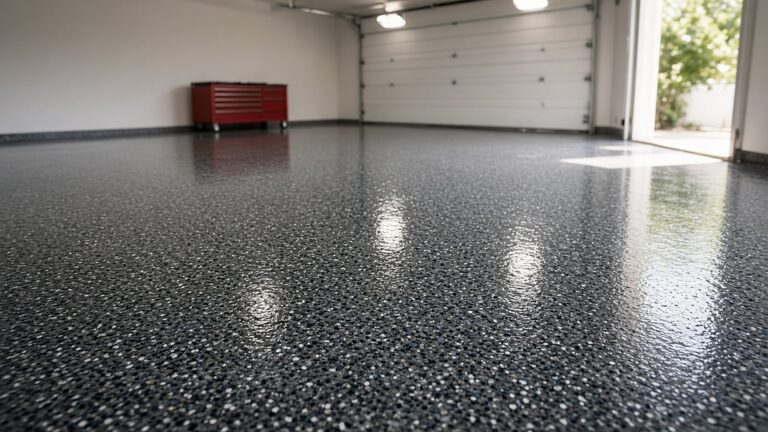
Think about the work you want to win, not just the next job. An airless sprayer is a low-cost way to start with acrylic and silicone restoration work. A plural-component rig costs more but opens the door to polyurea and spray foam, which pay better on commercial roofs and carry over to bedliners, tank linings and flooring. Many contractors start with one and add the other as the business grows, and the training they get on the first machine makes the second one easier to learn.
When a plural rig pays for itself
Polyurea and spray foam roofing are sprayed with a heated proportioner that meters both components, heats them and pumps them through heated hose to an impingement gun. A rig costs more than an airless sprayer, but it opens up work an airless crew cannot do: seamless polyurea roof membranes that cure in seconds, spray foam roofs that add insulation and slope, and the topcoats that protect them.
Polyurea roofs
Thick, seamless membranes for metal, concrete and foam roofs. See polyurea roof coating.
Roof spraying technique
Prep the roof
Clean, repair seams and wet areas, and prime as specified. See surface preparation.
Detail first
Brush or spray seams, flashings, drains and penetrations before the field.
Spray in passes
Overlap each pass by about half and cross-hatch for even thickness.
Watch the wind
Overspray travels. Use screens and stop spraying in high wind.
Check thickness
Measure wet film as you go and verify dry film after cure.
Spray more squares every day.
ArmorThane builds plural-component equipment and spray rigs for polyurea and foam roofing, and trains crews to run them.
Contractors: become an ArmorThane applicator
Roof coating sprayer questions
What sprayer do I need for silicone roof coating?
A heavy-duty, high-output airless sprayer with large hose and the tip sizes in the coating spray guide. Many silicone guides say to remove filters and use hoses that have not held water-based products.
Can I spray roof coating with a paint sprayer?
Small homeowner paint sprayers usually cannot move thick roof coatings well. Use a pump rated for high-solids coatings.
What equipment sprays polyurea roof coating?
A heated plural-component proportioner with heated hose and an impingement-mix spray gun.
What tip size for roof coating?
Use the range listed in the coating spray guide. Thick coatings typically use larger reversible tips than paint.
Is spraying faster than rolling roof coating?
Yes, on most roofs spraying covers far more area per day and gives a more even film, especially on textured surfaces.
Sources
- Progressive Materials, silicone coatings spray equipment guide. pmsilicone.com/wp-content/uploads/2014/02/Silicone-Spray-Equipment-Guide.pdf
- Spray Polyurethane Foam Alliance, roofing resources. sprayfoam.org
- ArmorThane roof coating guide. armorthane.com/knowledge-center/roof-coating-guide

Start your coatings business with ArmorThane.
Tell us what you want to spray and where you are. An ArmorThane specialist will walk you through the equipment, chemicals, training and startup cost for the work you want to do.
- Equipment package matched to your applications
- Hands-on training and applicator certification
- Technical support once you are spraying
More to read on spray equipment
Short reads from ArmorThane on Issuu. Tap one to open it right here.
 Quick readEverything You Need to Start Spraying with ArmorThane
- Quick readArmorThane Mobile Coating Units
- Quick readDoesn’t Destroy Equipment Slowly – How Salt Corrosion Kills Plows, Spreaders, and Dump Bodies Fast
- Quick readLaunch Your Bedliner Business Title: Launch Your Bedliner Business – Professional Spray Equipment Un