




Skip to content
Manure Pit Coating

Manure Pit Coating for Concrete Storage

How manure gases, acids and abrasion break down concrete pits, storage tanks and alleys, which coatings and repairs help, and the safety rules that come before any work in a pit.
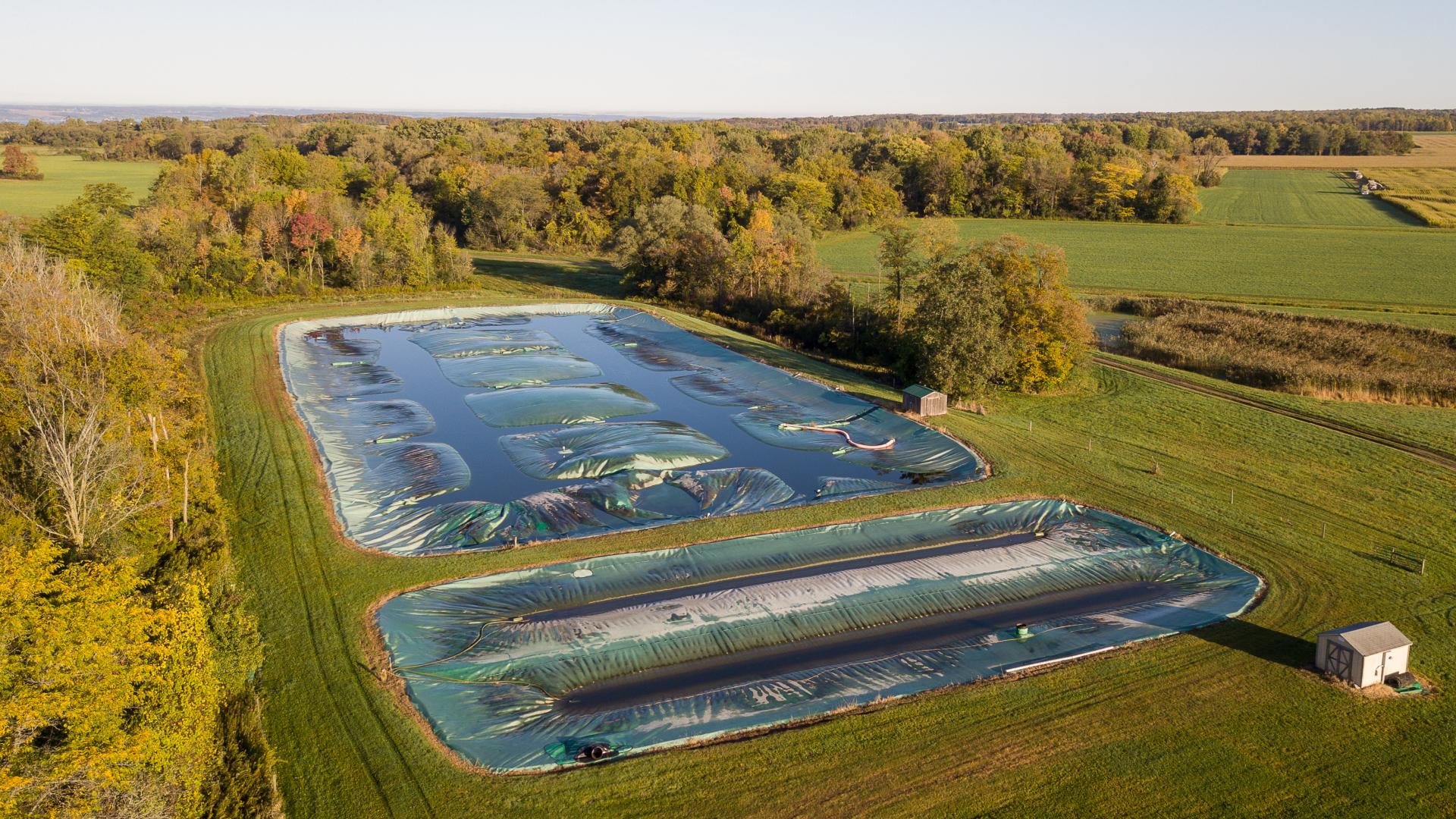
Aerial view of a lined manure lagoon on a farm

Start an agricultural coating business

Coat farms and ranches for a living.

ArmorThane sets you up to do this work, and you own the business. We make the chemistry, build the rigs, train you hands-on and answer the phone when a job gets difficult. You pay no franchise fee and no royalties. It has been that way since 1989.
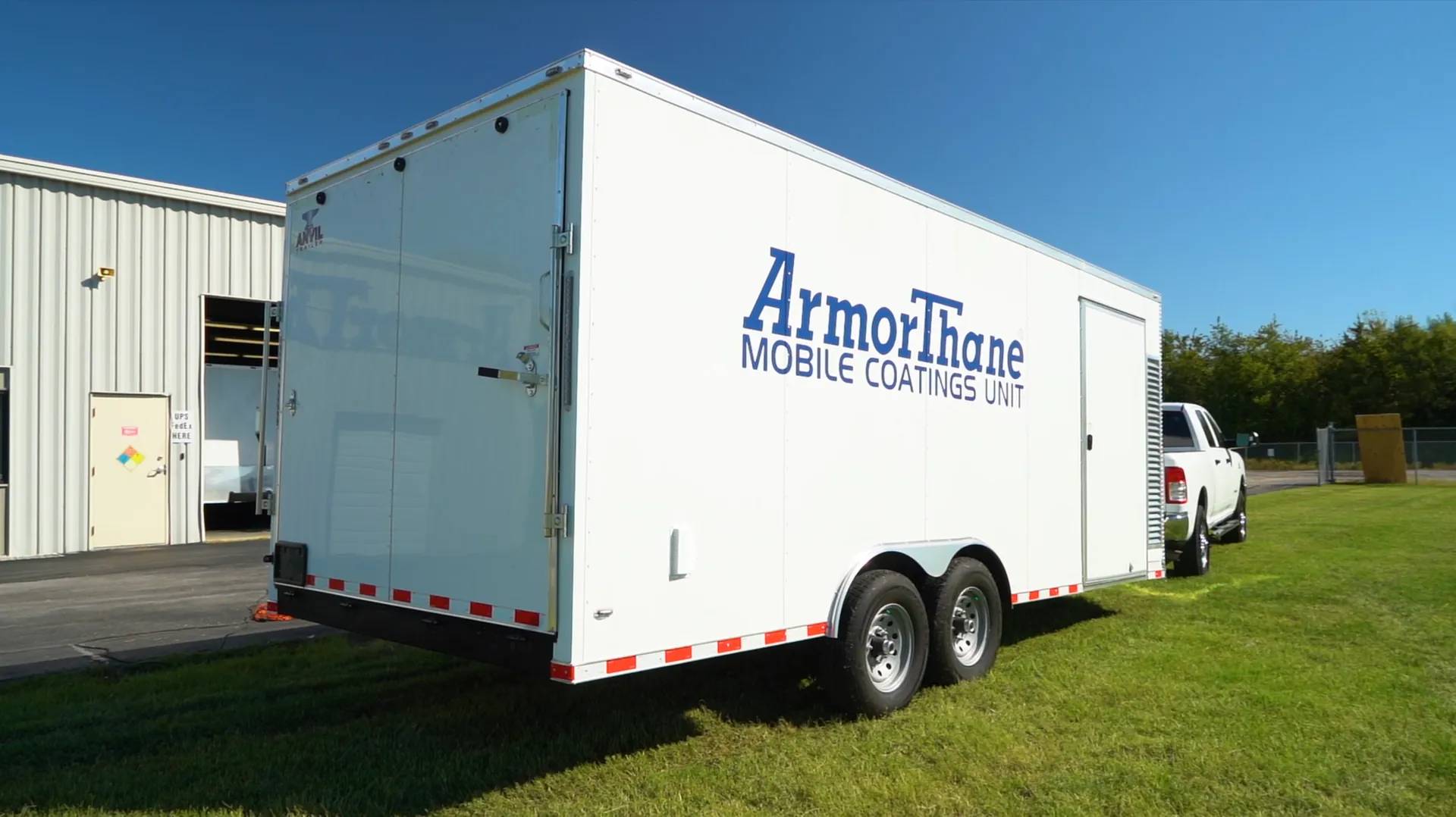
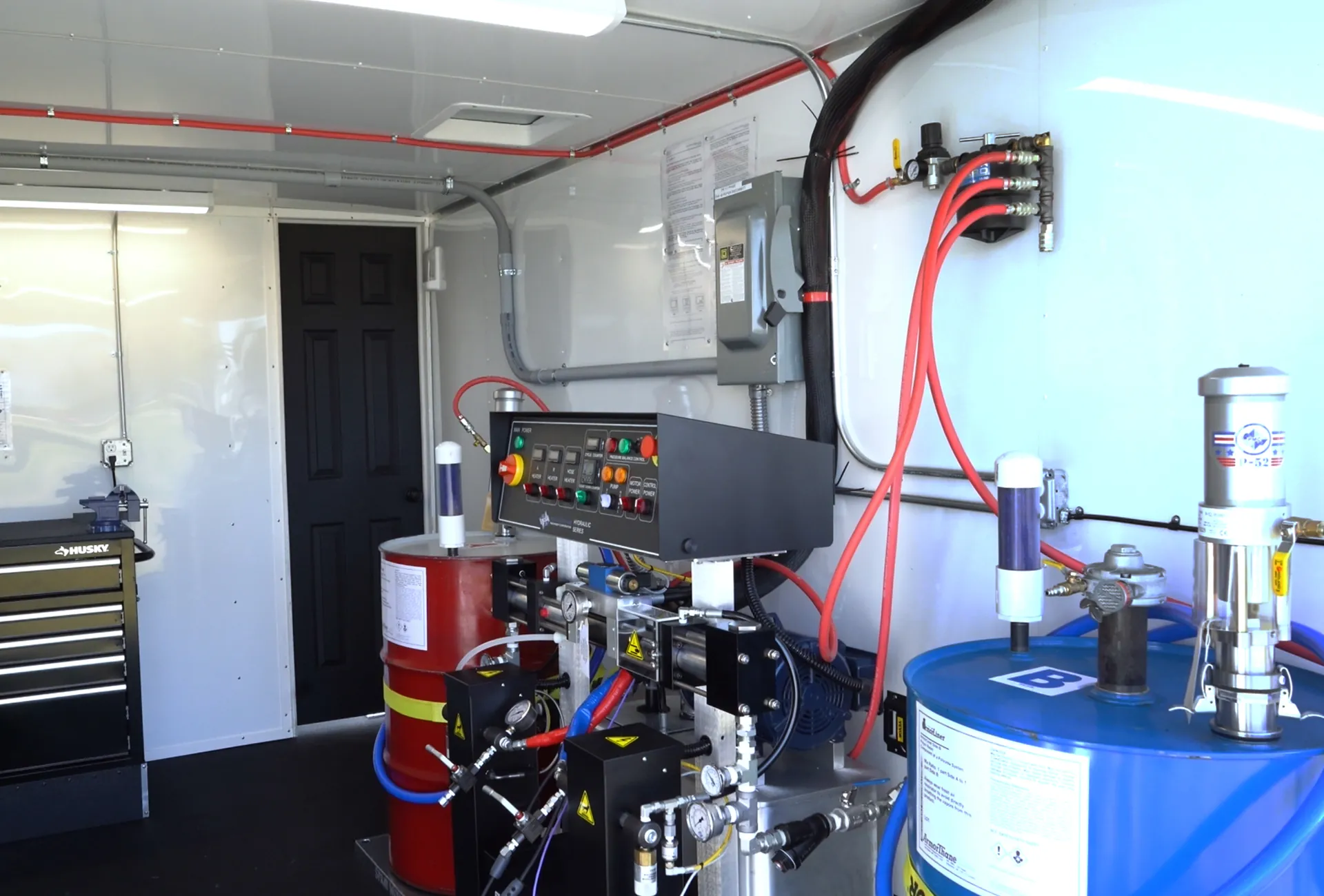
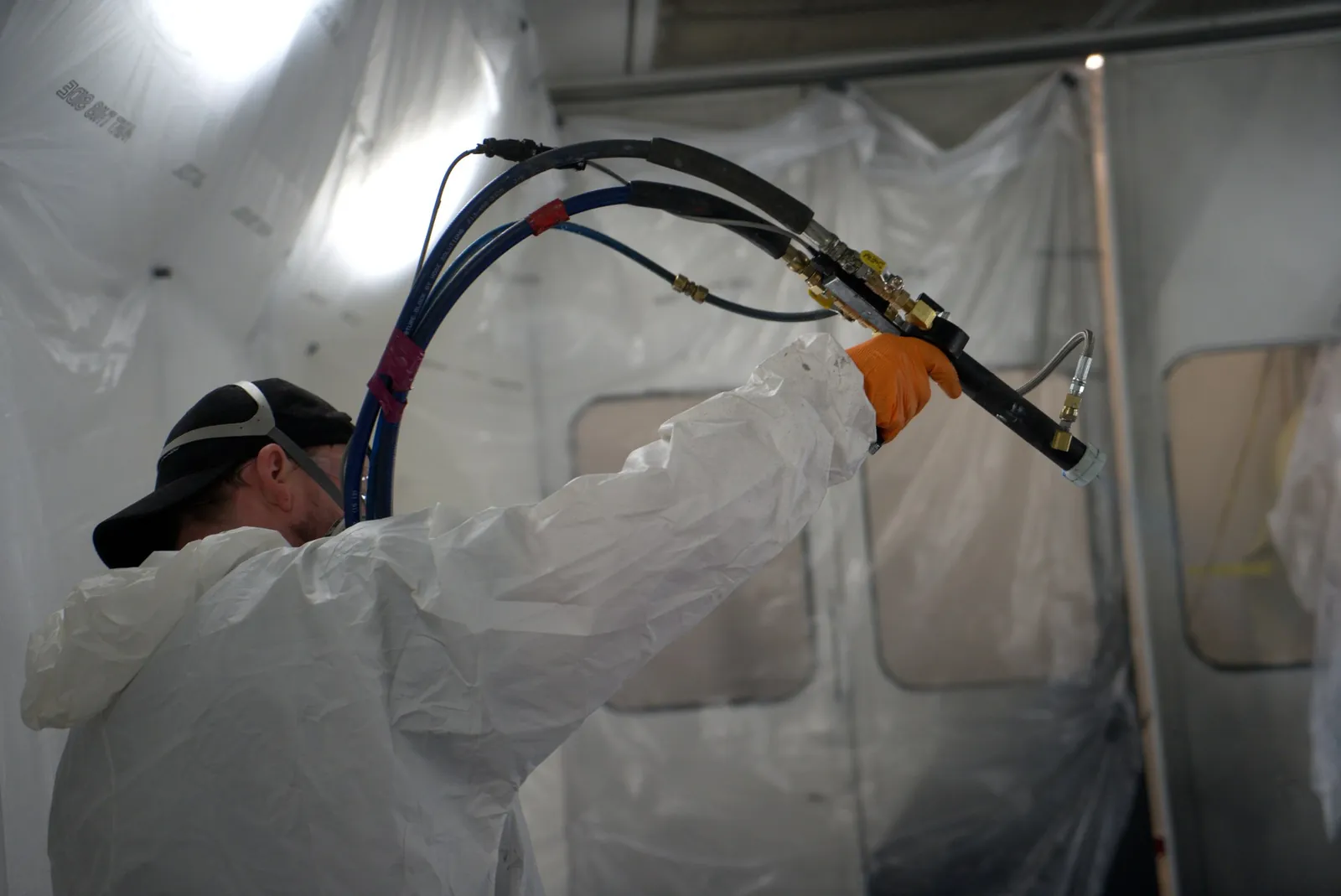
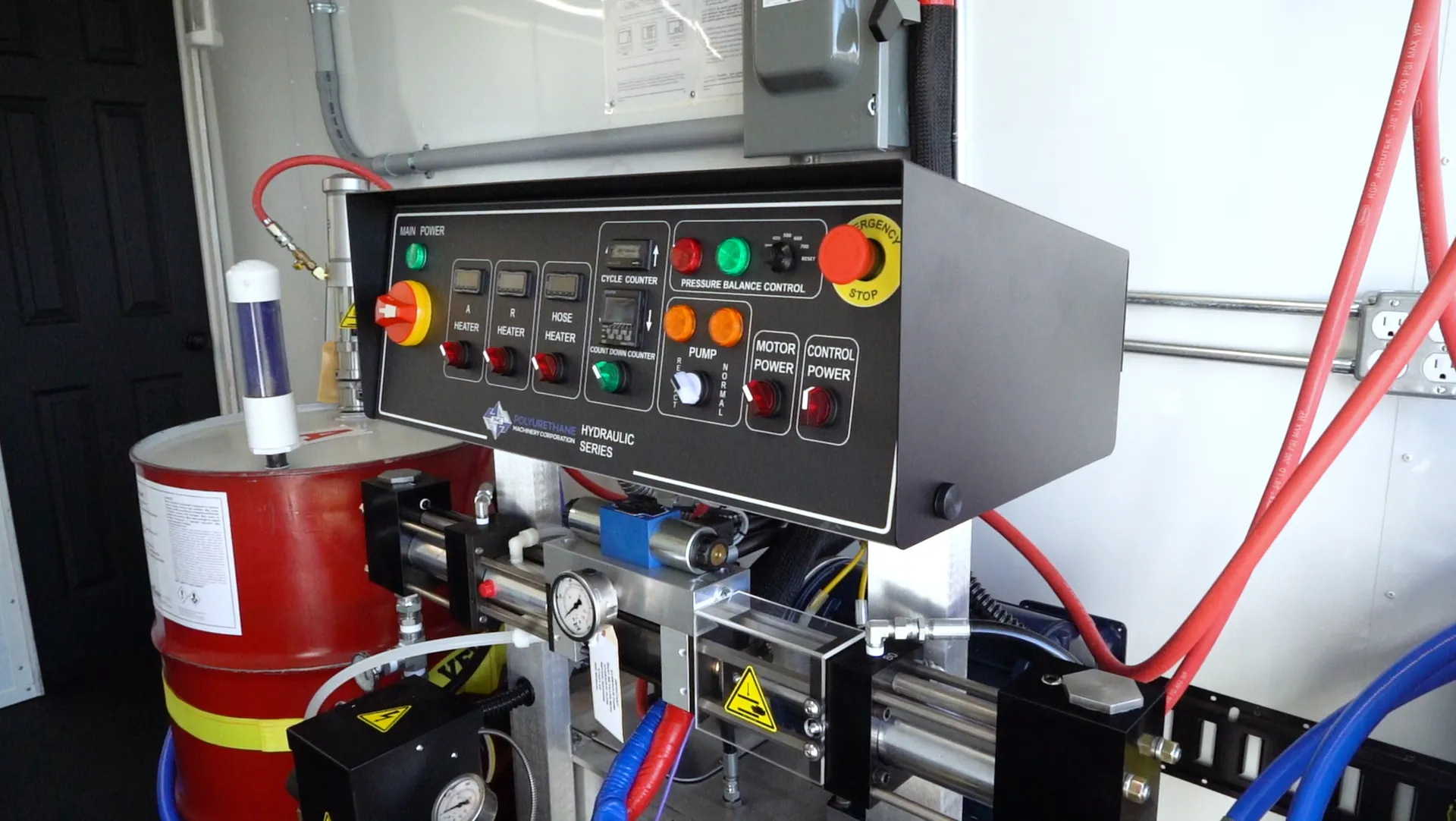
ArmorThane Mobile Coatings Unit trailer hitched to a pickup outside the plant Proportioner, A and B material drums and transfer pumps inside the spray rig Applicator in a protective suit holding a plural-component spray gun in a spray booth Proportioner control panel with heater, pressure balance and cycle counter controls

What comes with itProportioners, guns and complete spray rigs. We build them.

$0
franchise fees or royalties
35+
years in business
50+
countries with applicators
24/7
technical support
H2S
Hydrogen sulfide can kill in seconds at high levels
Ag safety extension
313
NRCS standard for waste storage facilities
USDA NRCS
Acid
Biogenic acids attack concrete above the liquid
Industry practice
Empty
Pit must be emptied, vented and dry to coat
Industry practice

Concrete manure pits and storage structures are built to last decades, but manure is hard on concrete. Gases released from stored manure form acids on exposed surfaces, scraping and agitation wear the floor and walls, and cracks let nutrients leak into soil and groundwater. A properly applied protective coating can slow that damage. This guide explains what attacks pit concrete, what repair and coating options exist, and the safety rules that come first.

Quick answer

A manure pit coating is a protective lining, often spray polyurea or an epoxy or polyurea hybrid system, applied to cleaned and repaired concrete in pits, storage tanks, alleys and gutters to resist gas-driven acid attack, abrasion and leaks. It only works on a pit that has been emptied, ventilated, cleaned and dried, with cracks and deteriorated concrete repaired first. Pit structures should be designed and maintained to the applicable standard, such as NRCS Practice Standard 313. Never enter a manure pit without a confined space plan.

Read this first

Manure pit safety

Manure gas killsHydrogen sulfide, methane, ammonia and carbon dioxide build up in manure storage, especially during agitation and pumping. Hydrogen sulfide can deaden your sense of smell at high levels, so you cannot rely on odor. Every year people die entering pits, often trying to rescue someone else.
  • Avoid entry whenever the work can be done from outside.
  • Empty, ventilate and test the air continuously with a calibrated gas monitor.
  • Use a confined space entry plan with a trained attendant, harness and retrieval system.
  • Never enter to rescue without supplied air and a rescue plan; call for help.
  • Keep people and animals away during agitation and pumping.
Why it fails

What attacks pit concrete

Acid

Gas-driven acid attack

Gases condense on walls and ceilings above the liquid and form acids that soften the cement paste.

Wear

Abrasion

Scrapers, sand bedding and agitation wear floors and walls.

Cracks

Cracking

Shrinkage, settlement and freeze-thaw open cracks that leak.

Steel

Rebar corrosion

Once acids and chlorides reach the rebar, it rusts and spalls the concrete.

Leaks

Seepage

Leaks can carry nutrients into soil and groundwater.

Slats

Slatted floors

Slats and supports over pits take gas attack from below.

Compare

Repair and coating options

OptionWhat it doesWatch-outs
Concrete repair mortarRebuilds lost and spalled concreteNeeds sound, clean substrate; cure before coating
Crack injectionSeals and bonds cracksMoving cracks need flexible materials
Epoxy coatingBarrier against acids and liquidsRigid; cracks with the concrete
Spray polyureaThick, seamless, flexible, crack bridging; fast cureNeeds dry, prepared concrete and a suitable primer
Polyurea hybridLower cost membraneCheck chemical and abrasion data
Typical comparison. Design and repairs should follow an engineer and the applicable standard.
Structural firstCoatings do not fix structural problems. Have an engineer look at heavily cracked, bowed or exposed-rebar walls before coating.
Do it right

The pit coating process

  1. Plan around the barn

    Schedule when the pit can be emptied and stay empty through cure.

  2. Empty, vent and test

    Remove manure, ventilate and monitor gas before and during work.

  3. Clean

    Pressure wash and remove all residue and loose concrete.

  4. Repair

    Patch spalls, treat exposed rebar and seal cracks.

  5. Dry and prime

    Let the concrete dry to the primer limits, then prime.

  6. Spray and inspect

    Spray to the specified thickness and check for pinholes before refilling.

Where it fits

Where farms use it

Pits

Under-barn pits

Walls and ceilings above the liquid line take the worst gas attack.

Livestock operations that store manure are often working within conservation standards such as the USDA NRCS waste storage facility practice standard, which covers how storage structures are designed and maintained. A coating does not replace good design, but it does extend the life of a sound concrete pit by keeping acids and moisture out of the concrete. For related farm work, see silo waterproofing and our anaerobic digester case study.

Storage

Concrete storage tanks

Above-ground and below-ground tanks and reception pits.

Alleys

Alleys and gutters

Scraped surfaces where abrasion and manure combine. See barn floor coating.

Stalls

Stalls and pens

Cleanable, slip resistant floors. See horse stall flooring.

See our agricultural coatings and wastewater coatings guides for related systems.

Agricultural coatings

Protect the pit and the barn.

A certified ArmorThane applicator can assess your pit or storage structure and quote repair and coating with the safety plan spelled out.

Contractors: become an ArmorThane applicator

FAQ

Manure pit coating questions

Can you coat a manure pit?

Yes, once the pit is emptied, ventilated, cleaned, repaired and dry. Coatings such as spray polyurea help resist acid attack, abrasion and leaks.

Why does concrete deteriorate in manure pits?

Gases from stored manure form acids on concrete above the liquid, and scraping and agitation add abrasion. Cracks then let acids reach the rebar.

Is polyurea good for manure pits?

Polyurea is seamless, flexible and cures in seconds, which suits pits with limited downtime. Check the product data for the exposure and use the specified primer.

Is it safe to go into a manure pit?

Only with a confined space entry plan, continuous gas monitoring, ventilation, a trained attendant and rescue equipment. Avoid entry whenever possible.

What standard covers manure storage?

In the U.S., NRCS Conservation Practice Standard 313 covers waste storage facilities; state and local rules may also apply.

AT
Written by the ArmorThane technical team. We have manufactured polyurea, polyurethane and polyaspartic coatings, spray foam and plural-component spray equipment in Springfield, Missouri since 1989. Pit design and repairs should follow an engineer and applicable standards; always follow confined space rules and the product data sheet.

Sources

  1. USDA NRCS, Conservation Practice Standard 313, Waste Storage Facility. nrcs.usda.gov/resources/guides-and-instructions/waste-storage-facility-no-313-conservation-practice-standard
  2. Extension, confined spaces and the hazards of manure gases. ag-safety.extension.org/confined-spaces-hazards-of-manure-gases
  3. OSHA, hydrogen sulfide hazards. osha.gov/hydrogen-sulfide

Concrete that outlasts the barn.

Farms get a certified ArmorThane applicator and a clear quote. Contractors can add agricultural coatings with our equipment and training, with no franchise fee and no royalties.

United States 417-831-5090 · Canada 780-444-6200
Become an applicator

Start your coatings business with ArmorThane.

Tell us what you want to spray and where you are. An ArmorThane specialist will walk you through the equipment, chemicals, training and startup cost for the work you want to do.

  • Equipment package matched to your applications
  • Hands-on training and applicator certification
  • Technical support once you are spraying
Step 1 of 3

We want to help you find the best ArmorThane applicator for your protective coating project. Please either fill out the request form below or call us toll free at 417-831-5090, any time Monday-Friday, 8:00 a.m. to 5:00 p.m. Central Standard Time.

Become an applicator

Start your coatings business

Choose “becoming an Applicator / Dealer” and add your details. Our team will call you to talk through markets, equipment and budget.

1Choice
2Contact Information
3Location

Rather talk now? (417) 831-5090 · About the opportunity