




Rubberized Undercoating: What It Does & Doesn't
Product data for 3M, Rust-Oleum, POR-15, Raptor and more; the moisture-trap debate explained; how many cans you need; and a 10-year cost comparison with oil spray and polyurea.
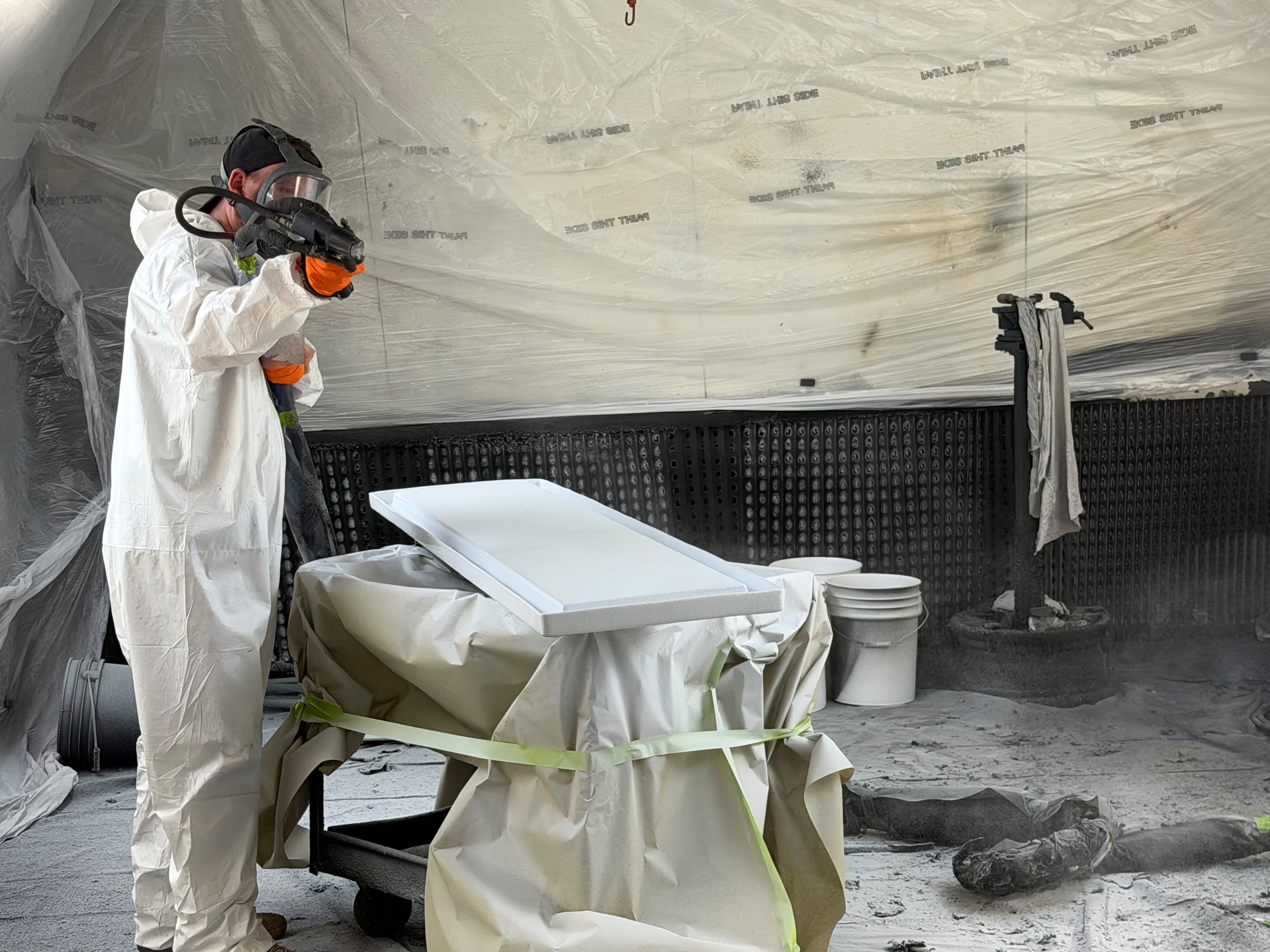
Start a spray-on bedliner business
Spray bedliners for a living.
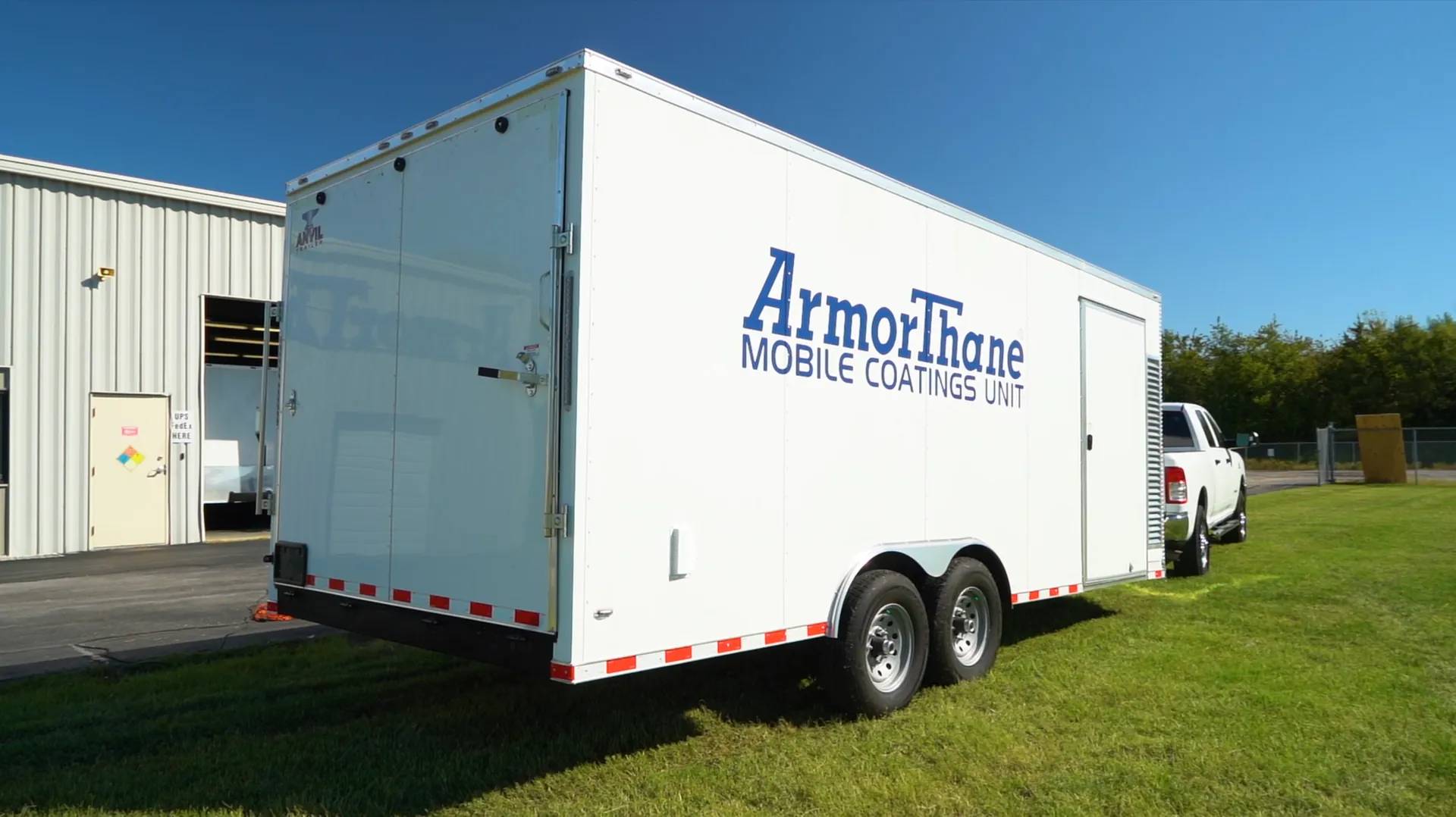
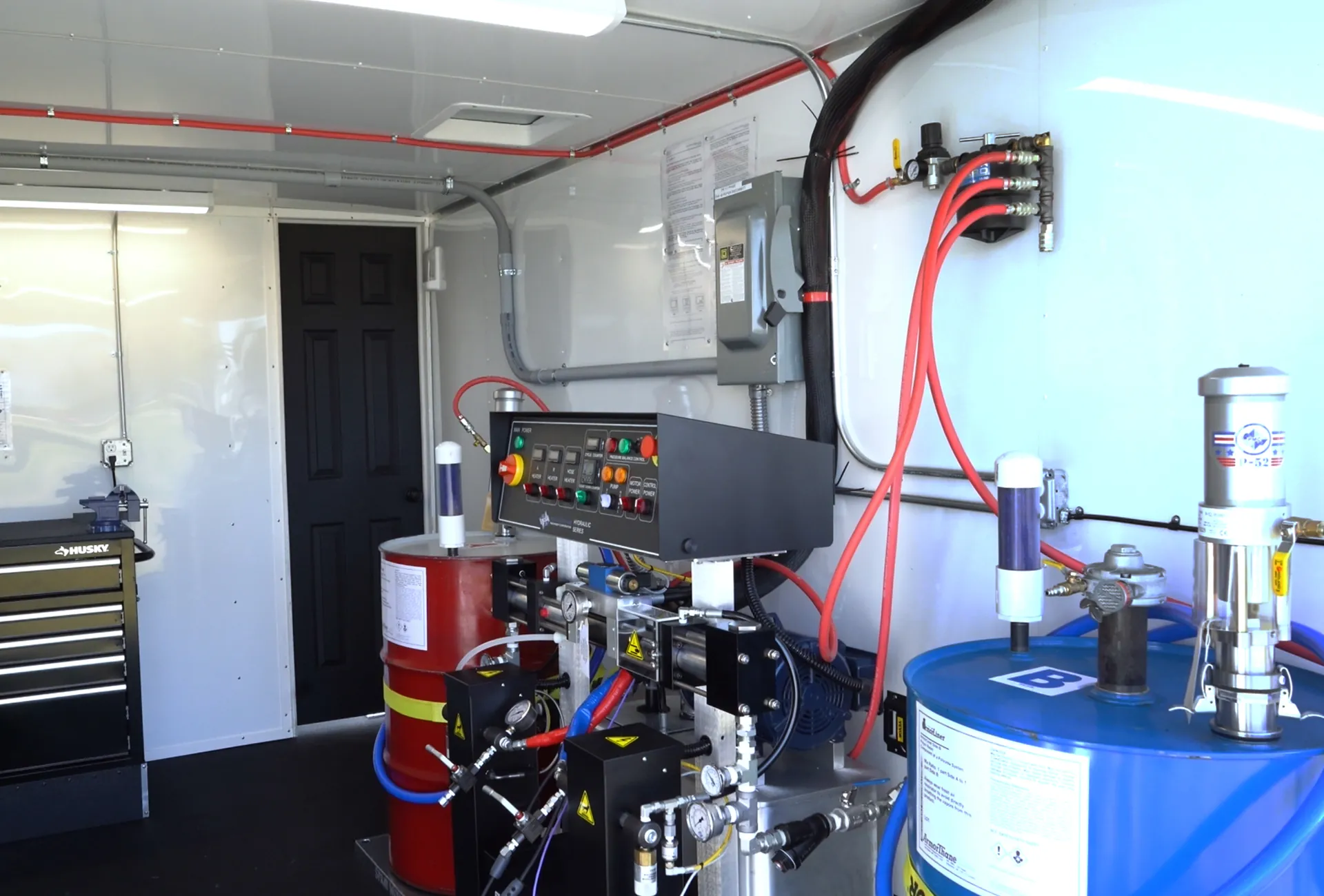
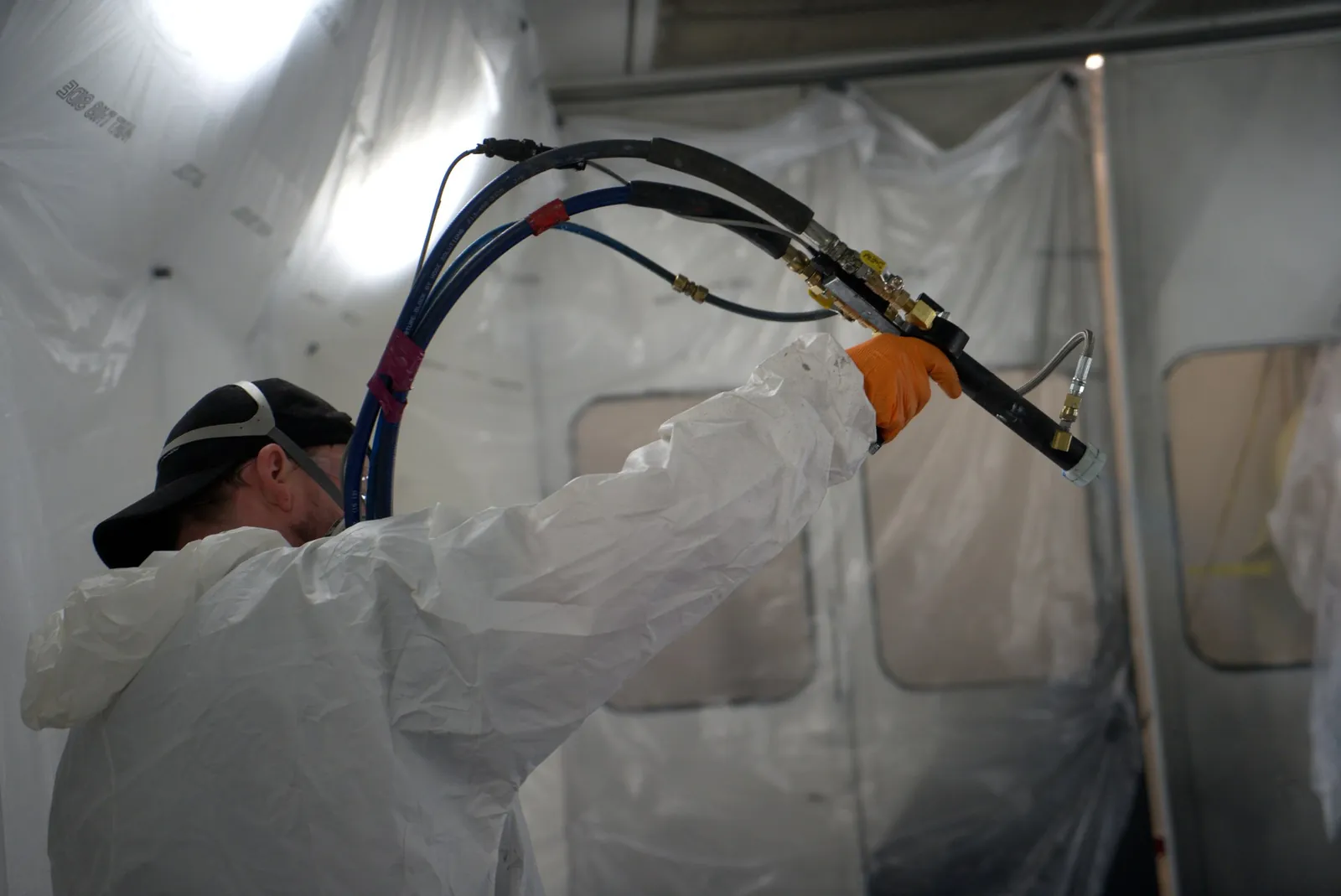
ArmorThane sets you up to do this work, and you own the business. We make the chemistry, build the rigs, train you hands-on and answer the phone when a job gets difficult. You pay no franchise fee and no royalties. It has been that way since 1989.
- $0
- franchise fees or royalties
- 35+
- years in business
- 50+
- countries with applicators
- 24/7
- technical support
Ask about rubberized undercoating on any truck forum and you'll get two camps: people who swear it saved their frame and people who peeled it off to find rust underneath. Both are right, about different vehicles. We make ArmorLiner, a spray polyurea that our applicators use to undercoat trucks, trailers and equipment, so we've seen what's under a lot of old coatings. This page covers what rubberized undercoating is, what the data sheets actually promise, when it traps moisture and when it doesn't, how many cans you really need, and how it compares with oil sprays and polyurea over ten years.
Rubberized undercoating is a flexible, solvent-borne rubber or resin film sprayed on a vehicle's underside to resist stone chips, salt and road noise. It works well on clean, rust-free, oil-free metal; 3M's 08883, for example, lists 500 hours of salt spray without corrosion at a 20-mil film. It works badly over existing rust, scale or oil-based coatings, because once it chips, water gets behind it and can't get out. Aerosols cover only about 6–16 sq ft per can, so a full-size pickup takes a dozen or more. In the salt belt on an older vehicle, annual oil spray is usually the safer bet; for new or blasted frames that see abuse, a thick sprayed polyurea lasts far longer. Find the right undercoating for your vehicle.
- 1What rubberized undercoating is (and isn't)
- 2Product data compared
- 3Does it trap moisture?
- 4Which undercoating for your vehicle? (picker)
- 5How many cans you need (calculator)
- 6How to apply it
- 710-year cost: rubberized vs oil vs polyurea
- 8How to remove rubberized undercoating
- 9The polyurea alternative
- 10Rubberized undercoating FAQ
What rubberized undercoating is (and isn't)
"Undercoating" covers four products that behave completely differently. Rubberized is one of them.
| Type | What it is | Film | Re-apply | Paintable | Best on |
|---|---|---|---|---|---|
| Rubberized | Synthetic rubber / resin in solvent | Flexible, dries tack-free | Touch up chips; years | Usually (check can) | Clean, rust-free metal; wheel wells |
| Asphalt-based | Asphalt + fillers (e.g. 3M 08881) | Hard, heavy | Years; turns brittle | No | Heavy trucks, hidden areas |
| Oil / lanolin / wax | Fluid Film, Woolwax, NH Oil, Krown | Stays wet, creeps into seams | Every year | No | Older vehicles, existing rust, salt belt |
| Polyurea / polyurethane | Sprayed elastomer (e.g. ArmorLiner) | Thick, tough, bonded | Rarely | Yes | New or blasted frames, trailers, equipment |
The big distinction is dry film vs wet film. Rubberized, asphalt and polyurea undercoatings dry into a barrier that keeps water off the metal for as long as the barrier is intact. Oil and lanolin products never dry; they creep into seams (NH Oil says 4–6 inches into cavities) and displace water, but they wash off and need re-applying every year. Neither approach is wrong. They suit different vehicles, which is what the picker sorts out.
Rubberized undercoating products, by the data sheet
Coverage per can varies five-fold between brands, and that's the number that decides how many you'll buy. Click a column to sort.
| Product | Size | Coverage | Dry | Paintable | Price |
|---|---|---|---|---|---|
| 3M Rubberized Undercoating 08883 | 19.7 oz aerosol | ≈16 sq ft | Tack-free 15 min | Yes, may discolor paint | Varies |
| Rust-Oleum Rubberized 248657 | 15 oz aerosol | 10–12 sq ft | Touch 30 min | Yes | ≈$8.59 |
| Rust-Oleum Professional 248656 | 15 oz aerosol | 10–15 sq ft | — | Yes | ≈$13.33 |
| Dupli-Color UC101 | 16 oz aerosol | 12–15 sq ft | Recoat 10 min | Yes | ≈$10.79 |
| Eastwood Rubberized | 18.3 oz aerosol | Up to 7 sq ft | — | Not intended | $19.79–$21.99 |
| POR-15 Rubberized 49308 | 22 oz aerosol | ≈6 sq ft | Coats ≈1 h apart | Yes | ≈$27–$32 |
| U-POL Raptor UP4840 | 15 oz aerosol | 29.8 sq ft (theoretical) | Touch 30 min | After 4 h | Varies |
| Undercoating in a Can (rubberized) | Aerosol / gallon | 7.5 sq ft can; 49–62 sq ft gal | — | When cured | Varies |
| KBS UnderCoat quart | 1 qt (Schutz gun) | — | — | — | ≈$19.88 |
Does rubberized undercoating trap moisture?
It can, and the mechanism is well understood. A dry-film undercoating protects metal only while the film is intact. Stone chips, flexing seams, or age-related cracking open a path for salty water to reach the metal. Unlike an oil coating, the film then holds that water against the steel and slows its drying. Wikipedia's entry on underseal describes bitumen coatings turning brittle after about a decade and creating "a more favourable environment for rust than if no underseal were applied at all." The Automobile Protection Association says the same about dealer-applied wax products that harden and crack.
So the honest answer is: rubberized undercoating doesn't trap moisture by itself. It traps moisture when it's applied over rust, scale, dirt or an oily film it can't bond to, when it's applied too thin to survive gravel, or when it's left to age and crack without inspection. Most of the horror stories involve one of those. Most of the success stories involve a clean or new frame, a proper film thickness and touch-ups every season.
Which undercoating for your vehicle?
Rubberized, oil or polyurea?
The deciding factors are the metal's condition and what's already on it.
How many cans do you need?
The one published real-world figure we trust: Undercoating in a Can says a Ford F-150 Club Cab takes 12–15 of its cans, which works out to roughly 90–112 sq ft of underside at its 7.5 sq ft per can. Vehicle presets below scale from that and are estimates; for a wheel-well-only job, measure the wells.
Cans to buy, and what they'll cost
Units = area × coats ÷ coverage per unit, plus 20% for overspray (aerosols waste a lot).
How to apply rubberized undercoating
Lift it safely and wash it
Use ramps or jack stands, never just a jack. Pressure-wash the underside and let it dry completely, ideally overnight.
Get it to clean metal
Remove loose rust, scale, oil and grease; 3M lists all three as must-remove. Wire-wheel or sand rusty areas (U-POL calls for P180–240 on bare metal), degrease, then treat remaining surface rust with a rust converter or primer. If the frame is scaly or already oil-coated, stop: use oil spray instead.
Mask everything that moves or gets hot
Exhaust, catalytic converter, brakes and brake lines, driveshaft, CV boots, sensors, suspension bushings and drain holes. Most rubberized products aren't rated above about 180–200°F.
Spray light coats
Aerosols: 2–3 light coats, a few minutes apart (3M: 3–5 minutes; POR-15: about an hour), from about 10 inches. Schutz gun: 40–70 psi at the gun for U-POL Gravitex, 40 psi for 3M's gun; a single coat builds about 3–6 mils. Stay within the temperature range on the can, typically 50–90°F.
Build thickness where rocks hit
Wheel wells, rocker undersides and the leading edges of the frame. 3M's salt-spray rating was measured at 20 mils.
Let it cure and inspect every year
Tack-free in 15–30 minutes, but give it a day before driving through slush. Each spring, look for chips and touch them up before they become pockets of rust.
10-year cost: rubberized vs oil vs polyurea
Annual oil spray is cheap per visit and never ends. A one-time coating costs more up front and less each year after. This totals each option over the years you plan to keep the vehicle.
What protecting the underside costs over time
Published 2025–2026 price ranges, midpoints. Polyurea is quoted per vehicle; enter your quote.
How to remove rubberized undercoating
It's slow, messy work, and the right tool depends on the surface. From restorers' experience:
- Dry ice makes the coating brittle so it pops off, and works best on horizontal panels like floor pans.
- An oscillating multi-tool with a scraper blade took about 45 minutes on a floor that took 4–5 hours with a grinder, in one forum test.
- Wire wheels tend to smear soft coatings rather than remove them.
- Don't use direct heat. It turns the coating gooey and can ignite it.
- For frames and trailers, media blasting is the professional route and leaves a profile ready for a new coating.
The polyurea alternative
A sprayed polyurea undercoating is what rubberized undercoating wants to be: applied hot from a plural-component rig to blasted or abraded metal, bonded rather than just stuck on, built to many times the thickness of an aerosol film in minutes, and tough enough that a gravel road doesn't chip it. Applicators use our ArmorLiner on truck frames, wheel wells, trailers, plows and equipment, and it can be topcoated for color.
It isn't for every vehicle. Over rust, the prep (blasting) is the expensive part, and on an older daily driver in the salt belt, annual oil spray is still the pragmatic choice. On new trucks, restored frames, fleet vehicles and trailers, it's the last undercoating you'll apply. Our truck undercoating guide covers costs and process in detail, and you can see work on commercial trucks and trailers.
Want undercoating that doesn't chip? Get it sprayed in polyurea.
ArmorThane-certified applicators blast, prep and spray ArmorLiner polyurea on truck frames, wheel wells, trailers and equipment. Tell us the vehicle and we'll connect you with a local applicator.
Bedliner shops & fleets: add undercoating with our equipment →
Rubberized undercoating FAQ
Does rubberized undercoating trap moisture?
It can when it's applied over rust, dirt or oil, applied too thin, or left to chip and crack. Water gets behind the film and can't dry out. Applied to clean, rust-free metal at a proper thickness and touched up regularly, it keeps water off the metal.
Is oil or rubberized undercoating better?
Oil (Fluid Film, Woolwax, Krown) is better for older vehicles, existing rust and salt-belt daily drivers, because it creeps into seams and displaces water, but it must be re-applied every year. Rubberized is better for clean or new metal and chip protection, and doesn't need yearly re-application. They shouldn't be mixed: rubberized won't bond over oil.
How many cans of undercoating do I need for a truck?
A full-size pickup's underside is roughly 90–112 sq ft. At 10–16 sq ft per aerosol can, that's about 7–12 cans per coat, and Undercoating in a Can puts an F-150 Club Cab at 12–15 of its cans. Wheel wells alone take far fewer.
Can you put rubberized undercoating over rust?
Not over loose or scaly rust. Remove it, treat remaining surface rust with a converter or primer, and then coat. Sealing active rust under a film lets it keep spreading out of sight.
Can you paint over rubberized undercoating?
Many rubberized undercoatings are paintable once dry (Rust-Oleum, Dupli-Color UC101, POR-15, Raptor after 4 hours). Asphalt-based undercoatings are not, and 3M warns paint over 08883 may discolor. Test first.
How long does rubberized undercoating last?
Several years when applied to clean metal and touched up; Undercoating in a Can claims up to 5 years with proper prep. Life depends on thickness, road conditions and how promptly chips are repaired.
Can I apply rubberized undercoating over Fluid Film or Woolwax?
No. Dry-film coatings won't bond over oil or lanolin. You'd need to degrease the underside completely first, and many owners simply stay with oil once they've started.
How long does rubberized undercoating take to dry?
Most aerosols are tack-free or dry to the touch in 15–30 minutes and allow recoats within minutes. Full dry-through can take overnight; U-POL says at least 4 hours before overcoating.
What PSI do I need for an undercoating gun?
Schutz-style guns typically run 40–70 psi at the gun (U-POL Gravitex); 3M's Body Schutz gun is rated at 40 psi and 6–12 cfm. Oil undercoatings like Fluid Film spray around 60–80 psi.
How do you remove rubberized undercoating?
Dry ice, scrapers and oscillating tools work best on soft coatings; wire wheels tend to smear it. Avoid direct heat, which makes it gooey and flammable. Media blasting is the professional option for frames.
Sources
- 3M Rubberized Undercoating 08883 technical data sheet: johnsonautobodysupply.com (PDF)
- 3M Underseal Rubberized Undercoating 08883 (salt spray at 20 mils): 3m.com (PDF)
- 3M Undercoating 08881 (asphalt): 3m.com (PDF)
- Rust-Oleum 248657 rubberized undercoating: paintsupply.com
- Rust-Oleum Professional undercoating 248656: tilethis.com
- POR-15 rubberized undercoating: por15.com
- Eastwood rubberized undercoating: eastwood.com
- Dupli-Color UC101 undercoating: duplicolor.com
- U-POL Raptor UP4840 TDS: raptorcoatings.com (PDF)
- U-POL Gravitex Plus TDS: johnsonautobodysupply.com (PDF)
- 3M Body Schutz applicator gun 08997: 3m.com
- KBS UnderCoat quart: jbtools.com
- Undercoating in a Can FAQ: undercoatinginacan.com/faq/
- Krown Akron pricing: krownakron.com
- Automobile Protection Association, rustproofing: apa.ca
- Consumer Reports, dealership extras to skip: consumerreports.org
- AAA, road de-icers and vehicle rust damage: newsroom.aaa.com
- Jalopnik, pros and cons of underbody coating: jalopnik.com
- JD Power, what is undercoating: jdpower.com
- Underseal (Wikipedia): en.wikipedia.org/wiki/Underseal
- NH Oil Undercoating, pros and cons: nhoilundercoating.com
- The Rust Store, Fluid Film gallon: theruststore.com
- Grassroots Motorsports forum, removing undercoating: grassrootsmotorsports.com
Stop re-coating the underside every season.
ArmorThane-certified applicators spray ArmorLiner polyurea on frames, wheel wells, trailers and equipment, bonded to prepped metal and built far thicker than an aerosol film. Bedliner shops and fleets: add undercoating with our equipment and training, with no franchise fee.
Want undercoating that doesn't chip? Get a polyurea undercoating quote.
Tell us the vehicle, trailer or equipment and its condition. We'll connect you with an ArmorThane-certified applicator who will prep the metal and spray ArmorLiner polyurea, with the thickness in writing.
- Truck frames, wheel wells and rockers
- Trailers, plows and equipment
- Blasting and prep included in the quote
- Shops & fleets: ask about equipment and training