
Masonry Sealer: Brick, Block & Stone Done Right
Which masonry sealer to use on brick, block, stone and stucco, what the Brick Industry Association says to avoid, and how to prove it worked with a RILEM tube.
Start a protective coatings business
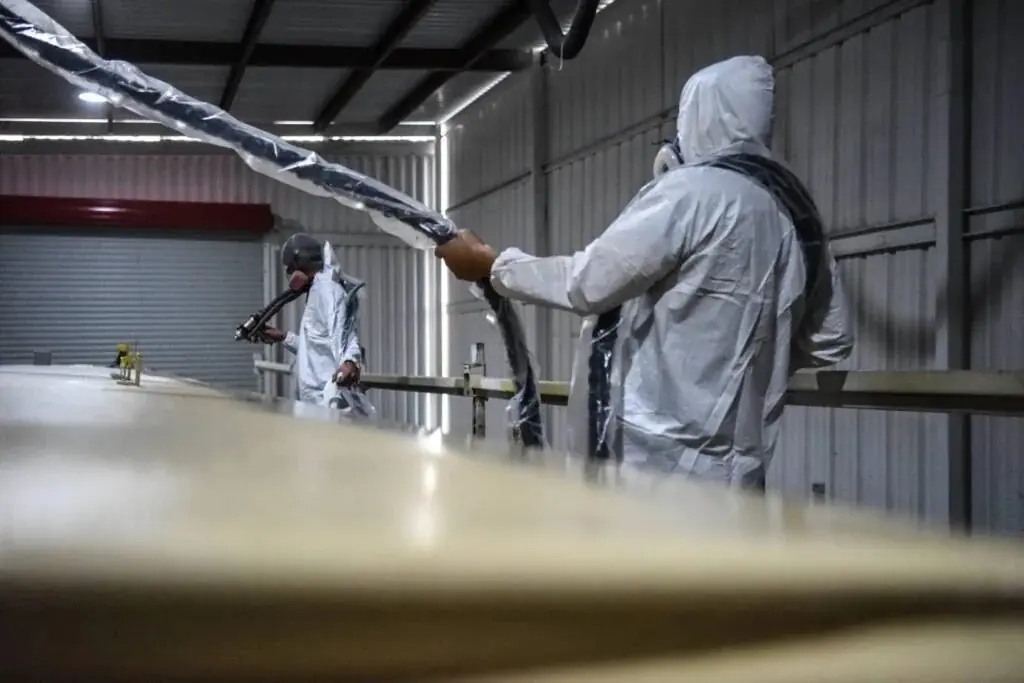
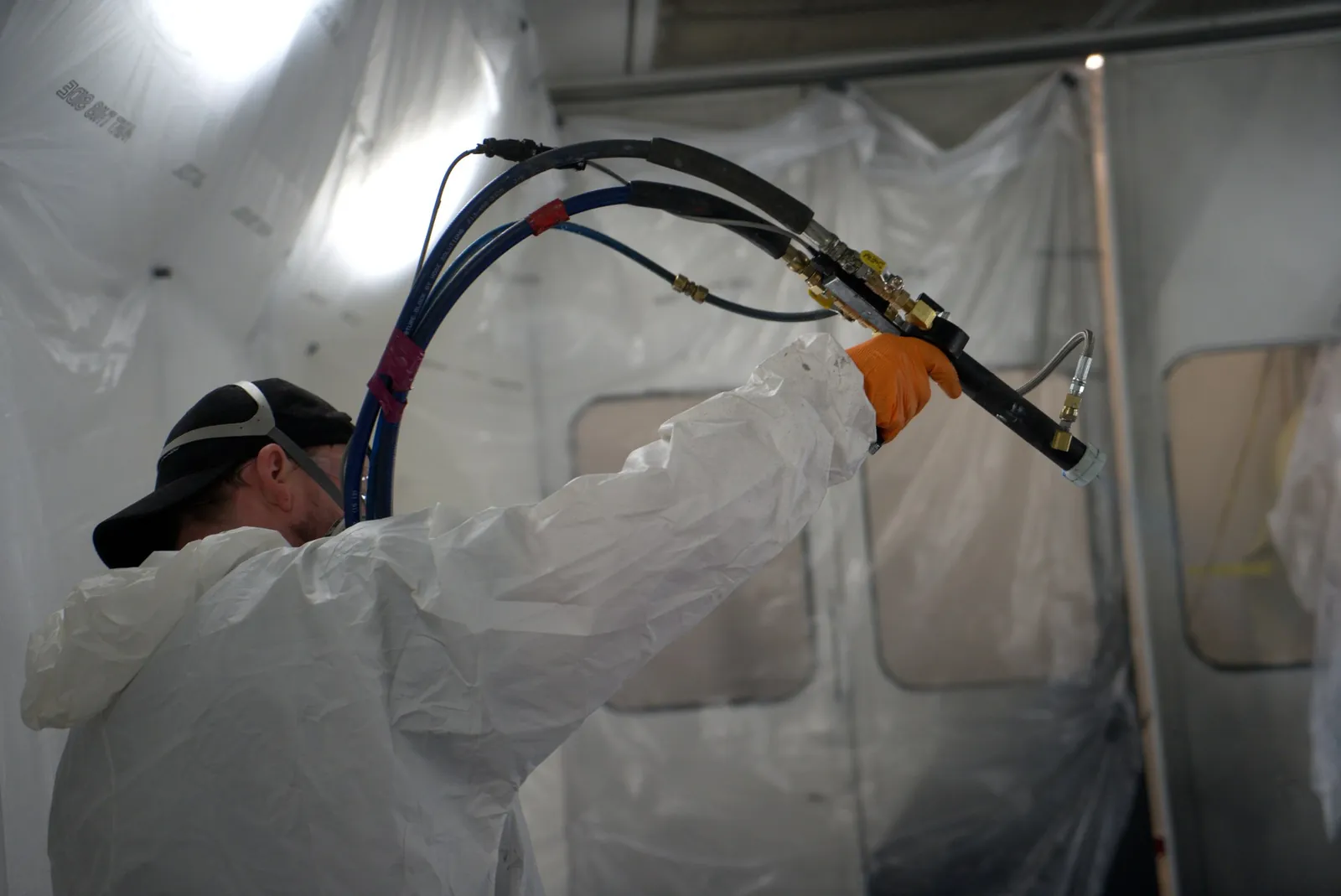
Spray protective coatings for a living.
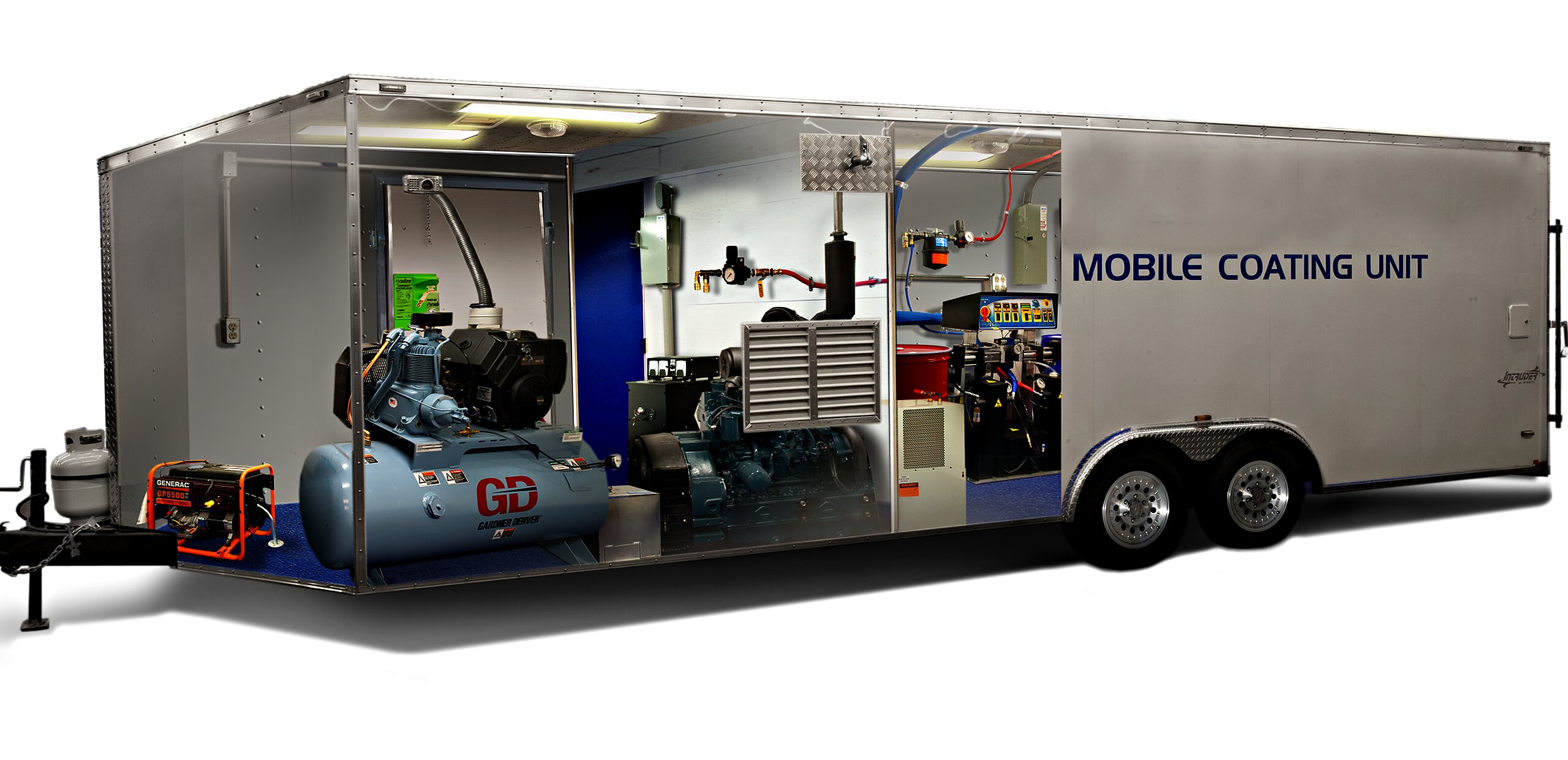
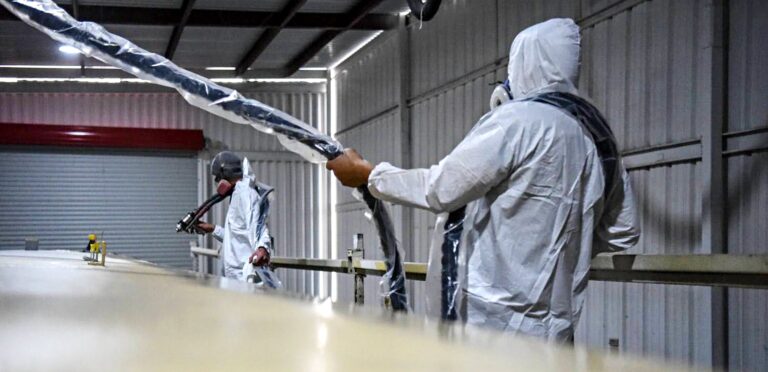
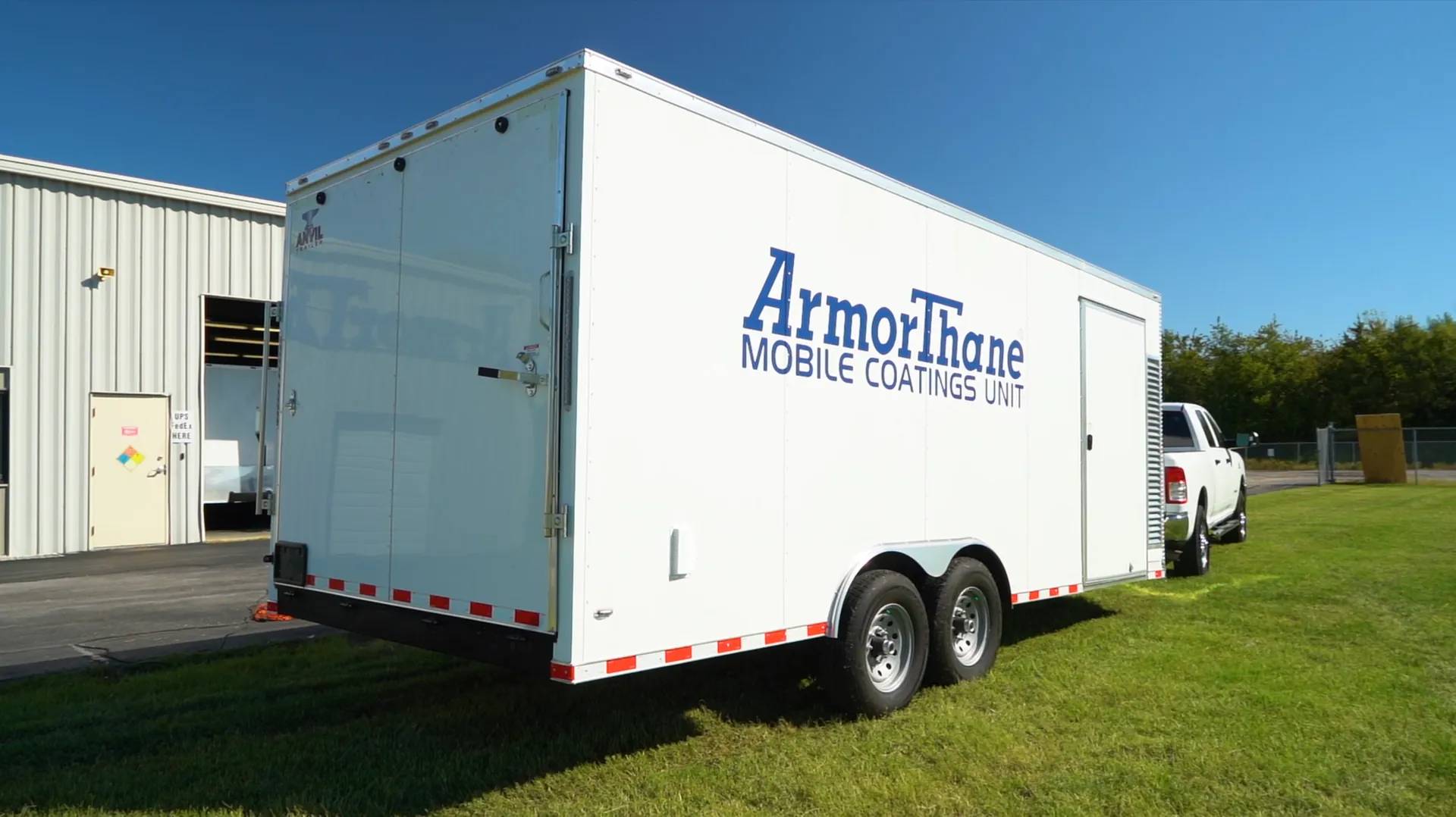
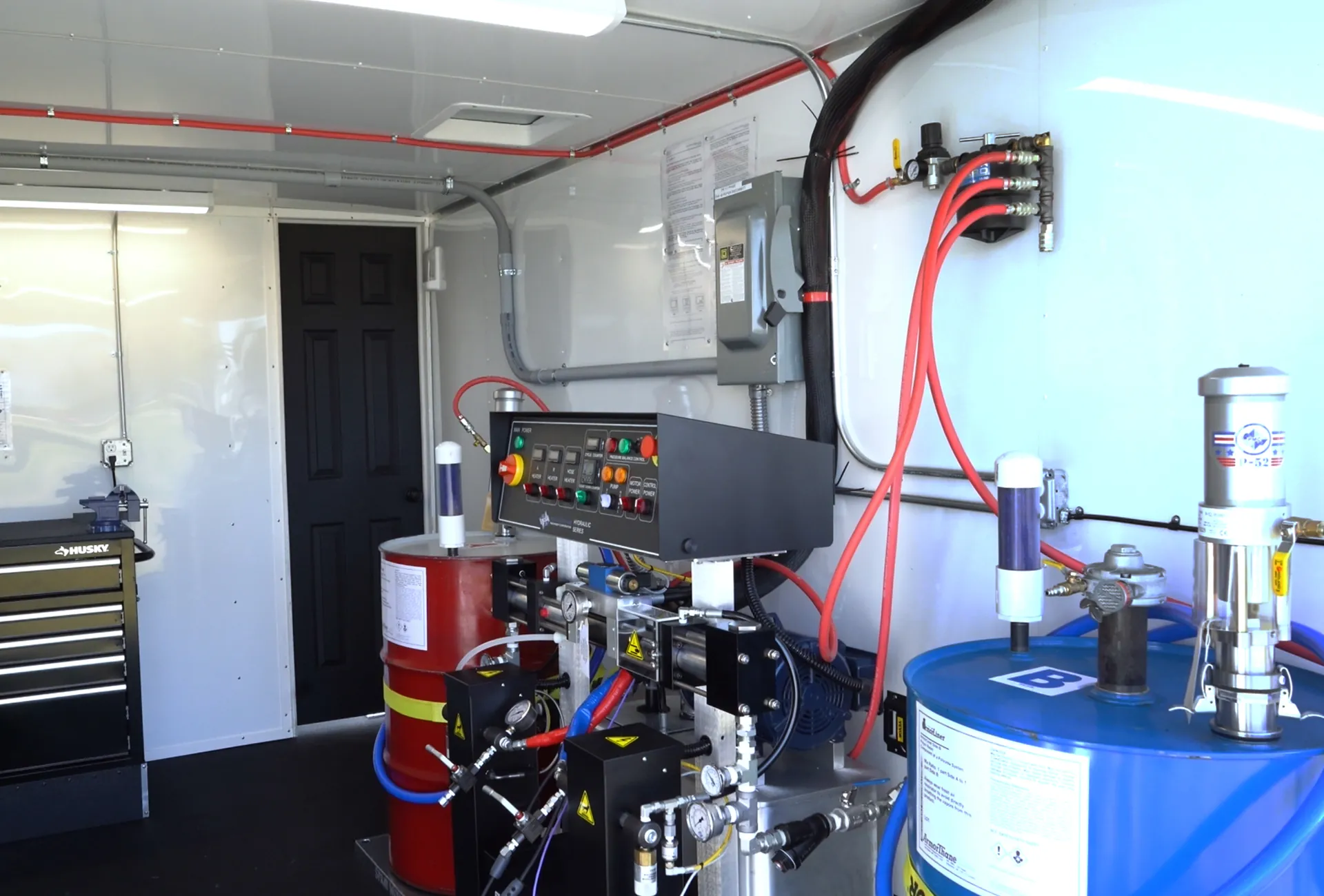
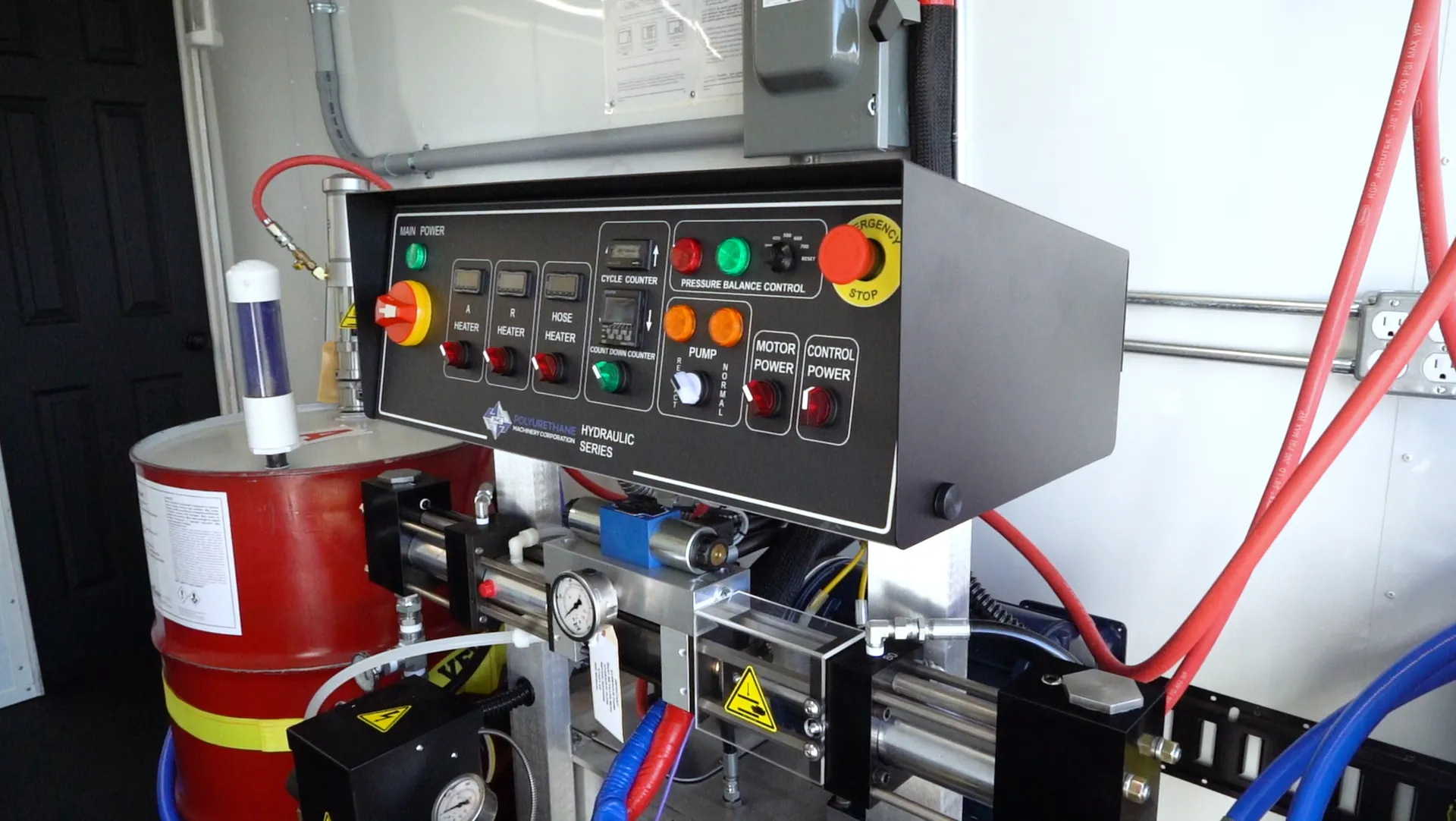
ArmorThane sets you up to do this work, and you own the business. We make the chemistry, build the rigs, train you hands-on and answer the phone when a job gets difficult. You pay no franchise fee and no royalties. It has been that way since 1989.
- $0
- franchise fees or royalties
- 35+
- years in business
- 50+
- countries with applicators
- 24/7
- technical support
A masonry sealer is a clear treatment for brick, concrete block, stone, stucco and mortar that keeps rain from soaking into the wall while still letting water vapor out. That last part is what separates a good masonry sealer from a bad one. Seal brick with the wrong product and you trap moisture behind the face, and the next few winters pop the faces off the brick. We build coatings for a living, and our honest advice on above-grade masonry is that most walls want a breathable penetrating water repellent, applied after the real leaks are fixed, not a shiny film.
For exterior brick, block and stone, use a breathable silane, siloxane or silane/siloxane blend. The Brick Industry Association (BIA) says not to put film-forming coatings such as acrylics on brick in freeze-thaw climates, rates silanes and siloxanes at 10+ years of life, and wants cracks, failed sealant and bad mortar joints fixed first. Wait at least a month after a new building is closed in (a year is preferred), test a 10 sq ft area, and expect about $2–$10 per sq ft professionally applied.
Masonry sealer types: penetrants vs. film formers
Every clear masonry sealer does one of two things. Penetrants soak into the pores and line them with a water-repellent molecule; the surface looks the same, and vapor still passes through. Film formers leave a continuous skin on the face. The BIA's Technical Note 6A groups them this way:
Silanes
The smallest molecules, so they go deepest, which matters on dense concrete and brick. BIA lists 10+ years of life. They need some alkalinity and moisture to react, and on very porous block they can pass straight through before they cure.
Siloxanes and blends
Larger molecules that bead water well on porous block and brick. BIA also gives siloxanes 10+ years and specifically suggests a siloxane or preblended siloxane/silane for brick. PROSOCO's Siloxane PD, a typical example, is 4% solids with VOC under 30 g/L.
Silicone resins and siliconates
Older, cheaper chemistry. BIA notes silicone resins typically last about one year. Siliconates react with the masonry and can leave white residue if over-applied. Fine for a quick fix, not our first pick.
Acrylics, urethanes, stearates
Give you sheen and color enhancement, and acrylics can last 5–7 years per BIA, but they reduce how well the wall breathes. BIA's rule is blunt: do not apply film-forming coatings to brickwork in freeze-thaw environments. They belong on stone caps, interior brick or warm-climate features, if anywhere.
Masonry sealer comparison by life and breathability
Service life figures are the BIA's typical values; your result depends on exposure, coverage rate and how well the wall was prepared. Click any heading to sort.
| Sealer type | Family | Typical life, yrs | Breathable | Freeze-thaw brick | Changes look | Best use |
|---|---|---|---|---|---|---|
| Silane | Penetrant | 10+ | Yes | Suitable | No | Dense brick, concrete, precast |
| Siloxane / silane-siloxane blend | Penetrant | 10+ | Yes | Suitable (BIA preferred) | No | Brick, block, stone, stucco |
| Silicone resin | Penetrant | About 1 | Mostly | Short-lived | No | Temporary treatment |
| Acrylic | Film former | 5–7 | Reduced | Not recommended | Sheen, darkens | Interior brick, warm-climate stone |
| Urethane | Film former | 1–3 | Reduced | Not recommended | Sheen | Interior, anti-graffiti |
Which masonry sealer fits your wall?
Tell the selector what the wall is made of, how old it is and what it looks like now. It returns a sealer family, whether to wait, and what to fix first, following BIA Technical Note 6A and CMHA TEK 19-01.
Masonry sealer selector
Applies the BIA and CMHA rules: penetrants for exterior walls, no films on freeze-thaw brick, repairs before sealing, and minimum wait times on new work.
- —
A masonry sealer will not fix a leaking wall
This is the part most product labels skip. A clear water repellent reduces how much rain the face of the masonry absorbs. It does not close cracks, it does not replace missing mortar, and it does nothing about failed flashing or a bad window joint. CMHA says plainly that penetrating repellents do not bridge cracks or voids, so those must be repaired first. BIA's list of corrections before coating includes:
- Replacing failed sealant at windows, doors and control joints.
- Repointing cracked or crumbling mortar joints. HomeGuide puts repointing at $3–$20 per sq ft and tuckpointing at $5–$25 per sq ft in 2026.
- Replacing brick with spalled faces.
- Surface-grouting hairline separations between brick and mortar.
Then think about where the water is actually coming from. Wet spots under windows usually mean sills or flashing. A damp band at the base of a wall is often splash-back or ground moisture, which a wall sealer will not stop. If the leak is through a basement or retaining wall pushing against soil, you need a waterproofing system, not a sealer.
Masonry sealer coverage and cost calculator
Masonry drinks sealer at very different rates. PROSOCO's data sheets put fired clay brick at 50–175 sq ft per gallon for Siloxane PD and split-face block as low as 30–100 sq ft per gallon for its Blok-Guard WB 15 silicone emulsion, which also calls for two wet-on-wet applications on block. Measure the wall, subtract windows and doors, and the calculator does the rest.
Gallons and cost for a masonry wall
Net area = length × height − openings. Gallons = net area × applications ÷ published coverage (low and high). Pro cost uses HomeGuide's $2–$10 per sq ft range for brick waterproofing.
Did the sealer work? The RILEM tube test
A RILEM tube (also called a Karsten tube) is a small graduated glass or plastic tube you putty to the wall, fill with water and time. BIA describes the tube as graduated from 0 to 5 mL over a contact area under 1 sq in., and recommends it for before-and-after comparisons only, not as a pass/fail rating of the whole wall: a big drop in absorption after treatment tells you the repellent went on at the right rate. Sealant maker Pecora's procedure PEC 170 reads the tube after 20 minutes and calls performance acceptable when the water level drops no more than 20% of the original height, which on a 5 mL tube means 1.0 mL or less absorbed.
RILEM tube result checker
Enter the mL absorbed at 20 minutes on an untreated spot and a treated spot (same wall, same exposure). Reduction = (untreated − treated) ÷ untreated. Pass mark per Pecora PEC 170: treated absorption ≤ 20% of a 5 mL column.
How to apply masonry sealer the way the data sheets intend
Repair, then wait
Do the repointing, sealant and brick replacement first. On new brickwork BIA wants at least one month after close-in and prefers a year, so early efflorescence is not sealed in. PROSOCO lists new concrete at 14–28 days before Siloxane PD.
Clean and let it dry
Remove dirt, efflorescence and mortar smears with a cleaner made for the substrate. CMHA calls for 3 to 5 days of drying after cleaning or rain before applying a repellent.
Check the weather window
CMHA says temperatures should stay above 40°F for two to four days after application; PROSOCO's range is 40–95°F during use and for 8 hours after, with 6 hours of rain protection.
Do a test area
BIA asks for test areas of at least 10 sq ft. Check for darkening, residue and absorption with a RILEM tube after the repellent has cured; PROSOCO says full repellency takes about 72 hours.
Flood, bottom up
Low-pressure spray under 50 psi, working from the bottom up and saturating until you get a 4–8 in. rundown, per PROSOCO. Let it soak in 5–10 minutes and resaturate. Protect glass, plants and painted trim.
Verify and record
Re-test with RILEM tubes at the same spots, note the date and product, and reapply when water stops beading. With silanes and siloxanes that is usually measured in years, not seasons.
When a masonry sealer is the wrong product
We make polyurea and polyurethane coatings, and we would rather you put a few gallons of siloxane on a brick facade than sell you a coating it does not need. A clear repellent is the right tool for above-grade walls that get wet from rain. It is the wrong tool for these jobs:
Basement and foundation walls
Water pushed through by soil and hydrostatic pressure needs a membrane on the positive side. See foundation waterproofing and basement waterproofing.
Retaining walls and planters
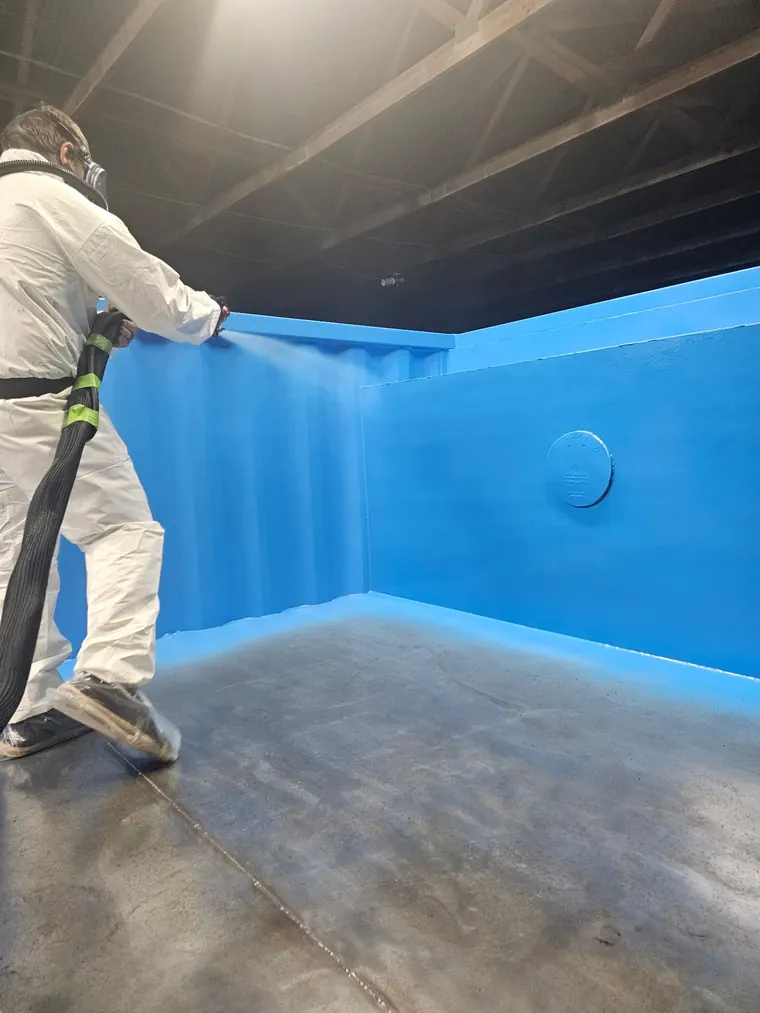
Soil sits against the masonry permanently. A seamless membrane, such as a spray-applied polyurea, works where a repellent cannot; see retaining wall waterproofing.
Walkways, patios, caps
Horizontal masonry sees standing water, salt and wear. Pavers want a paver sealer; poured slabs want a concrete sealer rated for traffic.
Block you want to paint anyway
If you plan to change the color of a block wall, a breathable masonry coating or waterproof paint does both jobs. Painting brick is a one-way door, so think twice. Stucco often does better with an elastomeric coating.
When a sealer won't hold the water, a membrane will.
Certified ArmorThane applicators spray seamless polyurea membranes on foundations, retaining walls and planters. Tell us what is leaking and we will tell you honestly whether you need us or a gallon of siloxane.
Contractors: become an applicator →
Masonry sealer questions
What is the best masonry sealer for brick?
For exterior brick, a breathable siloxane or silane/siloxane blend. The Brick Industry Association recommends considering a siloxane or preblended siloxane/silane and rates both chemistries at 10+ years of typical life. Avoid film-forming acrylics on brick in freeze-thaw climates.
Should you seal brick at all?
Not always. Well-built brick walls are designed as drainage walls and often do fine untreated. Seal when the face absorbs enough water to cause damp interiors, heavy efflorescence or freeze-thaw damage, and only after cracks, mortar joints and sealant are repaired.
How long should new brick cure before sealing?
BIA says at least one month after the building is closed in, and prefers a full year so that early efflorescence comes out before a repellent is applied.
Does masonry sealer make brick waterproof?
No. It makes the face water repellent. It will not stop water through cracks, open joints or flashing defects, and it will not resist water pushed through by soil pressure. Those need repairs or a waterproofing membrane.
How much does it cost to seal a brick house?
HomeGuide's 2026 range for waterproofing brickwork is $2 to $10 per square foot. Materials alone are a small part of that; most of the cost is access, masking, cleaning and repairs.
Will masonry sealer change the color of my brick?
Penetrating silanes and siloxanes generally do not change appearance when applied at the right rate. Film formers and wet-look products darken and add sheen. Always do a 10 sq ft test area, as BIA recommends, and look at it dry.
Can I use masonry sealer on concrete block?
Yes, but pick a product rated for block. Some siloxanes are not recommended for CMU, and block is so porous that PROSOCO's Blok-Guard WB 15 covers only 30–100 sq ft per gallon and calls for two wet-on-wet applications.
How do I know when to reseal?
Spray water on the wall. If it beads and runs off, the repellent is working. If it darkens the masonry and soaks in, compare a RILEM tube reading against your original record and reapply when absorption has climbed back toward untreated levels.
Sources
- Brick Industry Association, Technical Note 6A, Colorless Coatings for Brick Masonry: gobrick.com/media/file/6a-colorless-coatings-for-brick-masonry.pdf
- Brick Industry Association, RILEM Tube Testing and Brick Masonry: gobrick.com/media/file/bb-rilem-tube-testing_final.pdf
- CMHA TEK 19-01, Water Repellents for Concrete Masonry Walls: cmha.org/resource/tek-19-01
- Pecora PEC 170, RILEM Tube Test Procedure for Penetrating Water Repellents: pecora.com/.../PEC-170-RILEM-Tube-Test-Procedure.pdf
- PROSOCO Siloxane PD product data sheet: dciflooring.com/.../Prosoco_WeatherSeal_Siloxane_PD_PDS.pdf
- PROSOCO Siloxane PD product page: prosoco.com/product/siloxane-pd
- PROSOCO Blok-Guard & Graffiti Control WB 15 data sheet: prosoco.com/.../WS_BGGC_WB_15_PDS.pdf
- HomeGuide, brick and masonry repair cost (2026): homeguide.com/costs/repair-brick-masonry-work-cost
Water coming through below grade?
Homeowners get a certified ArmorThane applicator for foundations, retaining walls and planters. Contractors can add polyurea waterproofing with no franchise fee and no royalties.
Start your coatings business with ArmorThane.
Tell us what you want to spray and where you are. An ArmorThane specialist will walk you through the equipment, chemicals, training and startup cost for the work you want to do.
- Equipment package matched to your applications
- Hands-on training and applicator certification
- Technical support once you are spraying
Wall still leaking after sealing? Let us look at it.
Tell us the wall type, whether it is above or below grade, and where the water shows up. A certified ArmorThane applicator near you will follow up.
- Foundation and basement walls
- Retaining walls and planters
- Seamless spray-applied polyurea
- Straight answer: sealer or membrane