Get a quote for your project
Tell us what needs protecting and an ArmorThane coatings specialist will come back with the right product, the right system and a realistic price.
- Product and system matched to your substrate
- Coverage and budget guidance before you commit
- A certified applicator near you
- 30+ years of field-proven polyurea and polyurethane
Endless possbilitiess with spray foam caves
The application of spray foam is best known for its ability to seal and strengthen rooflines; insulate homes and commercial structures, and even protect pipelines and industrial tanks. SPF is always being used in ever-increasing imaginative ways.
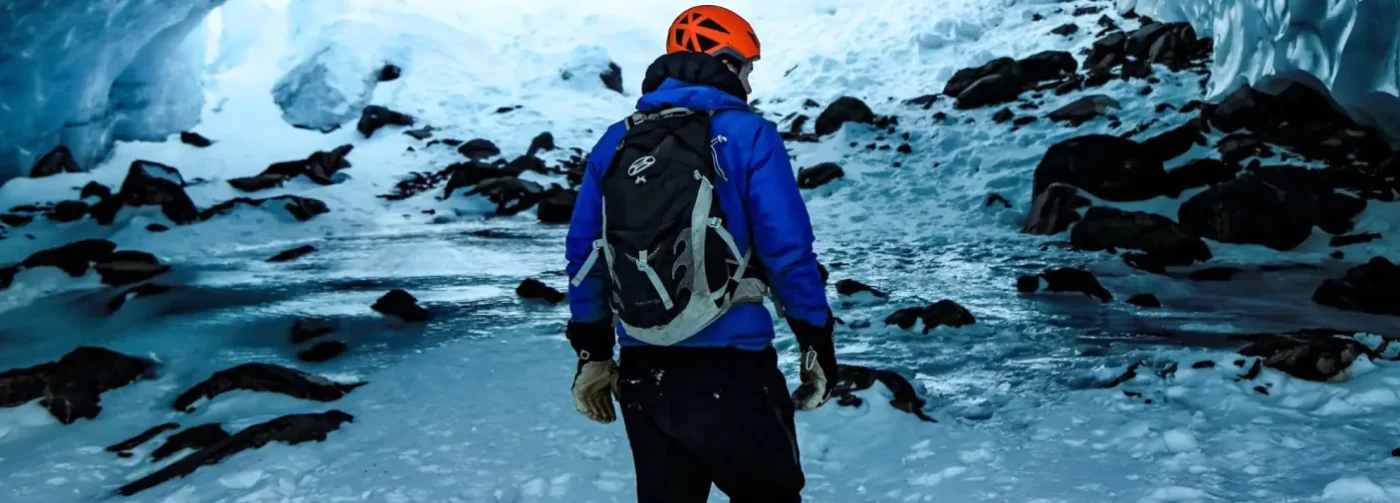
Amazing spray foam cave structure
Case in point: I present to you the Culture of Golden Heart Association, a Vietnamese temple in Houston, Texas. The owners of this incredible temple decided to employ SPF to monumentalize the mountains of Asia via a rock-like decoration in the courtyard of the temple where members could go inside to pray.



Spray foam insulation was utilized for the project, which entailed the application of SPF to the interior and exterior of a man-made 2,000 sq. ft. structure consisting of specialized mesh held in place by chicken wire. The structure also included a concrete wall in the center of the mesh structure, which was made to look like a mountain after the foam was applied. The mountain was fused to the cave and towered over the entire structure.
Before the spray foam crew arrived, the structure was preassembled for the foam application.
Holes were carved out of the specialized fabric to serve as windows for the cave. Two large openings from one end of the cave layout offered optimal ventilation throughout the job. The crew applied a two lb. closed-cell spray polyurethane foam to the interior walls and roof and the structure’s exterior, including the cement wall. The application varied from two to six inches of foam sprayed over every substrate on the structure. The spray foam worked exceptionally well for this type of design, and we are seeing more and more of these cave-type projects in which developers are finding spray foam to be the most suitable product for the job.
How Spray Foam Caves Are Built
Artificial rockwork has come a long way from painted plaster. Most modern themed caves start with a steel or timber frame and a shaped mesh skin. Closed-cell polyurethane foam is sprayed over the mesh to build up the mass of the rock quickly, then carved, textured and sealed. Foam is light, so large features can be built without heavy foundations, and it insulates, which helps in animal habitats that need stable temperatures.
- Design the shape and build the frame to carry the finished load.
- Spray foam in layers to rough out the rock forms.
- Carve and texture the surface to match real stone.
- Seal the foam with a hard coating, often polyurea, so it resists water, impact and cleaning.
- Paint and age the surface so it looks natural.
Where Themed Foam Work Shows Up
Zoos and aquariums use it for exhibits like penguin and reptile habitats, where surfaces must be durable and easy to clean. Theme parks, museums, restaurants and retail stores use it for scenery and displays. Homeowners use the same approach for grottos, waterfalls and pool features. Because the foam must be protected, the polyurea hard coat is what makes these features last, and it is the same material covered in polyurea hard coat and polyurea landscape coatings.
Wonders of wildlife foam exhibit
As an example on a much larger scale, we look at Bass Pro’s Wonders Of Wildlife Museum. They recently expanded from seven intricate aquariums to an eighth exhibit; the new display features creatures who live in the snow rather than in the water or warm environments, now known as “The Penguin Exhibit.”
Due to the arctic conditions inside the display, Butler Rosenbury and Partners, the architect and engineer for Johnny Morris, owner of Bass Pro, decided to have spray polyurethane foam (SPF) insulation applied inside the exhibit to encapsulate the required temperatures of 40 degrees and protect the exhibit from condensation due to warmer environment outside the display. As SPF is a barrier for air and water penetration and obtains a high yielding R-value, the interior contractors, PCI, chose to insulate the newly built structure.
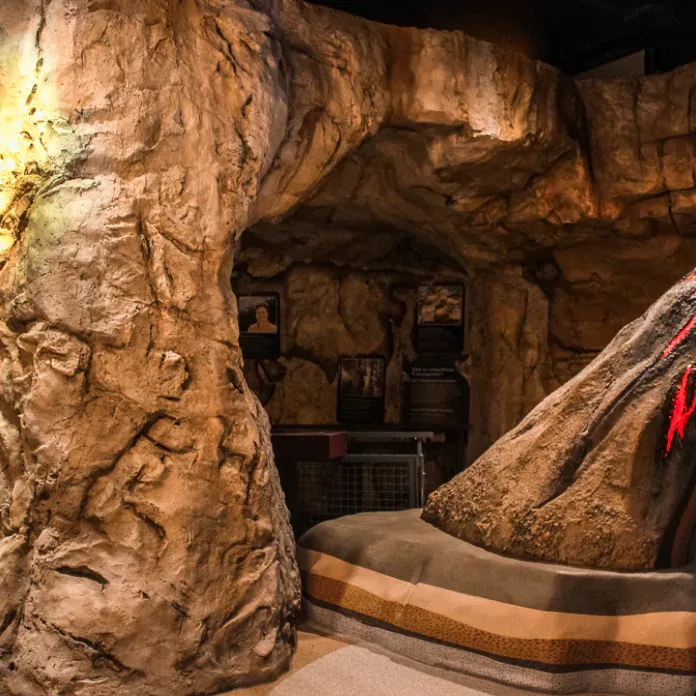
After completing the penguin exhibit, they went on to apply SPF to the flooring of the NASCAR display and Bronze Buck exhibits located nearby. SPF is ideal for the performance needs of the penguin exhibit due to the seamless installation, high R factors, and low perm rating for moisture and temperature control that it provides. With 16,000 square feet to spray, including the three exhibits’ walls, floor, and roof deck, it made for an enormous project.
With projects like these as examples, it’s easy to see why the spray foam industry has experienced unprecedented growth, and it does not look like it will be slowing down anytime soon.
If you have a project in mind, you would like some tips on, call us anytime and speak to one of our specialists. Also, be sure to join our mailing list, so you dont miss out on more content like this.