




Veterinary Flooring: What Holds Up Room by Room
Exam rooms, treatment, wards, runs and bathing areas each ask something different of the floor. Here is what works where, what it costs and how long it lasts.
Start a floor coating business
Coat floors for a living.
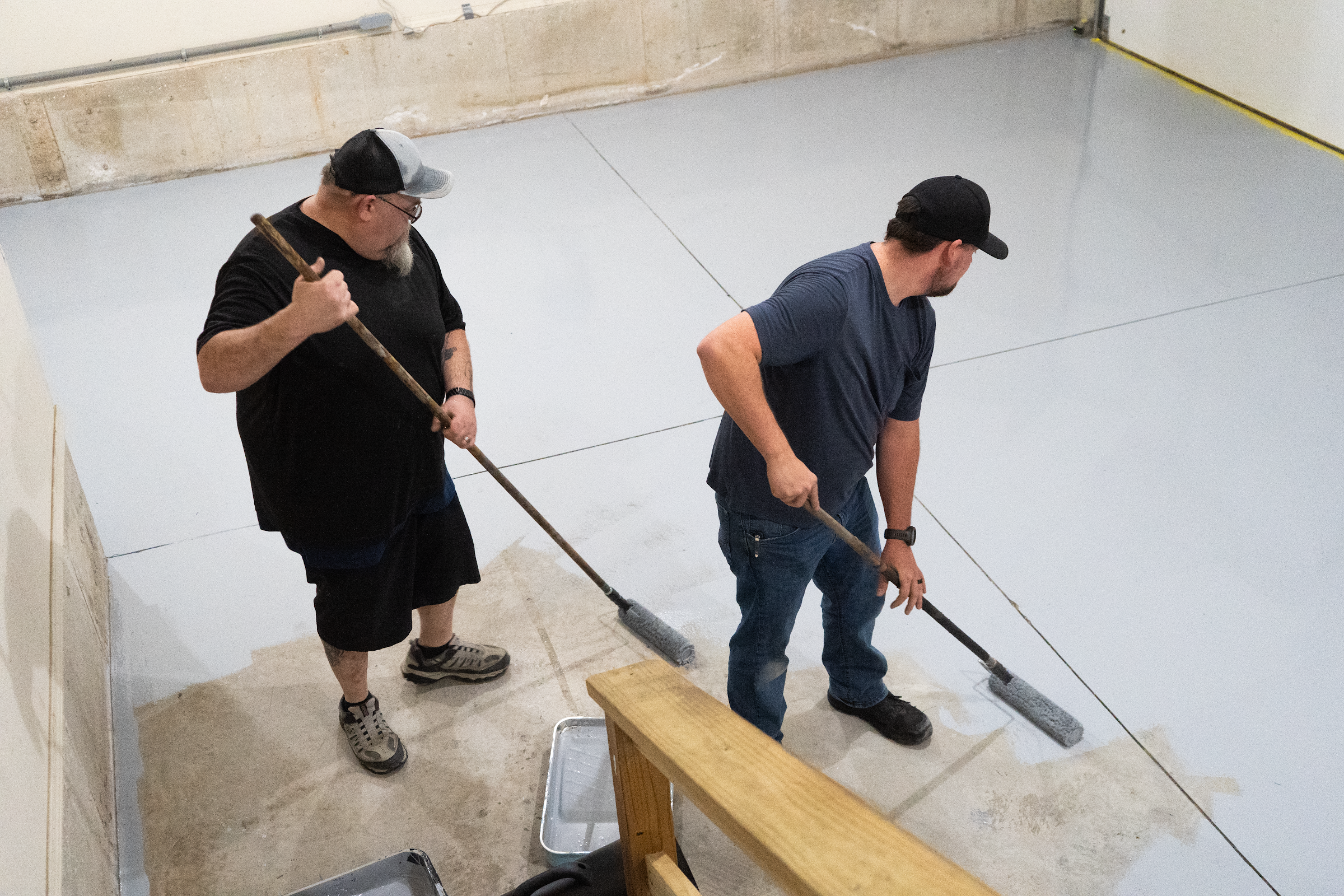
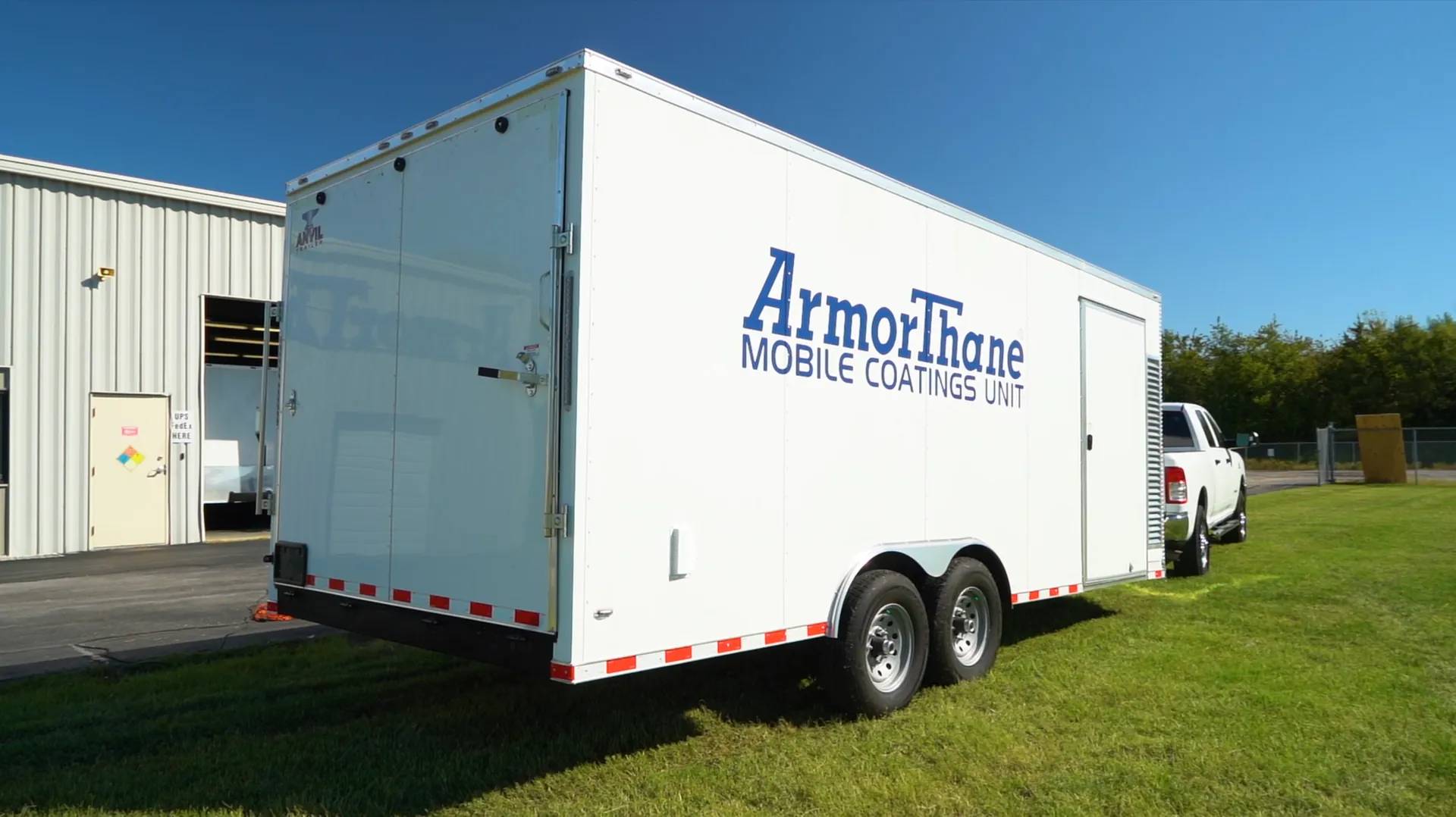
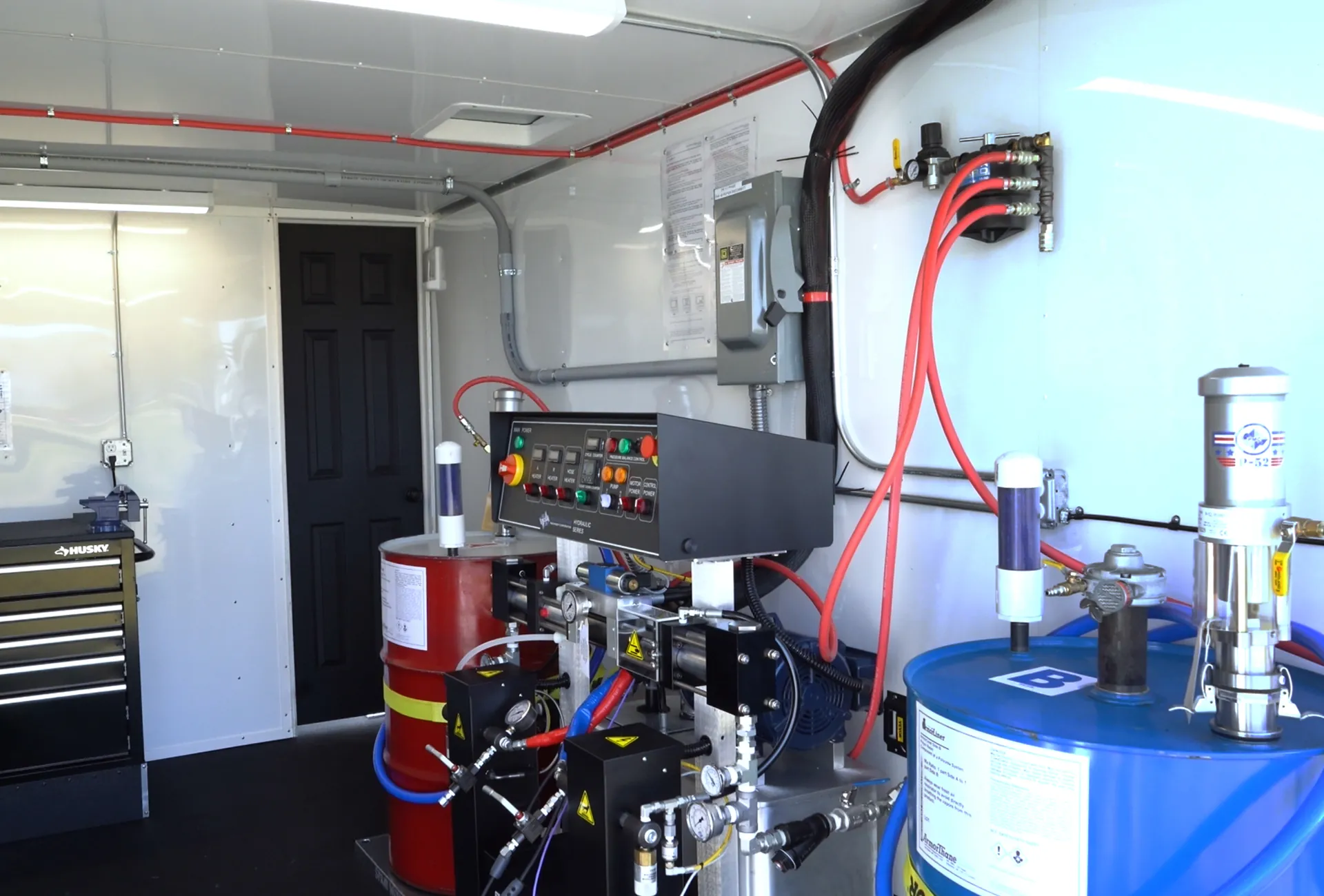
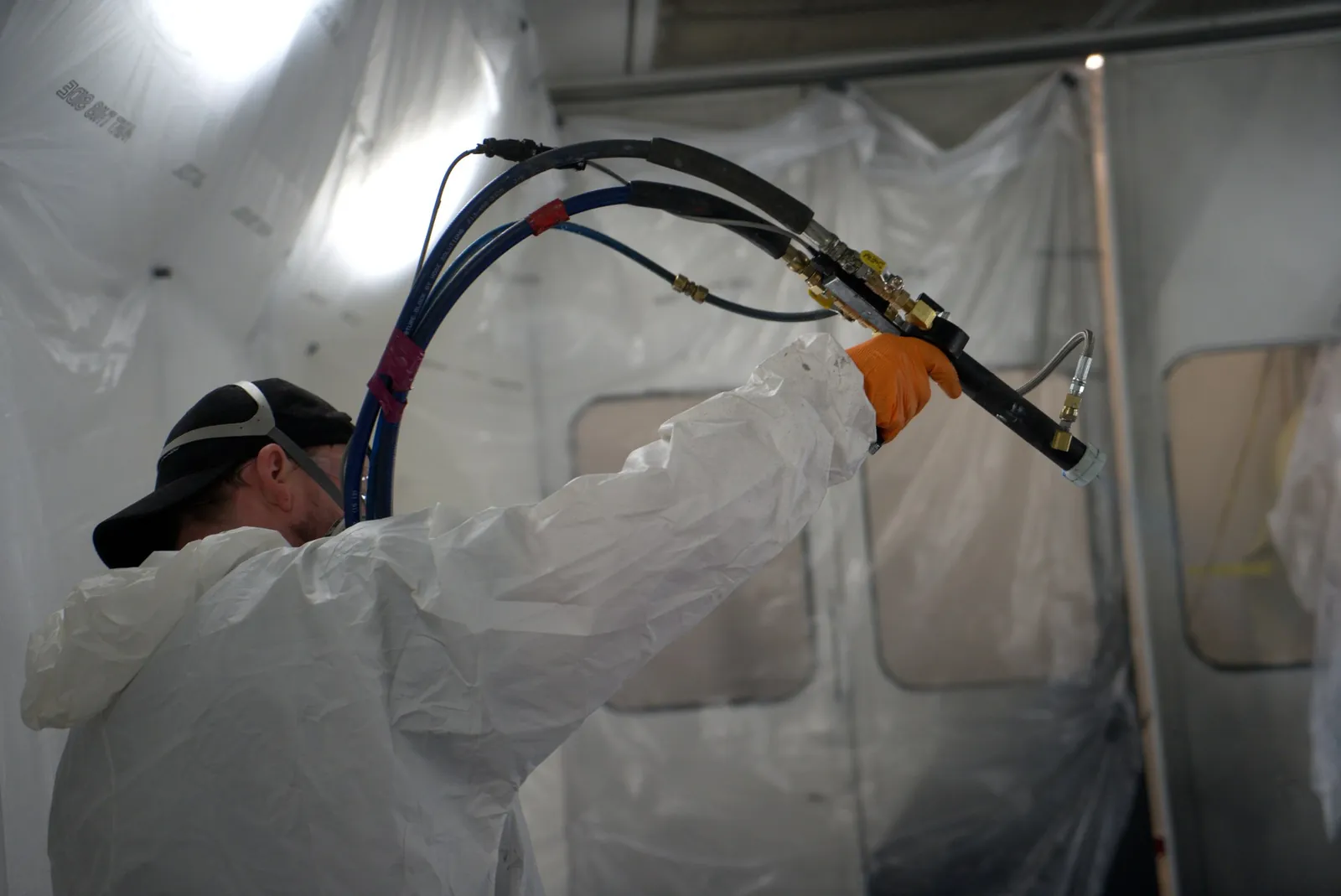
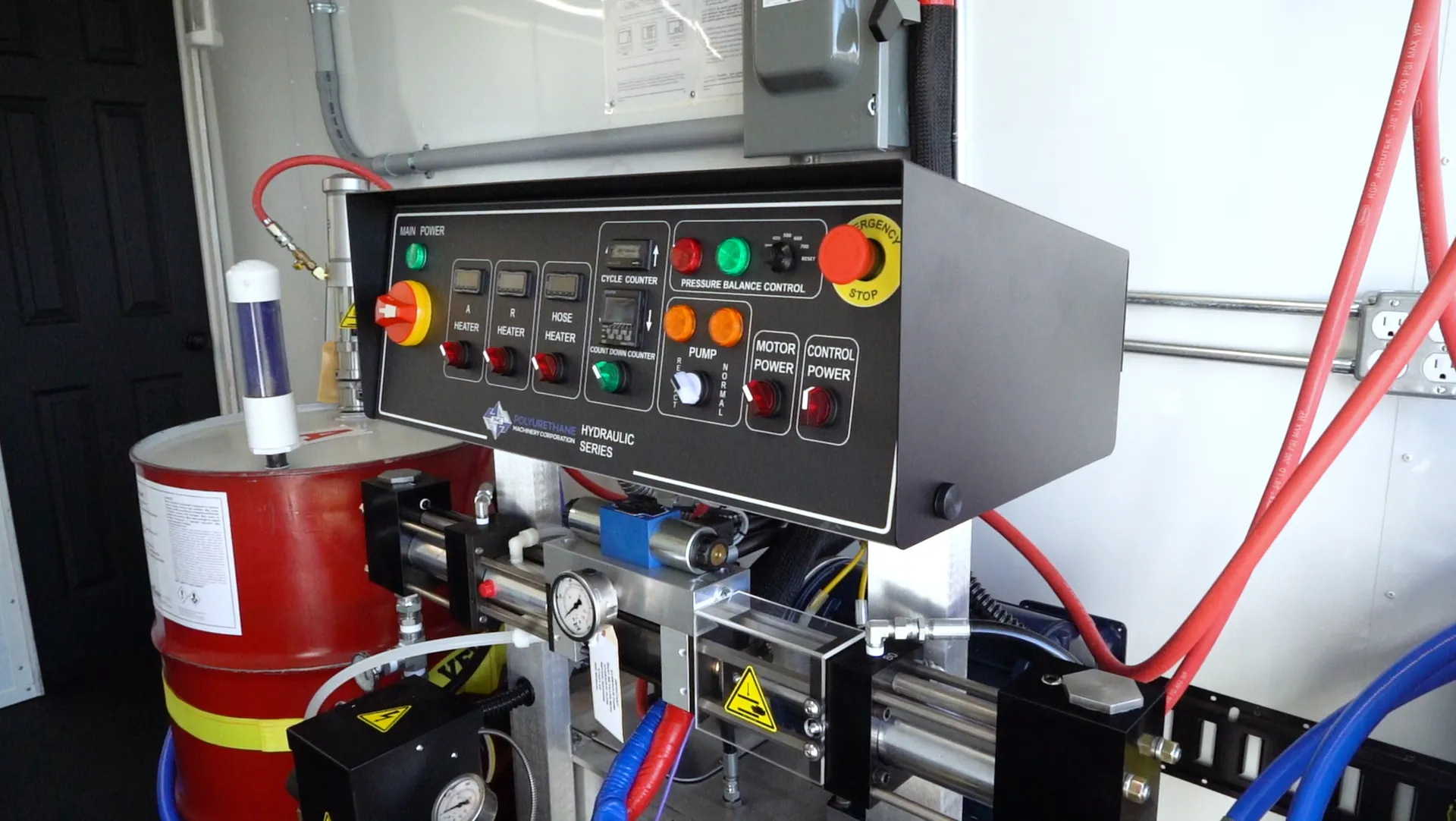
ArmorThane sets you up to do this work, and you own the business. We make the chemistry, build the rigs, train you hands-on and answer the phone when a job gets difficult. You pay no franchise fee and no royalties. It has been that way since 1989.
- $0
- franchise fees or royalties
- 35+
- years in business
- 50+
- countries with applicators
- 24/7
- technical support
Veterinary flooring takes more punishment per square foot than almost any floor in healthcare. Claws, urine, blood, shed hair, disinfectant several times a shift, a dropped instrument tray, and a 140 pound mastiff who has decided he is not getting on the scale.
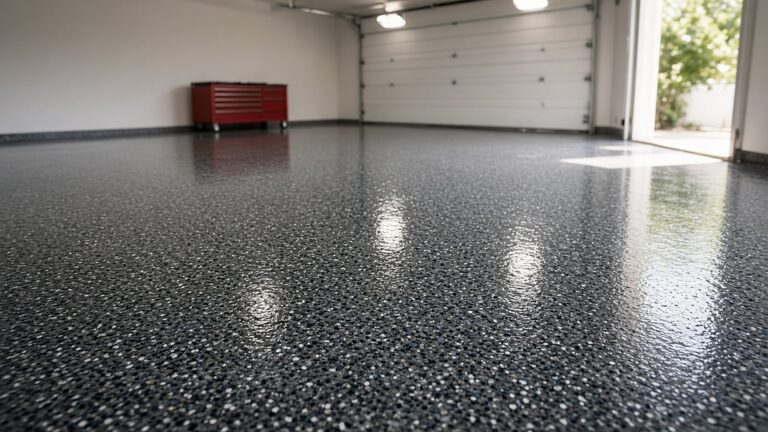
The best veterinary flooring is seamless, nonporous, slip resistant when wet and coved up the wall, so urine and disinfectant have nowhere to soak in. Most clinics use heat-welded safety sheet vinyl in exam and surgery, and a resin floor (polyurea, polyaspartic or epoxy with a grit broadcast) in treatment, wards, runs and bathing areas.
What each part of the clinic asks of the floor
One floor for the whole building is the easy spec and usually the wrong one. The lobby needs to look good and stay quiet. The dog ward needs to survive a hose twice a day. Splitting the building into zones lets you spend where the abuse is and save where it is not.
Grip, quiet, easy on legs
Pets arrive stressed, and a dog scrabbling on a slick floor gets harder to handle. LVT or safety vinyl is common here; a fine-grit resin floor works if you like the look.
No seams near the table
Blood and fluids, rolling carts and daily disinfection. Use heat-welded sheet vinyl or a resin floor with an integral cove, and nothing with grout lines.
Urine, hoses and claws
This is resin floor territory: polyurea or polyaspartic with grit, coved up the wall, sloped to the drains and carried into the drain bodies.
Light duty
Any cleanable commercial floor will do. Put the budget into the rooms above.
Veterinary flooring options side by side
Price per square foot is half the story. Seams, wet grip and how the floor ages matter more in a clinic than in an office, so they get their own columns.
| Floor | Installed $/sq ft | Typical life (yr) | Seams | Wet grip | Best zones |
|---|---|---|---|---|---|
| Polished concrete | 1.50–7 | 30+ | Saw cuts only | Slippery | Storage, back of house |
| Luxury vinyl tile (LVT) | 7–9 | 10–20 | Many | Good | Lobby, exam |
| Safety sheet vinyl | 8–10 | 10–20 | Few, heat-welded | Good wet or dry | Exam, treatment, surgery |
| Recycled rubber | 4–12 | 10–20 | Some | Good | Exam, rehab; needs sealer |
| Epoxy coating | 4–10 | 5–10 | None | Good with grit | Treatment, wards |
| Polyaspartic / polyurea | 5–12 | 10–20 | None | Good with grit | Wards, runs, bathing, treatment |
The column that never shows up in a price sheet is what happens at year eight. A worn polyaspartic or polyurea floor can usually be scuffed and given a new topcoat over a weekend, with the base left in place. Sheet goods and planks get torn out and replaced. That difference is a big reason we like resin in the hard-use rooms of a clinic.
More on the systems: polyaspartic floor coating, the ArmorFloor aliphatic polyaspartic topcoat and our non-slip coatings.
What the floor costs over 20 years
Pick a floor, enter the area and how long you plan to own the building. The calculator counts how many times each option gets installed over that span and prices every round, so a cheap floor that needs replacing twice shows up honestly.
Veterinary floor lifecycle cost
Total = area × installed price × installs, where installs = years owned ÷ floor life, rounded up. The low case uses the low price and the long life; the high case uses the high price and the short life. Prices from dvm360 (vinyl, rubber, concrete) and HomeGuide (epoxy, polyaspartic); lifespans from Continental Flooring and HomeGuide. Enter your own quote to replace the typical price.
Planning dog runs too? The dog kennel flooring guide covers run sizes, slope and drains, and horse stall flooring covers large animal practices.
Coating a clinic floor without closing
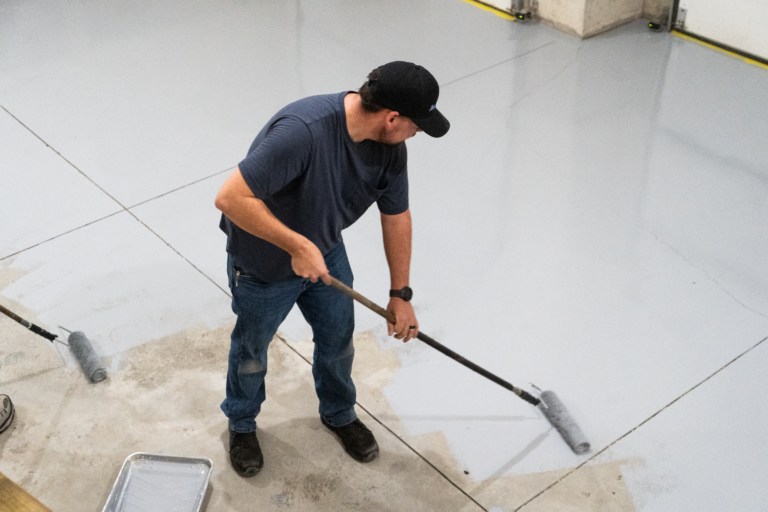
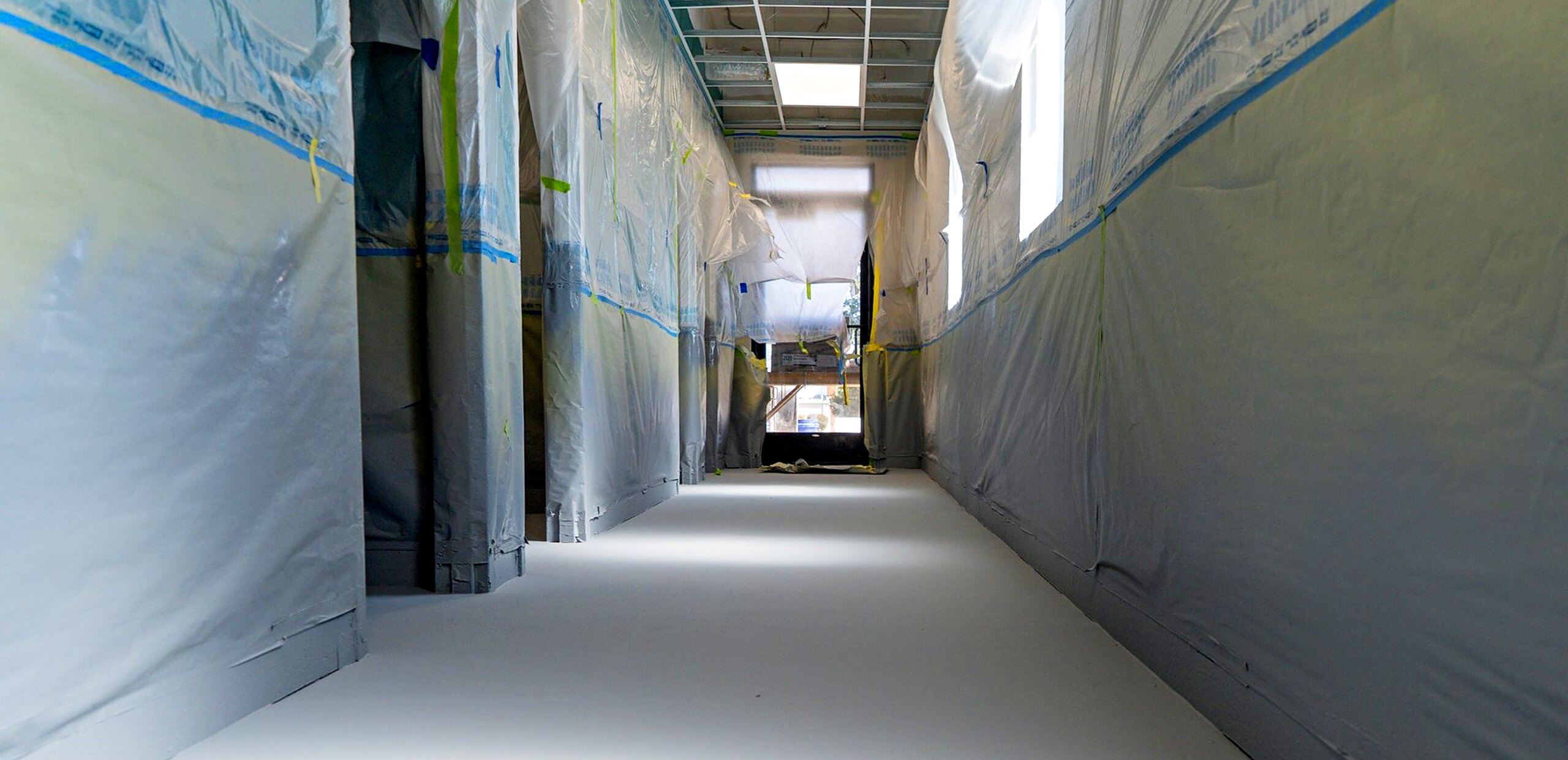
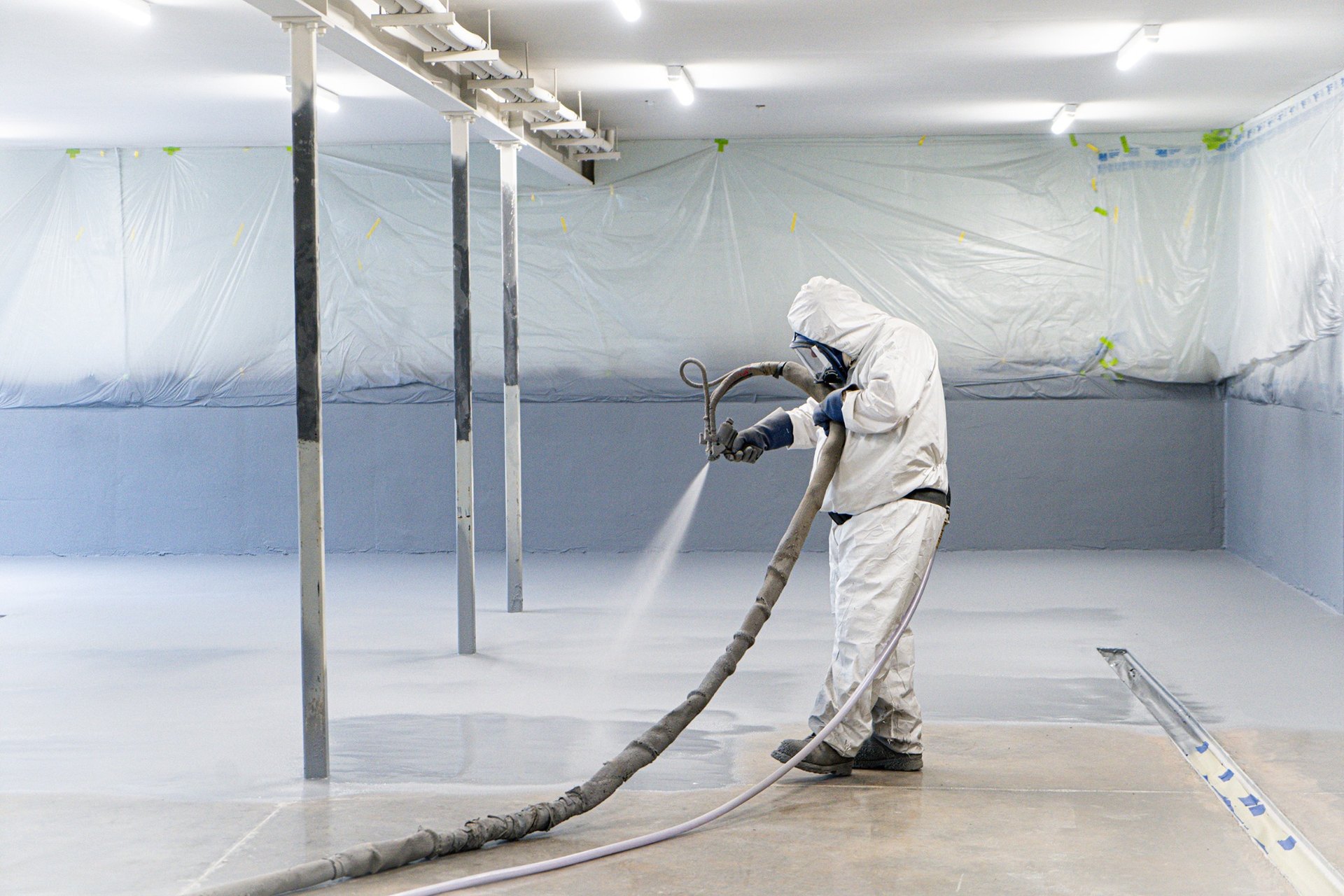
Few practices can shut the doors for a week. With a fast-cure resin system, a crew can usually take one wing or one block of runs per visit and hand it back the next morning.
Phase the building
Split the job into wings that can close for a day or a weekend. Move patients first, then seal the zone off from the HVAC return so dust and odor stay put.
Test the slab for moisture
Older clinics on slab-on-grade often lack a vapor barrier. In-situ relative humidity probes per ASTM F2170 tell you whether the slab will push moisture into the new floor.
Grind, do not etch
Diamond grinding opens the slab to a profile around ICRI CSP 2 to 3 and removes old adhesive, sealers and urine-soaked concrete. Cracks and old grout lines get filled.
Build the cove and the drains
An integral cove runs up the wall, and the coating is carried into drain bodies and around kennel anchors so there is no edge to lift.
Broadcast grit, then topcoat
Aggregate goes into the wet base for grip and the topcoat locks it in. Finer grit for exam rooms, coarser for runs and bathing tubs.
Respect the cure
Keep patients out until the data sheet's traffic time has passed. Polyaspartic floors typically take light foot traffic within hours and reach full cure in 24 to 48 hours.
Urine, disinfectant and noise
Keep it on top
Urea breaks down to ammonia, and porous concrete, grout and plank joints hold it. A nonporous, coved resin floor keeps urine on the surface where the mop can reach it.
Match the chart
Bleach, accelerated hydrogen peroxide, quats and potassium peroxymonosulfate are all common in clinics. Check each one against the floor's chemical resistance chart, and rinse residue that leaves floors tacky.
Hard floors echo
Rubber and cushioned vinyl soak up sound; resin floors do not. In a barking ward, acoustic ceiling panels and wall treatments carry that load.
Good veterinary flooring also helps the staff. Techs stand and kneel on it for twelve-hour shifts, so in exam rooms and pharmacy areas a little cushion is worth considering. For background on germ control in coatings, see our antimicrobial coatings page and the healthcare coatings overview.
Coved, gripped and back by morning.
A certified ArmorThane applicator can phase a clinic floor wing by wing, with a written system for each room and a cure schedule that fits your appointment book.
Contractors: become an ArmorThane applicator
Veterinary flooring questions
What is the best flooring for a veterinary clinic?
A seamless, nonporous, slip-resistant floor with an integral cove. Many clinics use heat-welded safety sheet vinyl in exam and surgery rooms and a resin floor such as polyurea or polyaspartic in treatment, wards, runs and bathing areas, where urine and hosing never stop.
Is epoxy flooring good for veterinary clinics?
Epoxy is seamless and cleanable, and with grit it gives decent footing. Thin water-based epoxies wear out in a few years, though, and full cure can take up to a week. Polyaspartic or polyurea systems return to service in about a day.
Is vinyl flooring good for an animal hospital?
Heat-welded safety sheet vinyl is a solid pick for exam and surgery rooms, at roughly $8 to $10 per sq ft installed. LVT planks look good in a lobby, but their many joints let urine and fluids through, so keep them out of wards and runs.
How slip resistant should veterinary flooring be?
Veterinary architect Heather Lewis, quoted by dvm360, recommends a coefficient of friction of 0.6 or higher. On a resin floor that grip comes from aggregate broadcast into the base coat, sized to suit each room.
What floor works best in dog runs at a vet hospital?
A coved polyurea or polyaspartic system with broadcast aggregate, sloped to the drains and carried into the drain bodies. It handles urine, hosing and claws without seams, and a worn topcoat can be renewed without tearing out the floor.
How long does it take to coat a clinic floor?
A wing of a few hundred square feet is often ground, coated and back in light use within one to two days with a polyaspartic or polyurea system, which typically reaches full cure in 24 to 48 hours. Larger clinics are phased.
Sources
- dvm360, Stop the slip with flooring that grips. dvm360.com/view/stop-slip-with-flooring-grips
- dvm360, Best types of flooring for your veterinary practice. dvm360.com/view/best-types-of-flooring-for-your-veterinary-practice
- HomeGuide, Polyaspartic floor coating cost. homeguide.com/costs/polyaspartic-floor-coating-cost
- Continental Flooring Company, How long does commercial flooring last. continentalflooring.com/commercial-flooring-lifespan
- ASTM International, F2170 Determining Relative Humidity in Concrete Floor Slabs Using in situ Probes. store.astm.org/f2170-19a.html

Start your coatings business with ArmorThane.
Tell us what you want to spray and where you are. An ArmorThane specialist will walk you through the equipment, chemicals, training and startup cost for the work you want to do.
- Equipment package matched to your applications
- Hands-on training and applicator certification
- Technical support once you are spraying
Building or renovating an animal hospital?
Tell us which rooms need work and how the clinic runs. We will suggest an ArmorThane floor system for each zone and connect you with a certified applicator who can phase the job around your schedule.
- Rooms: exam, treatment, wards, runs, bathing
- Square footage of each area
- Current floor and slab condition
- Days or weekends you can close a wing
More to read on floors and decks
Short reads from ArmorThane on Issuu. Tap one to open it right here.