Garage Floor Coating Near Me: Local Installers
Get matched with a certified installer near you, price your garage by size and system, and learn the slab checks that decide whether a coating lasts.
Start a floor coating business
Coat floors for a living.
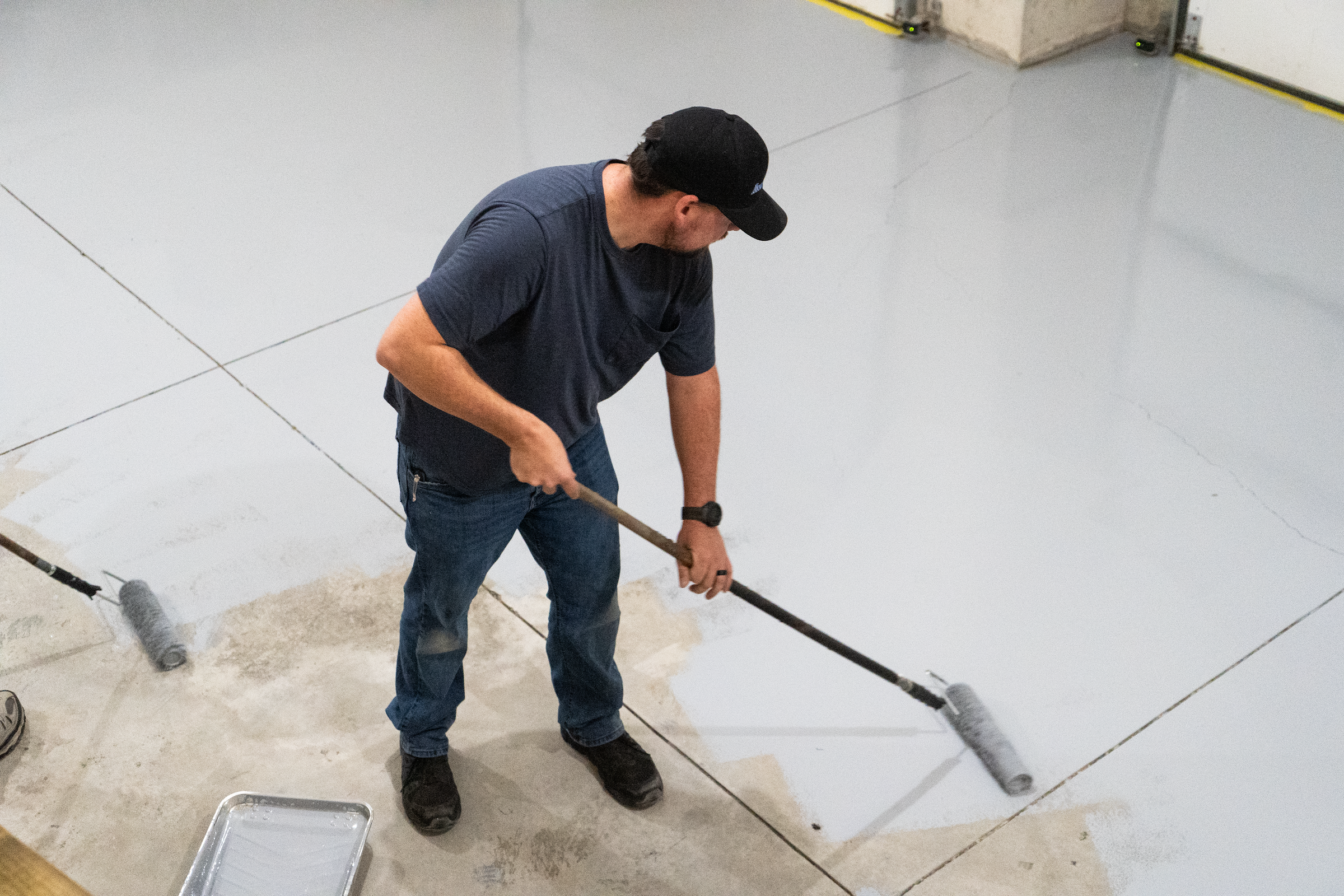
ArmorThane sets you up to do this work, and you own the business. We make the chemistry, build the rigs, train you hands-on and answer the phone when a job gets difficult. You pay no franchise fee and no royalties. It has been that way since 1989.

- $0
- franchise fees or royalties
- 35+
- years in business
- 50+
- countries with applicators
- 24/7
- technical support
Most garage floor quotes look alike on paper: a system name, a color chart and a price per square foot. What separates a floor that lasts from one that peels after two winters happens before the first coat goes down, and that is exactly the part a quick quote leaves out. Here's how to get a fair local price, and a floor that stays stuck.
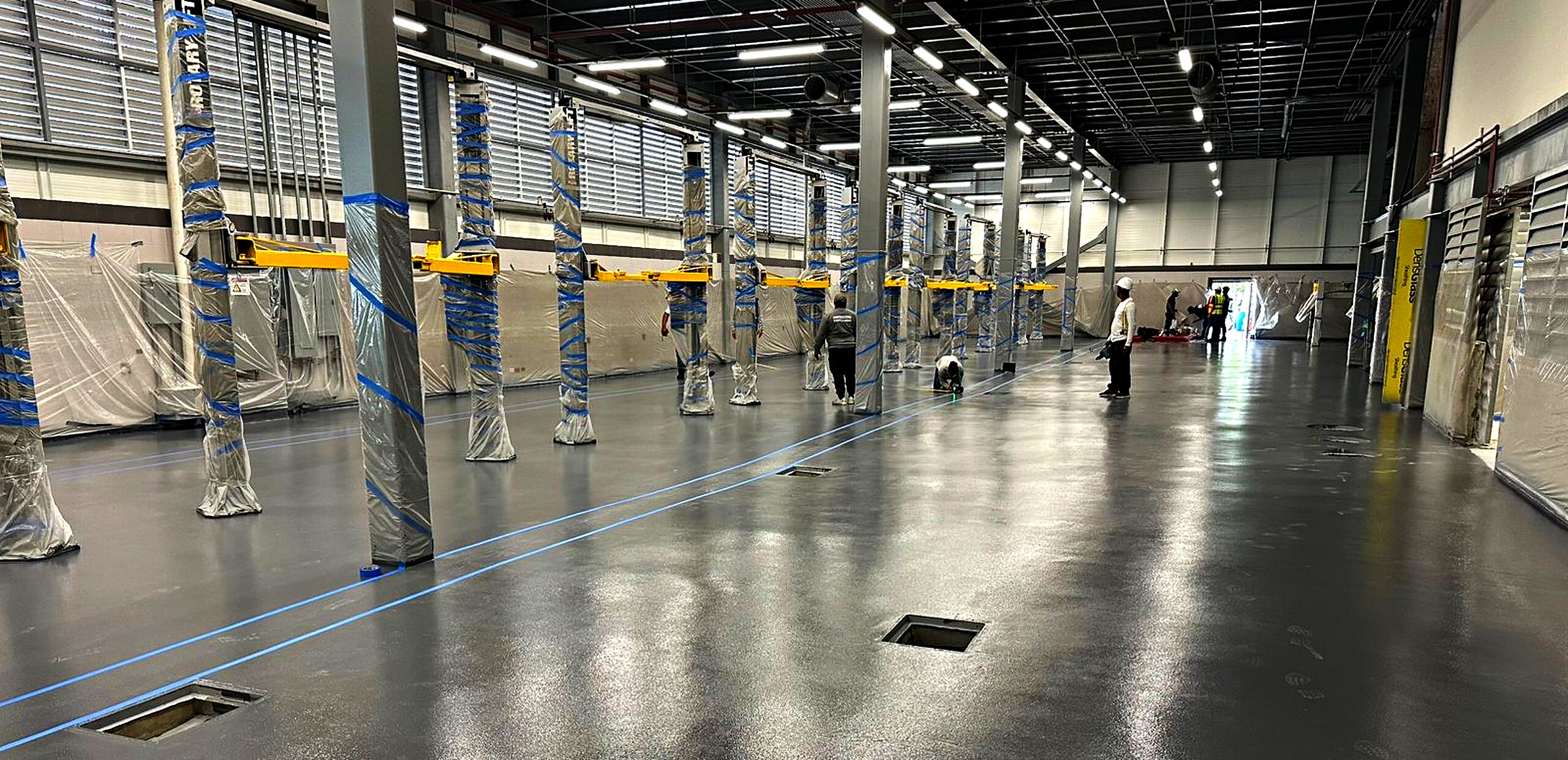
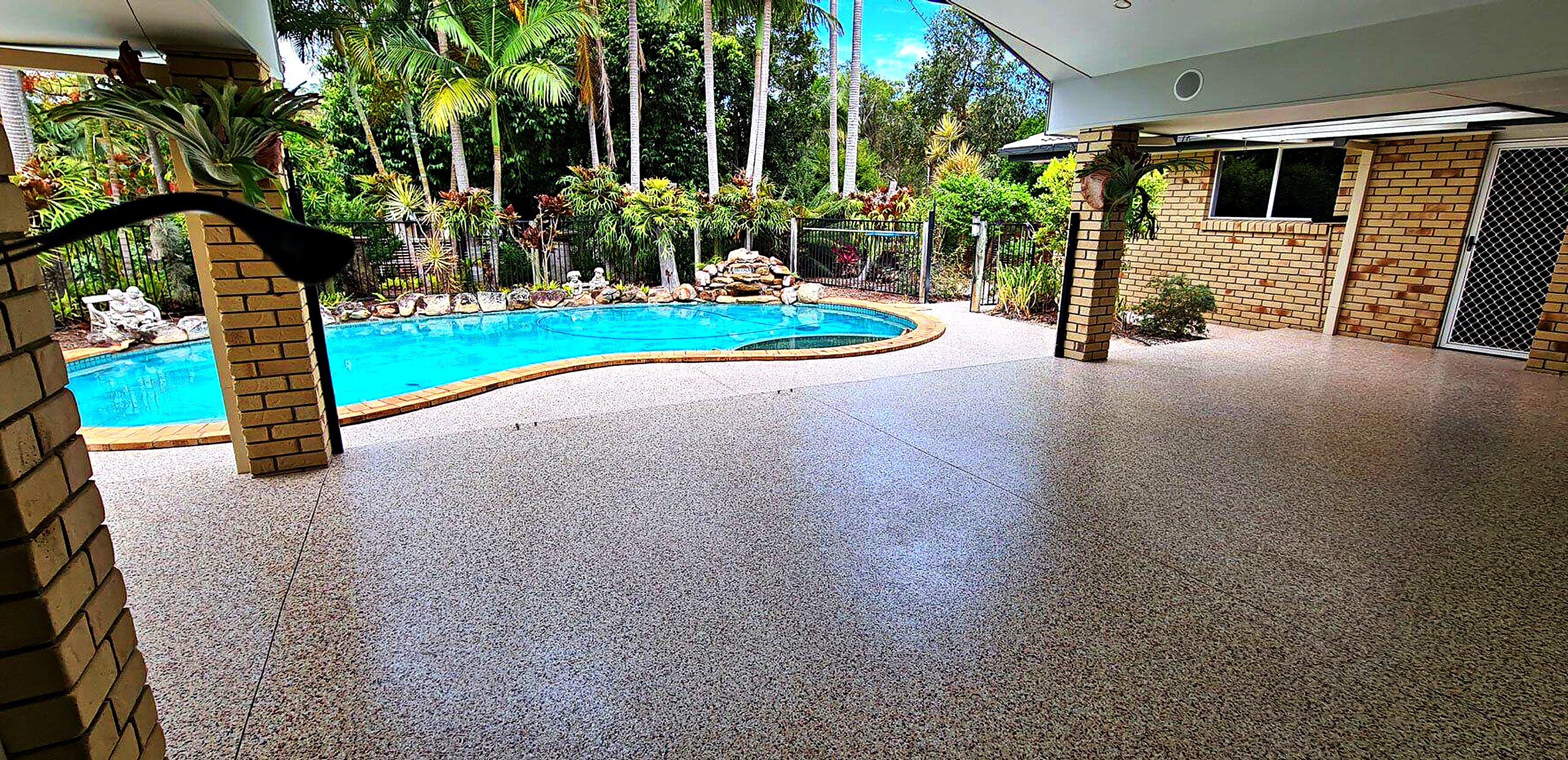
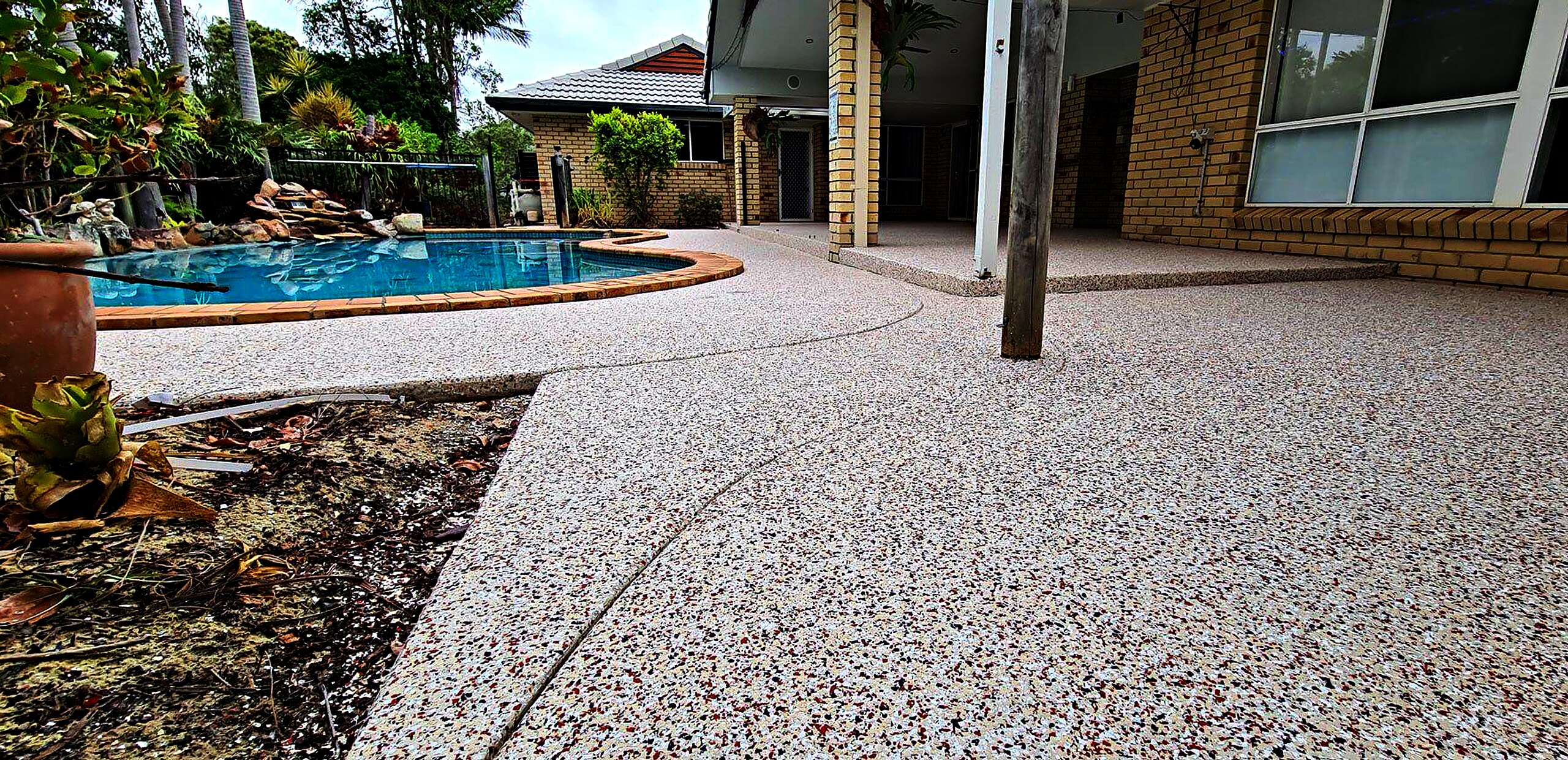
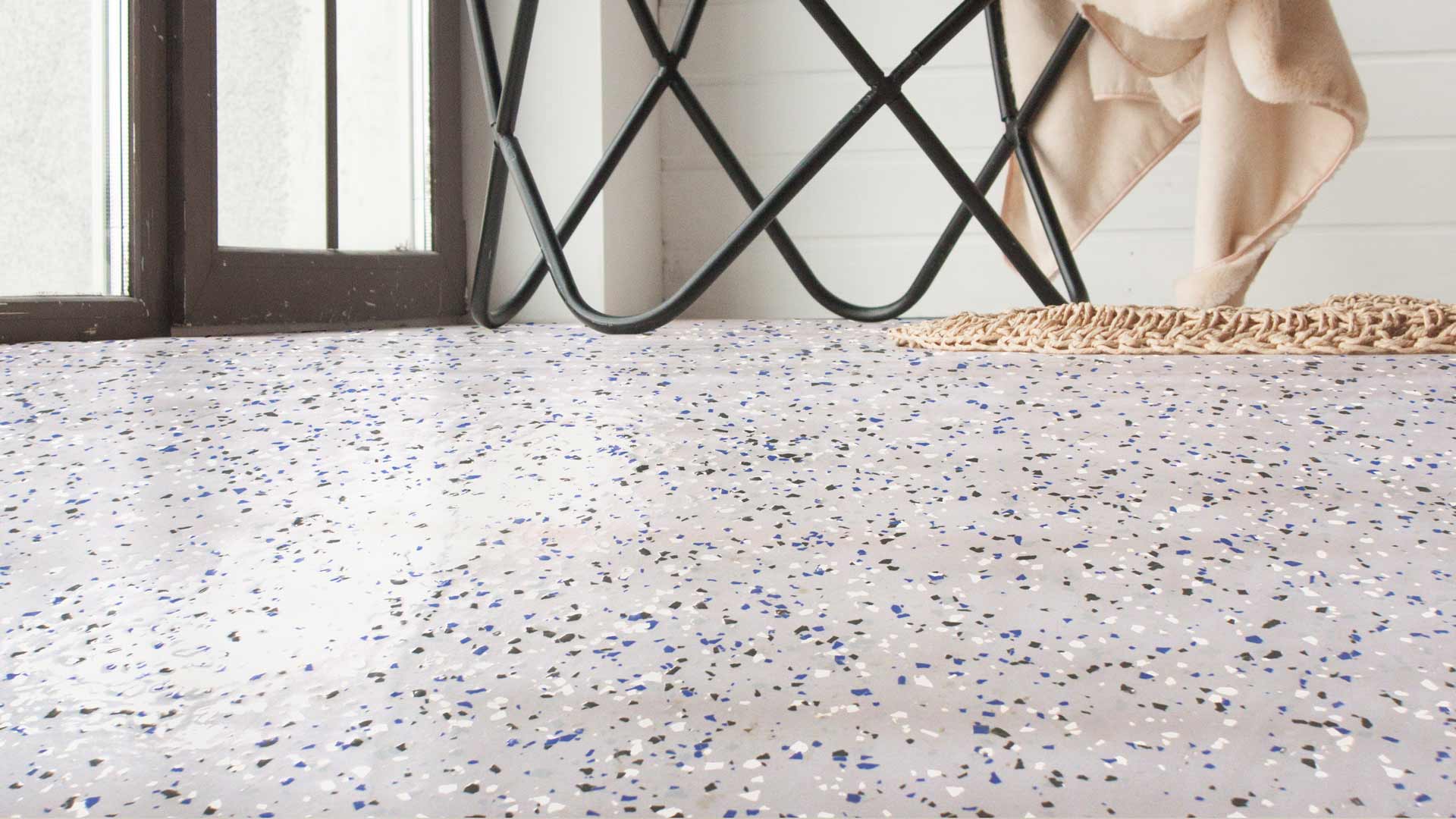
Professional garage floor coating near you typically costs $4 to $12 per square foot installed, or about $1,600 to $4,800 for a 400 sq ft two-car garage. Polyurea and polyaspartic flake systems run $5 to $12 per square foot and can usually take a car in about a day. Epoxy flake runs $5 to $8 but needs two to three days. The installer you want grinds the slab, tests it for moisture and repairs cracks before anything is rolled on.
Garage floor installers near you, matched by ZIP
Certified ArmorThane installers are independent local businesses that grind, repair and coat concrete with our floor systems. Tell us the size of the garage and the finish you're after, and we'll send the request to the closest one. The person who calls you back will have coated plenty of slabs like yours.
Request a garage floor quote
Enter your ZIP or postal code and a few details. We route the request to the nearest certified ArmorThane applicator; nothing is shared with anyone else.
Enter your ZIP or postal code. We'll fill in the request form below with your garage details, so you only add your name and how to reach you.
Rather talk it through? Call (417) 831-5090. In Canada, ArmorThane Coatings, Inc. is at 780-444-6200.
What your garage floor should cost
Pick a garage size and a system. The estimator uses the installed price bands from our 2026 garage floor cost guide, which draws on HomeGuide's national data. Local labor, the shape your slab is in and any repairs can push a real quote outside the band. Use it to spot a quote that's way off, not to argue over the last fifty dollars.
Garage floor coating cost estimator
Total = floor area × installed price per sq ft. Bands: epoxy $3–$7, epoxy flake $5–$8, polyurea flake $5–$10, polyaspartic $5–$12 (HomeGuide via ArmorThane, 2026). Typical sizes: 1-car about 240 sq ft, 2-car about 400, 3-car about 600. Crack repair, moisture mitigation, stem walls and removing an old coating are extra.
Want the line-by-line breakdown, including DIY kits? See the full garage floor coating cost guide.
What local installers actually put down
A handful of names cover almost every quote you'll get. They differ in how thick they build, how fast you can park on them and how they handle the sunlight that pours in every time the door goes up.
| System | Typical build | Park on it | Price per sq ft | In sunlight |
|---|---|---|---|---|
| Garage floor paint | About 1 mil a coat | Per the can | Material only | Fine, but hot tires lift it |
| DIY epoxy kit | 2.5–3.5 mils a coat | Per the kit | $0.50–$1.50 material | Ambers over time |
| Pro epoxy, solid color | Multi-coat system | 2–3 days | $3–$7 | Ambers unless topcoated |
| Epoxy flake | Full flake system | 2–3 days | $5–$8 | Depends on the topcoat |
| Polyurea flake | 10–50+ mils | About a day | $5–$10 | Stable with an aliphatic top |
| Polyaspartic flake | 10–50+ mils | About a day | $5–$12 | Color-stable |
Why many pros finish with polyaspartic
Polyaspartic is an aliphatic chemistry, so it holds color and gloss in the sun that comes through an open garage door. It also cures quickly, which is why installers often finish polyurea and epoxy base coats with it. Ours is ArmorFloor aliphatic polyaspartic.
When epoxy still makes sense
An interior shop floor that never sees sun, a tighter budget and a few days you can stay off it: that's a reasonable place for epoxy. Just make sure it's a professional multi-coat system on a ground slab, not a single coat from a kit.
Deciding between the fast-cure options? Our guides to the polyurea garage floor and polyaspartic floor coating go deeper on how each is built.
Five slab checks that decide if it lasts
Garage coatings rarely fail because of the coating. They fail because the concrete underneath wasn't ready for it. A good installer checks each of these on the first visit, before giving you a final price.
- Age. New concrete needs at least 28 days to cure before a resin floor goes down, and longer if the product data sheet says so.
- Moisture. An in-situ relative humidity test (ASTM F2170) should read under about 75 percent, or whatever limit the product allows. Moisture pushing up through a slab is a common reason coatings bubble and let go.
- Profile. High-build systems in the 10 to 40 mil range need a ground profile of about CSP 2 to 3. Acid etching doesn't get the surface there.
- Cracks and joints. Cracks get routed and filled. Control joints get a plan, filled or honored, before the base coat goes down.
- Old coatings and sealers. Paint, kit epoxy and penetrating sealers have to come off. A new floor can only hold as well as whatever it is stuck to.
What install day looks like
With a fast-curing polyurea or polyaspartic system, the coating work on a typical garage often fits into a single day, with parking the day after. Epoxy systems spread out over more days. Either way, the order of work should look like this.
Clear the garage
Everything comes off the floor and away from the base of the walls. Installers need the whole space and access to power.
Diamond grind and vacuum
Grinders with diamond tooling open up the surface to the profile the system needs, with vacuums pulling the dust as they go. This is the step that makes the bond.
Repair cracks, pits and joints
Repairs go in now so they cure under the coating, not on top of it.
Base coat and flake broadcast
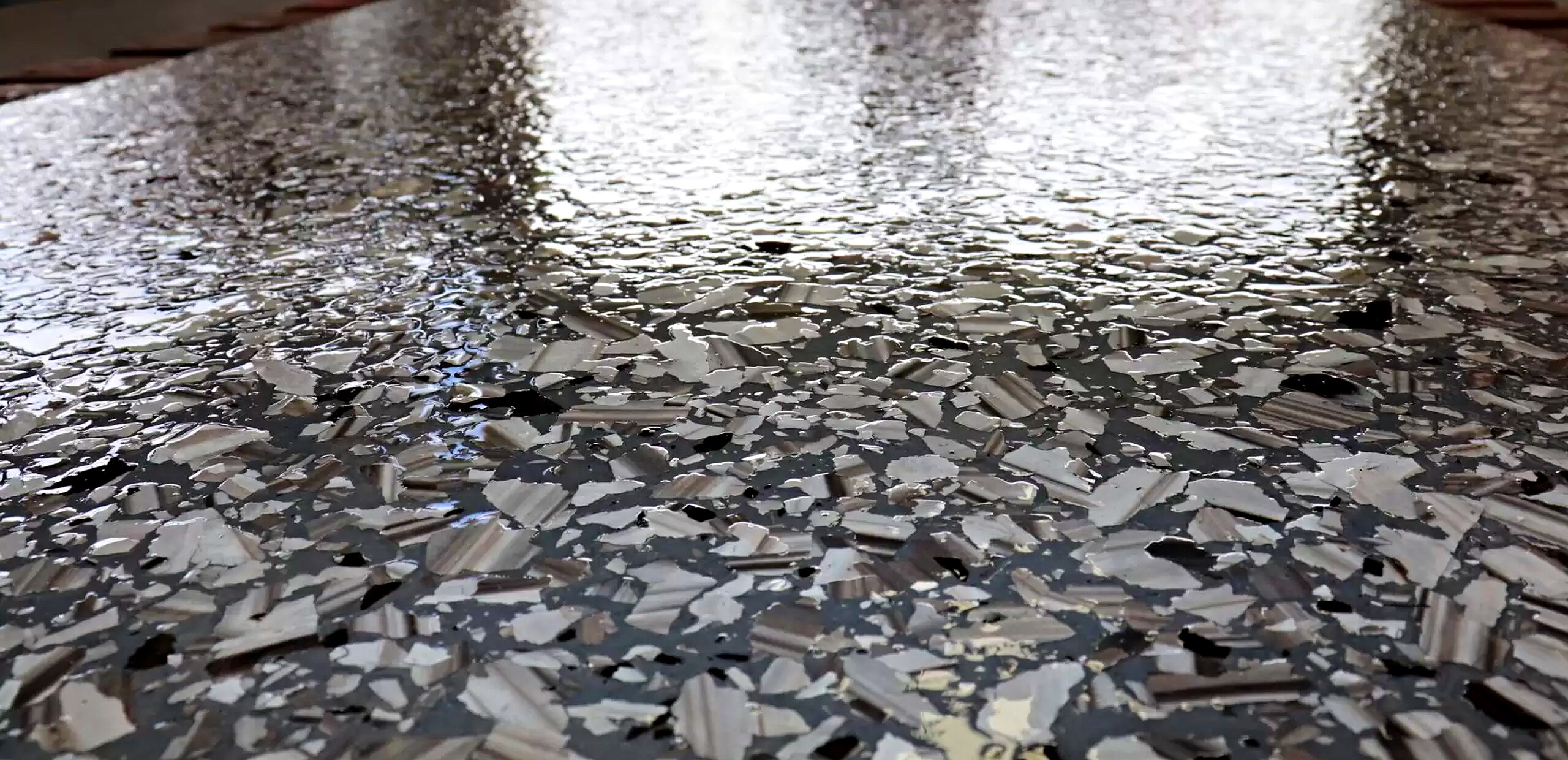
A pigmented base coat goes down and flake is broadcast into it, often to full coverage so no base color shows through.
Scrape, vacuum and topcoat
Loose flake is scraped and vacuumed, then a clear topcoat locks it in and sets the final texture and slip resistance.
Cure, then move back in
Walk on it when the installer says. Park on it after the cure time on the data sheet: about a day for polyaspartic and polyurea flake, longer for epoxy.
What a local garage floor quote should spell out
You don't need to become a flooring expert. You need a quote specific enough that two installers' numbers can be compared fairly. For the full hiring checklist, see our guide to vetting garage floor coating contractors.
| Line on the quote | Why it matters | A good answer looks like |
|---|---|---|
| Prep method | Decides how well the coating bonds | Diamond grinding or shot blasting, not acid etching alone |
| Moisture test | Moisture is a leading cause of peeling | An RH reading recorded next to the product's limit |
| Product names | Lets you read the data sheet | Base coat and topcoat both named |
| Coats and build | Thickness is durability | Each coat listed, flake coverage stated |
| Repairs | Avoids surprise change orders | Crack and joint work priced or included |
| Return to service | Plans your week | Walk-on and park-on times in writing |
| Warranty | Covers you if it lifts | Terms, length and exclusions on paper |
Ground, tested and built thick.
Send us your ZIP and garage size. The nearest certified ArmorThane installer will look at the slab first and quote the system that fits it.
Installers: become an ArmorThane applicator
Garage floor coating questions
How much does it cost to coat a two-car garage floor?
A typical 400 sq ft two-car garage runs about $1,600 to $4,800 installed, based on national 2026 data. Epoxy sits at the low end, with polyurea and polyaspartic flake systems in the middle to upper end. Crack repair, moisture mitigation and removing an old coating add to the total.
Is polyurea or epoxy better for a garage floor?
For most garages, a polyurea or polyaspartic flake system is the better floor. It builds thicker, holds its color in sunlight and is usually ready to park on in about a day. Epoxy costs less and works well indoors out of the sun, but it needs two to three days before you can drive on it.
How long before I can park on a new garage floor coating?
About a day for most polyaspartic and polyurea flake systems, and two to three days for epoxy. Temperature and the specific product change that, so go by the times your installer gives you from the product data sheet.
Can a new coating go over my old garage floor paint or epoxy?
Usually not directly. Paint, kit epoxy and sealers are ground off so the new system bonds to clean concrete. A coating is only as strong as whatever it is stuck to.
Will a garage floor coating fix cracks?
A flake system hides hairline cracks once they are repaired, but it won't stop a slab that is still moving or settling. Installers route and fill cracks before coating. Structural cracks need a concrete repair first.
How do I find a certified garage floor installer near me?
Use the ZIP request tool on this page or call (417) 831-5090. We send your request to the nearest certified ArmorThane installer who coats garage floors. In Canada, call ArmorThane Coatings, Inc. at 780-444-6200.
Sources
- ArmorThane, Garage floor coating cost guide (2026), citing HomeGuide national cost data. armorthane.com/garage-floor-coating-cost/
- ArmorThane, Garage floor coating guide: slab age, moisture and profile. armorthane.com/garage-floor-coating/
- ASTM F2170, Standard Test Method for Determining Relative Humidity in Concrete Floor Slabs Using in situ Probes.
- ASTM D4263, Standard Test Method for Indicating Moisture in Concrete by the Plastic Sheet Method.
- International Concrete Repair Institute, Guideline 310.2R, concrete surface profiles (CSP 1–10).
A floor that's ground, not just painted.
Certified ArmorThane installers grind the slab, check it for moisture and build a thick flake system made for hot tires and road salt. Tell us where your garage is and we'll find the closest one.
Commercial & Industrial Floor Coatings
Flip through the whole brochure right here, or open it full screen on Issuu to share it.
Get your garage quoted by a local pro.
Tell us the garage size and the look you want. We'll send it to the nearest certified ArmorThane installer, who checks the slab before pricing it.
- Garage size: 1, 2 or 3 car, or square feet
- Your city and ZIP or postal code
- Cracks, stains or an old coating
- When you'd like it done
More to read on floors and decks
Short reads from ArmorThane on Issuu. Tap one to open it right here.

More in Floors & concrete
Floors & concretePolished Concrete vs Epoxy
Floors & concretePolyaspartic Floor Coating
Floors & concretePolyaspartic vs Epoxy
Floors & concretePolyurea Garage Floor
Floors & concretePolyurea vs Polyaspartic
Floors & concretePorch Paint: Best Types for Wood & Concrete, Prep and Coverage
Floors & concreteSelf Leveling Concrete
Floors & concreteShot Blasting Concrete