


Cathodic Protection: How It Works and How to Size It
Sacrificial and impressed current systems, the potentials that prove protection, and why a well-bonded coating carries most of the load.
Start a protective coatings business
Spray protective coatings for a living.
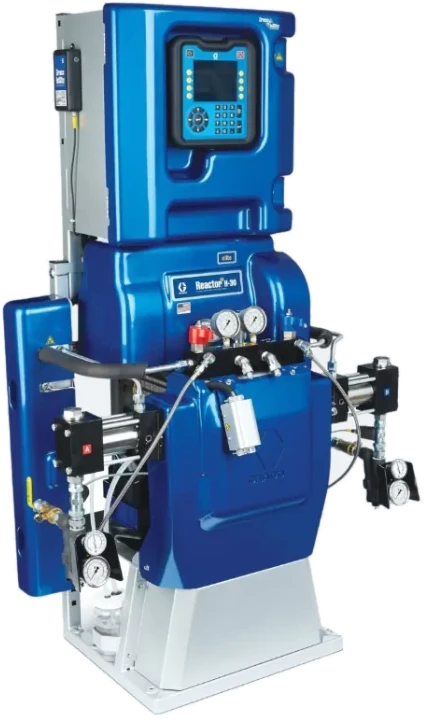
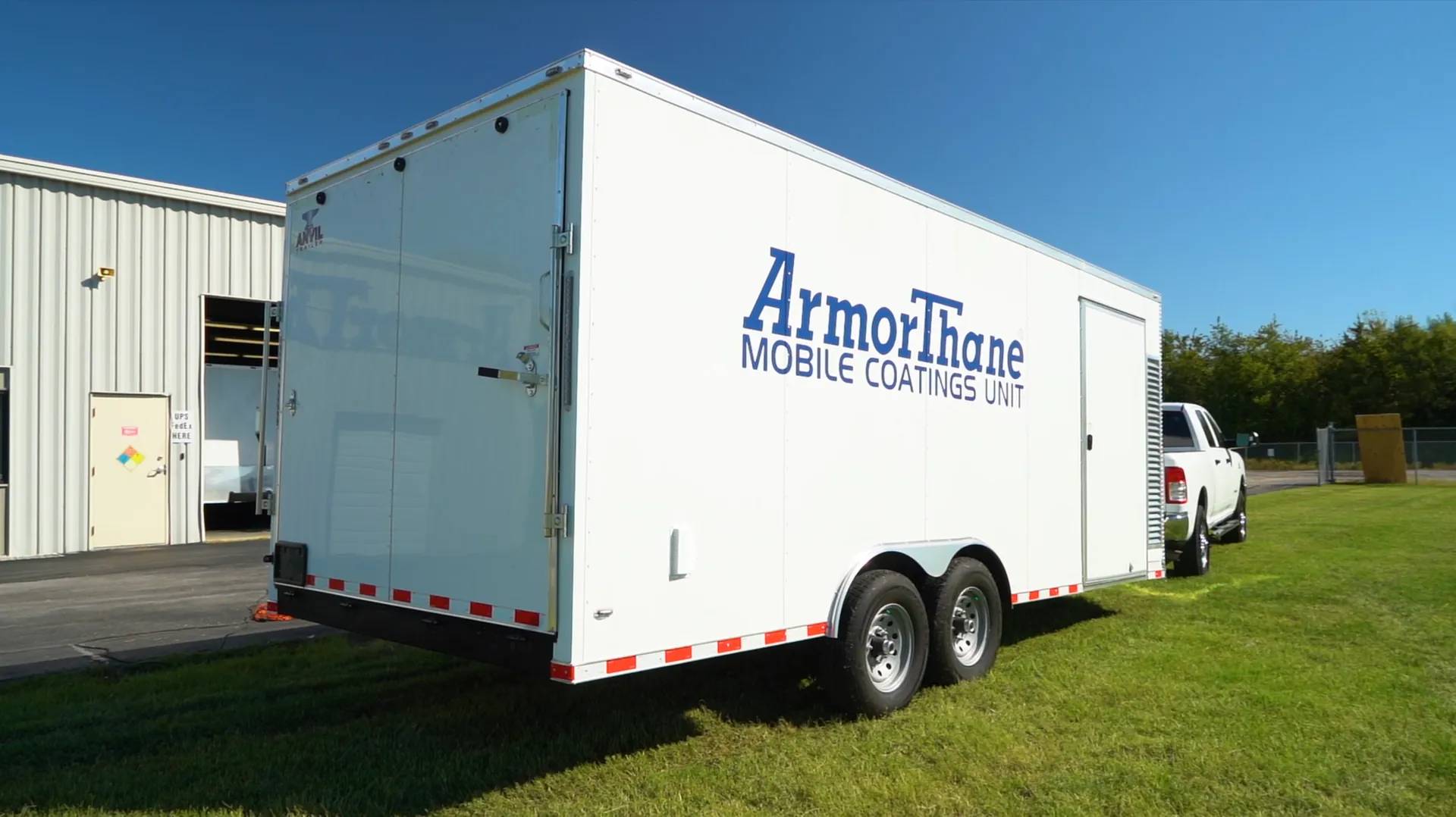
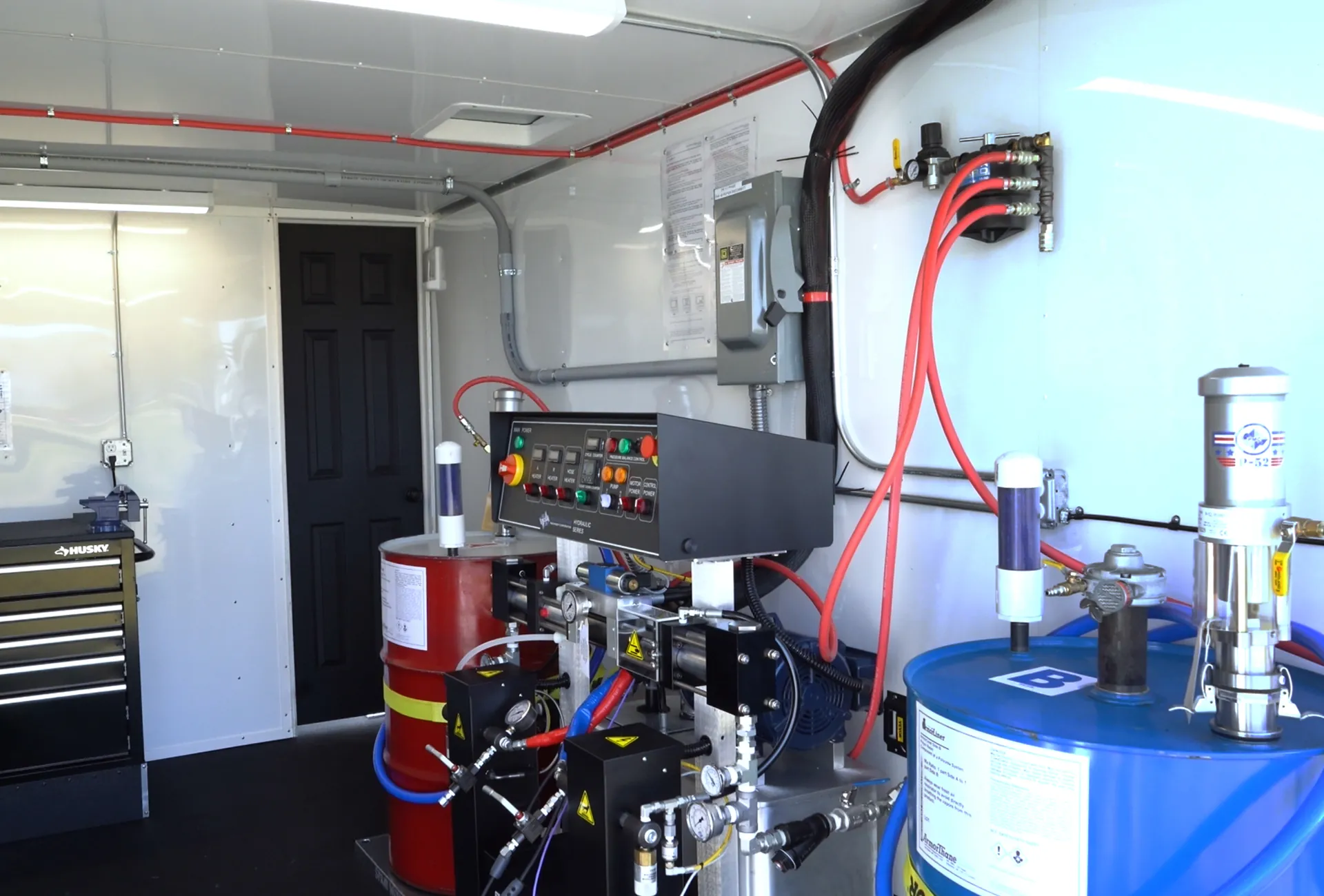
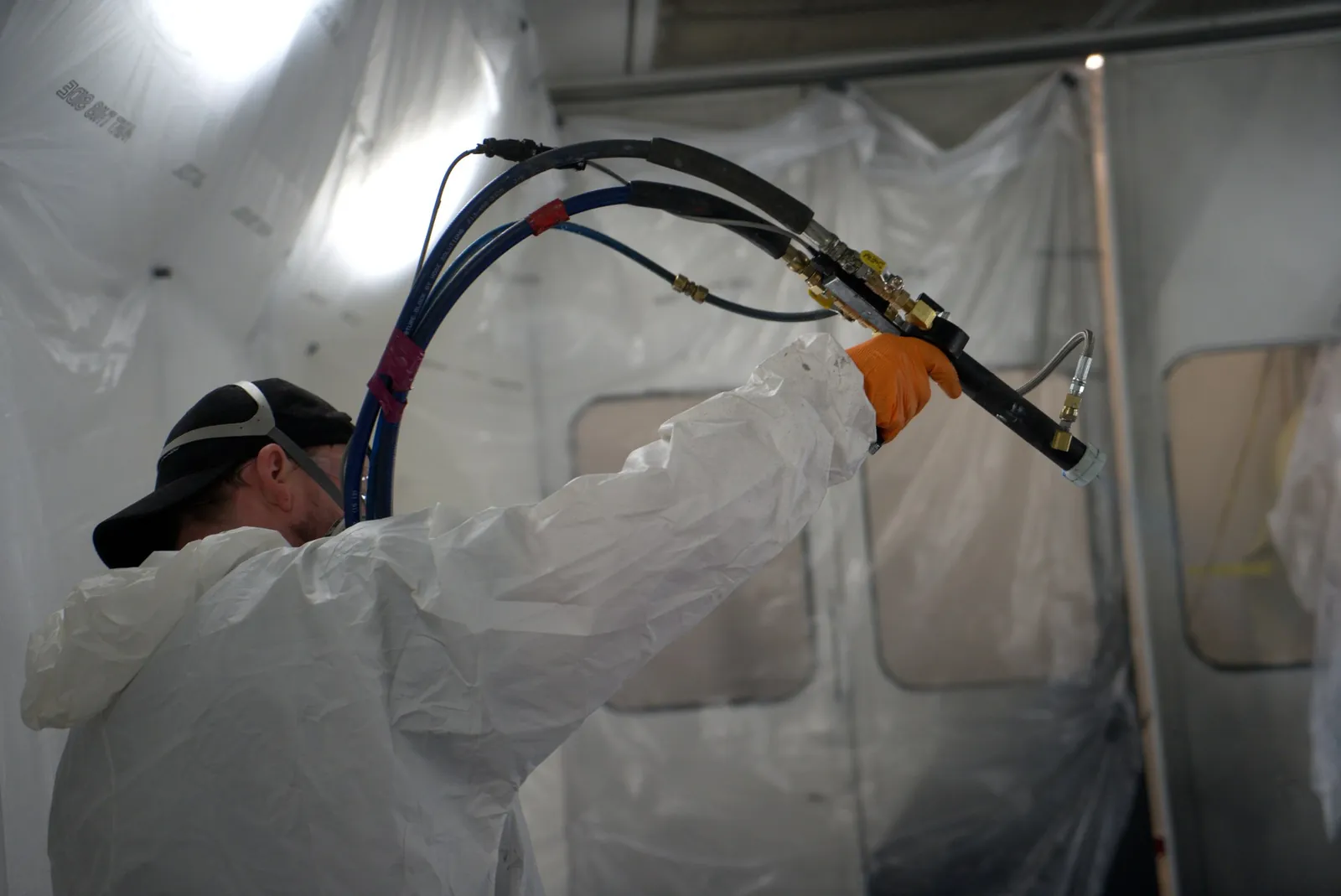
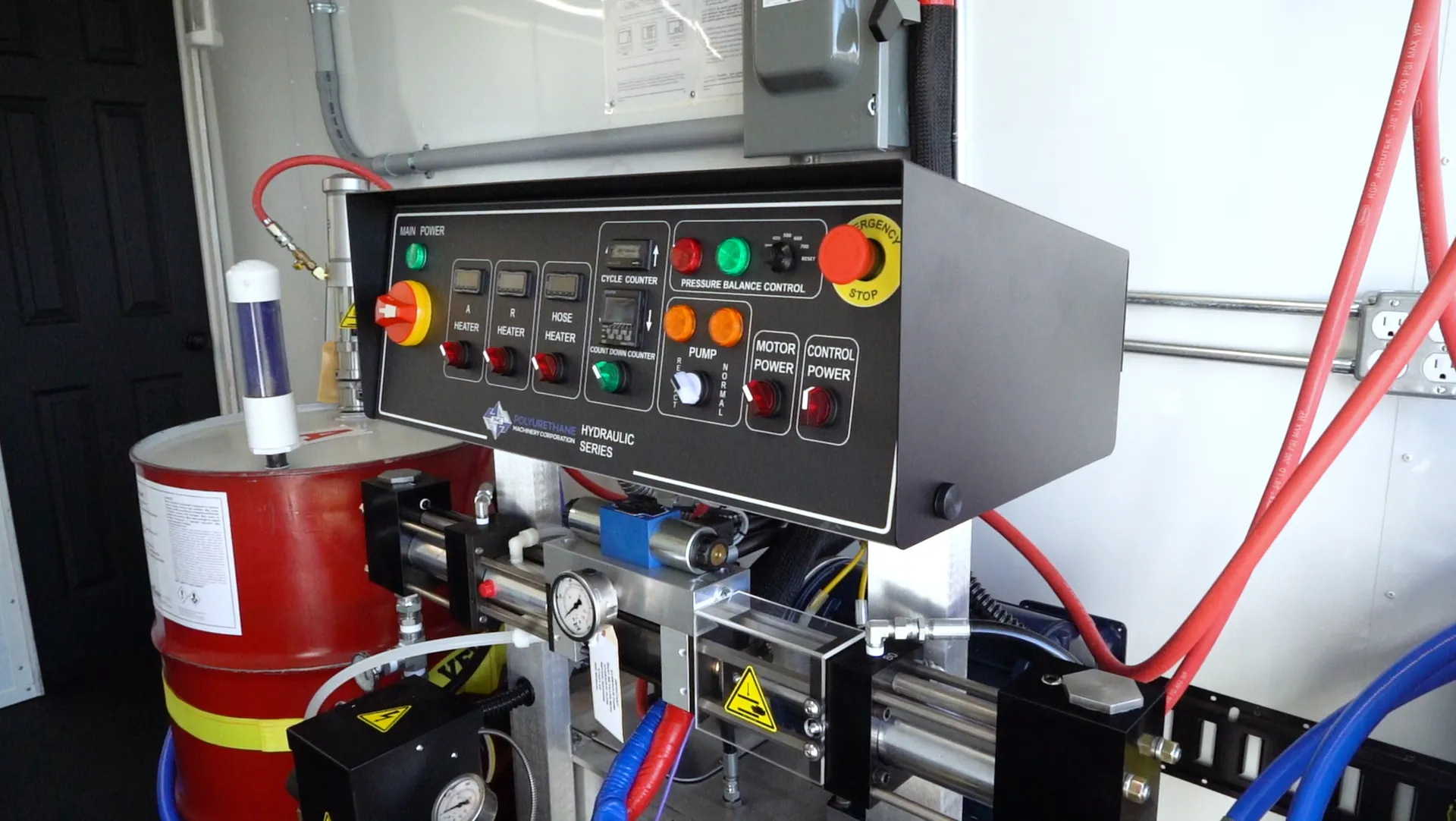
ArmorThane sets you up to do this work, and you own the business. We make the chemistry, build the rigs, train you hands-on and answer the phone when a job gets difficult. You pay no franchise fee and no royalties. It has been that way since 1989.
- $0
- franchise fees or royalties
- 35+
- years in business
- 50+
- countries with applicators
- 24/7
- technical support
Cathodic protection stops steel from corroding by turning the entire structure into the cathode of an electrochemical cell. Metal still gets eaten, but it is a sacrificial anode or a powered anode bed that loses it, not your pipe, pile or hull. On any coated structure, CP is the backup and the coating is the front line.
Cathodic protection (CP) prevents corrosion by pushing electrons into steel so it stops giving up its own. Galvanic systems attach sacrificial anodes of zinc, aluminum or magnesium that corrode instead of the steel. Impressed current systems use a rectifier and long-life anodes for big structures. Protection is usually proven at -850 mV to a copper sulfate electrode, or by a 100 mV polarization shift.
How cathodic protection actually works
Corroding steel is a small battery. Some spots on the surface act as anodes and lose iron; neighboring spots act as cathodes and stay intact. Soil or water carries current between them. CP supplies enough current from outside that the whole surface behaves as cathode, and the anodic spots go quiet.
The anode
A block of zinc, aluminum or magnesium, or a powered anode of mixed metal oxide or silicon iron. It is the part designed to be consumed.
The cathode
Your structure. Once it is polarized far enough negative, iron stops dissolving at its surface.
The electrolyte
Seawater, fresh water or damp soil. Its resistivity sets how far current can travel and how hard the anode has to push.
The metallic path
A weld, a bolted strap or a cable back to the structure. A corroded bond wire takes the whole system offline.
Take any one of the four away and the cell stops. That's also why CP does nothing for steel above the waterline or in dry air. No electrolyte, no current. Splash zones, atmospheric steel and the inside of a vapor space depend on coatings alone, which is where most of the hard corrosion on piers and pilings happens.
Galvanic vs impressed current CP
Galvanic anodes work because of the galvanic series: a more active metal wired to steel corrodes first. Impressed current systems swap that natural voltage for a DC rectifier, which can drive far more current through far more resistive ground.
| Anode type | Approx. potential | Best fit | Trade-off |
|---|---|---|---|
| High-potential magnesium | About -1.7 V CSE | Higher-resistivity soil (roughly 3,000 ohm-cm and up), coated pipe, buried tanks | Most driving voltage, shortest life per pound |
| Standard magnesium | About -1.5 V CSE | Moderate soils, small buried structures | Less push than high-potential grade |
| Zinc | About -1.1 V CSE | Soils under about 1,500 ohm-cm, seawater, ballast tanks | Heavy for the amp-hours; 780 Ah/kg in seawater |
| Aluminum (Al-Zn-In) | About -1.05 V Ag/AgCl | Seawater: piles, hulls, offshore jackets | Lightest per amp-hour, 2,000 Ah/kg; not for most soils |
| Impressed current (MMO, silicon iron, graphite) | Set by the rectifier | Long pipelines, tank farms, poorly coated or bare steel | Needs power, wiring and regular monitoring |
Simple, self-powered
No power supply, almost no maintenance and little risk of overprotecting the steel. Output is limited, so it suits well-coated structures and modest current needs. Anodes get replaced when they are spent.
Big output, adjustable
One anode bed can protect miles of pipe. Current can be dialed up as the coating ages. It also needs a power bill, periodic surveys and care, because a misadjusted rectifier can damage coatings.
How you know it is working
You can't see cathodic protection working, so you measure it. A technician reads the voltage between the structure and a reference electrode placed in the soil or water nearby, then compares it to an accepted criterion.
- -850 mV to CSE: the workhorse criterion for buried and submerged steel, read with the current applied or, better, at instant-off.
- 100 mV polarization: at least a 100 mV shift between the instant-off reading and the depolarized reading. Handy on bare or poorly coated pipe.
- -800 mV to Ag/AgCl: the design protective potential for carbon steel in aerated seawater under DNV-RP-B401.
Place the reference cell
Copper sulfate in soil, silver chloride in seawater, as close to the steel as practical.
Read on and instant-off
The "on" reading includes voltage drop through the soil. Interrupting the current for a fraction of a second removes most of that error.
Compare and record
Log every test station. Trends over years tell you more than a single good reading.
Check the other direction
Readings far more negative than needed mean wasted anode and possible coating damage.
Sacrificial anode mass calculator
Use this for a first pass on seawater steel such as piles, sheet piling, floating docks and hull sections, 0 to 30 meters deep. It shows how much anode metal a design life needs and, more to the point, how much a better coating takes off that number.
Anode mass by coating and design life
Mean current = area (m²) × mean bare-steel current density × mean coating breakdown. Breakdown = a + b × (life ÷ 2), capped at 100%. Anode mass = current × life × 8,760 ÷ (0.90 utilization × capacity). Current densities, coating constants and capacities from DNV-RP-B401.
A first-pass estimate only. Final design also checks initial and final current demand, anode resistance and output, and is done by a qualified CP engineer to the governing standard.
Why the coating does most of the work
Run the calculator with bare steel and then with a heavy coating. The anode weight drops by roughly 80% over a 25 year life, because the coating keeps the electrolyte off most of the steel and the anodes only have to cover the holidays and damage. That's why nobody serious puts CP on bare steel when they can coat it, and why pipeline owners specify both.
Bonded, thick, dielectric
A coating with strong adhesion, low water uptake and high electrical resistance. Ask for cathodic disbondment results (ASTM G8 or G95) on the data sheet.
Disbonded tape and sleeves
A coating that lifts but stays intact blocks CP current from the steel under it. Corrosion carries on underneath, out of sight and off the survey readings.
Blistering from hydrogen
Too much current makes hydrogen at the steel surface. Weak coatings blister and peel around the anodes first.
Holiday test the film
A spark or wet-sponge holiday test finds pinholes while they are cheap to fix. Every holiday you miss becomes current the anodes must supply.
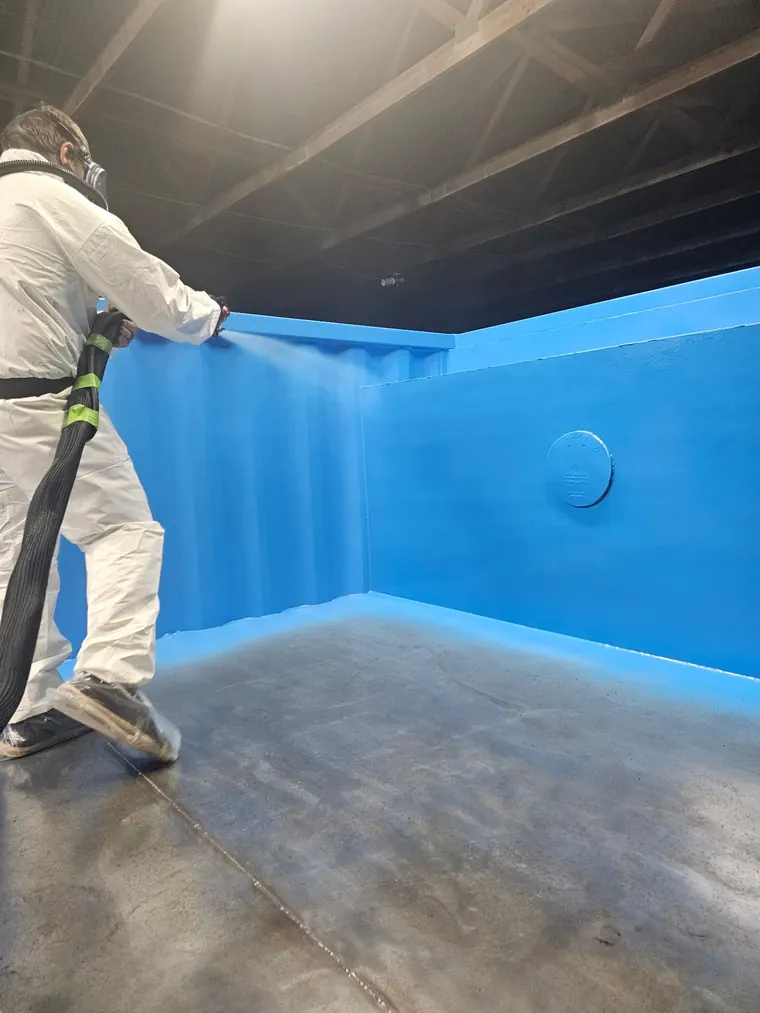
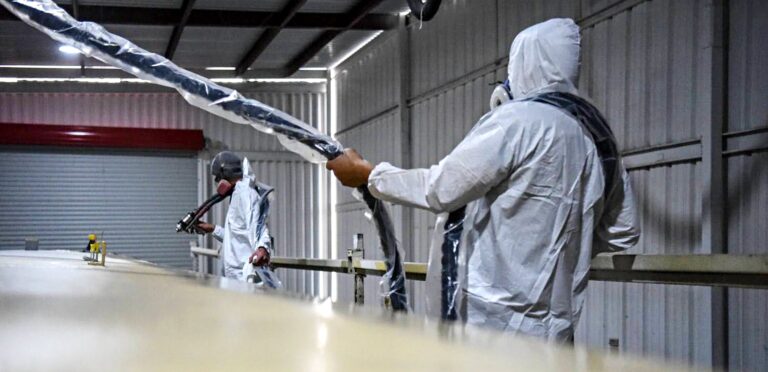
Spray polyurea and polyurethane linings fit this job well. They go on 40 to 125 mils in a single visit, cure fast enough to return the structure to service quickly, and are widely used on piles, tanks, pipe and dock steel that also carry anodes. As with any coating on a CP structure, check the product's cathodic disbondment data and keep the potentials in range.
Related: pipeline coatings, marine and shipping corrosion, ship hull coatings, tank corrosion prevention and our corrosion protection coatings overview.
Coat it right and the anodes last.
A certified ArmorThane applicator can quote a high-build coating for steel that lives in water or soil, matched to the CP system you already run.
Contractors: become an ArmorThane applicator
Cathodic protection questions
What is cathodic protection in simple terms?
It is a way to stop metal from rusting by giving corrosion something else to eat. A more active metal, or a powered anode, supplies electrons to the steel through soil or water, so the anode wears away and the steel does not.
What are the two types of cathodic protection?
Galvanic, also called sacrificial anode, uses zinc, aluminum or magnesium anodes that corrode in place of the steel. Impressed current uses a DC rectifier and long-life anodes to drive larger currents, usually on pipelines and big structures.
How long do sacrificial anodes last?
It depends on anode mass and current output. Life in years equals mass times capacity times utilization, divided by current times 8,760. A 10 kg aluminum anode delivering 0.1 amp lasts about 20 years. Higher current from poor coating shortens it fast.
What does -850 mV mean on a CP survey?
It is the most widely used criterion for steel in soil or water: the structure should read -850 millivolts or more negative against a copper/copper sulfate reference electrode. Many specs require it at instant-off to remove soil voltage error.
Does CP work above the waterline?
No. CP needs an electrolyte to carry current, so it only protects steel that is immersed or buried. The splash zone and atmospheric steel rely on coatings, which is why piles usually get a heavy coating from the mudline up.
Can cathodic protection damage a coating?
Yes, if potentials run too negative. Hydrogen forms at the steel and can blister or disbond weaker coatings. DNV flags potentials beyond -1.15 V Ag/AgCl in seawater. Choose a coating with good cathodic disbondment test results and keep surveys current.
Sources
- USDA Natural Resources Conservation Service, Engineering Technical Note SD-2003-3 on CP for buried steel. efotg.sc.egov.usda.gov/references/public/SD/EngTecNoteSD-2003-3CathodicProtection.pdf
- Havtil (Norwegian Ocean Industry Authority), CP design review for jack-up rigs, citing DNV-RP-B401. havtil.no/contentassets/29e2662209804c23870d29941032717f/cathodic-protection-of-jack-up-rigs.pdf
- DNV, Recommended Practice DNV-RP-B401, CP design (course copy, Memorial University). engr.mun.ca/~sbruneau/teaching/8751ocean/DNV cathode design.pdf
- International Journal of Electronics and Communication Engineering, SACP Design Calculation for a Monopile Wind Turbine (DNV-RP-B401 values). internationaljournalssrg.org/IJECE/2022/Volume9-Issue11/IJECE-V9I11P101.pdf
Coating first, anodes second.
A tough, well-bonded coating cuts the current a CP system has to supply. Find a certified ArmorThane applicator, or add protective coatings to your own business with no franchise fee and no royalties.
Start your coatings business with ArmorThane.
Tell us what you want to spray and where you are. An ArmorThane specialist will walk you through the equipment, chemicals, training and startup cost for the work you want to do.
- Equipment package matched to your applications
- Hands-on training and applicator certification
- Technical support once you are spraying
Steel in water or soil? Start with the coating.
Tell us about the structure and what it sits in. We will connect you with a certified ArmorThane applicator for a coating built to work alongside your anodes or rectifier.
- Structure: pile, tank, pipe, hull or dock
- Immersed, buried or splash zone
- Square footage of steel
- Existing anodes or rectifier, if any
More in Guides & resources
 Guides & resourcesBasketball Court Paint
 Guides & resourcesBed Liner Paint
 Guides & resourcesBrochures
 Guides & resourcesCase Studies
 Guides & resourcesConstruction Coatings
 Guides & resourcesCulvert LiningGuides & resourcesDew Point CalculatorGuides & resourcesEfflorescence: Causes, Removal & Prevention