










Corrosion Prevention Coatings for Steel and Concrete
How corrosion actually starts, which anti-corrosion coating systems last in which environments, and the surface prep and testing that decide whether any of them work.
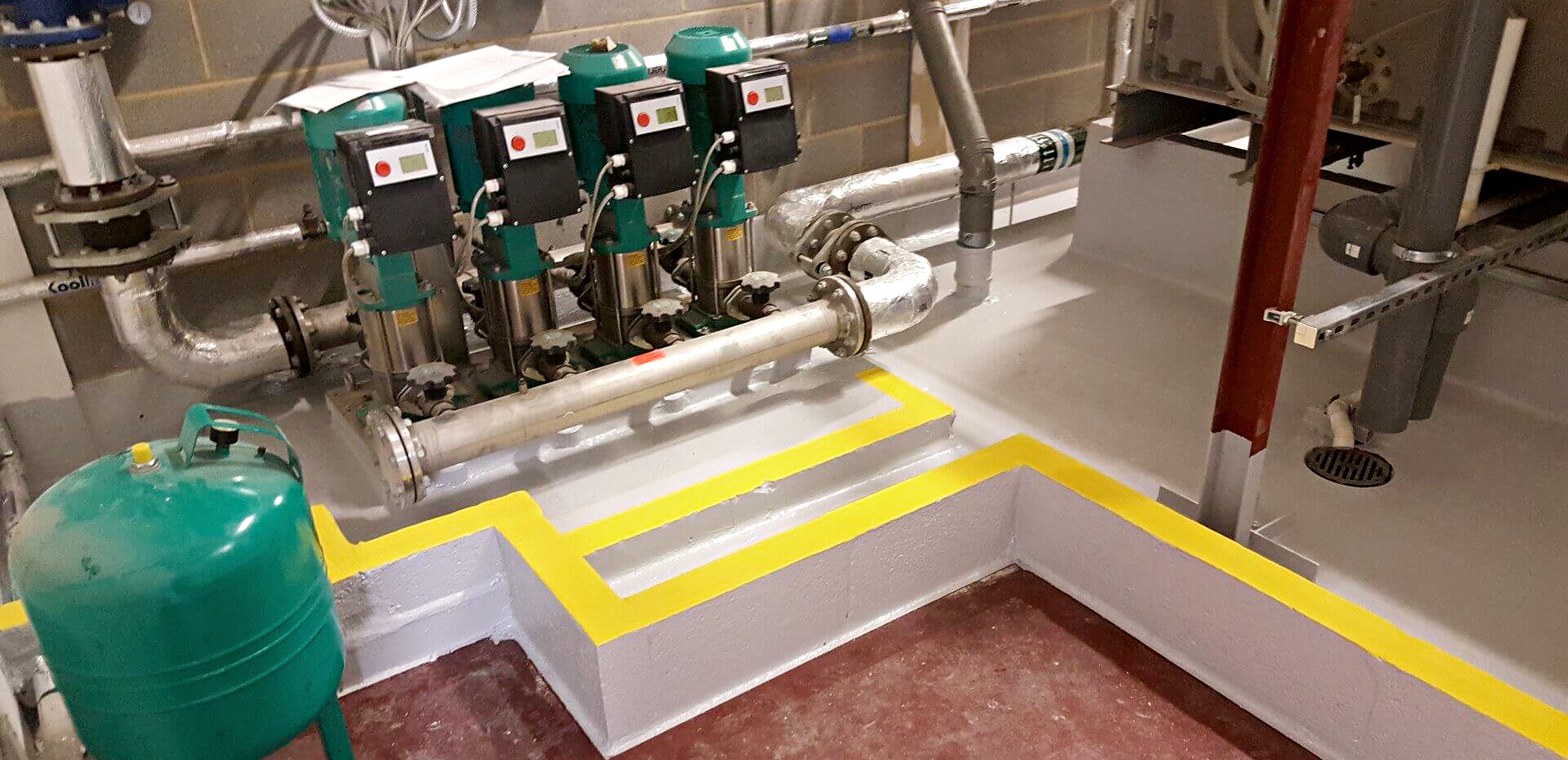
Line containment for a living.
ArmorThane is the one-stop shop for applicators. We make the chemistry, build the equipment, train you hands-on and back you with technical support, with no franchise fees and no royalties. Applicators have come first here since 1989.
- $0franchise fees or royalties
- 35+years in business
- 50+countries with applicators
- 24/7technical support
Corrosion protection is not a product, it is a system: the right surface preparation, the right coating chemistry for the exposure, enough film thickness, and proof that the film is continuous. Most coatings that fail on steel or concrete fail because one of those four was skipped, not because the coating was bad. We manufacture polyurea, polyurethane and hybrid coatings and the plural-component equipment that sprays them, so this guide covers what we see work in tanks, structural steel, pipe, trailers, wastewater and marine service, and where polyurea is and is not the right answer.
The best corrosion protection coating depends on the exposure. For atmospheric steel, a zinc-rich primer with an epoxy intermediate and a UV-stable polyurethane or polyaspartic topcoat is the proven system. For immersion, abrasion, impact or chemical splash, a thick, 100%-solids polyurea or polyurea hybrid applied over properly blasted and primed steel (often 40 mils or more) gives a seamless barrier that also resists cracking and chipping. In every case, near-white blast cleaning, the right profile and dew-point control matter as much as the coating. Corrosion prevention coatings work by keeping water, oxygen and salts away from the surface, and good corrosion prevention coatings also stay bonded when the surface is damaged.
Corrosion prevention coatings: how corrosion actually starts
Corrosion of steel is an electrochemical reaction. It needs four things at once: an anode where iron gives up electrons, a cathode, an electrolyte (water, condensation, salt fog, wet soil) and a metallic path connecting them. Take away any one and the reaction stops. Every corrosion protection strategy attacks one of those four.
Concrete corrodes differently. The concrete itself is attacked by acids (hydrogen sulfide converting to sulfuric acid in sewers and lift stations is the classic case), and the steel rebar inside corrodes once chlorides or carbonation break down the alkaline layer that normally protects it. Rust takes up several times the volume of the steel it came from, so corroding rebar cracks and spalls the concrete from the inside.
Keep the electrolyte off
Thick, low-permeability films such as polyurea, epoxy and coal-tar replacements stop water, oxygen and ions from reaching the steel. Film continuity is everything: one pinhole becomes the anode.
Passivate the surface
Primers with inhibitive pigments slow the reaction where moisture does get through. Common in shop-applied primers and maintenance coatings.
Let something else corrode
Zinc-rich primers and hot-dip galvanizing corrode in place of the steel. Cathodic protection does the same job electrically for buried and immersed structures.
Corrosivity: match the system to the site
ISO 12944-2 sorts atmospheric exposures into categories by how fast unprotected steel corrodes, and adds immersion and buried categories. Specifying by category keeps everyone honest about what the coating is up against.
| Category | Typical environment | What usually works |
|---|---|---|
| C1–C2 (very low–low) | Heated interiors, dry rural exteriors | Single primer or primer + topcoat; galvanizing alone often enough |
| C3 (medium) | Urban and light industrial, mild coastal | Zinc or epoxy primer, epoxy intermediate, polyurethane topcoat |
| C4 (high) | Industrial plants, coastal with moderate salt | Zinc-rich primer, high-build epoxy, polyurethane or polyaspartic topcoat |
| C5 (very high) | Heavy industry, high humidity, aggressive coastal | Zinc-rich primer plus thick multi-coat system, or primer plus polyurea where impact and abrasion also matter |
| CX (extreme) | Offshore and splash zones, extreme industrial | Engineered systems; thick-film polyurea or glass-flake epoxy, often with cathodic protection |
| Im1–Im4 (immersion) | Fresh water, sea or brackish water, soil, immersion with cathodic protection | Immersion-rated epoxies or 100%-solids polyurea linings over near-white blast |
Anti-corrosion coating systems side by side
No single coating is best everywhere. The table compares the systems you will see on real bids.
| System | How it protects | Typical film per coat | Return to service | UV stability | Best fit |
|---|---|---|---|---|---|
| Hot-dip galvanizing | Sacrificial zinc | 3–5 mils of zinc | Shop applied | Good | New structural steel, fasteners, rail |
| Zinc-rich primer | Sacrificial + barrier | 2–4 mils | Hours | Needs topcoat | Primer for C3–CX atmospheric steel |
| Epoxy (high-build) | Barrier | 4–10 mils | About 1 day to recoat; days to full cure | Chalks in sun | Intermediate coats, many tank and immersion linings |
| Polyurethane topcoat | Barrier, UV shield | 2–4 mils | Hours to a day | Excellent (aliphatic) | Color and gloss over epoxy outdoors |
| Polyaspartic | Barrier, UV shield | 5–15 mils | Hours | Excellent | Fast-turn topcoats, floors, equipment |
| Spray polyurea (aromatic) | Thick seamless barrier | 20–125+ mils in multiple passes | Minutes to walk on; hours to light service | Darkens and chalks in sun | Tanks, containment, truck and trailer, wastewater, impact zones |
| Polyurea hybrid | Thick barrier | 20–125+ mils | Minutes to hours | Varies; topcoat outdoors | Cost-sensitive linings and secondary containment |
When polyurea is the right call
Spray polyurea is a 100%-solids, plural-component elastomer that gels in seconds. That lets an applicator build a seamless, thick film in one visit, including vertical and overhead surfaces, with no solvent to trap and essentially no VOCs. Because it is flexible and tough, it does not crack when steel flexes or when the concrete underneath moves, which is where rigid coatings often let corrosion in.
Tank and vessel linings
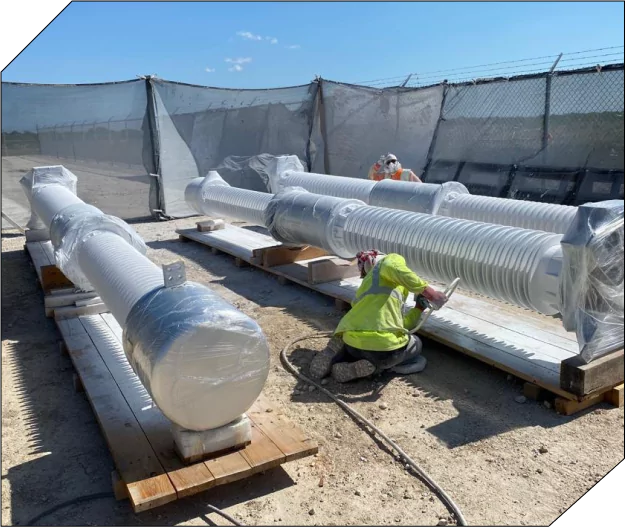
Seamless linings for water, wastewater, process and fuel service, applied over near-white blast and the specified primer. See tank lining.
Secondary containment
Bund walls, dikes and sumps where chemical splash, UV and foot traffic all apply. See secondary containment coatings.
Wastewater and H2S exposure
Wet wells, lift stations and manholes where concrete is losing to acid attack. See wastewater coatings.
Trailers, truck bodies, equipment
Abrasion and impact keep chipping thin paint systems; thick polyurea stops the chip that starts the rust.
High-temperature service
Most polyureas are rated for continuous service well below 200°F. Check the data sheet before lining hot process tanks.
Thin decorative steel
Where impact and abrasion are low and only color and UV matter, a conventional epoxy plus polyurethane system costs less.
Surface prep decides the result
Coating manufacturers will tell you surface preparation is responsible for most coating failures, and our field experience agrees. On steel, the cleaning standard and the anchor profile are specified together. On concrete, the target is sound, clean, dry concrete with an open texture. Full detail is in our surface preparation guide.
| Standard | What it means | Typical use |
|---|---|---|
| SSPC-SP 1 | Solvent cleaning to remove oil and grease | Always first, before any blasting |
| SSPC-SP 2 / SP 3 | Hand and power tool cleaning | Spot repairs, mild service only |
| SSPC-SP 6 / NACE No. 3 | Commercial blast | Atmospheric service, some primers |
| SSPC-SP 10 / NACE No. 2 | Near-white metal blast | Most immersion linings and polyurea on steel |
| SSPC-SP 5 / NACE No. 1 | White metal blast | Severe immersion, some tank linings |
Degrease
Solvent-clean oil, grease and cutting fluids before blasting so the blast does not drive them into the profile.
Blast to the spec
Blast to the specified cleanliness, usually near-white for immersion, and check the anchor profile with replica tape or a depth gauge.
Check salts and dew point
Test for soluble salts where chlorides are likely, and keep the steel at least 5°F above the dew point.
Prime the same shift
Coat blasted steel before flash rust forms, typically the same day.
Stripe coat
Brush edges, welds and fasteners before the full coat.
Inspect
Measure dry film thickness, run holiday testing on linings, and pull-off test adhesion on a test area.
Inspection and testing that protects your warranty
A coating that looks good can still have holidays (pinholes), thin spots or poor adhesion. On any lining or immersion job, ask for these checks in the contract and in the closeout package.
Dry film thickness
Measured with a magnetic gauge on steel to SSPC-PA 2 sampling, or by wet film checks and calculation on concrete.
Holiday testing
Low-voltage wet sponge or high-voltage spark testing finds pinholes in linings. ASTM D5162 covers steel; ASTM D4787 covers concrete.
Pull-off adhesion
ASTM D4541 dollies measure bond strength and show whether a failure is in the coating, the primer or the substrate.
What corrosion protection costs, honestly
Installed cost is driven far more by access, surface prep and downtime than by the coating itself. Blasting, containment of blast media, scaffolding and confined-space entry can be most of the bill. A thicker, more durable system often costs less over the life of the asset because it pushes out the next shutdown.
- Prep-heavy jobs (old lead paint, heavy rust, confined tanks) cost the most per square foot regardless of coating.
- Fast-cure systems such as polyurea and polyaspartic can cut downtime from days to hours, which often matters more than material price.
- Get bids on the same spec: same prep standard, same total film thickness, same testing. Otherwise you are comparing different jobs.
Stop the rust for good.
A certified ArmorThane applicator can inspect your tank, steel or concrete, recommend a system for the exposure, and spray it with testing documented.
Contractors: become an ArmorThane applicator
Corrosion protection questions
What is the best coating for corrosion protection?
It depends on exposure. For atmospheric steel, zinc-rich primer, epoxy and a polyurethane or polyaspartic topcoat is the proven system. For immersion, abrasion, impact or chemical splash, a thick 100%-solids polyurea or polyurea hybrid over near-white blasted, primed steel is often the longer-lasting choice.
Is polyurea good for corrosion protection?
Yes, when it is applied over proper surface preparation and the specified primer. Polyurea forms a thick, seamless, flexible barrier that resists impact and abrasion. Aromatic polyurea darkens in sunlight, so exposed outdoor work usually gets an aliphatic topcoat.
How long does an anti-corrosion coating last?
ISO 12944 classifies durability to first major maintenance as up to 7 years (low), 7 to 15 (medium), 15 to 25 (high) and more than 25 years (very high). Actual life depends on the exposure category, prep quality and film thickness.
Can you coat over rust?
Only for low-stakes maintenance. Rust-tolerant primers exist, but for immersion, linings or anything you expect to last, rust and mill scale must be removed by abrasive blasting to the specified standard, usually near-white metal.
Do I need a primer under polyurea on steel?
For immersion and corrosive service, yes. Use the primer listed on the polyurea product data sheet; it improves adhesion and helps protect the steel if the coating is ever damaged.
What is the difference between corrosion-resistant and corrosion protective coatings?
The terms are used loosely. A corrosion-resistant coating resists attack itself; a corrosion protective coating protects the substrate underneath. Good anti-corrosion systems do both: the film resists the environment and keeps the electrolyte off the steel or concrete.
Sources
- NACE International IMPACT study, economic impact of corrosion. impact.nace.org/economic-impact.aspx
- ISO 12944-2 and 12944-6, corrosion protection of steel structures by protective paint systems. iso.org
- AMPP (formerly SSPC and NACE) surface preparation and coating standards. ampp.org
- ASTM D4541, D5162, D4787 test methods for adhesion and holiday detection. astm.org
Steel and concrete last longer when they are sealed right.
Owners get a certified ArmorThane applicator for tanks, structural steel, containment and wastewater. Contractors can add corrosion protection services with no franchise fee and no royalties.
Start your coatings business with ArmorThane.
Tell us what you want to spray and where you are. An ArmorThane specialist will walk you through the equipment, chemicals, training and startup cost for the work you want to do.
- Equipment package matched to your applications
- Hands-on training and applicator certification
- Technical support once you are spraying
Rust, chemical attack or worn coatings? Get a system that lasts.
Tell us what needs protecting and what it is exposed to. We will connect you with a certified applicator who can inspect and quote the job.
- Asset type and size (tank, steel, concrete)
- Service: atmospheric, immersion or chemical
- Current condition and old coatings
- Access and downtime limits
More in Industrial & infrastructure
 Guides & resourcesPolyurea Coating Near Me
 Guides & resourcesAntimicrobial Coatings
 Guides & resourcesAutomotive Manufacturing Coatings
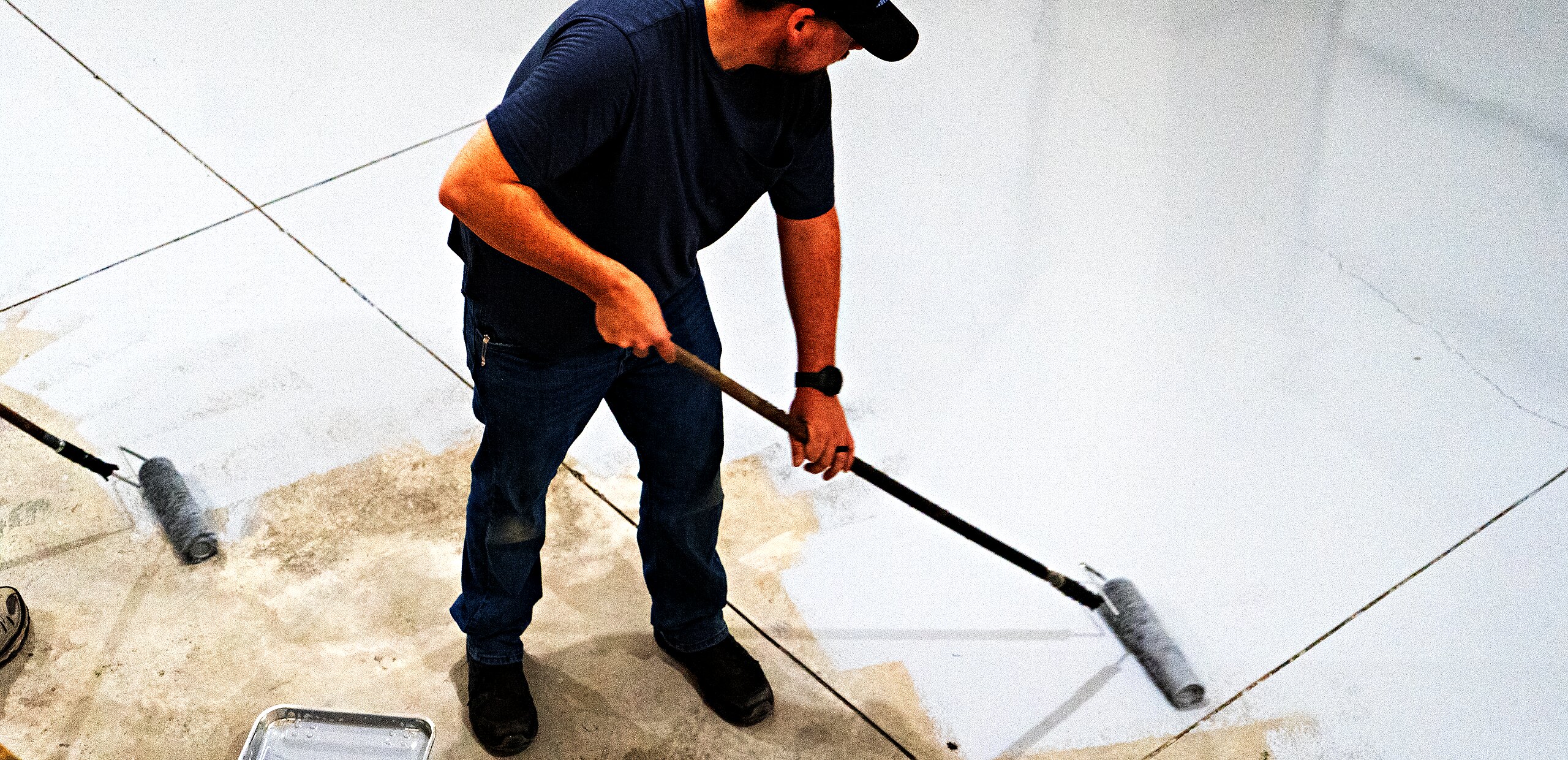 Floors & concreteCar Parks & Parking Garage Coatings
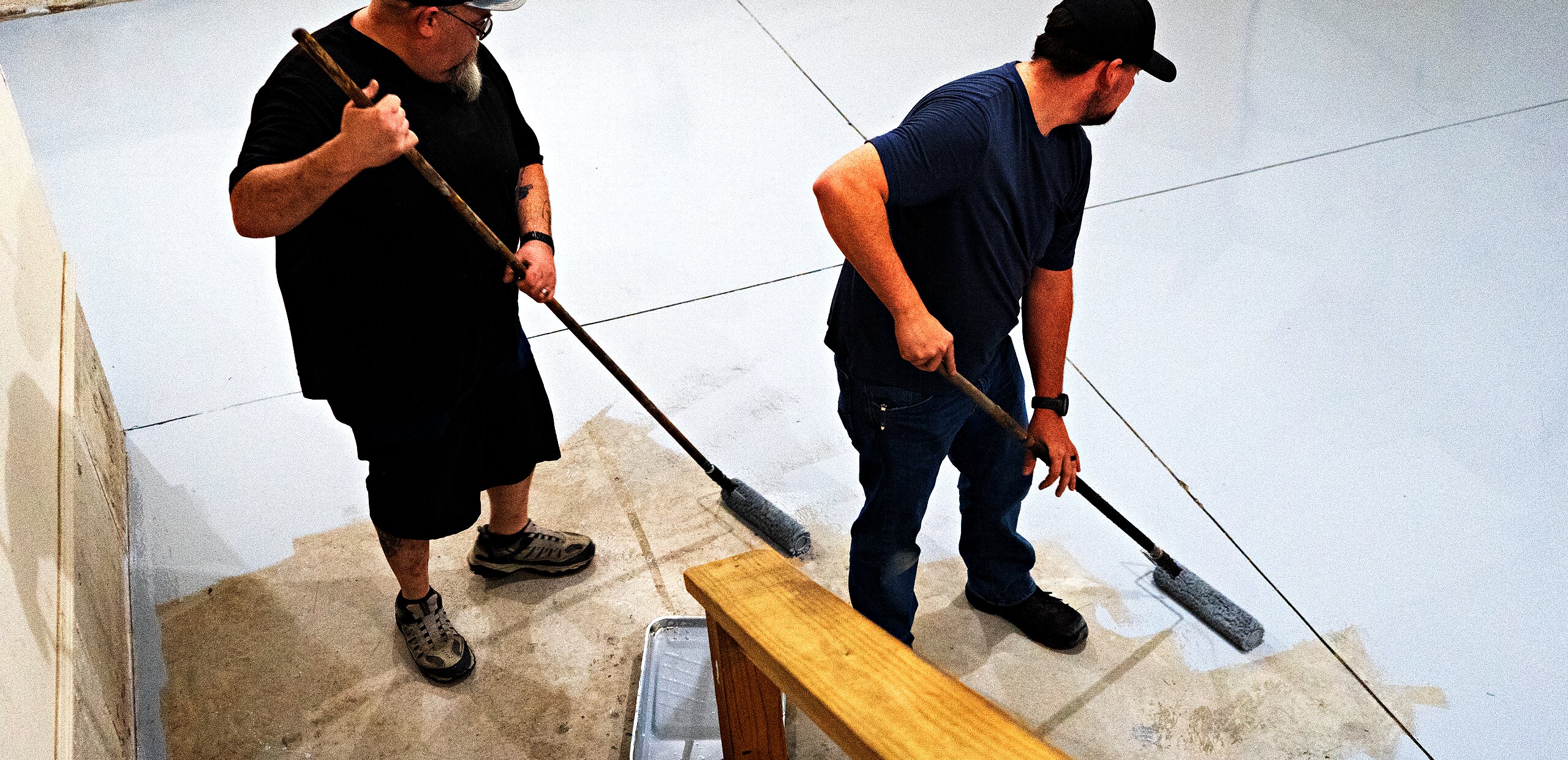 WaterproofingConcrete Fountain Rehabilitation
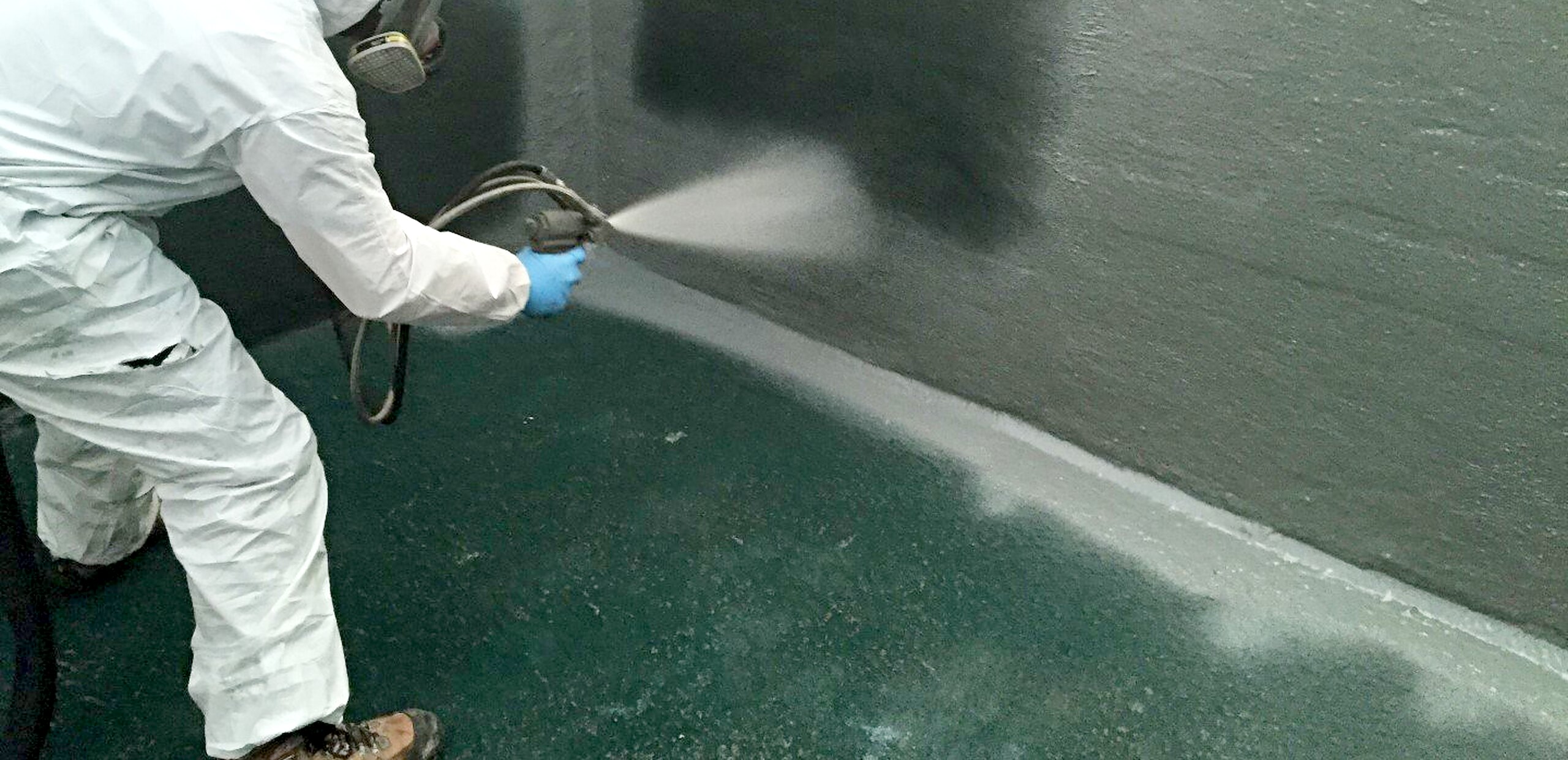 RoofingConcrete Tank Waterproofing
 Guides & resourcesElectrical Coatings
 Floors & concreteFoam Concrete Lifting