




Skip to content
Culvert Lining

Culvert Lining: Reline the Pipe, Keep the Road

Spray-applied, cured-in-place and sliplined options for corroded metal and worn concrete culverts, plus the flow math that decides which one fits.
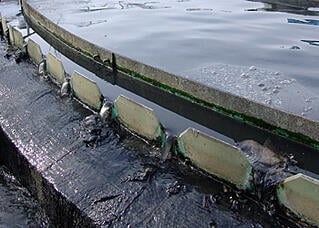
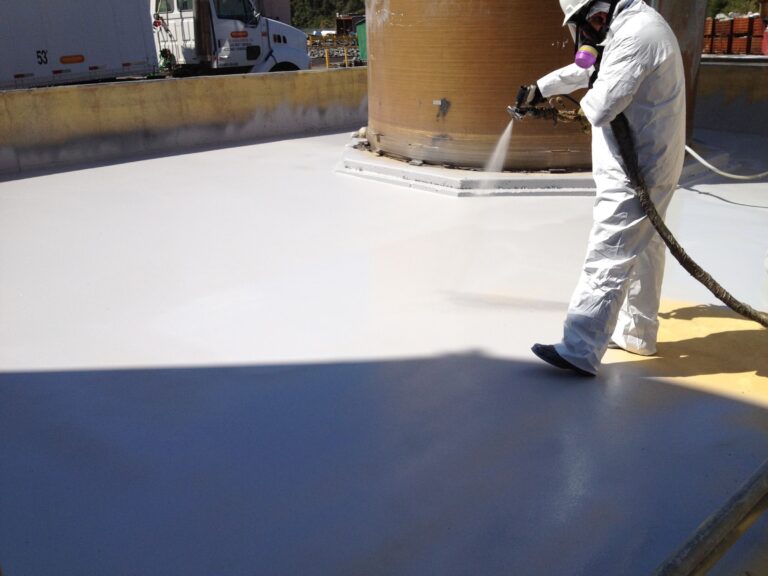
Wastewater treatment clarifier

Start a wastewater coating business

Protect infrastructure for a living.

ArmorThane sets you up to do this work, and you own the business. We make the chemistry, build the rigs, train you hands-on and answer the phone when a job gets difficult. You pay no franchise fee and no royalties. It has been that way since 1989.
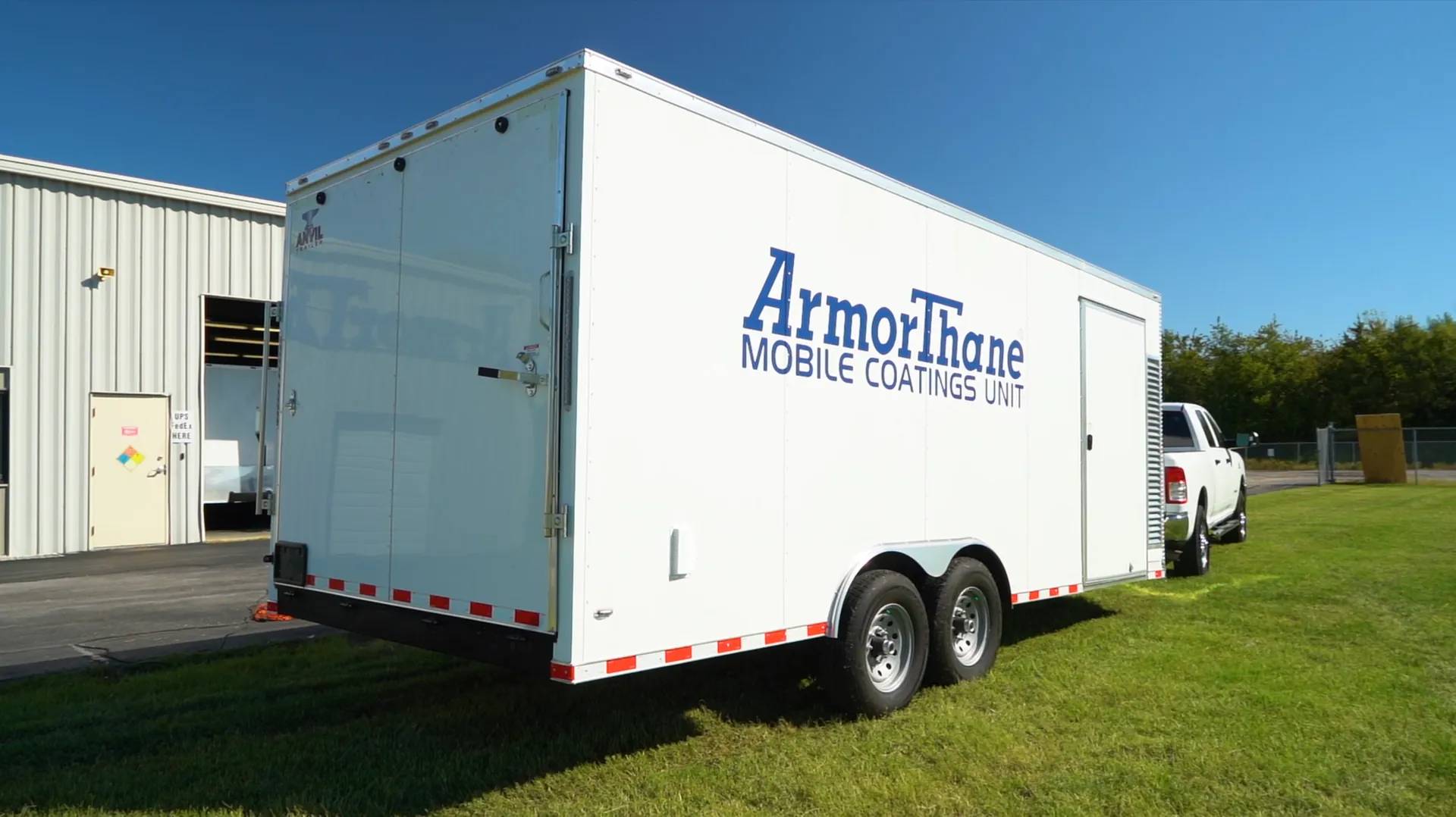
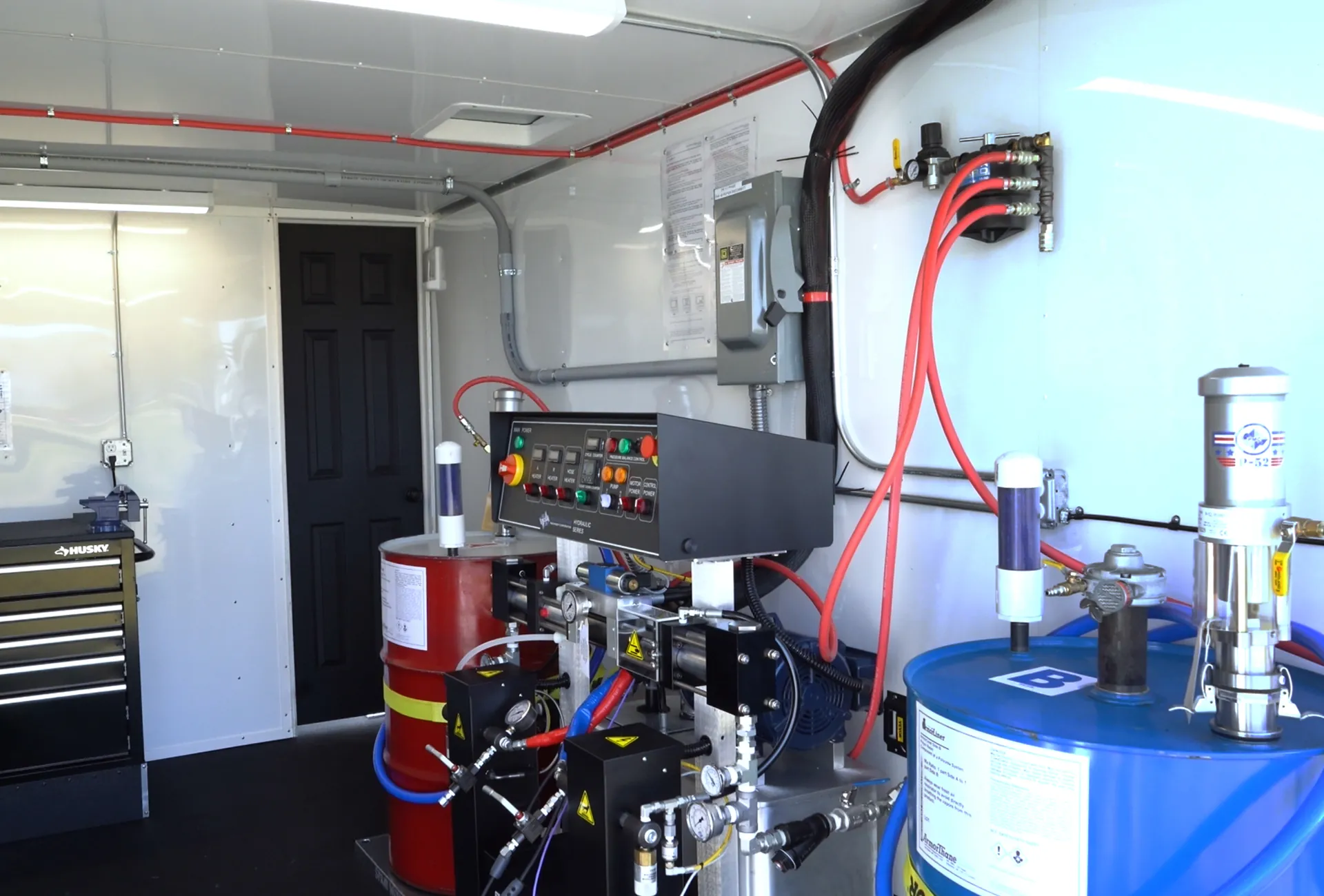
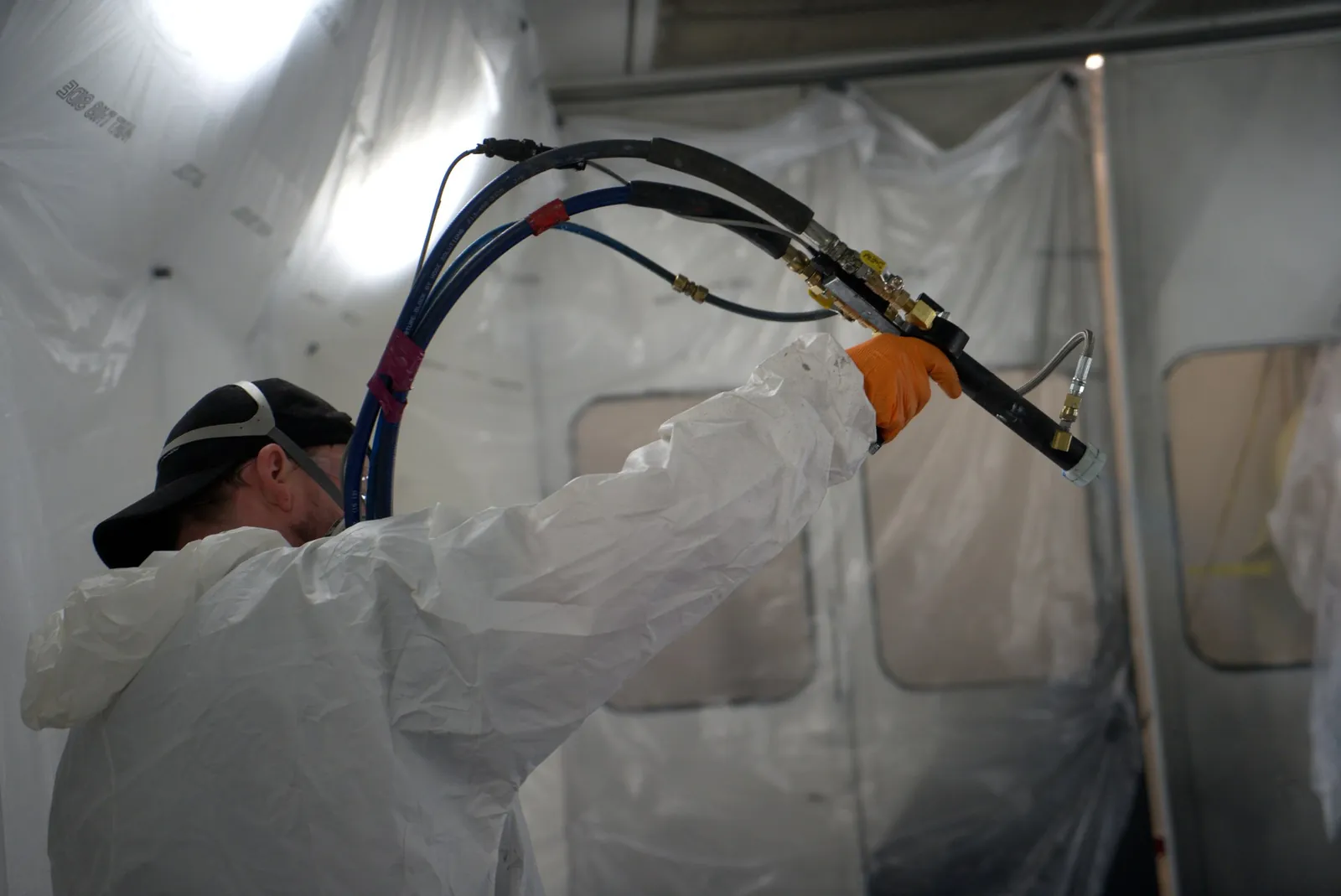
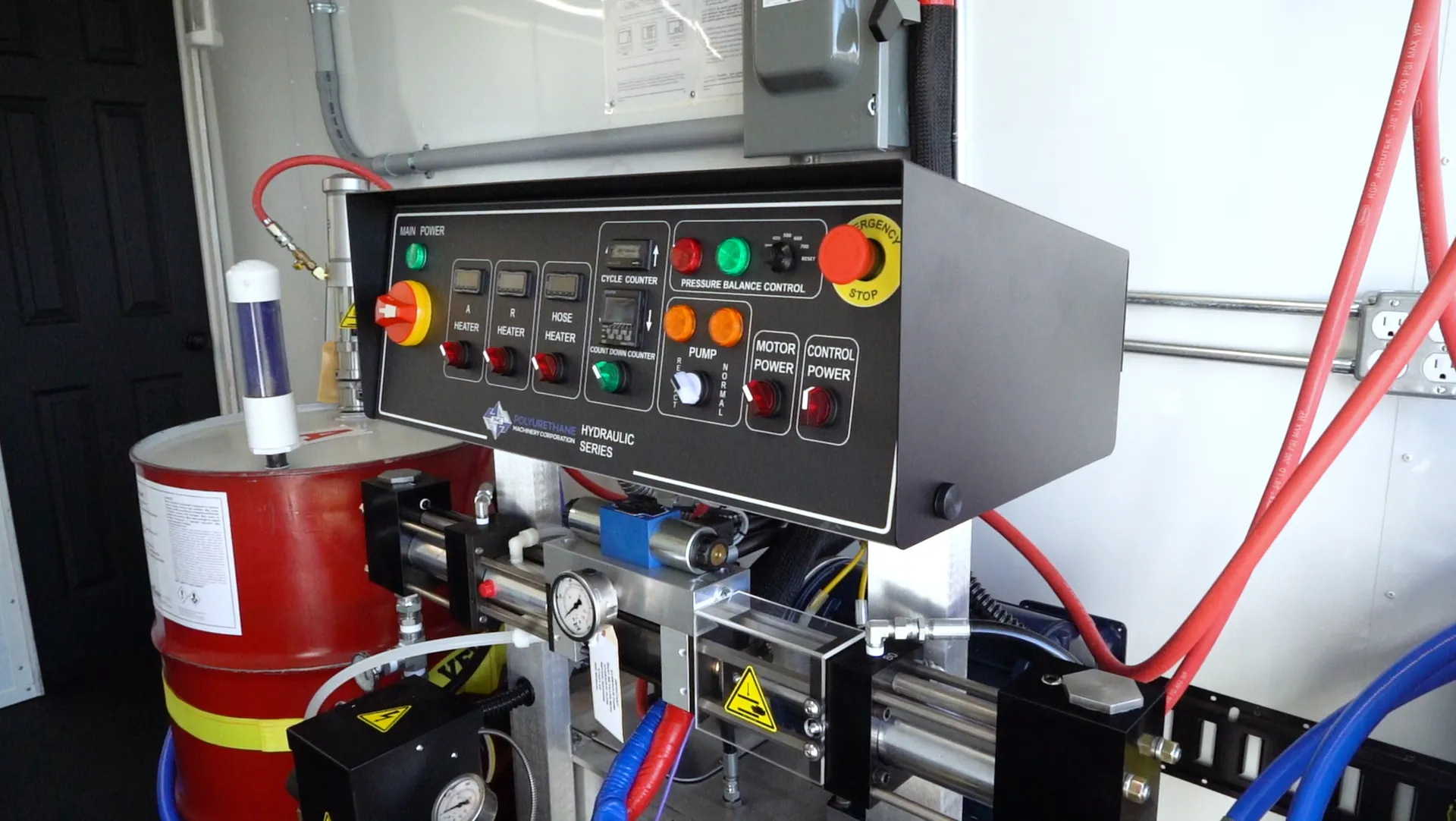
ArmorThane Mobile Coatings Unit trailer hitched to a pickup outside the plant Proportioner, A and B material drums and transfer pumps inside the spray rig Applicator in a protective suit holding a plural-component spray gun in a spray booth Proportioner control panel with heater, pressure balance and cycle counter controls

What comes with itProportioners, guns and complete spray rigs. We build them.

$0
franchise fees or royalties
35+
years in business
50+
countries with applicators
24/7
technical support
0.024
Manning's n of plain 2⅔ × ½ in corrugated metal pipe
Oregon DOT hydraulics manual
0.011–0.015
Manning's n range for smooth plastic pipe
Concrete pipe: 0.013 normal
250–2,000
Mils of polyurea for structural culvert relining
USDA Forest Service review
+81%
Failure load added by a 1 in spray liner in an invert-cut 60 in CMP
University lab test

Culvert lining puts a new pipe inside the old one without tearing up the road above it. Most of the culverts we get called to are corrugated metal pipe whose invert rusted through after a few decades, or concrete whose floor was scoured away by sand and gravel. The barrel overhead is often still sound. A liner rebuilds the bottom, seals the seams and, in corrugated pipe, often moves more water than the pipe did before.

Quick answer

Culvert lining rehabilitates a deteriorated culvert from the inside, with no excavation. The main methods are spray-applied linings (polyurea, polyurethane or cementitious), cured-in-place pipe, sliplining with a smaller HDPE pipe, and invert paving. Spray liners keep the most diameter and follow any shape. Sliplining is simple but gives up flow area. A smooth liner in corrugated metal pipe often raises flow capacity.

Options

Culvert lining methods compared

There is no single best liner. The right pick depends on the shape of the pipe, how much flow area you can give up, how long the creek can be diverted and what the water carries. Here is how the common methods stack up.

MethodTypical diameter lossShapes it handlesDowntimeWatch for
Spray polyurea or polyurethaneAbout 0.5–4 in (0.25–2 in per side)Round, arch, elliptical, box, bendsGels in seconds; flow back in hoursNeeds a blast-cleaned, dry surface; thickness must be measured
Spray cementitious or geopolymer2 in or more (1 in min over corrugations)Round, arch, boxCures over daysDoes not bond to steel; weak against acidic water
Cured-in-place pipe (CIPP)Set by wall designRound, oval, eggHours of steam, hot water or UV cureStyrene release to streams; high material cost
Sliplining (HDPE or steel)Often 6 in or moreRound, some archesFast pull-in, then grout the annulusLargest loss of flow area; deformed hosts limit liner size
Fold-and-form PVCSmallRound, roughly 15–30 inA few hoursSmall diameters only
Invert pavingBottom onlyAnyConcrete cure timeLeaves the crown and sides unprotected
Summarized from the USDA Forest Service culvert rehabilitation review and DOT case histories. Tap a column heading to sort.

Spiral-wound PVC or HDPE strip liners and internal joint seals round out the toolbox. Spiral wound suits large round pipe under busy roads. Joint seals fix a man-entry pipe that is sound except for one or two leaking joints.

Assessment

Line it or replace it?

Every lining job starts with a walk-through or a camera run. What you are looking for is whether the soil around the pipe is still doing its job, because no liner fixes a road that is already sinking.

Good candidate

Rusted invert, sound barrel

The classic CMP failure. Rebuild the holes, then spray or slipline. This is where lining saves the most money.

Good candidate

Leaking joints or seams

Infiltration pulls fines in and starts voids. Seal the joints or line the run before the voids grow.

Engineer first

Out of round or deflected

A structural liner can carry load, but it needs a design. Deformation also limits how big a slipliner fits.

Fix the ground

Sinkholes, washouts, voids

Grout the voids first. Polymer compaction grout expands up to 20 times its liquid volume; cement grout works on large cavities.

  1. Divert and dewater

    Pump around or bulkhead the flow. Spray liners need a dry surface for the full cure window.

  2. Clean to sound metal or concrete

    Remove sediment, scale and rust. Thin protective coats want near-white blast; thick structural builds are more forgiving.

  3. Rebuild the invert

    Patch rusted-out sections with steel plate, mesh or repair mortar so the liner has something continuous to bridge.

  4. Spray in passes

    Build to the specified thickness over the corrugation crests, checking with a gauge as you go.

  5. Inspect, then release flow

    Holiday test or visually inspect, record thickness readings, pull the bypass.

Hydraulics

Flow capacity and lining material

Agencies worry that a liner shrinks the pipe. In corrugated metal, the smoother wall usually more than makes up for it. Enter your culvert and liner to see the full-flow capacity change and how much spray material the job takes.

Manning's equation

Culvert liner flow and material check

Full-flow capacity ratio = (n host ÷ n liner) × (new ID ÷ old ID)^(8/3), same slope. Host n from the Oregon DOT hydraulics manual; spray liners use n 0.013 and smooth HDPE 0.012, inside its 0.011–0.015 smooth-pipe range. Material = host surface area × (liner thickness + half the corrugation depth).

0
New inside diameter, in
0
Full-flow capacity vs. today
0
Surface to line, sq ft
0
Lining material, gallons

A screening tool, not a hydraulic design. Inlet or outlet control, tailwater and partial-flow behavior change real capacity; run HY-8 or your agency's method before you stamp anything.

Spray-applied

Spray polyurea culvert liners

Polyurea is the reason spray lining has caught on for culverts. It gels in 5 to 15 seconds, so a crew can build thick film on the crown without sag and put water back through the pipe the same day. It follows corrugations, arches and box corners that a slipliner can't. The thickness you spray depends on what the liner has to do.

Protective

60–120 mils

The steel or concrete still carries the load. The liner stops corrosion and abrasion and seals seams. Prep is critical at this thickness: blast clean, bone dry.

Structural

250–2,000 mils

The liner carries load where the invert is gone. In lab tests on an invert-cut 60 in CMP, a 1 inch spray liner raised failure load by about 81%, while a 1/4 inch liner cracked at the seams.

Moisture is the enemySpraying over a damp culvert is how polyurea linings blister and let go. Keep the bypass running until the surface is dry, and on cold mornings watch the dew point inside the barrel, where steel can sit below air temperature.
  • Abrasion: gravel-bed streams grind the invert. Spec extra thickness on the bottom third, where bedload rides. Our abrasion-resistant coating guide covers wear-rated systems.
  • Galvanized CMP: most corrugated pipe is galvanized steel. Where only the ends and headwall steel get coated, the zinc prep rules in painting galvanized steel apply.
  • Fish passage: a smooth liner speeds up flow. Where passage matters, plan baffles or bed retention with the biologist.
  • Approvals: at the time of the Forest Service review, the Virginia, Florida and Ohio DOTs had approved polyurea coatings. Check your agency's current list.

Related reading: the sewer lining guide covers spray lining in sanitary pipe and manholes, polyurea for flood control infrastructure covers channels and barriers, wastewater corrosion protection deals with acidic flows, and our polyurea products page lists the materials applicators spray.

Skip the excavator

Reline the culvert, keep the road open.

A certified ArmorThane applicator can assess your culvert and quote a spray polyurea liner at the thickness the pipe actually needs.

Contractors: become an ArmorThane applicator

FAQ

Culvert lining questions

What is culvert lining?

It is rehabilitating a culvert from the inside by installing a new lining, such as spray polyurea, cured-in-place pipe or a slipliner, instead of excavating and replacing it. The road stays in place and closures are short.

Does lining a culvert reduce its flow capacity?

Not always. A liner reduces diameter, but a smooth liner in corrugated metal pipe cuts roughness from about n 0.024 to around 0.012–0.013, which often raises full-flow capacity. Sliplining with a much smaller pipe and lining concrete pipe usually lower it.

Can you line a corrugated metal culvert?

Yes, it is the most common candidate. Holes in the invert are patched first, then the pipe is sprayed, sliplined or lined with CIPP. Spray linings fill the corrugations and bond to the cleaned steel.

How thick is a polyurea culvert liner?

Protective linings over sound pipe run roughly 60 to 120 mils. Structural linings that carry load where the invert is gone run from about 250 mils to 2,000 mils (2 inches), set by an engineer's design.

Is sliplining or spray lining better for a culvert?

Sliplining is simple and fast on straight, round pipe when you can afford to lose diameter. Spray lining keeps more flow area, follows arches, boxes and bends, and needs no annular grout, but it demands careful prep and a dry surface.

How long does a culvert liner last?

Design lives of around 50 years are commonly specified for structural liners, but real life depends on thickness, abrasion from bedload and water chemistry. Measuring thickness at install gives you a baseline for later inspections.

AT
Written by the ArmorThane technical team. We have manufactured polyurea, polyurethane and polyaspartic coatings and plural component spray equipment in Springfield, Missouri since 1989. Hydraulic figures here are screening estimates; structural culvert liners should be designed by a licensed engineer.

Sources

  1. USDA Forest Service, Culvert Rehabilitation to Maximize Service Life. fs.usda.gov/t-d/pubs/pdfpubs/pdf11771810/pdf11771810Pdpi72.pdf
  2. Laboratory testing of invert-cut corrugated metal pipes renewed with polymeric spray applied pipe lining, via PubMed Central. pmc.ncbi.nlm.nih.gov/articles/PMC7386265
  3. Oregon Department of Transportation, Hydraulics Manual Appendix A: Hydraulic Roughness. oregon.gov/odot/hydraulics/Docs_Hydraulics_Manual/Hydraulics-08-A.pdf

New pipe inside, no trench outside.

Certified ArmorThane applicators reline culverts with spray polyurea that cures in seconds and follows any shape. Contractors can add culvert and pipe lining with our equipment and training, with no franchise fee and no royalties.

United States 417-831-5090 · Canada 780-444-6200
Become an applicator

Start your coatings business with ArmorThane.

Tell us what you want to spray and where you are. An ArmorThane specialist will walk you through the equipment, chemicals, training and startup cost for the work you want to do.

  • Equipment package matched to your applications
  • Hands-on training and applicator certification
  • Technical support once you are spraying
Step 1 of 3

We want to help you find the best ArmorThane applicator for your protective coating project. Please either fill out the request form below or call us toll free at 417-831-5090, any time Monday-Friday, 8:00 a.m. to 5:00 p.m. Central Standard Time.

Culvert rusting out? Line it before it caves.

Send us the pipe size, length and what the invert looks like. We will connect you with a certified ArmorThane applicator who sprays polyurea culvert linings to a written thickness.

  • Pipe type: corrugated metal, concrete, arch or box
  • Diameter or span, and length
  • Condition: invert holes, joints, deflection
  • Access and how long flow can be diverted
Become an applicator

Start your coatings business

Choose “becoming an Applicator / Dealer” and add your details. Our team will call you to talk through markets, equipment and budget.

1Choice
2Contact Information
3Location

Rather talk now? (417) 831-5090 · About the opportunity