Skip to content

Case studyWastewater infrastructure

Filter Basin Lining: Resurfacing a 35-Year-Old Wastewater Basin

A wastewater treatment plant in Georgia needed to rehabilitate a concrete filter basin that was deteriorating after decades of service. ArmorThane resurfaced and lined the whole basin with spray-applied polyurea.

Results at a glance

35yrAge of the basinCracked, worn and chemically attacked concrete
20+yrProven servicePolyurea liners have stayed intact in wastewater this long
SecondsTo start curingSo the coating does not drip or sag on vertical walls

The project in brief

The challenge

After 35 years the concrete had cracks, surface wear and chemical attack from chlorinated water and hydrogen sulfide gases. Sections of wall had also been cut out for new effluent troughs, leaving fresh patches to protect.

The approach

The old concrete was ground back, cleaned and primed, then a thick layer of polyurea was sprayed over the basin floor, the walls and the inside of the new troughs.

The outcome

A water-tight, seamless basin that is easier to clean and inspect, back in operation swiftly and with minimal disruption.

Resurfacing a 35-Year-Old Wastewater Filter Basin

A wastewater treatment plant in Georgia, USA, needed to rehabilitate a 35-year-old concrete filter basin that was deteriorating after decades of service. We were tasked with restoring the basin’s integrity to be able to withstand constant exposure to water and harsh sewage chemicals; the concrete structure had developed cracks, surface wear, and areas of chemical attack from years of exposure to chlorinated water and hydrogen sulfide gases.

The restoration was needed in the midst of an ongoing upgrade to the infrastructure, which required removing sections of the basin walls to install new effluent troughs, leaving fresh concrete patches that needed protection.

We resurfaced and lined the entire basin with a thick, spray-applied ArmorThane polyurea coating, creating a seamless, durable barrier against moisture, chemicals, and physical wear for 35 more years or more of operation.


Project Overview: Repairing Aging Wastewater Infrastructure

Concrete filter basin trough at a wastewater treatment plant
A filter basin trough at the plant.

The filter basin is a critical component of the plant’s treatment process, collecting and filtering millions of gallons of wastewater. After 35 years, the concrete basin was well-worn and showing its age. There were visible cracks and spalling, and prior coatings (if any remained) were failing. The newly installed troughs for improved water flow also had to be waterproofed to integrate with the basin.

This scenario presented several challenges typical of wastewater infrastructure rehabilitation, and these challenges meant they needed a high-performance coating system that bonds tenaciously to old concrete, cures quickly to minimize downtime and offers long-term protection against a harsh wastewater environment.

The Application Process

The first step of the application process was surface preparation.

Step 1 of 4

Grind the old concrete

We prepared the 35-year-old concrete using grinding tools that can remove old coatings, grime, and any weakened top layer of concrete. In doing so, the surface is also modified for optimal coating adhesion by controlling the surface roughness.

Step 2 of 4

Clean and prime

After grinding we thoroughly cleaned the basin to eliminate any remaining dust and debris, after which, we applied a primer to all prepared surfaces. The primer soaked into the concrete’s pores and chemically bonded to it, which sealed the substrate and promoted excellent adhesion for the polyurea base coat.

Step 3 of 4

Spray the polyurea liner

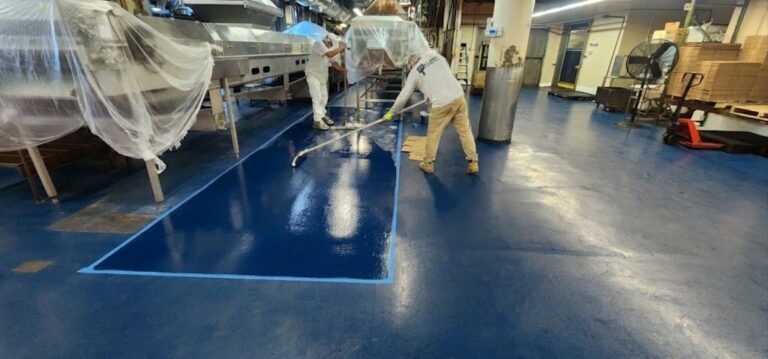
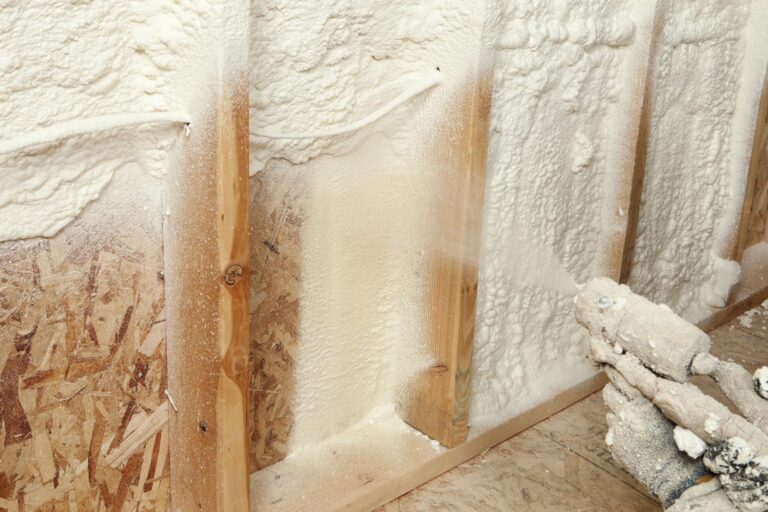
With the concrete now sound and sealed we next moved on to applying the main layer of the system. We sprayed a thick layer of our polyurea coating onto the basin floor and walls, as well as the interior of the new effluent troughs.

Applying the coating with high-pressure spray equipment allowed us to create a uniform liner covering every corner, curve, and joint, and because polyurea cures extremely fast (starting in as little as seconds), it rapidly builds up to a durable film and doesn’t drip or sag on vertical surfaces.

Step 4 of 4

Protection in service

The resulting coating would now shield the concrete from sewage chemicals, from acidic biogas byproducts to chlorine, preventing those agents from reaching the concrete surface. Polyurea’s inherent abrasion resistance also means it can withstand the constant scouring of water flow and sediment, significantly reducing future wear.

The Results

The outcome of the project was a fully rehabilitated filter basin ready to serve for many more years; our polyurea lining system transformed the 35-year-old concrete basin into a resilient, leak-proof container for wastewater processing.

The durable polyurea coating shielded the underlying concrete from further chemical or physical damage, significantly extending the basin’s useful life. The basin was now also water-tight, preventing sewage leaks that could contaminate the environment. Moreover, the seamless polyurea surface was now easier to clean and inspect, and its toughness reduces the frequency of repairs. The facility saved significant time and money and the filter basin was back in operation swiftly and with minimal disruption.

In Conclusion

At ArmorThane, we pride ourselves on extending the life of critical infrastructure through our advanced surface technology. This Georgia wastewater filter basin rehabilitation exemplifies our commitment to quality and the broad-scope expertise that allowed us to act quickly, with an effective solution to every problem.

If you want to learn more, consider reading more of our case studies, exploring wastewater coatings, or contacting us directly to get started on your next coatings project!

Start a protective coatings business

Spray protective coatings for a living.

ArmorThane sets you up to do this work, and you own the business. We make the chemistry, build the rigs, train you hands-on and answer the phone when a job gets difficult. You pay no franchise fee and no royalties. It has been that way since 1989.

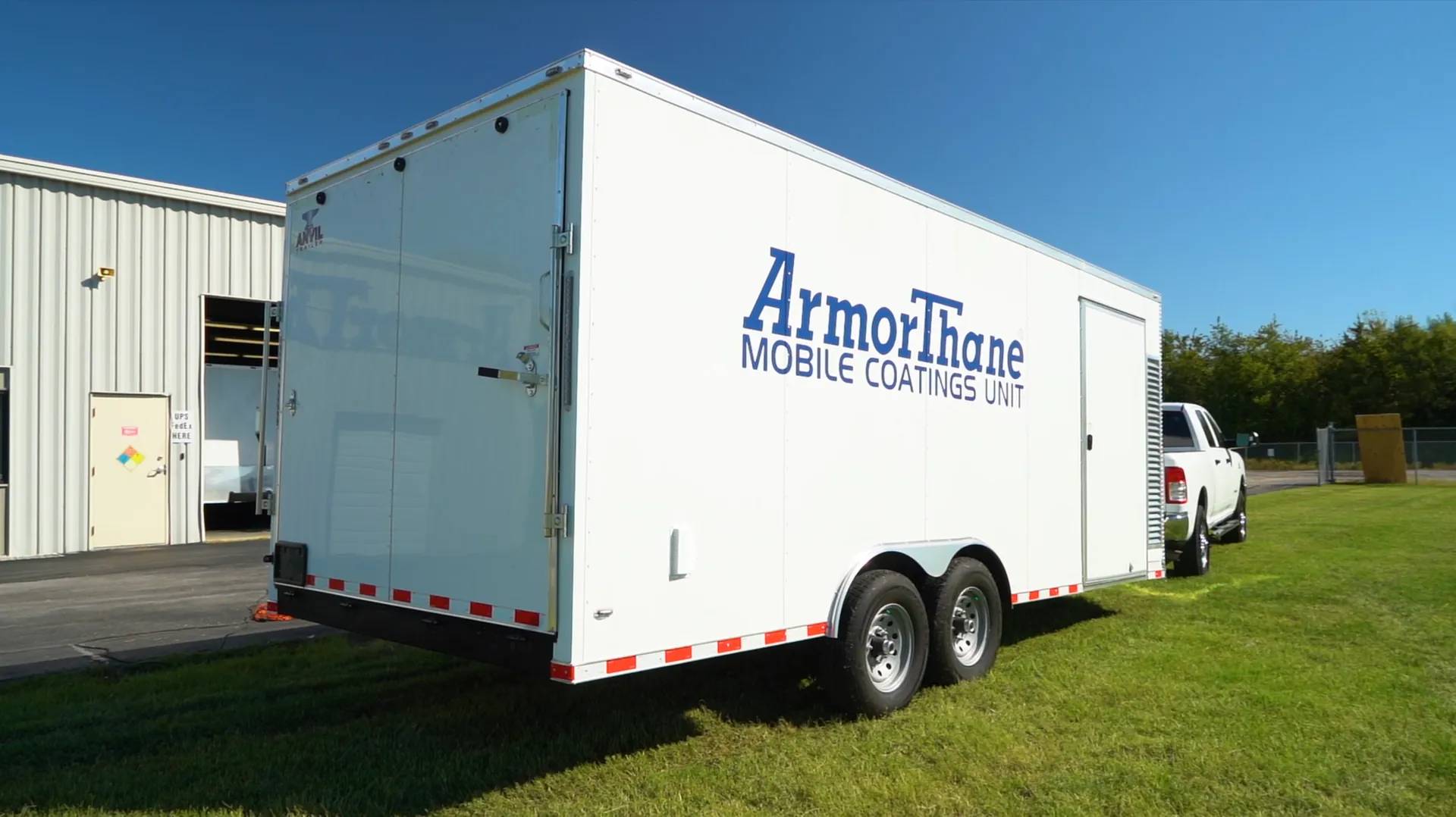
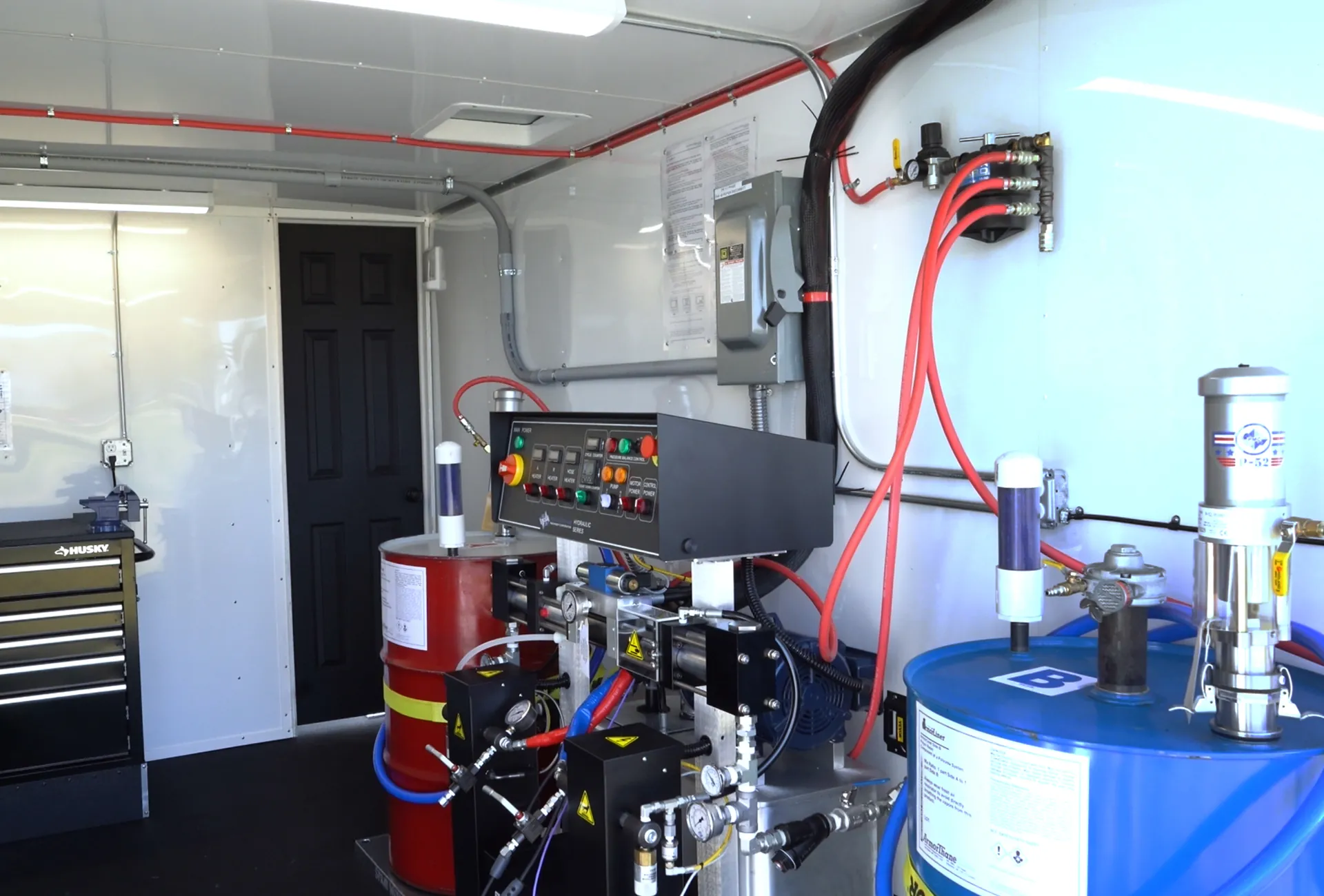
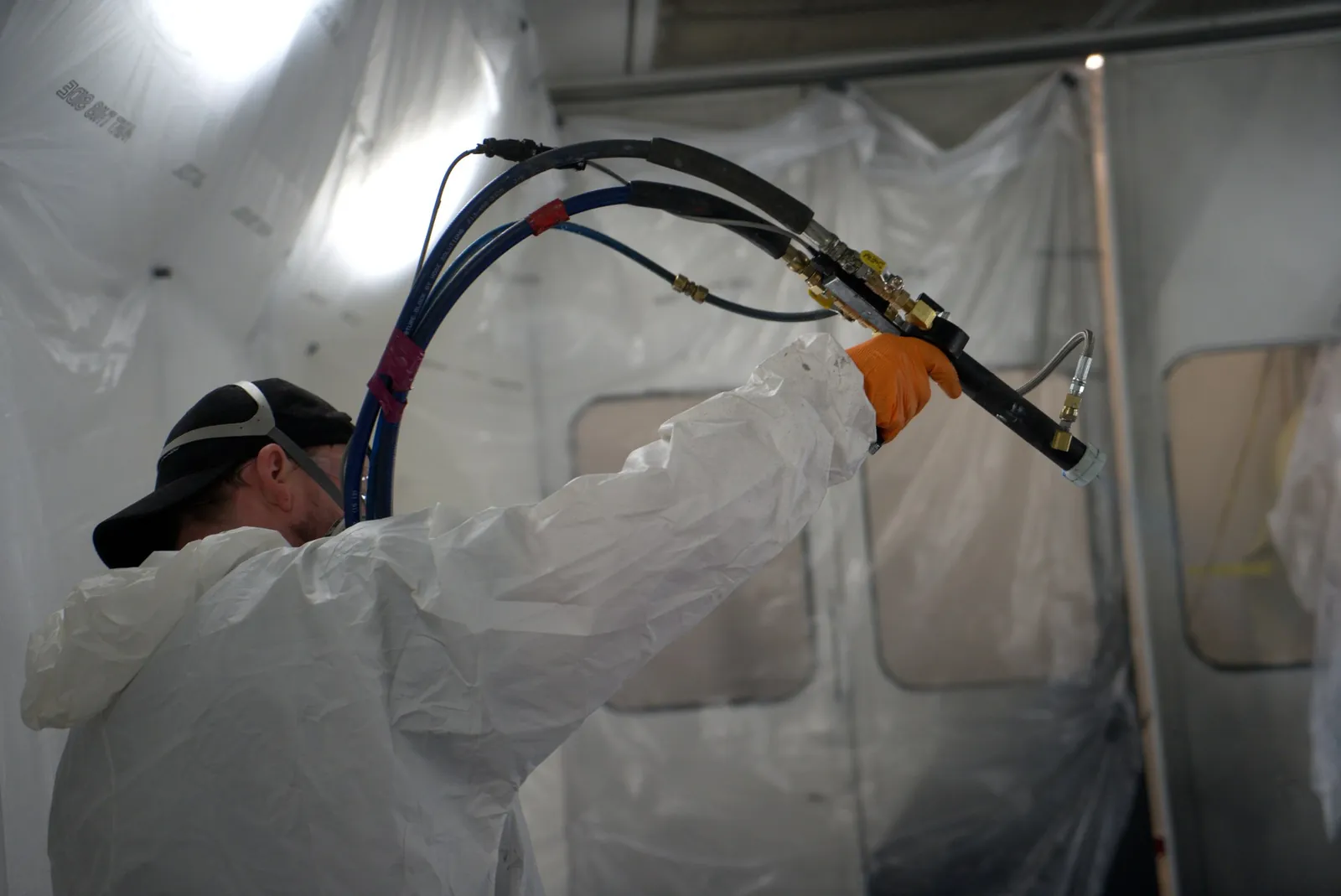
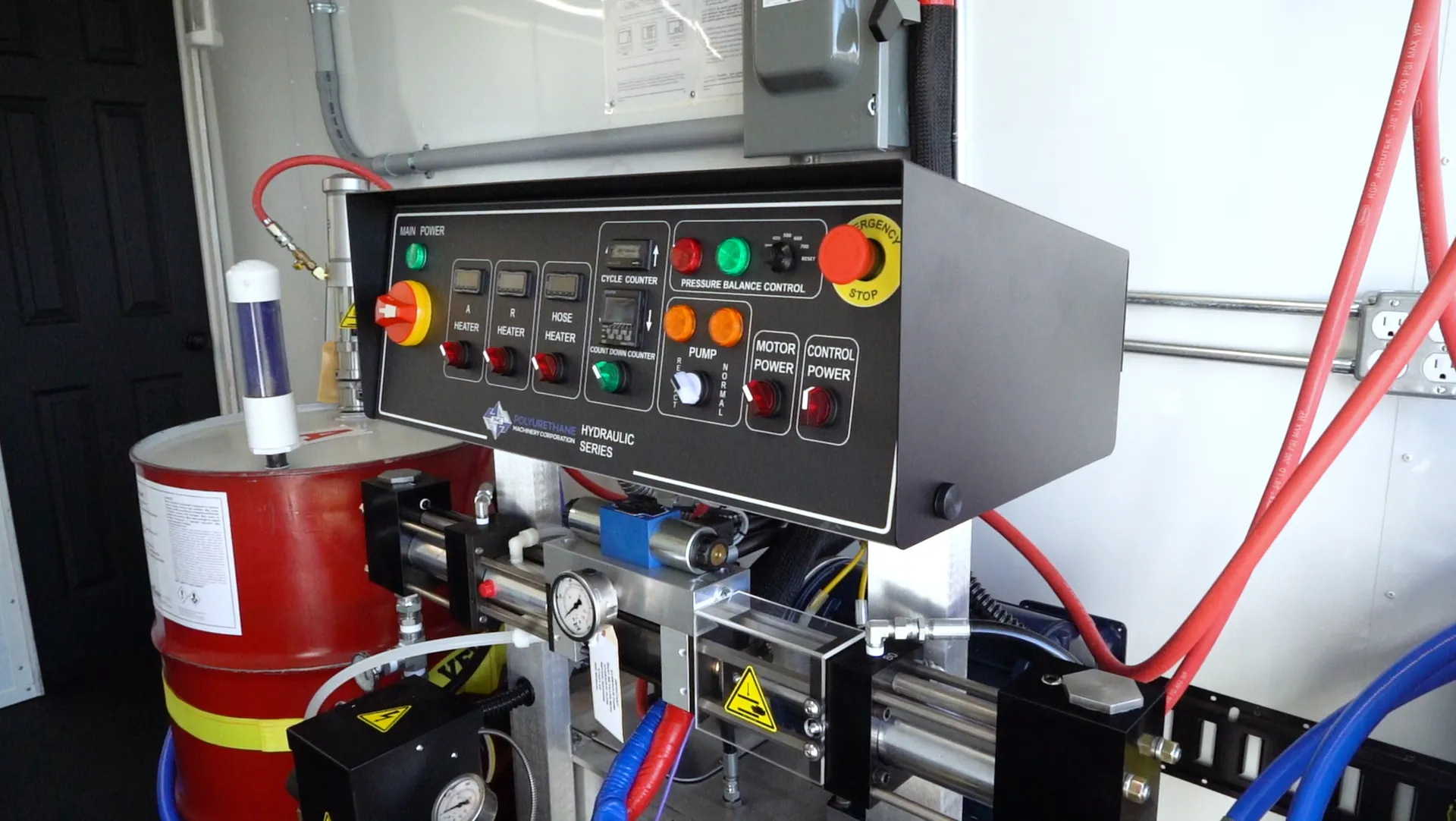
ArmorThane Mobile Coatings Unit trailer hitched to a pickup outside the plant Proportioner, A and B material drums and transfer pumps inside the spray rig Applicator in a protective suit holding a plural-component spray gun in a spray booth Proportioner control panel with heater, pressure balance and cycle counter controls

What comes with itProportioners, guns and complete spray rigs. We build them.

$0
franchise fees or royalties
35+
years in business
50+
countries with applicators
24/7
technical support

Frequently Asked Questions

How can wastewater infrastructure like concrete basins be protected from corrosion and leaks?

Wastewater infrastructure is best protected by using high-performance protective coatings or liners. For example, spray-applied polyurea coatings create a seamless barrier on concrete surfaces. This prevents corrosive sewage chemicals and moisture from contacting the concrete; by sealing cracks and forming a waterproof layer, coatings stop leaks and dramatically extend the life of tanks, basins, and pipes.

Does polyurea have good chemical resistance for wastewater treatment applications?

Yes. Polyurea coatings are formulated to resist a wide range of chemicals found in wastewater treatment, including acids, bases, sulfates, and disinfectants. Once cured, polyurea forms an inert, dense film that withstands continuous exposure to harsh sewage gases and liquids. Its chemical resistance makes polyurea ideal for protecting concrete in clarifiers, digesters, and filter basins where other materials would more quickly corrode or weaken over time.

What is the typical lifespan of a polyurea coating in a wastewater environment?

A properly applied polyurea coating can last many years, often decades, in aggressive wastewater environments. Its lifespan depends on factors like coating thickness, formulation, and service conditions, but polyurea’s durability is well-proven. Routine inspections and maintenance can further extend its life, but little to none are needed. That’s because in practice, polyurea liners have remained intact and protective for 20+ years, outlasting traditional paint or epoxy coatings.

Become an applicator

Start your coatings business with ArmorThane.

Tell us what you want to spray and where you are. An ArmorThane specialist will walk you through the equipment, chemicals, training and startup cost for the work you want to do.

  • Equipment package matched to your applications
  • Hands-on training and applicator certification
  • Technical support once you are spraying
Step 1 of 3

To help us prepare for a discussion with you, please provide some information on the type of Protective Coating business you are considering, including where your business would be located.

Become an applicator

Start your coatings business

Choose “becoming an Applicator / Dealer” and add your details. Our team will call you to talk through markets, equipment and budget.

1Choice
2Contact Information
3Location

Rather talk now? (417) 831-5090 · About the opportunity