ArmorFoam Roof 200
ArmorFoam Roof 200 is a spray polyurethane foam roofing system tested to UL 790. See where it fits, typical specs and how to find a certified applicator.
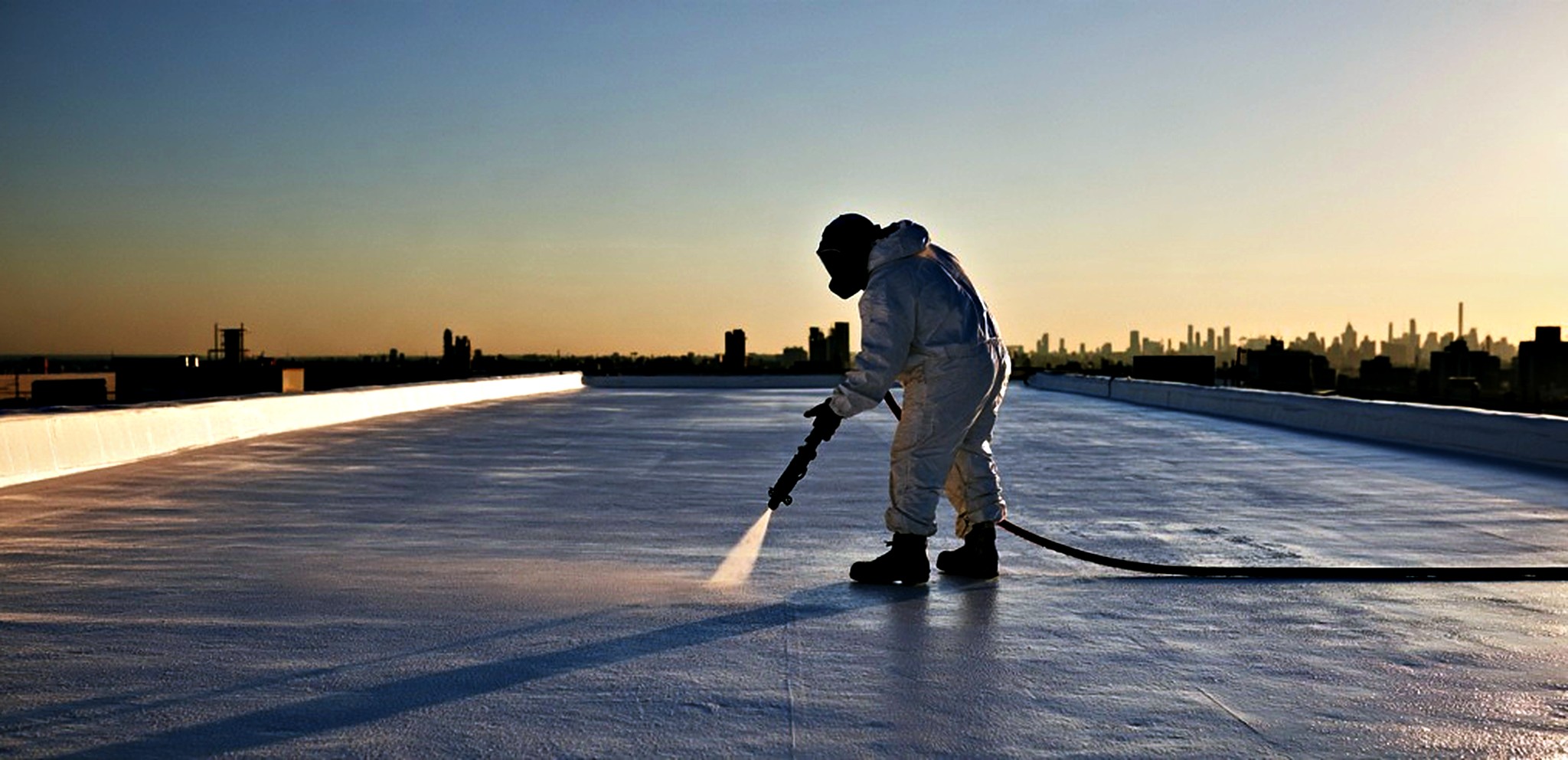
Spray foam for a living.
ArmorThane is the one-stop shop for applicators. We make the chemistry, build the equipment, train you hands-on and back you with technical support, with no franchise fees and no royalties. Applicators have come first here since 1989.
- $0franchise fees or royalties
- 35+years in business
- 50+countries with applicators
- 24/7technical support
ArmorFoam Roof 200
ArmorFoam Roof 200 is a closed-cell, spray polyurethane foam roofing system designed for insulation and weatherproofing on low-slope, pitched, and barrel-configured roofs. With densities of 2.5 pcf, 2.7 pcf, or 3.0 pcf, ArmorFoam Roof 200 is ideal for new roof installations, recoveries, and maintenance or repair projects. Manufactured using either low-GWP HFO technology or traditional HFC-245fa, this roof foam delivers industry-leading R-value performance. When paired with appropriate roof coatings, ArmorFoam Roof 200 forms a seamless, monolithic barrier that protects against water, air, and moisture intrusion for commercial, industrial, institutional, cold storage, and residential roofs.
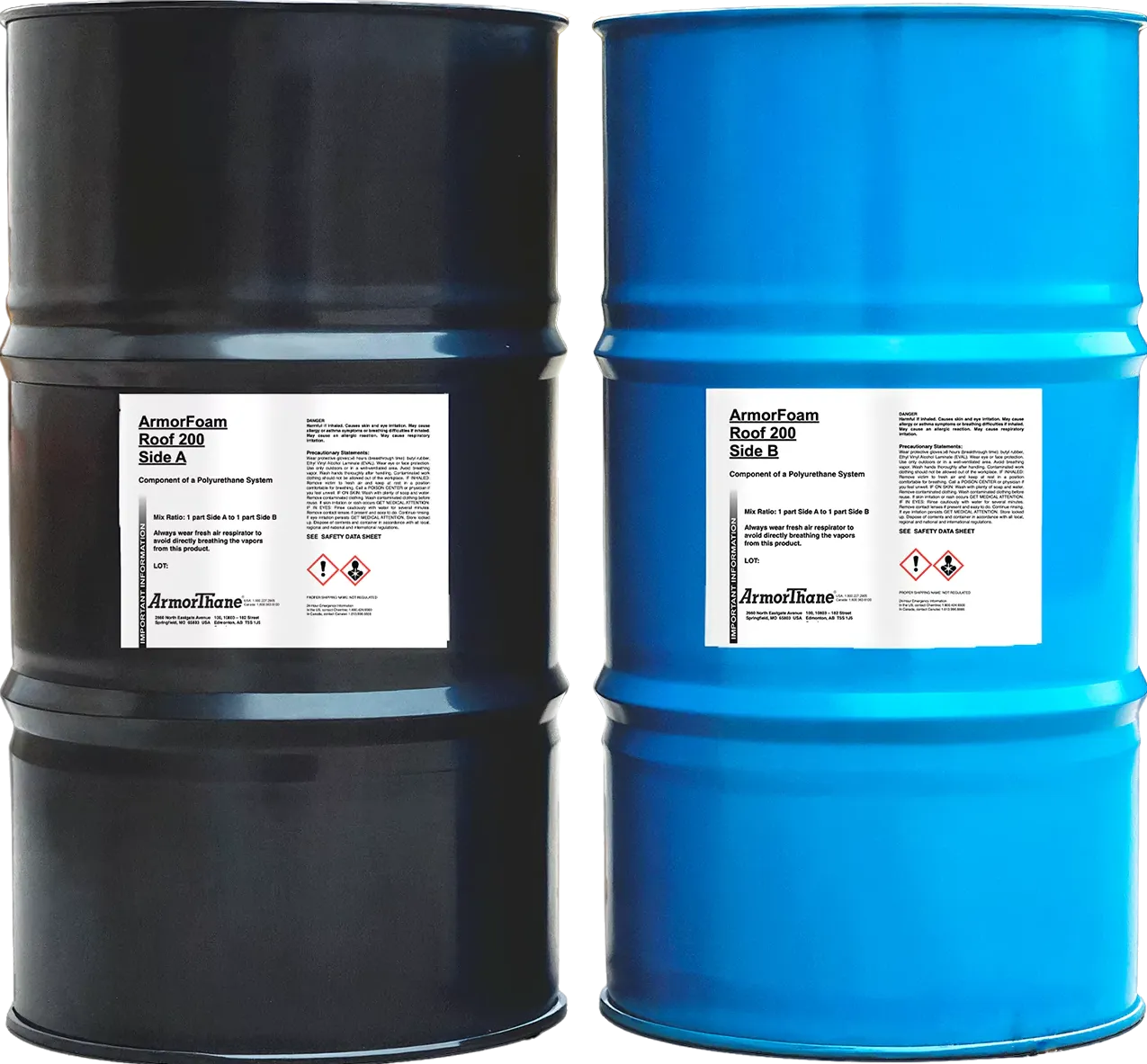
What Is ArmorFoam Roof 200?
ArmorFoam Roof 200 is a closed-cell spray polyurethane foam roofing system for insulating and weatherproofing low-slope, pitched and barrel-shaped roofs. It comes in densities of 2.5, 2.7 and 3.0 pounds per cubic foot and is made with either low-GWP HFO blowing agent or traditional HFC-245fa. It suits new roofs, recovers over existing roofs, and maintenance or repair work.
Paired with a suitable roof coating, the foam forms a seamless, monolithic barrier against water, air and moisture. It is used on commercial, industrial, institutional, cold storage and residential roofs. The U.S. Department of Energy explains how reflective roof coatings over insulation help cut cooling costs.
Why Spray Foam Roofing Works
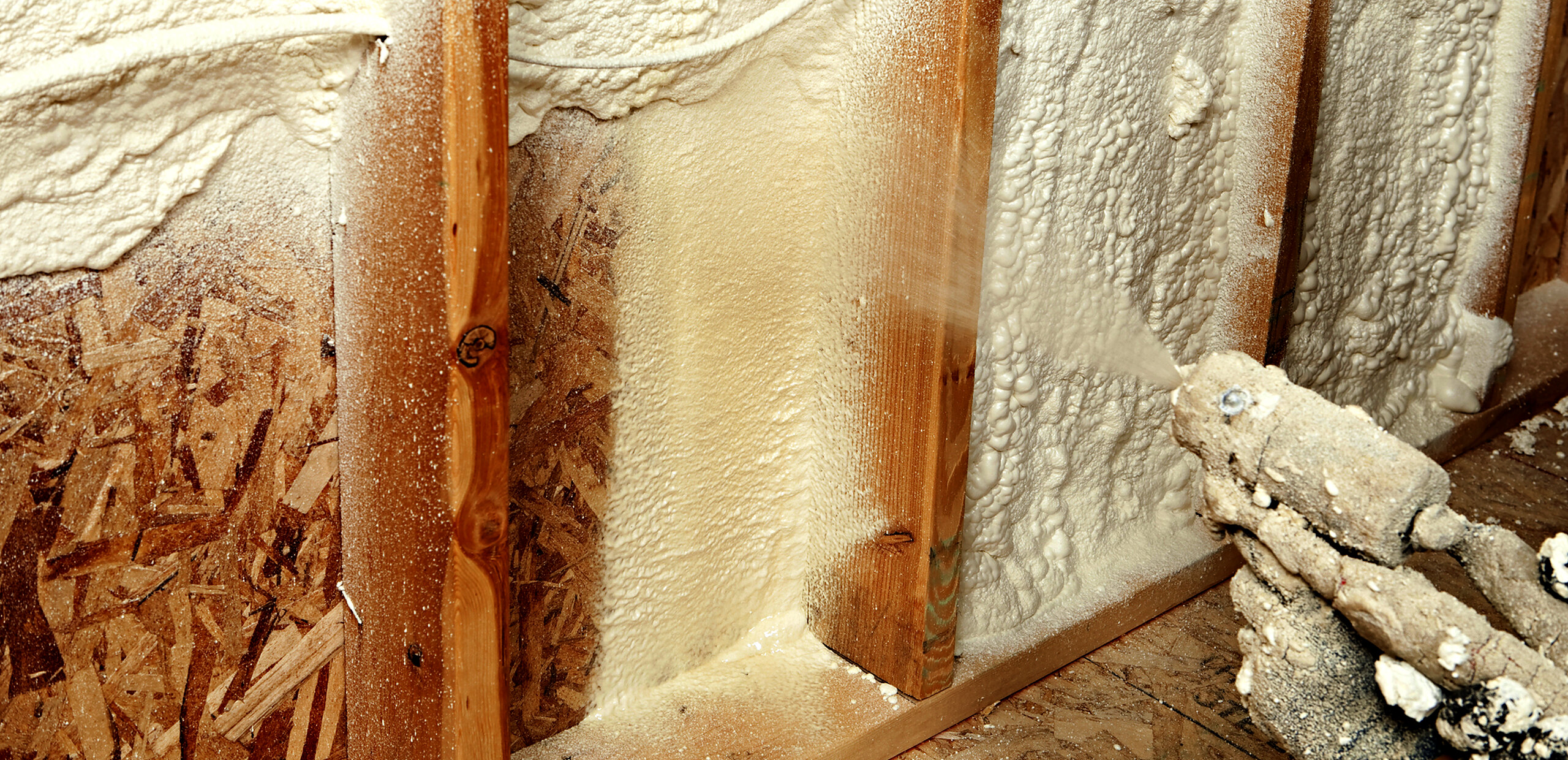
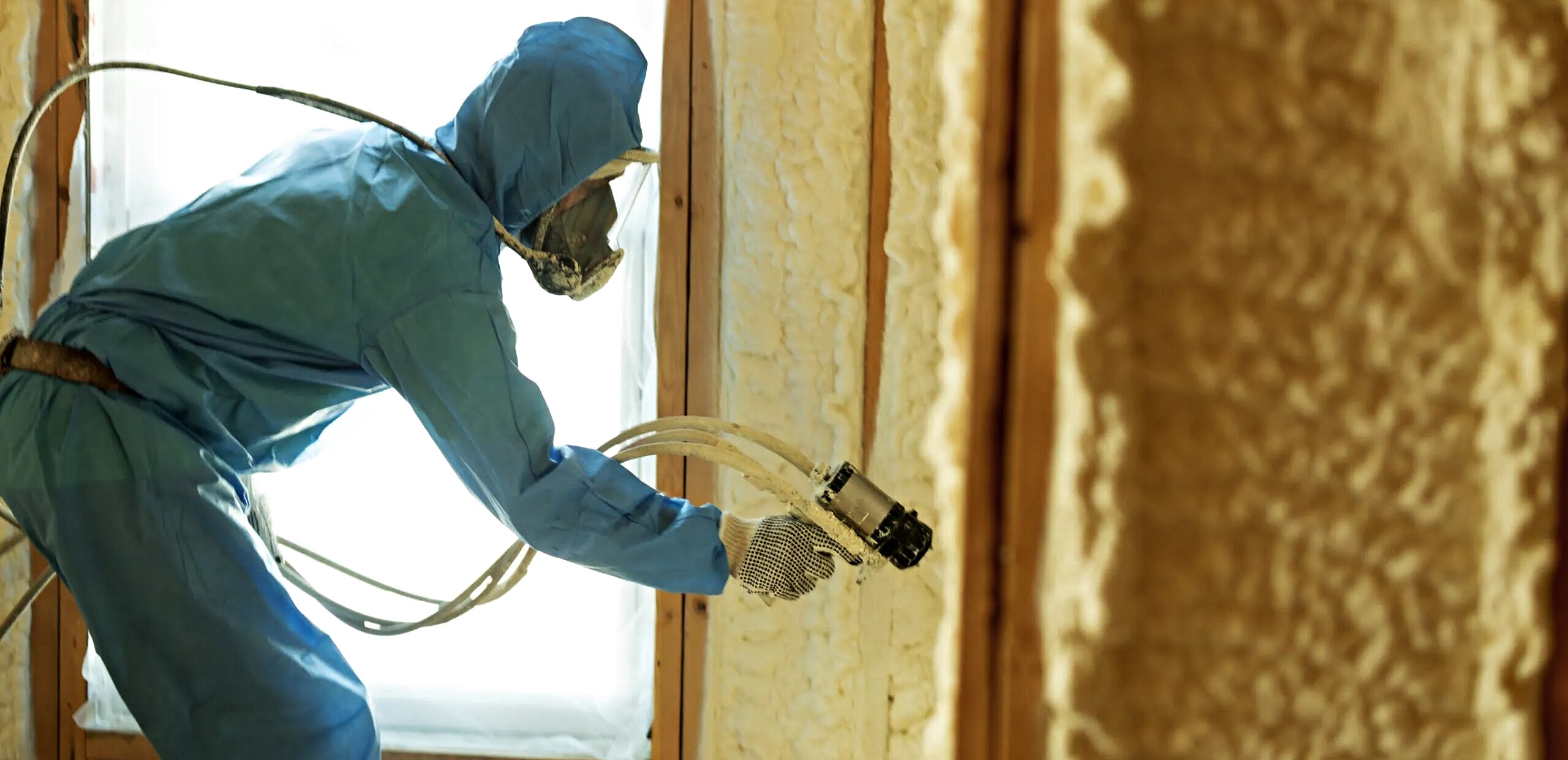
This is a plural-component roofing foam that adheres fully to the deck. As it is sprayed, it self-flashes around penetrations, covers joints, encloses fasteners and builds cants away from walls and curbs. The result is a field-applied, one-piece membrane with no seams to open up over time.
- Insulation and waterproofing in one. The same layer adds R-value and keeps water out.
- Positive slope. Applicators can build up foam to create slope, improve drainage and eliminate ponding.
- Lightweight. It adds little weight compared with many tear-off and re-roof options.
- Recover friendly. It can often go over an existing roof, which reduces tear-off waste.
Compatible Substrates
The foam can be installed over a variety of primed substrates, including metal, built-up roofing (BUR), structural concrete, plywood and OSB, gypsum cover board, polyiso, existing spray foam and many fully adhered, primed membranes. Every roof should be inspected first. Wet insulation, rotten decking and loose membranes need to be removed or repaired before foam goes down.
Installing a Foam Roof
- Inspect and prepare. Survey the roof, remove wet or damaged material, clean the surface and prime as required.
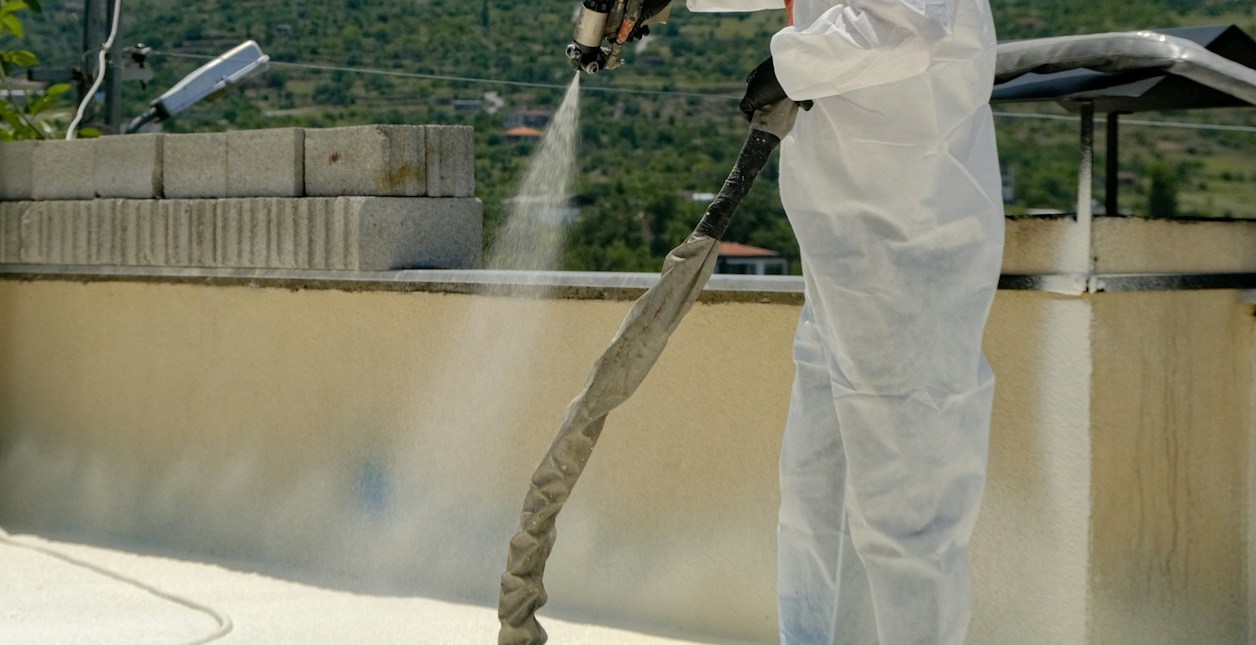
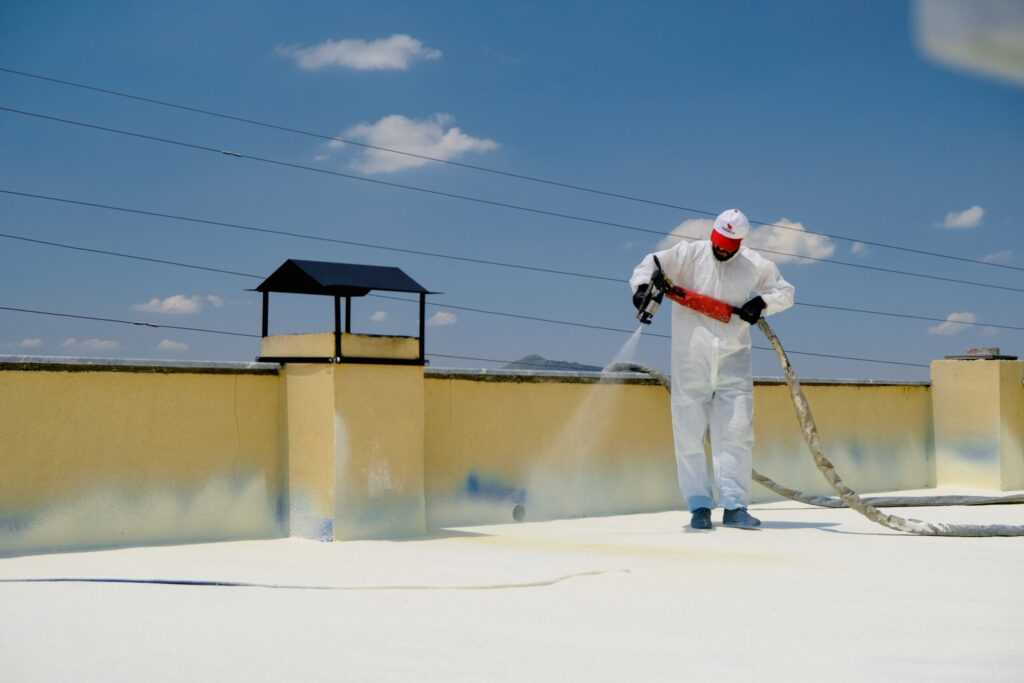
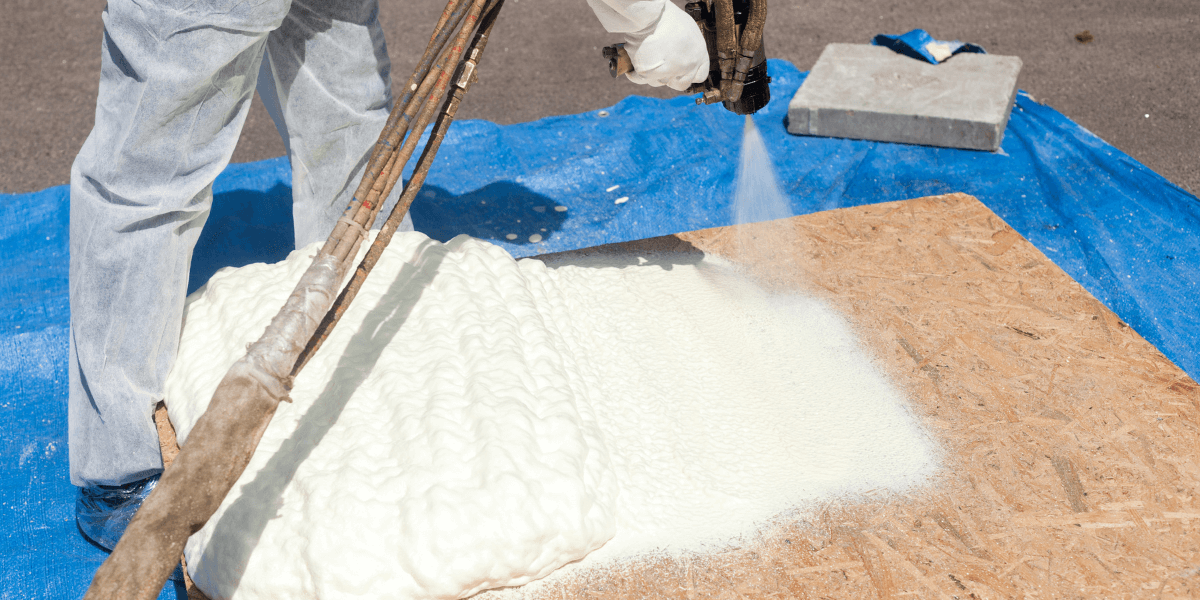
- Spray the foam. Apply in passes to the specified thickness, building slope where needed and flashing around penetrations and edges.
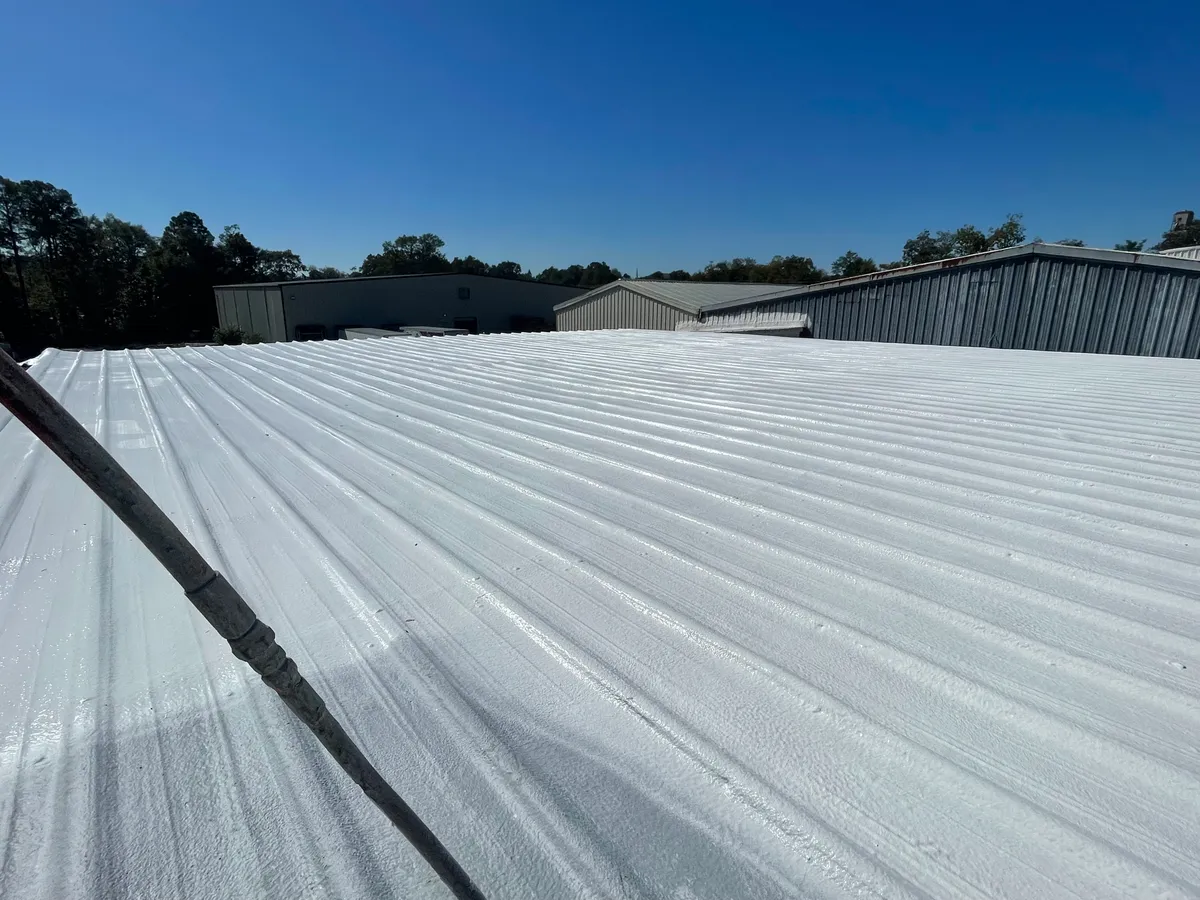
- Coat the foam. Cover the foam with a compatible roof coating the same day or as soon as the specifications allow. Spray foam must be protected from UV light.
- Add granules if needed. Some roofs get granules broadcast into the coating for extra durability where there is foot traffic.
- Inspect the finished roof. Check thickness, coverage and drainage before handing over.
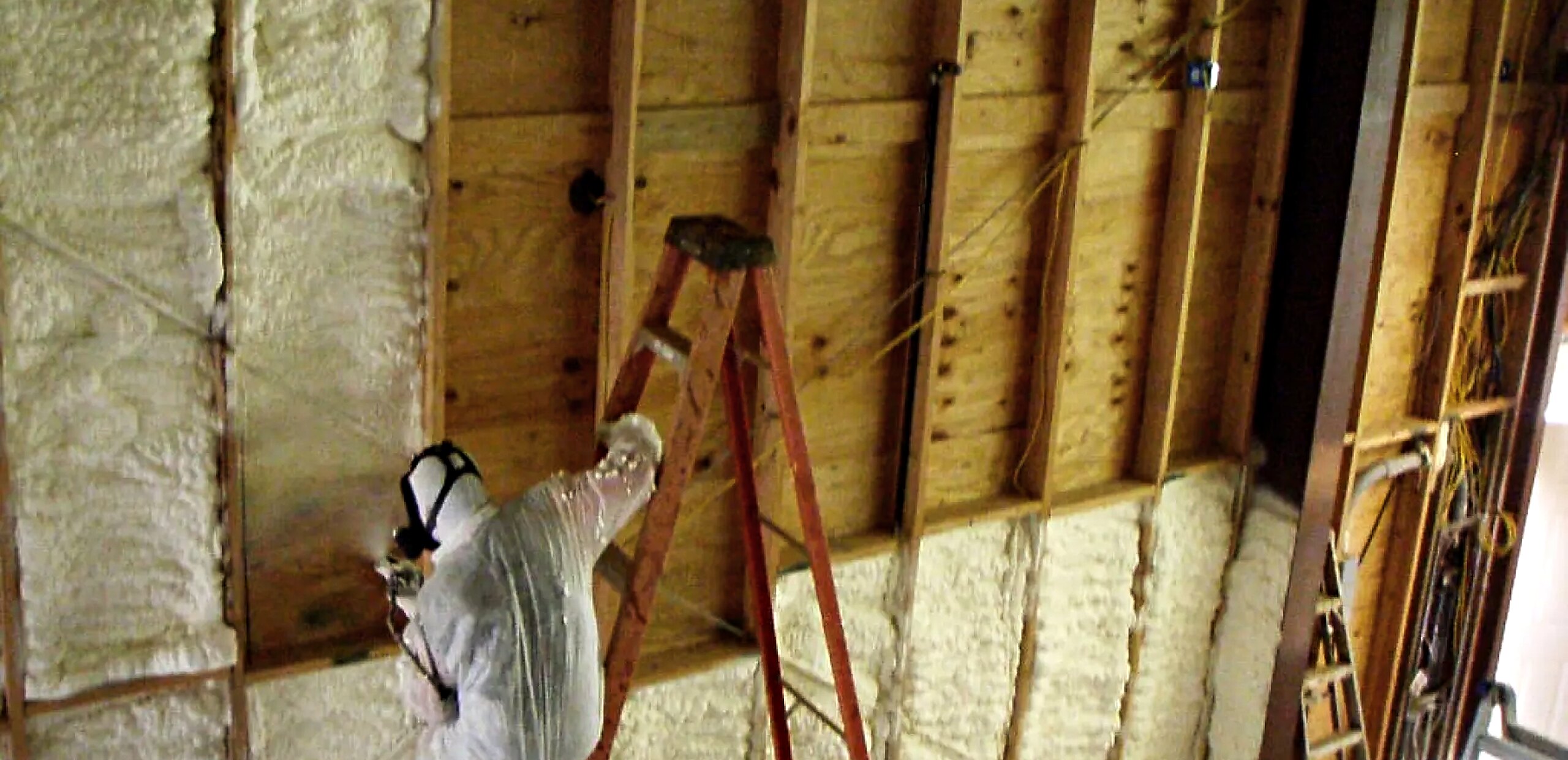
Crews need proper protective equipment, as explained in OSHA guidance on spray polyurethane foam, and should follow the technical and safety data sheets for both the foam and the coating.
Maintaining a foam roof
A foam roof should be inspected at least once a year and after major storms. Look for damage to the coating, punctures and areas where water collects. Small damage can be repaired with foam sealant and coating. Recoating the roof before the original coating wears through renews the protection and can extend the roof's life for many more years.
Choosing a density
Lower densities are common on roofs with little foot traffic, where insulation value matters most. Higher densities give a harder, more impact-resistant surface for roofs that see regular maintenance traffic or hail. The roof design, climate and use will decide which is best, and our technical team can help you choose.
Getting ArmorFoam Roof 200
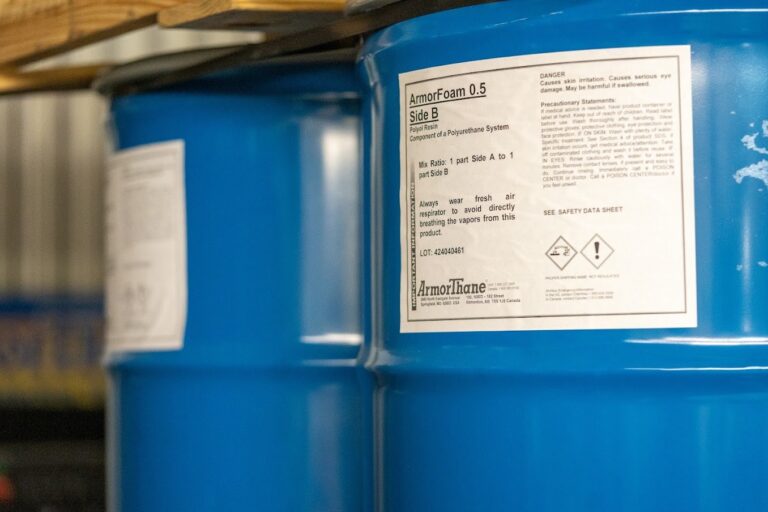
It is supplied to ArmorThane applicators along with spray equipment, roof coatings, training and technical support. See spray foam roofing and our roof coating coverage calculator, or learn how to become an ArmorThane applicator.
More Details
Product Details
ArmorFoam Roof 200 is a plural-component roofing foam that adheres fully, self-flashes around penetrations, covers joints, encloses fasteners, and builds cants away from verticals. This field-applied monolithic membrane allows applicators to create positive slopes, improve drainage, and eliminate ponding. It can be installed over a variety of primed substrates, including metal, BUR, structural concrete, plywood/OSB, DensDeck, polyiso, existing spray foam, and many fully adhered and primed membranes.
Product Inquiry
Tell us what you want to spray and where you are. An ArmorThane specialist will walk you through the equipment, chemicals, training and startup cost for the work you want to do.
- Equipment package matched to your applications
- Hands-on training and applicator certification
- Technical support once you are spraying
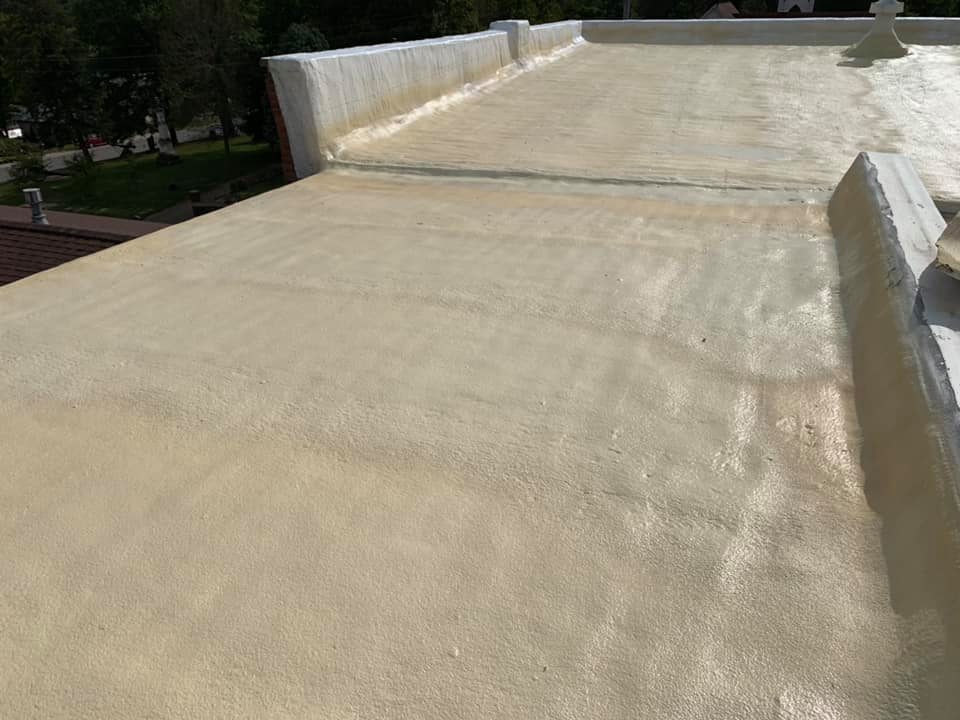
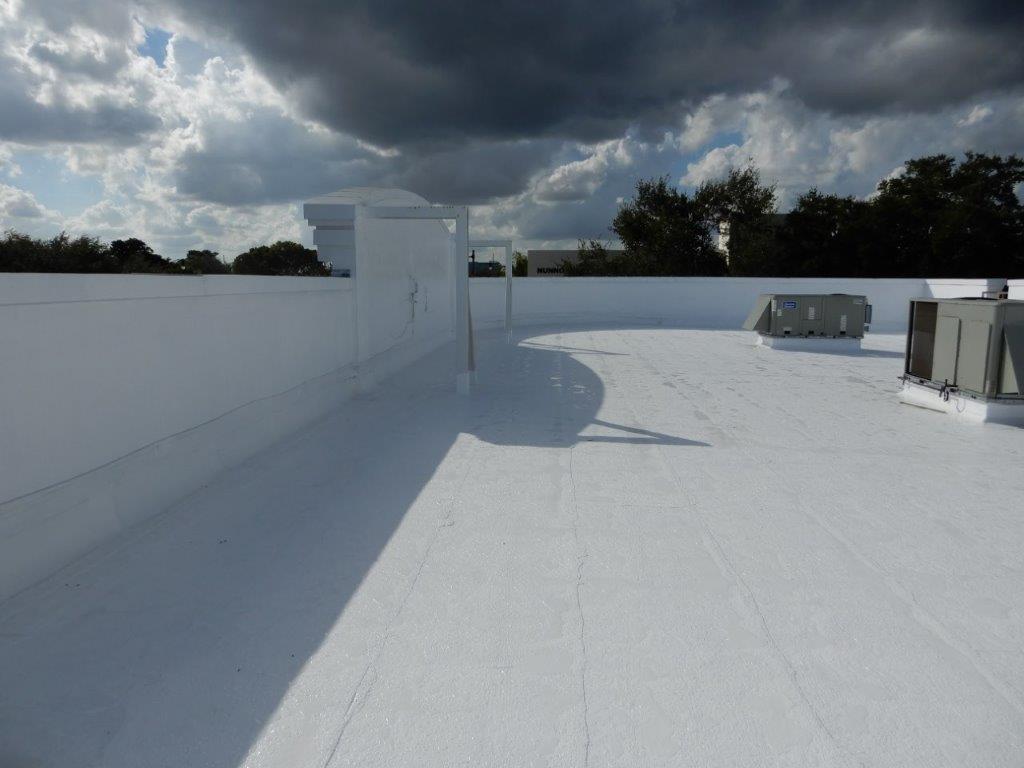
Gallery
ArmorLine
Sprayed On Coatings
ArmorFlooring
Rolled or Floor Coatings
ArmorCoat
Top Coat Products
ArmorPrime
Primer Products
ArmorFoam
Polyurethane Spray Foam