ArmorFoam UltraThane
UltraThane is ArmorThane's spray foam insulation system for walls, attics and roofs. See specs, typical uses and how to find a certified applicator.
Start a spray foam business
Spray foam for a living.
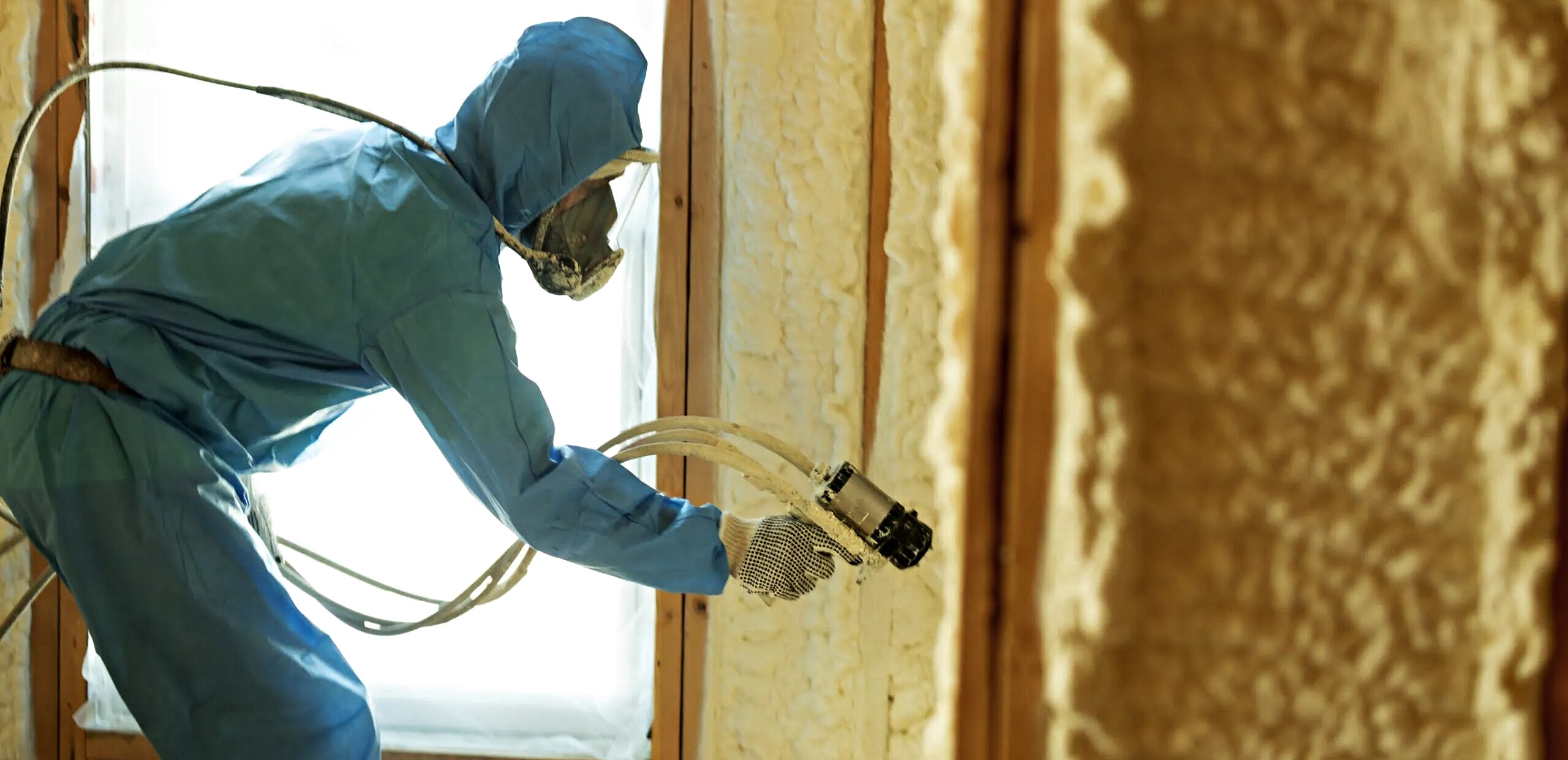
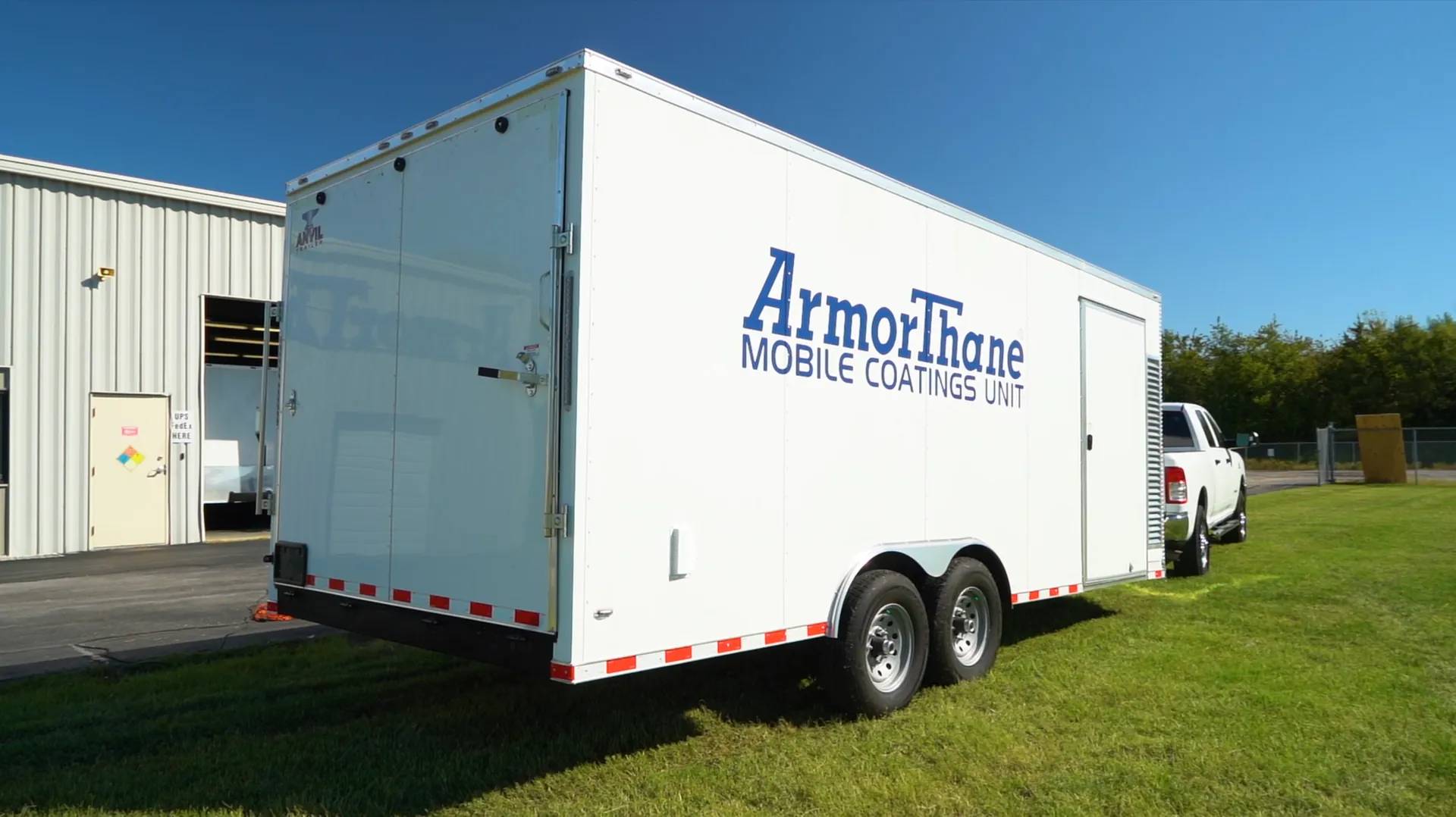
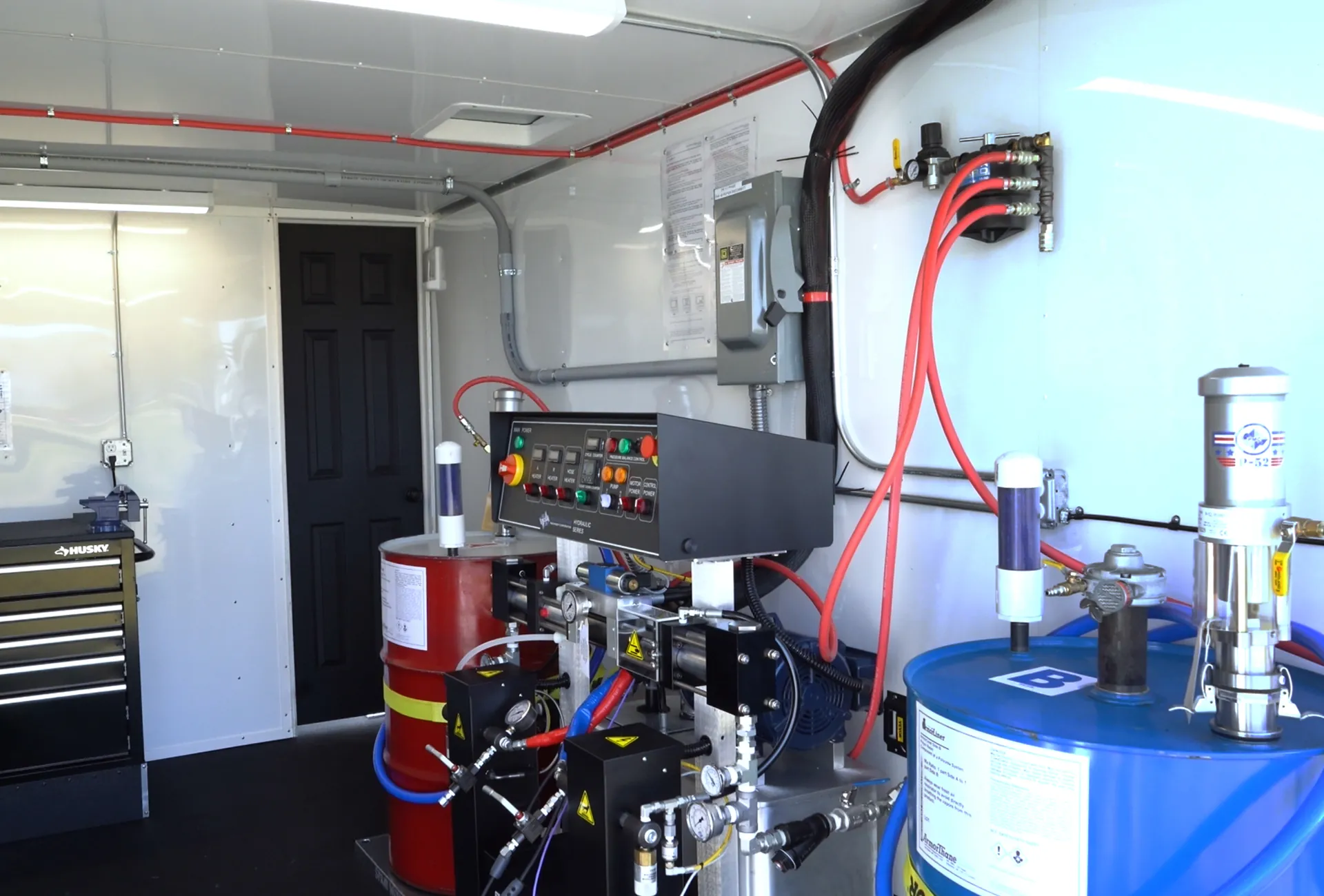
ArmorThane sets you up to do this work, and you own the business. We make the chemistry, build the rigs, train you hands-on and answer the phone when a job gets difficult. You pay no franchise fee and no royalties. It has been that way since 1989.
- $0
- franchise fees or royalties
- 35+
- years in business
- 50+
- countries with applicators
- 24/7
- technical support
ArmorFoam UltraThane
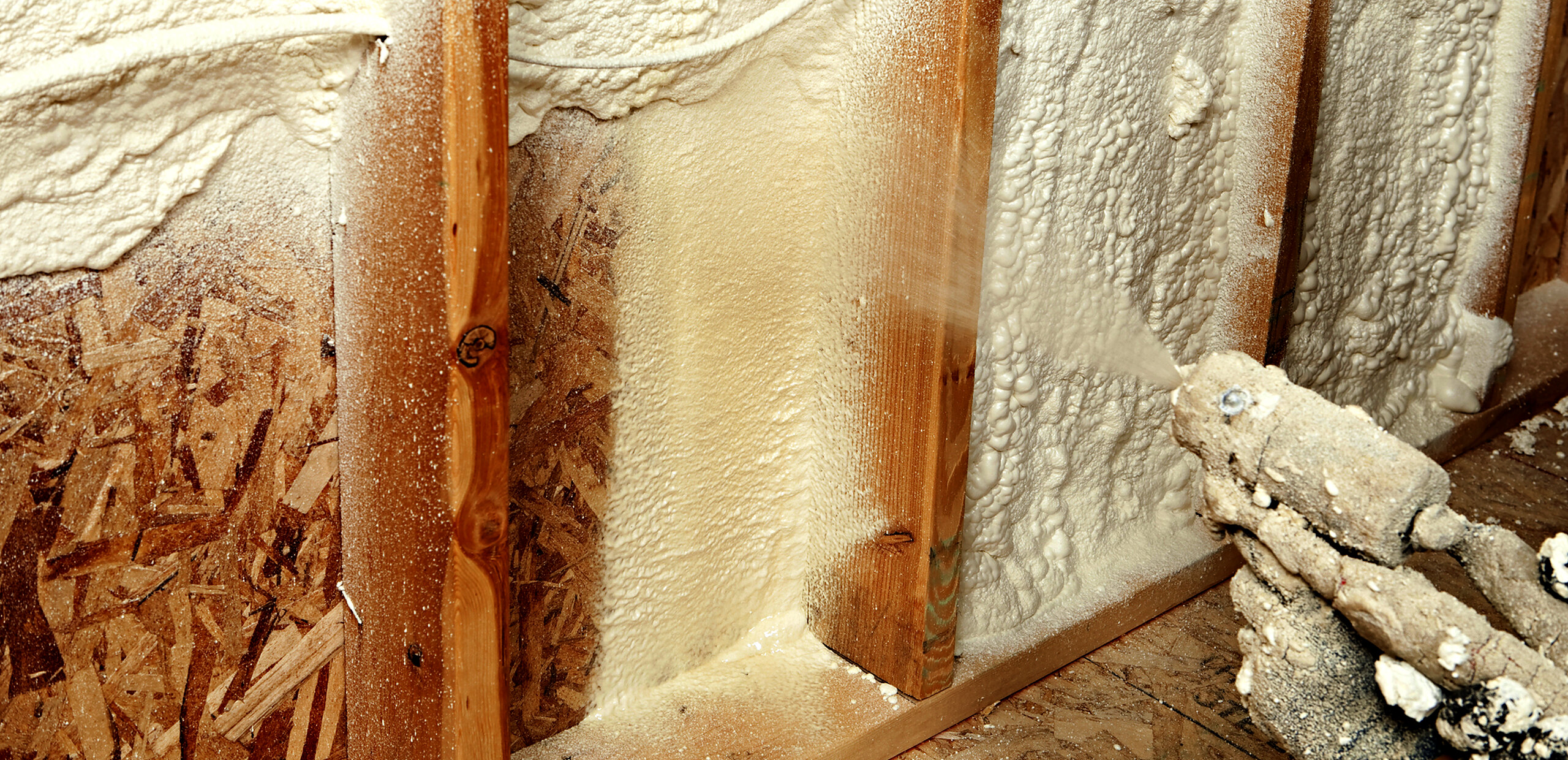
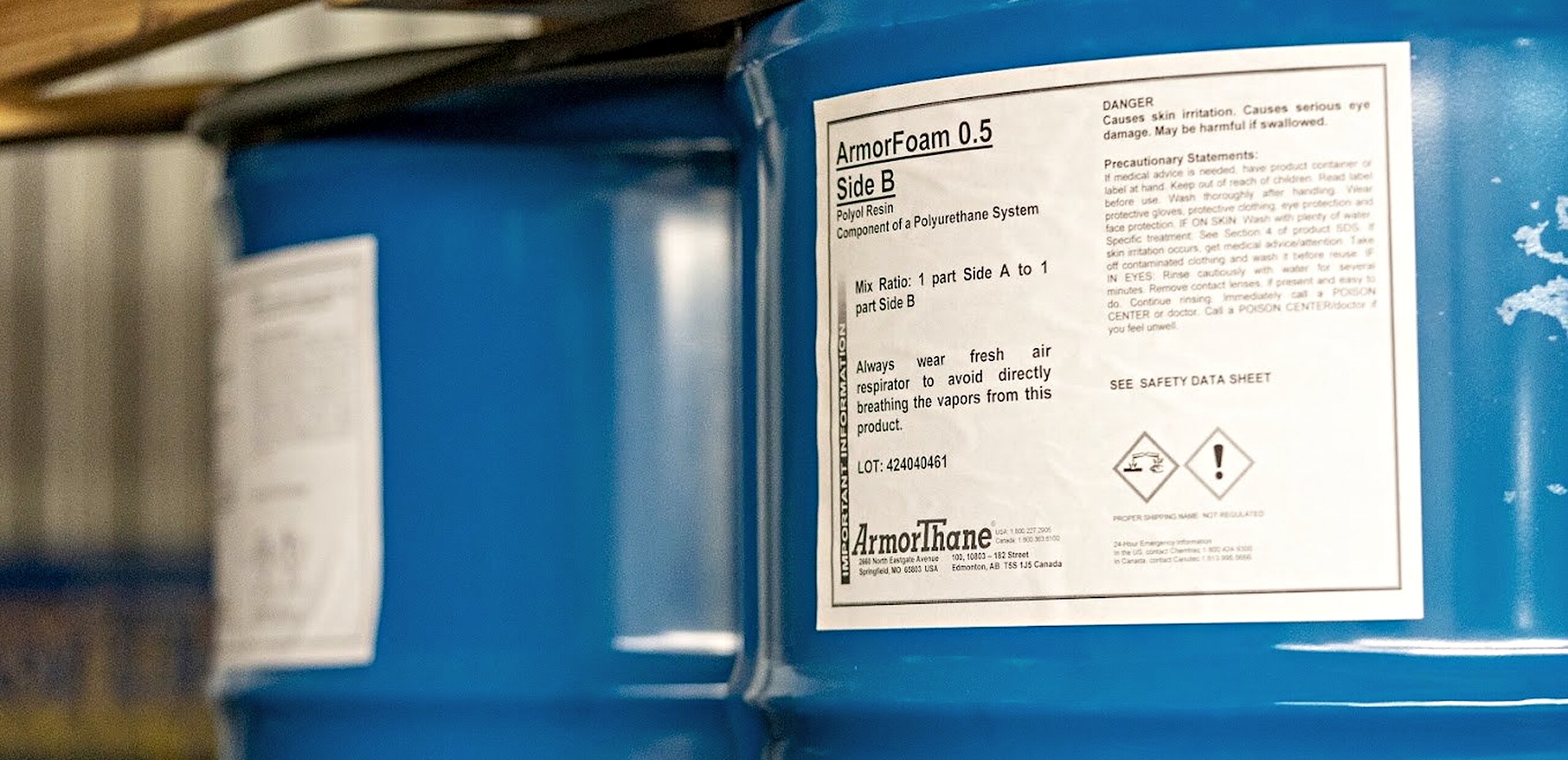
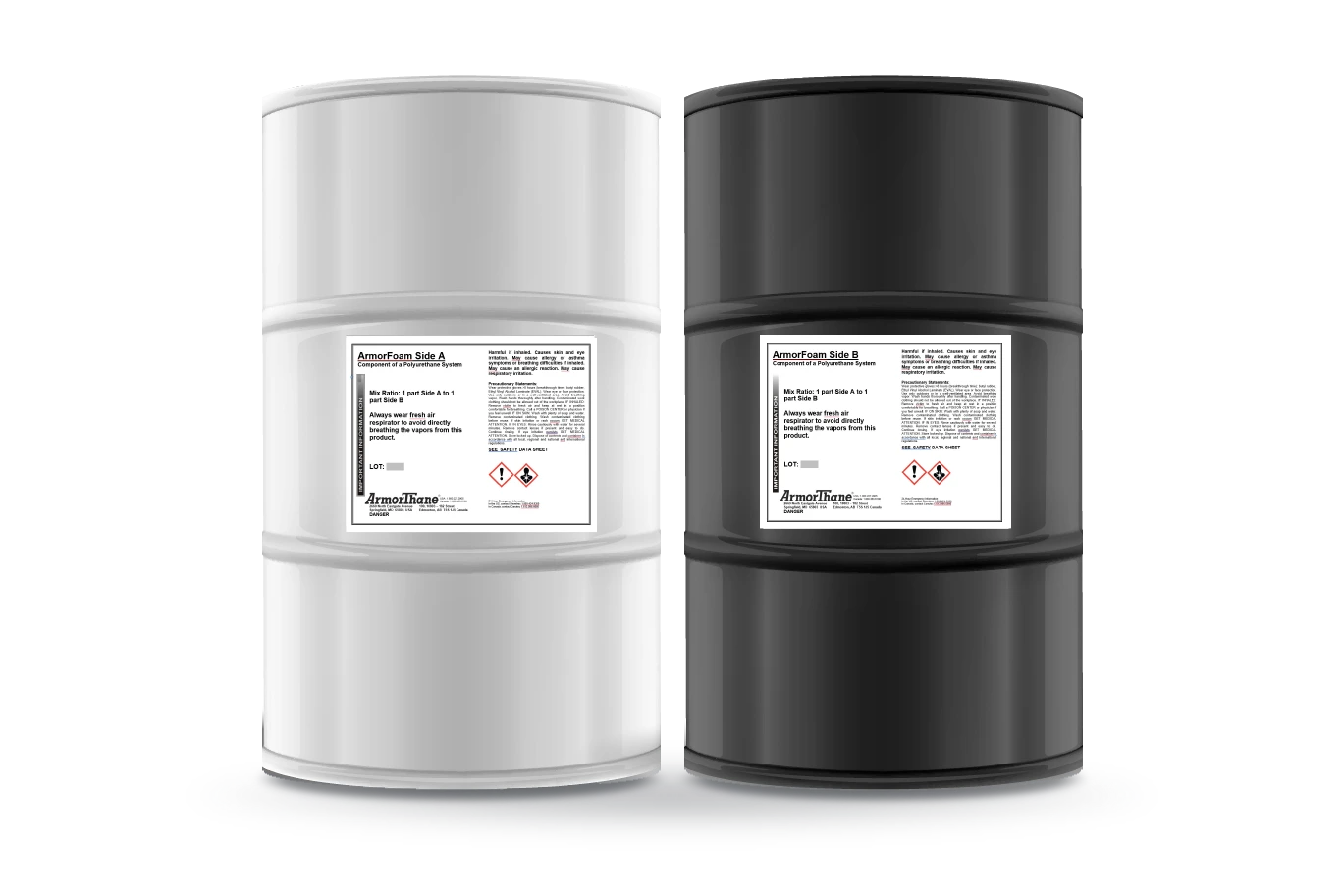
ArmorFoam UltraThane offers exceptional performance with its high-density spray polyurethane foam products. Available in UltraThane 400, UltraThane 600, and UltraThane 800, this advanced two-component system is water-blown and designed for structural applications. These non-fire-rated foams, with densities of 4 lb., 6 lb., and 8 lb., are ideal for rigidizing flat or curved surfaces, significantly enhancing load-bearing capabilities.
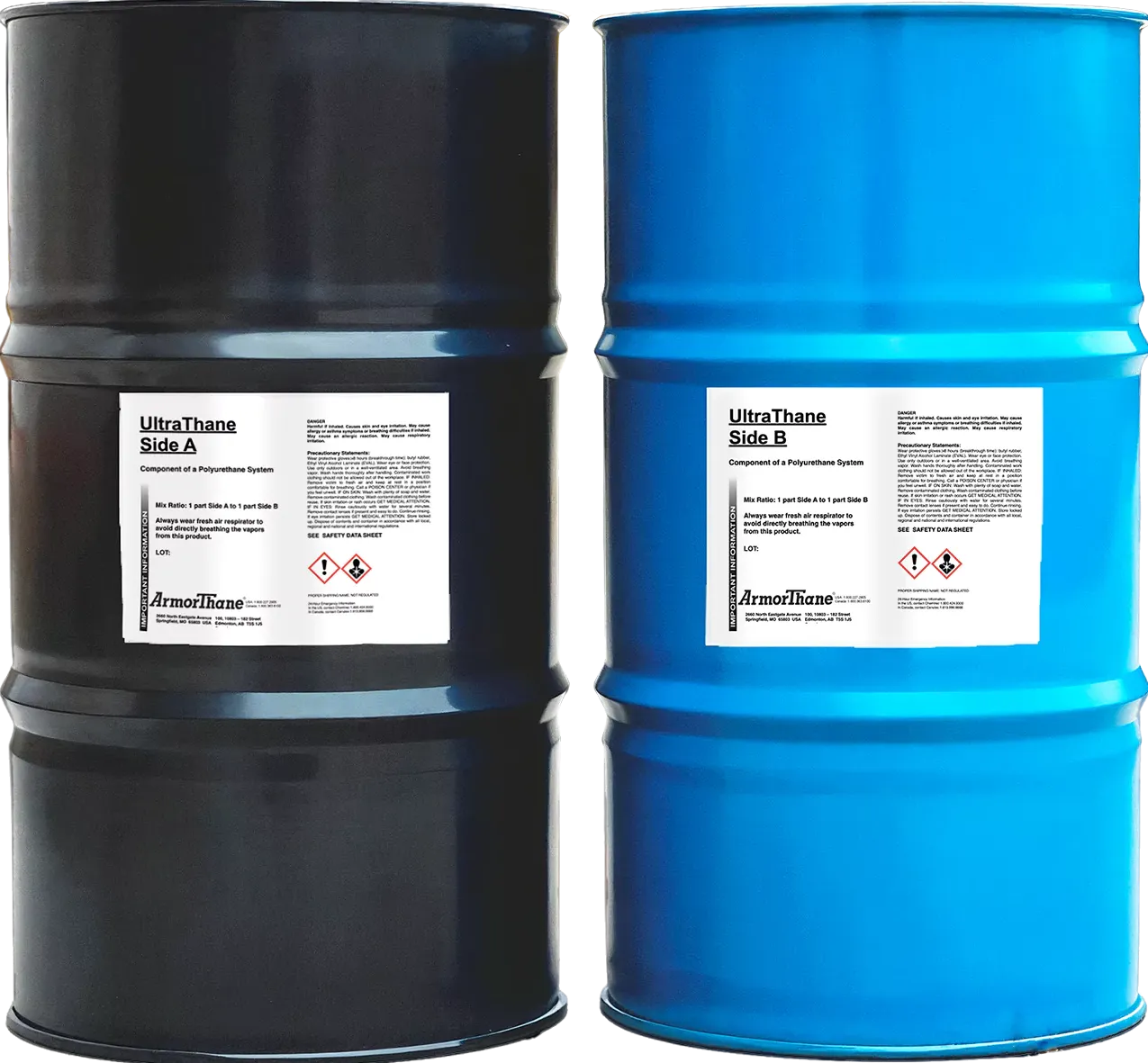
What Is UltraThane?
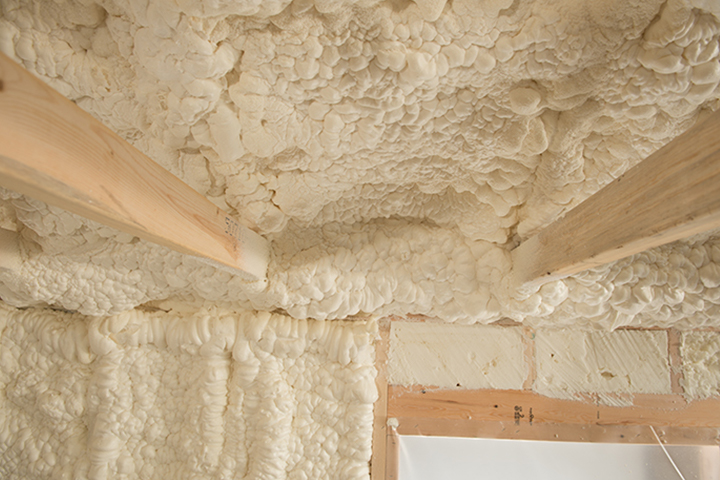
ArmorFoam UltraThane is a family of high-density spray polyurethane foams designed for structural work. It is a two-component, water-blown, closed-cell system that cures quickly and can be applied with standard spray foam equipment. UltraThane is available in densities of 4, 6 and 8 pounds per cubic foot. These are non-fire-rated foams made to stiffen and strengthen, not to insulate walls.
Sprayed onto flat or curved surfaces, the foam bonds and hardens into a rigid layer that greatly increases load-bearing capability. That makes it useful wherever a thin or flexible structure needs to become stiff and strong without adding much weight. The overview of polyurethane foam on Wikipedia explains how density changes the properties of rigid foams.
Where UltraThane Is Used
High-density structural foam is used to rigidize and reinforce many kinds of surfaces. Examples include:
- Backing fiberglass and composite panels, hulls and molds
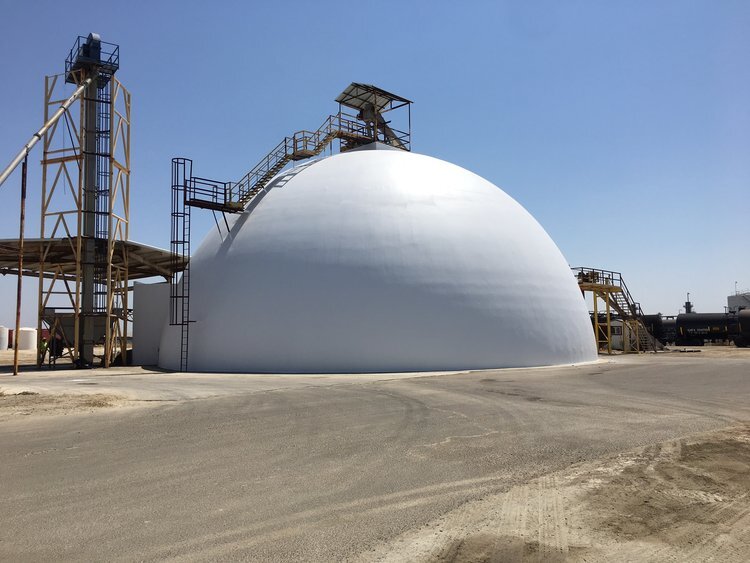
- Stiffening curved shapes such as domes, tanks and theming features
- Reinforcing hollow or thin-walled structures
- Building up lightweight cores for sculptures and props
- Filling and supporting areas that must carry load
For sculpted and themed work, the foam is often finished with a protective hard coat. Read more about polyurea hard coat, theme coatings and the full ArmorFoam range.
Choosing a Density
Higher density means a harder, stronger foam, but also more material per cubic foot and a higher cost. As a general guide, the 4 lb foam suits lighter rigidizing work, while the 6 and 8 lb foams are used where more strength and load-bearing capacity are needed. The right choice depends on the load, the span and the substrate. Our technical team can help you choose.
Applying UltraThane
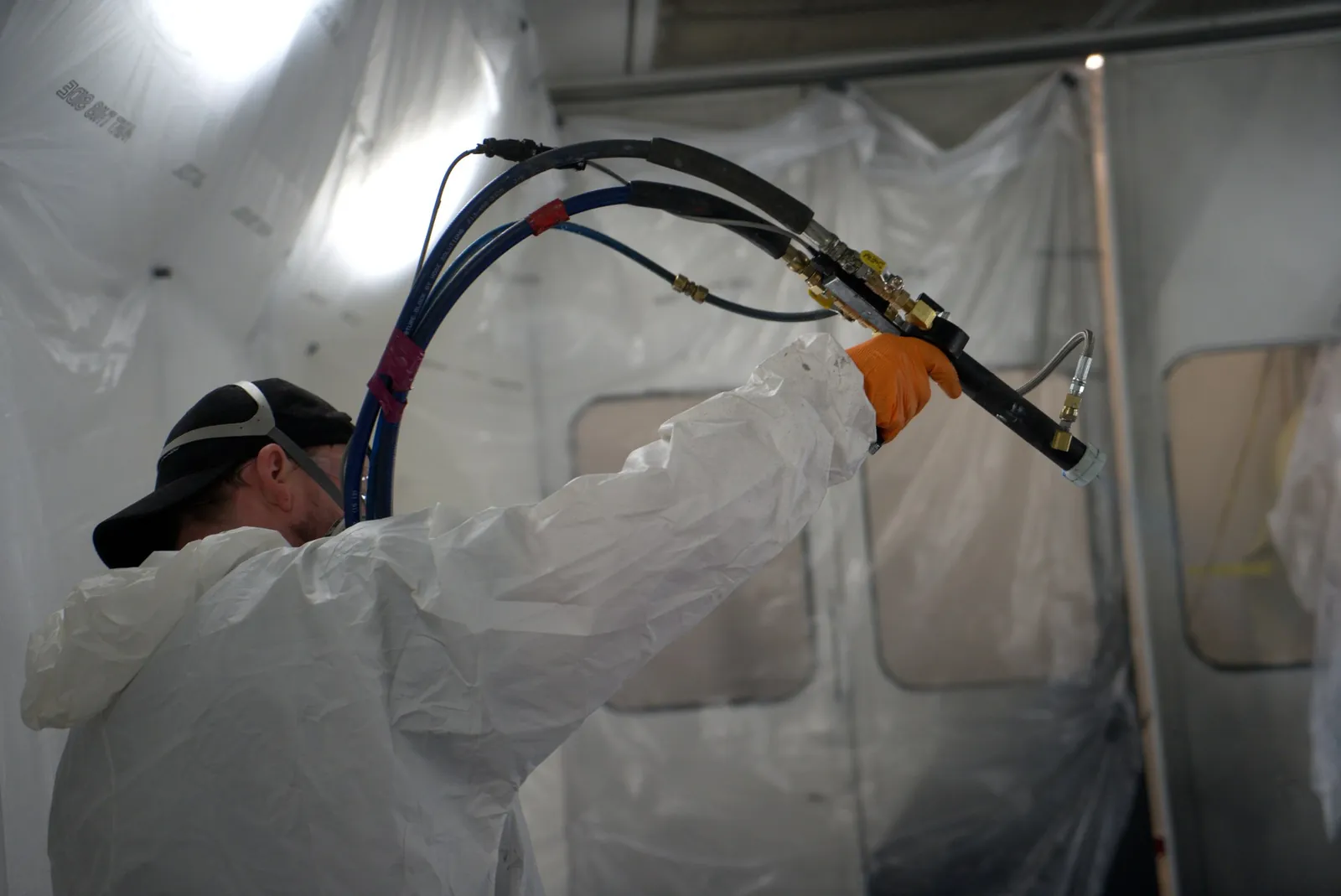
High-density foams generate a lot of heat as they react. To prevent problems with exotherm, apply them in passes of 0.5 to 1 inch, depending on the density and the substrate, and let each pass cool before adding the next. Thick passes can overheat, which may cause scorching, cracking or poor adhesion.
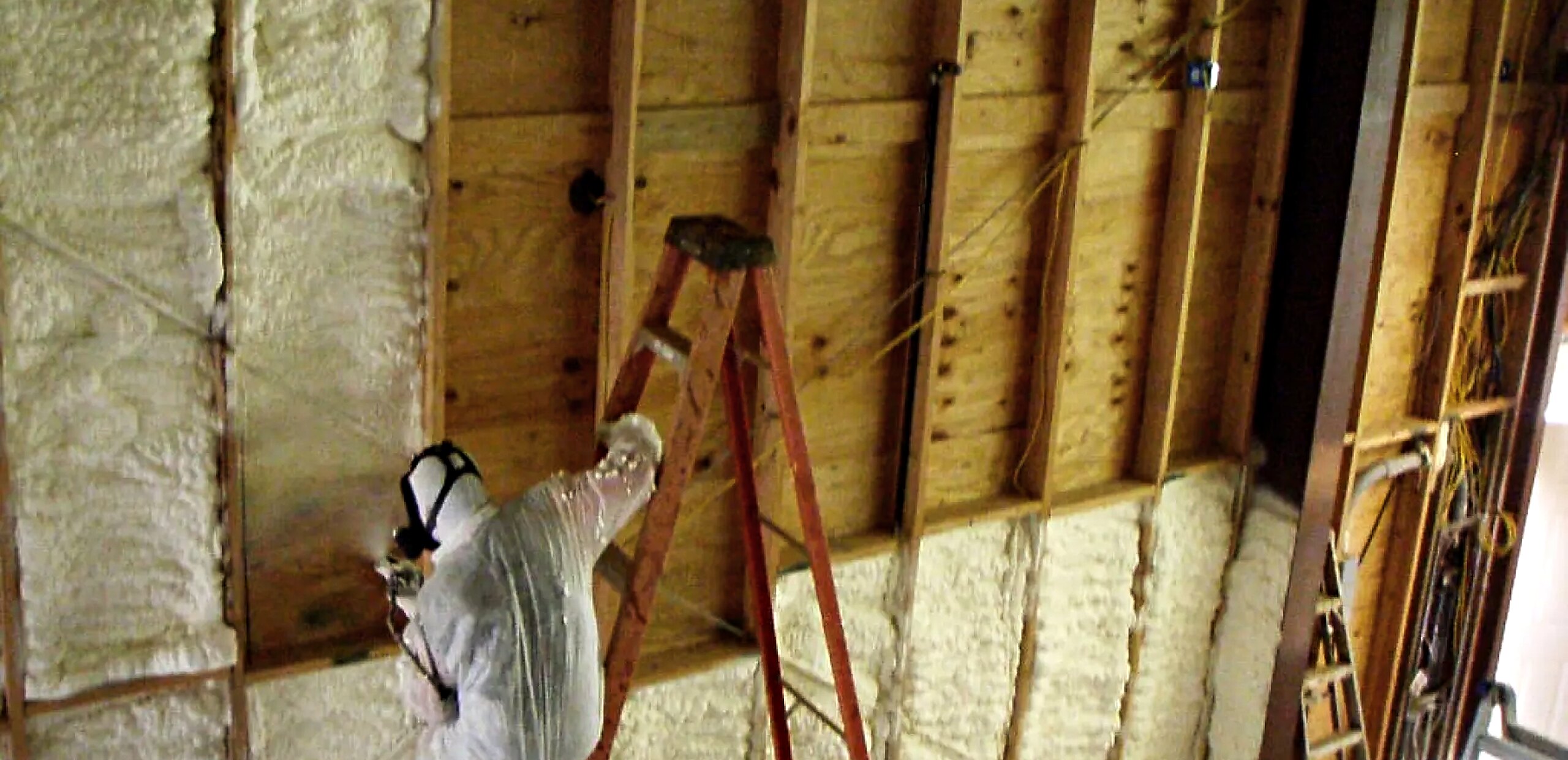
Good adhesion also depends on preparation. Depending on the surface, a primer or abrading the substrate may be needed. Surfaces should be clean, dry and within the temperature range on the technical data sheet. Because these foams are not fire rated, check how the finished part will be used and whether a fire-protective coating or barrier is required. Crews need protective equipment and ventilation while spraying, as described in OSHA guidance on spray polyurethane foam.
Finishing and protecting the foam
Cured structural foam can be trimmed, sanded and shaped. Where it will be exposed to weather, impact or people, it is usually sealed with a polyurea or polyurethane coating that adds a tough, waterproof skin. The foam provides stiffness and the coating provides surface protection, so each does the job it is best at.
Planning a structural foam job
Work out the area, the target thickness and the density before you start, then estimate how many passes the job will take. Allow cooling time between passes in the schedule, because rushing high-density foam is the most common cause of problems. Spray a test panel on the actual substrate to confirm adhesion and finish.
Getting UltraThane
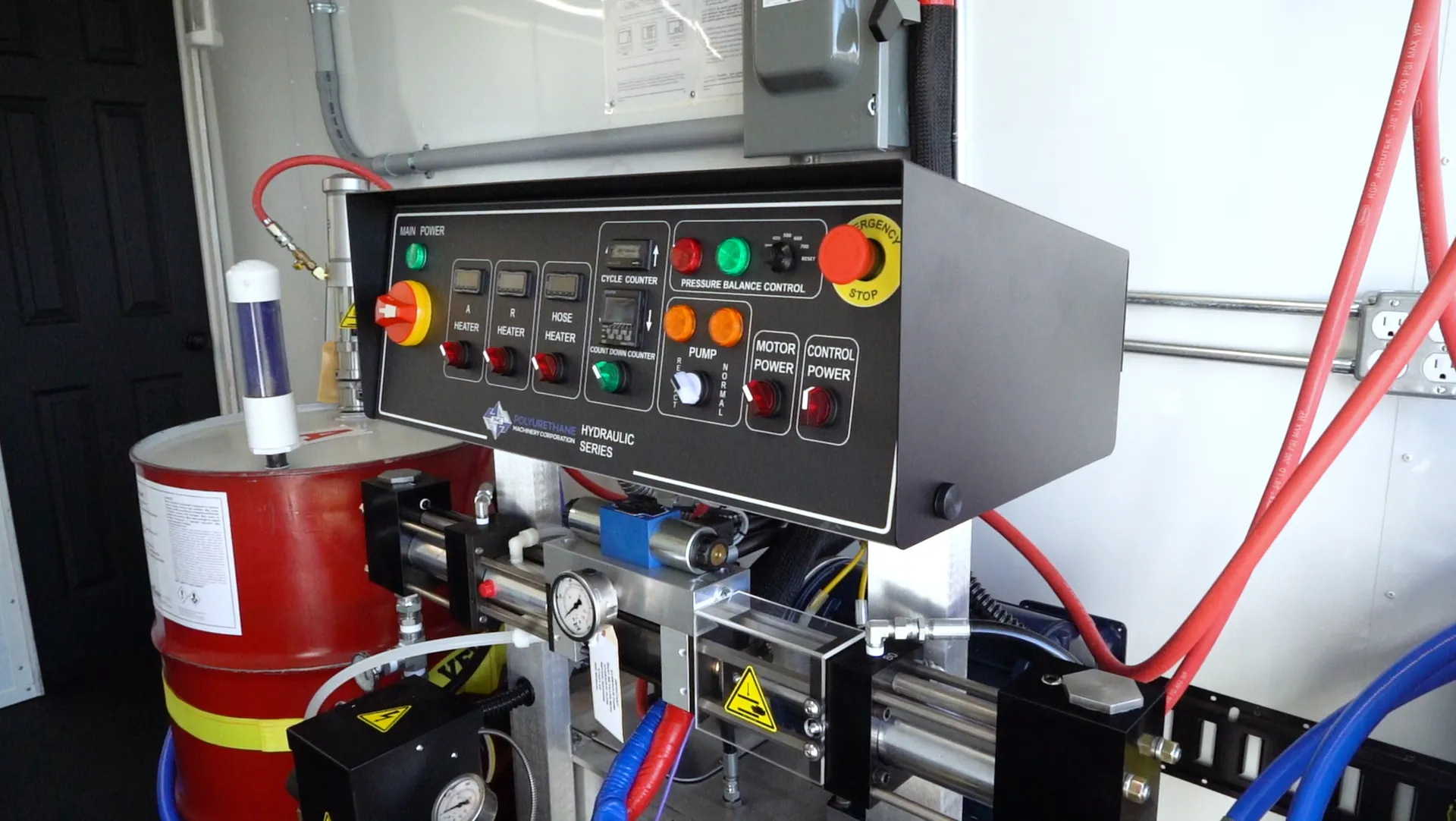
UltraThane is supplied to ArmorThane applicators along with spray equipment, training and technical support. Structural foam is a specialist service that pairs well with protective coatings. Learn how to become an ArmorThane applicator, with no franchise fees and one supplier for chemicals, equipment and training.
More Details
Product Details
UltraThane foams are fast-curing, closed-cell formulations that can be applied using standard spray polyurethane foam equipment. Their versatility and durability make them an excellent choice for structural reinforcement in various applications.
To ensure optimal performance and prevent issues with exotherm, high-density foams should be applied in passes of 0.5” to 1” thickness, depending on the density and the type of substrate. Additionally, proper surface preparation—such as using a primer or abrading the substrate—may be necessary to achieve strong adhesion.
With ArmorFoam UltraThane, you gain access to a reliable solution for structural reinforcement that combines ease of application with outstanding load-bearing properties.
Product Inquiry
Tell us what you want to spray and where you are. An ArmorThane specialist will walk you through the equipment, chemicals, training and startup cost for the work you want to do.
- Equipment package matched to your applications
- Hands-on training and applicator certification
- Technical support once you are spraying
Gallery

ArmorLine
Sprayed On Coatings
ArmorFlooring
Rolled or Floor Coatings
ArmorCoat
Top Coat Products
ArmorPrime
Primer Products
ArmorFoam
Polyurethane Spray Foam