




ArmorFlex UV™
ArmorFlex UV is an aliphatic polyurea coating from ArmorThane: UV-stable and color-fast for exposed surfaces. See specs, uses and where it fits.
Start a protective coatings business
Spray protective coatings for a living.
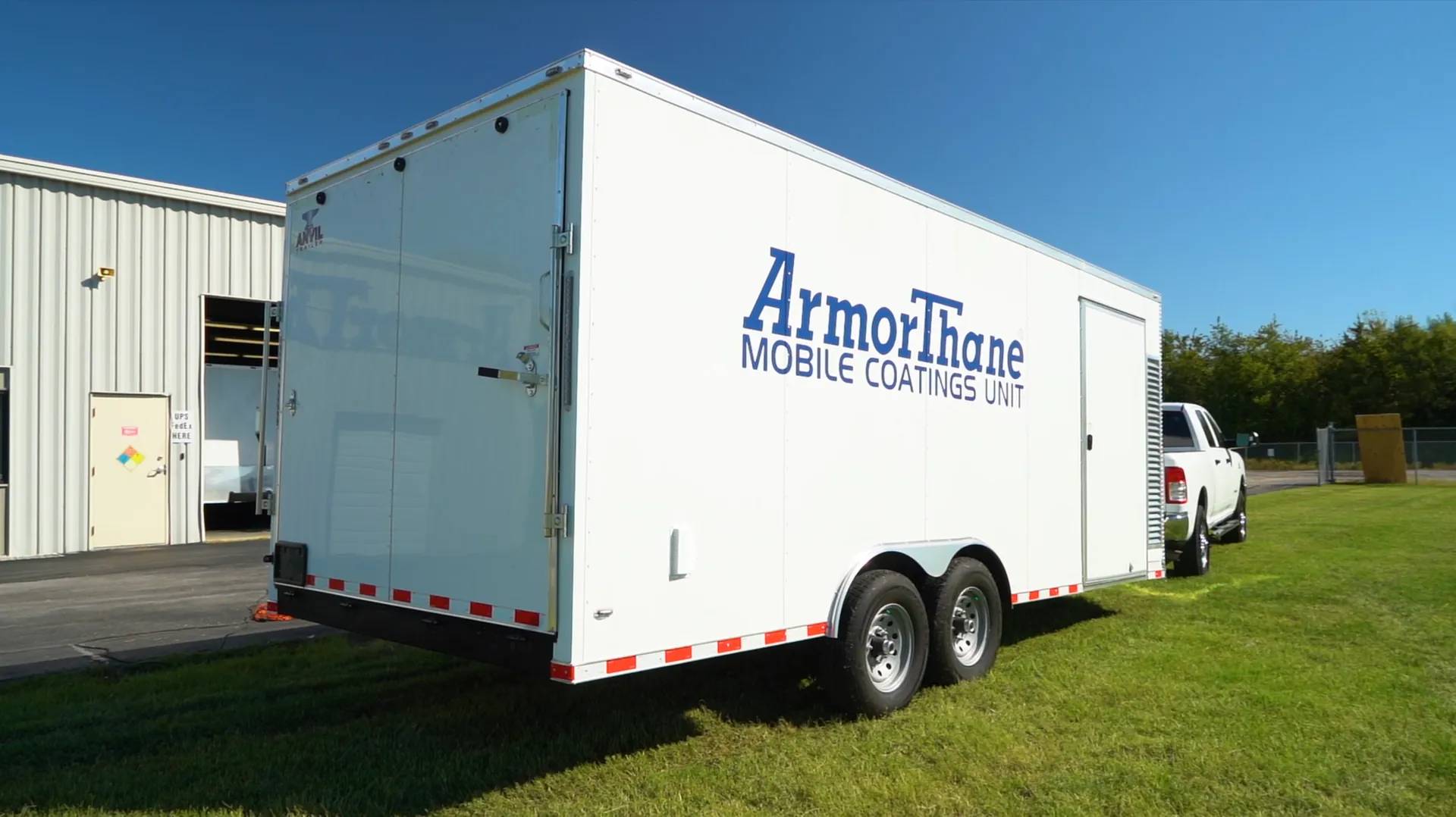
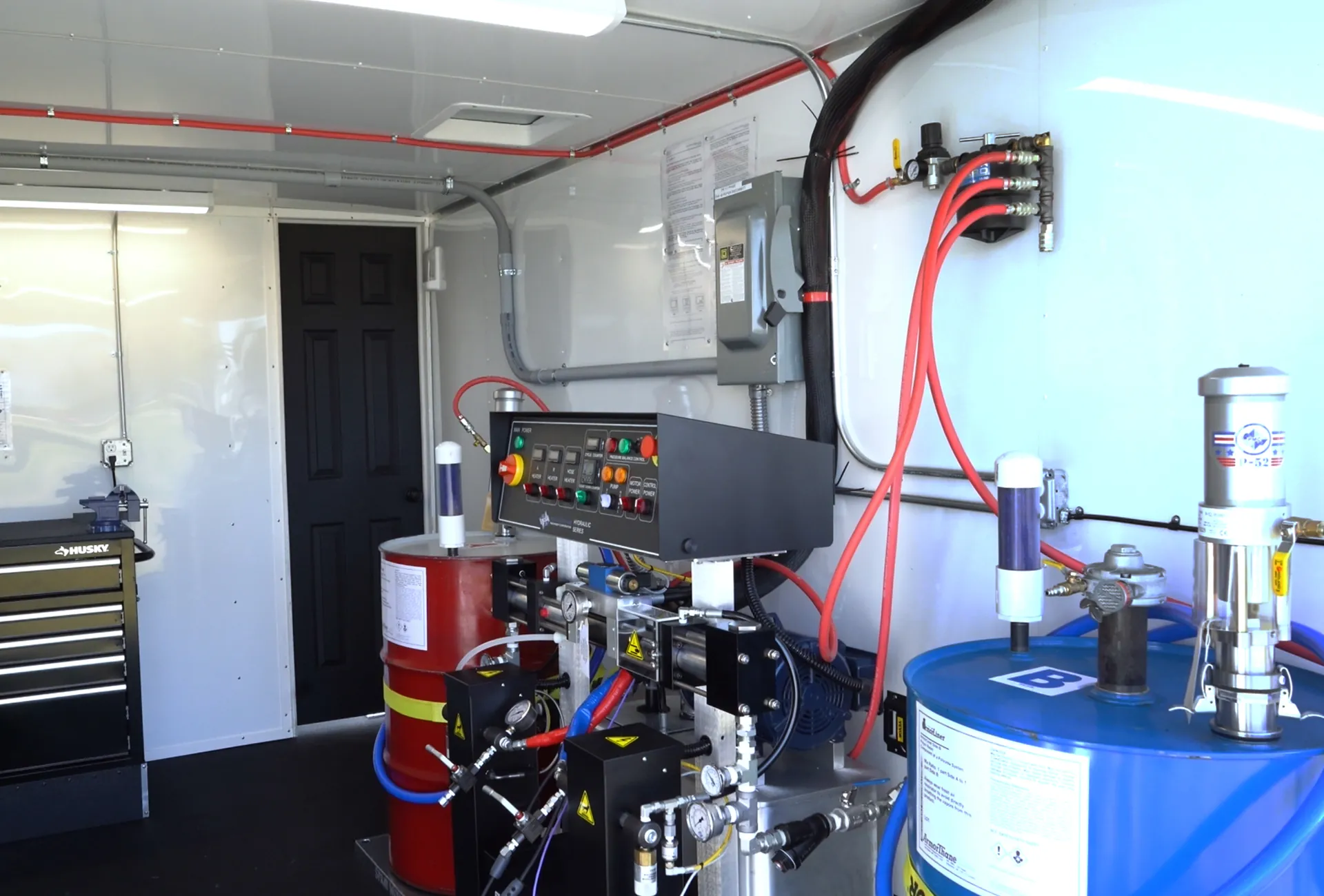
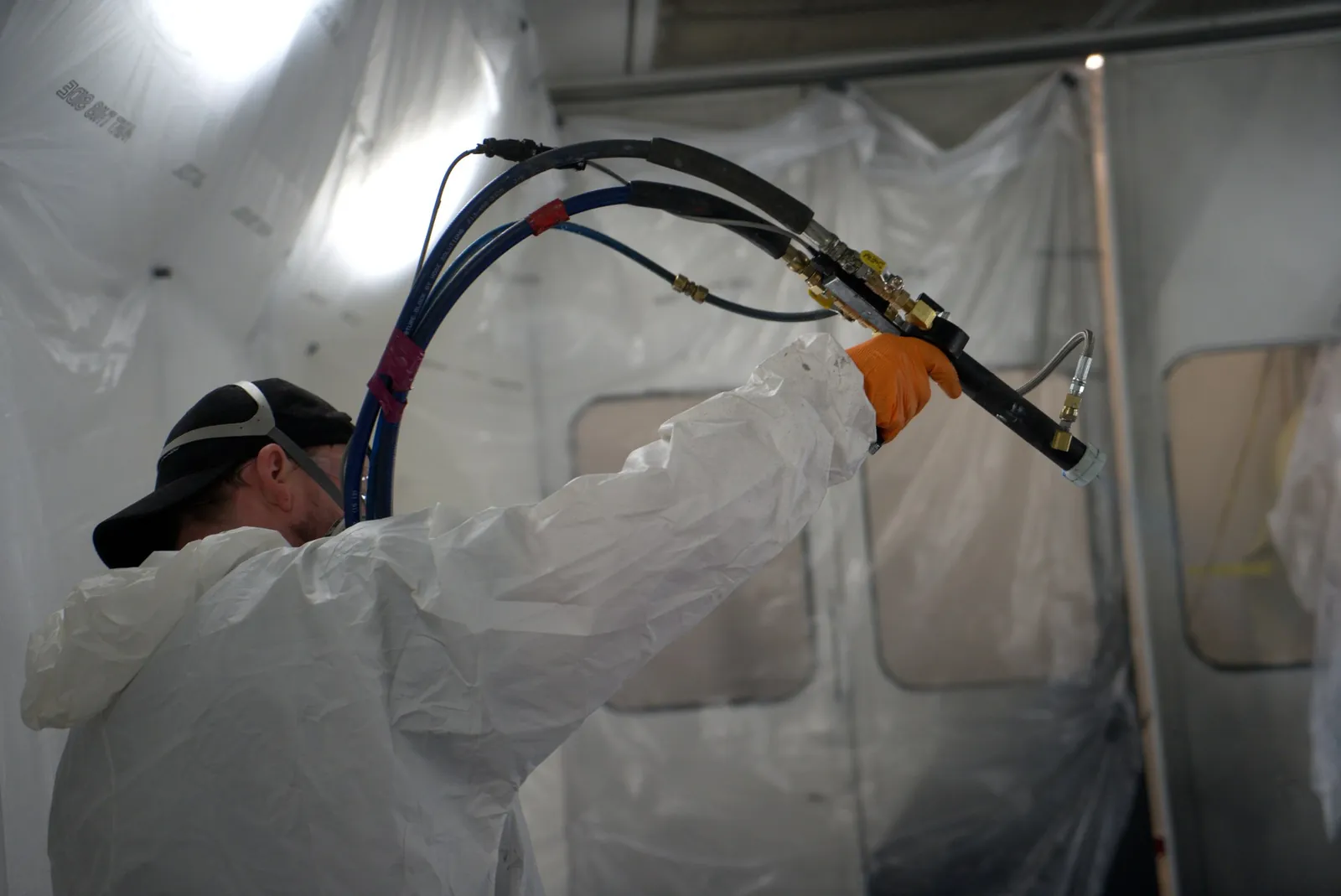
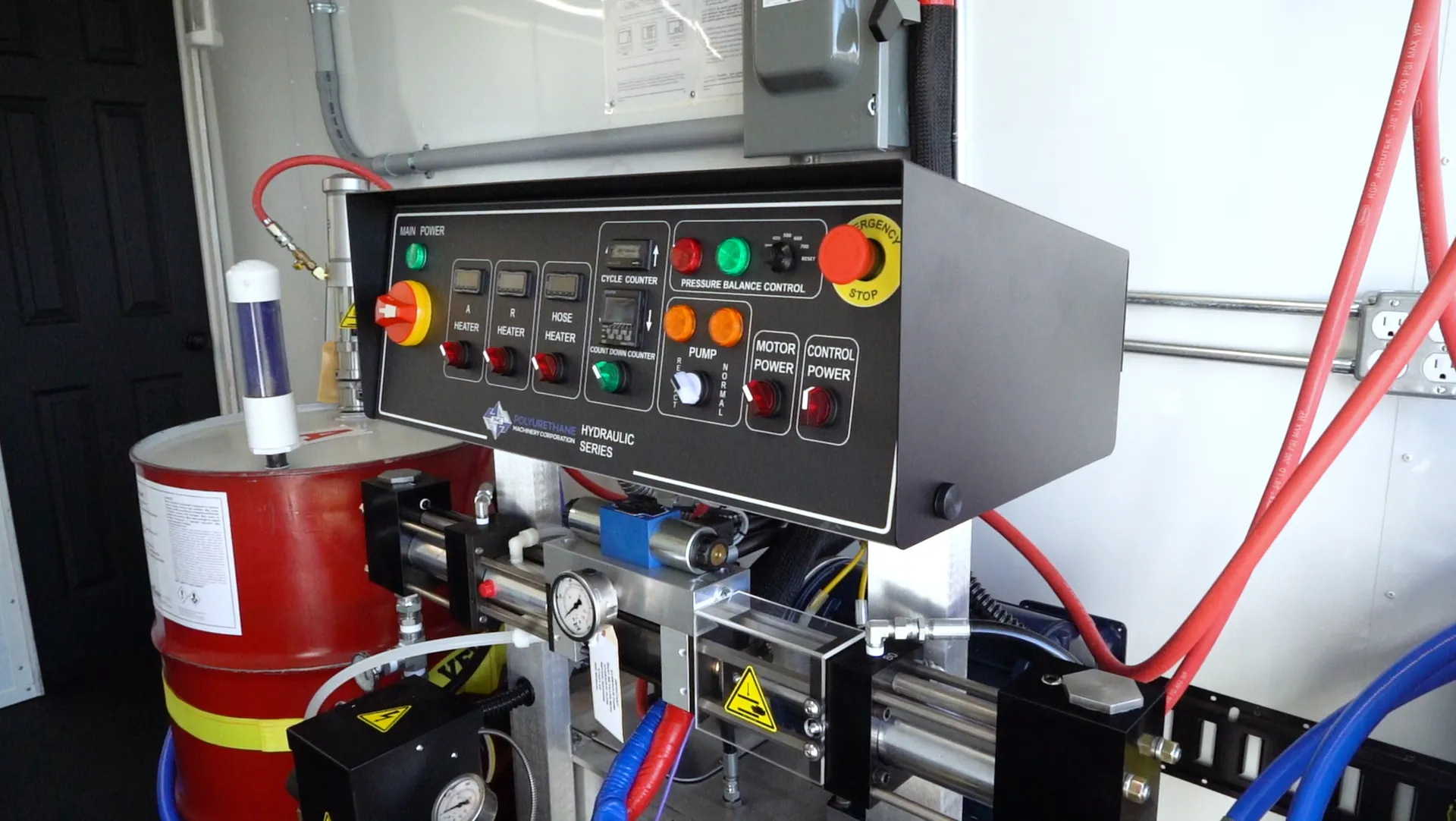
ArmorThane sets you up to do this work, and you own the business. We make the chemistry, build the rigs, train you hands-on and answer the phone when a job gets difficult. You pay no franchise fee and no royalties. It has been that way since 1989.
- $0
- franchise fees or royalties
- 35+
- years in business
- 50+
- countries with applicators
- 24/7
- technical support
ArmorFlex UV
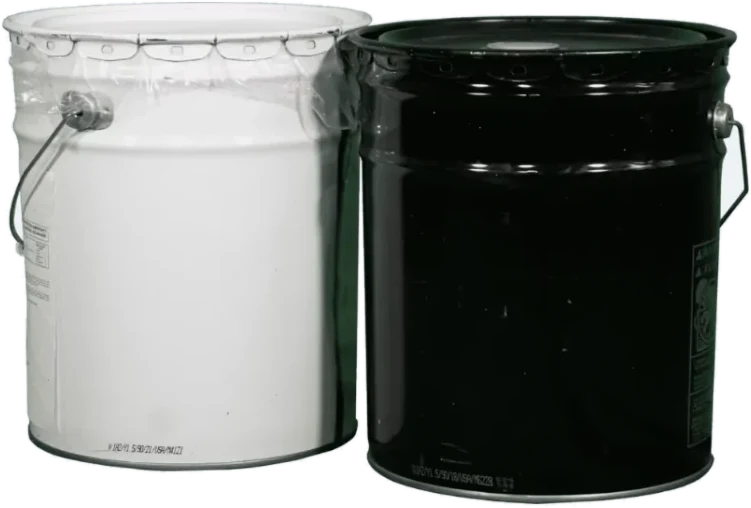
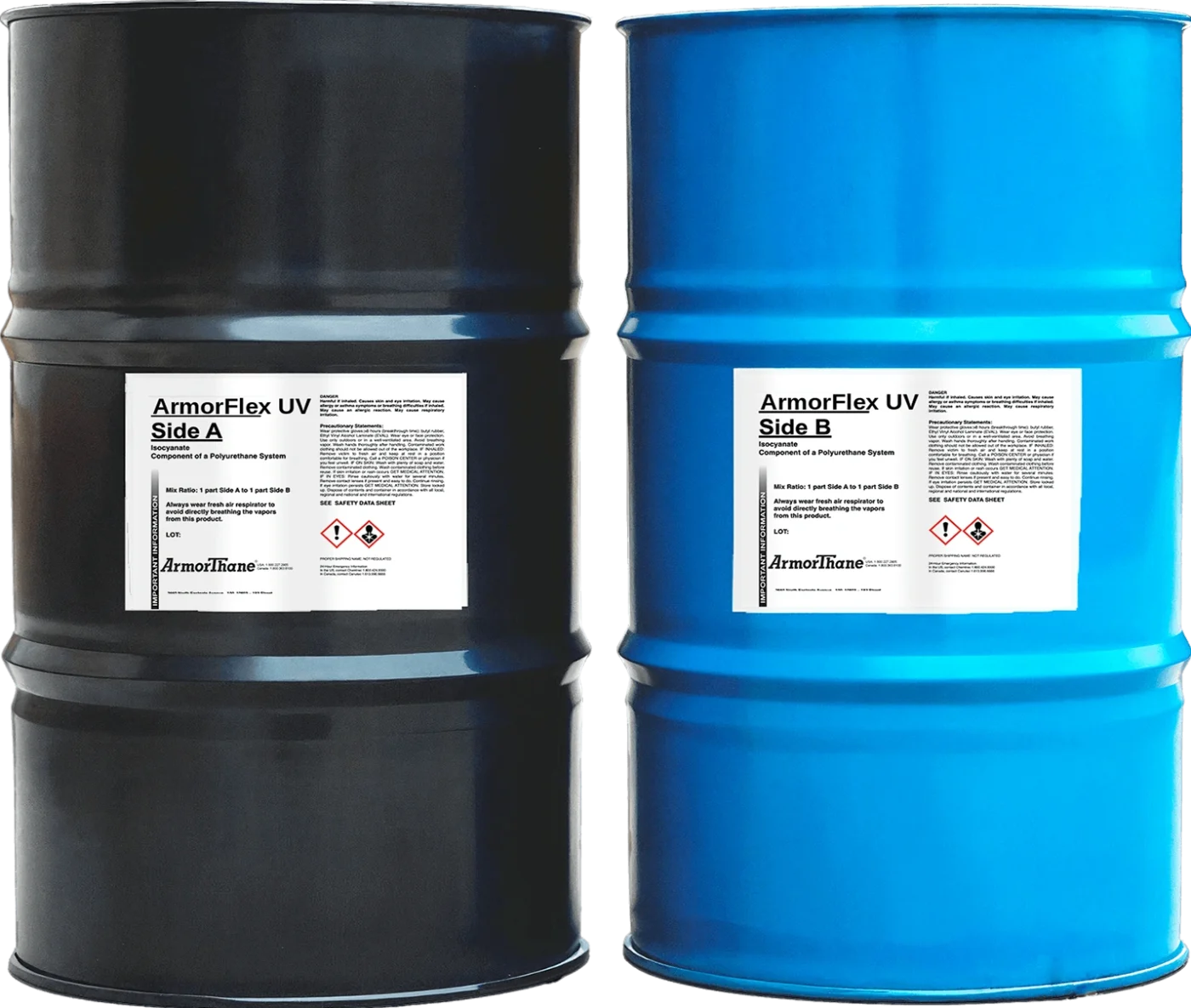
ArmorThane’s ArmorFlex UV is a two-component, 1:1 ratio, 100% solids, fast-set, liquid-applied elastomeric aliphatic polyurea liner system. It is specifically formulated to be color-stable for use as a highly durable protective or waterproof coating. ArmorFlex UV forms a continuous, seamless membrane of any desired thickness on a variety of substrates including concrete, metal, fiberglass, wood, and geotextile fabrics. Its quick gel and tack-free times allow for efficient single or multiple pass applications without appreciable sagging, and the material remains relatively insensitive to moisture during application.
What Is ArmorFlex UV?
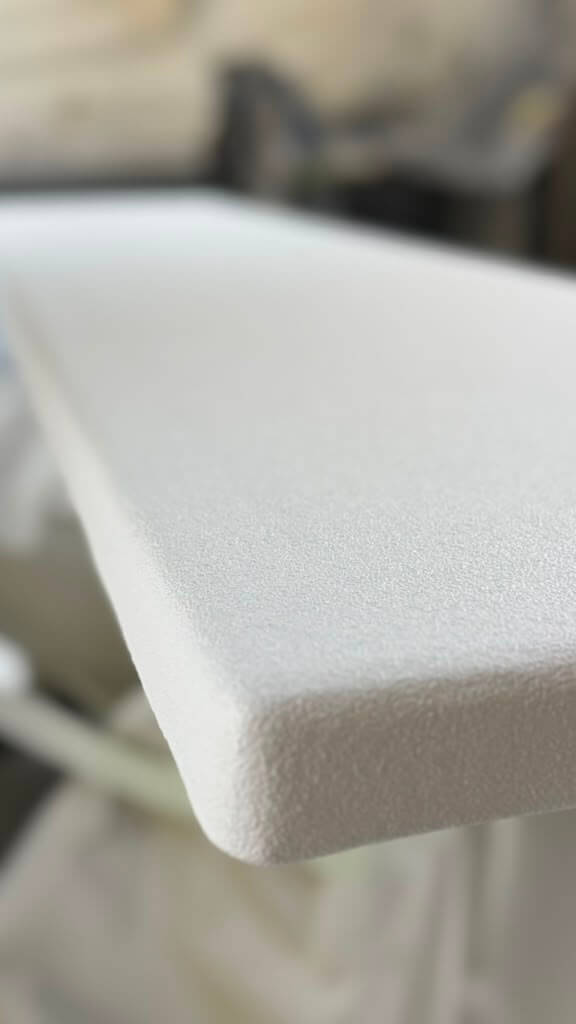
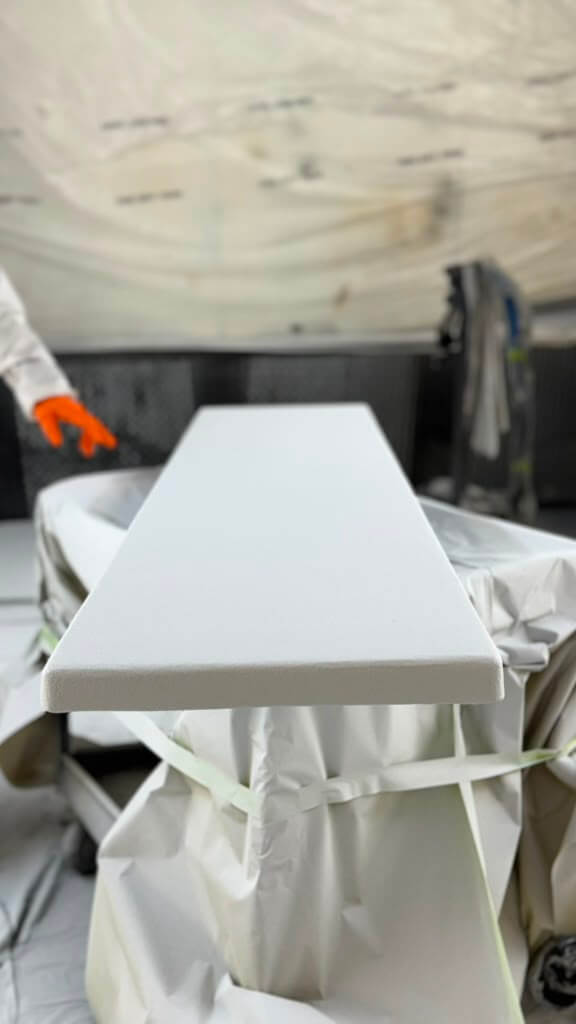
ArmorFlex UV is a two-component, 1:1, 100% solids, fast-set, liquid-applied elastomeric aliphatic polyurea liner system. It is formulated to be color stable, so it is ideal where a highly durable protective or waterproof coating also needs to look good in the sun. It forms a continuous, seamless membrane of any thickness on concrete, metal, fiberglass, wood and geotextile fabrics.
Its quick gel and tack-free times allow single or multiple passes without noticeable sagging, which makes vertical surfaces and detailed areas easier to coat evenly.
Why Choose an Aliphatic Polyurea?
Most spray polyureas are aromatic. They are tough and economical, but they yellow or darken in sunlight. An aliphatic polyurea like this one keeps its color and gloss, so it can be the final coat on exposed surfaces with no separate topcoat. Our guide to aromatic vs aliphatic polyurea explains the difference, and the background on polyurea covers the chemistry.
- Color stable in direct sunlight
- Elastomeric, so it flexes with the substrate
- Seamless and waterproof
- Fast set for quick return to service
- Bonds to many substrates, including geotextile fabric
Where It Is Used
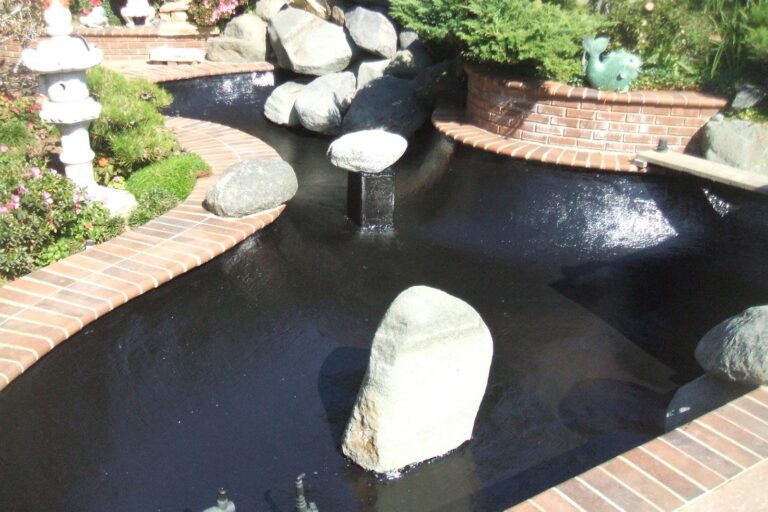
Typical jobs include exposed roofs and decks, water features and ponds, theme park and decorative work, containment liners that are visible to the public, and any project where the owner wants a colored, long-lasting finish outdoors. See roof coatings, theme coatings and UV resistant coatings.
Applying the Liner
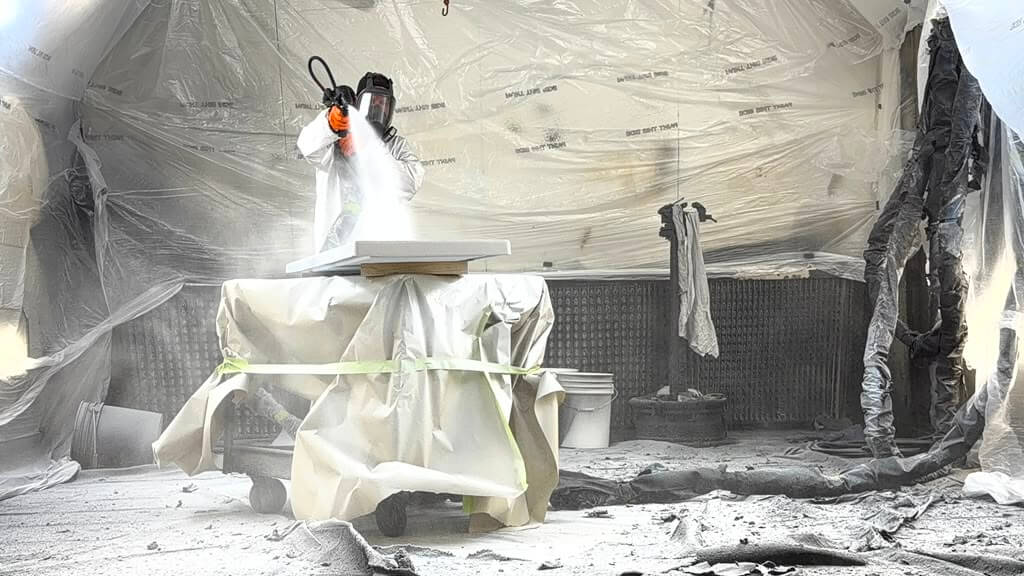
Prepare the surface as you would for any polyurea: clean, dry and profiled, with primer on porous concrete and wood to prevent outgassing. Spray with heated, high-pressure plural-component equipment at the 1:1 ratio, building to the specified thickness. On geotextile, make sure the fabric is laid smooth and secured before spraying. Follow the technical data sheet for temperatures and pressures, and the safety data sheet for protective equipment, including the respiratory protection described in OSHA guidance on isocyanates.
Aliphatic over aromatic
This is a common approach on large roofs and liners.
On large projects, some applicators spray an aromatic base for bulk thickness and finish with this aliphatic liner on top. That gives the economy of an aromatic base with the color stability of an aliphatic surface. Ask our team whether that approach suits your job.
Choosing colors
Because the finish keeps its color, color choice matters more than with an aromatic coating that will darken anyway. Lighter colors reflect more sunlight and stay cooler, which can help on roofs and decks. Darker colors hide dirt but absorb more heat. Show the owner a sample before the job, and order enough material from the same batch to finish the project in one go.
Thickness and texture
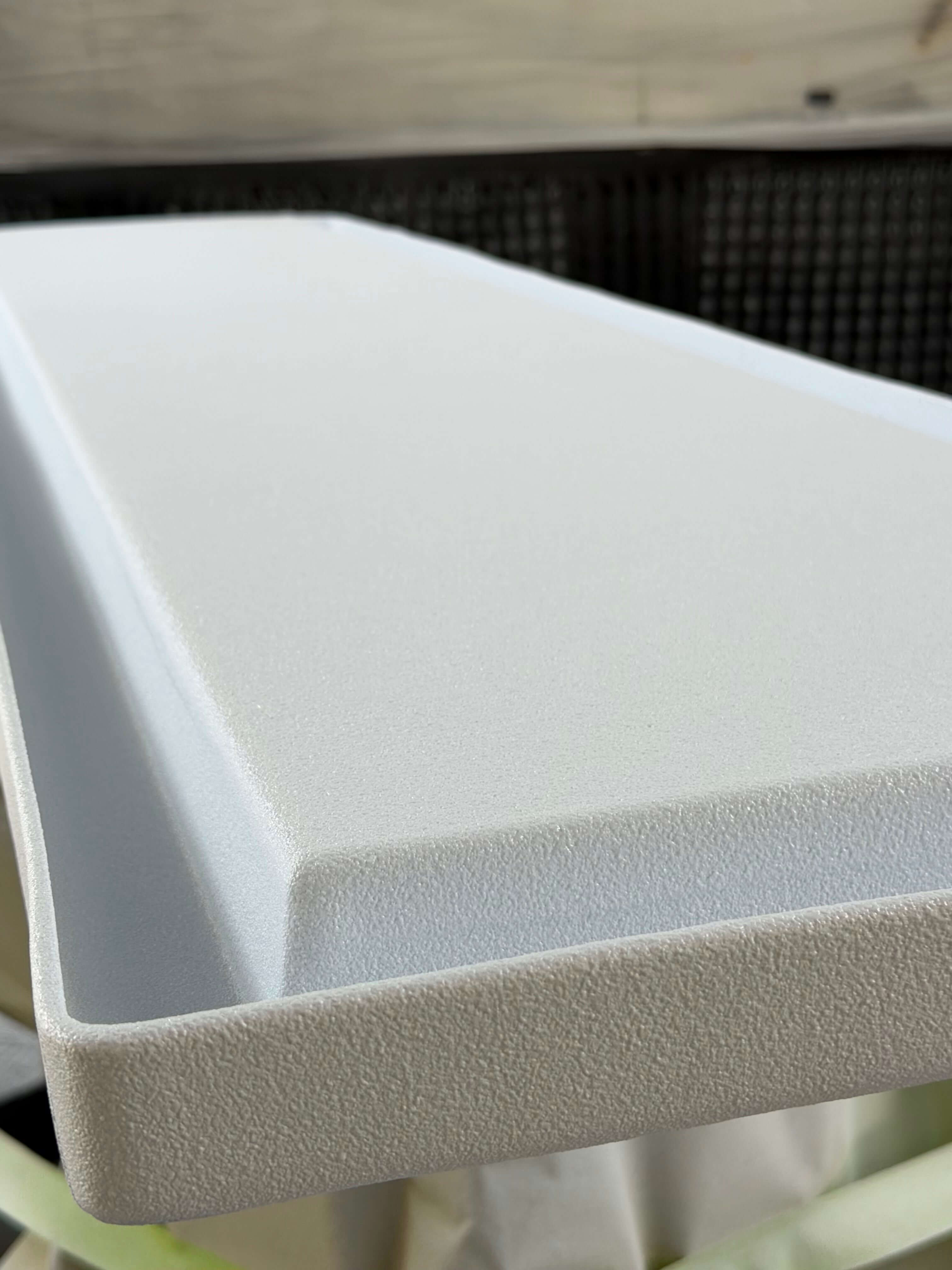
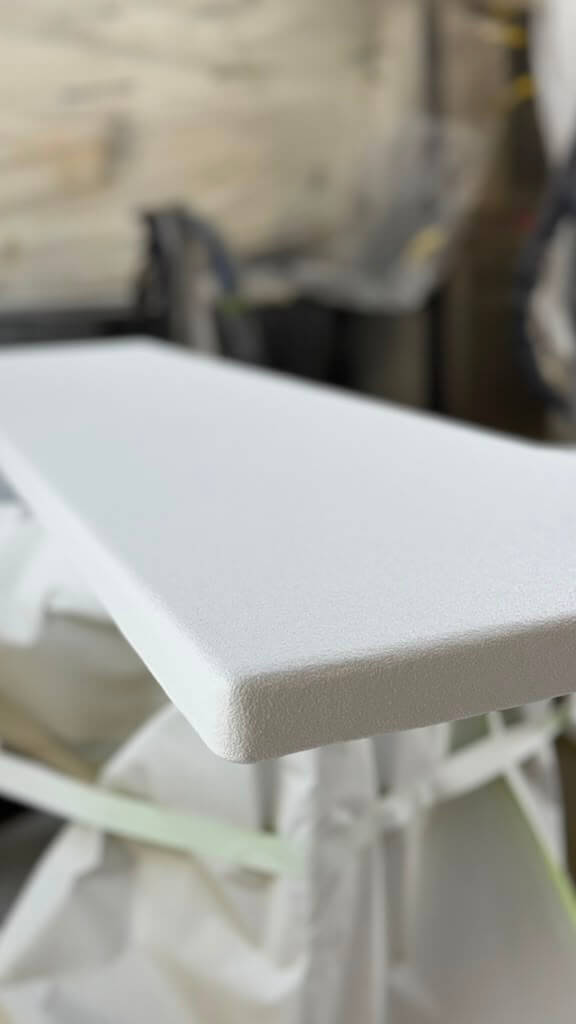
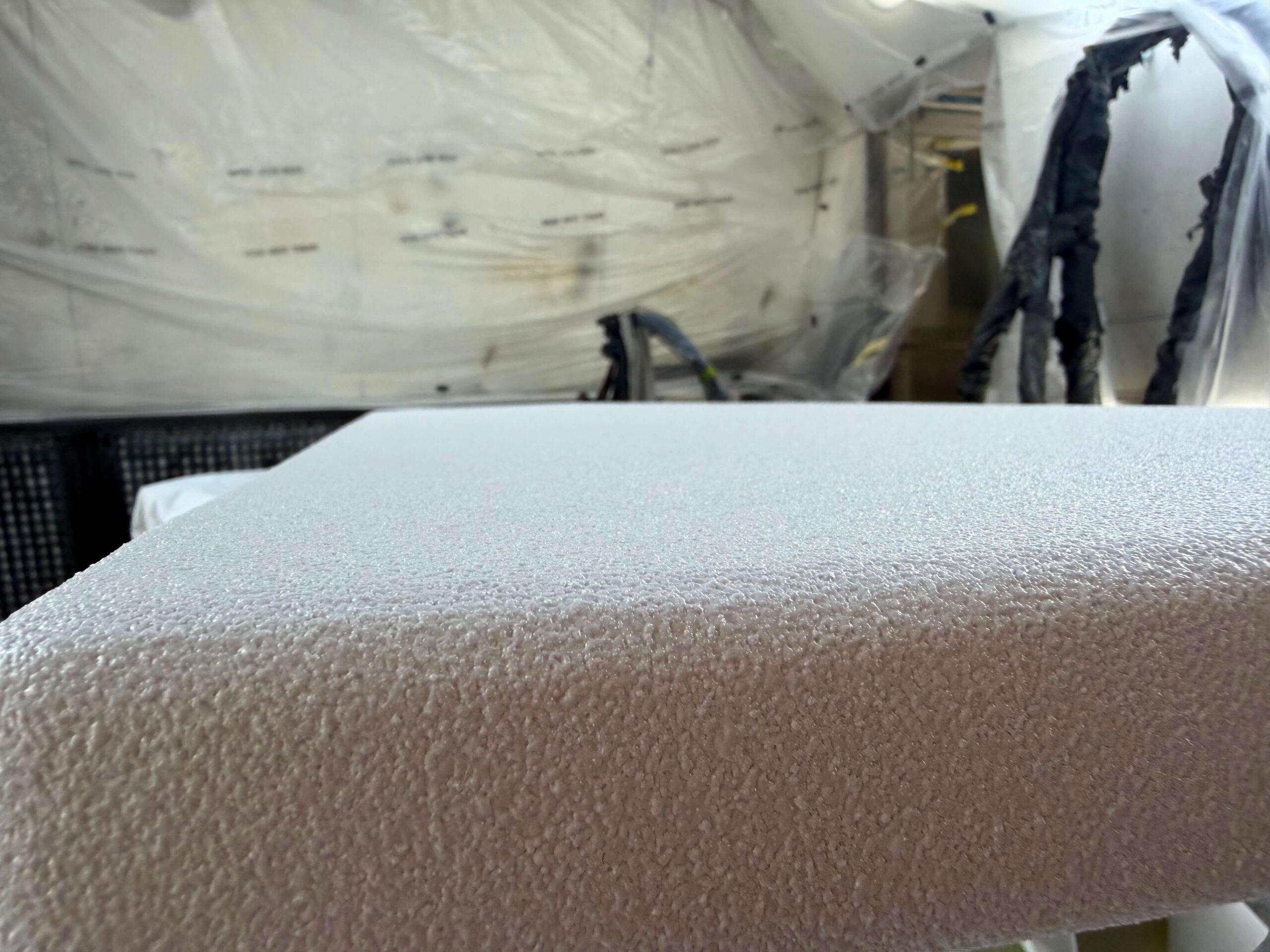
Because the coating can be built to any thickness, the specification should match the job. Waterproofing membranes and liners usually need more thickness than decorative coats. Texture can be added with aggregate for walking surfaces, or kept smooth where easy cleaning matters most. Agree on both before the job starts, so the finished surface matches what the owner expects.
Inspection and care
Inspect the finished membrane for pinholes and thin spots before it goes into service. Clean it with mild detergent and water. If it is damaged, the area can be cleaned, abraded and resprayed, and the new material bonds to the existing coat.
Getting Started
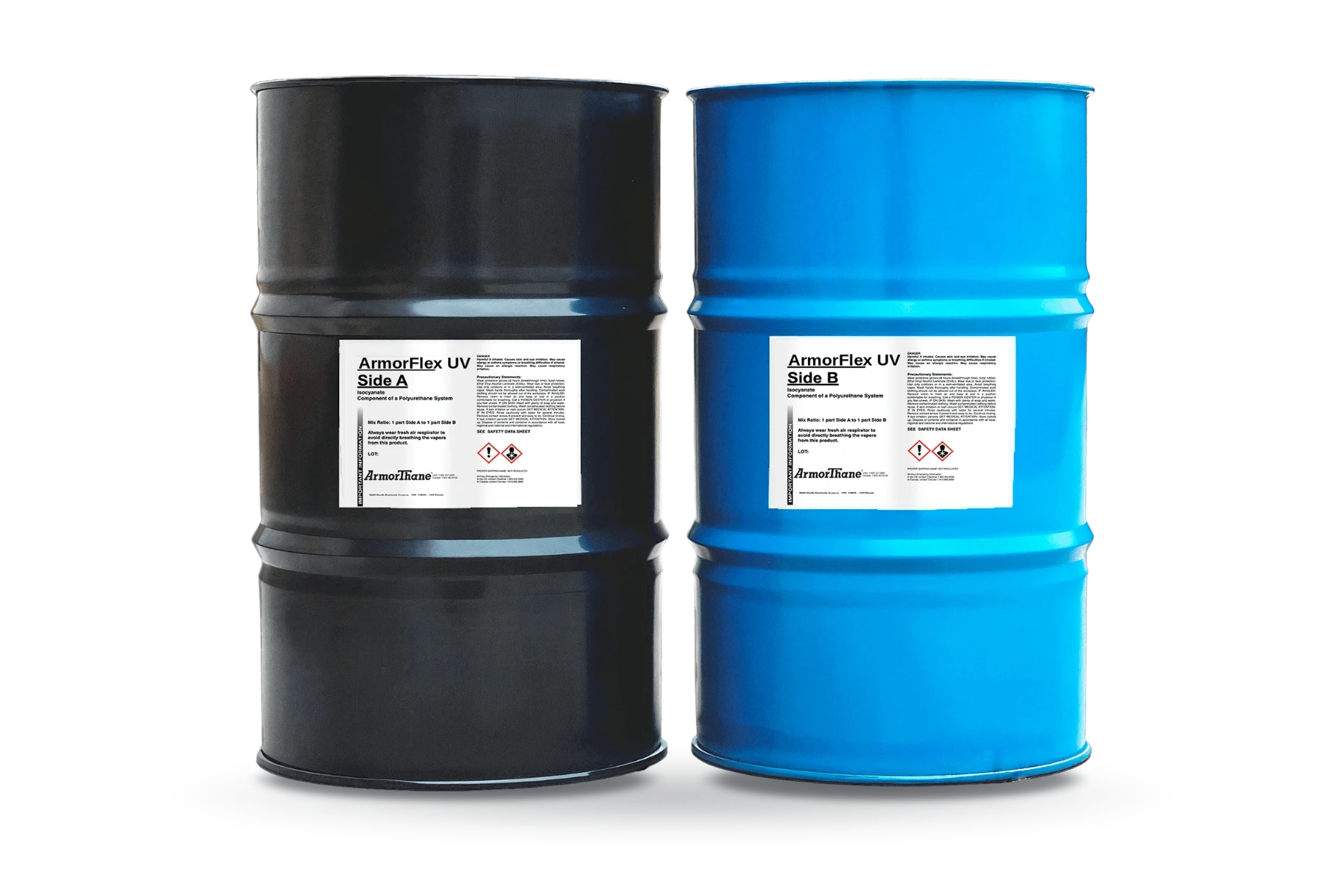
ArmorFlex UV is supplied to ArmorThane applicators along with spray equipment, training and technical support. Learn how to become an ArmorThane applicator. Technical data sheets and safety data sheets are available on request, and our team is happy to talk through a project before you order.
Related reading: protecting wind turbines.
More Details
Product Details
Typical Uses
| Beverage & Food Processing Plants | Planters, Tunnels & Underground Vaults |
| Cold Storage & Freezer Facilities | Parking Structures & Pedestrian Decks |
| Amusement Parks & Entertainment Venues | Industrial & Manufacturing Facilities |
| Military & Defense ApplicationsIndustrial & Manufacturing FacilitiesMilitary & Defense Applications | Marine & Coastal EnvironmentsInstitutional, Medical & PharmaceuticalTransportation, Fleet & Utility Vehicles |
Product Inquiry
Tell us what you want to spray and where you are. An ArmorThane specialist will walk you through the equipment, chemicals, training and startup cost for the work you want to do.
- Equipment package matched to your applications
- Hands-on training and applicator certification
- Technical support once you are spraying
Gallery
ArmorLine
Sprayed On Coatings
ArmorFlooring
Rolled or Floor Coatings
ArmorCoat
Top Coat Products
ArmorPrime
Primer Products
ArmorFoam
Polyurethane Spray Foam