HighLine 610
The one you spray onto fabric. HighLine 610 is formulated specifically for application over geotextile, so a crew can roll out fabric across whatever shape the site actually is and spray it into a single seamless liner on the spot. Fast enough to gel in about ten seconds, soft enough to take the ground moving under it, and tight enough to stop vapor as well as liquid.
- 100% solids polyurea
- Zero VOC
- Sprays onto geotextile
- About 0.05 perms

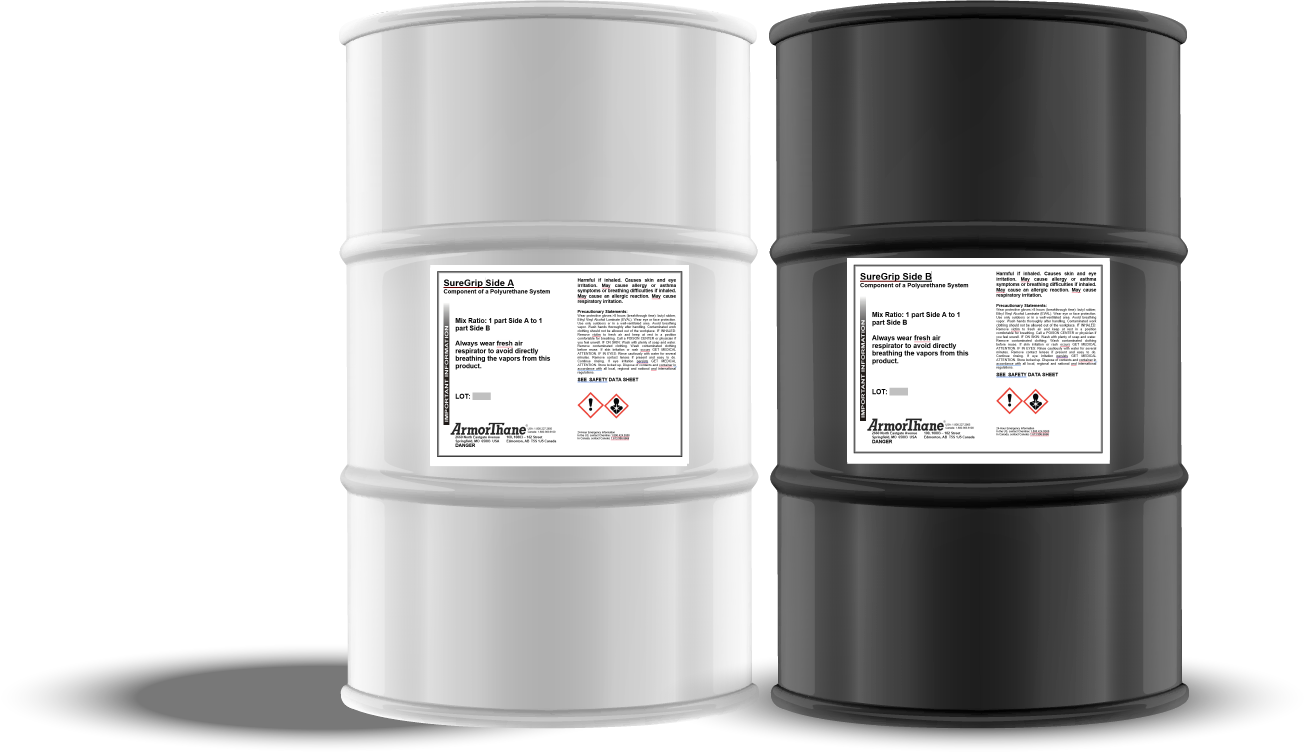
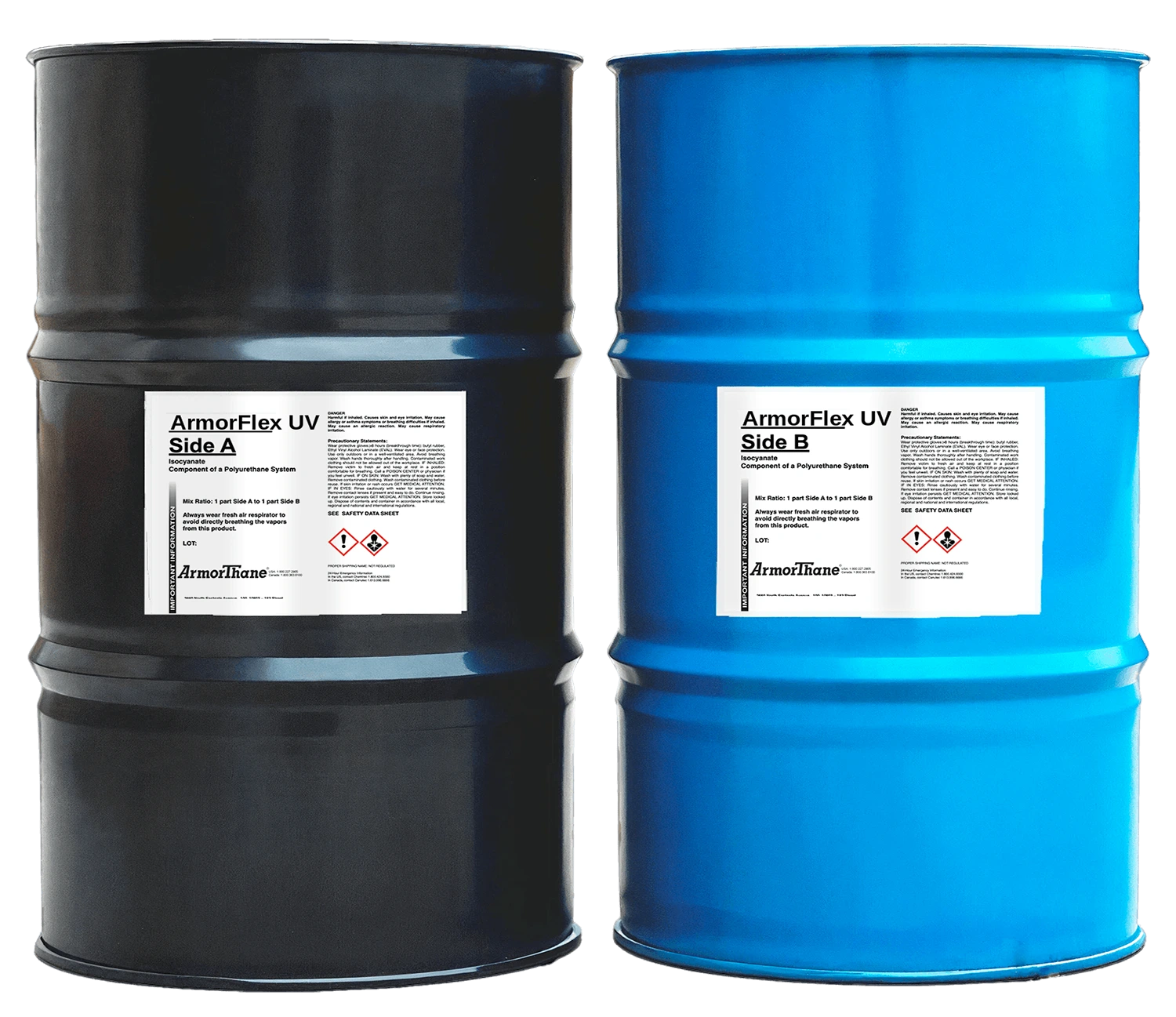
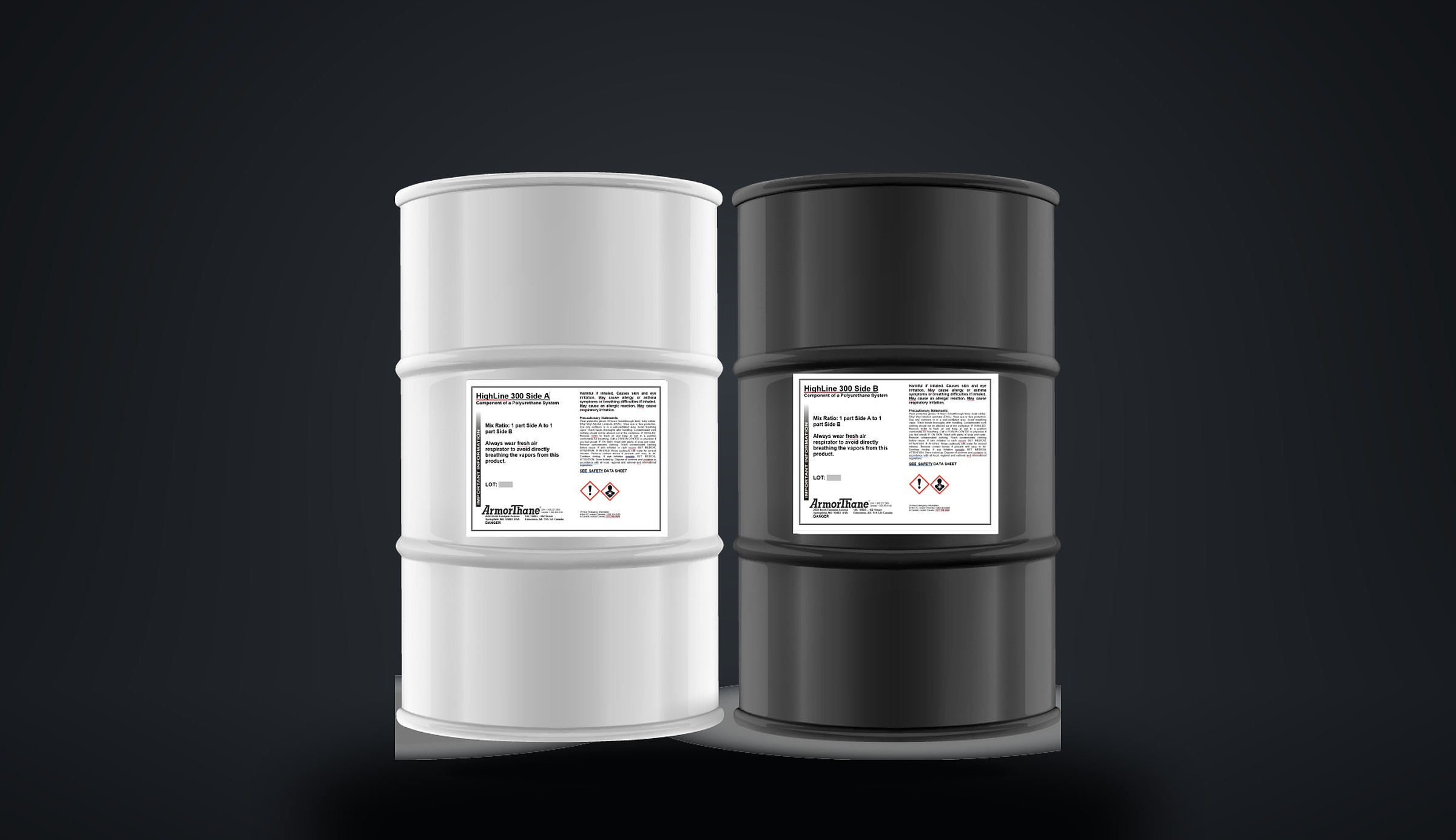
One kit is 100 gallons — a 50 gallon drum of Side A and a 50 gallon drum of Side B, metered 1:1 by volume. Neither side may be diluted under any circumstances.
Side A is the isocyanate — a non-pigmented liquid with a mild odor and a flash point above 250°F. It is not regulated for shipping, but it still wants a fresh-air respirator and gloves every time a drum is opened.
Side B is the polyol resin, and it is the side you pigment — 100 grams of ArmorThane pigment per US gallon. Flash point above 200°F, and it is harmful to aquatic life, so keep it out of drains and watercourses.
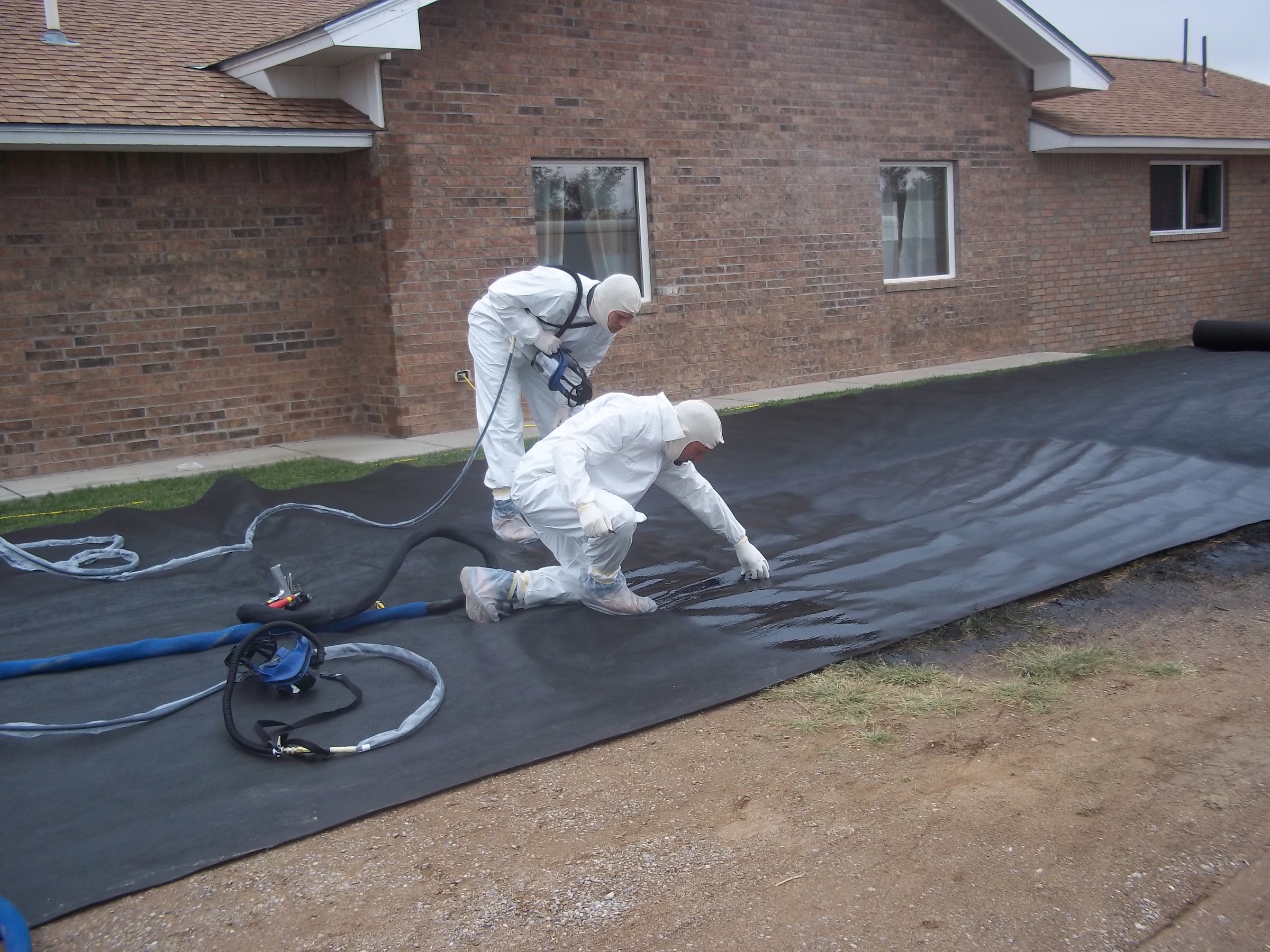
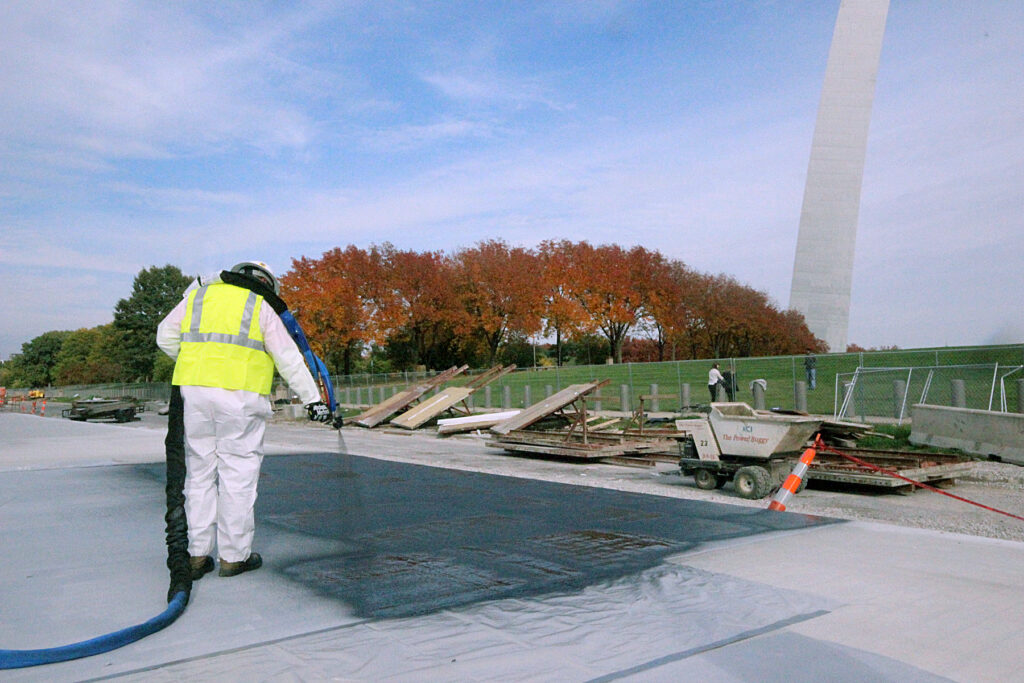
This is what HighLine 610 was formulated for. Geotextile goes down over the prepared ground, the crew sprays it, and the fabric and the coating become one flexible membrane — made on site, in the shape the site actually is.
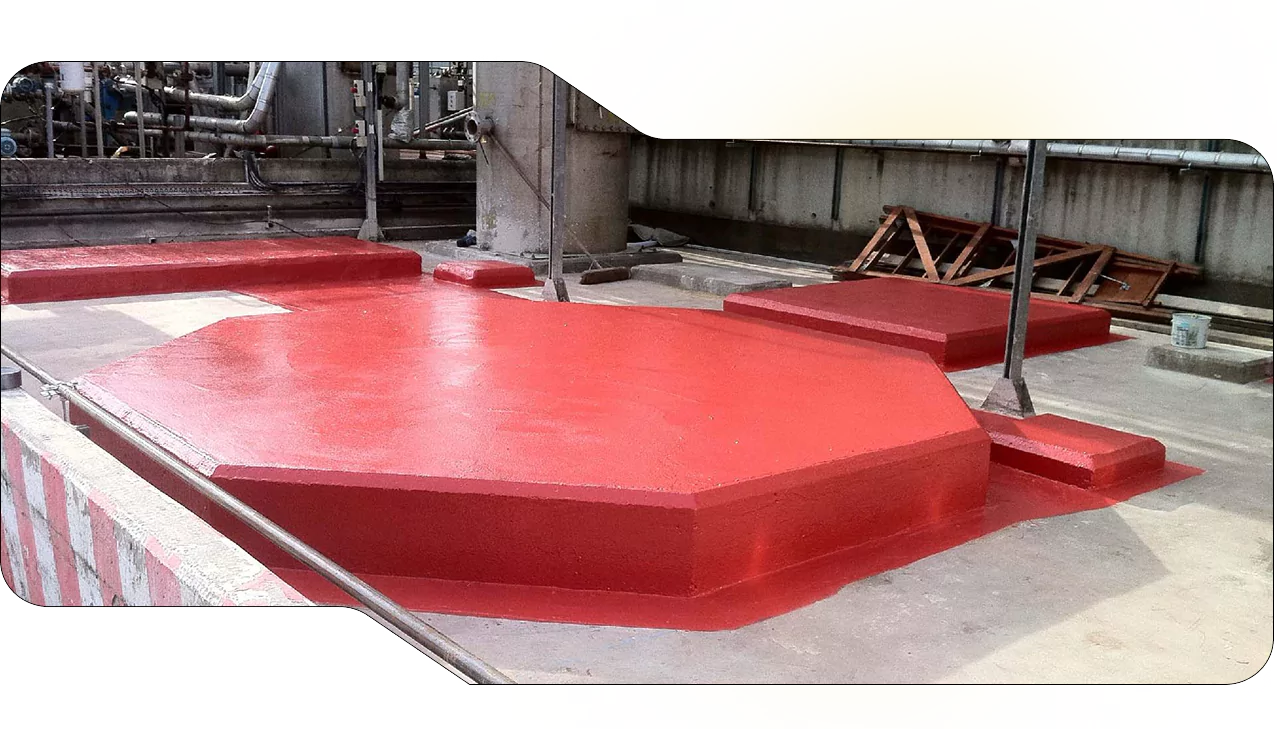
Secondary containment is the job this product was built around — wastewater, fuels and a wide range of chemicals, held in a liner with no seams, no welds and no mechanical joints anywhere in the basin.
Formulated for fabric, not borrowed from concrete.
HighLine 610 is an ArmorThane formulation, part of the ArmorLine series. We have developed and manufactured our own polyurea and polyurethane chemistry since 1989. Most polyurea is designed to stick to concrete and steel. This one was designed to go onto geotextile, and it behaves differently because of it.
It is made to go on fabric
The data sheet is explicit: HighLine 610 is specifically designed for application to geotextile fabric to form a durable, flexible, seamless liner. "Wetting" is listed as a product feature, which is the unglamorous but critical part — the material has to soak into the weave and lock to it rather than sit on top as a skin that can delaminate later.
Specifically formulated for geotextile · wetting listed as a product feature
It stops vapor, not just liquid
Permeability is about 0.05 perms under ASTM E-96. That is genuinely low — low enough that vapor barriers are on the published list of typical uses alongside the containment work. If your specification has a vapor clause as well as a liquid one, this is the product in the range that answers both.
About 0.05 perms, ASTM E-96 · vapor barriers listed among typical uses
It gels in about ten seconds
Ten second gel, tack free in about a minute. On a sloped bund wall or a berm that matters more than it sounds: the material grabs where you put it instead of running to the bottom, and a crew can keep moving across a large area without waiting on anything.
Gel time about 10 seconds · tack free about 60 seconds
Soft on purpose
Around 40 on the Shore D scale with roughly 380% elongation — softer and stretchier than the harder products in the range. A fabric-backed liner over ground that settles, heaves and freezes needs to move with the earth rather than resist it, and the data sheet calls out exceptional impact resistance alongside the chemical resistance.
About 40 Shore D · roughly 380% elongation · about 310 pli tear
Made on site, in one piece
A sheet liner arrives in panels and every panel edge is a weld, a seam or a mechanical joint — which is to say a place a leak can start. Fabric and sprayed polyurea arrive as a roll and a drum, and the liner is fabricated in place to whatever shape the site is, including the corners, the sumps and the transitions.
Seamless by construction — no panel welds, no mechanical joints
Backed by the people who make it
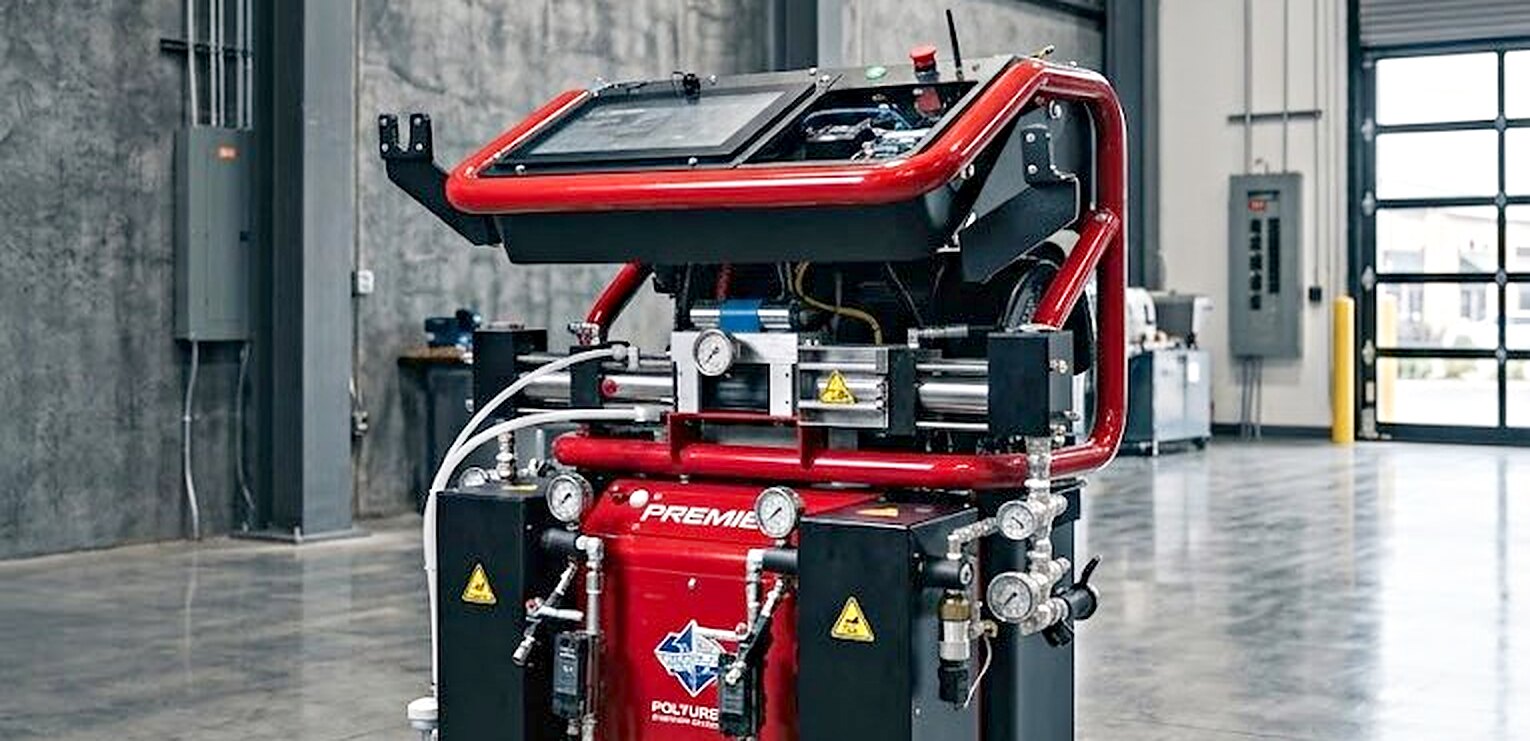
Buying HighLine 610 means buying the chemistry, the plural-component rig that sprays it, the hands-on training that certifies the crew, and technical support for as long as you spray it. There are no franchise fees and no royalties on any of it.
$0 franchise fees · hands-on applicator training · support for the life of the business
The jobs HighLine 610 is genuinely the right answer for.
Each of these traces back to the published data sheet — the figures below are rounded.
Secondary containment
The job the product was designed around. Bunds, berms and basins lined with geotextile and sprayed into one continuous membrane, for wastewater, fuels and a wide range of chemicals.
Liners over irregular ground
Fabric follows the shape of the site, so corners, slopes, sumps and transitions all get the same membrane. No panels to cut, no welds to inspect, no joint detail to get wrong.
Vapor barriers
About 0.05 perms under ASTM E-96. Vapor barriers are a published use for this product, not an inference from a waterproofing number.
Fuel loading and unloading
Loading racks, transfer areas and spill control around fuel handling, where the containment has to be continuous and the surface underneath is rarely flat or clean.
Landfills and water ponds
Landfill containment and water ponds — large areas, soft ground and a membrane that has to flex as the ground beneath it settles.
Working fast across big areas
Ten second gel, tack free in about a minute, and a recoat window that opens at roughly 24 minutes. On open ground that is a lot of square feet in a working day.
A liner built on site, in the shape the site actually is.
The usual way to line a containment area is to buy a liner and make the site fit it — panels cut, overlapped and welded, with every weld a thing to inspect and a thing that can fail. HighLine 610 inverts that. Geotextile rolls out over prepared ground and follows whatever is underneath it, then the polyurea is sprayed straight onto it. What you end up with is a membrane fabricated in place, continuous from one edge of the basin to the other.
- Formulated specifically for application to geotextile fabric
- Continuous across corners, slopes, sumps and transitions — no panel seams
- Fabric carries the shape; the polyurea carries the chemical and vapor resistance
- Around 380% elongation, so the liner moves with ground that settles or heaves
- Exceptional impact resistance, per the published data sheet
Ten seconds to gel, and recoat opens at twenty-four minutes.
HighLine 610 is quick in both directions, and both of them change how a day runs. The ten second gel is why it holds on a sloped bund wall instead of pooling at the bottom. The twenty-four minute recoat is the other half: if you need a second pass, the window opens fast — but it is a window, not an open door, so plan the sequence before the rig starts rather than after.
- Gel time about 10 seconds — it stays on slopes and vertical faces
- Tack free at about 60 seconds
- Recoat time about 24 minutes — much shorter than most of the range
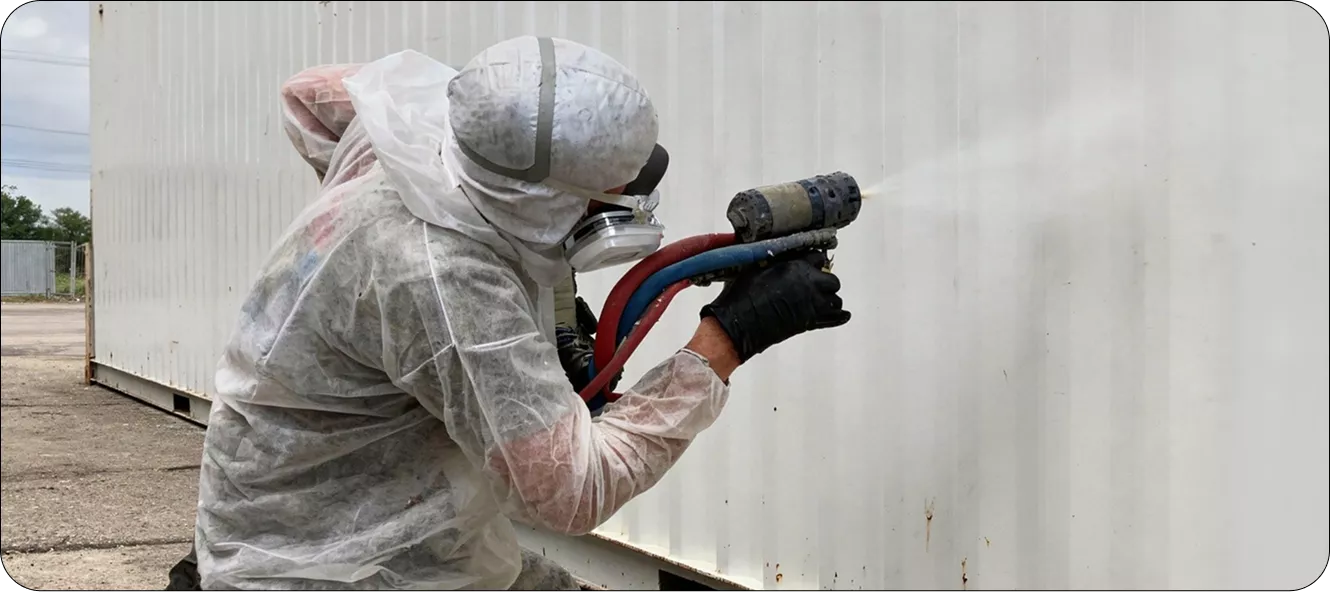
- Minimum spray pressure 2,800 psi, material and hose heaters at 150–170°F
- If Side A and Side B pressures are not equal, stop spraying and check the rig
Where HighLine 610 earns its keep.
The published use list is short and specific — this product knows what it is for.
Wastewater containment
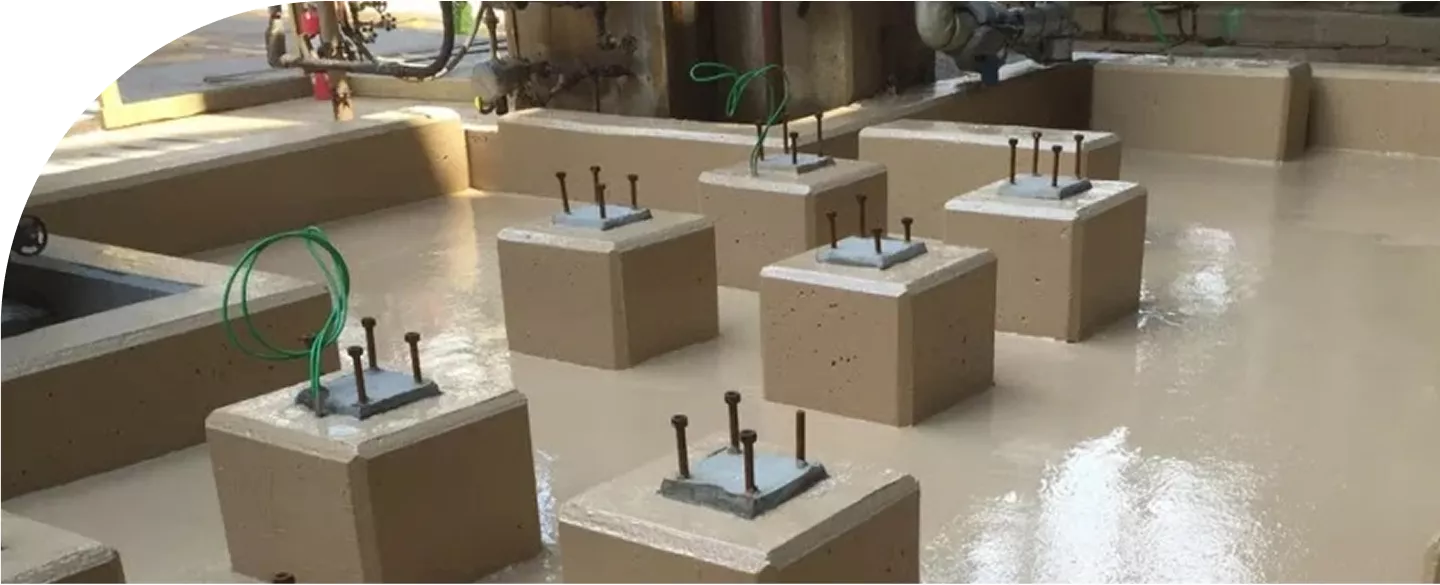
Treatment basins, holding areas and the bunds around them. A seamless liner over fabric, with about 0.05 perms behind it and roughly 380% elongation for ground that moves.
Chemical containment and spill control
Containment around chemical storage and process areas. The data sheet cites exceptional resistance to chemical attack — send us the chemicals on your site and we will tell you what we hold data for.
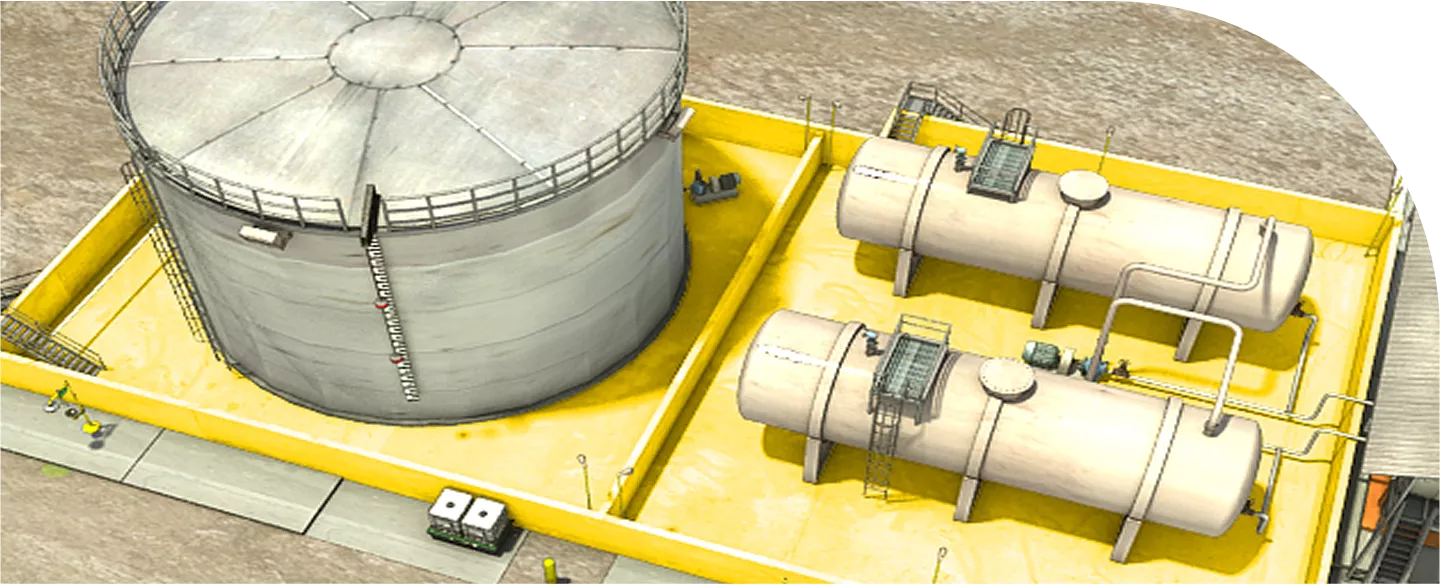
Fuel loading and unloading stations
Loading racks and transfer areas where spills are a matter of when, not if, and the containment has to run continuously across an awkward surface.
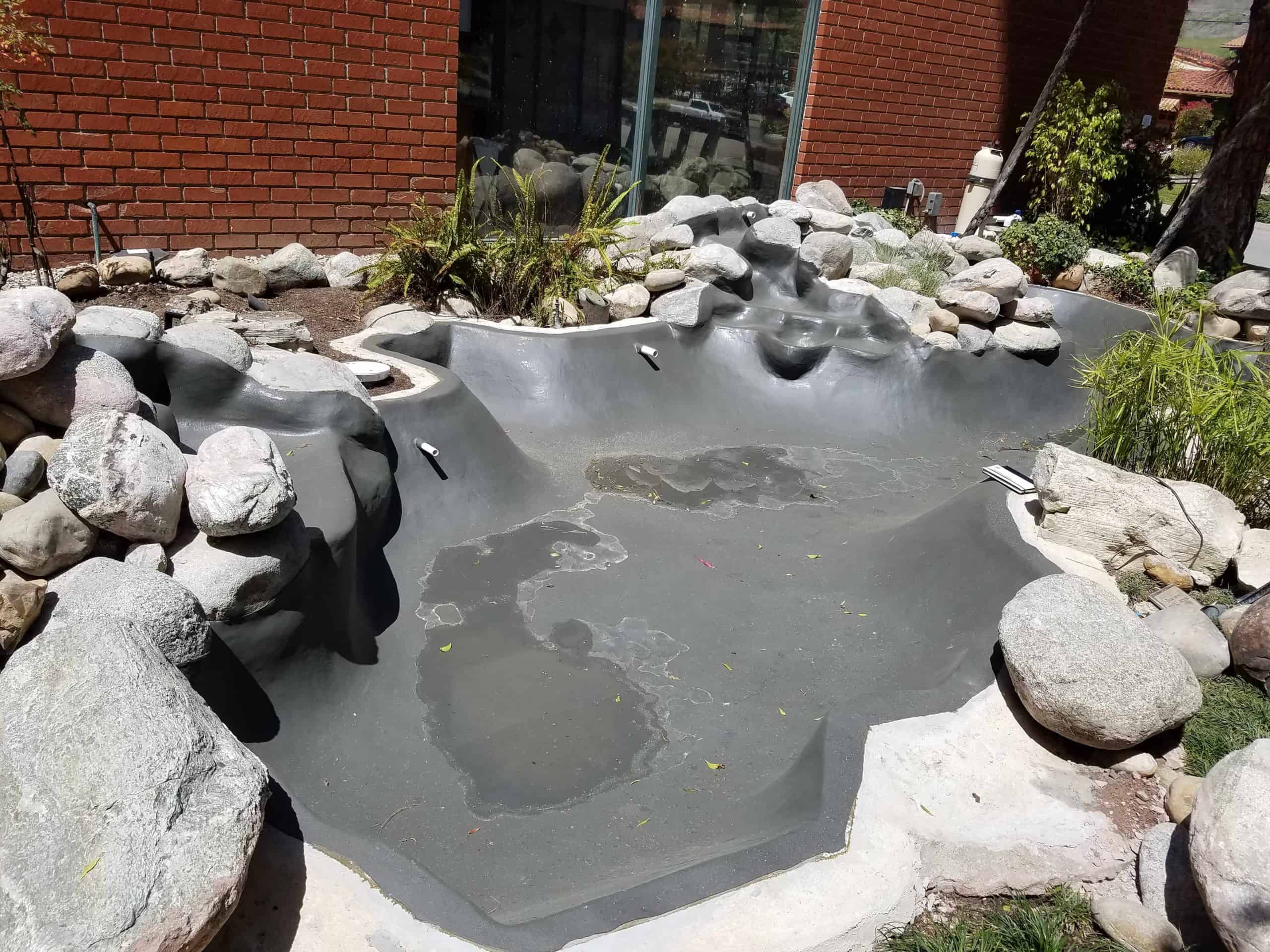
Water ponds
Ponds and water containment on soft or irregular ground. The fabric takes the shape, the polyurea makes it watertight, and the whole thing flexes as the ground settles.
Vapor barriers
A published use, not a side effect. About 0.05 perms under ASTM E-96, which is tight enough to specify where vapor is the problem rather than liquid.
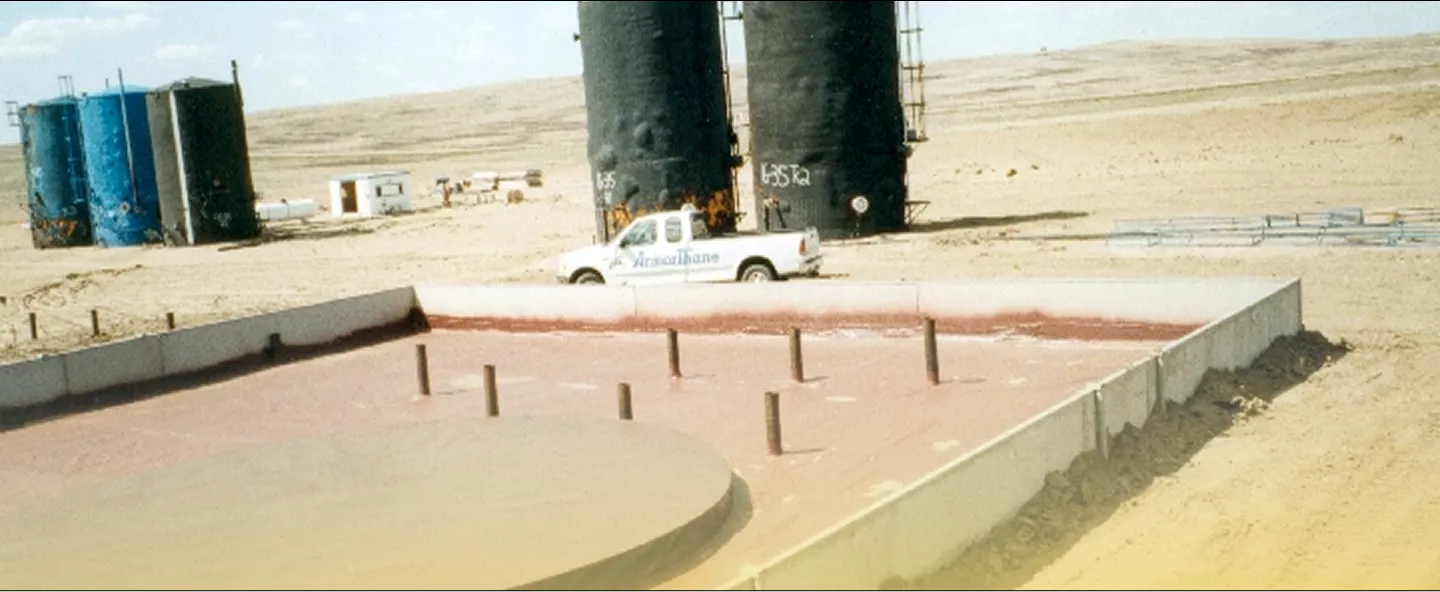
Landfills
Landfill containment over large areas of prepared ground, where a sprayed fabric liner avoids the panel welds that a sheet liner would need across every acre.
What to expect from the film.
Typical values, rounded so you can size the product up quickly. Filter by what you care about, search for a property, or flip the sheet to metric.
No published property matches that search.
These are typical, rounded values obtained on ArmorThane equipment and parameters — they are here to give you a feel for the product, not to specify a job. Exact published figures, tolerances and test conditions are on the current HighLine 610 technical data sheet; ask us and we will send it. A different spray machine and different parameters will change these properties, so applicators should run their own testing for a given job. HighLine 610 is for commercial use only and should only be applied by trained personnel.
How a HighLine 610 job actually goes down.
The short version of the data sheet, in the order a crew does it.
- 01
Prepare the ground and lay the fabric
Coating performance and adhesion are directly proportional to surface preparation, and most coating failures trace back to it. Everything has to come off: dust, dirt, oil, grease, rust, corrosion. On a substrate that has been in service, consider absorption as well. Then the geotextile goes down over prepared ground, following the shape of the basin.
- 02
Check the temperature window
Substrate and ambient both need to sit between about 0 and 110°F (−18 to 43°C). This is the one product in the range that is not rated for sub-zero work, so a hard winter shutdown is not its job — plan around the window rather than through it.
- 03
Pigment Side B
Add ArmorThane pigment to Side B at 100 grams per US gallon. HighLine 610 may not be diluted under any circumstances, on either side.
- 04
Bring the rig up to temperature and pressure
Material and hose heaters between 150 and 170°F (65–76°C), minimum 2,800 psi through the ArmorThane HighLine plural-component system. If Side A and Side B pressures are not equal, stop spraying and examine the equipment before you carry on.
- 05
Spray the fabric out
The ten second gel means the material holds on slopes and vertical faces rather than running. Work in smooth multidirectional passes and let the coating wet into the weave — that bond between fabric and polyurea is what makes the liner one piece.
- 06
Plan the second pass before you need it
Recoat time is about 24 minutes, which is a window rather than an open door. Sequence the passes before the rig starts so the whole area stays inside it, and spraying indoors requires forced ventilation.
The chemistry is only half of what you get.
ArmorThane makes the coating, builds the plural-component rig that sprays it, trains your crew hands-on and certifies them, and answers the technical line afterwards. No franchise fees, no royalties, no territory you have to buy. Applicators have come first here since 1989.
- Equipment package matched to the work you want to take on
- Hands-on training and applicator certification
- Technical support for the life of the business
- Applicators in more than 50 countries
HighLine 610, answered.
Can I spray it on concrete or steel instead of fabric?
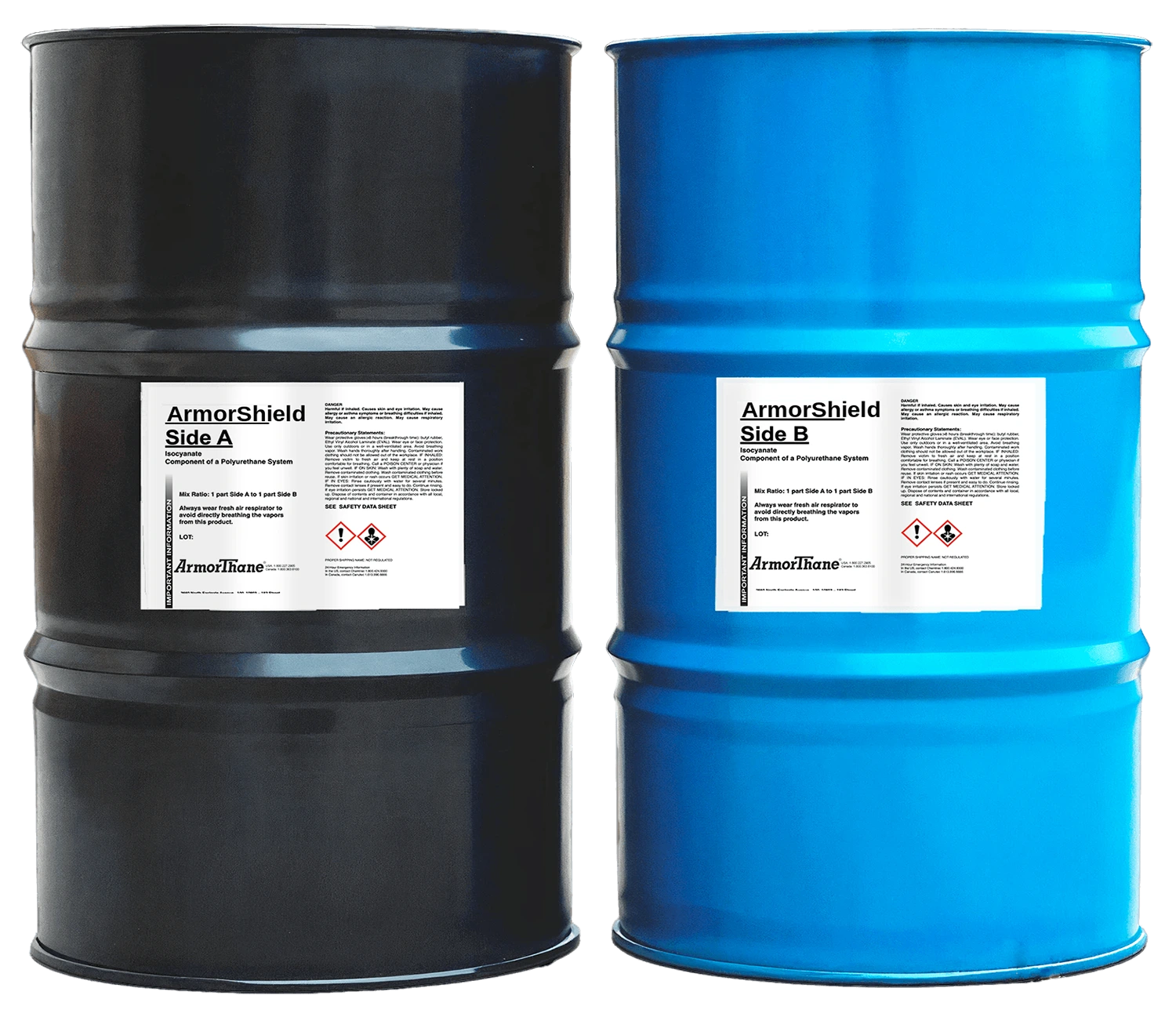
The data sheet designs this product for geotextile, and that is what we would put in writing. For concrete and steel there are better-suited products in the range with published adhesion figures behind them — ArmorShield and the HighLine 510 family. If you have a job that mixes fabric and hard substrate in one basin, call the technical department and we will work out the right combination rather than guessing at it.
Does it spray at twenty below like AquaShield and ArmorShield?
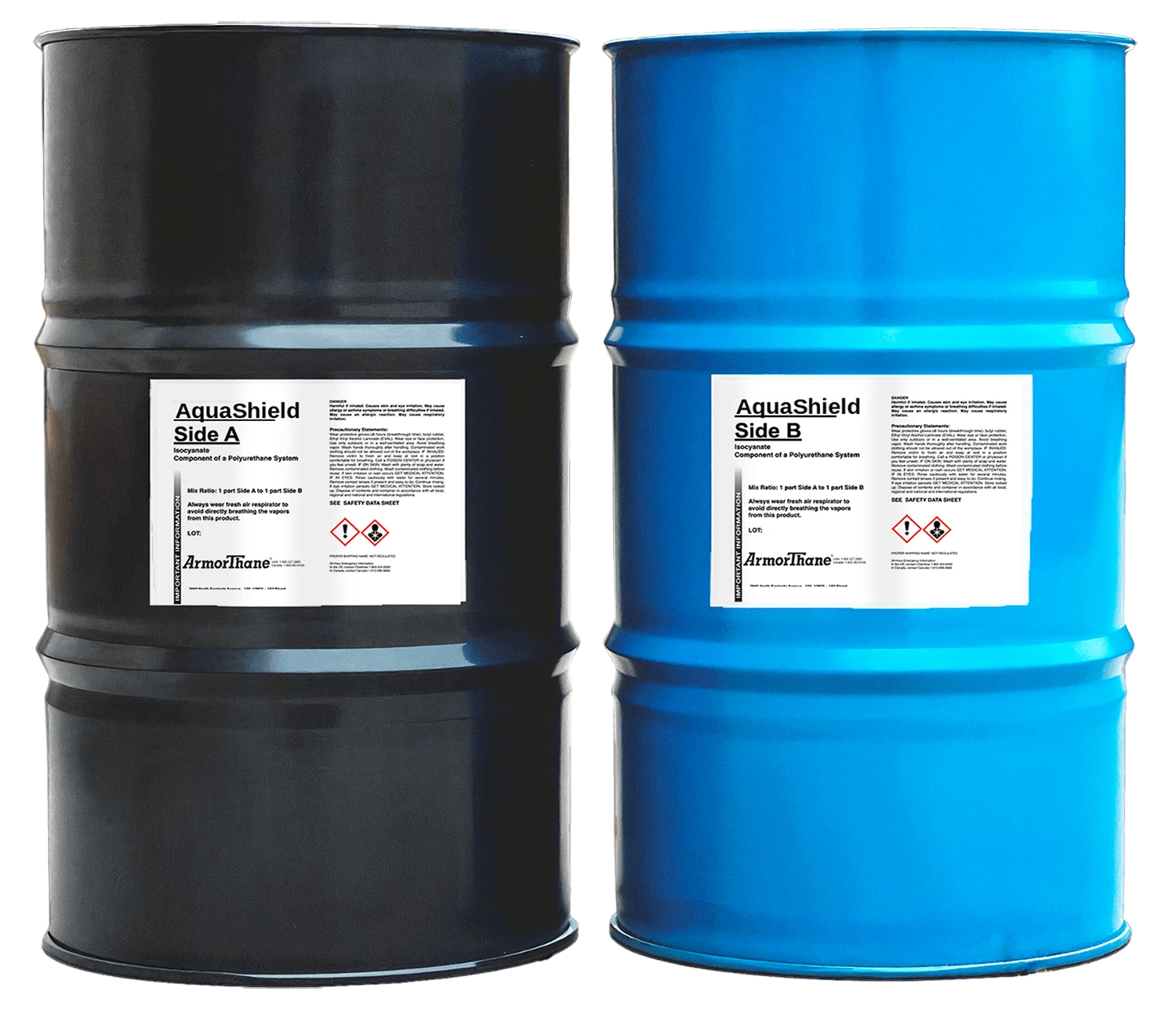
No, and that is a real difference worth knowing before you schedule. HighLine 610 wants both substrate and ambient temperature between about 0 and 110°F. If the job has to happen in a hard freeze, that points you at AquaShield or ArmorShield, which are rated down around −20°F.
Is twenty-four minutes really the recoat window?
That is what the data sheet states, and it is much tighter than the several-hour windows elsewhere in the range. In practice it means planning the sequence before the rig starts: work out where the second pass goes and how long each section takes, so no part of the area falls outside the window while the crew is still moving.
What makes it better than a sheet liner?
Seams. A sheet liner is fabricated in a factory and assembled on site, so every panel edge becomes a weld or a mechanical joint, and those are where containment liners usually fail. A sprayed fabric liner is fabricated in place in one piece, so the corners, slopes, sumps and transitions all carry the same uninterrupted membrane.
Which chemicals will it stand up to?
The data sheet says exceptional resistance to chemical attack but does not publish a chemical-by-chemical table for this product, so we are not going to invent one here. Send us the list of what will actually be in the containment area and the concentrations, and we will tell you plainly what we hold test data for and what we do not.
Is 0.05 perms good?
Yes — it is low, and it is why vapor barriers appear in the published list of typical uses rather than as a claim we are stretching. For comparison, several of the other products in the range are measured in perm-inches rather than perms and are considerably more permeable. If vapor is the thing you are trying to stop, this is the product in the line built for it.
Why is it softer than the rest of the range?
Because of what it sits on. About 40 Shore D with roughly 380% elongation is deliberately softer and stretchier than a floor or steel coating. A liner over ground that settles, heaves and freezes has to move with the earth underneath it — a harder film would be the wrong answer here.
How much material will the job take?
The data sheet does not publish a theoretical coverage figure for HighLine 610, and coverage over fabric depends heavily on the weave and how much the material wets in. Tell us the geotextile you are using and the area, and we will work the estimate with you rather than giving you a number that will not hold.
What do we need to know before handling it?
This product contains isocyanate and curative material. Read the Safety Data Sheets for both sides before anyone touches a drum — regulations require that every employee be trained on the SDS for the chemicals they work around. Wear a respirator or fresh-air hood when spraying, with gloves, protective clothing and eye and face protection. Spraying indoors requires forced ventilation, and Side B is harmful to aquatic life, so keep it away from drains and watercourses.
Tell us what you need to contain.
Describe the basin, the berm, the pond or the loading area, what goes in it and where you are. An ArmorThane specialist will come back with the right chemistry, the rig that sprays it and what a startup actually costs.
- Equipment package matched to your applications
- Hands-on training and applicator certification
- Chemical and permeability data for your specification