HighLine 510H
The hard one. A pure polyurea in the mid-50s on the Shore D scale, built for the places that chew coatings up — mine equipment, power plant steel, containment, truck-traffic floors. It sprays 1:1, skins over in under a minute, and goes down in weather that stops most coatings.
- 100% solids pure polyurea
- Zero VOC
- Sprays in cold weather
- Made by ArmorThane
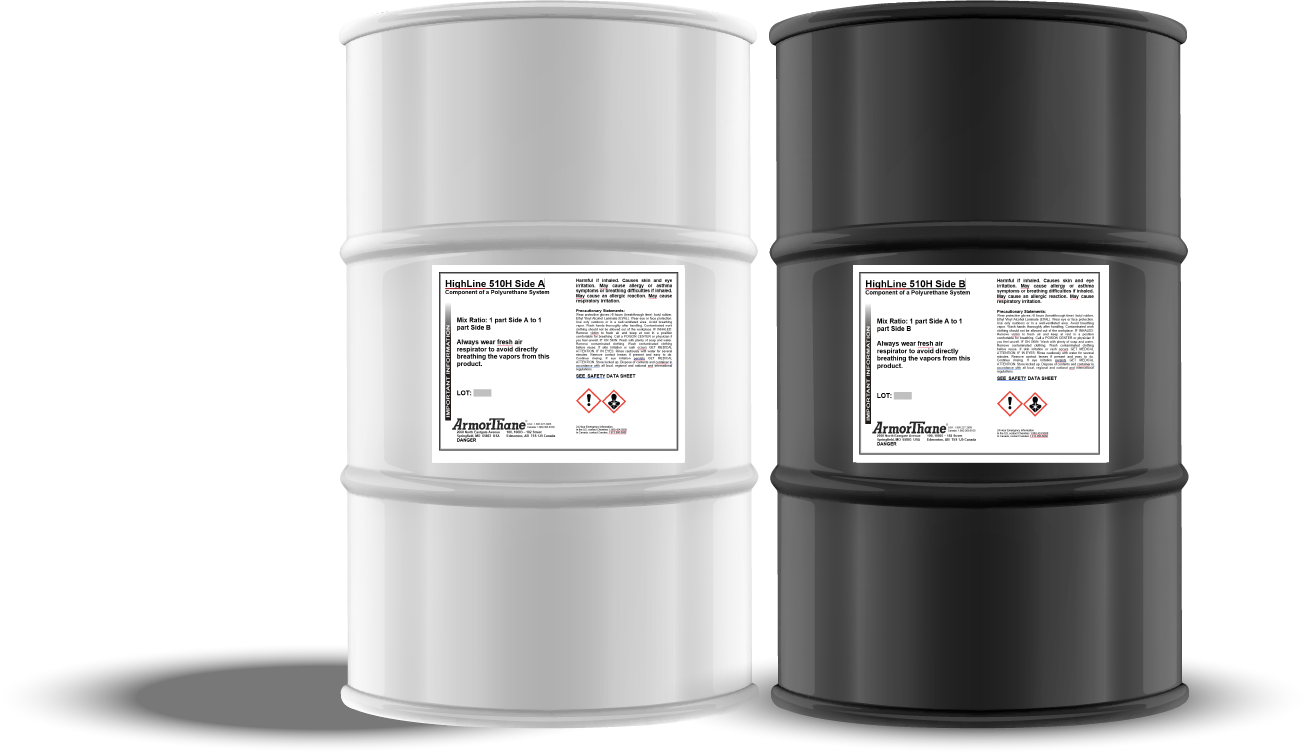

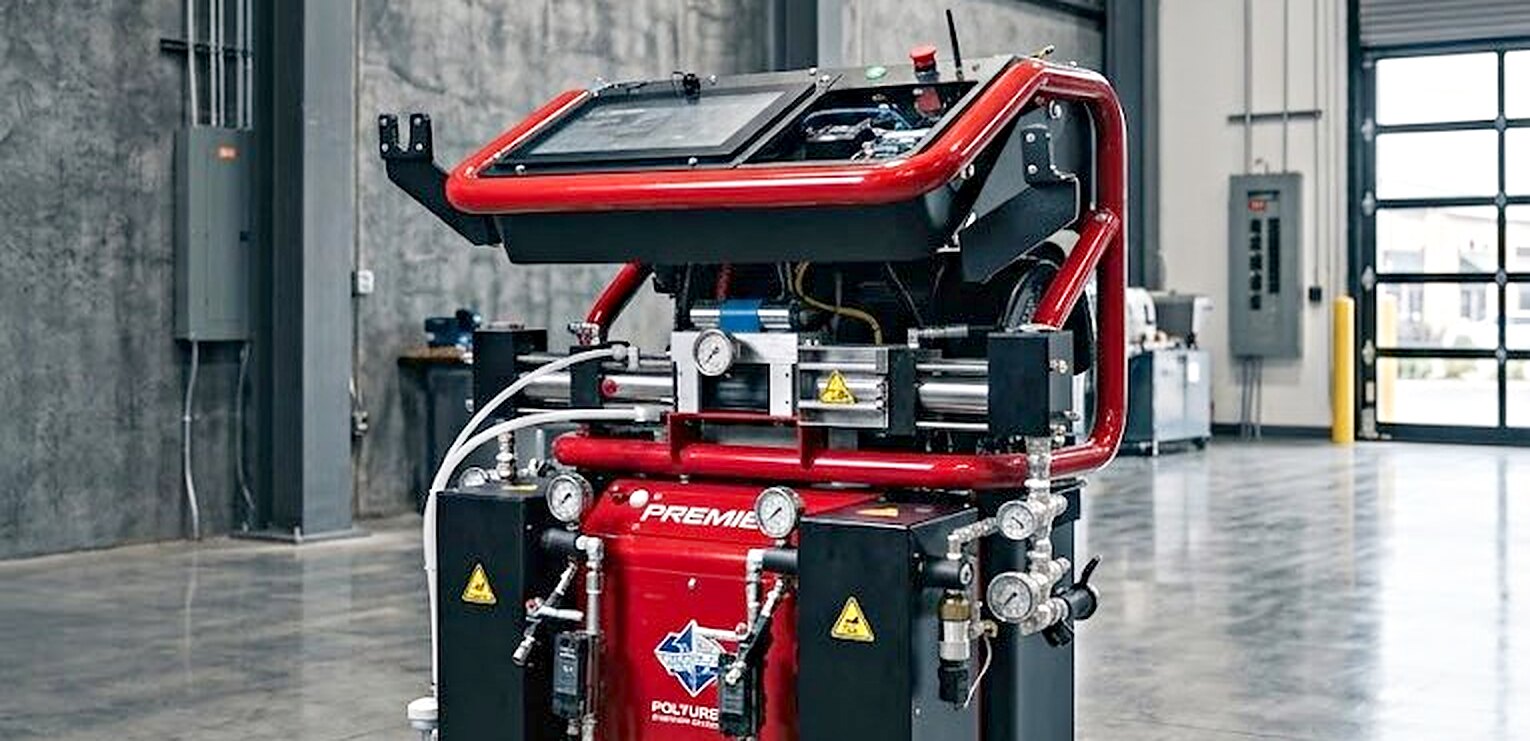
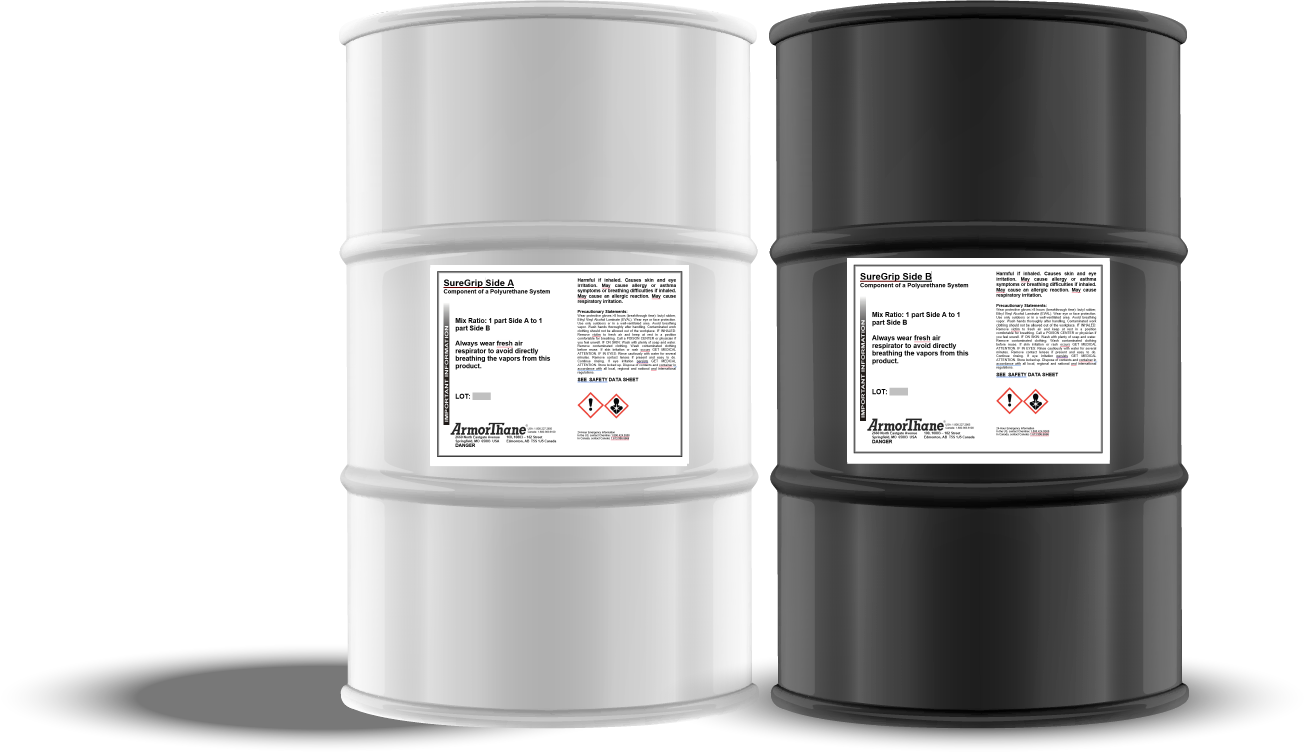
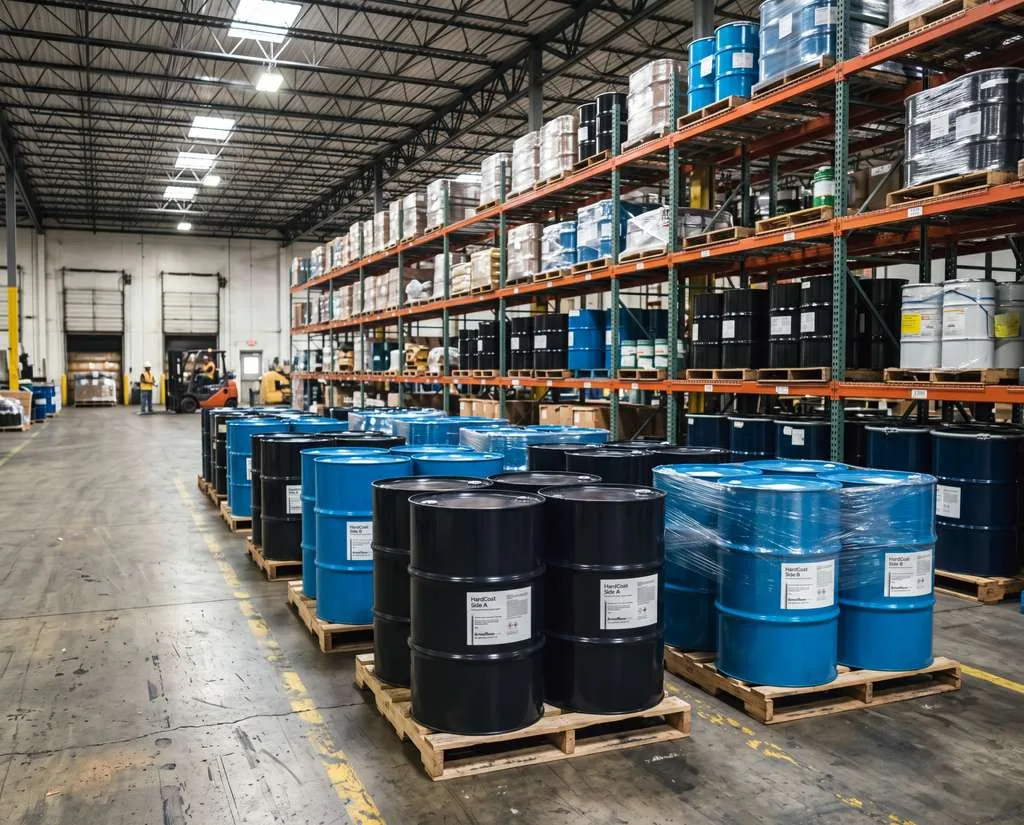
One kit is 100 gallons — 50 gallons of Side A and 50 gallons of Side B, metered 1:1 by volume through a plural-component rig. Nothing gets thinned, nothing gets cut.
Side A is the isocyanate. It needs no agitation — open it, hook it up and shoot it. Fresh-air respirator on, always.
Side B is the polyol resin — a blend of many components, which is why it has to be agitated before every use. Roughly a minute of agitation per gallon, then ArmorThane pigment for color.
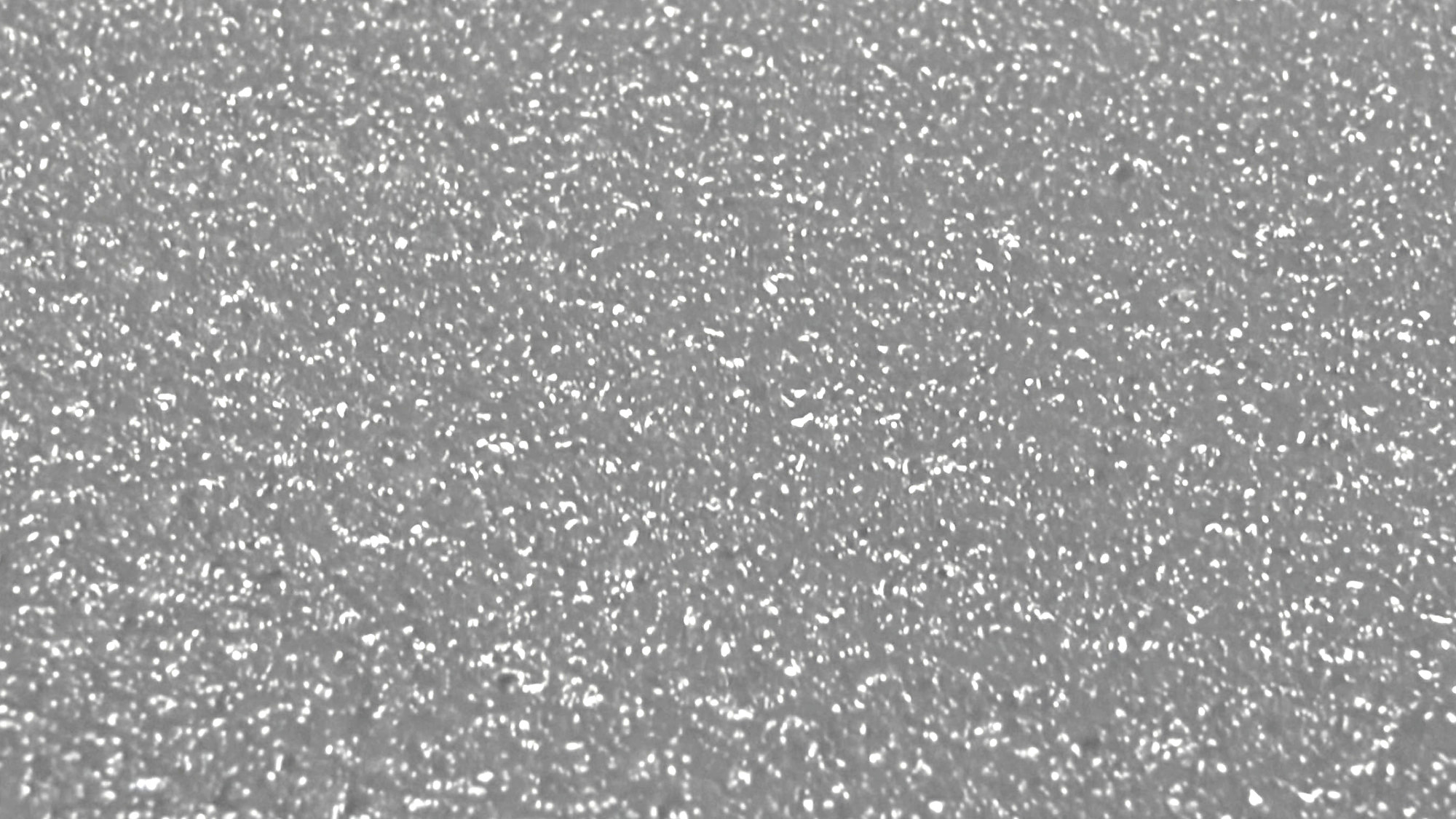
What you end up with on the wall: a seamless elastomer, hard enough to take abrasion and still able to stretch several times its own length before it lets go.
Tack free in under a minute and recoatable for several hours, so a crew can work wet-on-wet and hand the floor back the same shift. Foot traffic within a few hours.
Formulated in-house, not off the shelf.
HighLine 510H is an ArmorThane formulation. We have developed and manufactured our own polyurea and polyurethane chemistry since 1989, and 510H grew out of the success of HighLine 510 — reworked to be harder and tougher than its parent.
Our own formulation, not a repackaged blend
510H was developed in-house as the industrial, higher-hardness version of HighLine 510 — the same pure-polyurea backbone, reworked to carry more load, more abrasion and more impact. Because the formulation is ours, we can also adjust it for a particular job instead of asking a customer to live with a catalog product.
More than 200 ArmorThane formulations across the ArmorLine, ArmorFoam, ArmorFlooring, ArmorPrime and ArmorCoat families
Chemistry and support from the same company
ArmorThane makes the material, builds the plural-component equipment that sprays it, and runs the technical line that answers questions about it. When a crew calls about a gel time or a substrate, they are talking to the company that developed the formulation rather than a distributor passing the question along.
Manufacturing since 1989 · technical support available around the clock
True pure polyurea, not a hybrid
510H is 100% solids pure polyurea rather than a hybrid blend. That is what makes it relatively insensitive to moisture and temperature while it is going on, and what gives it a gel time measured in seconds instead of minutes.
Zero VOC · 100% solids · pot life measured in seconds at spray temperature
Hard and elastic at the same time
Most coatings make you choose. 510H sits around 55 on the Shore D scale — hard enough to resist gouging and abrasion — and it still elongates roughly four times its own length and passes a 1/8-inch mandrel bend. That combination is the point of the formulation, and it is why it survives on equipment that flexes and gets hit.
Roughly 4,000 psi tensile with about 400% elongation · passes ASTM D1737 mandrel bend
Engineered for bad conditions, on purpose
The very fast gel time was chosen so the material can go down in cold weather, and so it can be applied in single or multiple passes without appreciable sagging on vertical steel. It is built to be sprayed in a plant that is still running, not in a lab.
Service temperature roughly −40°F to 250°F · applied at any thickness, in one pass or many
Backed by the people who make it
Buying 510H means buying the chemistry, the plural-component rig that sprays it, the hands-on training that certifies the crew, and technical support for as long as you spray it. There are no franchise fees and no royalties on any of it.
$0 franchise fees · hands-on applicator training · support for the life of the business
The jobs 510H is genuinely the right answer for.
Each of these traces back to a published test method — the figures below are rounded.
Abrasion that eats other coatings
Roughly 20 mg lost on a Taber CS17 wheel over 1,000 cycles under a 1 kg load (ASTM D4060). That is the number that matters on chute liners, mine equipment, loading docks and warehouse floors under steel wheels.
Taking a hit without cracking
Over 200 lbs impact resistance at 77°F (ASTM G14), with around 400% elongation behind it. Dropped tooling, forklift strikes and ore impact deform the film instead of shattering it.
Keeping water out of structures
Water permeability around 0.05 perm-inch (ASTM E-96) and under 0.5% water absorption over 24 hours (ASTM D471) — seamless, so there is no joint to fail. This is why it ends up on silos, tanks, trenches and below-grade concrete.
Giving the building back fast
Tack free in under a minute and recoatable for several hours. Foot traffic within a few hours, full service in about a day. Downtime is usually the expensive part of a coating job, and this is where 510H pays for itself.
Working in cold and heat
Sprayable down to around 20°F (−6°C) because of the gel time, and it crack-bridges a 1.6 mm crack through 25 cycles well below freezing (ASTM C836). In service it holds from roughly −40°F to 250°F.
Sticking to steel with no primer
Over 900 psi adhesion to steel at a 90 micron blast profile — with no primer. On primed or shot-blasted concrete the bond test takes the concrete instead of the coating, at over 500 psi.
Built harder than the 510 it grew out of.
HighLine 510 is ArmorThane's multi-purpose pure polyurea and it is a very good coating. 510H exists because some customers were putting 510 somewhere it was never meant to live — under tracked equipment, inside ore chutes, on structural steel in a plant that never shuts down. So we reformulated it: harder, tougher, more durable, aimed squarely at heavy industry.
- Pure polyurea, same as 510 — reworked for hardness and durability
- Designed for pre-treated concrete and metal, sprayed through the ArmorThane HighLine plural-component system
- Single or multiple passes with no appreciable sagging on vertical work
- Relatively insensitive to moisture and temperature during application
Where 510H earns its keep.
The published use list runs long — these are the places applicators put it most.

Secondary containment
Trenches, dikes, berms and sumps at refineries, fertilizer plants and chemical storage. Seamless, chemical resistant and fast enough to coat a basin between shifts.
Warehouse and plant floors
Traffic-bearing floors in manufacturing, food processing, cold storage and paper and pulp mills. Abrasion numbers and return-to-service times are the reason it wins here.
Silos, tanks and hoppers
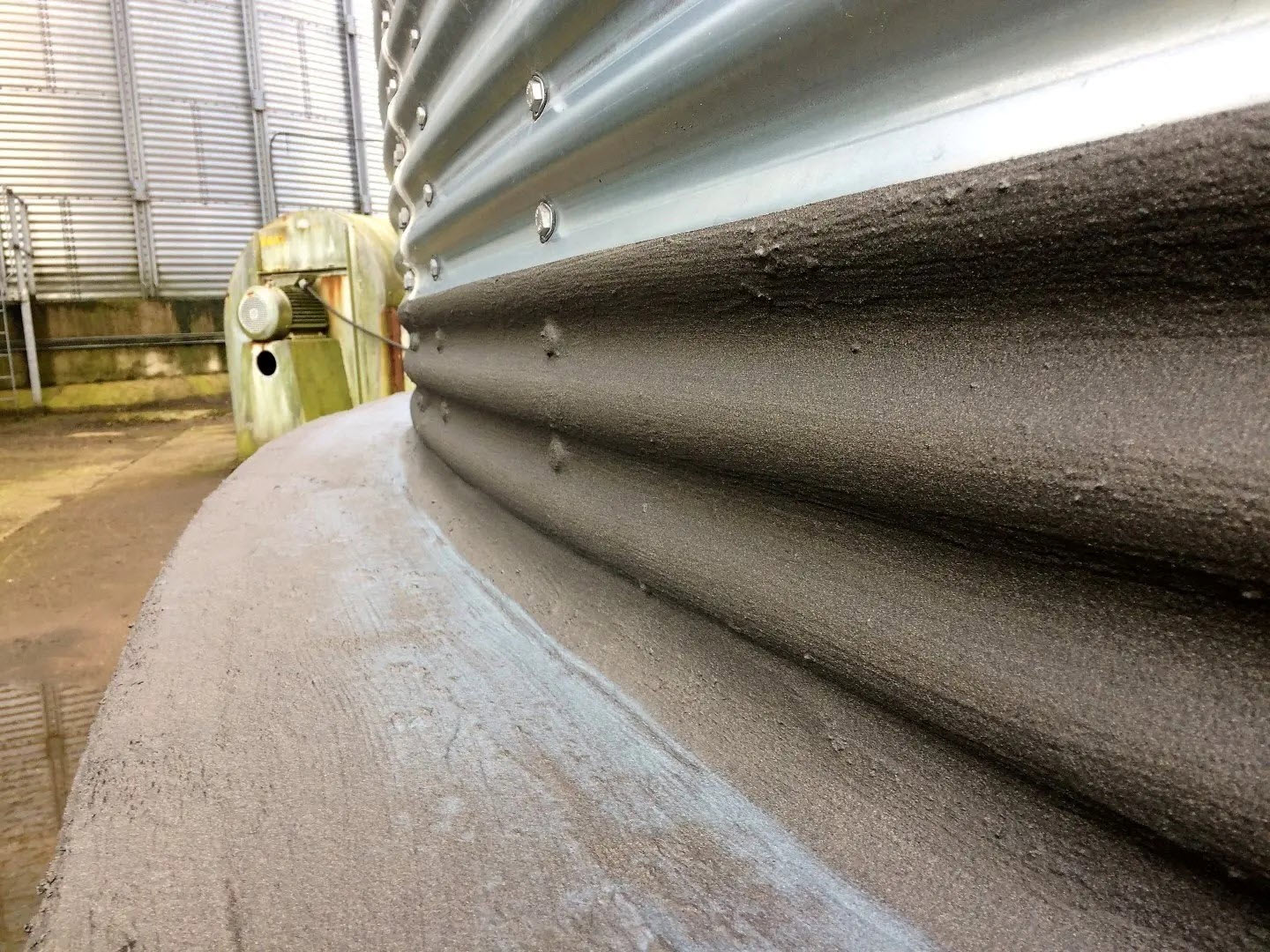
Interior and exterior of bulk storage, including the corrugated steel that is hard to coat with anything that cannot stretch.

Structural steel
Beams, columns and equipment frames in power plants, refineries and marine environments — strong adhesion to blasted steel, no primer required.

Water and waste water
Clarifiers, basins, channels and lift stations where the film has to be monolithic and stay put under immersion and constant wet.

Mining and bulk handling
Chutes, truck beds, screens and transfer points. This is the application the formulation was hardened for.
What to expect from the film.
Typical values, rounded so you can size the product up quickly. Filter by what you care about, search for a property, or flip the sheet to metric.
No published property matches that search.
These are typical, rounded values obtained on ArmorThane equipment and parameters — they are here to give you a feel for the product, not to specify a job. Exact published figures, tolerances and test conditions are on the current HighLine 510H technical data sheet; ask us and we will send it. A different spray machine or different parameters will change these numbers, so applicators should run their own testing for a given job. HighLine 510H is for commercial use only and should only be applied by trained personnel.
How a 510H job actually goes down.
The short version of the data sheet, in the order a crew does it.
- 01
Prepare the substrate properly
Coating performance and adhesion are directly proportional to surface preparation, and most coating failures trace back to it. Everything has to come off: dust, dirt, oil, grease, rust, corrosion. On a substrate that has been in service, consider what it has absorbed — that can defeat adhesion regardless of how well it was prepped.
- 02
Precondition both drums
Bring Side A and Side B to roughly 70–80°F (21–27°C) before you spray. Cold material will not meter or atomize the way the published numbers assume.
- 03
Agitate Side B and pigment it
Side B is a blend of many components and has to be agitated — about a minute per gallon, or until it is thoroughly mixed. Then add ArmorThane pigment at 100 grams per gallon. Side A needs no agitation. Neither side may be diluted.
- 04
Check the weather against the dew point
Surface temperature needs to be at least 5°F above the dew point. 510H will spray onto a surface down around 20°F (−6°C), which is colder than most coatings will tolerate, but the dew point rule still holds.
- 05
Spray hot and hard
Around 2,800 psi minimum, material above about 150°F (66°C), through the ArmorThane HighLine plural-component system. Hold pressure and temperature the whole time. Smooth, multidirectional passes give even thickness and a better-looking film.
- 06
Recoat inside the window, or topcoat it
Inter-coat adhesion is excellent within the recoat window of roughly six hours. Because 510H is aromatic it will yellow and darken under UV, so anywhere appearance matters, finish it with ArmorThane UV Topcoat or UV ColorCoat for a color-fast gloss.
Getting the Most From HighLine 510H
HighLine 510H is tough, but it still depends on good preparation and the right supporting products. On steel, blast to clean metal and use a primer such as UltraPrime where the job calls for it. On concrete, grind or blast to open the surface and test for moisture first; our surface preparation guide covers the details. If the finished surface will sit in direct sun and color matters, plan for a UV-stable topcoat over the HighLine 510H, as explained in aromatic vs aliphatic polyurea. The background on pure polyurea explains why these coatings cure so fast and resist water so well.
The chemistry is only half of what you get.
ArmorThane makes the coating, builds the plural-component rig that sprays it, trains your crew hands-on and certifies them, and answers the technical line afterwards. No franchise fees, no royalties, no territory you have to buy. Applicators have come first here since 1989.
- Equipment package matched to the work you want to take on
- Hands-on training and applicator certification
- Technical support for the life of the business
- Applicators in more than 50 countries
HighLine 510H, answered.
What is the difference between HighLine 510 and 510H?
Both are 100% solids pure polyurea made by ArmorThane. 510H was developed out of 510 as the tougher, harder industrial grade — more durability and more hardness, aimed at demanding work like power plant infrastructure, mining operations and structural steel. If the job is abrasive, impacted or carrying load, 510H is the one.
How cold can you spray it?
Onto a surface down around 20°F (−6°C). The very fast gel time is what makes that possible. The surface still has to be at least 5°F above the dew point, and both drums still need to be preconditioned to roughly 70–80°F before they go through the rig.
Does it need a primer?
Not on carbon or mild steel — it coats those without primer and still reads over 900 psi adhesion at a 90 micron blast profile. On concrete it performs over 500 psi both primed and on a shot-blasted profile, and in both cases the bond test fails the concrete rather than the coating. Which route is right depends on the substrate, so check the technical bulletins in the ArmorThane Operations Manual or call the technical department.
Will it stay the color we sprayed?
No. 510H is aromatic, so it will yellow and darken after UV exposure. The film keeps performing — a QUV exposure of about 3,000 hours shows no cracking or blistering — but color changes, gloss drops and it chalks. Where appearance matters, topcoat it with ArmorThane UV Topcoat or UV ColorCoat, or specify an aliphatic product such as HighLine 410 instead.
How thick does it go on?
Whatever thickness the job needs — it can be applied at any rate, in a single pass or several, without appreciable sagging. The recommended applied thickness is more than about 2 mm, roughly 80 mils.
How long until we can hand the area back?
Foot traffic within a few hours. Full service after about a day. It is tack free in under a minute, which is also what keeps dust and debris out of a fresh film on a live site.
Can it be thinned?
No. 510H may not be diluted under any circumstances. Side B has to be agitated about a minute per gallon before use and pigmented at 100 grams per gallon; Side A goes in as supplied.
How is it packaged and stored?
In 100 gallon kits — 50 gallons of Side A and 50 gallons of Side B. Shelf life is about a year from the date of manufacture in factory-sealed containers. Store both sides above roughly 60°F (16°C) on wooden pallets, off the ground, and rotate the drums if they sit for a long period. Do not open them until you are ready to spray.
What do we need to know before handling it?
This product contains isocyanate and curative material. Read the Safety Data Sheets for both sides before anyone touches a drum — regulations require that every employee be trained on the SDS for the chemicals they work around. Side A is harmful if inhaled and can sensitize the airways; Side B causes serious eye damage and severe skin burns. Wear a fresh-air respirator, butyl rubber or EVAL gloves, eye and face protection, and keep contaminated clothing out of circulation.
Tell us what you need to coat.
Describe the substrate, the environment and where you are. An ArmorThane specialist will come back with the right chemistry, the rig that sprays it and what a startup actually costs.
- Equipment package matched to your applications
- Hands-on training and applicator certification
- Technical support once you are spraying