ArmorShield
The one that answers the hard questions on a specification. ArmorShield is a fast-set, 100% solids aromatic polyurea that carries an unusual stack of third-party test results behind it — a Class A fire test, a hydrostatic hold at 100 psi, a dielectric number and published adhesion figures on both concrete and steel. It goes down to twenty below, builds in one millimeter, and takes foot traffic the same day.
- 100% solids polyurea
- Zero VOC
- Class A fire test
- Sprays down to −20°F
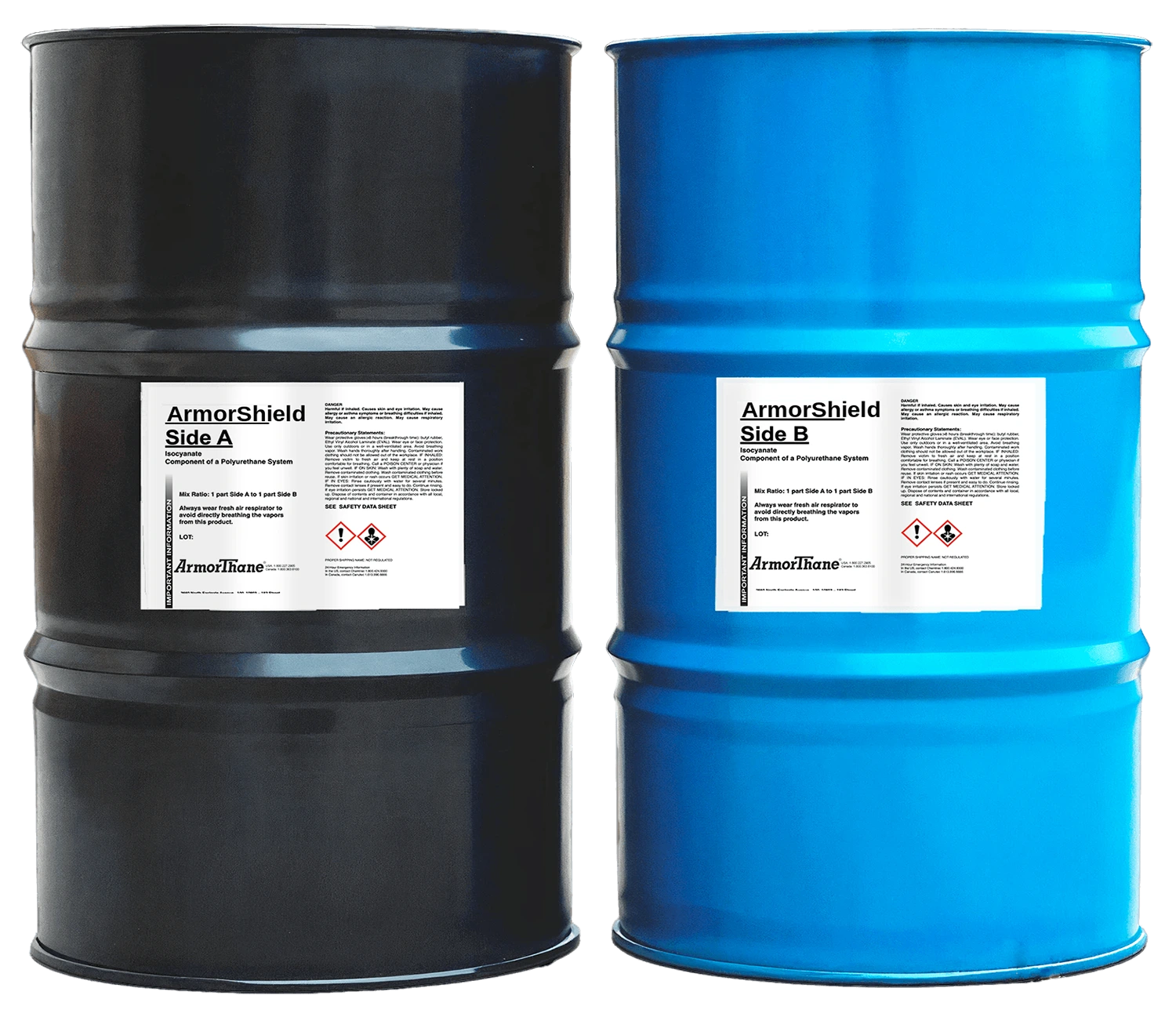
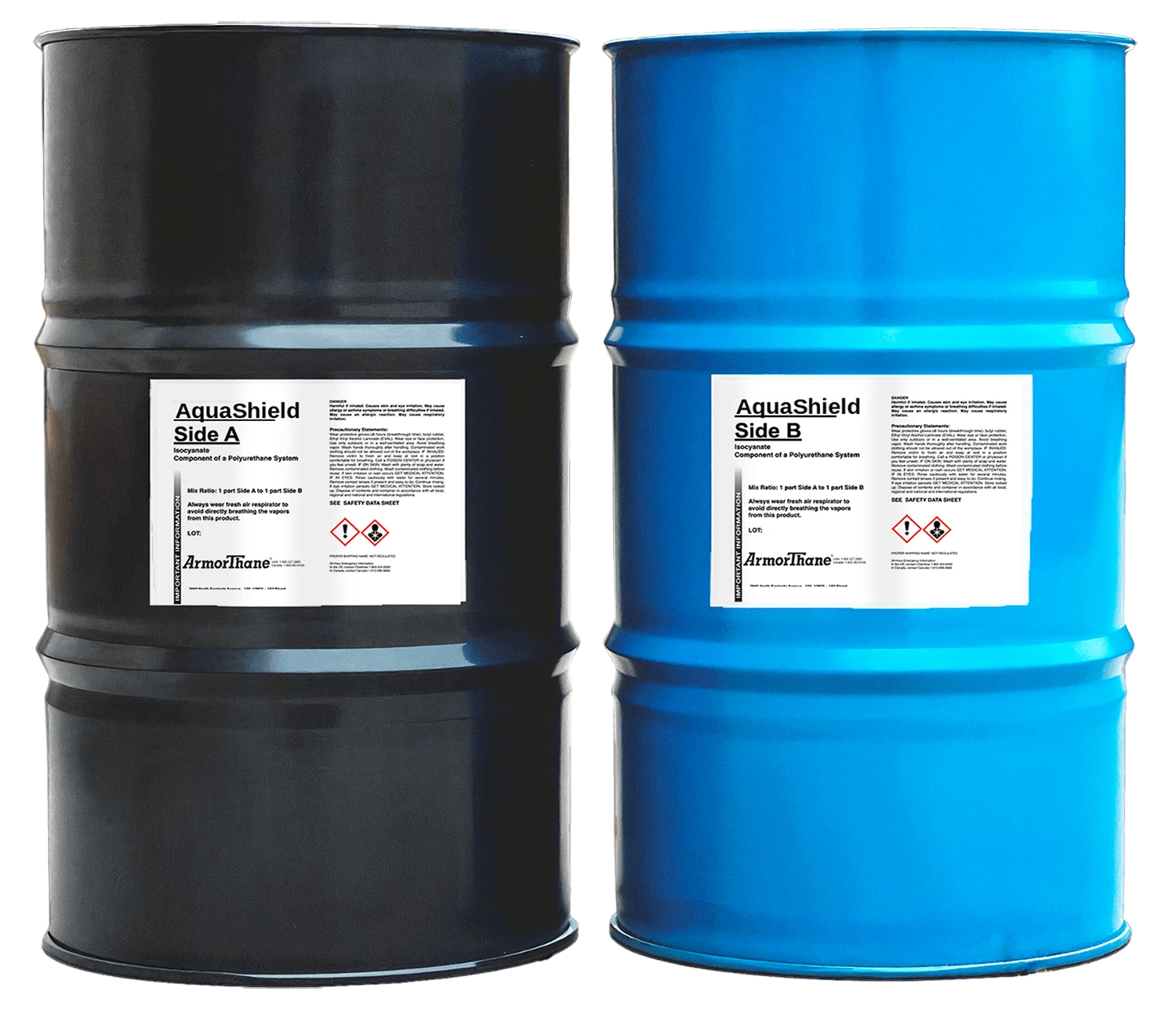
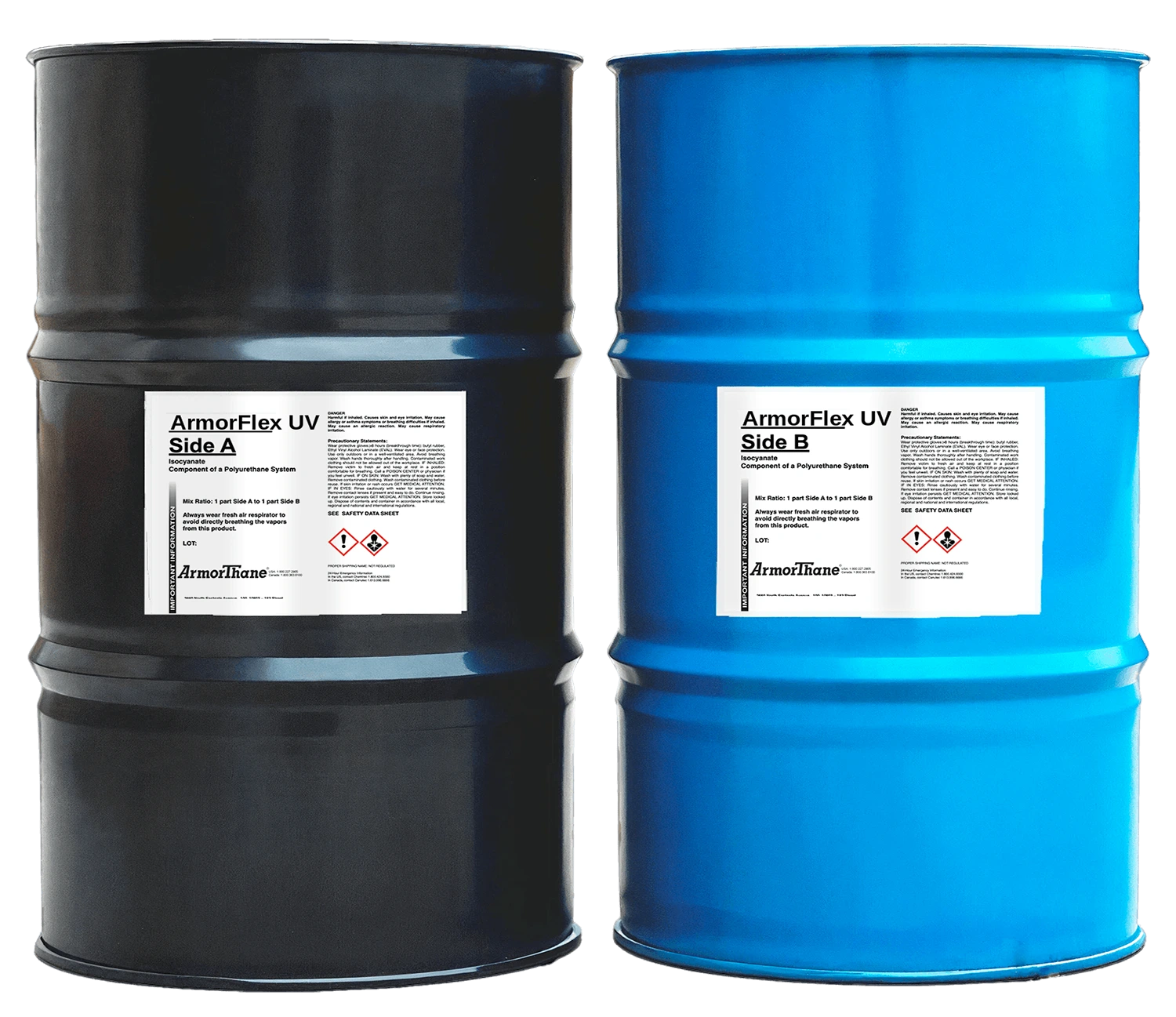
One kit is 100 gallons — a 50 gallon drum of Side A and a 50 gallon drum of Side B, metered 1:1 by volume. Both drums run with a desiccant device fitted, and neither side may be diluted under any circumstances.
Side A is the isocyanate, and it runs about twice as thick as the resin side at spray temperature. No agitation needed, but it does need a desiccant device on the drum while it is in use.
Side B is the polyol resin. Power-agitate it with air-driven equipment until the mixture and the color are homogeneous, then pigment it. Roughly half the viscosity of Side A.
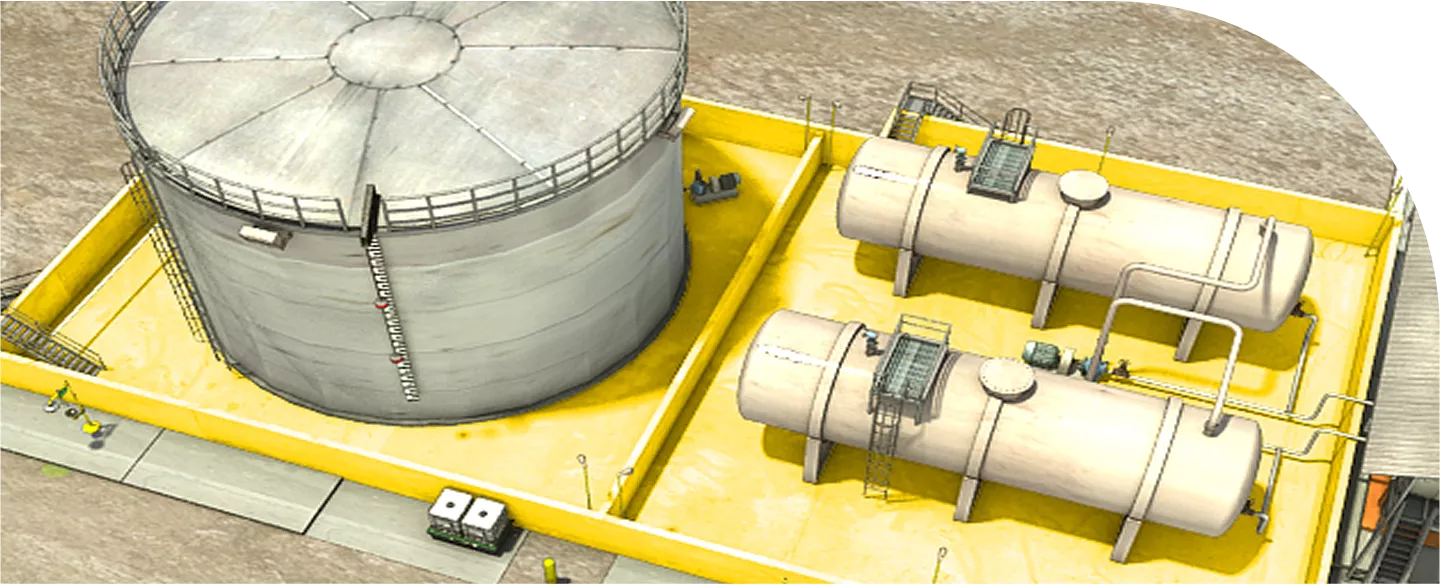
Secondary containment is where the hydrostatic number matters. ArmorShield passed ASTM D5385 holding 100 psi, which is the kind of answer a containment specification actually asks for.
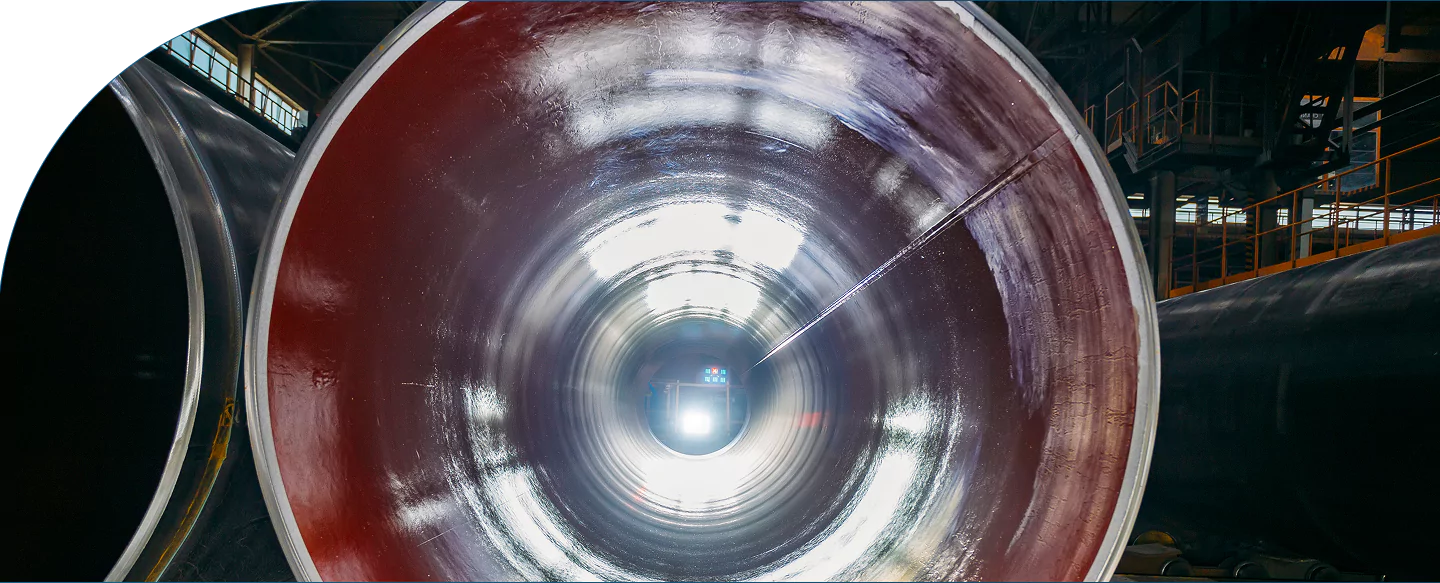
Pen stocks, process pipe and structural steel. ArmorShield coats carbon and mild steel without a primer, and the published pull-off on a blasted steel profile is better than 900 psi.
Formulated in-house, and tested until it has answers.
ArmorShield is an ArmorThane formulation, part of the ArmorLine series. We have developed and manufactured our own polyurea and polyurethane chemistry since 1989. ArmorShield is the one we point at when a specification wants numbers rather than adjectives.
It carries a Class A fire test
ArmorShield was run through ASTM E108 over a non-combustible surface and passed Class A — the top result that test gives. Very little sprayed polyurea has that paperwork behind it, and on a roof deck, a warehouse floor or a parking structure it is often the line in the specification that decides which product is allowed on site at all.
ASTM E108 — Pass, Class A over a non-combustible surface
It holds pressure, not just water
Plenty of coatings are described as waterproof. ArmorShield was tested under ASTM D5385 and held 100 psi of hydrostatic pressure, absorbs less than 2% water over 24 hours, and bridged a moving crack through ten cycles at −15°F. Those are the three questions a containment or below-grade specification tends to ask in a row.
Hydrostatic hold 100 psi · water absorption under 2% · crack bridging passed at −15°F
It sprays at twenty below
The gel time is fast enough to put material down on a surface at −20°F (−29°C), and it is relatively insensitive to moisture and temperature while you are applying it. That is the difference between making a winter shutdown window and waiting until spring for the plant to come back down.
Applies down to −20°F · tack free in under a minute · foot traffic in a few hours
A dielectric number, which is rare
ArmorShield has a published volume resistivity of about 6 × 10¹² ohm·cm under ASTM D257. Most coating data sheets simply do not carry an electrical property at all, so when an electrical or mining specification asks the question, having a tested figure to hand is usually the end of the conversation.
Volume resistivity about 6 × 10¹² ohm·cm — ASTM D257
Tough, and still elastomeric
Around 50 on the Shore D scale with roughly 400% elongation and a 450 pli tear strength, about 6 mg of loss on a Taber abrasion test, and a pass on a 1/8 inch mandrel bend. It takes traffic and impact without going brittle, and it moves with a structure instead of cracking off it.
Roughly 3,000 psi tensile · about 6 mg Taber loss · mandrel bend passed
Backed by the people who make it
Buying ArmorShield means buying the chemistry, the plural-component rig that sprays it, the hands-on training that certifies the crew, and technical support for as long as you spray it. There are no franchise fees and no royalties on any of it.
$0 franchise fees · hands-on applicator training · support for the life of the business
The jobs ArmorShield is genuinely the right answer for.
Each of these traces back to the published data sheet — the figures below are rounded.
Secondary containment
Bunds, berms, tank farms and spill containment. A hydrostatic hold at 100 psi, water absorption under 2% and a seamless membrane over concrete and steel in the same pass.
Where a fire rating is specified
Passed ASTM E108 Class A over a non-combustible surface. On parking decks, warehouse floors and roof assemblies that is frequently the clause that narrows the shortlist to one product.
Steel that has to stop corroding
Structural steel, pen stocks and process pipe. It coats carbon and mild steel without primer, and the published pull-off on a blasted profile is better than 900 psi.
Hard industrial floors
Warehouse floors, walkways and balconies, manufacturing and cold storage. About 6 mg of Taber loss, over 150 in·lbs of impact resistance, and foot traffic within a few hours.
Working through the winter
Sprayable onto a surface at −20°F (−29°C). Outdoor containment, decks and tanks get coated in the shutdown window you actually have rather than the one the weather would prefer.
Chemistry you can look up before you quote
Thirty-five chemicals spot-tested for seven days at 70 to 75 mils and published with a one-to-five rating — including the ones where the answer is do not use it.
Fire, pressure and electricity — three answers most data sheets do not have.
Most polyurea data sheets publish tensile, elongation, hardness and tear, and stop there. ArmorShield keeps going: a Class A result under ASTM E108, a hydrostatic hold at 100 psi under ASTM D5385, and a volume resistivity figure under ASTM D257. If you have ever lost a specification because a product had no answer to one of those clauses, this is the one to put in front of the engineer.
- ASTM E108 fire test — passed Class A over a non-combustible surface
- ASTM D5385 hydrostatic pressure — passed, holding 100 psi
- ASTM D257 volume resistivity — about 6 × 10¹² ohm·cm
- ASTM C1305 crack bridging — passed, ten cycles at −15°F
- ASTM D1737 mandrel bend at 1/8 inch — passed
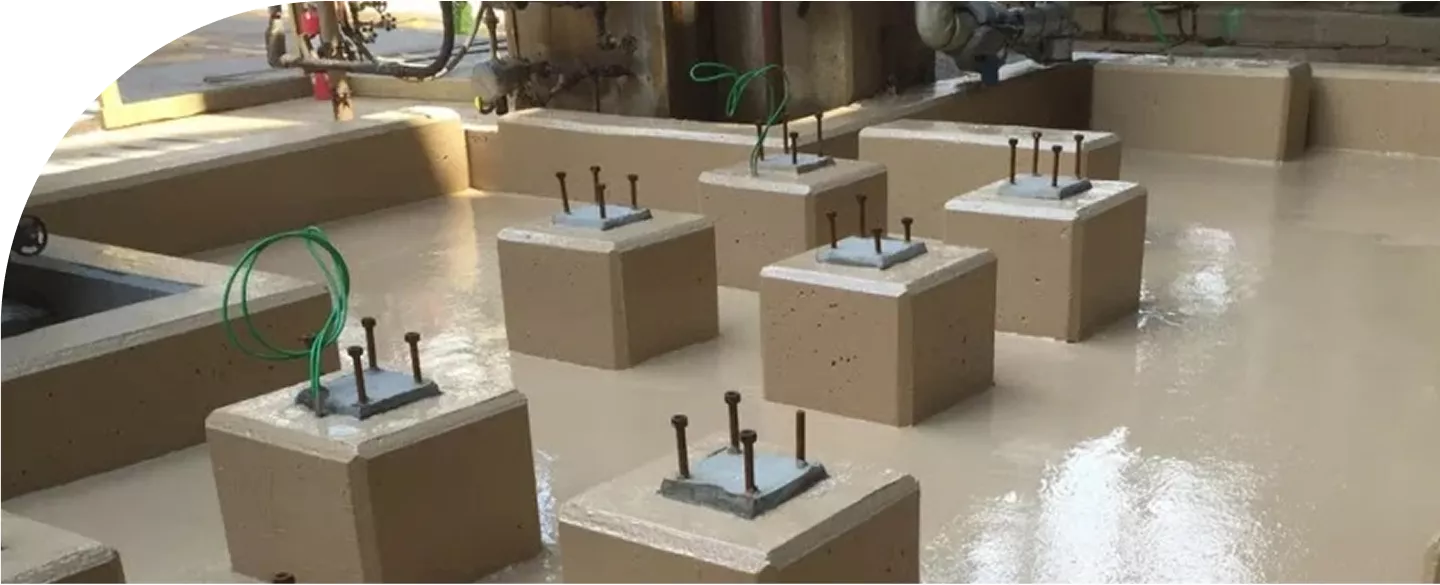
One millimeter, and the floor is back in service the same day.
ArmorShield builds to a minimum of one millimeter, which is about half what a heavier immersion-grade liner wants. On a floor, a walkway or a deck that means less material, fewer passes and a shorter shutdown — and because it is tack free in under a minute and takes foot traffic within a few hours, a crew can often turn a working area around between shifts instead of between weeks.
- Minimum applied thickness of about 1 mm — lighter build than an immersion liner
- Tack free in under a minute; recoatable for roughly six hours
- Foot traffic in one to four hours, full service after about a day
- Sprayed in smooth multidirectional passes for even thickness and appearance
- Single or multiple coats without appreciable sagging
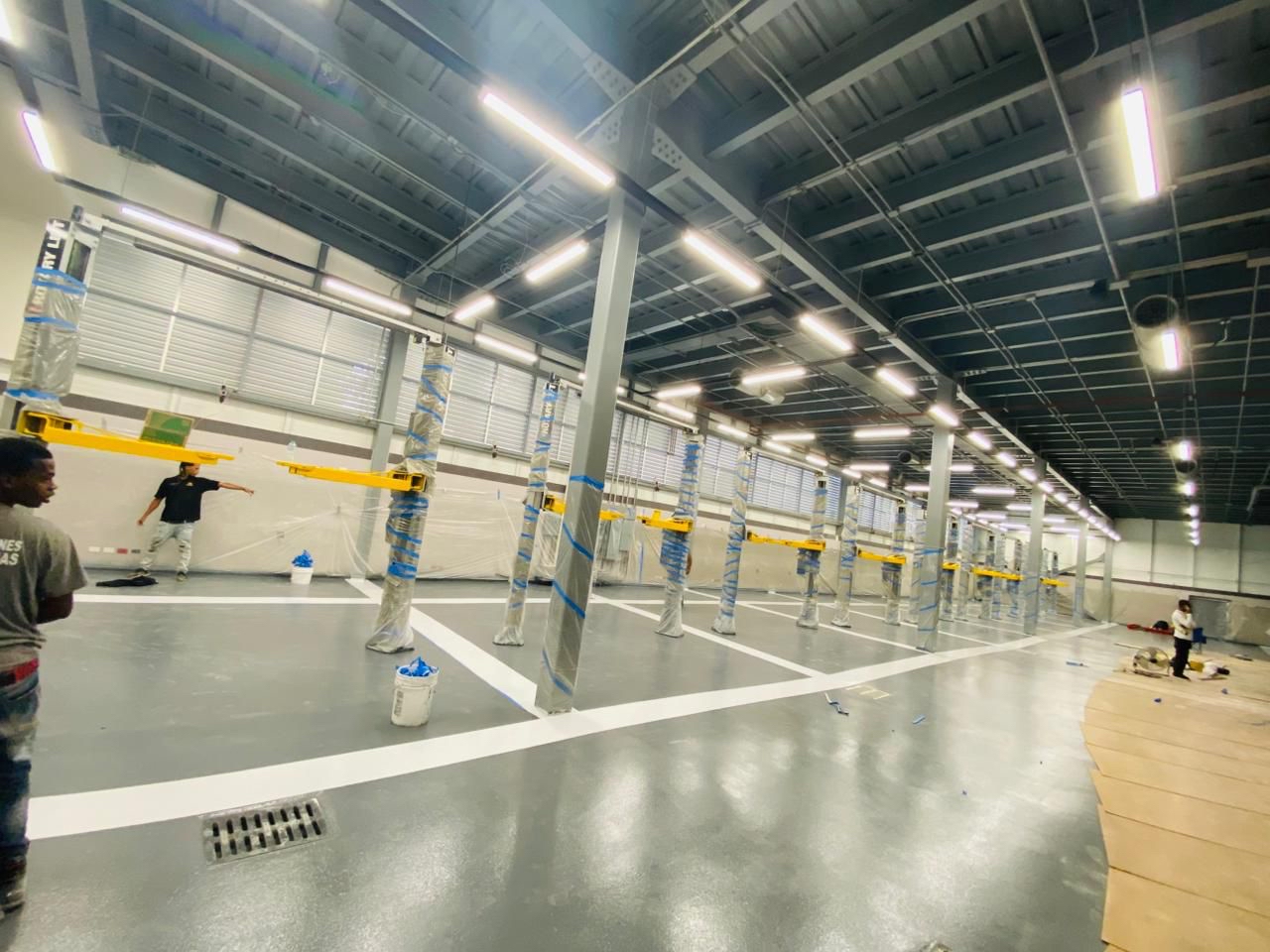
Where ArmorShield earns its keep.
The published use list runs long — these are the places applicators put it most.
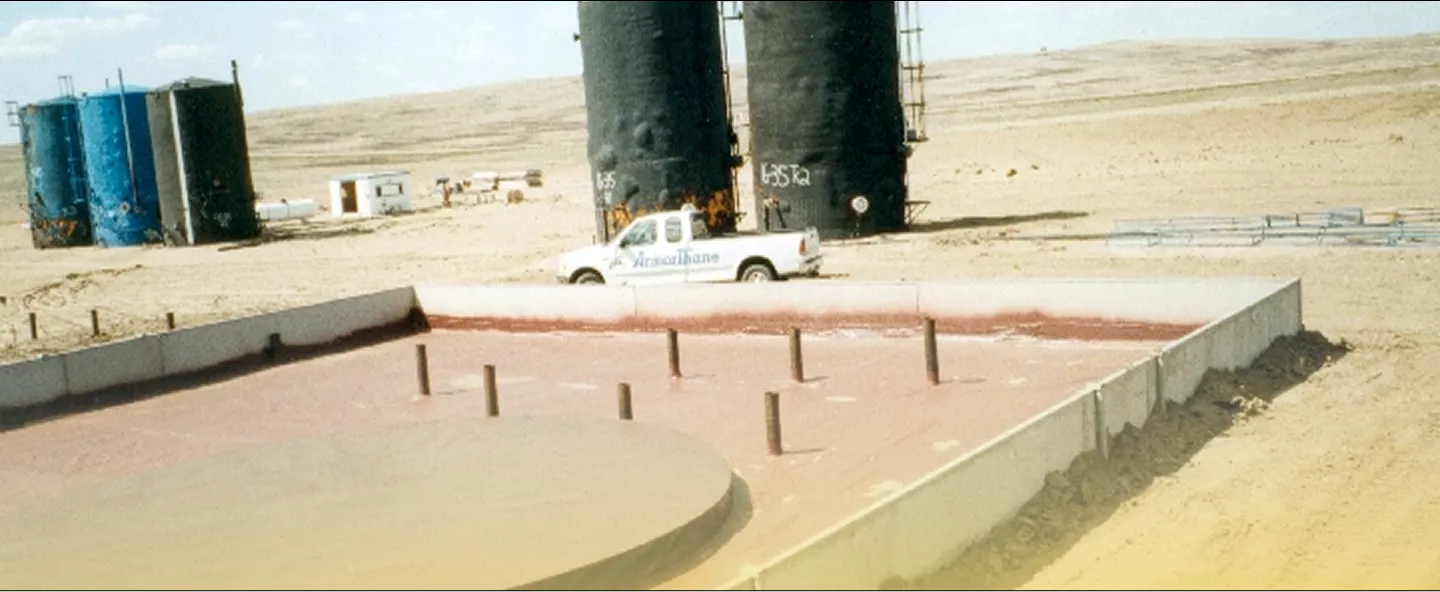
Secondary containment
Bunds, berms, plinths and spill containment around tanks and process equipment. Seamless over concrete and steel together, with a hydrostatic hold at 100 psi behind it.
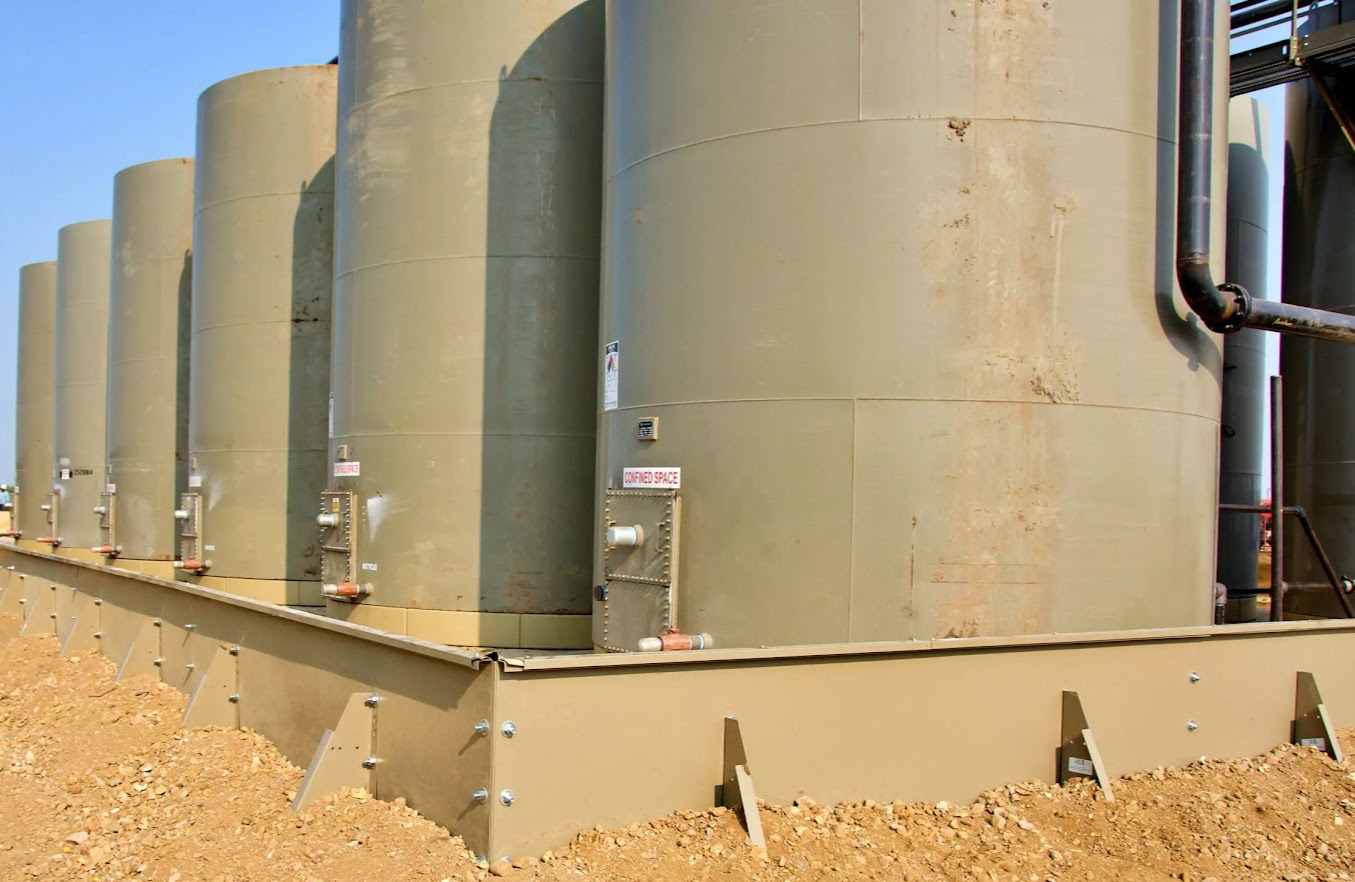
Tanks, silos and process plant
Tank exteriors and bases, silos, fertilizer plants and chemical handling areas. Thirty-five chemicals published with a one-to-five rating so you can check before you quote.
Warehouse and industrial floors
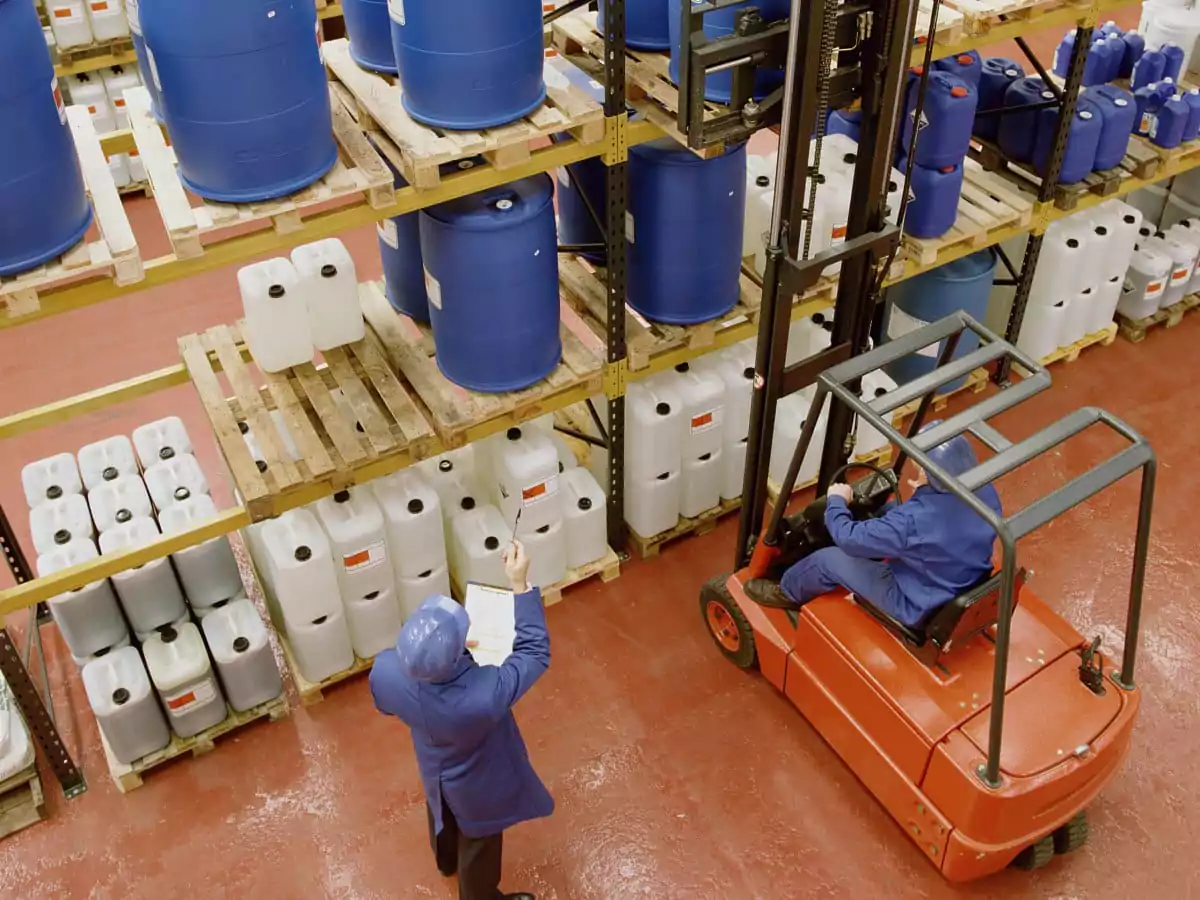
Warehouse floors, manufacturing plant, cold storage and food processing areas. Odorless, seamless, zero VOC, and it meets USDA criteria.
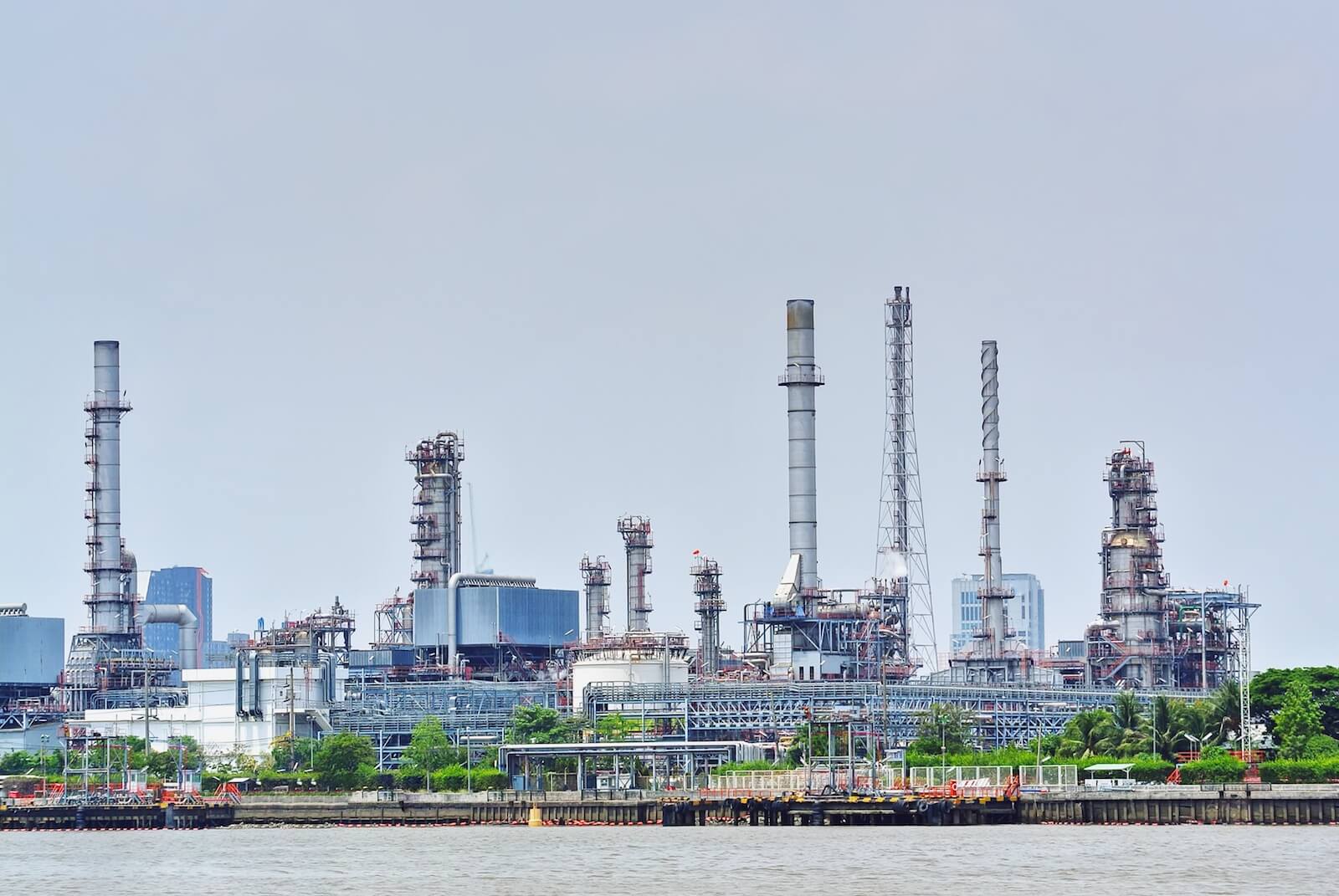
Refineries and power plants
Refineries, power plants and paper and pulp mills. Excellent thermal stability, a dry service range from −40 to 250°F, and a Class A fire test result.
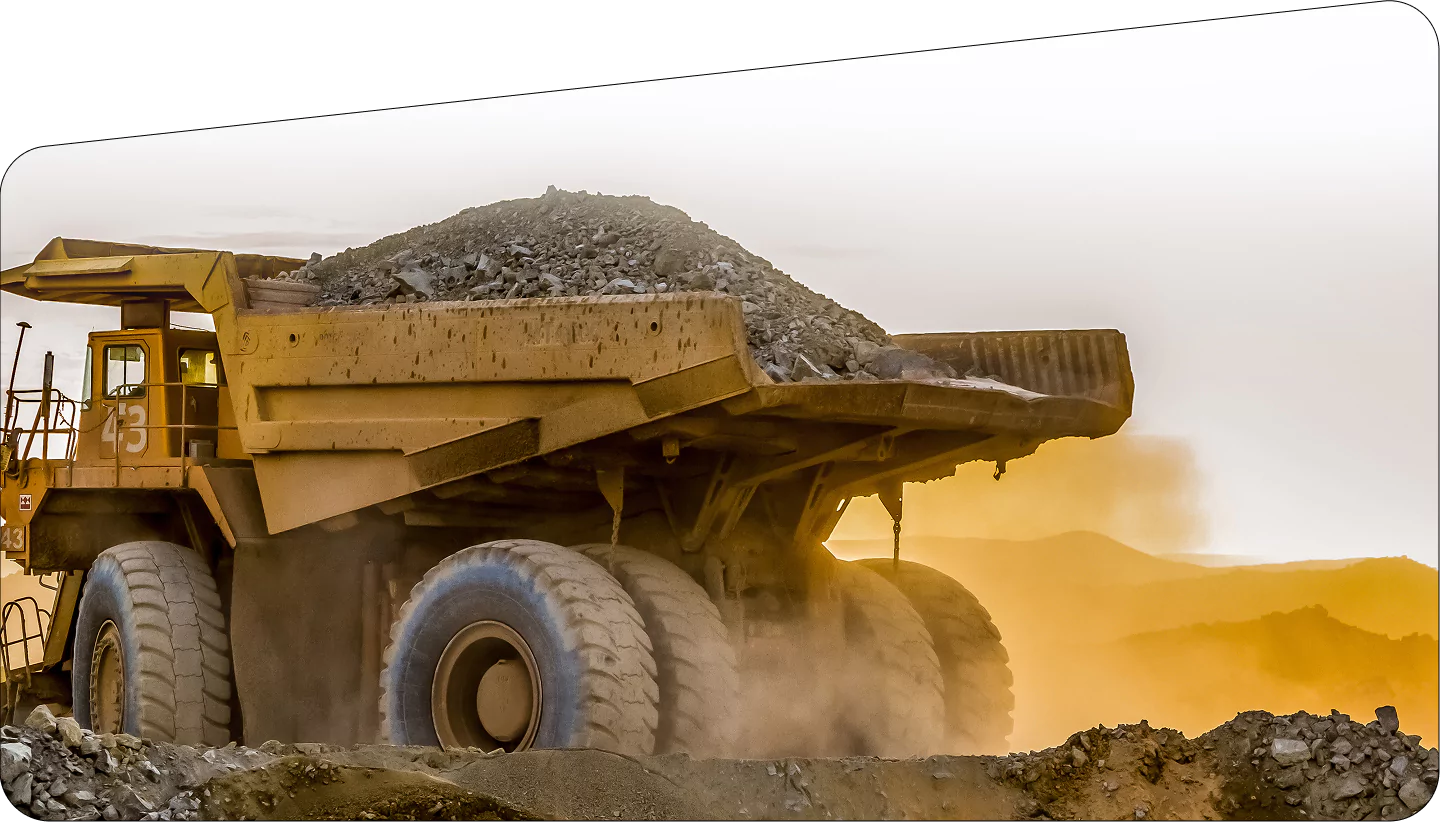
Mining and landfill containment
Mining operations, landfill containment and manholes. The published volume resistivity figure is there for the specifications that ask for one.
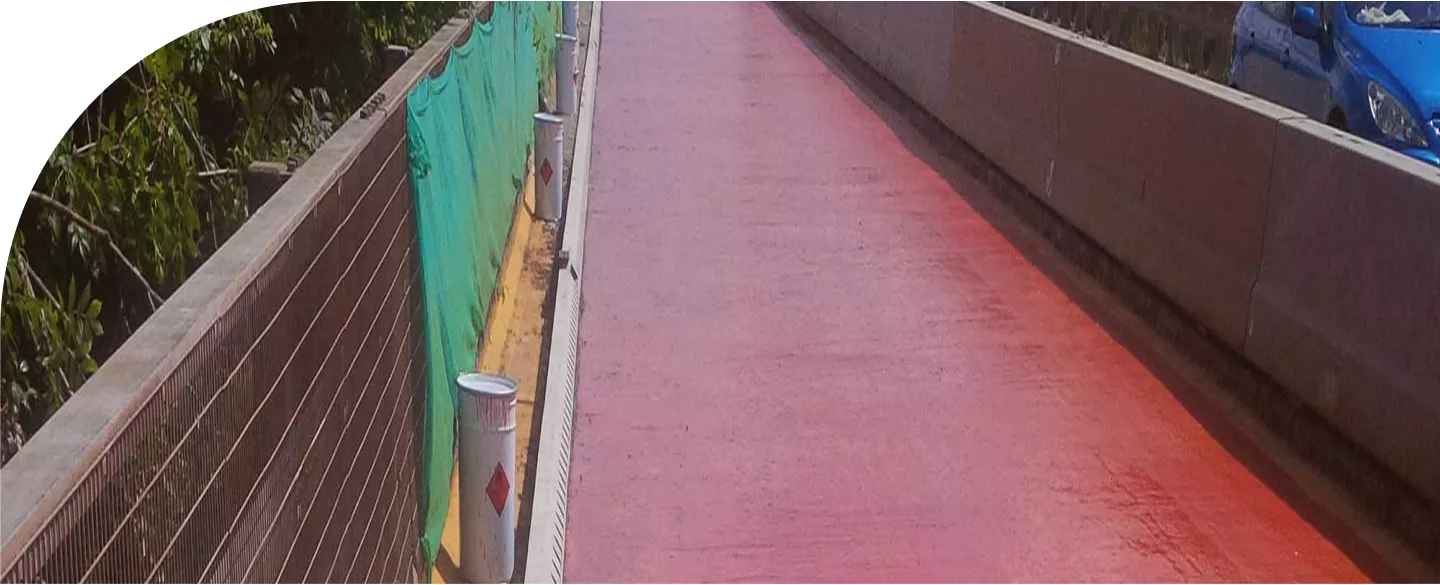
Decks, walkways and balconies
Parking garage decks, walkways and balconies. Abrasion and impact resistant, crack bridging at −15°F, and it builds in about a millimeter.
What to expect from the film.
Typical values, rounded so you can size the product up quickly. Filter by what you care about, search for a property, or flip the sheet to metric.
No published property matches that search.
These are typical, rounded values obtained on ArmorThane equipment and parameters — they are here to give you a feel for the product, not to specify a job. Exact published figures, tolerances and test conditions are on the current ArmorShield technical data sheet; ask us and we will send it. Different spray equipment and parameters will affect these properties, so applicators should run their own testing and an adhesion test for a given job. ArmorShield is for commercial use only and should only be applied by trained personnel.
Thirty-five chemicals, seven days, every result published.
Spot testing on a 70 to 75 mil ArmorShield film, immersed at 70 to 75°F for seven days. Filter by the verdict — including the ones we do not recommend.
No published property matches that search.
Spot testing only, on a 70 to 75 mil film at 70 to 75°F (21 to 24°C) for seven days. Use caution wherever high temperatures are involved, wet or dry — heat changes these answers. Results were obtained in a controlled environment and will not represent every environment; application process, design and site conditions all vary. For any chemical not on this list, test before you coat, and talk to the ArmorThane technical department first.
How an ArmorShield job actually goes down.
The short version of the data sheet, in the order a crew does it.
- 01
Prepare the substrate, then test it
Coating performance and adhesion are directly proportional to surface preparation, and most coating failures trace back to it. Everything has to come off: dust, dirt, oil, grease, rust, corrosion. On a substrate that has been in service, consider absorption as well — an adhesion test on the actual substrate is recommended before any project starts.
- 02
Precondition both drums and fit the desiccants
Bring Side A and Side B to 75–80°F (24–27°C) before you spray, and fit a desiccant device to both containers while they are in use. Do not open a drum until you are ready to use it, and never dilute either side.
- 03
Power-agitate Side B and pigment it
Side B is the polyol resin. Mix it with air-driven power equipment until the mixture and the color are homogeneous, then add ArmorThane pigment at 100 grams per gallon. Side A needs no agitation.
- 04
Check the surface against the dew point
Surface temperature needs to be at least 5°F (3°C) above the dew point. ArmorShield will spray onto a surface down around −20°F (−29°C), which is far colder than most coatings tolerate — but the dew point rule still holds at every temperature.
- 05
Spray hot, at 2,000 psi or better
Minimum 2,000 psi with material above about 150°F (66°C), through the ArmorThane HighLine plural-component system. Hold pressure and temperature throughout, and work in smooth multidirectional passes for even thickness and appearance.
- 06
Build the thickness the job needs
Minimum applied thickness is about one millimeter. Theoretical coverage is about 1,600 sq ft per gallon at one mil, so divide that by your target dry film thickness to get the real rate. It can go on in single or multiple passes without appreciable sagging, and recoats inside roughly six hours.
The chemistry is only half of what you get.
ArmorThane makes the coating, builds the plural-component rig that sprays it, trains your crew hands-on and certifies them, and answers the technical line afterwards. No franchise fees, no royalties, no territory you have to buy. Applicators have come first here since 1989.
- Equipment package matched to the work you want to take on
- Hands-on training and applicator certification
- Technical support for the life of the business
- Applicators in more than 50 countries
ArmorShield, answered.
What does the Class A fire test actually cover?
ArmorShield was run through ASTM E108 over a non-combustible surface and passed Class A, which is the highest result that test awards. ASTM E108 is an external fire-exposure test for roof coverings, so the result applies to the assembly it was tested in — the coating over a non-combustible deck. It is not a substitute for a flame-spread or smoke-development number on a different assembly, so if your specification cites a different test, send it to us and we will tell you straight whether we hold data for it.
How is ArmorShield different from AquaShield and AquaSafe?
All three are ArmorLine polyureas with very similar mechanical numbers and the same 35-chemical resistance table, and all three spray down to around −20°F. The difference is what they are tested for. AquaSafe is the potable-water product with third-party water-contact testing behind it. AquaShield is built for constant immersion and has the tighter vapor permeance. ArmorShield is the industrial all-rounder — it is the one carrying the fire, hydrostatic, dielectric, impact and abrasion results, and it builds in about half the thickness.
Can I really spray it at twenty below?
Onto a surface down around −20°F (−29°C), yes — the gel time is what makes it possible. The drums still have to be preconditioned to 75–80°F before they go through the rig, and the surface still has to sit at least 5°F above the dew point, same as at any other temperature.
Is it a vapor barrier?
No, and we would rather say so. The published water vapor permeance is about 0.9 perm-inch under ASTM E96 Method B, which is considerably more permeable than the products we sell specifically as vapor retarders. ArmorShield stops liquid water — it holds 100 psi hydrostatically and absorbs under 2% — but if the specification calls for a vapor barrier, ask us for the right product instead.
Will it hold its color outdoors?
No. ArmorShield is an aromatic polyurea, and after 3,000 hours in a QUV weatherometer under ASTM G-23 the published result is no cracking and no blistering, but color change, gloss reduction and chalking are all noted. Structurally it is fine outdoors; cosmetically it will fade and chalk. If appearance matters, the usual answer is an aliphatic topcoat over it — ask us.
How thick does it have to go on?
Minimum applied thickness is about one millimeter, roughly 40 mils. Theoretical coverage is about 1,600 square feet per gallon at one mil, so divide that by your target dry film thickness and multiply by solids content to get an application rate. Allow for overspray and surface profile on top of that.
Does it need a primer?
Not on carbon or mild steel. On concrete the published pull-off figure of better than 500 psi was obtained shot blasted and primed, and in that test the concrete failed before the coating did. Either way, an adhesion test on the actual substrate before the project starts is the data sheet’s recommendation, not ours alone.
Which chemicals should I keep away from it?
Four are rated not recommended: hydrochloric acid at 35%, sulfuric acid at 60%, methanol, toluene and xylene. Sulfuric acid at 30% is rated for splash and spillage in secondary containment only, for 72 to 96 hours. Everything else on the published list is rated one or two. Use the table above and filter by verdict.
Why is the shelf life only six months?
That is what the data sheet states for ArmorShield in original factory-sealed containers. Rotate your stock, keep both drums above 60°F, never let them freeze, store them on wooden pallets off the ground, and do not open a drum until you are ready to spray it.
What do we need to know before handling it?
This product contains isocyanate and curative material. Read the Safety Data Sheets for both sides before anyone touches a drum — regulations require that every employee be trained on the SDS for the chemicals they work around. Wear a fresh-air respirator, protective gloves and clothing, and eye and face protection.
Tell us what you need to coat.
Describe the containment area, the floor, the tank or the structural steel, what it has to survive and where you are. An ArmorThane specialist will come back with the right chemistry, the rig that sprays it and what a startup actually costs.
- Equipment package matched to your applications
- Hands-on training and applicator certification
- Test reports and chemical resistance data for your specification