Spray foam roofing
HIGH-PERFORMANCE SPRAY FOAM INSULATION FOR STRONGER, SAFER, AND EASIER ROOFS
Where does the water get in?
Most roof leaks start at a seam, a fastener or a crack. Pick a roof, run the storm, and see how a seamless, spray-applied ArmorThane membrane changes the outcome.
1Pick a roof
2Run the test
Fix the roof before you coat it
Wet insulation, rot and failed decking are replaced first. A coating seals a sound roof; it does not repair the structure.
Prep decides adhesion
Cleaning, rust treatment and the right primer for the substrate matter as much as the coating itself.
Detail the penetrations
Vents, curbs, drains and HVAC stands are where most roofs leak, so they are sealed first, then the field is sprayed.
Read ArmorThane's protective roof coatings and leak repair brochure, or find an ArmorThane applicator near you.
Spray roofs for a living? Become an ArmorThane applicator
Illustration only. What happens on a real job depends on the condition of the surface, the prep and the system an ArmorThane applicator specifies.
Insulating from inside instead? Read what attic insulation costs in 2026.
Simple repairs for maximum longevity
Unlike other types of roofing, spray foam roofing can be easily repaired for routine maintenance or when it’s time to consider getting a new roof. This is because spray foam roofs can be locally re-coated, meaning additional layers of spray foam can be applied to correct for damage or deformity, or to replace worn layers from decades prior.
Simply apply spray foam to the area or areas of concern, or reapply to your entire roof to return it good as new. It’s generally recommended to periodically measure the thickness of your remaining spray foam roof, and compare it to its initial thickness. Once your roof is less than approximately 10 mils, or about one third its original thickness, it’s time to get spraying! In only a matter of hours, your roof will be better than ever, and ready for rehabilitation time and time again for a truly renewable roofing solution.
How an SPF Roof Is Installed
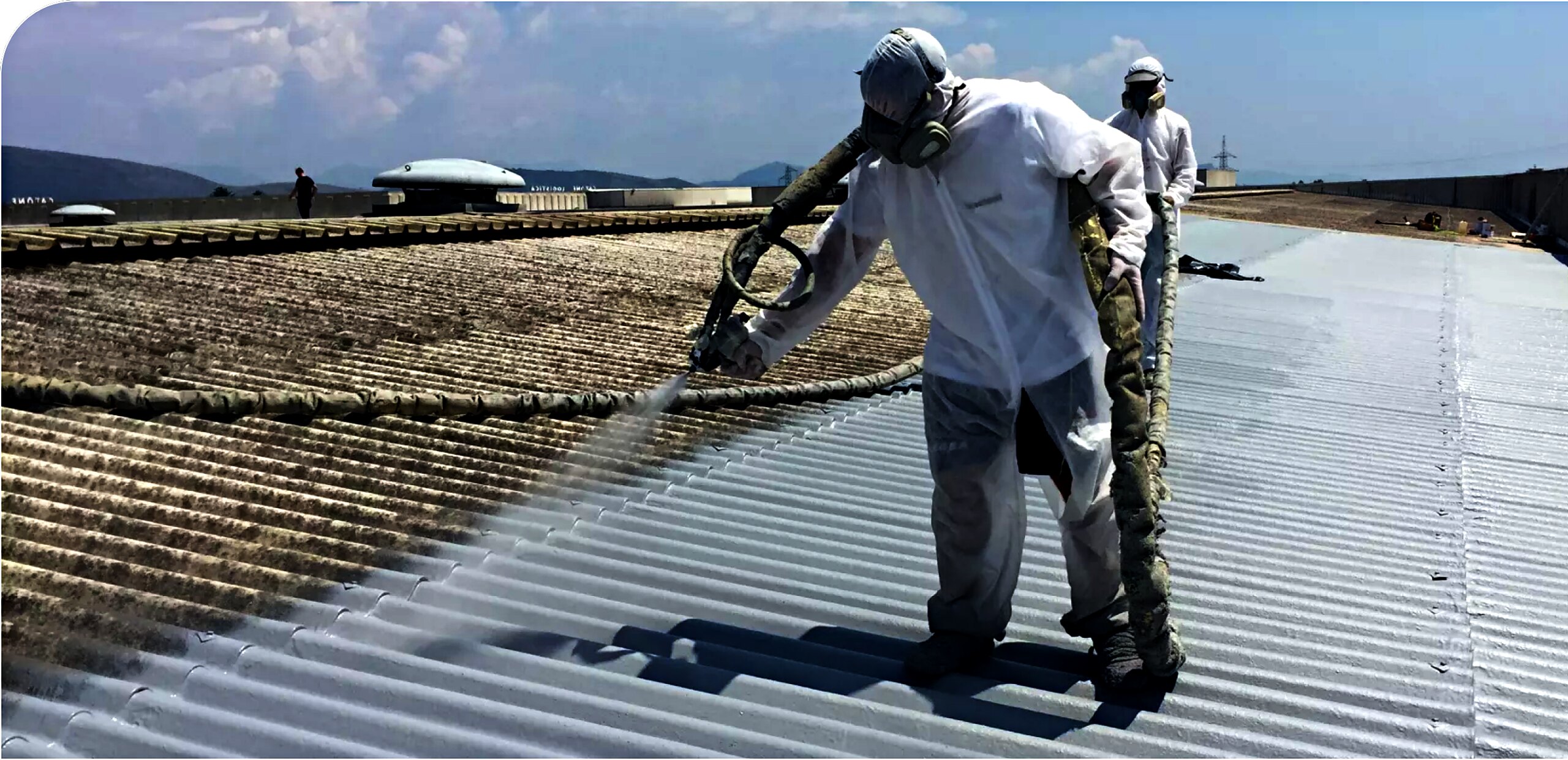
An SPF roof system has two parts: a layer of closed-cell polyurethane foam that insulates and waterproofs, and an elastomeric top coat that protects the foam from sunlight and weather. Installation follows a clear sequence:
- Inspection and moisture survey. Wet insulation or deck damage is found and removed so it is not sealed in.
- Surface preparation. The roof is cleaned, loose material is removed and metal is treated for rust.
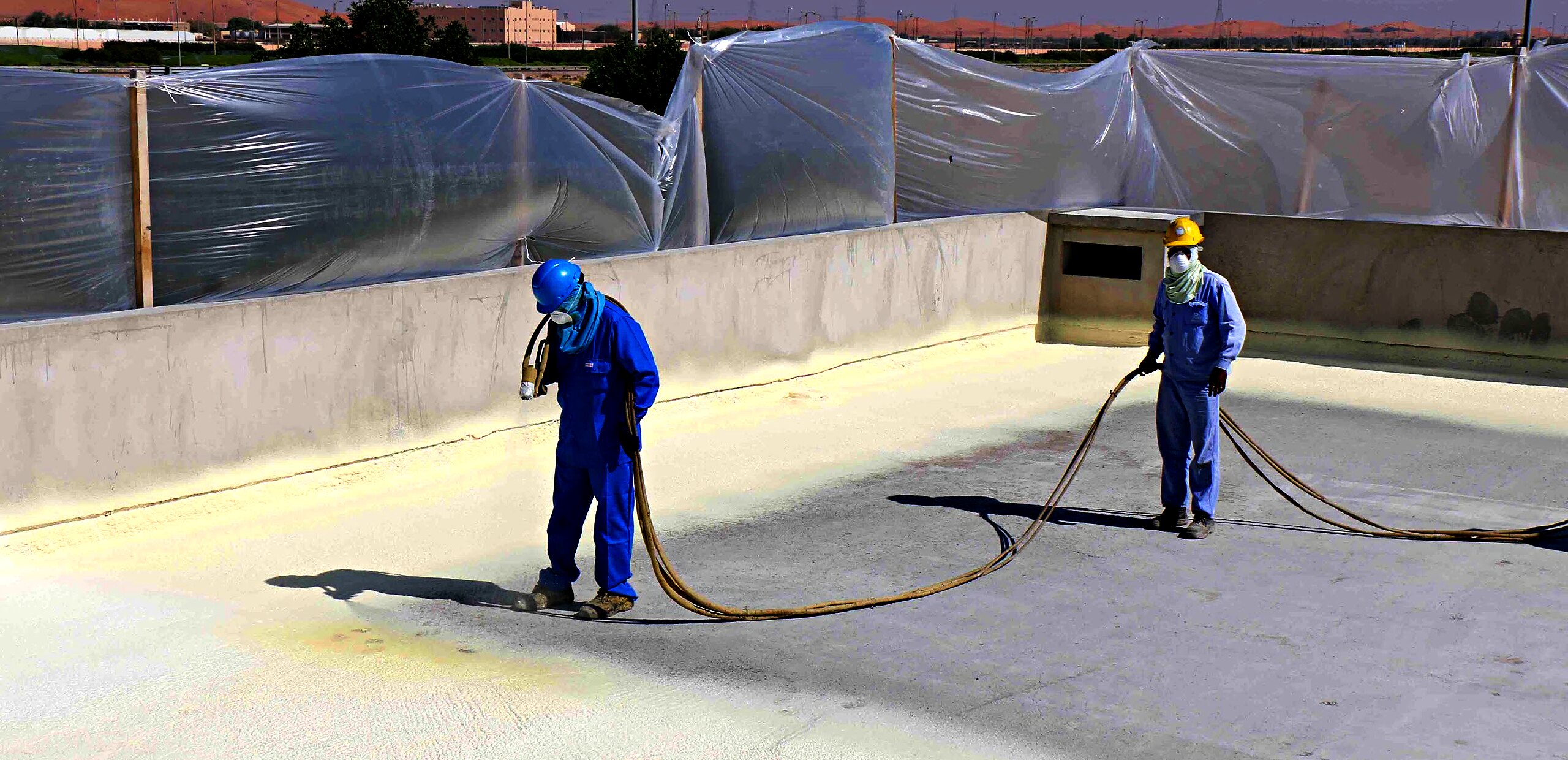
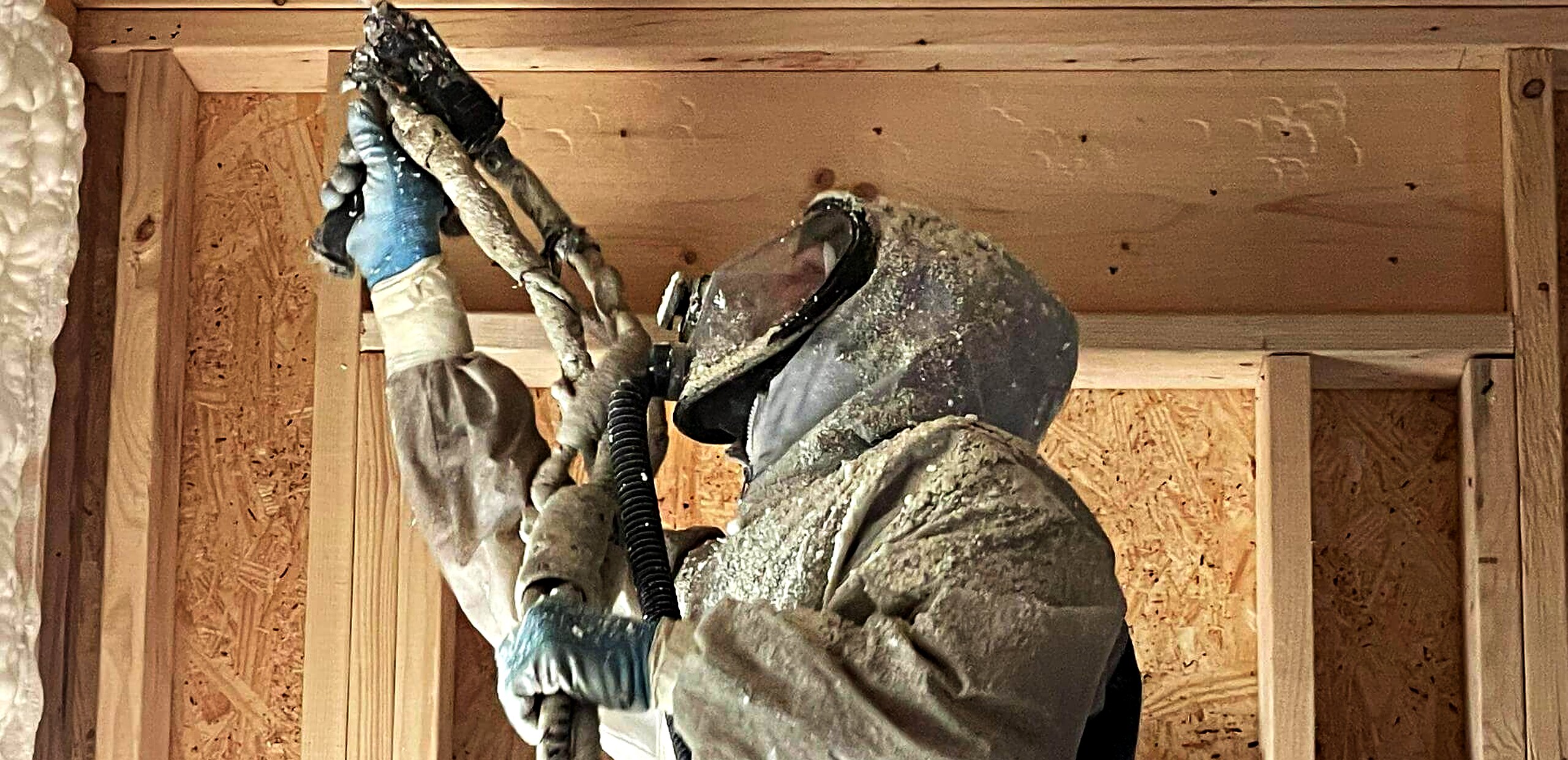
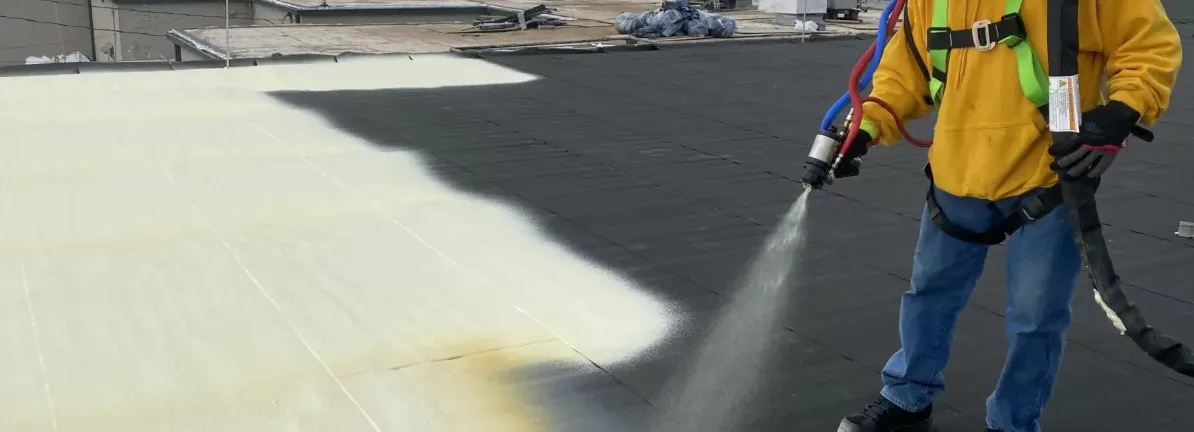
- Foam application. Foam is sprayed in passes to the specified thickness. It can be built up in low areas to improve drainage and stop ponding.
- Top coat. A UV-resistant coating such as silicone, acrylic, urethane or polyurea goes over the foam, often with granules in walkways.
- Final inspection. Thickness, adhesion and detail work at drains, curbs and penetrations are checked.
Because the foam is sprayed in place, it forms a seamless, fully adhered layer with no fasteners or laps. Closed-cell foam also adds insulation across the whole roof, which lowers heating and cooling loads. The U.S. Department of Energy's consumer guide to cool roofs explains how a reflective top coat reduces heat gain even further.
Maintenance and Recoating
The foam itself lasts for decades as long as it stays covered. The top coat is the wear layer. Most owners have the roof inspected once or twice a year and after major storms, and plan to recoat when the coating thins. Recoating restores the system for a fraction of the cost of a new roof, which is why foam roofs are often called renewable roofs.
- Keep drains and scuppers clear so water does not stand on the roof.
- Repair punctures and bird damage quickly, before water reaches the foam.
- Use designated walkways for HVAC service traffic.
Good records make all of this easier. Keep the original installation details, coating product and thickness on file, along with photos from each inspection. When it is time to recoat, the applicator can match the right product to the existing system, and the owner has a clear history that supports warranty claims and budgeting. Many building managers set aside a small amount each year so the recoat is planned rather than an emergency.
Is Spray Foam Roofing Right for Your Building?
Spray foam works best on flat and low-slope commercial, industrial and agricultural roofs, especially metal roofs and older built-up roofs that leak but are still structurally sound. It is a strong choice where energy costs are high or where tearing off the old roof would be expensive and disruptive.
See typical numbers in , learn about protecting walkways in spray foam roof granules, and compare equipment in our roof coating sprayer guide. When a roof is too far gone for a simple recoat, our roof restoration guide helps you decide between restoring and replacing.
Frequently asked questions
Do Spray Foam Roofs Insulate Buildings?
Yes, an SPF roof functions as a highly effective insulator, reflected by its high spray foam R-value. A material’s R-value is a measure of its insulating properties, for which spray foam has the highest value per inch compared to any other type of common building insulation. This is why spray foam is commonly used for building insulation in roofing and beyond.
What Are The Drawbacks to Spray Foam Roofing?
Foam roofs have become an increasingly popular option for many homes, thanks to its improved insulation, easy re-coating, and quicker installation times. However, spray foam roofing can be costly in the short term, and requires professional assistance to ensure a quality application resistant to punctures and other installation inadequacies.
Is Spray Foam Roofing Expensive?
The cost of a foam roof depends on many different factors, including the size of the roof, the type of spray foam, the application environment, and more. Compared to other common roofing systems, spray foam roofing can require higher upfront costs, but these costs are offset by the lasting performance of this advanced type of roofing.
Quicker and easier applications
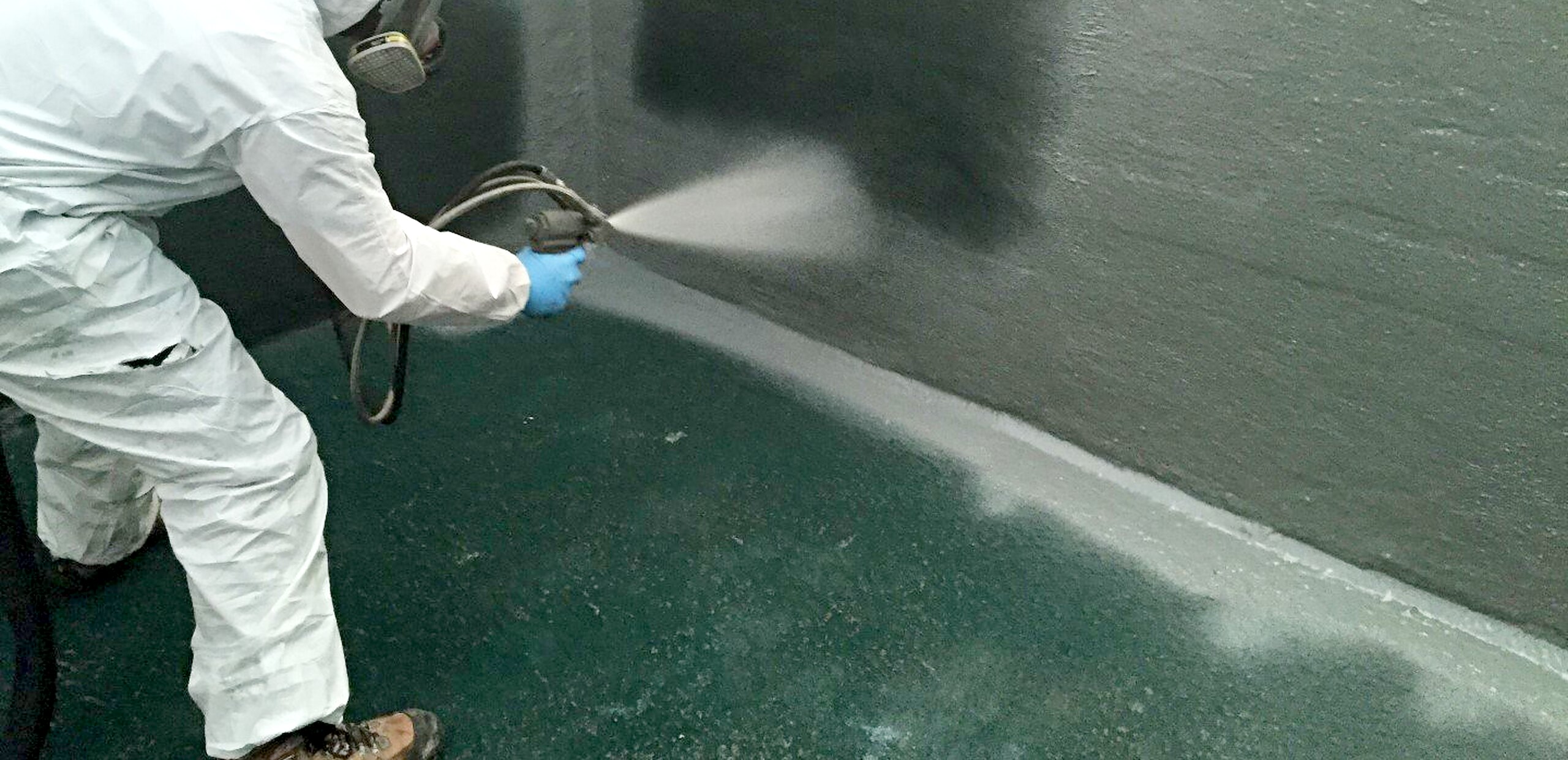
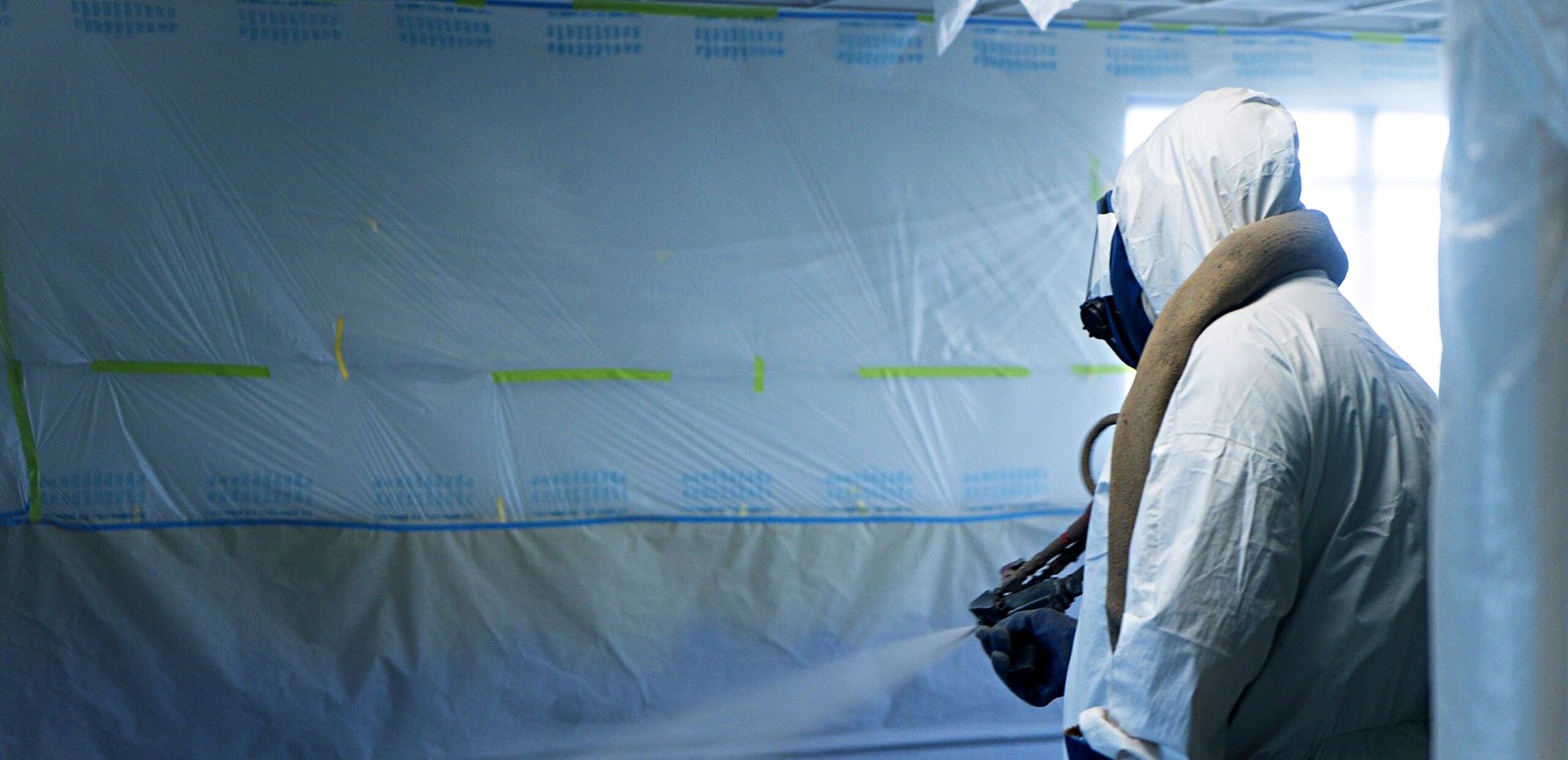
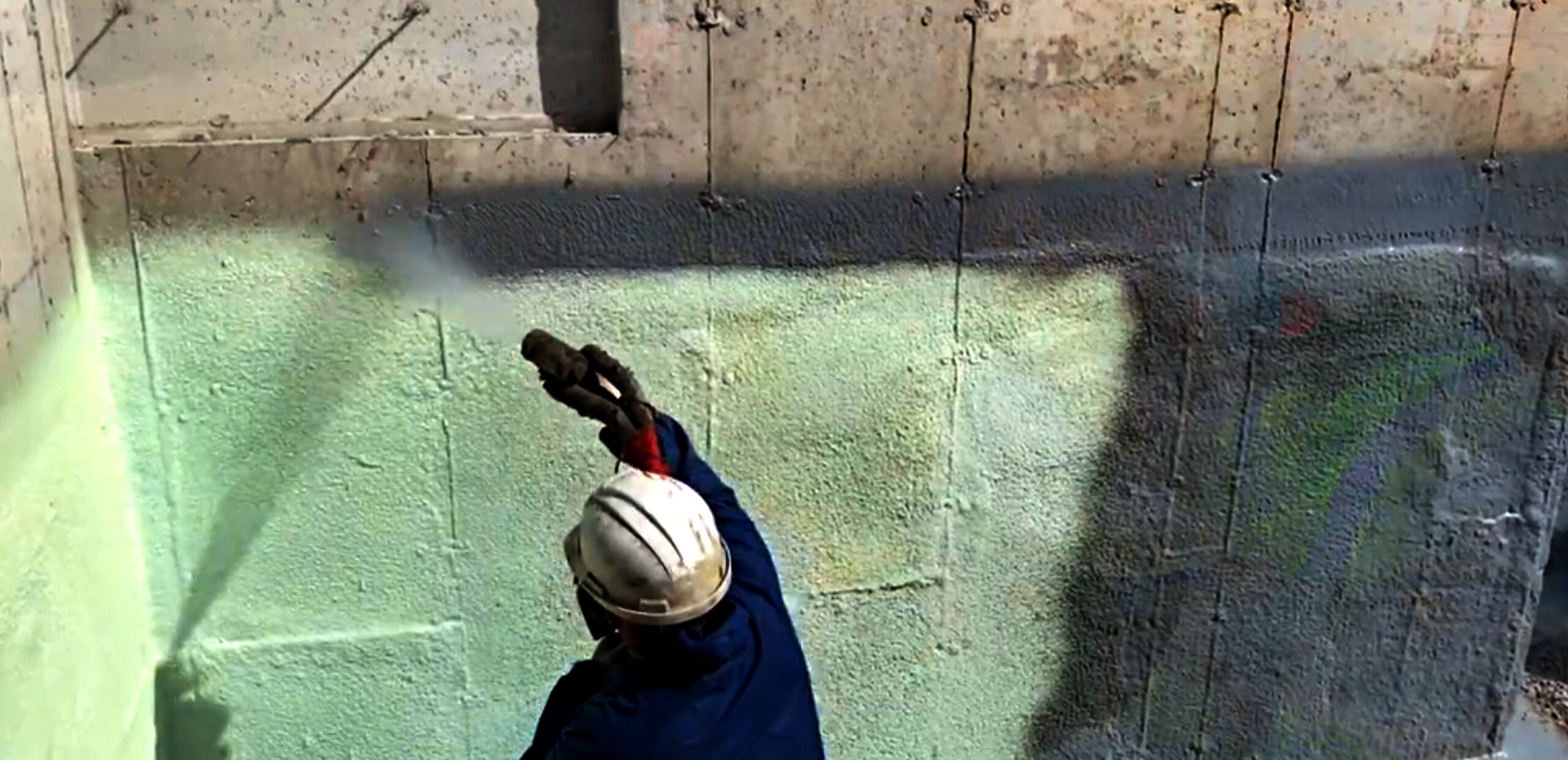
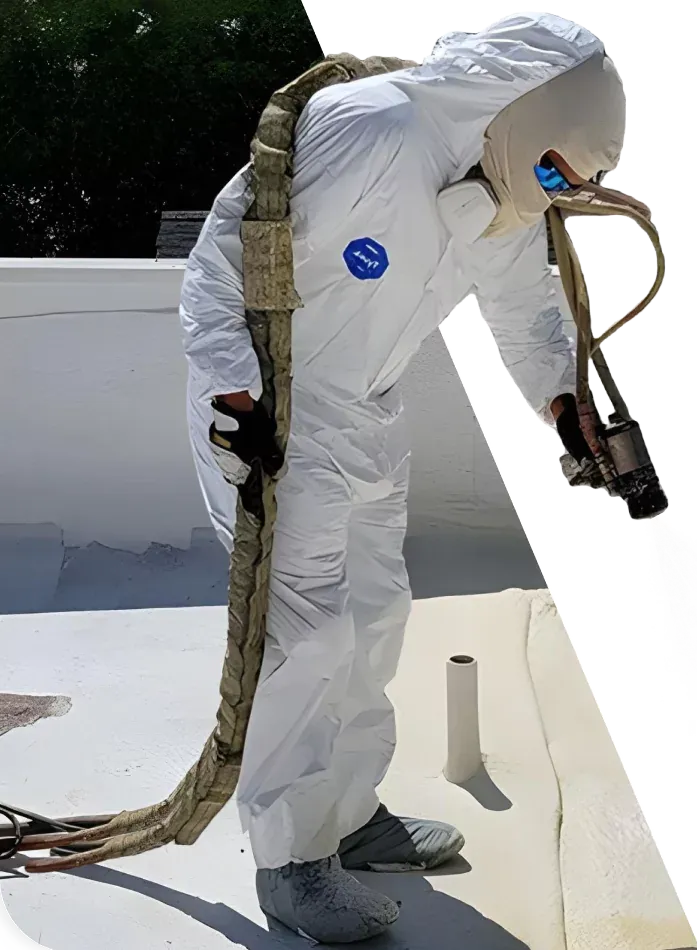
Installing new roofing can be a long and arduous process, costing an arm and a leg in terms of both time and money. Compared to many other popular roofing systems, spray foam roofing is quicker and easier to install, largely thanks to its application using high-pressure spray equipment. Each component is ejected from the nozzle of these tools, reacting on site to form a uniform layer of spray foam materials like polyurethane with high precision. This allows applicators to navigate penetrations or other challenging surfaces with ease, conforming to unique geometries and seamlessly integrating into the rest of the space. Moreover, the high precision and low density of spray foam applications also means that spray foam roofing requires far less material than traditional systems, making it even easier and more sustainable

Find or become an applicator
If you’re looking for the best of the best for your SPF roofing project, look no further than ArmorThane. We’re a team of coatings experts with over 35 years in business, and more than 70 years of combined coatings expertise. Whether it’s spray foam roofing, bedliner paint jobs, military blast mitigation, or anything in between, we’re ready to tackle almost any coating project, and have yet to face a challenge we couldn’t overcome. That’s why we also offer comprehensive startup packages with everything you need to become a certified professional applicator and start your own coatings business.
With only a small initial investment, and no predatory franchise fees, licensing costs, or other profit-stealing models, we’ll provide personalized on-site training, industry recognized certification, high quality materials and equipment, and lifetime technical support and business development assistance. So, whether you’re ready for us to install your new spray foam roofing, or help you get started on your entrepreneurial journey, contact us today!
Start your coatings business with ArmorThane.
Tell us what you want to spray and where you are. An ArmorThane specialist will walk you through the equipment, chemicals, training and startup cost for the work you want to do.
- Equipment package matched to your applications
- Hands-on training and applicator certification
- Technical support once you are spraying
More to read on roofing
Short reads from ArmorThane on Issuu. Tap one to open it right here.