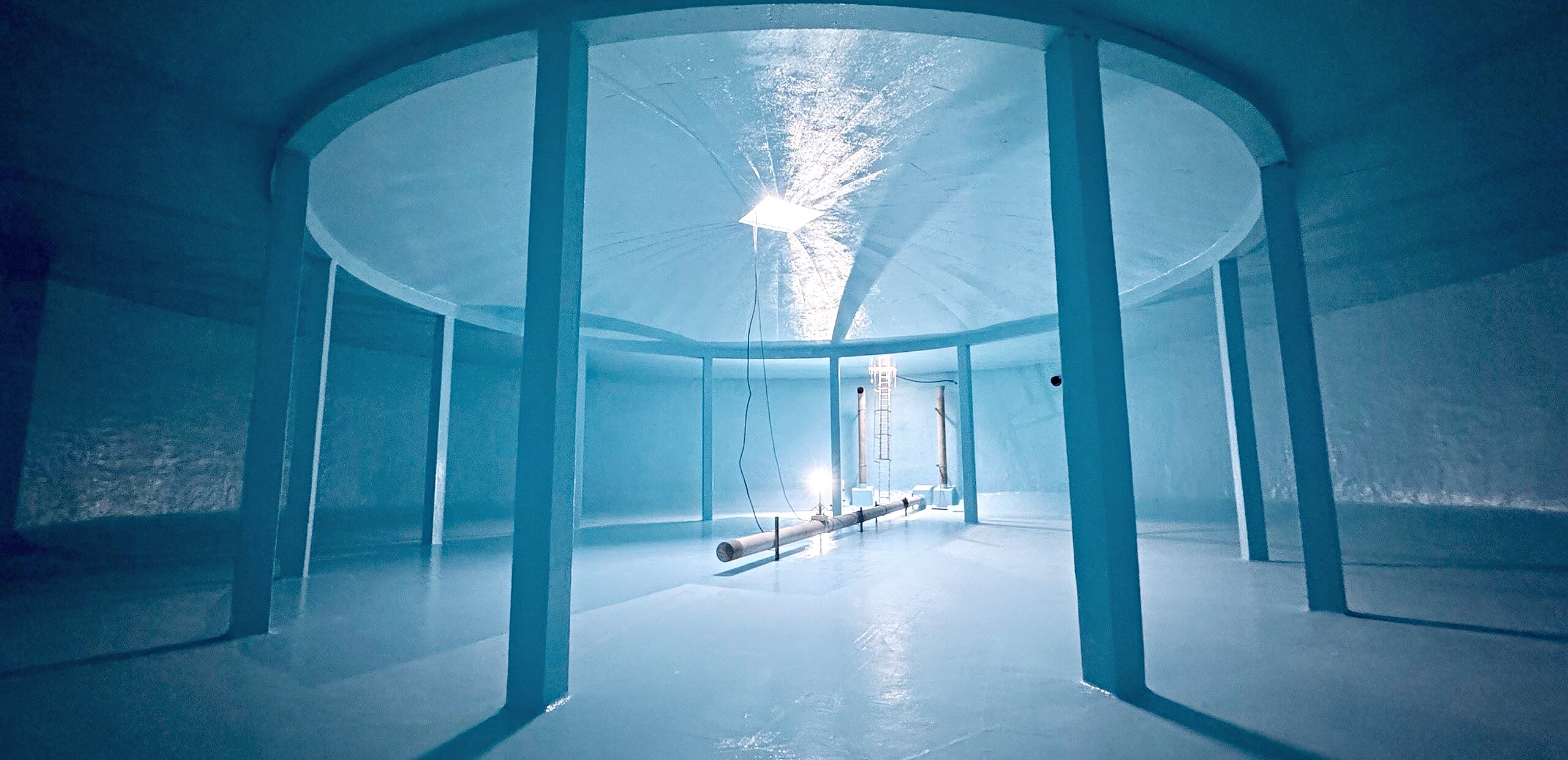
Wastewater / sewer corrosion protection
Wastewater corrosion protection with polyurea: seals concrete and steel, stops leaks, extends sewer life and cuts maintenance spend for plants.
Start a wastewater coating business
Protect infrastructure for a living.
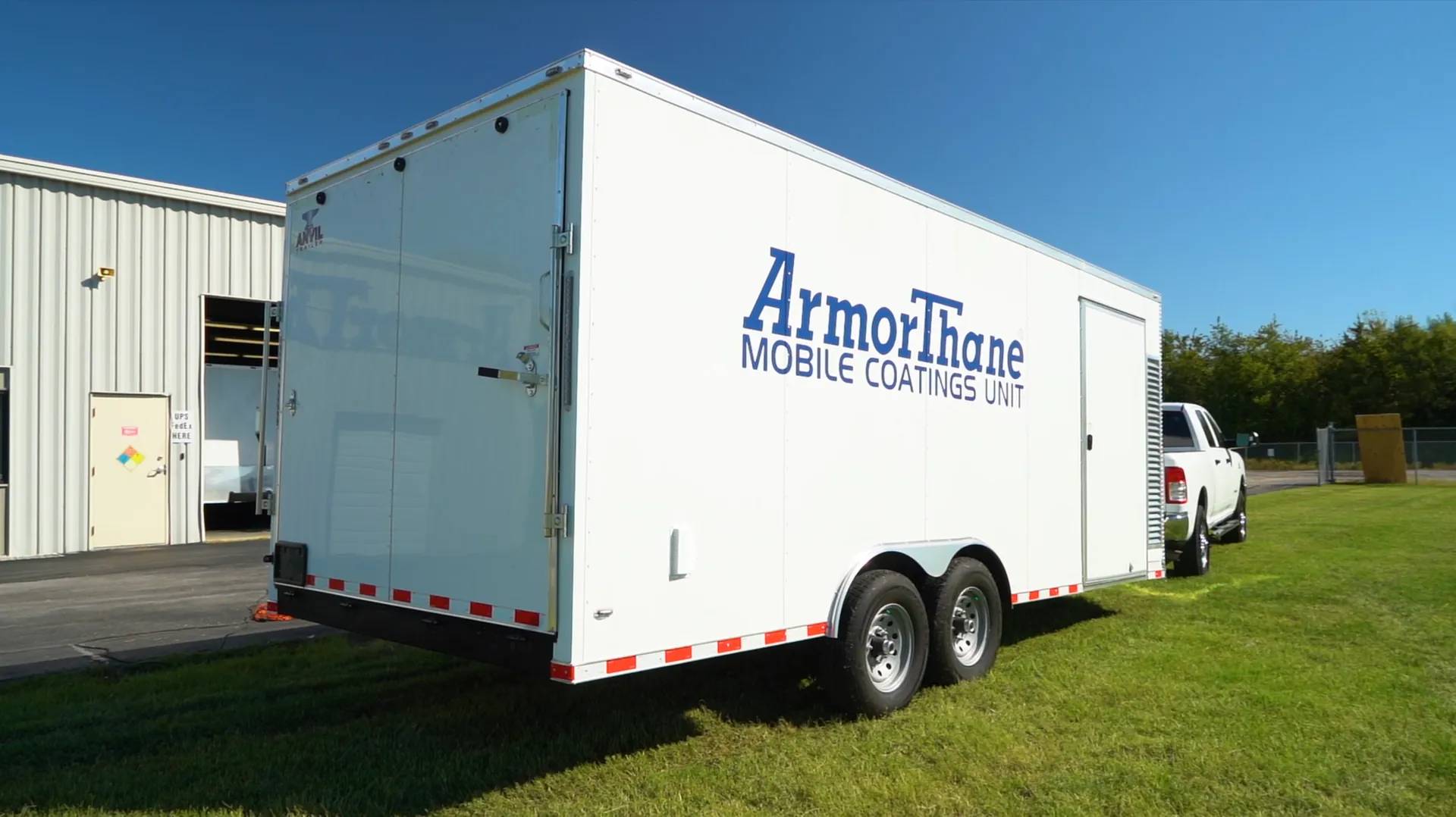
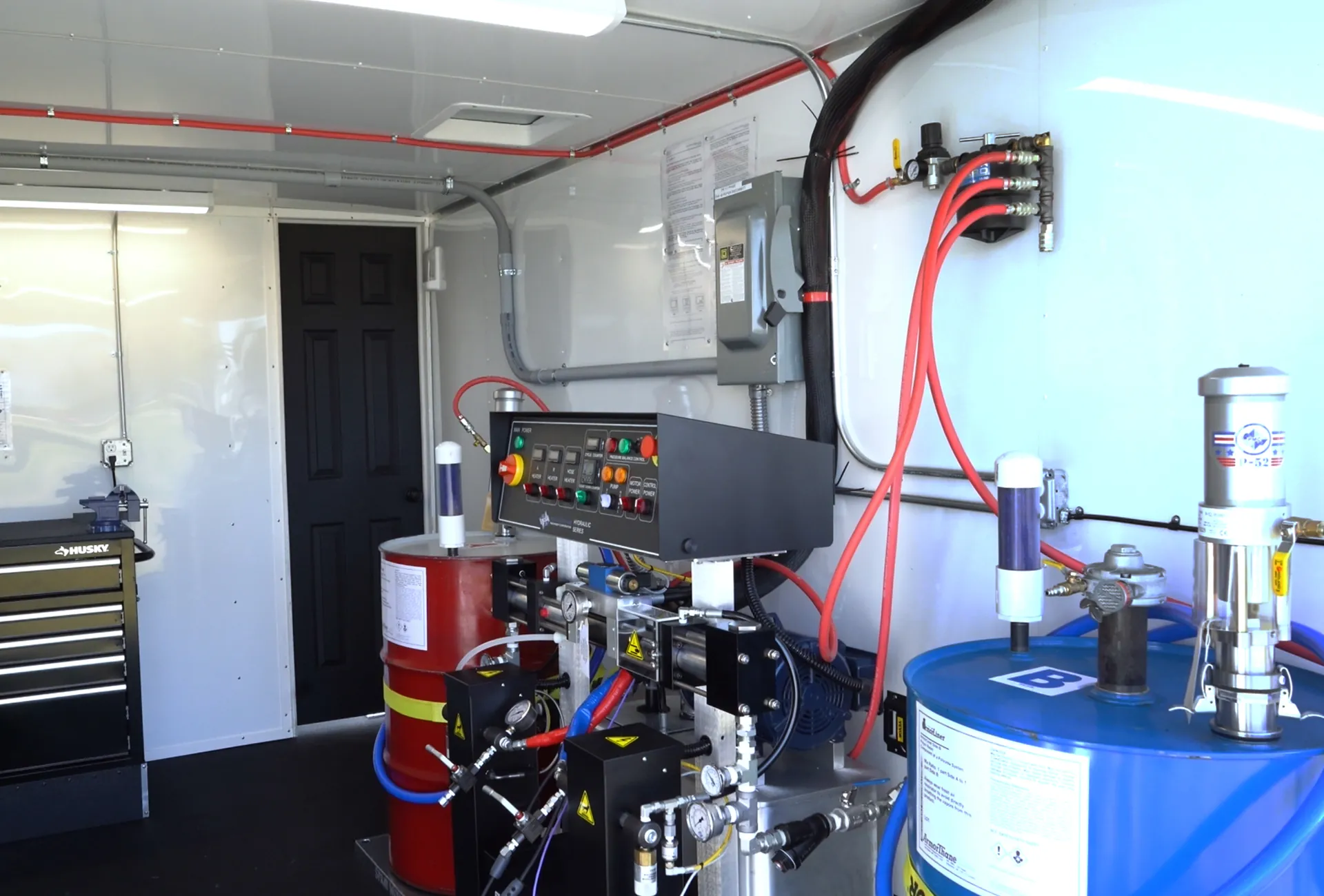
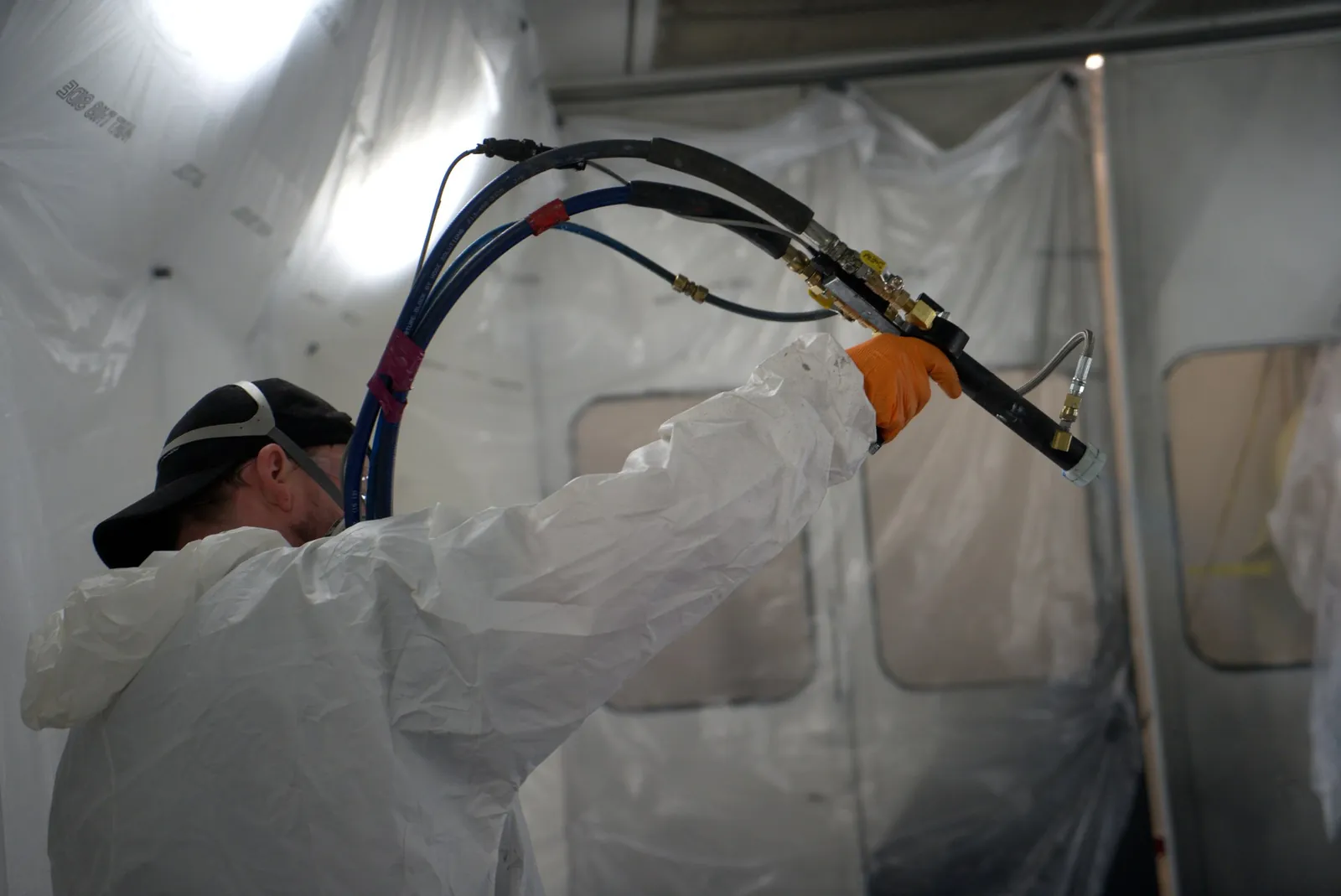
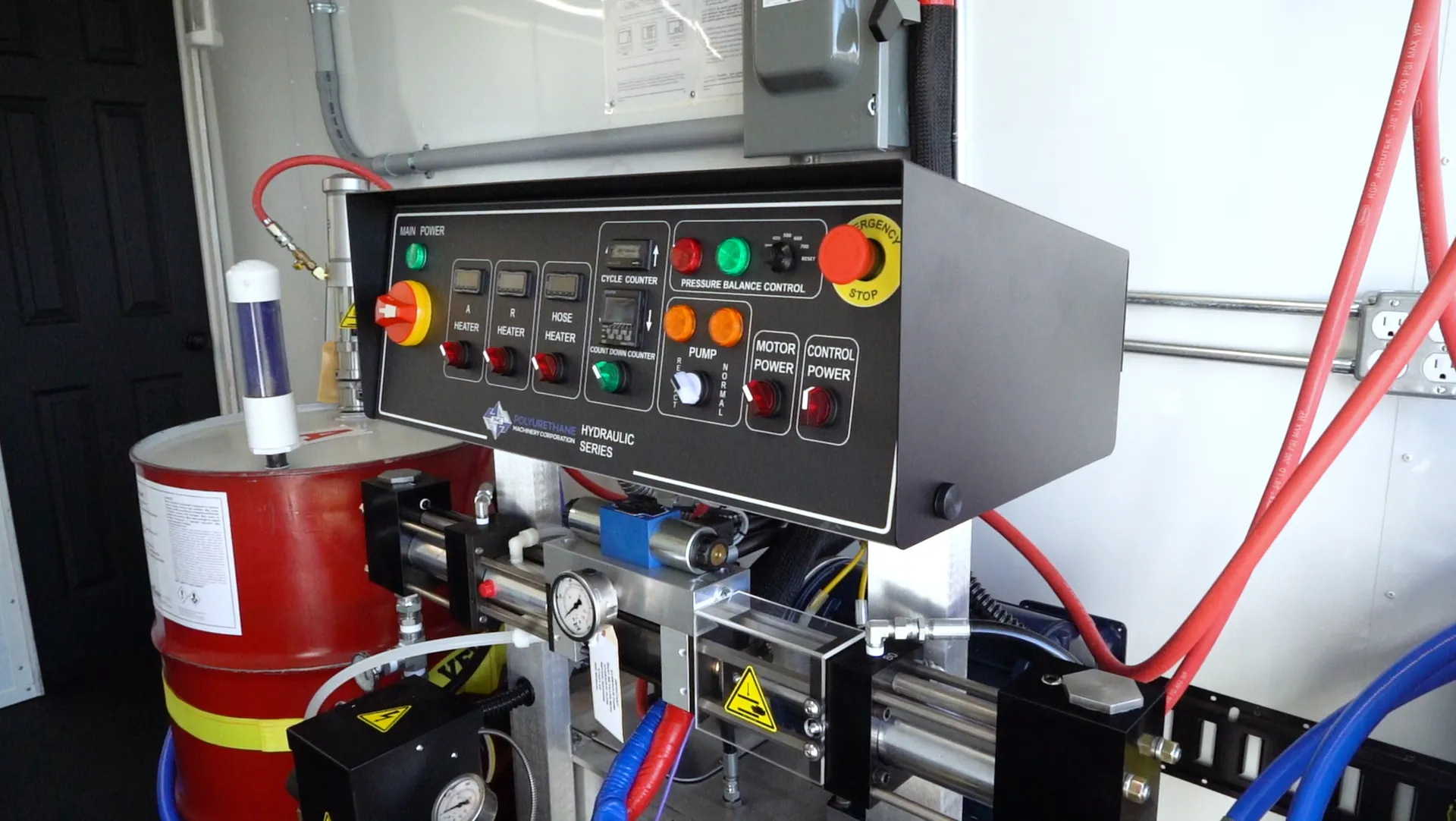
ArmorThane sets you up to do this work, and you own the business. We make the chemistry, build the rigs, train you hands-on and answer the phone when a job gets difficult. You pay no franchise fee and no royalties. It has been that way since 1989.
- $0
- franchise fees or royalties
- 35+
- years in business
- 50+
- countries with applicators
- 24/7
- technical support
Unseen Dangers Below: The Corrosion Crisis in Sewer Systems
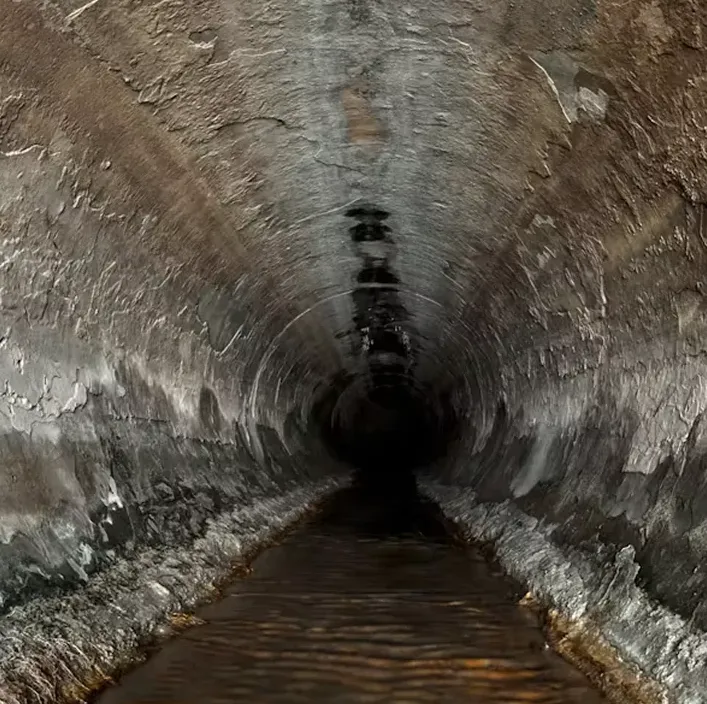
When sewer systems operate, they’re mostly invisible to the public. Wastewater flows, unseen and unnoticed, through pipes from homes and businesses to treatment plants, where it is cleansed and returned to the environment. But standing pools of water and foul odor—signs a sewer is not functioning properly—are becoming more and more common. According to NACE International, corrosion is the biggest issue facing underground infrastructure. Most sewer systems were built a century ago when corrosion management solutions and techniques were limited. These are approaching the end of their functional lives, primarily due to corrosion.
Wastewater Corrosion Protection: Polyurea Application Technology
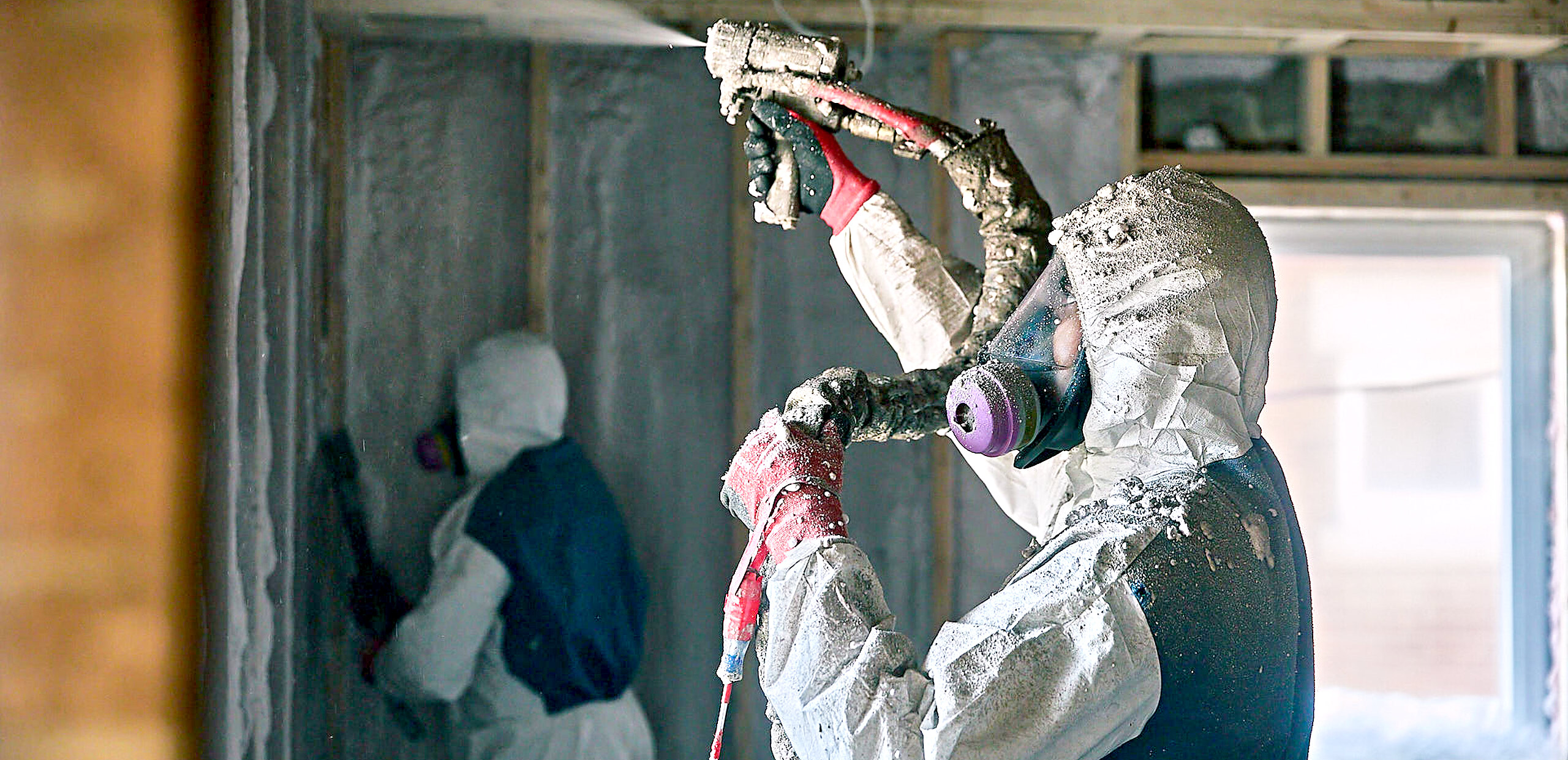
Developments in spray technology have popularized polyurea for applications such as wastewater and sewer protection; thus, other coatings such as epoxy coatings are easily replaced by polyurea spray coatings. The main advantages of a spray system are the speed of application, quickness of curing, and accuracy of the resulting coating thickness.

Type of Product (Pure Polyurea versus Hybrid Polyurea- Polyurethane)
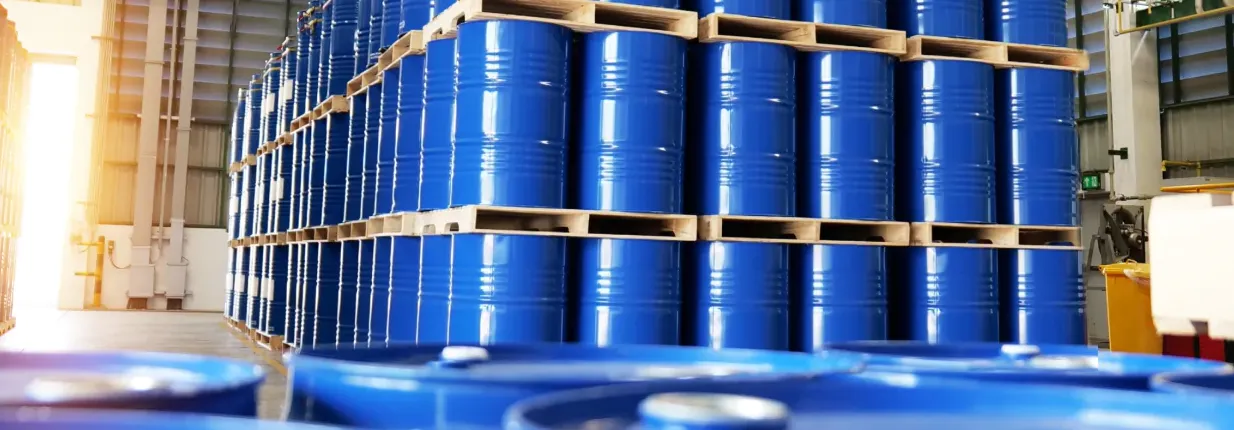
Polyurea coatings are commonly used in various industries due to their excellent properties such as moisture resistance, temperature resistance, adhesion, and abrasion resistance. There are two types of polyurea coatings, pure polyurea and hybrid polyurea. Pure polyurea is known for its exceptional moisture and temperature resistance. On the other hand, hybrid polyurea has better adhesion on concrete and metal surfaces, superior abrasion resistance, and is preferred for specific applications such as in building construction machinery. Hybrid polyurea also has a cost advantage over pure polyurea and is expected to gain a major share of the global market demand.
Why sewer erosion and corrosion matters
Corrosion is an extremely hazardous and expensive form of pipe deterioration: Like cracks and breaks, it can degrade a pipe’s structural integrity and cause wastewater to leak into groundwater or waterways via exfiltration, wreaking havoc in its wake, causing sickness, possible death, and deterioration of the environment. New, hazardous substances can also enter the flow, and corrosive microbes and bacteria can release toxic gases within the lines. Corrosion costs drinking water and sewer utilities $80 billion each year.


What causes corrosion
Corrosion comes in various forms, including uniform attack, pitting, galvanic corrosion, and selective leaching. According to NACE, in many cases, failures caused by erosion occur quickly. In the wastewater industry, microbes often intensify corrosion in a process known as microbially induced corrosion, or MIC. Bacteria collects in pipes and treatment plants and produces hydrogen sulfide, a toxic, flammable, smelly, and corrosive gas. A chemical reaction transforms this into sulfuric acid, which aggressively eats concrete pipes. In addition, hydrogen sulfide endangers all life: Exposure to this toxic gas can damage eyes and skin, cause problems breathing, and even lead to death.
How to remedy corrosion
There is nothing more important than safety when it comes to potable water. With a wide range of fast-curing solutions, ArmorThane offers the solution to most wastewater erosion and corrosion problems. ArmorThane’s environmentally safe, non-permeable polyurea coatings have a high pH resistance—giving wastewater pipes and tanks a whole new level of strength from a product that won’t leech into the drinking water supply. Not only will ArmorThane’s protective coatings extend the life of water pipes and tanks, but they’ll also keep drinking water contaminant-free.
Where Corrosion Protection Is Needed Most
Corrosion is worst wherever sewage is turbulent and air can reach the concrete, because that is where hydrogen sulfide is released and turned into acid. Utilities usually prioritize these structures:
- Manholes, especially drop manholes and those downstream of force mains.
- Lift stations and wet wells, where sewage sits and gases build up.
- Headworks and grit chambers at treatment plants, which see the highest gas levels.
- Junction chambers and siphons, where flows mix and splash.
- Digesters and clarifiers, which combine chemical exposure with constant immersion.
Planning a Rehabilitation Program
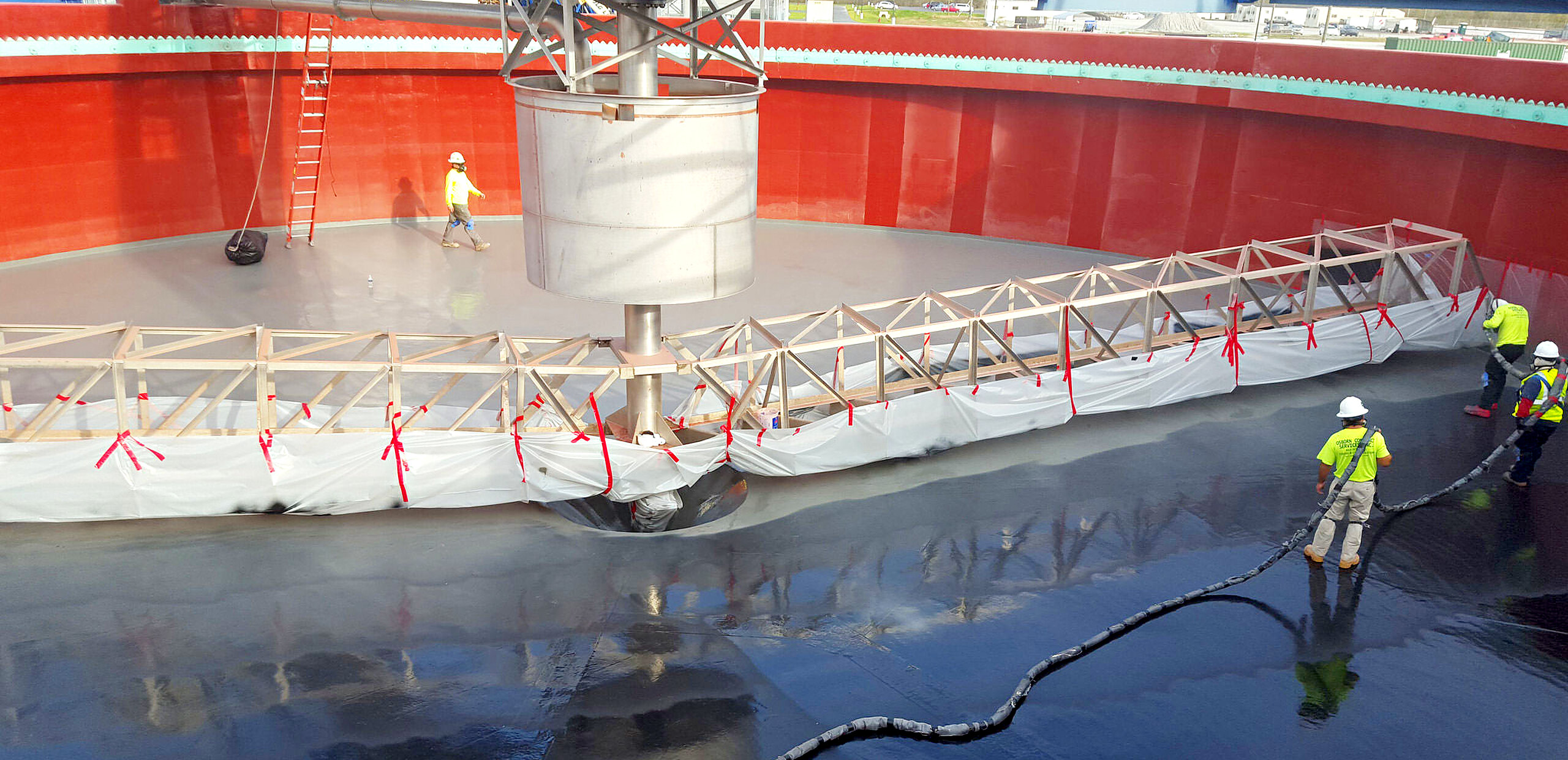
A practical program starts with inspection data. Crews measure concrete loss, note exposed rebar and check for infiltration, then rank structures by risk. The worst are lined first, and the rest are scheduled over several budget cycles. Lining before the reinforcing steel is exposed is far cheaper than rebuilding later.
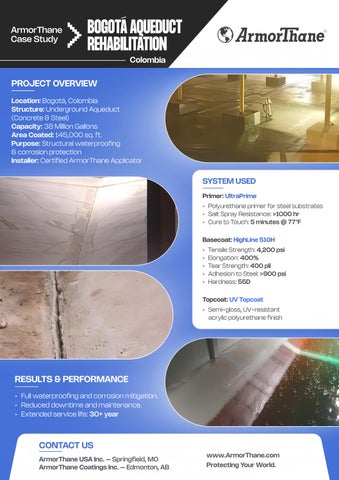
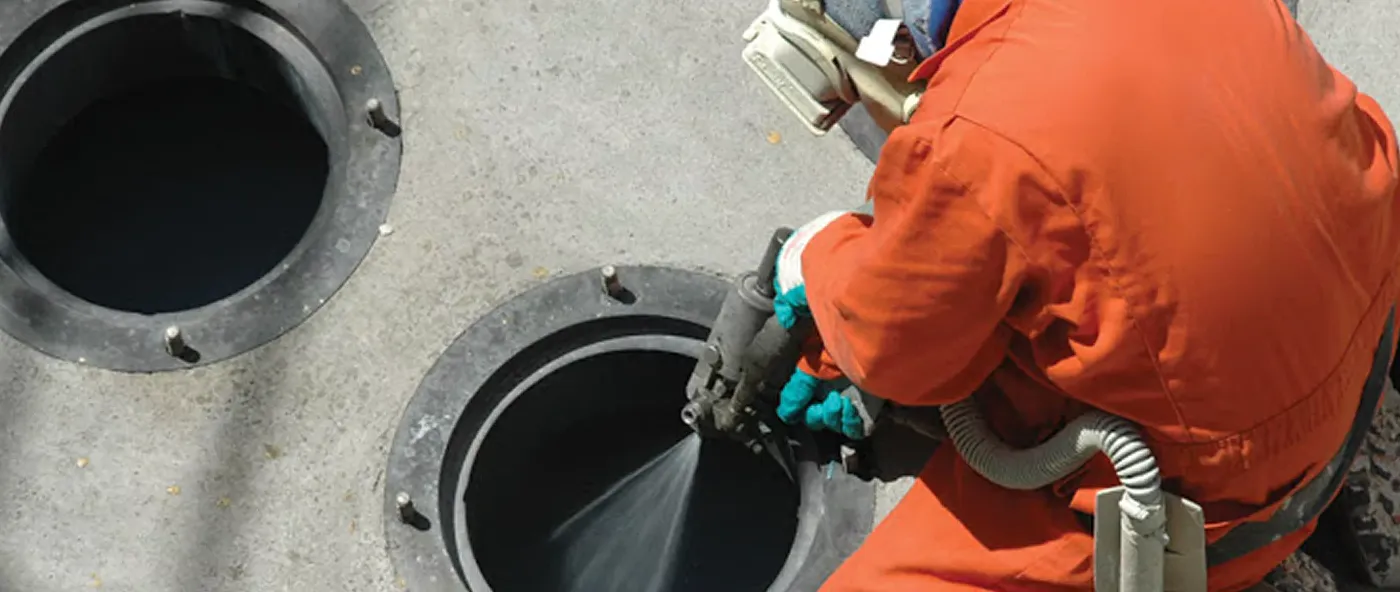
Sprayed polyurea suits this work because it cures in seconds, so structures return to service quickly, and it forms a seamless barrier with no joints for acid to attack. See the method in action in our sewer rehabilitation case study, learn how municipalities approach manhole renewal, and read about rehabbing concrete wastewater infrastructure.
Why ArmorThane is the top choice for sewer corrosion protection
When it comes to protecting sewer systems from corrosion, investing in polyurea from Armorthane is a smart choice. Our polyurea is a durable and long-lasting coating that provides superior protection against the harsh conditions that sewer systems face underground. Armorthane’s polyurea products are specifically designed to resist corrosion, extending the lifespan of the sewer system and reducing the need for costly repairs and maintenance. With Armorthane’s expertise in protective coatings and its commitment to quality, you can trust that its polyurea products will deliver exceptional performance and peace of mind for years.
Start your coatings business with ArmorThane.
Tell us what you want to spray and where you are. An ArmorThane specialist will walk you through the equipment, chemicals, training and startup cost for the work you want to do.
- Equipment package matched to your applications
- Hands-on training and applicator certification
- Technical support once you are spraying
More to read on water and wastewater
Short reads from ArmorThane on Issuu. Tap one to open it right here.